
Marlow Patio Restoration
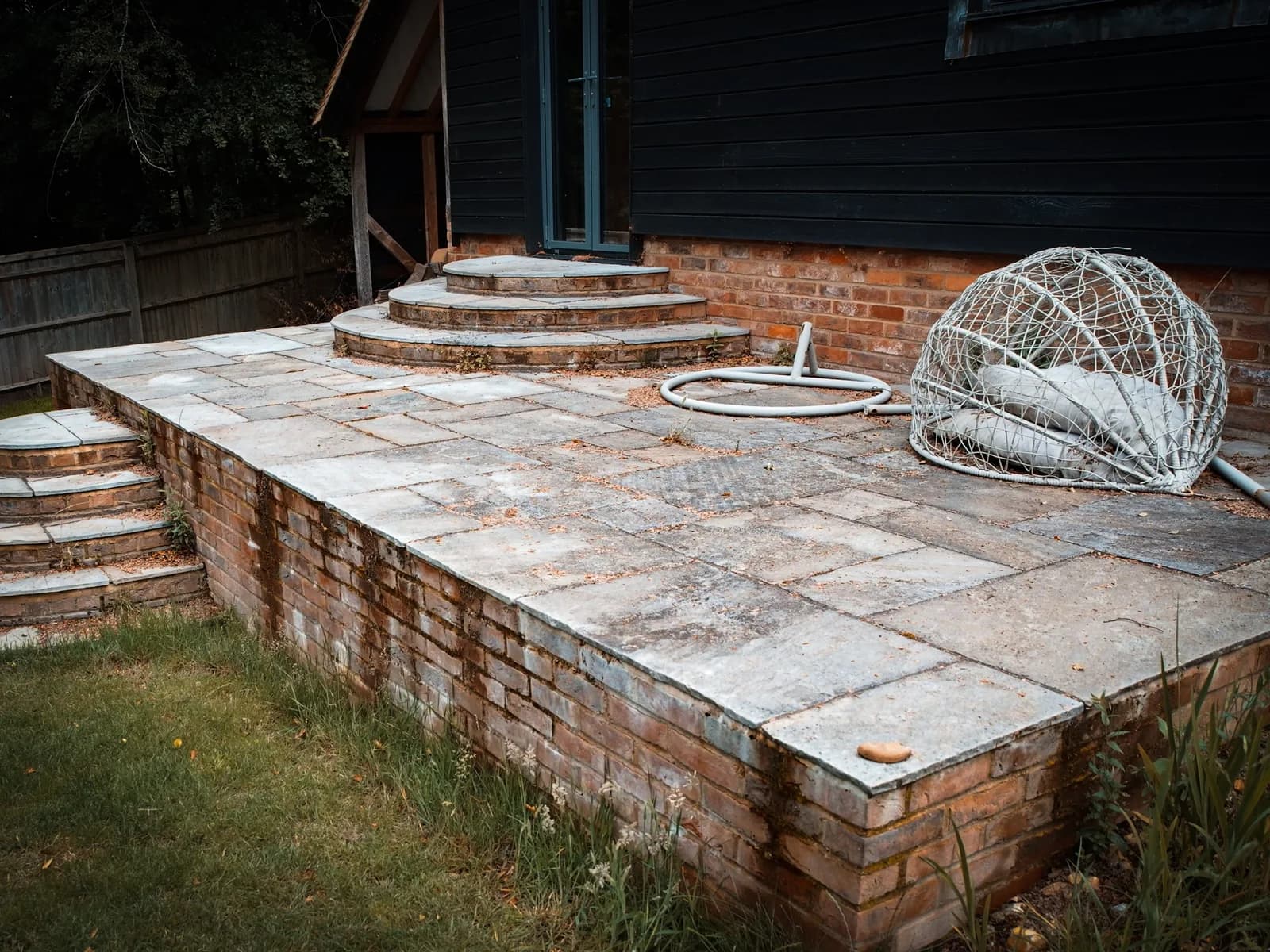
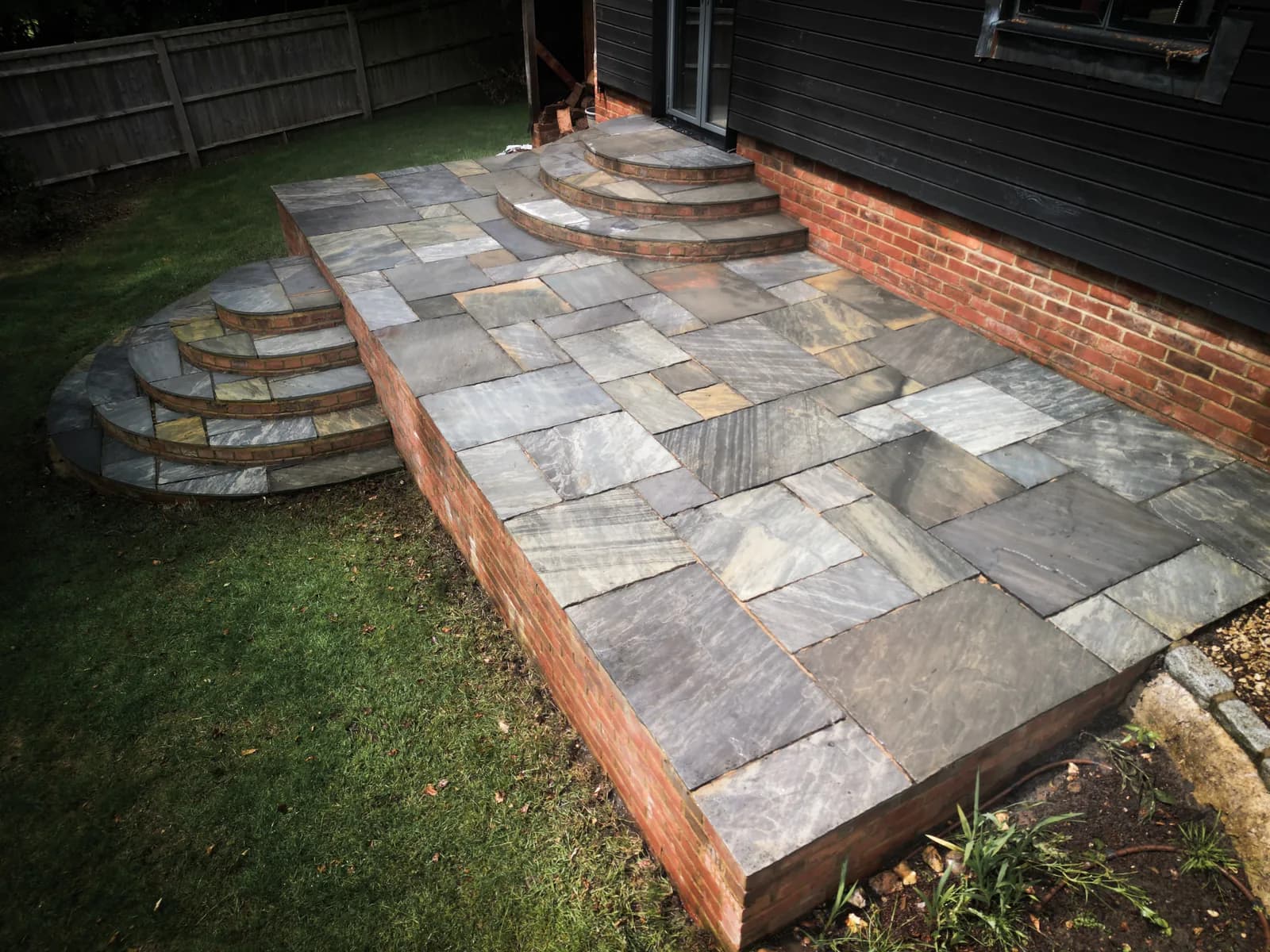
A natural stone patio in Marlow showing heavy moss growth and widespread black spot, cleaned back to the stone and protected with Chiltern EverGuard™.
Project Transformation
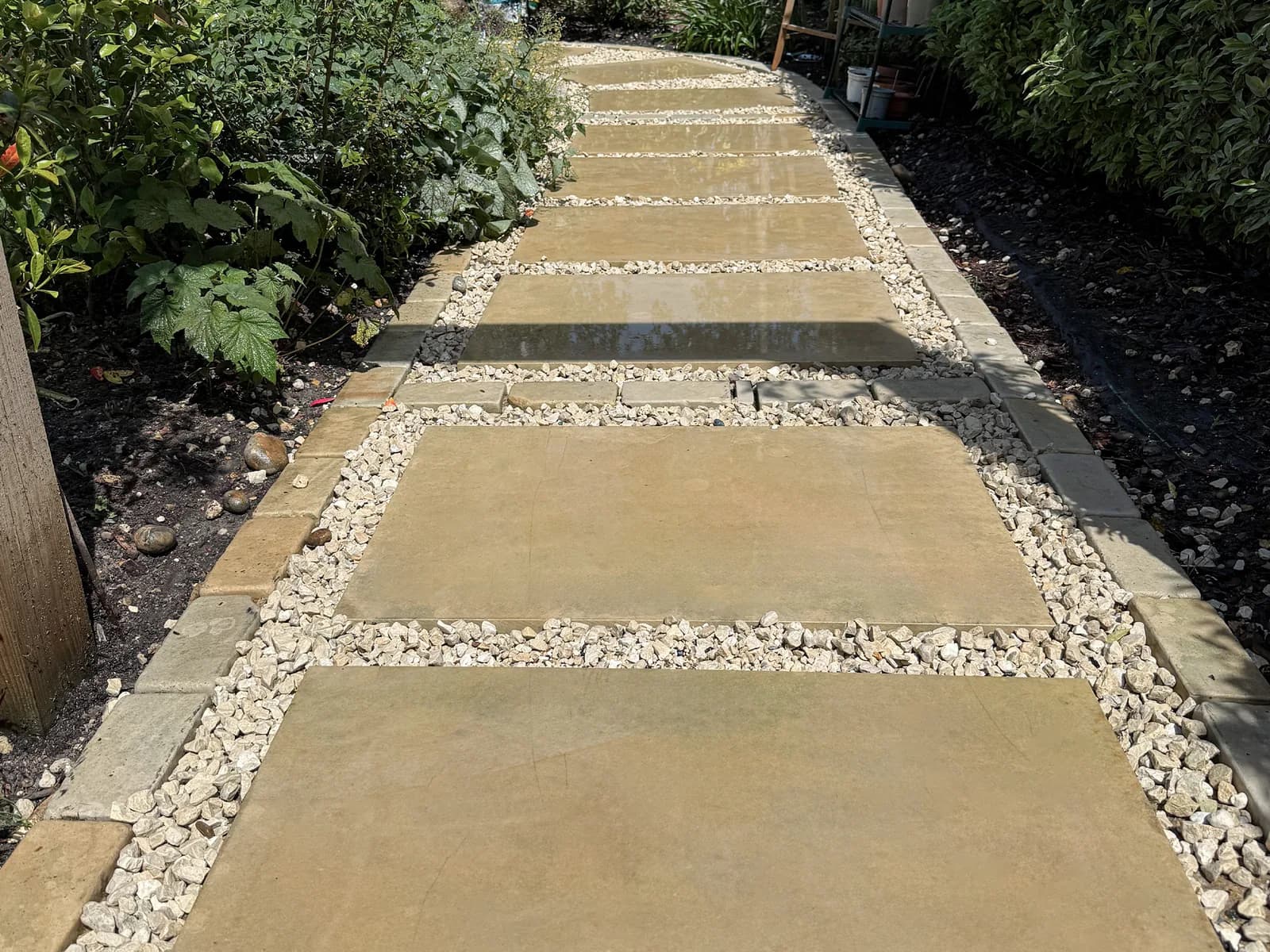
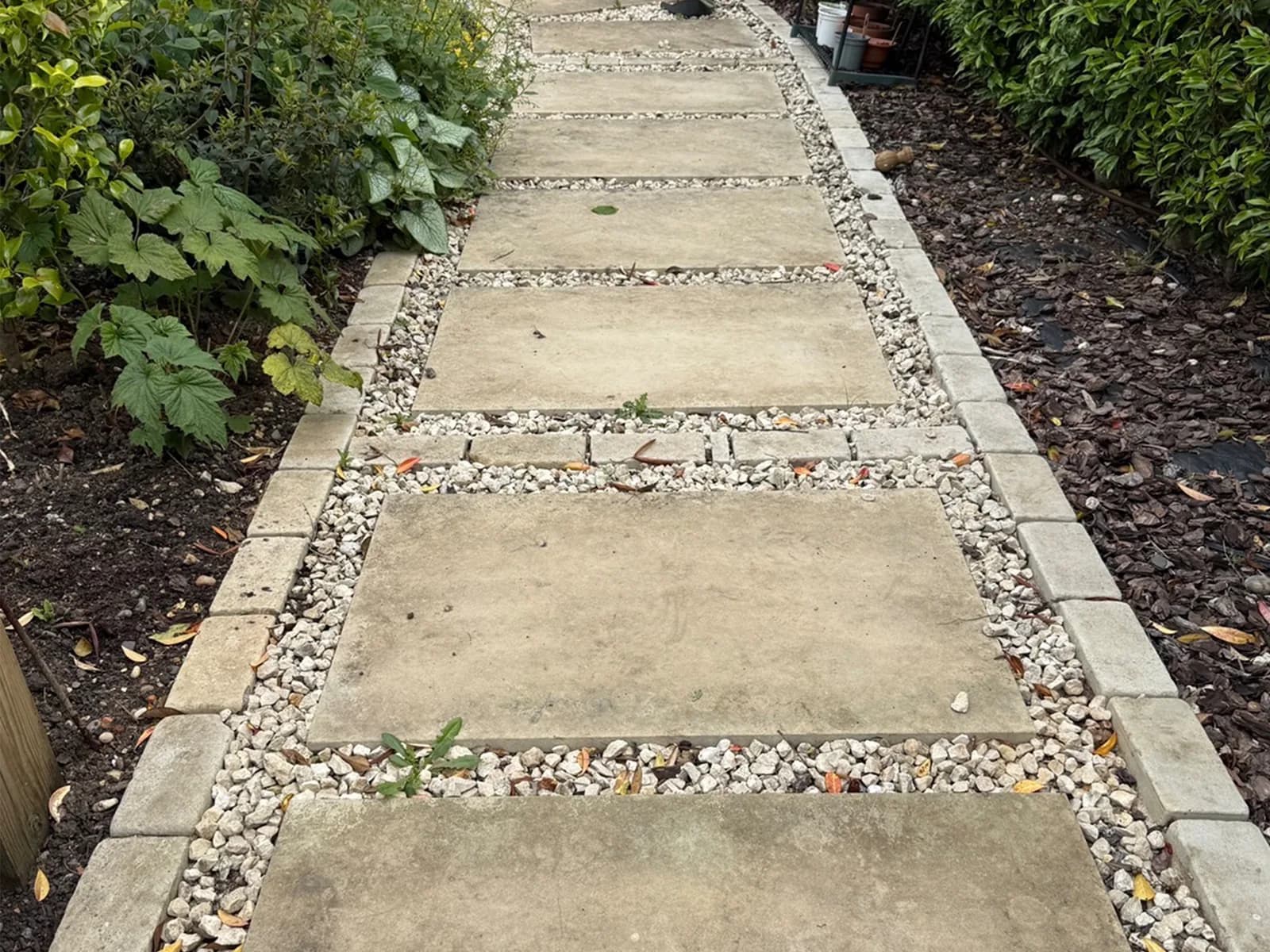
This bespoke sandstone garden pathway had become heavily weathered with organic staining, darkened gravel, embedded contamination and surface discolouration throughout.
 BeforeAfter
About the project
Heavy organic staining, algae growth and embedded contamination across the sandstone pathway and decorative gravel borders. Over time, the sandstone slabs and decorative stone borders had become contaminated with algae, dirt retention and general environmental staining. The surrounding gravel had also darkened significantly, reducing the clean architectural appearance of the garden design.
Controlled low-pressure cleaning, hand removal of the decorative gravel, separate gravel cleaning and careful treatment of the sandstone and edging. Rather than simply cleaning the surface, we restored the pathway as a complete feature — removing the decorative gravel by hand, cleaning it separately, treating the sandstone and carefully reinstating the detail work for a cleaner, more refined finish.
A cleaner, brighter and more refined pathway with the surrounding details restored as part of the overall finish. Instead of cleaning over the gravel or blasting it into the flower beds, we removed it, cleaned it separately and reinstated it once the slabs and borders had been treated. The pathway was surrounded by carefully maintained planting, so extra care was taken throughout to protect the garden while achieving the best possible finish.
Surface
Natural Sandstone
Location
Project Type
Completion Time
1 day
Techniques Used
Hand gravel removal · Separate gravel cleaning · Controlled low-pressure cleaning · Natural-stone treatment
Outcome
Fully cleaned, restored & refined
Step by step
Every project follows a careful, surface-specific process — here’s exactly how we approached this one.
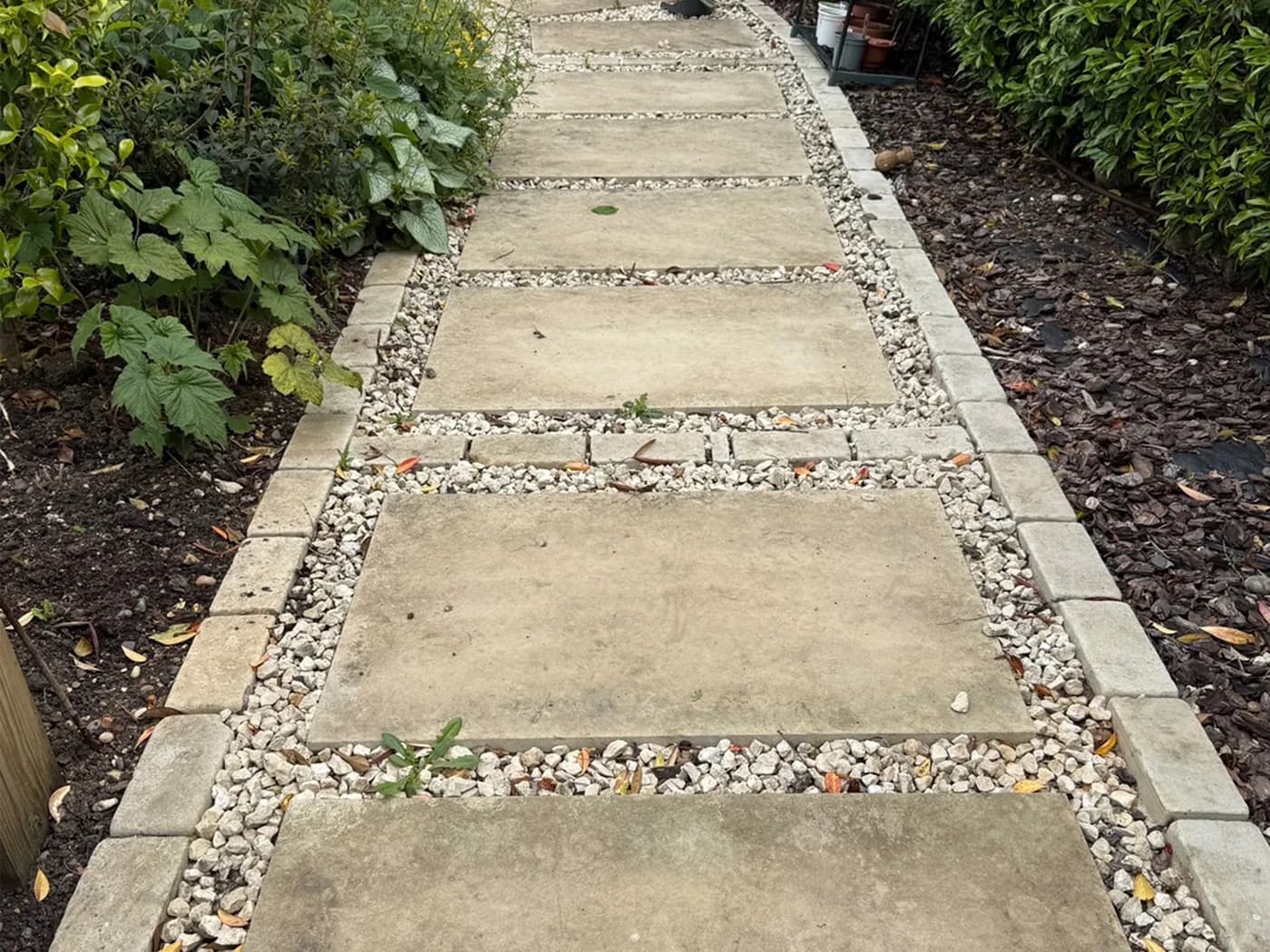
We assessed the sandstone, edging and decorative gravel to choose the safest and most effective restoration process.
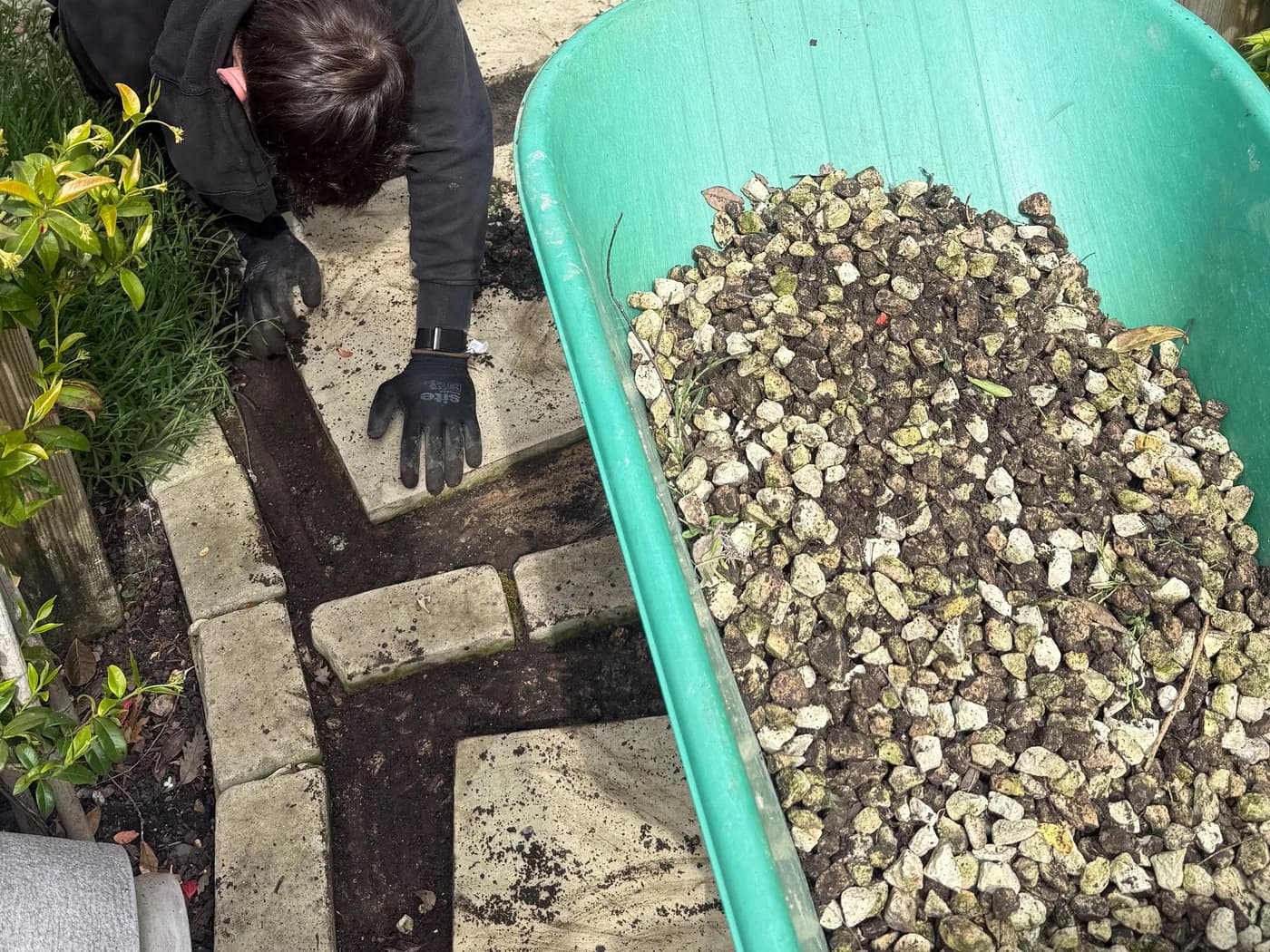
The decorative Cotswold-style gravel was carefully removed by hand so the slabs and borders could be cleaned properly without displacing stones into the surrounding planting.
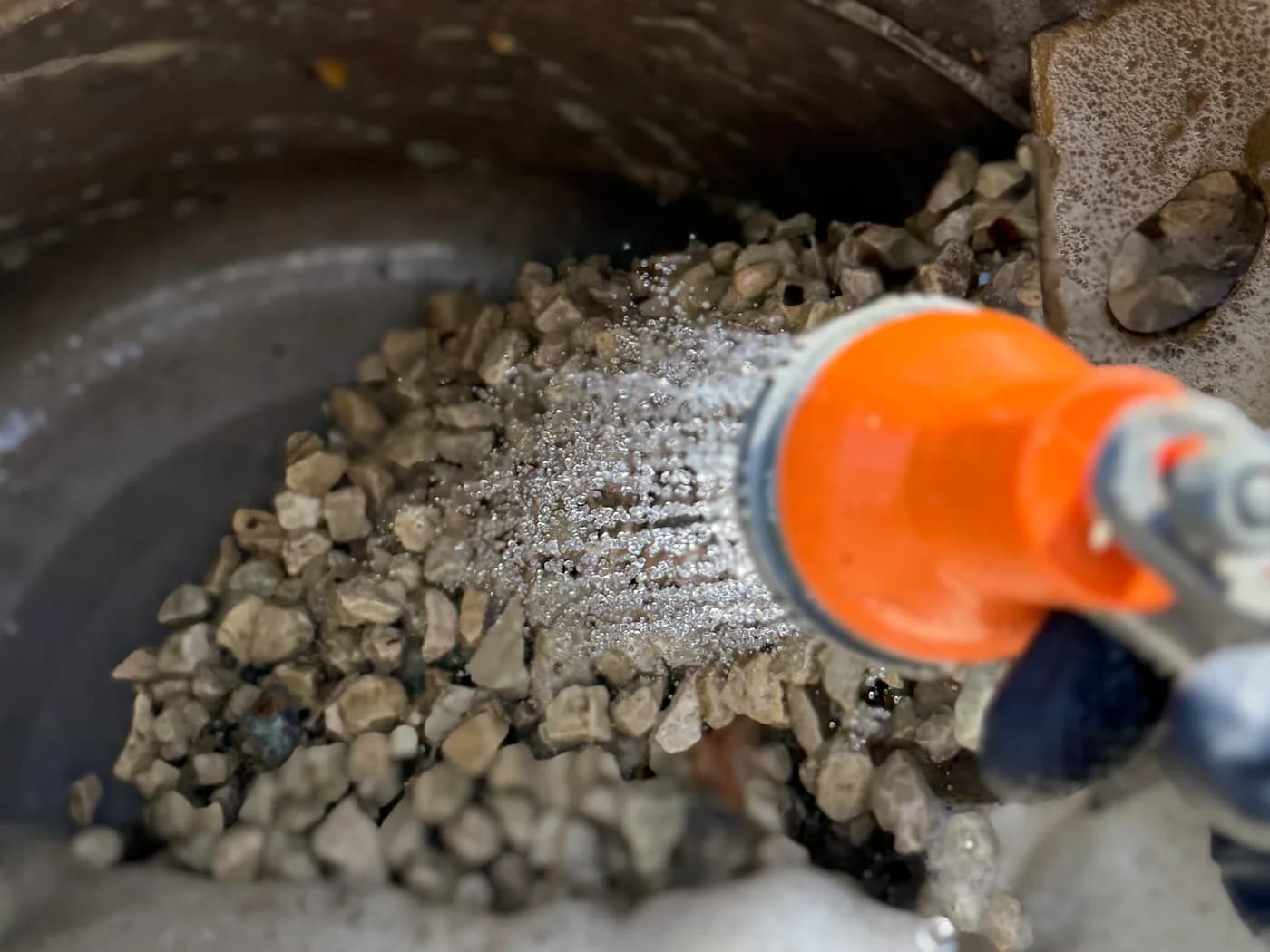
The removed gravel was cleaned separately to remove dirt, algae and organic contamination before being returned to the pathway.
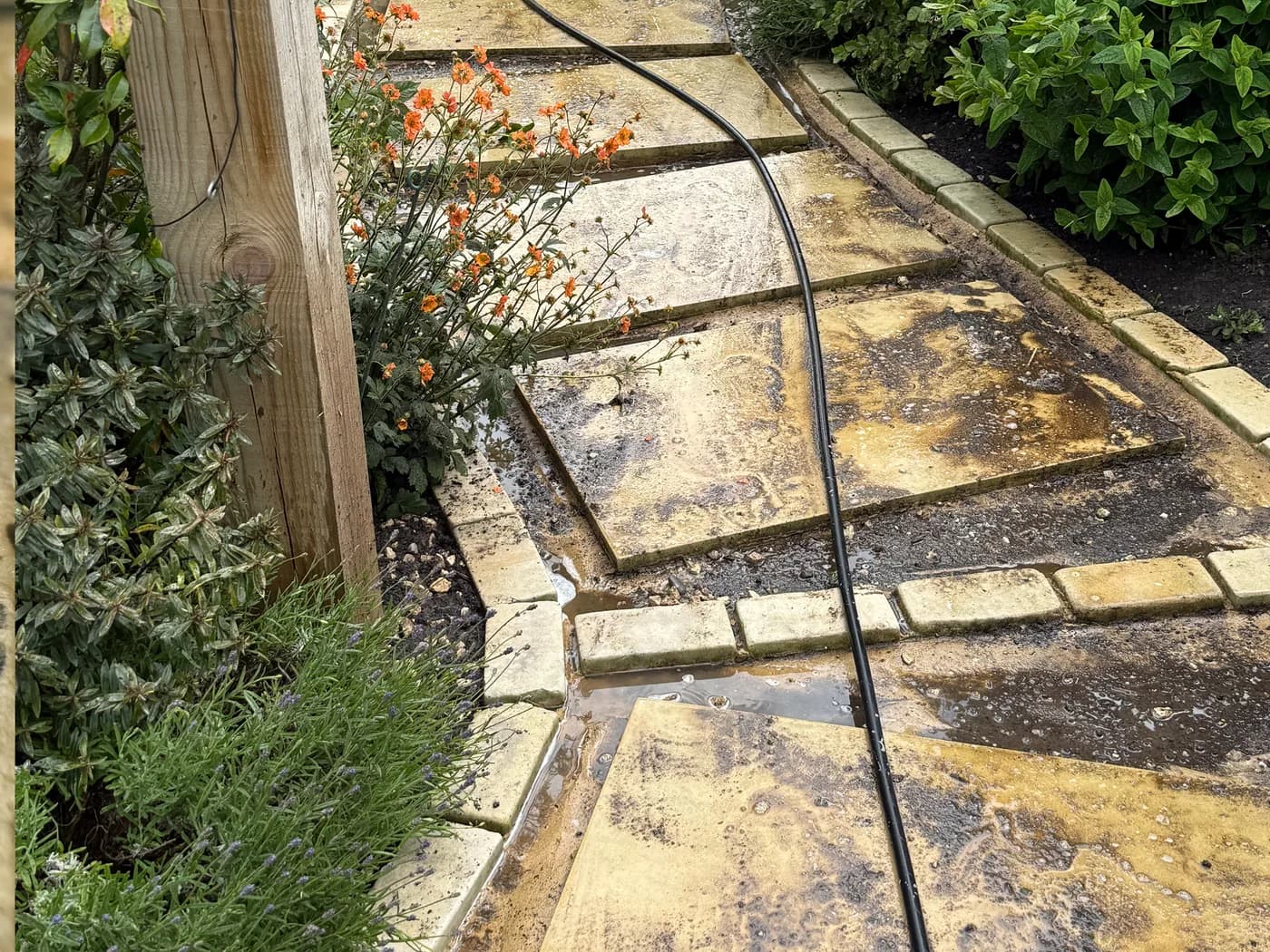
The sandstone slabs and edging were cleaned using controlled methods suitable for natural stone, helping lift contamination while protecting the surface.
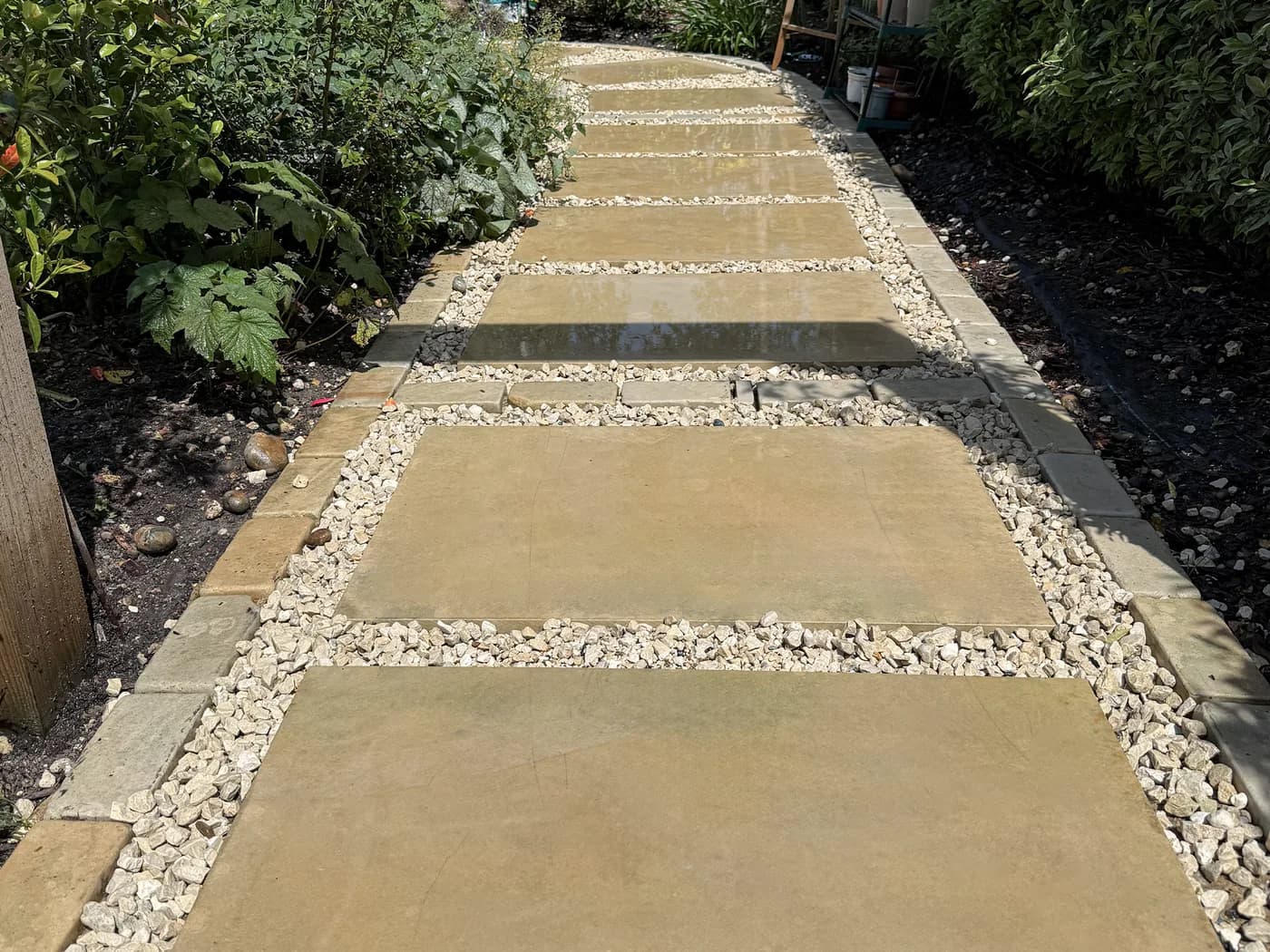
Once cleaned, the gravel was carefully reinstated around the slabs to restore the pathway's crisp, landscaped appearance.
Natural Sandstone
Natural sandstone is beautiful but porous, so it needs the right approach — too much pressure can pit and scar the surface. We cleaned the slabs and edging with controlled, low-pressure methods suitable for natural stone, lifting years of contamination while protecting the surface. The finishing details mattered too: rather than blasting the decorative gravel into the surrounding flower beds, we removed it by hand, cleaned it separately and reinstated it once the stone had been treated — protecting the carefully maintained planting throughout.
Experienced across the Chilterns
We’ve restored natural sandstone and other surfaces across Oxfordshire, Buckinghamshire, Berkshire — always matching the method to the material.
A natural stone patio in Marlow showing heavy moss growth and widespread black spot, cleaned back to the stone and protected with Chiltern EverGuard™.
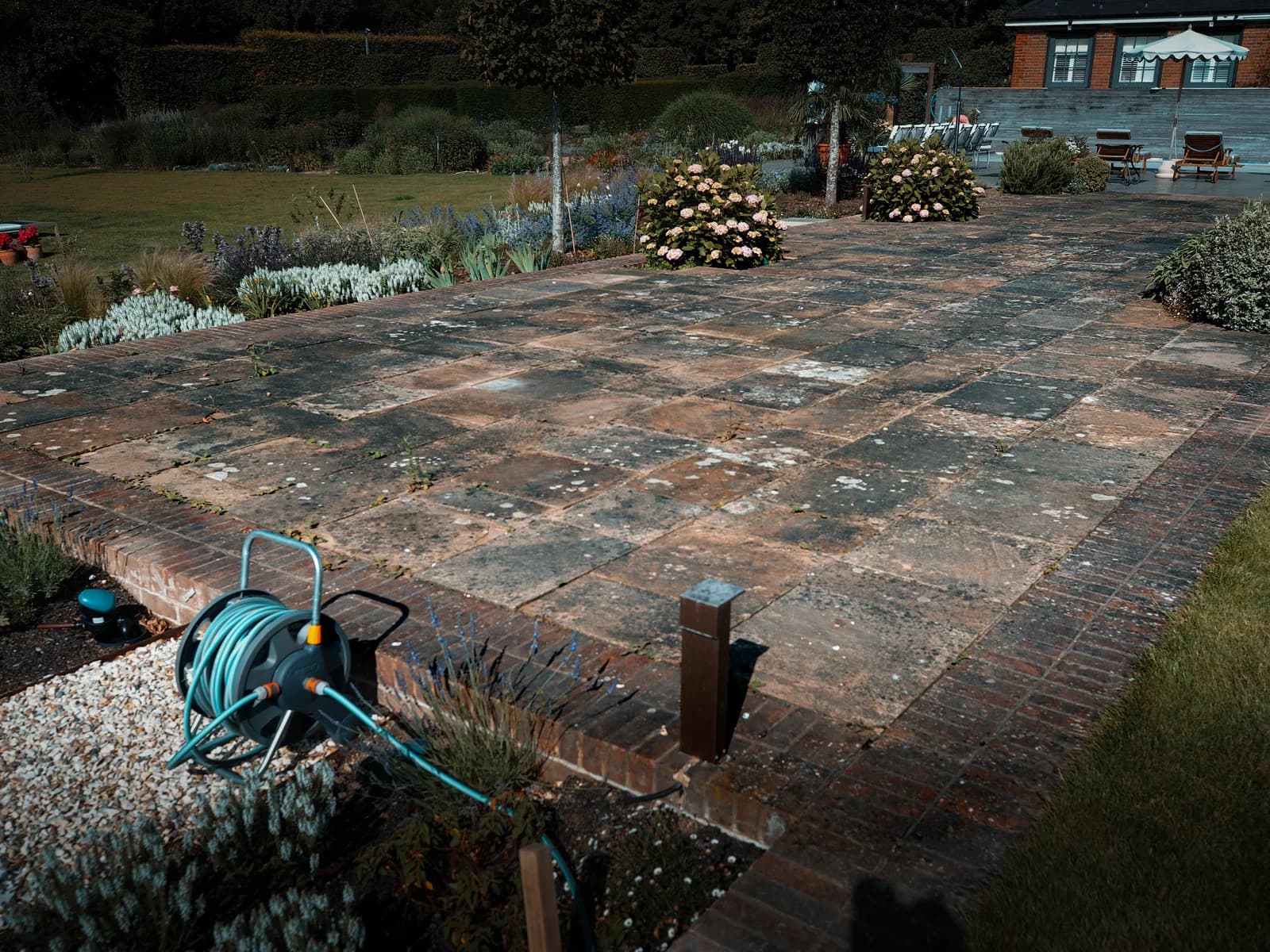
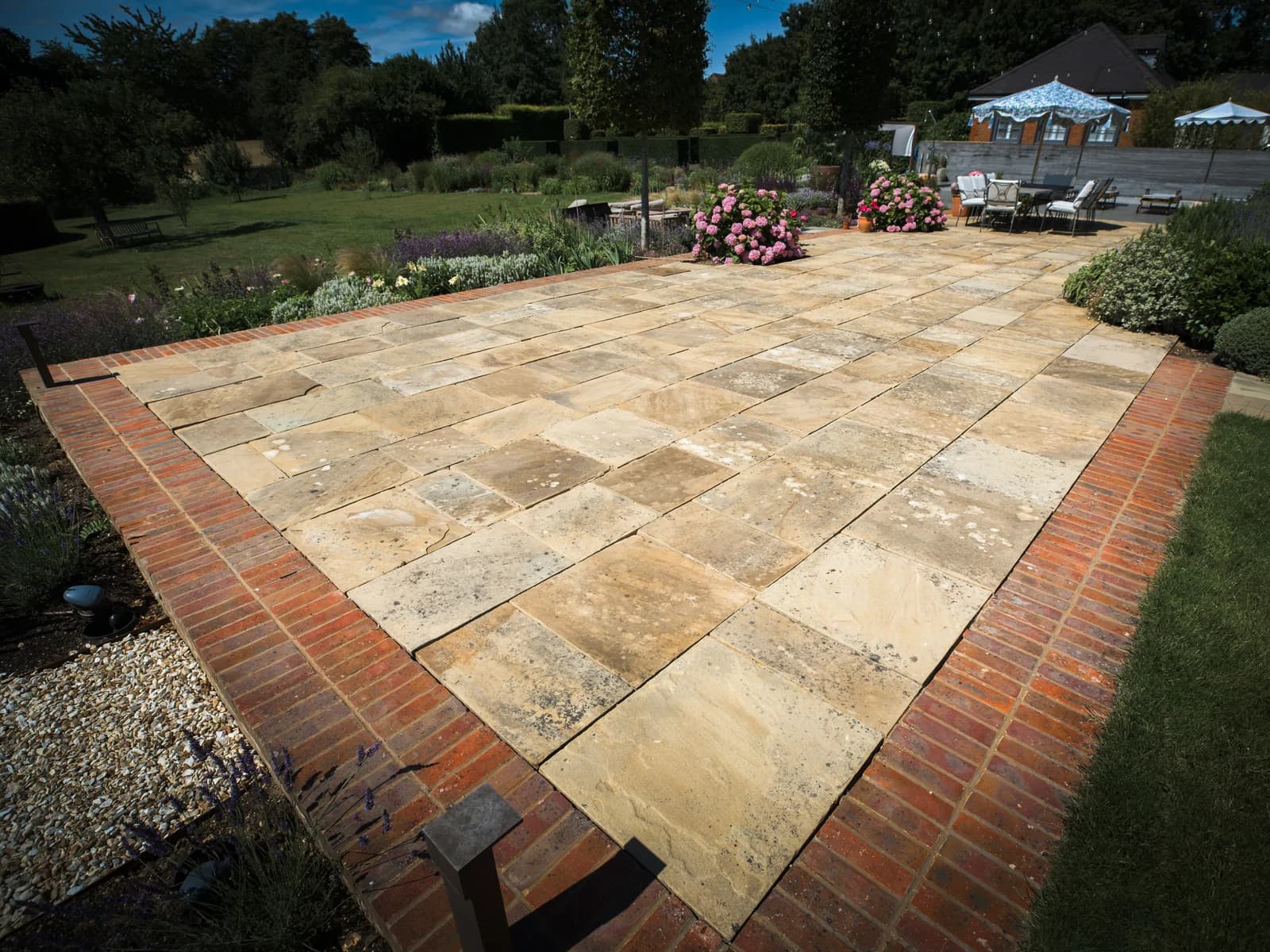
A large entertaining terrace in Henley-on-Thames that had greyed off and gone slippery. Restored with a controlled chemical treatment rather than brute pressure, because the stone would not have survived the alternative.
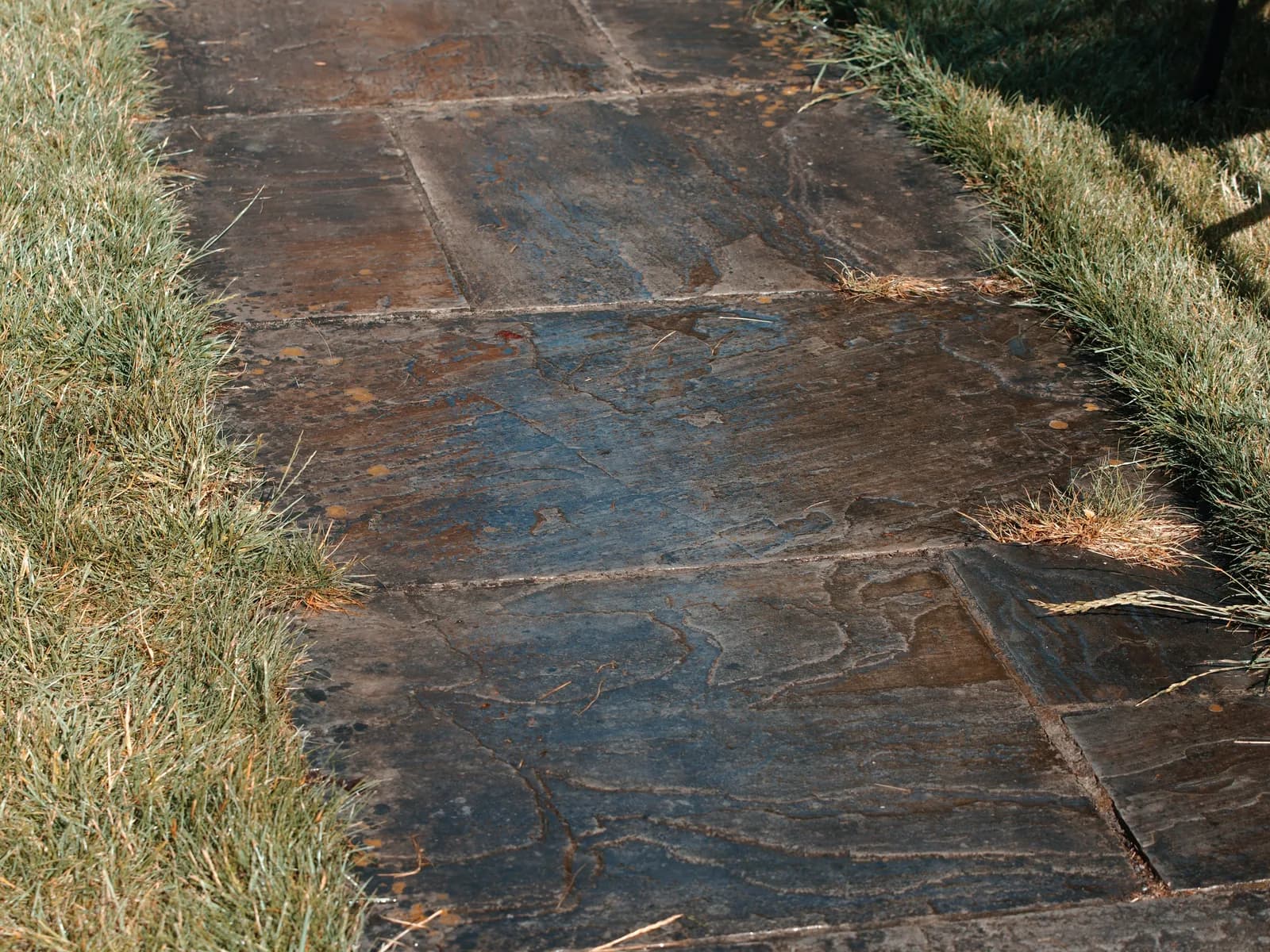
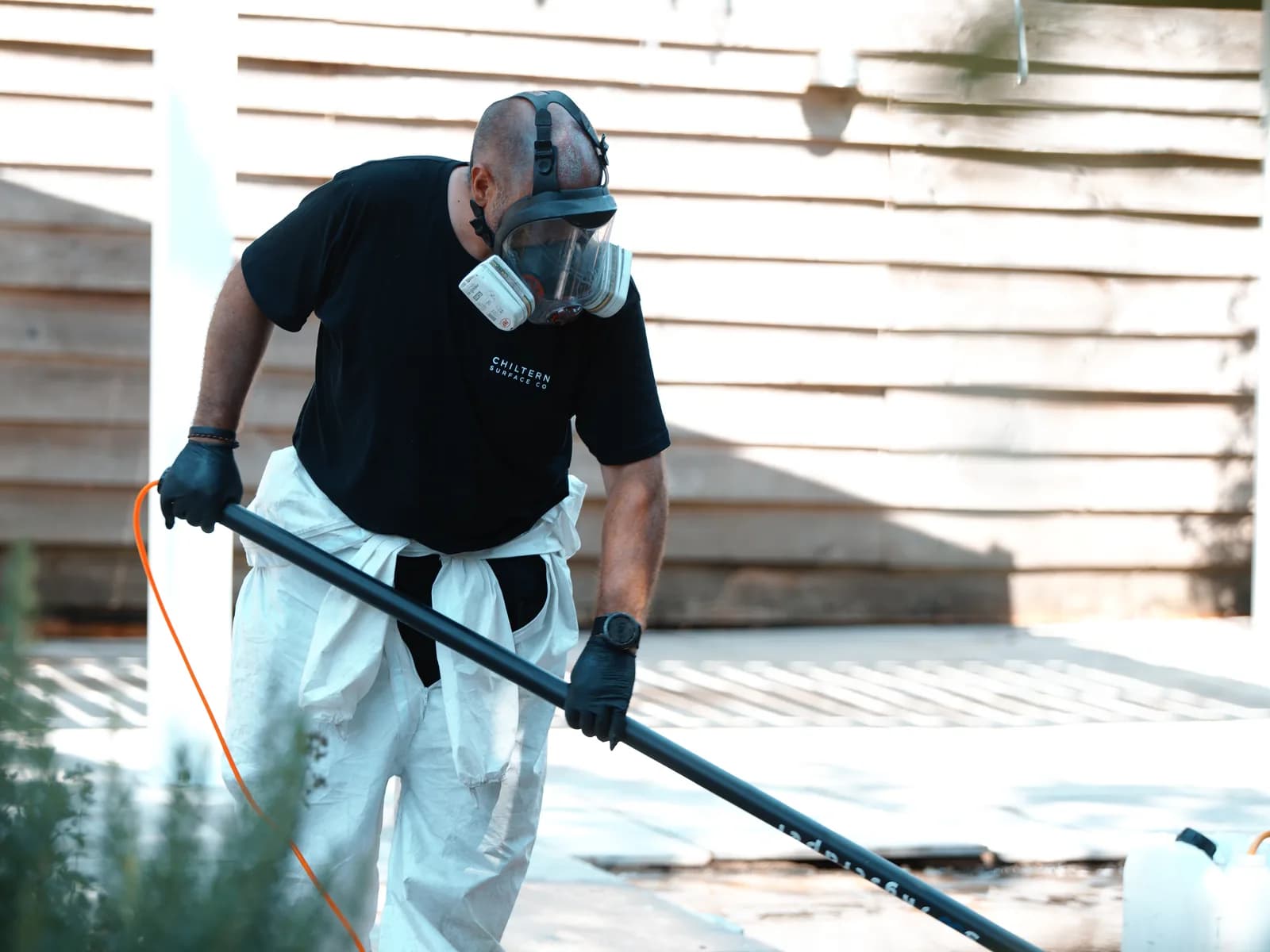
Before cleaning began, the patio was cleared to provide safe and unobstructed access to the complete surface. The surrounding areas were assessed and prepared so that the cleaning process could be carried out methodically while protecting nearby plants, lawns, fencing and other
We'll assess your surfaces and recommend the right approach — no pressure, no obligation.