
If you're searching for how to clean a slate roof, you want a safe and effective way to remove moss, algae, dirt, and stains without damaging the natural slate. Slate is one of the most durable roofing materials available, but it still requires regular maintenance to preserve its appearance and extend its lifespan. By using the correct cleaning methods, you can keep your slate roof looking its best while avoiding unnecessary damage.
What Is a Slate Roof?
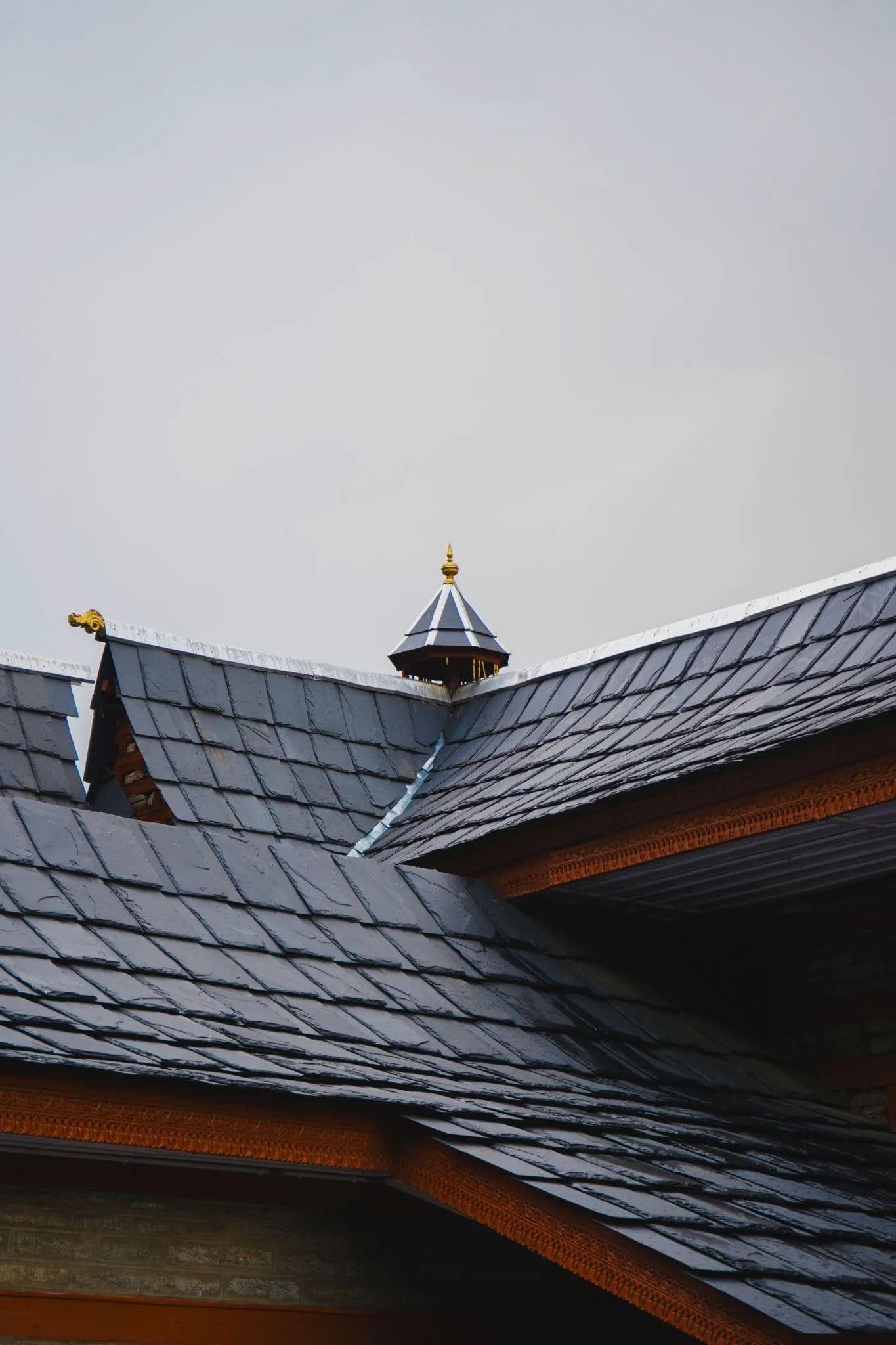
A slate roof is made from natural stone tiles that are known for their strength, durability, and timeless appearance. Many homes across the UK feature slate roofing because it offers excellent weather resistance and can last for decades when properly maintained.
Unlike some modern roofing materials, slate has a natural texture that gives every roof a distinctive look. It is highly resistant to fire, moisture, and changing weather conditions, making it a popular choice for both traditional and contemporary properties.
Although slate is extremely durable, it is not maintenance-free. Dirt, moss, algae, and other organic growth can gradually build up on the surface, making regular cleaning an important part of roof maintenance.
Why Slate Roofs Are Popular in the UK
Slate has been used on British homes for generations because it performs well in the UK's changing weather conditions.
Some of the main benefits of slate roofing include its long lifespan, attractive appearance, excellent durability, and low maintenance requirements. It can also increase the character and value of a property, making it a worthwhile investment for many homeowners.
With proper care and routine cleaning, a slate roof can continue to protect a home while maintaining its attractive appearance for many years.
Why Does a Slate Roof Need Regular Cleaning?
Although slate is naturally resistant to many forms of weather damage, the roof is constantly exposed to rain, wind, leaves, and airborne dirt. Over time, these contaminants settle on the surface and can affect both the appearance and condition of the roof.
Organic growth such as moss, algae, and lichen is particularly common on slate roofs, especially in shaded or damp areas. These growths can retain moisture against the slate tiles and create an untidy appearance if they are not removed.
Regular cleaning also provides an opportunity to inspect the roof for cracked tiles, loose flashing, blocked gutters, or other maintenance issues before they become costly repairs.
At Chiltern Surface, we recommend regular roof maintenance because keeping a slate roof clean not only improves kerb appeal but also helps preserve its long-term performance.
Common Causes of Dirt and Staining
Several factors can contribute to a dirty slate roof.
Leaves, twigs, and other debris often collect on roofs that are surrounded by trees. Dust and pollution can settle on roof tiles throughout the year, gradually reducing their natural appearance. Bird droppings may also leave stubborn stains if they are not cleaned promptly.
In addition, damp weather encourages moss, algae, and lichen to develop. These forms of organic growth can spread across the roof surface over time, making the roof look older and increasing the need for maintenance.
What Happens If You Don't Clean a Slate Roof?
Leaving a slate roof uncleaned for many years can lead to more than just cosmetic issues.
Heavy moss growth can trap moisture against the roof surface, while accumulated debris may block gutters and prevent rainwater from draining properly. Organic growth can also make it more difficult to inspect the roof and identify damaged tiles or minor maintenance problems.
Routine cleaning helps prevent excessive build-up and keeps the roof in better overall condition. It also allows homeowners to spot potential issues early, helping to avoid more expensive repairs in the future.
What You'll Need to Clean a Slate Roof
Using the correct equipment is essential when cleaning natural slate. Because slate tiles can be damaged by harsh tools or aggressive cleaning methods, it is important to choose equipment that is suitable for delicate roofing materials.
Safe Cleaning Equipment
Most slate roofs can be cleaned using a garden hose, a bucket of warm water, a mild detergent, a soft sponge or cloth, and a soft-bristle brush. If access to the roof is required, suitable safety equipment should always be used.
Professional roof cleaning companies may also use specialist soft washing systems that are designed to clean delicate roofing materials safely without causing unnecessary damage.
Cleaning Products to Use
A mild detergent mixed with warm water is usually sufficient for removing everyday dirt, algae, bird droppings, and light staining from a slate roof.
Gentle cleaning solutions help protect the natural finish of the slate while effectively removing surface contaminants. Before cleaning the entire roof, it is always advisable to test the solution on a small, less visible area.
Professional roof cleaning specialists may use carefully selected cleaning treatments that are specifically designed for natural slate and organic growth.
Cleaning Products to Avoid
Strong chemical cleaners, abrasive powders, wire brushes, and highly concentrated bleach solutions should generally be avoided.
These products can damage the surface of the slate, affect its natural appearance, or reduce the lifespan of the roof. Gentle cleaning methods are always the safest approach when maintaining natural slate roofing.
How to Clean a Slate Roof Step by Step
Cleaning a slate roof requires patience and the right approach. Unlike some roofing materials, natural slate can crack if excessive force is applied, so every step should be carried out carefully. Using gentle cleaning methods will help remove dirt, moss, algae, and stains while protecting the roof's natural finish.
Remove Loose Moss and Debris
The first step is to remove any loose debris from the roof surface. Leaves, small branches, moss, and other organic matter often collect between slate tiles, especially during autumn and after periods of windy weather.
Removing this debris before washing the roof prevents dirt from spreading across the surface during cleaning. It also allows you to inspect the roof more clearly and identify any obvious signs of damage.
Take care not to drag heavy debris across the slate tiles, as this could scratch or damage the surface.
Apply a Gentle Cleaning Solution
Once the loose debris has been removed, prepare a cleaning solution using warm water and a mild detergent.
Apply the solution evenly across the affected areas and allow it to remain on the surface for several minutes. This helps loosen dirt, algae, and light staining, making them easier to remove without excessive scrubbing.
Cleaning one small section at a time usually produces better results and prevents the cleaning solution from drying too quickly.
Clean the Slate Tiles Carefully
After the cleaning solution has had time to work, gently clean the slate using a soft sponge, cloth, or soft-bristle brush.
Avoid applying excessive pressure while cleaning. Slate is a natural stone, and although it is durable, rough scrubbing can scratch the surface or loosen individual tiles.
Areas affected by algae or bird droppings may require a little extra attention, but they should still be cleaned gently using suitable cleaning products.
Taking your time during this stage helps achieve a cleaner finish while protecting the roof from unnecessary wear.
Rinse the Roof Thoroughly
Once the roof has been cleaned, rinse it thoroughly with clean water.
Removing all traces of the cleaning solution is important because any remaining residue can attract dirt and leave marks on the slate surface.
A standard garden hose is usually sufficient for rinsing. The water should flow naturally over the roof rather than being sprayed with excessive force.
Inspect the Roof After Cleaning
Cleaning provides an excellent opportunity to inspect the roof closely.
Look for cracked or slipped slate tiles, damaged flashing, blocked gutters, or areas where moss may be starting to return. Identifying these issues early can help prevent more expensive repairs later.
At Chiltern Surface, we recommend combining regular roof cleaning with routine inspections to keep slate roofs looking their best and performing efficiently throughout the year.
Can You Pressure Wash a Slate Roof?
One of the most common questions homeowners ask is whether pressure washing is safe for slate roofing.
Although a pressure washer may appear to be a quick way to remove dirt and moss, it is generally not recommended for natural slate.
High-pressure water can loosen slate tiles, damage their edges, and force water beneath the roof covering. It may also affect the fixings that hold the tiles in place, increasing the risk of future leaks.
For these reasons, most roofing professionals recommend gentler cleaning methods whenever possible.
Why Pressure Washing Can Damage Slate Tiles
Natural slate is extremely durable, but it can still be damaged by concentrated water pressure.
Strong jets of water can chip the edges of the tiles, remove sections of the natural surface, and dislodge weaker slates that have weathered over time.
Pressure washing may also disturb flashing around chimneys, roof windows, and valleys, creating additional maintenance issues.
Choosing the correct cleaning method helps preserve both the appearance and structural integrity of the roof.
Is Soft Washing a Better Alternative?
For many slate roofs, soft washing is considered the safest and most effective cleaning method.
Soft washing uses low-pressure water together with specially formulated cleaning solutions to remove moss, algae, lichen, and dirt without damaging the slate.
The treatment also helps eliminate the spores responsible for organic growth, reducing the likelihood of moss and algae returning quickly.
At Chiltern Surface, we often recommend soft washing for slate roofs because it delivers excellent cleaning results while protecting delicate roofing materials.
Common Mistakes to Avoid When Cleaning a Slate Roof
Many roofing problems occur because incorrect cleaning methods have been used.
Using harsh chemicals can damage the natural surface of slate, while abrasive brushes may leave permanent scratches. Walking directly on slate tiles without proper knowledge can also crack or loosen them, leading to expensive repairs.
Ignoring moss growth for long periods is another common mistake. As moss becomes thicker, it retains more moisture and increases the risk of blocked gutters and water drainage problems.
Regular maintenance carried out using appropriate cleaning techniques helps avoid these issues and keeps the roof in excellent condition.
How Often Should You Clean a Slate Roof?
There is no fixed schedule for cleaning a slate roof because every property is exposed to different environmental conditions.
Homes surrounded by mature trees often require more frequent cleaning due to falling leaves, twigs, and moss growth. Likewise, roofs located in damp or shaded areas may develop algae and lichen more quickly than those exposed to direct sunlight.
For many homeowners, inspecting the roof once or twice each year and arranging cleaning whenever noticeable dirt or moss appears is usually enough to maintain its appearance and condition.
Environmental Factors That Affect Slate Roofs
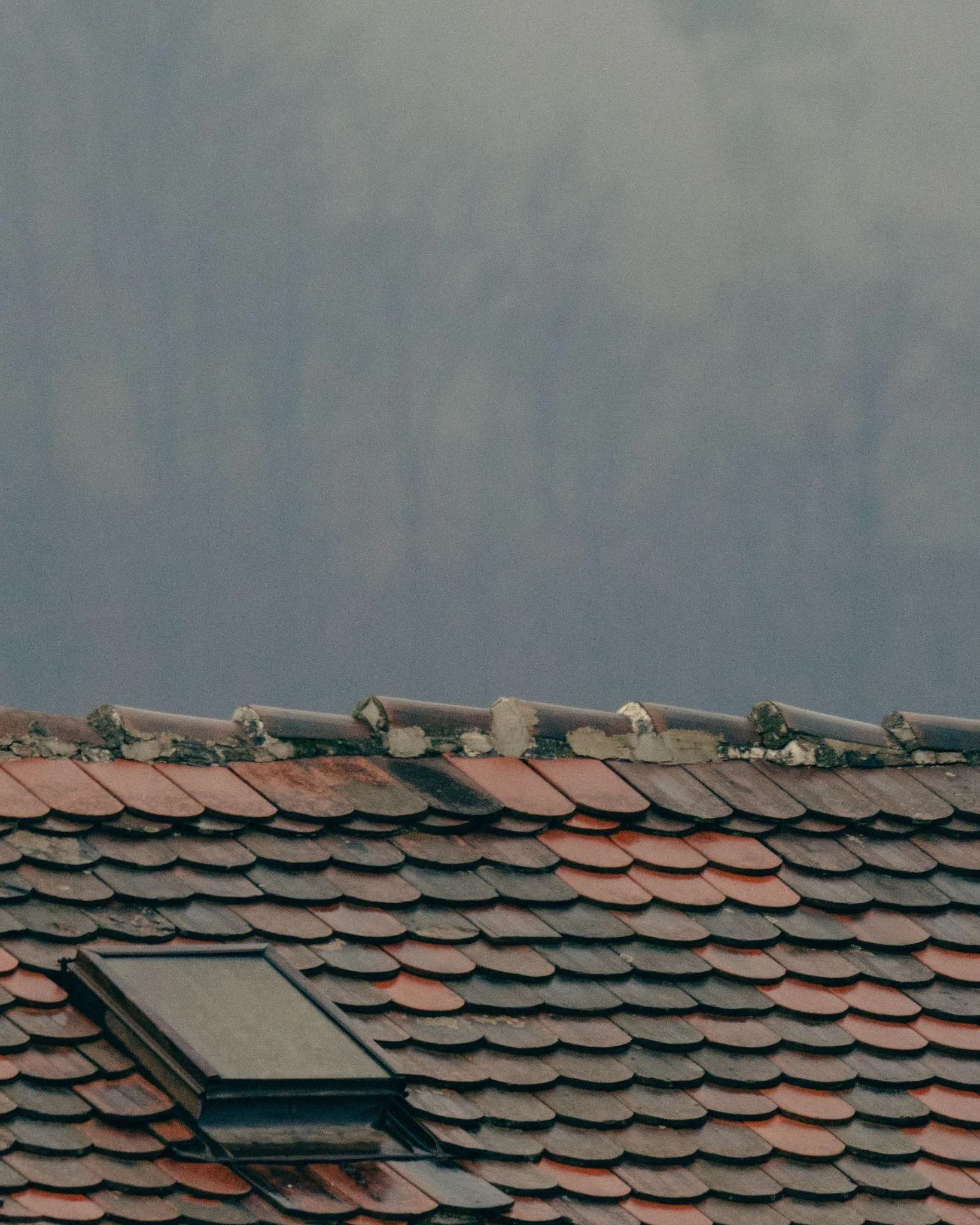
The environment surrounding your property plays an important role in determining how often your slate roof needs cleaning. While natural slate is highly durable, constant exposure to the weather means that dirt and organic growth can gradually build up over time.
Properties surrounded by mature trees often collect more leaves, twigs, and pollen on the roof. These materials can trap moisture against the slate tiles and create the ideal conditions for moss and algae to develop.
Homes located in damp or shaded areas are also more likely to experience organic growth because the roof remains wet for longer after rainfall. In contrast, roofs that receive plenty of sunlight usually dry more quickly, reducing the chance of moss spreading.
Air pollution and dust can also affect the appearance of slate roofing. Over time, airborne particles settle on the roof surface, causing the tiles to lose their natural colour and clean finish.
At Chiltern Surface, we recommend regular roof inspections because every property is exposed to different environmental conditions. A maintenance schedule tailored to your home's location can help prevent excessive build-up and keep your slate roof looking its best throughout the year.
Trees and Falling Debris
Trees add beauty to a property, but they also contribute to roof maintenance.
Leaves, seeds, branches, and other debris can collect in roof valleys and gutters. If this material is left in place, it can trap moisture and encourage moss growth. Regular cleaning helps maintain proper drainage and reduces unnecessary strain on the roofing system.
Moss, Algae, and Damp Conditions
Moss, algae, and lichen thrive in damp environments where sunlight is limited.
Once established, these organisms continue to spread across the roof surface and can retain moisture against the slate tiles. Removing them early helps preserve the roof's appearance and supports long-term maintenance.
Seasonal Weather and Roof Maintenance
Each season presents different challenges for slate roofing.
Spring often reveals dirt and moss that developed during winter, making it an ideal time for inspection and cleaning. During autumn, falling leaves can accumulate quickly and block gutters if they are not removed.
Regular seasonal maintenance allows homeowners to identify minor issues before they develop into larger and more expensive repairs.
Benefits of Professional Slate Roof Cleaning
Although routine maintenance can help keep a slate roof clean, professional roof cleaning offers several additional advantages.
Experienced roof cleaning specialists understand the characteristics of natural slate and know which cleaning methods are both safe and effective. They can remove stubborn moss, algae, and staining while minimising the risk of damaging delicate roof tiles.
Professional cleaning also includes a detailed inspection of the roof, allowing loose slates, damaged flashing, blocked gutters, and other maintenance concerns to be identified at an early stage.
At Chiltern Surface, every slate roof is assessed individually before work begins. Our experienced team selects the most appropriate cleaning method for the condition of the roof, helping homeowners achieve excellent results while protecting the natural beauty and durability of their slate roofing.
Why Choose Chiltern Surface?
Choosing a trusted roof cleaning specialist gives homeowners confidence that the work will be carried out safely and professionally.
At Chiltern Surface, we provide expert exterior cleaning services across Buckinghamshire and the surrounding areas. We use safe roof cleaning methods that remove dirt, moss, algae, and staining while helping preserve the natural appearance of slate roofing.
Our commitment to quality workmanship and customer satisfaction means every project is completed with great care and attention to detail.
Quick Comparison: DIY vs Professional Slate Roof Cleaning
Feature
DIY Cleaning
Professional Cleaning
Suitable for Light Dirt
Yes
Yes
Removes Heavy Moss
Limited
Yes
Safe for Delicate Slate
Depends on technique
Yes
Specialist Equipment
No
Yes
Professional Roof Inspection
No
Yes
Risk of Roof Damage
Higher
Lower
Long-Lasting Results
Moderate
Excellent
Frequently asked questions
What is the best way to clean a slate roof?
The safest method is usually to remove loose debris first, apply a gentle cleaning solution, carefully clean the slate with soft tools, and rinse thoroughly. Soft washing is often recommended for roofs with significant moss or algae growth.
Can you pressure wash a slate roof?
Pressure washing is generally not recommended because the high water pressure can damage slate tiles, loosen fixings, and force water beneath the roof covering.
Is soft washing safe for slate roofs?
Yes. Soft washing uses low-pressure water together with specialist cleaning solutions, making it one of the safest methods for removing moss, algae, and staining from natural slate.
How do you remove moss from slate roof tiles?
Moss should be removed carefully using gentle techniques that avoid damaging the slate. Professional soft washing treatments can also help prevent moss from returning quickly.
How often should a slate roof be cleaned?
Most slate roofs benefit from inspection once or twice a year. Cleaning should be carried out whenever noticeable moss, algae, dirt, or staining begins to develop.
Final Thoughts
Knowing how to clean a slate roof correctly helps protect one of the most valuable parts of your home. Using gentle cleaning methods, carrying out regular maintenance, and addressing moss or algae growth early can preserve the appearance of the roof while extending its lifespan. Because slate is a premium roofing material, it deserves careful maintenance. Avoiding harsh chemicals and high-pressure cleaning methods will help protect the natural stone and reduce the risk of unnecessary repairs.
Need Professional Slate Roof Cleaning Services?
If your slate roof has developed moss, algae, dirt, or stubborn staining, Chiltern Surface is here to help. We provide professional roof cleaning services across Buckinghamshire and the surrounding areas, using safe cleaning methods tailored to natural slate roofing. At Chiltern Surface, our experienced team carefully assesses every roof before recommending the most suitable treatment. Whether your roof requires soft washing, moss removal, or specialist cleaning solutions, we are committed to restoring its appearance while helping to protect its long-term condition. Contact Chiltern Surface Co today to book a free site visit and let our professional team restore your slate roof with our expert roof cleaning services.