
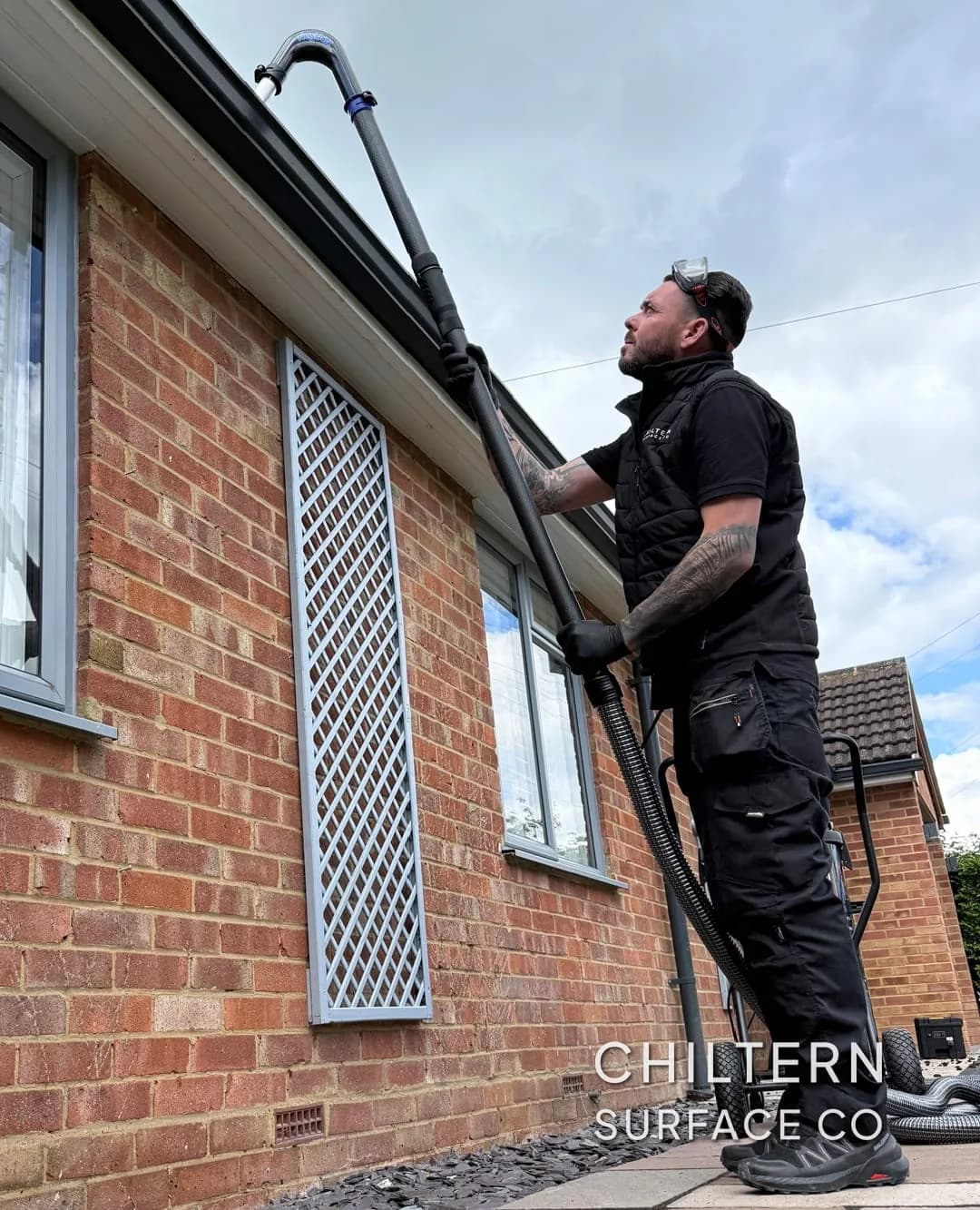
The safest answer to how to clean roof vent pipe uses debris removal, airflow testing, an auger, and gentle flushing. Stop immediately when roof access, trapped sewage, damaged pipework, or repeated blockages create a safety risk.
Homeowners often search how to clean roof vent pipe after toilets gurgle, drains slow, or unpleasant smells enter rooms.
Knowing how to clean roof vent pipe starts with identifying the soil and vent system. The pipe allows air into drainage pipework and releases foul gases above the roofline. The guide covers a plumbing soil vent pipe, not a tile vent, extractor duct, chimney, or boiler flue.
What Does a Roof Vent Pipe Do?
A roof vent pipe balances air pressure inside the drainage system and carries foul air above the property. Free airflow helps wastewater move without emptying water traps.
A standard UK domestic soil vent pipe measures 4 inches (110mm). The soil stack runs vertically through the roof or beside the wall.
Understanding how to clean roof vent pipe requires recognising pressure changes inside connected waste pipes. The pressure change can pull water from P-traps, slow drainage, and produce gurgling sounds. A dry trap then allows sewer odours into bathrooms, kitchens, or utility rooms.
A roof vent pipe needs open airflow rather than aggressive washing. Safe cleaning removes leaves, moss, bird nesting material, ice, sludge, and internal deposits without damaging joints.
How to Clean Roof Vent Pipe: 7 Warning Signs
To know when to clean roof vent pipe, check for 2 or more symptoms across connected fixtures. One slow sink usually indicates a local waste-pipe blockage.
Which Indoor Signs Suggest a Blocked Vent?
Listen for repeated gurgling from toilets, basins, baths, and shower wastes. Air often bubbles through trap water when the vent cannot balance pressure.
Check 6 indoor signs:
- Notice slow drainage across 2 or more fixtures.
- Notice toilet water rising or dropping after flushing.
- Notice sewer odours near sinks, showers, or toilets.
- Notice empty P-traps after normal fixture use.
- Notice bubbling water when another appliance drains.
- Notice repeated blockages after ordinary drain cleaning.
Problems across 2 or more fixtures point towards the soil stack, main drain, or vent system.
Which Outdoor Signs Suggest a Blocked Vent?
Inspect the vent opening from a safe viewing position. Look for leaves, twigs, moss, nesting material, damaged cowls, and cracked pipe caps.
Heavy roof moss often sheds fragments around the vent opening. Book roof moss removal when organic growth covers nearby tiles or fills gutters. Professional roof care reduces recurring debris around the pipe.
Check the vent flashing for lifted edges, cracks, gaps, and water staining. Damaged flashing needs a roofer because vent cleaning cannot repair a leaking roof penetration.
Which Symptoms Need Immediate Professional Help?
Call a drainage professional when wastewater backs up, strong odours persist, or 2 or more toilets stop draining. Water backup, odours, and blocked toilets often indicate a deeper drain obstruction.
Leave the roof immediately when you smell concentrated gas near the opening. Keep flames, cigarettes, and powered ignition sources away from the soil vent pipe.
How to Clean Roof Vent Pipe: Tools and Safety Equipment

Use a torch, grabber, hand auger, garden hose, gloves, eye protection, and suitable access equipment. Choose tools that match the blockage and pipe material.
How to clean roof vent pipe safely requires 8 tools:
- Wear chemical-resistant gloves for dirty debris.
- Wear safety glasses against splashes and particles.
- Use a bright torch for the visible pipe section.
- Use long-reach pliers for loose surface debris.
- Use a hand drain auger for deeper soft blockages.
- Use a hose with a controllable trigger nozzle.
- Use a bucket or sealed bag for removed material.
- Use a secured ladder only after a proper risk check.
Choose a 15-foot (4.6m) or 25-foot (7.6m) hand auger for a domestic vent. Longer powered cables need trained handling because rotating cables can damage fittings.
Do not pour caustic soda, bleach, acids, or mixed drain chemicals into the vent. Chemicals rarely remove nests or solid debris. Chemical splashes also create roof, plant, and personal hazards.
Do not use a pressure washer inside the vent. High pressure can separate joints, flood connected fixtures, force dirty water indoors, or damage older pipework.
How to Clean Roof Vent Pipe Safely
To clean roof vent pipe safely, work through 6 controlled stages and stop when any stage reveals damage or resistance. Never improvise access on wet tiles.
How to Clean Roof Vent Pipe: Check Roof Access
To check roof access before cleaning, assess the roof pitch, tile condition, weather, ladder position, and edge protection. Keep both hands available during access.
Do not climb during rain, frost, strong wind, darkness, or surface dampness. Treat old tiles, rooflights, fibre-cement sheets, and unknown roof surfaces as fragile.
Use a professional when the vent sits more than 5 feet (1.5m) beyond safe ladder reach. A ladder provides access, not a stable sideways working platform.
Keep another adult at ground level. The second person can steady the area, control the hose, and call for help.
How to Clean Roof Vent Pipe: Remove Visible Debris
To remove visible debris from the vent, lift loose material with gloved hands or long-reach pliers. Place contaminated debris inside a sealed bag.
Remove leaves, twigs, moss, feathers, and loose nest fibres near the opening. Do not push visible debris deeper into the soil stack.
Check any vent cowl or cage for damage. Replace a cracked or loose component with a compatible 4-inch (110mm) fitting.
Never disturb an active bird nest. UK law protects active wild-bird nests, so arrange specialist advice before removal.
How to Clean Roof Vent Pipe: Test Airflow First
To test airflow before using an auger, ask a helper to flush one toilet while you listen near the vent. Keep your face away from the opening.
A working vent usually produces a clear airflow sound. Weak airflow, bubbling, or no pressure change supports a blockage diagnosis.
Run water into 2 fixtures, such as a basin and bath, for 30 seconds. Stop the test when wastewater rises or indoor drains back up.
The airflow test cannot confirm every fault. Broken pipes, failed air admittance valves, and main-drain blockages can create similar symptoms.
How to Clean Roof Vent Pipe: Use a Drain Auger
To use a drain auger in the vent pipe, feed the cable slowly until the cable reaches resistance. Lock and rotate the drum with controlled pressure.
Advance the cable in 6-inch (15cm) sections. Short movements help the auger pass bends without striking joints aggressively.
Withdraw the cable after the auger breaks or catches the obstruction. Clean the cable before repeating the process.
Stop when the cable jams, kinks, scrapes hard material, or meets fixed resistance. A fixed obstruction can indicate a damaged fitting, collapsed pipe, or solid foreign object.
Avoid powered drain machines on the roof. Powered cables create strong torque and need trained operators, stable platforms, and controlled retrieval.
How to Clean Roof Vent Pipe: Flush With Water
To flush the roof vent pipe with water, insert a garden hose about 12 inches (30cm) into the opening. Start with a gentle flow.
Run water for 30 seconds while a helper watches indoor fixtures. Stop immediately when water rises inside toilets, basins, baths, or showers.
Increase the flow gradually after the pipe accepts water freely. Continue for 2 minutes to carry loosened debris towards the drain.
Do not seal the hose against the pipe opening. An open gap lets air escape and prevents dangerous pressure inside the vent system.
Avoid drain bladders unless a qualified plumber approves the method. Expansion pressure can damage weak joints or redirect dirty water through indoor fixtures.
How to Clean Roof Vent Pipe: Confirm Clear Airflow
To confirm the blockage has cleared, flush 2 toilets and run 2 taps for 60 seconds. Listen for normal drainage without gurgling.
Check every water trap for stable water levels. Refill a dry P-trap by running clean water through the connected fixture.
Inspect the roof vent for standing water. Standing water indicates remaining obstruction or incorrect pipe fall.
Repeat only one gentle auger cycle when symptoms improve but remain. Call a drainage professional after a failed second attempt.
How to Clean Roof Vent Pipe From Ground Level
To clean roof vent pipe from ground level, remove only external debris reachable with purpose-built telescopic tools. Ground-level tools cannot clear a deep internal blockage reliably.
A ground-level plan for how to clean roof vent pipe starts with camera inspection. A camera can identify moss, leaves, nests, broken caps, and loose flashing.
Use a telescopic soft brush only around the external vent surface. Keep the brush away from delicate flashing, ridge mortar, solar cables, and roof tiles.
Never fire water upward into a roof vent. Upward pressure can drive water under tiles and into the loft.
Book professional gutter cleaning when roof debris has entered gutters and downpipes. Clear drainage reduces standing water around the roofline.
A drainage engineer should clear an internal blockage from a safe access point. The engineer can use a soil-stack access branch, drain rod, CCTV camera, or controlled jetting equipment.
Which Blockages Need a Plumber or Drainage Engineer?
Choose a plumber for vent fittings and indoor drainage faults. Choose a drainage engineer for deep stacks, underground drains, and CCTV surveys. Choose a roofer for flashing leaks.
Call a professional for 8 conditions:
- Call after 2 failed cleaning attempts.
- Call when wastewater backs up indoors.
- Call when the auger meets fixed resistance.
- Call when the vent contains animal remains.
- Call when the pipe shows cracks or loose joints.
- Call when strong sewer odours persist.
- Call when 2 or more fixtures stop together.
· Call when roof access needs scaffolding or a platform.
Professional guidance on how to clean roof vent pipe separates 4 faults: vent, stack, main drain, or air valve. Accurate diagnosis prevents unnecessary roof work.
CCTV inspection shows internal cracks, displaced joints, scale, roots, and foreign objects. Smoke testing can identify air leaks around hidden joints and faulty seals.
How to Clean Roof Vent Pipe Without Damaging Roof Materials
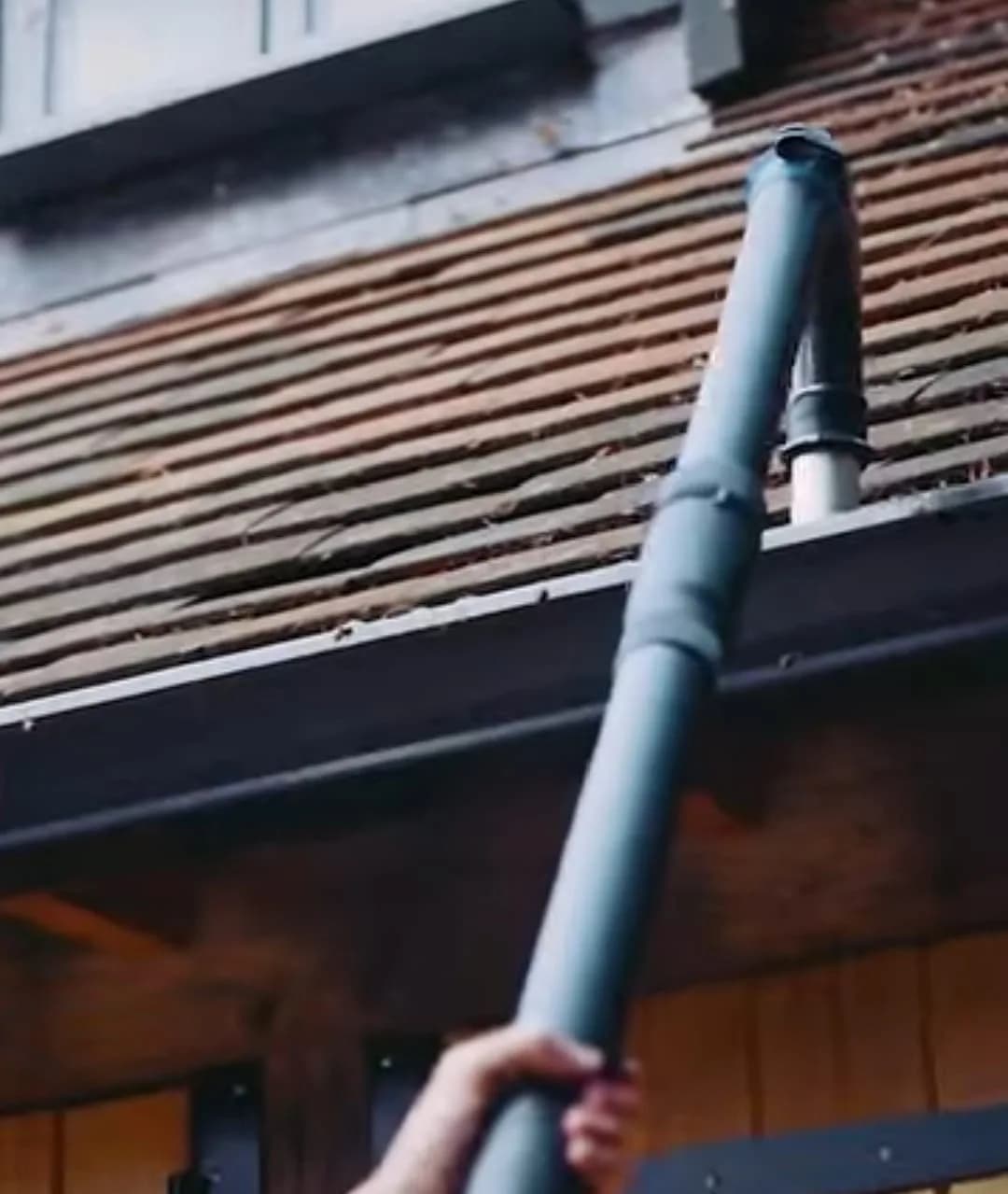
Safe guidance on how to clean roof vent pipe protects tiles, flashing, joints, and membranes. Vent cleaning should not create a roof leak.
Keep metal augers inside the pipe opening. Do not drag cables across slate, clay, concrete tiles, lead flashing, or membrane edges.
Direct rinse water into the vent only. Keep water away from flashing laps and tile joints.
Remove moss around the vent by hand rather than blasting the roof. Professional roof cleaning uses surface-specific methods for clay, slate, concrete, and roofline details.
Inspect the vent collar after cleaning. A sound collar sits flat, remains securely sealed, and shows no splits.
Ask a roofer to repair cracked lead, failed rubber collars, lifted tiles, or rotten decking. Drain cleaning cannot seal damaged roof fabric.
How to Clean Roof Vent Pipe: Quick-Reference Table
Use the table to choose the safest action for each roof vent pipe task.
Task
Timing
Method
Difficulty
Inspect the vent opening
5 minutes
Camera pole or safe visual check
Easy from ground
Remove loose top debris
10 minutes
Gloves and long-reach pliers
Moderate at height
Test fixture airflow
5 minutes
Helper flush and listening test
Easy
Use a hand auger
15–30 minutes
Slow 6-inch (15cm) cable advances
Hard
Flush loosened debris
2 minutes
Controlled garden-hose flow
Moderate
Arrange CCTV inspection
30–90 minutes
Drainage engineer and camera
Professional
The table supports how to clean roof vent pipe without confusing external roof cleaning with internal drain work.
How to Clean Roof Vent Pipe on a Maintenance Schedule
To clean roof vent pipe at the right interval, inspect the opening twice each year and after severe storms. Clean only when debris or symptoms justify work.
Check the vent during spring and autumn roofline maintenance. Tree-covered properties need extra checks after leaf fall and nesting season.
Inspect the pipe after roof cleaning, gutter clearing, tile repairs, and scaffold removal. Contractors can accidentally loosen moss or covers near the opening.
Clean a visible top blockage immediately after safe discovery. Avoid routine augering because repeated cable use can scratch or stress older fittings.
Arrange professional inspection every 2 to 3 years for properties with repeated vent problems. Older cast-iron stacks and converted homes need closer assessment.
How to Clean Roof Vent Pipe and Prevent New Blockages
Prevent blockages by controlling roof debris, protecting the opening, and fixing drainage faults early. Prevention reduces dangerous roof visits.
How to Control Leaves, Moss, and Nesting Material
To control leaves, moss, and nesting material, trim overhanging branches and remove heavy roof growth. Keep gutters and roof valleys clear.
Fit a compatible vent cowl or guard only after professional approval. An unsuitable cap can restrict airflow or freeze during cold weather.
Check the guard twice yearly. Fine mesh traps dust, moss, and spider webs faster than an open cowl.
How to Maintain the Roof Area Around the Vent
To maintain the roof area around the vent, inspect tiles, flashing, gutters, and nearby valleys. Repair loose materials before debris reaches the pipe.
Keep a 12-inch (30cm) clear zone around the vent opening. Remove loose moss without scraping tile coatings.
Do not paint, seal, or cover the vent opening. The soil vent pipe needs permanent airflow.
How to Track Recurring Drainage Symptoms
To track recurring drainage symptoms, record dates, affected fixtures, weather, cleaning work, and odour changes. A clear record helps professionals diagnose patterns.
Check whether symptoms appear after heavy rain. Rain-related symptoms can indicate main-drain capacity, damaged pipework, or water entry rather than vent debris.
Check whether symptoms affect one room or the whole property. Local symptoms usually point towards a branch waste pipe.
How to Clean Roof Vent Pipe: 5 FAQs
Can I pour boiling water down a roof vent pipe?
No. Boiling water can damage plastic pipework, seals, and joints. Use cool or lukewarm hose water with controlled flow.
Can a blocked roof vent pipe make a toilet gurgle?
Yes. Restricted airflow can create pressure changes that pull air through toilet or basin traps.
Can I use bleach to clean roof vent pipe?
No. Bleach does not remove solid nests, leaves, or pipe defects. Bleach also creates splash and mixing hazards.
Can I use a pressure washer to clean roof vent pipe?
No. Pressure washing can damage joints, flood indoor fixtures, and force water beneath roof materials.
Who should clean a blocked soil vent pipe?
A qualified drainage engineer or plumber should clear deep blockages. A roof-cleaning specialist can remove external moss and debris around the opening.
Keep the Roof Vent and Roofline Safe
Knowing how to clean roof vent pipe helps you recognise a simple top blockage and avoid dangerous methods. Safe work uses controlled tools, gentle water, clear stop points, and professional support for deeper faults.
Book a roof assessment when moss, debris, or staining surrounds the vent and roofline. Chiltern Surface Co can inspect nearby surfaces and recommend the correct professional roof cleaning approach for your property.