
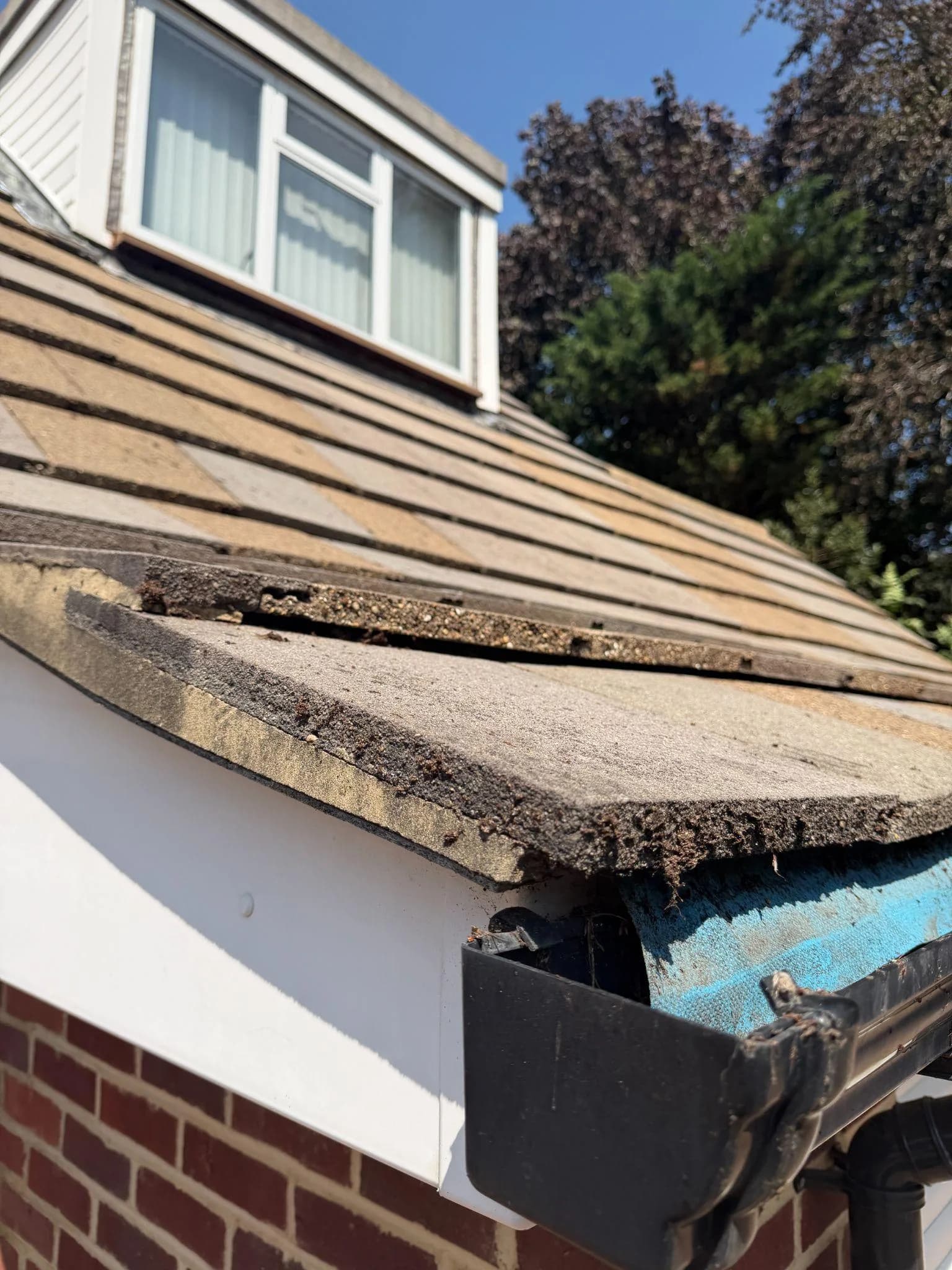
Who Is Responsible for Gutter Cleaning?
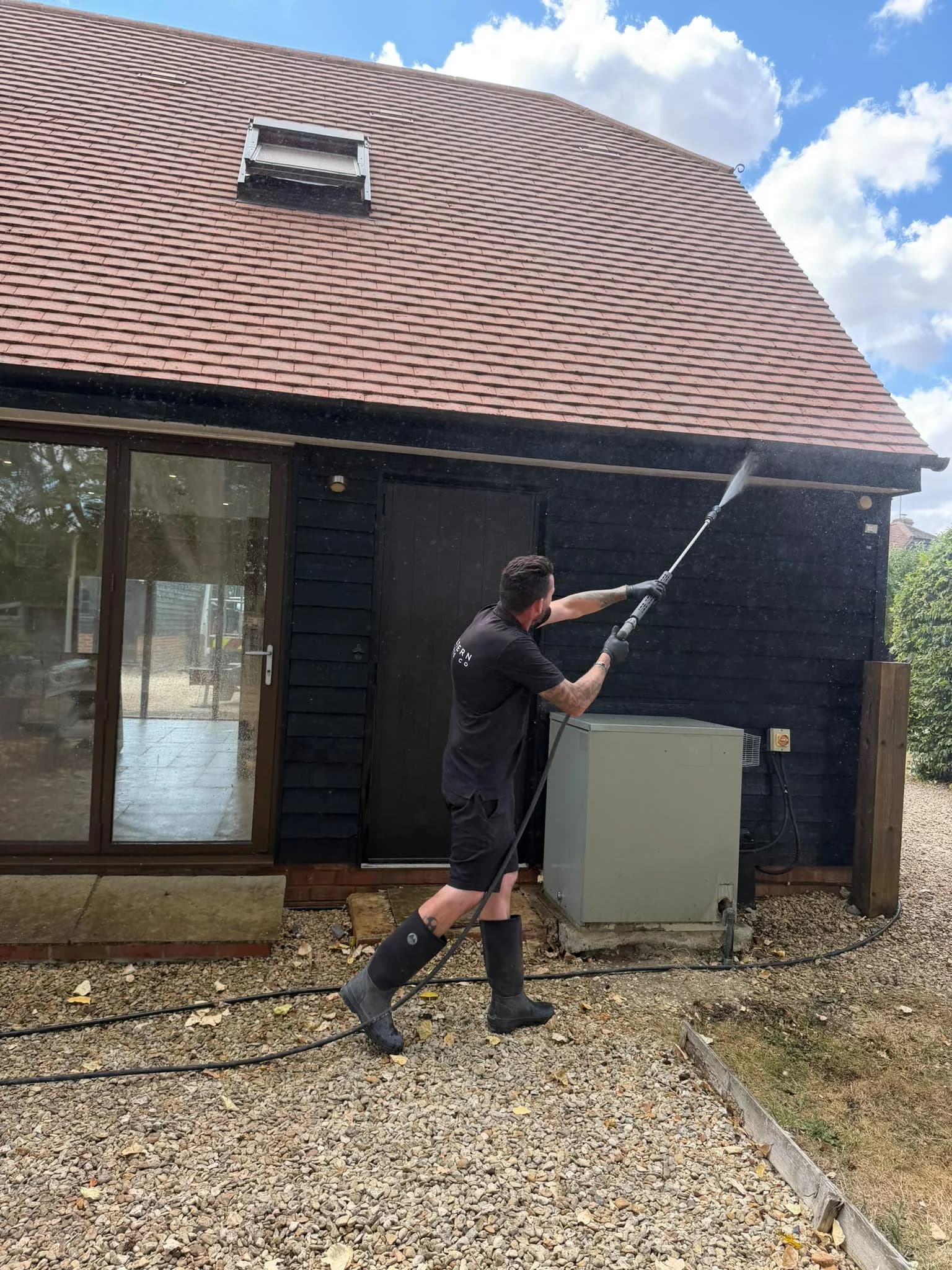
For an owner-occupied house, the homeowner is normally responsible for arranging gutter cleaning. For a rented home in England, the position needs a little more care: the landlord is legally responsible for keeping the structure and exterior of the property in repair, and official government guidance specifically includes drains, gutters and external pipes within that duty.
Routine cleaning, however, is not described in the legislation in exactly the same way as repair. A tenancy agreement may contain maintenance wording, and the facts matter - particularly whether the gutters were already blocked, whether the work requires professional access, whether a defect is involved and whether the tenant has caused or failed to report a problem.
So the practical answer is not simply 'always the landlord' or 'always the tenant'. For most ordinary rental situations, the landlord or managing agent should deal with gutter defects and should usually arrange any professional clearance needed to keep the system functioning, while the tenant should report problems promptly, allow access and avoid causing blockages or damage.
This article covers general guidance for properties in England, including Chiltern Surface Co's service areas in Buckinghamshire, Berkshire and Oxfordshire. It is not legal advice, and a particular tenancy or lease can change how day-to-day maintenance is organised.
Quick Answer: Who Is Usually Responsible?
Property situation
Who usually arranges gutter cleaning?
What to check
Owner-occupied freehold house
Homeowner
Condition, access and maintenance schedule
Private rented house in England
Usually landlord / managing agent for professional or repair-related work
Tenancy wording, condition at move-in, whether repair is needed
Tenant-caused blockage or damage
Landlord may arrange repair, but tenant may be liable for the cost
Cause of problem and evidence
Leasehold flat with shared external gutters
Usually freeholder / management company
Lease and service charge responsibilities
Single leasehold house
Depends on the lease
Who is responsible for exterior maintenance
Managed commercial property
Owner, landlord or facilities / property manager
Lease, maintenance contract and access arrangements
What Does UK Law Say About Gutters in a Rental Property?
For private renting in England, the clearest legal starting point is the landlord's duty to keep the structure and exterior of the home in repair.
The government's How to rent a safe home guidance explicitly states that the landlord is responsible for repairs to the structure and exterior, including drains, gutters and external pipes.
That reflects Section 11 of the Landlord and Tenant Act 1985. In practical terms, a leaking, broken, sagging or otherwise defective gutter is not a repair a landlord can simply transfer to the tenant because it is inconvenient.
The more difficult question is routine cleaning. Section 11 is a repairing obligation, not a detailed seasonal-cleaning schedule. That is why disputes often turn on the tenancy agreement, the condition of the guttering and whether clearance is necessary to keep the system in repair.
Is Gutter Cleaning a Repair or Routine Maintenance?
It can be either, depending on the circumstances.
Removing a small amount of accessible debris can look like routine household maintenance. Clearing packed gutters on a two-storey property, flushing blocked downpipes or removing years of roof moss is a different type of task - especially where specialist equipment or work at height is involved.
If the gutter is already leaking, pulling away from the fascia, overflowing because an outlet is defective, or otherwise in disrepair, the landlord's repair duty becomes much clearer.
If the issue is simply light, routine upkeep and the tenancy agreement contains a specific clause, responsibility may need to be read in that context. A clause about 'keeping drains, gutters and pipes clear' does not automatically mean a tenant should climb a long ladder or take on unsafe work.
What Is the Tenant Responsible For?
Tenants still have responsibilities even where the landlord is responsible for the gutter system itself.
A tenant should normally:
- Report overflowing, leaking or damaged gutters promptly.
- Allow reasonable access for the landlord or contractor to inspect and carry out work.
- Avoid causing blockages or damage through misuse or neglect.
- Keep records of repair reports, particularly where the problem could worsen.
- Check the tenancy agreement for any specific maintenance obligations.
Shelter England's current repairs guidance explains that tenants should look after the home, report repairs and allow access, while landlords remain responsible for most repairs.
A tenant can sometimes be charged for a problem they caused. For example, if a tenant's actions create a blockage or they fail to report an obvious issue and preventable damage follows, the question of cost can be different from the question of who physically arranges the repair.
Can a Tenancy Agreement Make the Tenant Responsible?
A tenancy agreement can set out ordinary maintenance responsibilities, so it is always worth reading the actual wording.
However, a contract cannot simply erase a landlord's statutory repairing duties. Government guidance says tenants cannot be forced to carry out repairs that are the landlord's responsibility.
The distinction matters. A clause asking a tenant not to block drains or gutters is different from a clause expecting them to diagnose, repair or safely access a two-storey roofline.
If the wording is unclear, the safest practical step is to report the gutter issue to the landlord or agent in writing and ask them to confirm responsibility. Where there is a genuine dispute over a tenancy term, get housing advice rather than relying on forum comments or assumptions.
What If the Gutters Were Already Blocked When the Tenant Moved In?
Condition at the start of the tenancy matters.
A UK Reddit thread supplied for this article shows exactly why this becomes contentious: the tenant reported gutters that had apparently been in poor condition from the beginning, but much of the discussion turned on whether that condition had been recorded and reported.
An inventory, check-in report, photographs, emails to the agent and inspection notes can all help establish whether the problem pre-dated the tenancy.
Even where no formal dispute develops, reporting an existing issue early is important. A landlord cannot reasonably deal with a repair they do not know about.
What If the Gutter Problem Was Caused by the Tenant?
If the tenant has caused damage, the landlord may still need to arrange the repair, but the tenant can potentially be responsible for the cost.
This is similar to other repair situations: statutory responsibility for the building does not mean a tenant has no financial responsibility for damage caused by them, their household or visitors.
With gutters, deliberate tenant-caused blockages are unusual. More commonly, the issue is whether a tenant failed to report an obvious problem. That is why prompt reporting is a simple but important part of tenant responsibility.
Should a Tenant Be Expected to Clean High Gutters?
This is where practical safety becomes important.
A clause referring to minor maintenance does not make work at height automatically reasonable. Cleaning two-storey gutters may require a long extension ladder, ground-based vacuum equipment or other specialist access.
For that reason, a landlord or managing agent arranging professional gutter clearance is often the more sensible approach where the work is high, awkward or requires equipment that a normal tenant would not be expected to own.
Chiltern Surface Co's gutter cleaning service uses a pole-fed vacuum from ground level wherever the property allows, with ladder access decided during the site visit rather than improvised on arrival.
Who Is Responsible in a Leasehold Flat?
Leasehold properties are different because responsibility is governed by the lease.
In many blocks of flats, the freeholder or management company maintains the external structure and shared rainwater goods, then recovers the cost through the service charge. Individual leaseholders therefore do not usually organise cleaning of shared roof gutters themselves.
GOV.UK's leasehold guidance says the lease determines who is responsible for repairs. For communal buildings, the lease and service-charge arrangements are the documents to check first.
If the gutter serves only one leasehold house or an unusual part of a building, do not assume the same rule applies. Check the lease or ask the managing agent to confirm the maintenance responsibility.
What About Council or Housing Association Tenants?
Policies vary between landlords, but external guttering is commonly treated as part of the landlord's repair and maintenance responsibility.
For example, current council repair policies often list gutters and external pipes among the structural or exterior items maintained by the landlord. The tenant's role is generally to report the issue and provide access.
Always use the repair handbook or tenancy agreement for the specific council or housing association rather than assuming every social landlord follows identical procedures.
Who Is Responsible for Gutter Cleaning in an Owner-Occupied Home?
For a freehold owner-occupied house, the responsibility is straightforward: the homeowner arranges the gutter maintenance.
That does not necessarily mean the homeowner should physically clean the gutters themselves. Low, accessible gutters may be a manageable DIY task for someone competent to do it safely, while high or awkward gutters are often better handled professionally.
If you are unsure how frequently the property needs attention, see our guide to how often gutters should be cleaned.
Who Is Responsible for Repairs Found During Gutter Cleaning?
Cleaning and repair should be treated as separate issues.
A professional clean may reveal a loose bracket, separated joint, cracked section, poor fall or damaged fascia. In an owner-occupied home, the homeowner decides how to deal with that repair. In a rental, the landlord should be told because structural and exterior repairs are generally their responsibility.
The cleaner should explain what has been observed without pretending every defect requires immediate replacement.
What Should a Professional Gutter Clean Include?
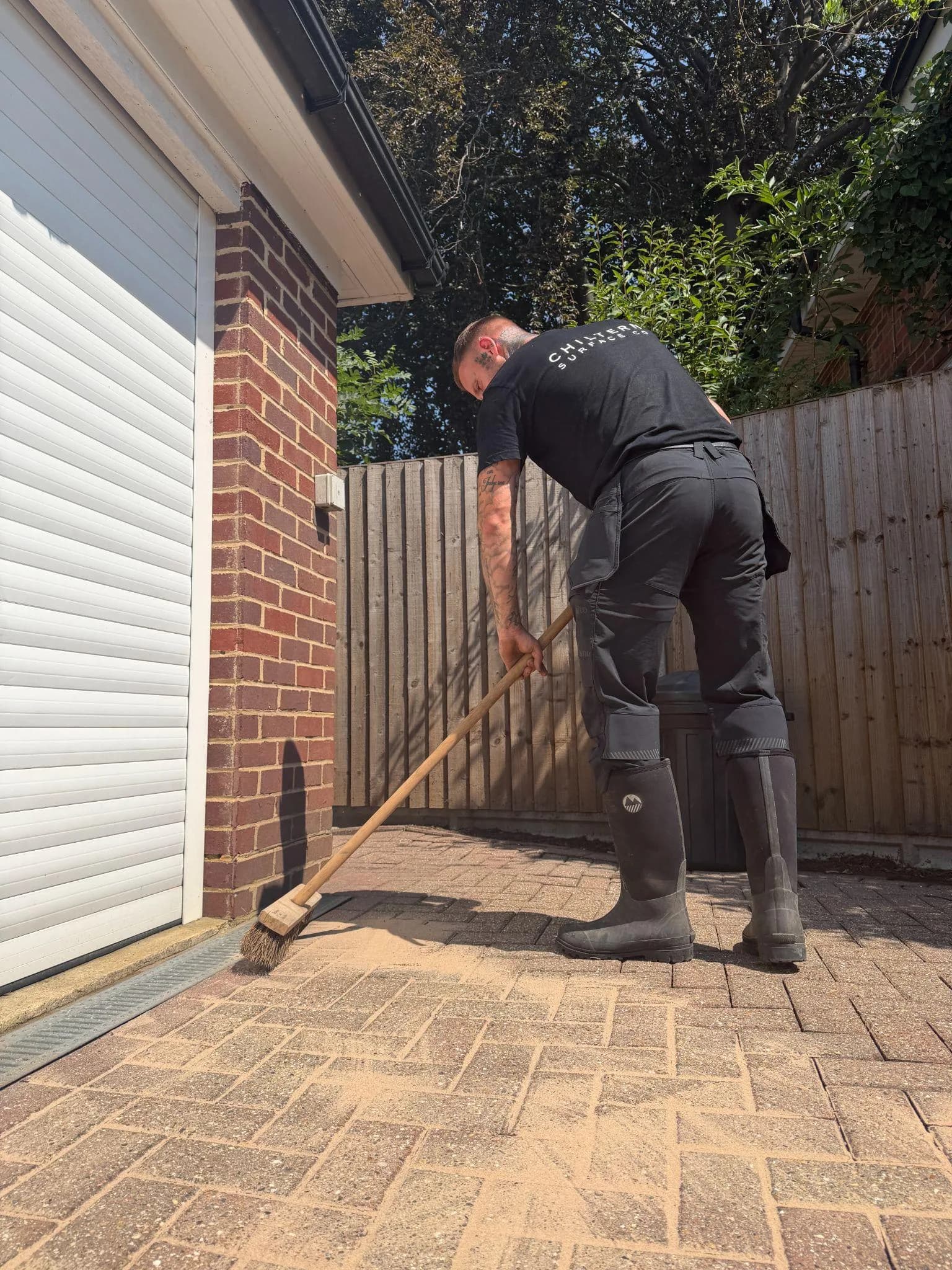
Whoever is paying for the work should know what the service actually includes.
A thorough professional service should normally cover:
- Inspection of the guttering, outlets, downpipes and roofline.
- Removal of leaves, moss and accumulated roof debris.
- Clearing the full accessible gutter run rather than only visible sections.
- Checking or flushing outlets and downpipes to confirm free flow.
- Responsible removal of the debris.
- A note of obvious loose brackets, open joints or defects requiring separate repair.
That fits Chiltern Surface Co's wider assessment-first approach: understand the condition first, choose the appropriate method and explain what is actually needed.
What Should You Do If Landlord and Tenant Disagree?
Start with the tenancy agreement and keep the discussion factual.
A sensible sequence is:
- Report the problem in writing and describe what is happening.
- Photograph overflow, leakage or visible debris where possible.
- Check the tenancy agreement for gutter, exterior-maintenance or repair clauses.
- Ask the landlord or agent to identify the clause they are relying on if they say the tenant must arrange the work.
- Distinguish cleaning from an actual defect or repair.
- Do not attempt unsafe work at height simply to avoid a disagreement.
- If responsibility remains disputed, seek independent housing advice.
The useful aim is to get the drainage system working, not to turn routine maintenance into a prolonged argument.
The Bottom Line
For homeowners, gutter cleaning is their responsibility to arrange. For leaseholders, the lease decides whether the freeholder, management company or individual leaseholder is responsible.
For private tenants in England, the landlord is legally responsible for keeping the structure and exterior - including gutters - in repair. Routine cleaning can depend on the tenancy wording and circumstances, but tenants should not assume they must take on high-level professional work simply because a clause mentions keeping gutters clear.
The tenant's clearest responsibilities are to look after the property reasonably, report problems promptly, avoid causing damage and allow access for necessary work.
If the property is in Buckinghamshire, Berkshire or Oxfordshire, Chiltern Surface Co provides professional gutter cleaning across our service area. A free site assessment can establish the access, condition and scope before a quotation is provided.
Frequently asked questions
Is gutter cleaning the landlord's responsibility in the UK?
For rented properties in England, landlords are responsible for keeping the structure and exterior, including gutters, in repair. Routine cleaning can depend on the tenancy agreement and circumstances, so check the wording rather than assuming every cleaning task is automatically allocated the same way.
Can a landlord make a tenant clean the gutters?
A tenancy agreement may include ordinary maintenance wording, but it cannot remove the landlord's statutory repair duties. If the task requires professional access or work at height, ask the landlord or agent to clarify why they believe the tenant must arrange it.
Is the tenant responsible for blocked gutters?
Not automatically. The cause matters. Tenants should report problems and avoid causing blockages or damage. If the issue is ordinary roof debris, an existing defect or professional high-level clearance, landlord involvement is usually more appropriate.
Who pays if the tenant caused the gutter damage?
A landlord may still need to arrange a repair to the exterior, but the tenant can potentially be charged where the damage was caused by the tenant, their household or visitors.
Who cleans gutters in a leasehold flat?
For shared external gutters, the freeholder or management company often arranges the work and recovers the cost through the service charge. The lease is the final document to check.
Should tenants climb ladders to clean gutters?
Tenants should not take on unsafe work at height. If the gutter cannot be reached safely as an ordinary minor task, report the problem and ask the landlord or agent to arrange suitable access.
Does Chiltern Surface Co clean gutters for landlords and homeowners?
Yes. Chiltern Surface Co provides gutter cleaning across Buckinghamshire, Berkshire and Oxfordshire for homeowners and managed properties, subject to site access and assessment.