
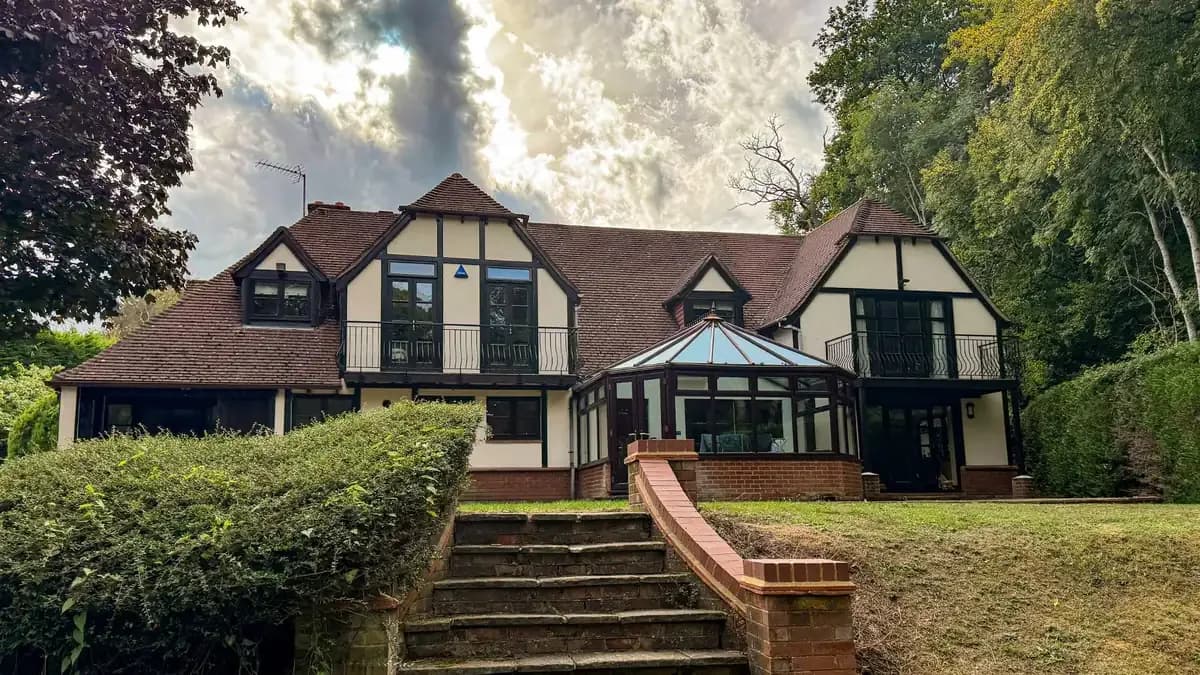
Yes, roof cleaning can improve kerb appeal when moss, algae, lichen or staining makes a sound roof look neglected. The improvement depends on the roof’s visibility, material, condition and the cleaning method used.
A roof covers a large part of many homes, yet homeowners often overlook it when refreshing the exterior. Clean windows and a tidy garden help, but a heavily moss-covered roof can still dominate the view.
Roof cleaning should never aim to disguise age or damage. The goal is to remove suitable contamination, restore a more even appearance where condition allows and help the roof sit naturally within a well-maintained exterior.
How Does Roof Cleaning Improve Kerb Appeal?
Roof cleaning improves kerb appeal by removing visual distractions from one of the property’s largest exterior surfaces. Thick moss, dark streaks and uneven biological growth can make the entire building appear older or less cared for.
A cleaner roof creates a more balanced relationship between the roof, walls, windows and surrounding landscape. The change can become particularly noticeable on detached homes, bungalows and properties viewed from a lower road.
Roof cleaning restores visible colour and definition
Moss can cover the natural colour, shape and pattern of roof tiles. Heavy growth also creates irregular shadows along tile edges and overlaps.
Removing suitable contamination reveals more of the original roof covering. Clay tiles can recover warmer tones, while slate can regain cleaner lines and a more consistent finish.
Cleaning does not restore lost coatings or reverse natural ageing. The final result depends on what remains beneath the growth.
Roof cleaning creates a more cared-for appearance
People often use visible maintenance as a clue to the condition of a property. A roof covered with dense moss can create an impression of postponed upkeep, even when the roof remains sound.
A clean roofline, open gutters and orderly exterior surfaces suggest more consistent care. That impression matters to homeowners, visitors, tenants and potential buyers.
Roof cleaning can improve exterior photographs
Cameras often make colour differences and dark staining more obvious. Green moss or black biological streaks can draw attention away from architectural features.
A cleaner roof can help estate-agent photographs, holiday-let listings and business imagery appear more balanced. However, no contractor should promise a particular increase in enquiries or property value.
Which Roof Problems Affect Kerb Appeal Most?
Heavy moss, dark algae streaks, lichen patches and overflowing gutters usually create the greatest visual impact. Each form of contamination affects the roof differently.
Correct identification matters because dirt, biological growth and surface deterioration do not require the same response.
Thick moss growth
Moss often develops on shaded and north-facing roof slopes. Nearby trees can increase shade while depositing leaves, twigs and organic material.
Small moss patches can form part of normal weathering. Dense growth becomes more noticeable when it spreads across tile overlaps or creates an uneven green covering.
Loose clumps can also fall into gutters, onto conservatory roofs or across paths. Those deposits extend the untidy appearance beyond the main roof.
Dark algae staining
Algae can create green, brown or nearly black discolouration. The staining sometimes appears as long streaks following rainwater routes.
Dark marks can make a relatively sound roof look older than its actual age. Treatment may improve the appearance, but the process and timescale depend on the organism and roof material.
Lichen colonies
Lichen often appears as pale, yellow, grey or white patches attached firmly to the surface. Established lichen does not always release immediately during gentle cleaning.
Aggressive removal can damage weathered tiles. A considered process may allow treatment to continue working gradually after the initial visit.
Debris-filled gutters and roof valleys
Leaves, moss and small twigs can collect in gutters, valleys and behind roof details. The accumulation creates dark, irregular rooflines and can restrict rainwater movement.
Gutter overflow can stain fascia boards, render and brickwork. Cleaning the visible tiles without addressing drainage can leave the exterior looking unfinished.
Which Properties Gain the Most Visual Benefit?
Roof cleaning produces the strongest kerb-appeal improvement when the roof occupies a prominent part of the front elevation. Roof pitch, viewing angle and contamination level all influence the result.
| Property or roof feature | Likely visual benefit | Main reason |
|---|---|---|
| Bungalow with a visible pitched roof | High | The roof occupies much of the street view |
| Detached home viewed from below | High | The front slope becomes a dominant surface |
| Clay roof with heavy moss | High | Cleaning can reveal strong natural colour |
| Roof with localised light growth | Low to moderate | Small patches may not affect the whole exterior |
| Roof hidden behind a parapet | Low | Little of the surface remains visible |
| Fragile or deteriorating roof | Unsuitable without assessment | Surface protection takes priority |
| Roof needing repairs | Limited until repaired | Defects remain visible after cleaning |
Bungalows and low-set properties
Bungalow roofs often fill a large part of the viewer’s field of vision. Moss or staining can therefore affect the appearance more than a similar patch on a taller building.
A suitable clean can create a noticeable change without altering the property’s architecture. Gutters, soffits and fascia boards should also look orderly beside the cleaned roof.
Traditional homes with clay tiles
Clay tiles contribute warmth and texture to many traditional properties. Moss can hide those qualities and make the roof appear uniformly green or brown.
Careful cleaning can reveal variations within the clay. The finish should still look natural rather than artificially uniform.
Chiltern Surface Co’s Aylesbury roof restoration shows how controlled cleaning revealed the warm finish of an established clay-tile roof.
Homes surrounded by mature trees
Trees can create attractive surroundings, but shade and organic debris also encourage biological growth. One roof slope may look significantly darker than another.
Cleaning can restore visual balance between the elevations. Future maintenance may still be needed because the surrounding conditions remain unchanged.
Properties prepared for sale or letting
A visibly neglected roof can distract buyers or tenants before they enter the property. Cleaning can remove uncertainty caused by appearance, but cleaning does not confirm structural condition.
Sellers should repair genuine defects and describe completed work accurately. A clean should support honest presentation rather than conceal age or deterioration.
When Will Roof Cleaning Make Little Difference?
Roof cleaning offers limited kerb-appeal value when the roof already looks presentable, remains largely hidden or needs repairs. Cleaning every roof does not represent sensible maintenance.
An experienced contractor should sometimes recommend monitoring, targeted work or no cleaning.
The roof has only light natural weathering
Small areas of moss or subtle colour variation often look normal on established UK homes. Removing every natural mark can be unnecessary.
Stand across the road and view the property as a whole. A minor patch that seems obvious from an upstairs window may disappear within the wider elevation.
Trees or neighbouring buildings conceal the roof
Cleaning produces little visual return when mature trees, parapet walls or adjacent houses hide most of the surface.
Other improvements may create a stronger first impression. Cleaning the front path, entrance, render or visible gutters could provide better value.
The roof material has permanently weathered
Cleaning removes suitable surface contamination, but it cannot replace faded pigment or eroded coatings. Concrete tiles can lose colour gradually as the exposed finish weathers.
A newly cleaned roof can still contain permanent colour variation. Realistic expectations prevent disappointment and unsuitable repeat cleaning.
Roofing defects remain visible
Missing tiles, slipped slates, damaged pointing and sagging gutters continue affecting kerb appeal after cleaning. Those problems need repair rather than cosmetic treatment.
A roof should remain weatherproof and secure before appearance becomes the priority. Ask a competent roofer to investigate suspected defects.
The surrounding exterior remains neglected
A clean roof cannot compensate for overflowing gutters, stained render, broken paving or an overgrown entrance. Kerb appeal comes from the whole street-facing view.
A coordinated plan usually works better than treating the roof in isolation.
Can Roof Cleaning Make an Old Roof Look New?
No, professional cleaning should improve the roof’s appearance where its condition allows, not promise a new finish. Age, weathering and historic repairs will remain visible.
Claims such as “like new” ignore the differences between roof materials and conditions. A 30-year-old concrete roof will not respond like a newer clay-tile roof.
The cleaning result depends on 5 main factors:
- The original roofing material
- The age and present condition
- The type of biological growth
- The depth and length of contamination
- The cleaning and treatment method
A sound clay roof hidden beneath moss can show a dramatic improvement. A faded concrete roof may become cleaner while retaining colour variation.
Natural slate can regain definition after careful moss removal. However, weathered edges, historic replacements and mineral variations remain part of the roof.
A professional assessment should explain the likely outcome before work begins. That explanation helps you judge whether the visual improvement justifies the cost.
What Is the Best Roof Cleaning Method for Kerb Appeal?
The best method is the least aggressive process capable of achieving the required result safely. The decision should follow the roof surface, condition, contamination and access.
There is no universal method for clay, concrete, slate and fibre-cement coverings. Even 2 roofs made from the same material can require different treatment.
Manual moss removal
Manual removal allows an operative to target heavier deposits with tools suited to the tile profile. The method can provide useful control around valleys, edges and delicate sections.
The process should not involve careless scraping against the tile face. Excessive force can mark the surface or disturb fragile materials.
Manual work may leave smaller biological traces behind. A suitable treatment can address remaining growth when the roof and surroundings permit its use.
Controlled low-pressure cleaning
Some structurally sound roofs respond well to controlled, low-pressure cleaning. The operative adjusts pressure, flow, distance and angle to suit the surface.
Water should move down the roof rather than upwards beneath tile overlaps. Safe runoff control also protects walls, windows, plants and neighbouring properties.
The phrase “low pressure” should not become a vague reassurance. The contractor should explain why the roof can tolerate the proposed method.
Soft washing
Soft washing applies an appropriate treatment at low pressure to target biological growth. Soft washing can suit situations where water pressure should remain limited.
The visual improvement may continue developing after the visit. Treatment-led cleaning does not always create an instant, uniformly bright finish.
Combined cleaning and treatment
Some roofs need more than one process. A contractor might remove heavy moss manually, clean suitable sections carefully and treat remaining contamination.
Chiltern EverGuard™ Treatment can help reduce biological regrowth after suitable preparation. The typical protection period is 12–24 months, depending on the surface, weather, environment and maintenance.
The treatment is not permanent. Roofs beneath trees or in persistent shade can experience earlier regrowth.
Chiltern Surface Co explains this decision process through its surface-specific cleaning approach. The method follows the property rather than a standard machine setting.
Can Pressure Washing Damage Roof Tiles?
Yes, unsuitable pressure washing can damage roof tiles and reduce kerb appeal instead of improving it. Excessive force can disturb tiles, strip weathered surfaces and drive water beneath overlaps.
The risk does not come from pressure alone. Spray angle, nozzle type, water flow, working distance and roof condition also affect the outcome.
High-pressure cleaning can create an initially bright result while leaving visible lines or uneven patches. Damage becomes particularly noticeable when the operative cleans some areas more aggressively than others.
Concrete tiles can lose surface material or remaining colour. Old clay tiles can crack under foot traffic or poor handling. Natural slate can break, shift or develop edge damage.
Wienerberger’s guidance on cleaning roof tiles warns against high-pressure jet washing because forceful water can damage tile finishes and enter beneath overlaps.
That warning does not mean every form of water-based cleaning is identical. Controlled professional cleaning can suit certain roofs after inspection.
The contractor should explain the proposed pressure, access and direction of cleaning. A company that recommends maximum pressure before seeing the roof has skipped the most important step.
Should You Clean the Whole Roof or Only Visible Areas?
Cleaning the whole affected roof usually creates a more balanced result, but targeted work can suit certain structures. The right scope depends on contamination and visibility.
Cleaning only the front slope might appear economical. However, untreated moss on rear or side elevations can continue reaching gutters and lower roofs.
A sharp colour difference between cleaned and untreated slopes may also look unnatural from side views. Semi-detached properties require additional thought because the cleaned area can meet a neighbouring roof.
Targeted cleaning may still make sense for separate structures such as porches, bay windows, garages and annexes. Those surfaces often sit close to eye level and strongly affect the entrance.
The contractor should assess the following areas together:
- Main roof slopes
- Dormer and porch roofs
- Valleys and gullies
- Chimney surrounds
- Gutters and outlets
- Conservatory or extension roofs below
A quotation should identify which surfaces are included. Clear scope prevents mismatched expectations after the work.
How Does Roof Cleaning Compare With Other Kerb-Appeal Improvements?
Roof cleaning creates the greatest impact when roof contamination dominates the exterior. Other areas deserve priority when the roof already appears tidy.
Clean the entrance first when the roof looks acceptable
Visitors experience the gate, path and front door at close range. Weeds, slippery algae and staining can affect the entrance more than light roof moss.
Cleaning the path and steps can create a safer, more orderly approach. Repainting a worn door or repairing damaged lighting can also improve the immediate view.
Address gutters when the roofline looks untidy
Blocked or stained gutters interrupt the clean lines of a property. Overflow marks can spread onto render, fascia boards and brickwork.
Gutter clearance may provide more practical value than full roof cleaning when moss has collected mainly around the roof edge.
Clean the driveway when it dominates the frontage
A wide driveway can occupy more visible space than the house itself. Oil marks, weeds, algae and washed-out joints can strongly affect first impressions.
The driveway should receive a material-specific process. Block paving, resin, natural stone, concrete and tarmac require different methods.
Treat render when staining frames the whole elevation
Algae and atmospheric staining can spread across rendered walls. A stained façade may remain the main visual problem even after roof cleaning.
Render usually requires soft washing rather than aggressive pressure. The treatment must respect coatings, windows, plants and nearby surfaces.
The most effective kerb-appeal plan identifies the largest visual distraction first. Spending should follow what people actually see from the road.
How Long Will the Kerb-Appeal Improvement Last?
The improvement can remain visible for years, but no cleaned roof stays free from biological growth permanently. Regrowth depends on shade, moisture, trees, roof orientation and surface texture.
North-facing slopes often remain damp for longer. Roofs beneath trees also receive spores, leaves and organic debris more frequently.
A biological treatment can help slow regrowth where appropriate. Regular gutter clearance also prevents fallen moss and leaves from undermining the finished appearance.
Homeowners can support the result by monitoring 4 conditions:
- Overhanging branches that increase shade
- Leaves collecting in valleys and gutters
- Water overflowing from blocked outlets
- New moss forming on persistently damp slopes
Do not arrange repeated aggressive cleaning simply to maintain a spotless appearance. Unnecessary cleaning can place avoidable stress on the surface.
A professional maintenance plan should match the roof rather than follow an inflexible annual schedule.
How Can You Tell Whether Roof Cleaning Is Worth It?
View the property from the road before requesting work. Kerb appeal depends on the whole elevation, not a close-up photograph of one tile.
Take photographs from the angles used by visitors or estate agents. Morning and afternoon light can reveal different levels of staining.
Then answer 6 practical questions:
- Does the roof dominate the front elevation?
- Does moss hide the colour or pattern of the tiles?
- Do dark streaks make the roof look uneven?
- Does loose growth collect in gutters or lower roofs?
- Is the roof sound enough for suitable cleaning?
- Will another exterior improvement create a stronger result?
A clear “yes” to the first 4 questions supports an assessment. Concerns about condition should lead to roofing advice before cleaning.
The quotation should describe the method, access, expected change and aftercare. Avoid decisions based only on a dramatic online photograph.
Improve the Whole Exterior, Not Just the Roof
Roof cleaning can improve kerb appeal when biological growth has become one of the property’s dominant visual features. The strongest results come from cleaning a sound, visible roof with a method suited to its material and condition.
The goal should remain realistic. Good roof cleaning removes suitable contamination and restores appearance where condition allows. It does not erase age or replace necessary repairs.
Chiltern Surface Co assesses the roof, contamination, access and surrounding exterior before recommending a process. That assessment helps determine whether roof cleaning will genuinely improve the property or whether another area deserves attention first.
Explore our exterior cleaning services and arrange a Free Site Assessment for honest, surface-specific advice.
Frequently asked questions
Can roof cleaning improve kerb appeal without replacing the tiles?
Yes. Cleaning can reveal the existing roof covering when moss, algae or lichen hides the surface. Cleaning cannot repair damaged or heavily weathered tiles.
Does a mossy roof always look neglected?
No. Light moss can appear natural on older properties. Heavy, uneven growth usually has a stronger effect on kerb appeal.
Will roof cleaning increase my property’s value?
Roof cleaning can improve perceived maintenance, but it cannot guarantee a higher valuation. Location, condition and market demand remain more important.
Should gutters be cleaned with the roof?
Yes, when roof debris has entered the drainage system. Clearing gutters and outlets creates a more complete finish and supports rainwater movement.
Is roof cleaning suitable for every roof?
No. Fragile, damaged or heavily weathered roofs may need repairs, limited treatment or no cleaning. A surface assessment should guide the decision.