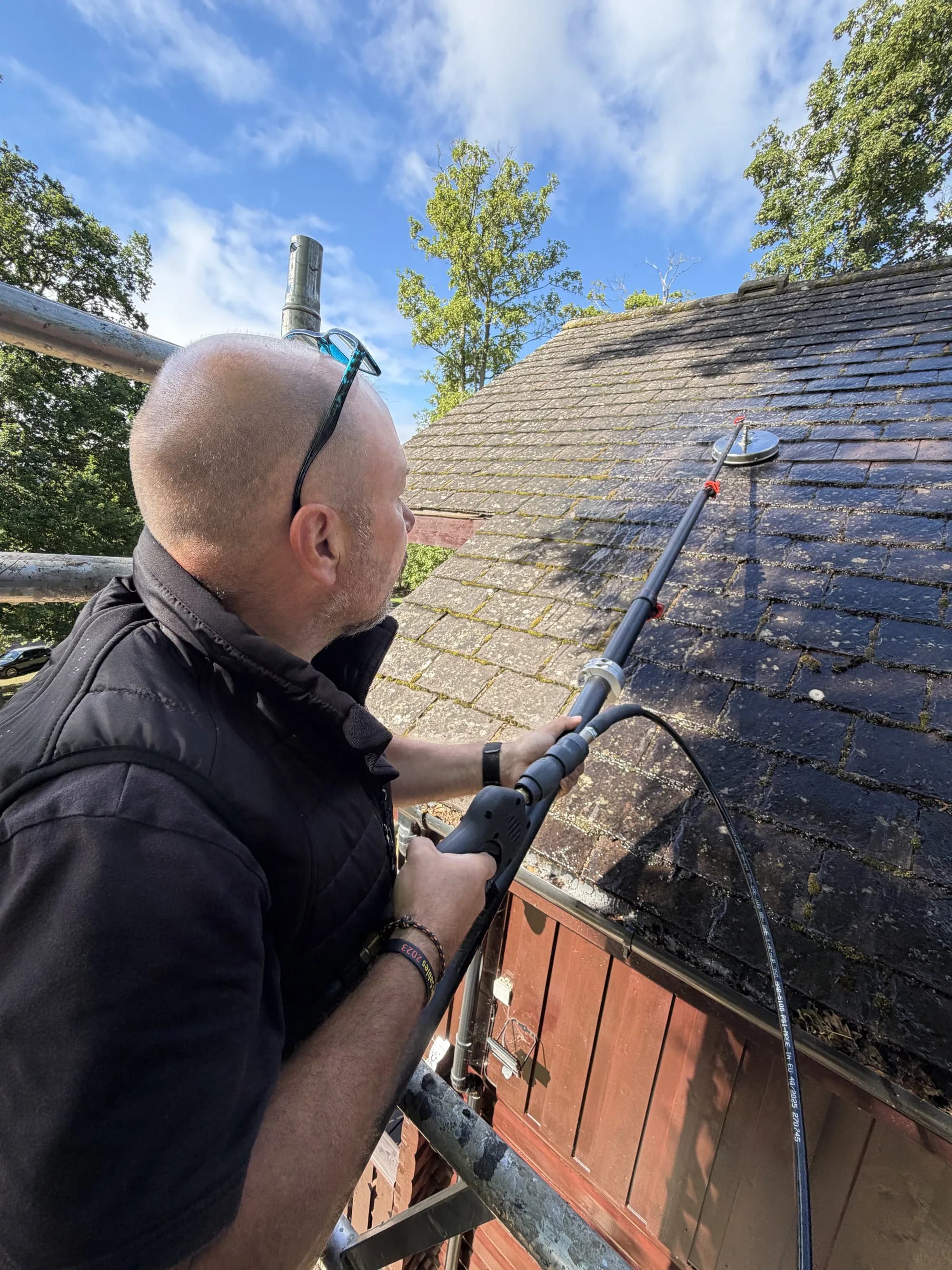
What is soft wash roof cleaning? Soft wash roof cleaning uses low-pressure treatment to control moss, algae, lichen, and organic roof staining. Suitable products and careful dwell time replace forceful water jets.
A trained contractor first assesses the roof type, condition, access, drainage, and surrounding garden areas. The contractor then selects a treatment and application method that suits the specific property.
For many UK homes, soft washing forms one part of a wider roof cleaning service. Heavy moss often needs careful manual removal before technicians apply a treatment. Clay tiles, concrete tiles, slate, and older roofs can all require different methods.
What Is Soft Wash Roof Cleaning and Why Do Homeowners Choose It?
What is soft wash roof cleaning in practical terms? The process treats biological growth through a low-pressure liquid application rather than aggressive mechanical force.
Soft washing targets living contamination, including algae, moss spores, lichen, mould, and other organic growth. The treatment reaches porous areas and tile overlaps where surface rinsing alone cannot solve the problem.
Low Pressure Protects Vulnerable Roof Surfaces
Low pressure reduces the risk of dislodged tiles, stripped finishes, and water entering beneath roof coverings. A suitable application system spreads the treatment evenly without blasting the roof.
Pressure alone can remove visible dirt quickly. Pressure alone also leaves biological roots and spores within porous materials. Soft washing treats the source instead of only changing the surface appearance.
Treatment Controls Organic Growth
Professional solutions contain active ingredients selected for the roof material and contamination. Many systems also use a surfactant, which helps the liquid spread and cling.
The treatment needs adequate dwell time. Dwell time allows the product to act on algae, lichen, and moss residues before rinsing or natural weathering.
Roof Assessment Determines the Method
No single mixture suits every roof. Contractors must consider tile type, age, cracks, loose pointing, previous coatings, solar panels, gutters, and nearby planting.
Chiltern Surface Co follows a surface-specific process. Homeowners can review its professional roof cleaning service for tiled and slate roofs across Buckinghamshire.
How Does Soft Wash Roof Cleaning Work?
To understand what is soft wash roof cleaning, follow the process from inspection through treatment and aftercare. A professional service usually includes 5 planned stages.
1. Inspect the Roof and Access
The contractor checks roof pitch, tile condition, chimneys, valleys, leadwork, gutters, fragile areas, and access. The inspection also identifies moss depth, lichen coverage, algae streaking, and existing damage.
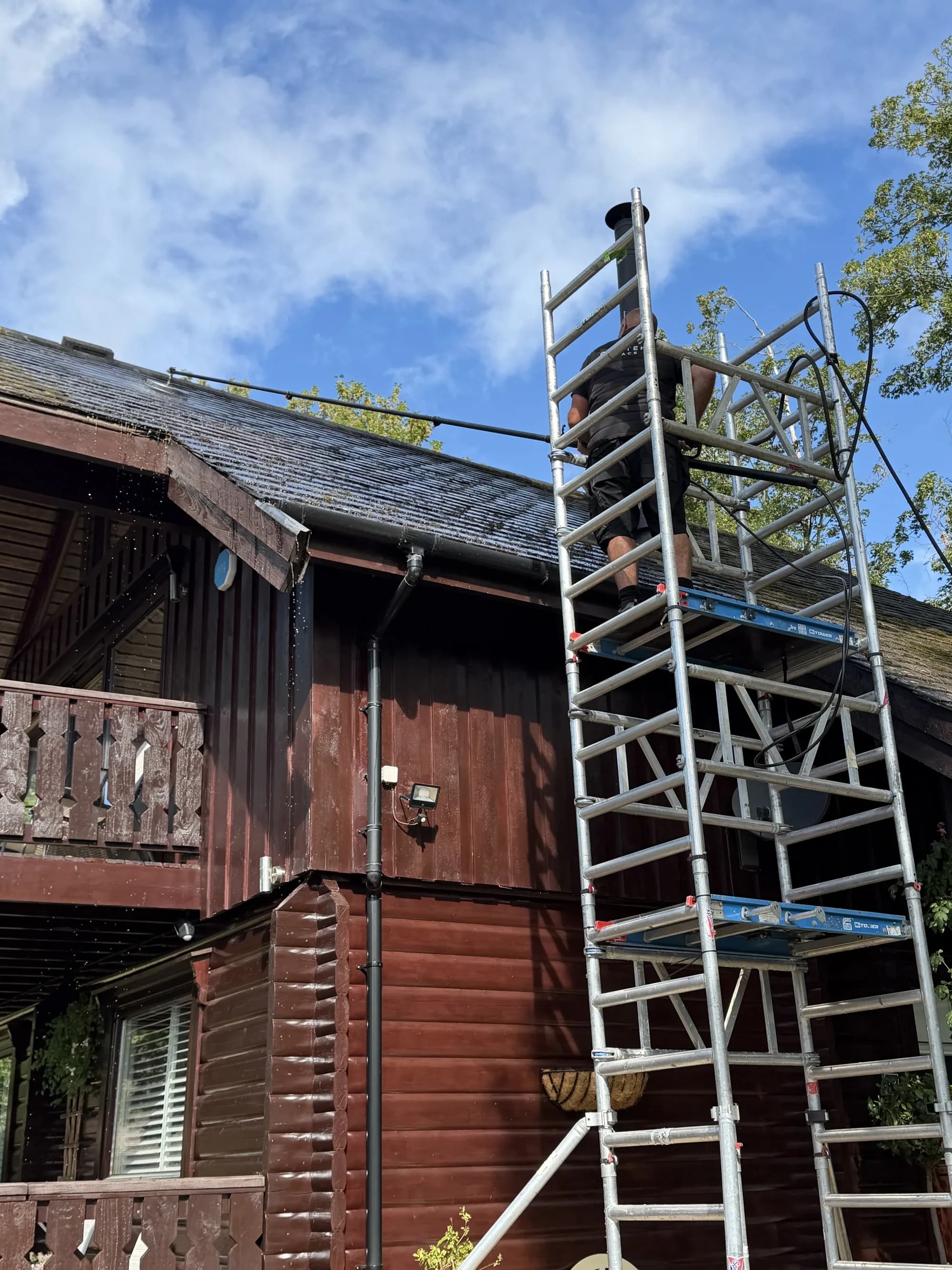
Safe access matters because roof work carries serious fall risks. Professionals plan access, edge protection, equipment placement, and ground-level exclusion zones before work starts.
2. Protect Gardens and Exterior Features
The team protects plants, lawns, windows, painted surfaces, ponds, furniture, and neighbouring areas. Technicians wet sensitive vegetation and manage downpipes before applying treatment.
Property protection also includes runoff control. A responsible contractor prevents concentrated cleaning liquid from collecting around planting, drains, decorative metalwork, or water features.
3. Remove Heavy Moss Where Necessary
Soft washing does not always replace manual moss removal. Thick moss can prevent treatment from reaching the tile surface evenly.
Technicians can remove bulky growth with roof-safe hand tools or suitable equipment. The chosen method should avoid scraping, chipping, or disturbing fragile tiles.
4. Apply the Soft Wash Treatment
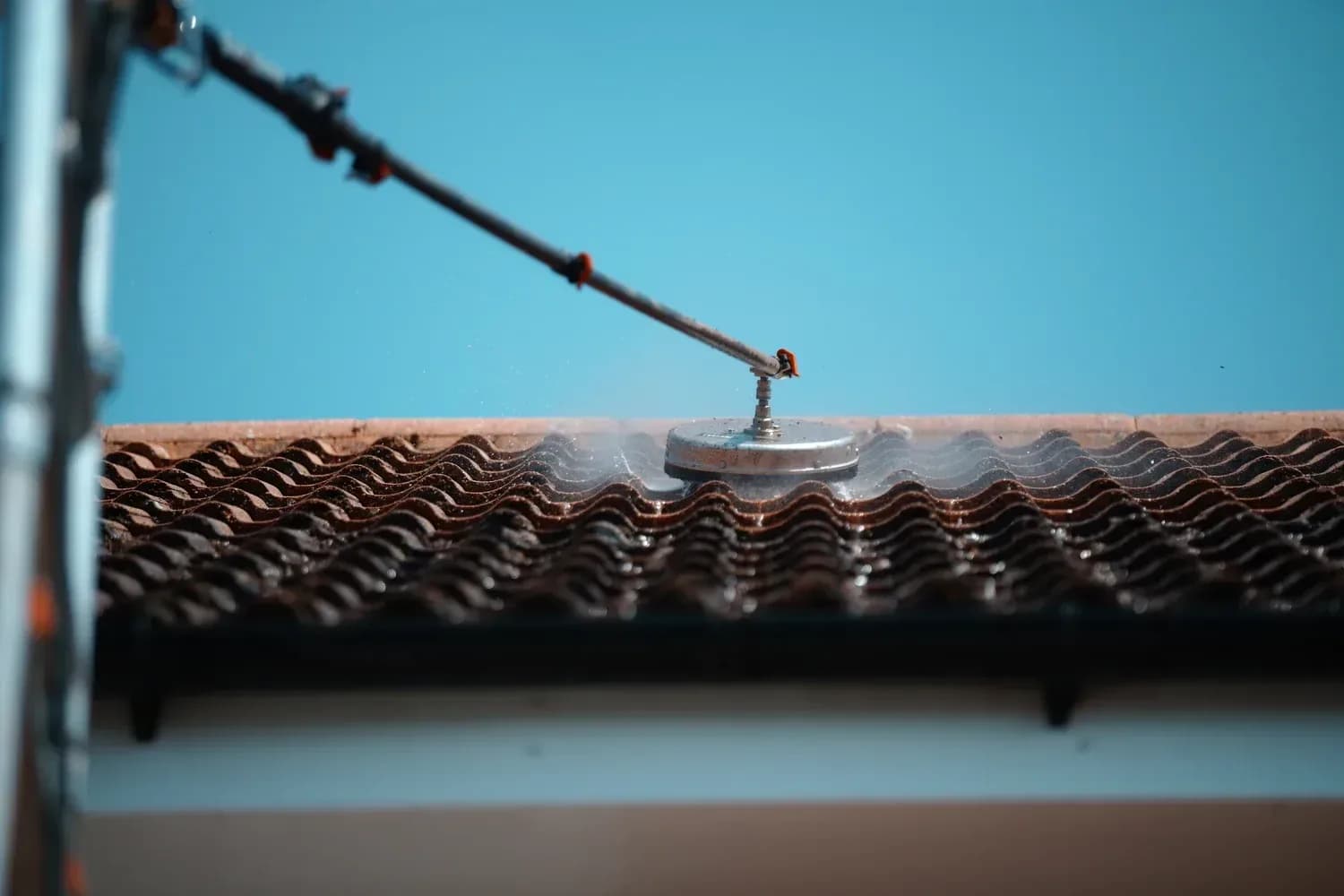
Technicians apply the selected solution through dedicated low-pressure equipment. The application covers affected tiles, joints, overlaps, ridges, valleys, and shaded sections.
The team controls concentration, coverage, weather conditions, and dwell time. Product instructions and roof condition guide every decision.
5. Rinse or Allow Natural Weathering
Some systems require a controlled rinse after treatment. Other treatments continue working and rely on rainfall to remove dead organic residues gradually.
The roof can improve immediately, yet stubborn lichen marks often fade across several weeks. A professional explains the expected timeline before work starts.
What Does Soft Wash Roof Cleaning Remove?
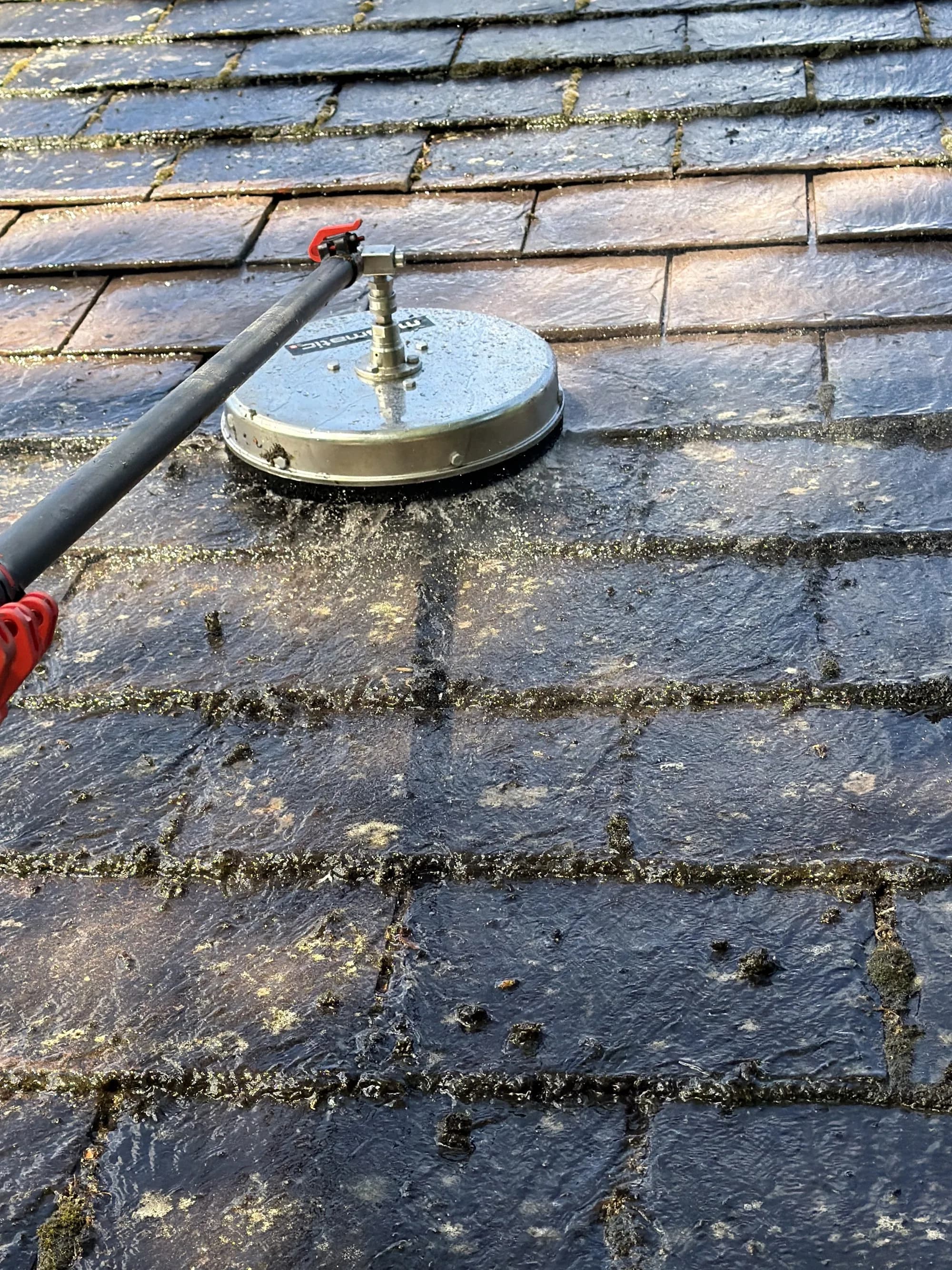
Homeowners asking what is soft wash roof cleaning often want to know which stains treatment can address. Soft washing mainly targets biological contamination rather than structural defects.
Moss and Moss Spores
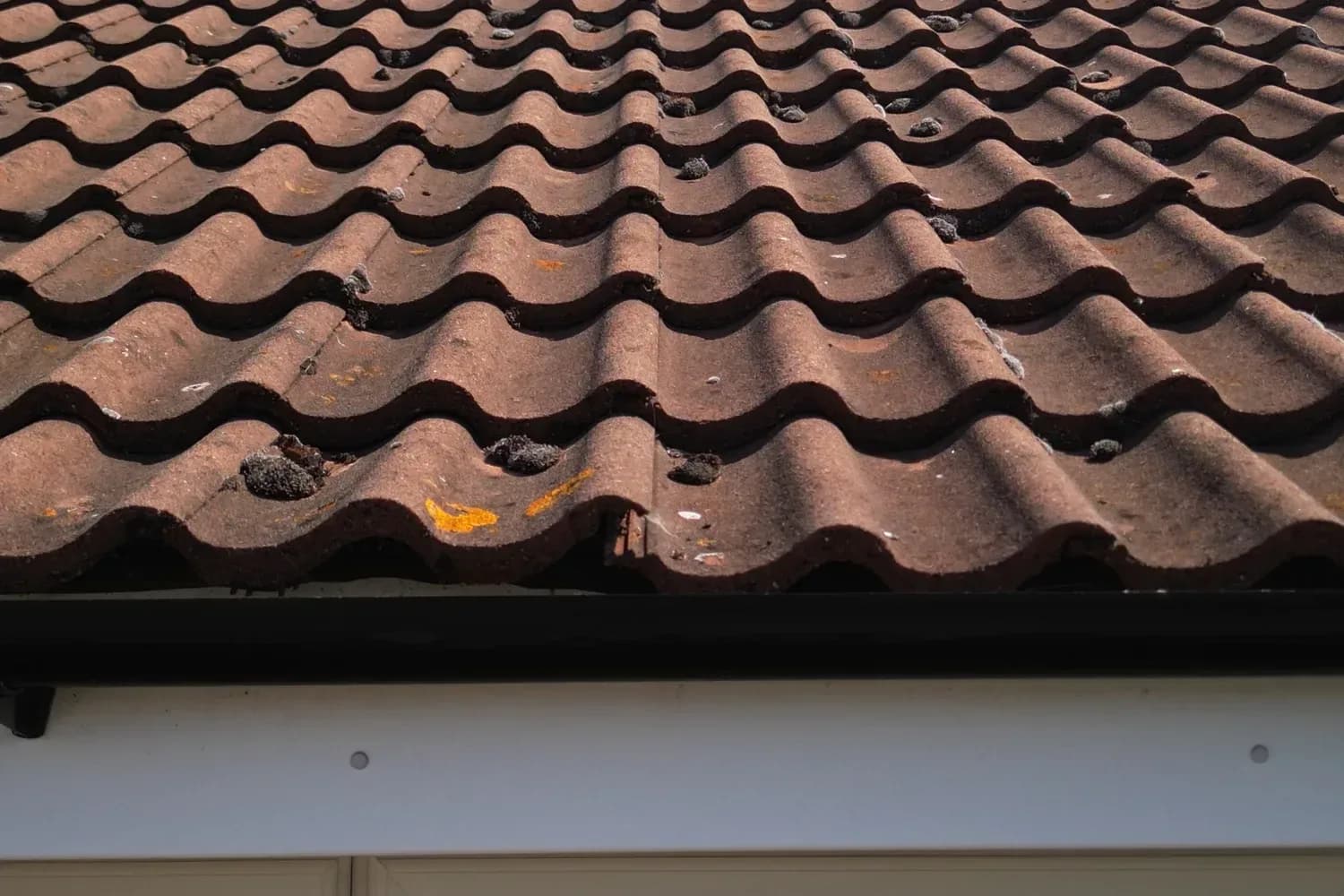
People asking what is soft wash roof cleaning for moss need a combined treatment plan. Moss forms dense growth on shaded roof areas. Moss can hold moisture and shed debris into gutters.
A combined manual and treatment-led process removes heavy growth and controls remaining spores. Treatment can also reduce rapid regrowth when conditions remain suitable.
Algae and Dark Roof Streaks
Homeowners asking what is soft wash roof cleaning for algae need a treatment-led answer. Algae creates green, brown, or dark streaking. North-facing slopes and tree-covered areas often show stronger growth.
Soft wash treatment breaks down the biological film. Controlled treatment also produces a more even result than isolated scrubbing.
Lichen and Embedded Organic Marks
People asking what is soft wash roof cleaning for lichen should expect gradual results. Lichen attaches firmly to clay, concrete, and slate. Mature growth can leave pale circles after treatment.
Professional cleaning kills the growth, but weathering can complete the visual improvement. Honest expectations matter because older marks rarely disappear instantly.
Mould, Mildew, and General Organic Staining
Damp roof areas can support mould, mildew, and mixed organic staining. Soft washing treats biological contamination across large and awkward roof sections.
Soft washing does not repair cracked tiles, failed mortar, damaged flashing, or blocked structural drainage. A contractor should identify repair needs separately.
Is Soft Wash Roof Cleaning Safe for Roof Tiles?
What is soft wash roof cleaning from a safety perspective? The method reduces mechanical force, but safety still depends on assessment, products, access, and application.
Clay Roof Tiles
Homeowners asking what is soft wash roof cleaning for clay tiles need careful assessment first. Clay tiles can become brittle with age. Aggressive jets and careless foot traffic can crack tiles.
A low-pressure treatment can suit clay when the roof remains stable. The contractor should inspect cracks, surface deterioration, previous coatings, and fragile sections first.
Concrete and Cement Roof Tiles
People asking what is soft wash roof cleaning for concrete tiles should consider surface wear. Textured tiles retain moisture and support growth. Excessive pressure can create uneven colour changes.
Soft washing treats growth without relying on high force. Older concrete tiles still need careful inspection before any cleaning starts.
Slate Roofs
Homeowners asking what is soft wash roof cleaning for slate need specialist guidance. Individual slates can crack, slip, or lift. Nails, hooks, battens, and flashing can show age-related problems.
Soft washing can suit stable slate roofs after assessment. Fragile, historic, or damaged slate roofs can need a different plan or repair work first.
Roofs That Need Another Method
Homeowners asking what is soft wash roof cleaning for older properties need a condition-led answer. Some roofs should not receive standard soft washing. Examples include asbestos-containing materials, severely damaged coverings, unsafe structures, and unknown specialist coatings.
A proper assessment protects the property and the contractor. Chiltern Surface Co explains how its surface-specific cleaning approach matches methods to roof condition and surroundings.
How Is Soft Wash Roof Cleaning Different from Pressure Washing?
What is soft wash roof cleaning compared with pressure washing? Soft washing uses treatment and low pressure, while pressure washing uses water force.
Soft Washing Treats Living Contamination
Soft washing targets biological growth through controlled chemistry. The treatment can reach spores and roots that remain after a surface-only rinse.
Pressure washing can remove visible growth quickly. High pressure can also spread debris, disturb tiles, strip finishes, and drive water beneath laps.
Pressure Washing Depends on Mechanical Force
Pressure washing suits selected hard surfaces when trained operators control pressure, flow, distance, and nozzles. Roof coverings rarely need maximum pressure.
A roof contractor should never select pressure purely for speed. The roof material, condition, and contamination should determine the method.
Professional Services Can Combine Methods
Some roofs need manual moss removal followed by a low-pressure treatment. Other roofs need treatment only, controlled rinsing, or targeted hand cleaning.
The strongest service uses the safest suitable combination. A one-method-for-every-roof promise should raise concerns.
When Should You Choose Soft Wash Roof Cleaning?
Choose soft washing when biological growth affects a stable roof and high pressure presents unnecessary risk. A site assessment should confirm suitability.
Homeowners researching what is soft wash roof cleaning often notice 6 common warning signs around the property.
Visible Moss or Lichen Coverage
People asking what is soft wash roof cleaning for visible moss should book an assessment. Thick clumps can cover tiles, ridges, valleys, and roof edges. Early treatment can reduce gutter debris.
Green or Dark Streaking
Green films and dark streaks often indicate algae or mixed organic staining. Treatment can address widespread coverage more evenly than local scrubbing.
Repeated Gutter Blockages
Moss fragments can move from the roof into gutters and downpipes. Cleaning the gutter alone does not address roof growth above the drainage system.
Shaded or Tree-Covered Roof Slopes
Trees, shade, poor airflow, and damp conditions support recurring contamination. North-facing slopes often need more regular inspection and treatment planning.
A Tired Roof Without Structural Failure
Cleaning can improve a sound roof that looks weathered or stained. Cleaning cannot replace repairs when tiles, pointing, flashing, or structure have failed.
Previous High-Pressure Damage
Arrange a professional inspection after harsh cleaning has loosened tiles, removed finishes, or exposed weak areas. Further cleaning should wait until the roof becomes safe.
How Long Does Soft Wash Roof Cleaning Take to Work?
What is soft wash roof cleaning expected to achieve on treatment day? Algae can change quickly, while moss and lichen residues often weather away gradually.
Immediate Changes
Treatment can lighten algae staining and stop active biological growth during the visit. Manual moss removal also creates a visible improvement immediately.
Changes Across 2 to 8 Weeks
Rain and natural weathering can clear dead residues across 2 to 8 weeks. Heavy lichen or deeply stained surfaces can need longer.
Every time measurement depends on roof material, contamination, season, shade, and rainfall. A contractor should explain realistic expectations before treatment.
Factors That Affect Regrowth
Tree cover, shade, roof pitch, tile texture, drainage, airflow, and nearby vegetation influence regrowth. No exterior roof remains permanently clean.
Suitable biocide treatment can slow regrowth. Scheduled inspections can identify new moss before heavy coverage develops again.
Quick Reference: Soft Wash Roof Cleaning Stages
The table below answers what is soft wash roof cleaning through the main service stages.
| Task | Timing | Method | Difficulty |
|---|---|---|---|
| Roof and access assessment | Before quotation | Visual inspection and access planning | Professional |
| Garden and property protection | Before application | Wetting, covering, and runoff management | Professional |
| Heavy moss removal | Before treatment, when needed | Roof-safe manual removal | High |
| Soft wash application | Treatment day | Low-pressure, surface-specific solution | High |
| Controlled rinse or weathering | Same day or following weeks | Gentle rinse or rainfall-assisted clearing | Medium |
| Follow-up review | After visible weathering | Condition check and aftercare advice | Low |
Can You Soft Wash a Roof Yourself?
What is soft wash roof cleaning for a homeowner considering do-it-yourself work? The task combines roof access, slippery surfaces, chemical handling, runoff control, and fragile materials.
Working at Height Creates Major Risk
Homeowners asking what is soft wash roof cleaning as a DIY task should consider height first. A wet roof becomes extremely slippery. Moss, hoses, and treatment liquid increase fall risk.
Ground-level ladders do not solve roof safety. Professional work needs planned access, suitable equipment, training, and controls for people below.
Cleaning Products Need Controlled Handling
Roof treatments can irritate skin, eyes, and airways. Incorrect mixing can damage plants, metals, paint, glass, gutters, or neighbouring property.
Professionals follow product instructions, use protective equipment, and control runoff. Home mixtures create avoidable risk and inconsistent results.
Wrong Methods Can Damage Roof Coverings
DIY scraping can chip tiles and disturb laps. Excessive rinsing can force water beneath coverings or into weak roof details.
A professional assessment also finds existing damage before treatment. Cleaning should never conceal cracks, loose tiles, or failed flashing.
What Does Professional Soft Wash Roof Cleaning Include?
A professional service should include more than spraying a product. Homeowners asking what is soft wash roof cleaning should expect inspection, protection, treatment, and clear aftercare.
A Written Scope and Honest Expectations
People asking what is soft wash roof cleaning from a contractor should expect a written scope. The quotation should identify surfaces, treatment, access, protection, and the expected result. The contractor should explain gradual weathering where relevant.
Suitable Equipment and Insurance
A professional team should use safe access systems, low-pressure equipment, protective equipment, and property protection materials. The contractor should also carry suitable insurance.
Property Protection and Tidy Completion
The team should protect plants, lawns, windows, solar panels, paintwork, gutters, and downpipes. The contractor should also collect moss debris and leave work areas tidy.
Treatment Matched to the Roof
The contractor should adjust the method for clay, concrete, cement, slate, coatings, and existing damage. Treatment selection should follow assessment, not habit.
How Much Does Soft Wash Roof Cleaning Cost?
What is soft wash roof cleaning likely to cost? A reliable contractor prices the roof after assessing size, pitch, access, growth, tile type, and protection needs.
A small accessible roof with light algae needs less labour than a steep roof with heavy moss. Scaffolding, towers, difficult access, solar panels, and fragile areas can increase cost.
Avoid choosing a quote based only on the lowest figure. A complete quotation should cover access, cleaning, treatment, plant protection, waste handling, and aftercare.
Chiltern Surface Co offers a free site visit before recommending work. The visit allows the team to inspect the roof and provide a clear quotation.
Choose a Surface-Specific Roof Cleaning Service
Homeowners who understand what is soft wash roof cleaning can compare contractors more carefully. The right service treats growth without exposing roof coverings to unnecessary force.
Chiltern Surface Co assesses roof material, condition, access, contamination, drainage, and surrounding areas before recommending work. The team then provides the right cleaning service for the property.
Book a free site visit through Chiltern Surface Co's soft wash treatments page. You will receive a clear recommendation and no-obligation quotation.
Excerpt
Soft wash roof cleaning uses low-pressure treatment to remove moss, algae, lichen and organic staining without harsh pressure. Discover how the process works, when it suits your roof and why professional treatment gives safer, longer-lasting results.
Frequently asked questions
Is soft wash roof cleaning the same as pressure washing?
No. Soft washing uses low pressure and treatment chemistry. Pressure washing relies mainly on water force.
Does soft washing remove thick moss?
Yes, with the right process. Contractors often remove heavy moss manually before applying a treatment for remaining growth and spores.
Is soft washing suitable for slate roofs?
Yes, after assessment. Stable slate can suit low-pressure treatment, while fragile or damaged slate needs a different plan.
Will the roof look clean immediately?
Not always. Algae often changes quickly, while lichen marks and dead residues can fade across several weeks.
How often should a roof receive soft wash treatment?
The interval depends on exposure. Shade, trees, tile texture, drainage, and local conditions determine how quickly growth returns.