Block Paved Driveway Cleaning in High Wycombe
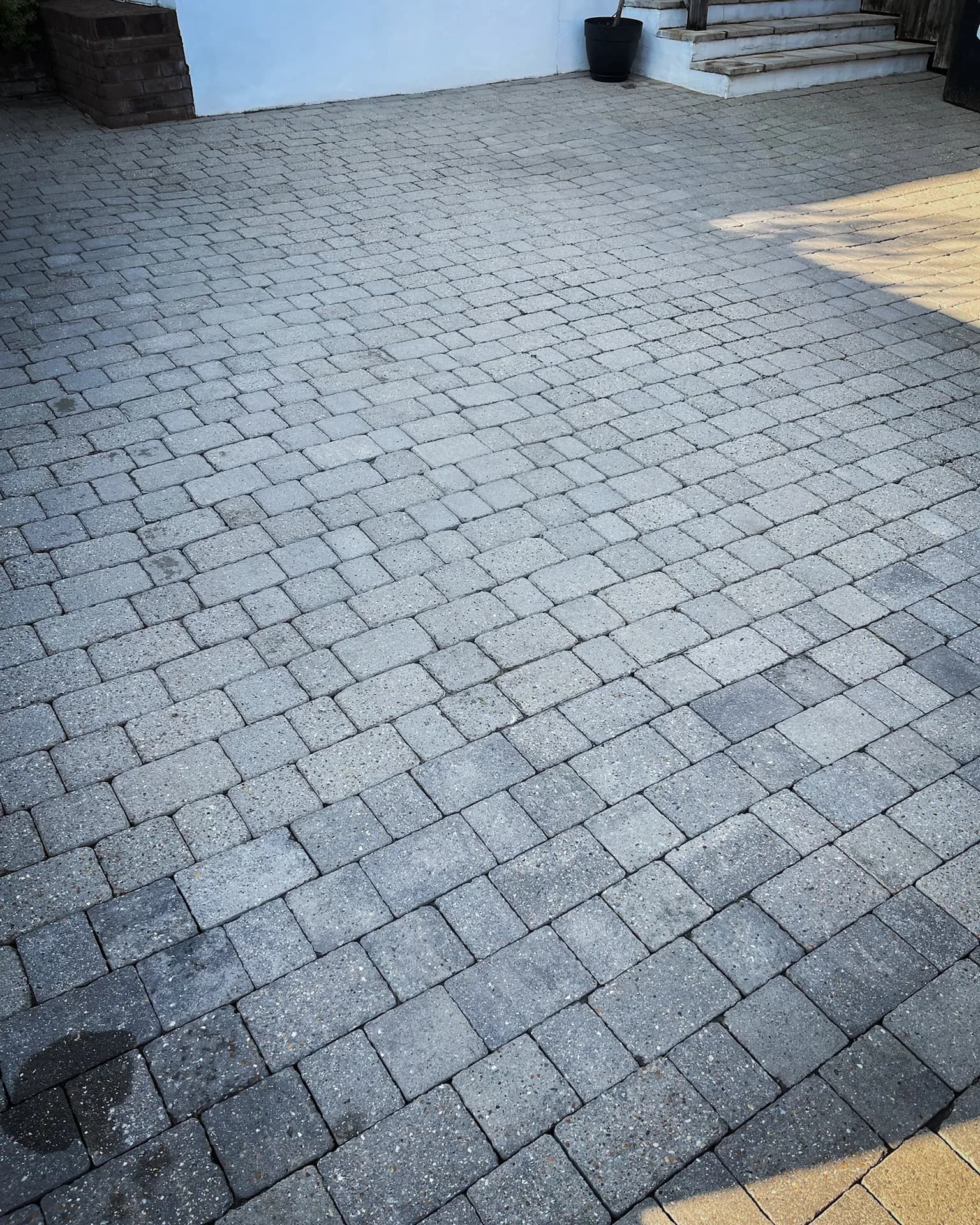
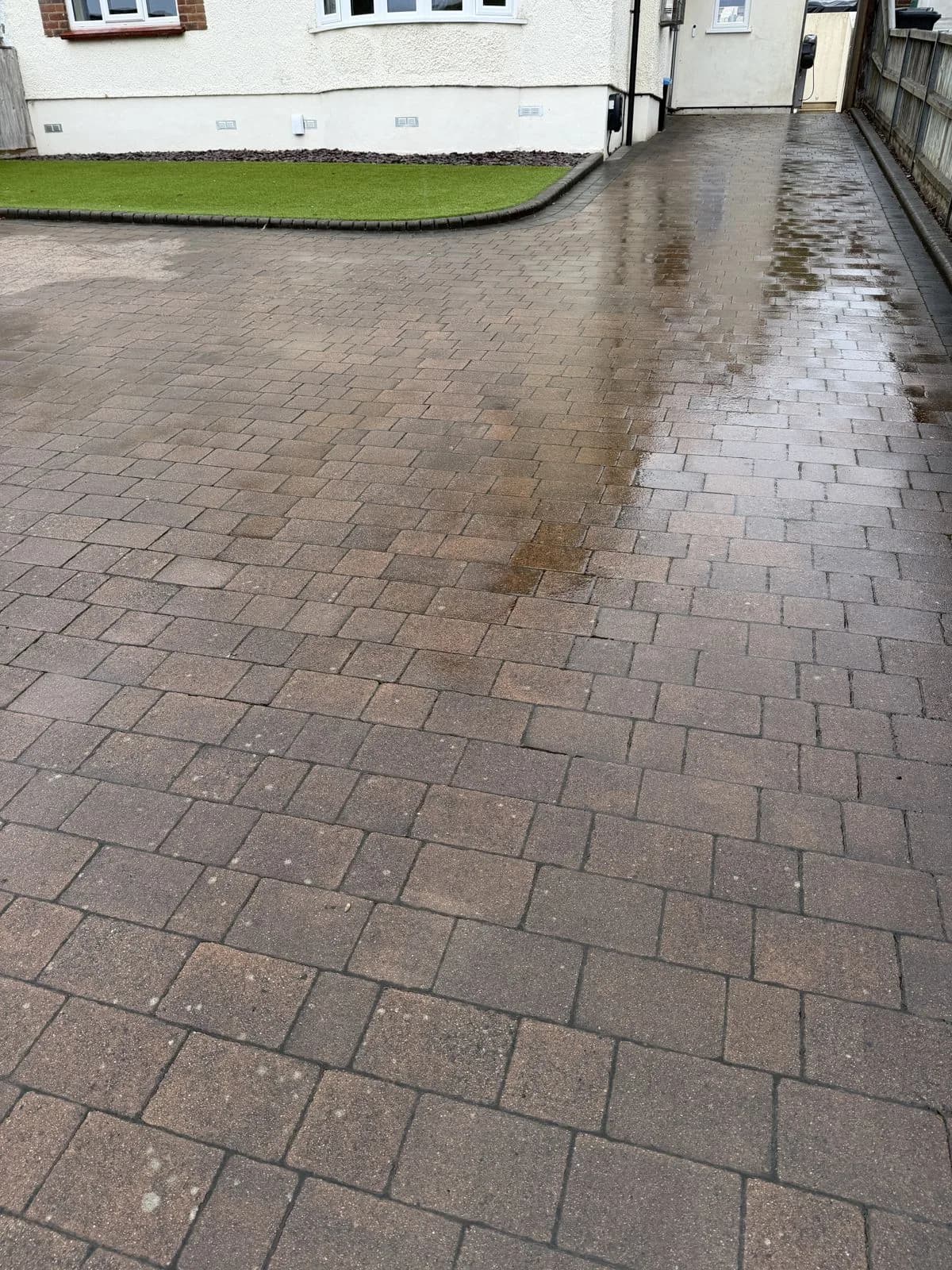
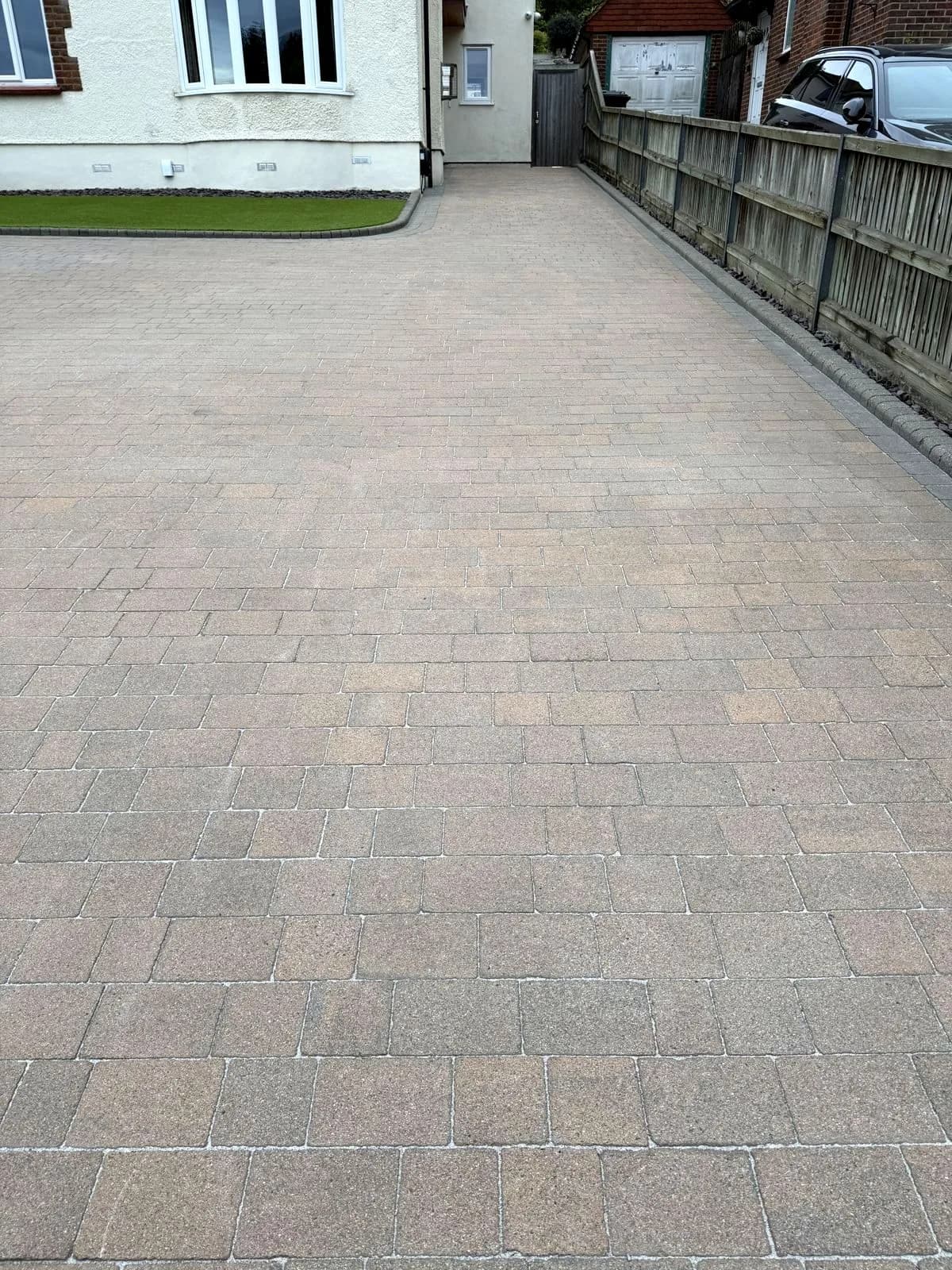
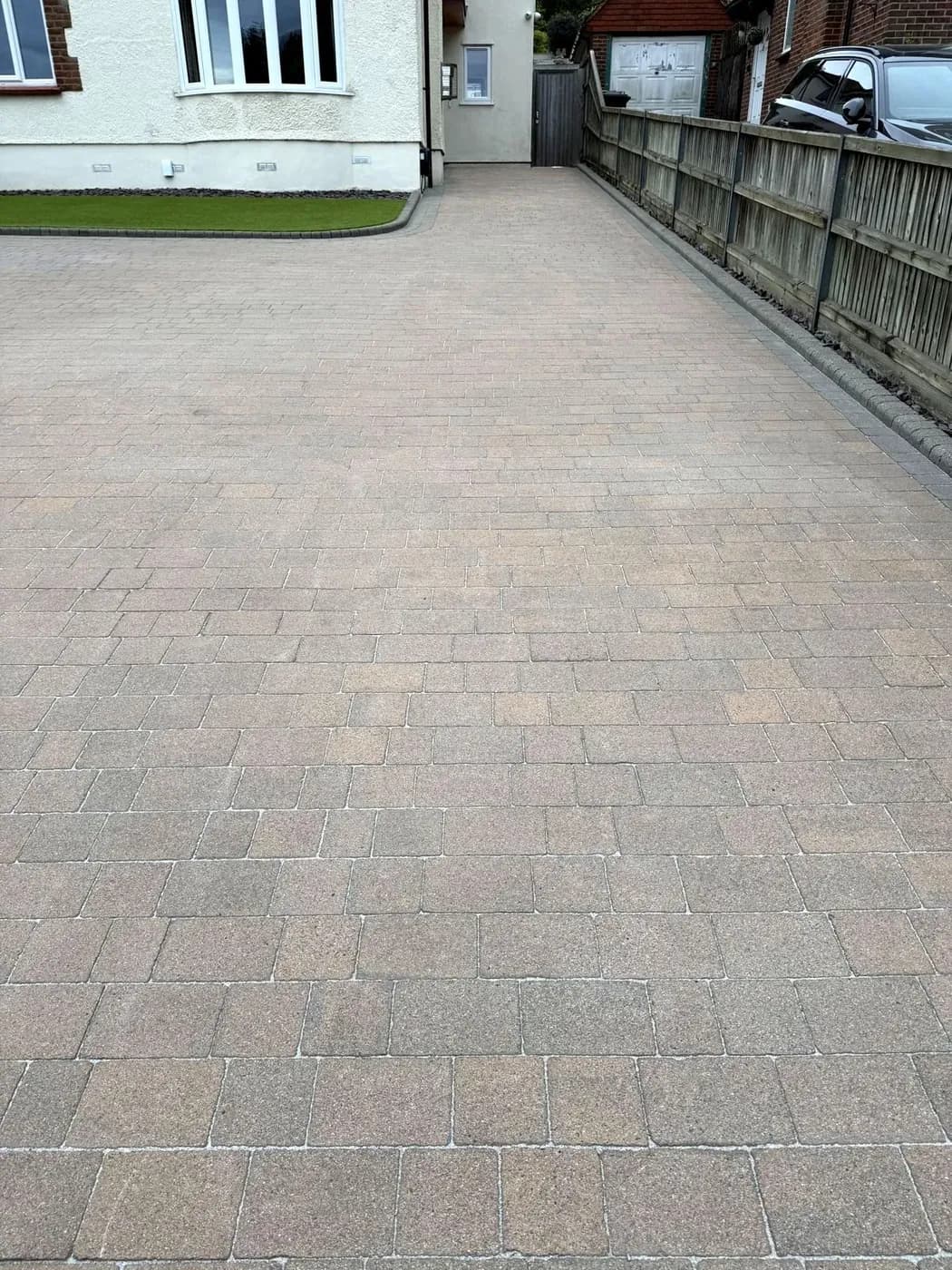
Restoring a 150m² block paved driveway in High Wycombe: deep clean, damaged blocks replaced, polymeric re-sanding, compaction and Chiltern EverGuard™.
Driveway Cleaning · 14 towns
Buckinghamshire drives run from flint-walled lanes on the Chiltern ridges to busy estates in the Vale of Aylesbury. We set every clean by the surface and its setting, rebuild block-paved joints and finish with Chiltern EverGuard™.
One county, many conditions
Southern Buckinghamshire packs a great deal into a short journey. Chalk valleys hold damp air, beech-covered ridges shed leaves for months, and the open Vale beyond the escarpment trades shade for wind and sun. A driveway reflects where it sits as much as what it is made of, so our free site visit looks at both.
Ground and landscape
The Chilterns are chalk hills, cut by valleys that carry the Wye, the Misbourne and the Chess towards the Thames. Flint turns up everywhere, in garden soil and the walls of older houses, and on the higher ground the chalk is often capped with heavier clay.
For a driveway, the useful question is where the house sits. A drive on a valley floor loses the sun early in winter and sits in still, damp air, so algae and moss find it first. A ridge-top drive dries faster but takes wind-blown leaves and grit. Below the escarpment, drives in the flatter, more open Vale of Aylesbury tend to wear from use rather than green over.
Housing and surfaces
Buckinghamshire's towns grew in waves, and their driveways record it. Period houses in the old centres tend to have gravel, natural stone, setts or worn brick paving, often hemmed in by walls. Inter-war and post-war homes brought concrete and tarmac, later estates were laid largely in concrete block paving, and recent work has added resin-bound and porcelain finishes.
Each material takes a different pressure and finish, so we identify the surface before discussing anything else. Block paving is compacted and refilled with Chiltern Polymeric Sand once clean; resin and porcelain get a lighter hand; older tarmac is treated with restraint where its edges have begun to crumble.
Trees, lanes and long approaches
Beech is the defining tree of the Chiltern slopes. Its leaves are tough and slow to break down, and the husks of its nuts, known as mast, collect in joints and corners. Left on damp paving through winter, that litter stains the surface brown and builds the thin layer of soil that weeds and moss root into.
Around Beaconsfield, Gerrards Cross and the Chiltern villages, many homes are reached along private roads or long drives beneath trees. Such an approach rarely weathers evenly: the shaded run gathers growth, the open turning area gathers tyre marks and the edges gather silt. We plan it section by section and agree access, water and parked cars at the site visit.
Fourteen places
Each town and village below has its own page on how we clean driveways there. These short notes give the angle each one takes.
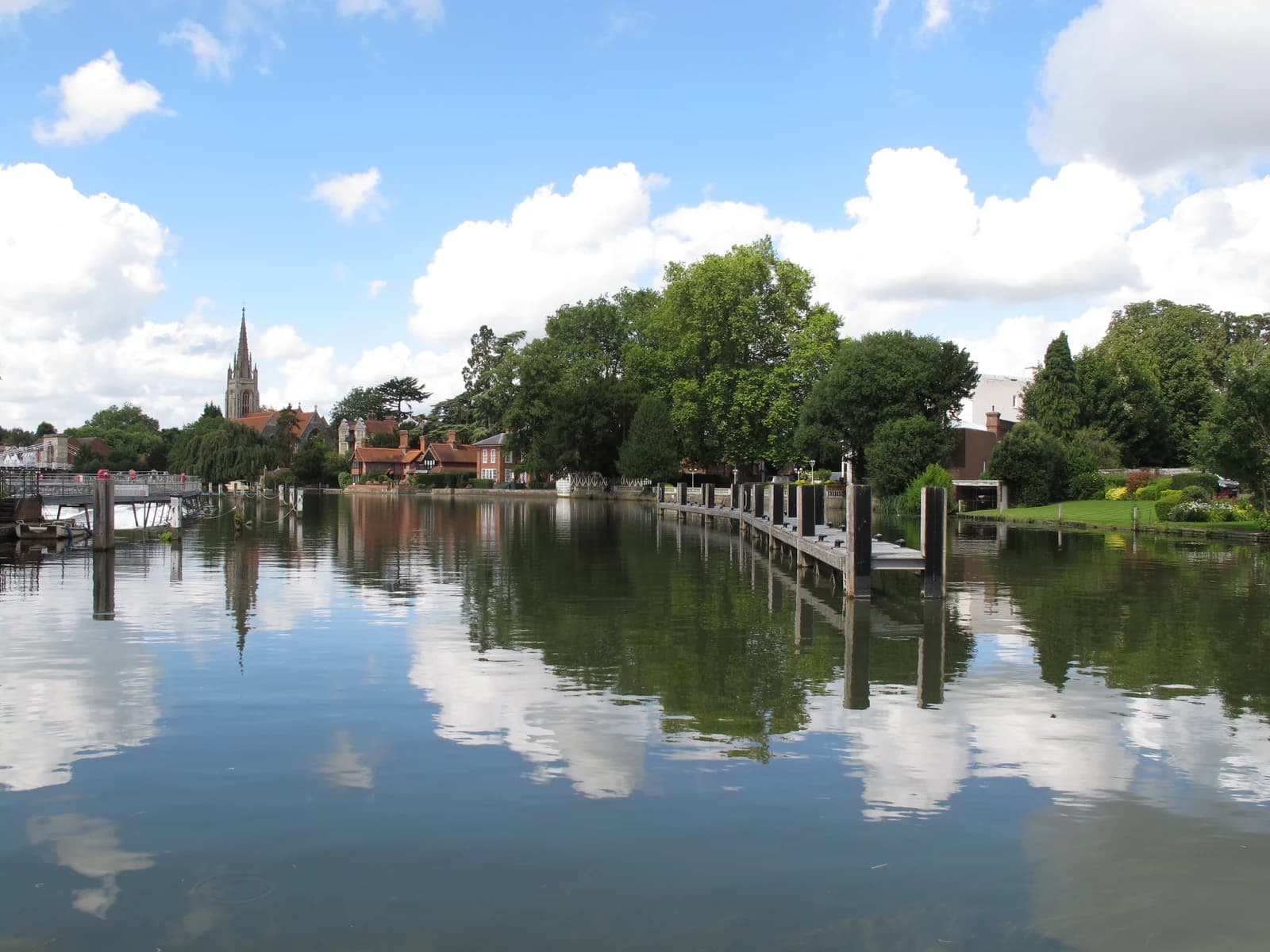
Our home town, where river mist and old garden trees keep many drives damp enough to turn green and slick through the colder months.
Learn Moreabout Driveway Cleaning in Marlow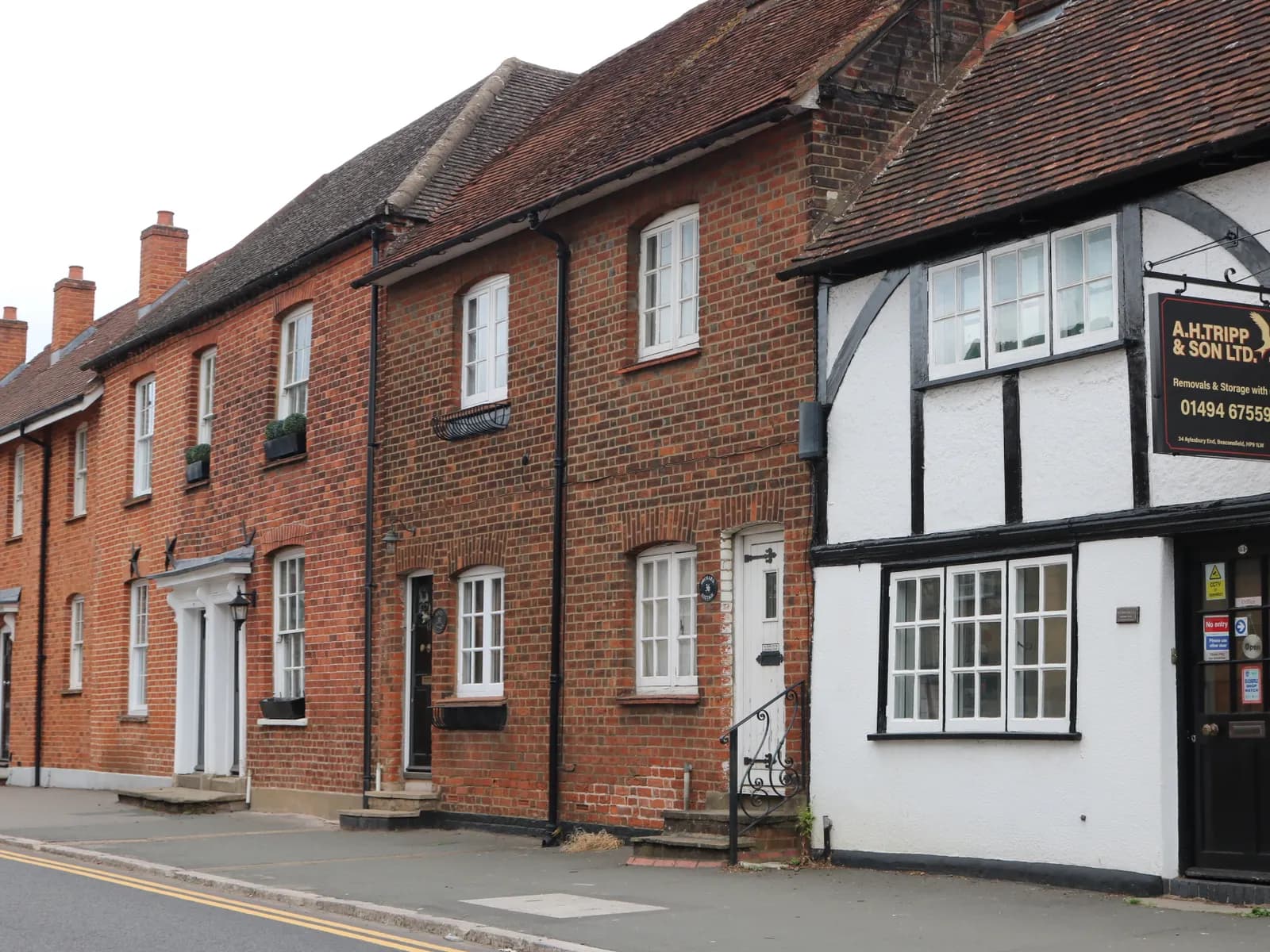
Long approaches and private roads, often laid in three or four materials between gate and door, each planned and cleaned on its own terms.
Learn Moreabout Driveway Cleaning in Beaconsfield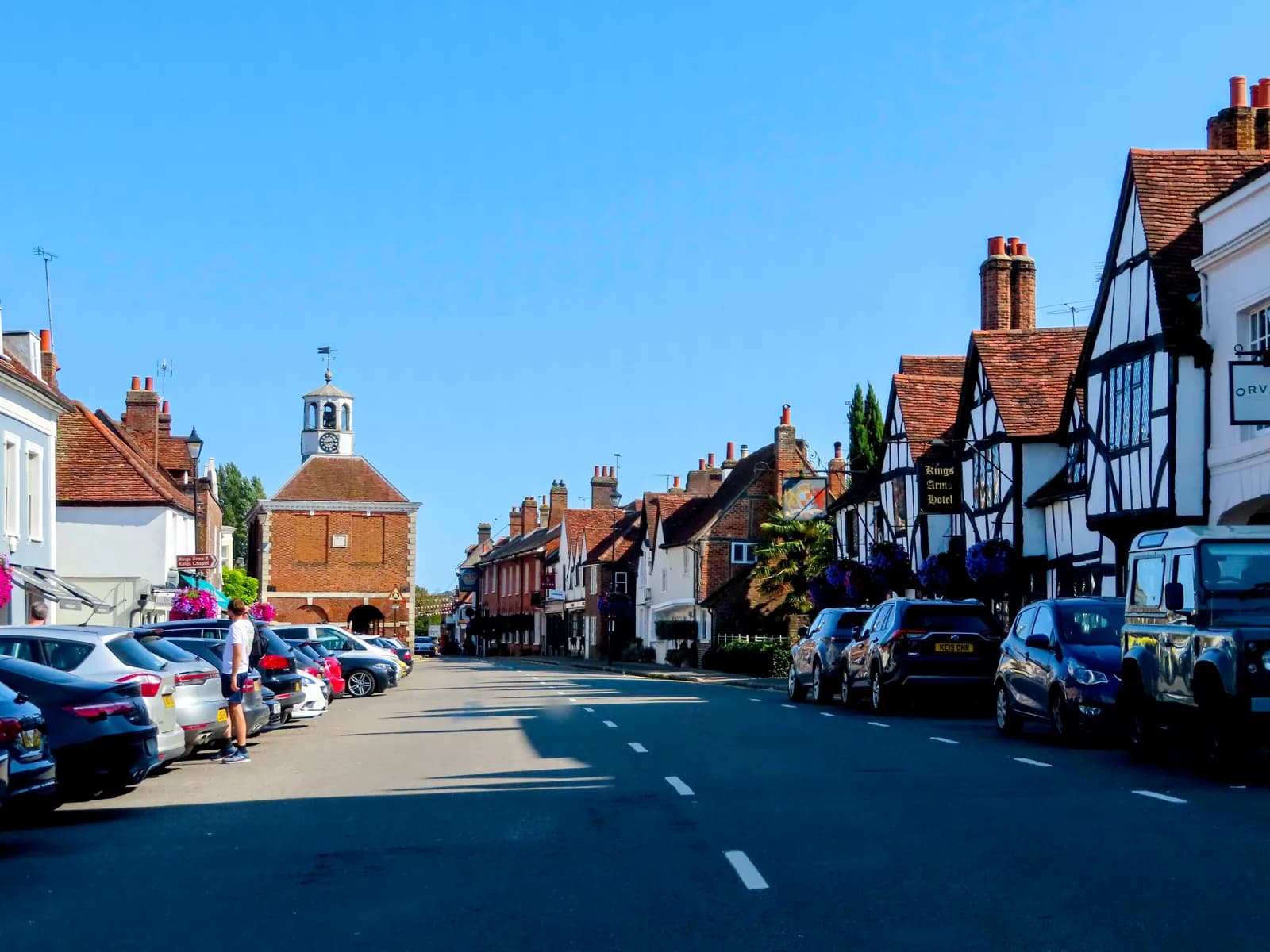
Period stone and setts on the damp valley floor of the old town, with block paving on the climbing roads of Amersham on the Hill above.
Learn Moreabout Driveway Cleaning in Amersham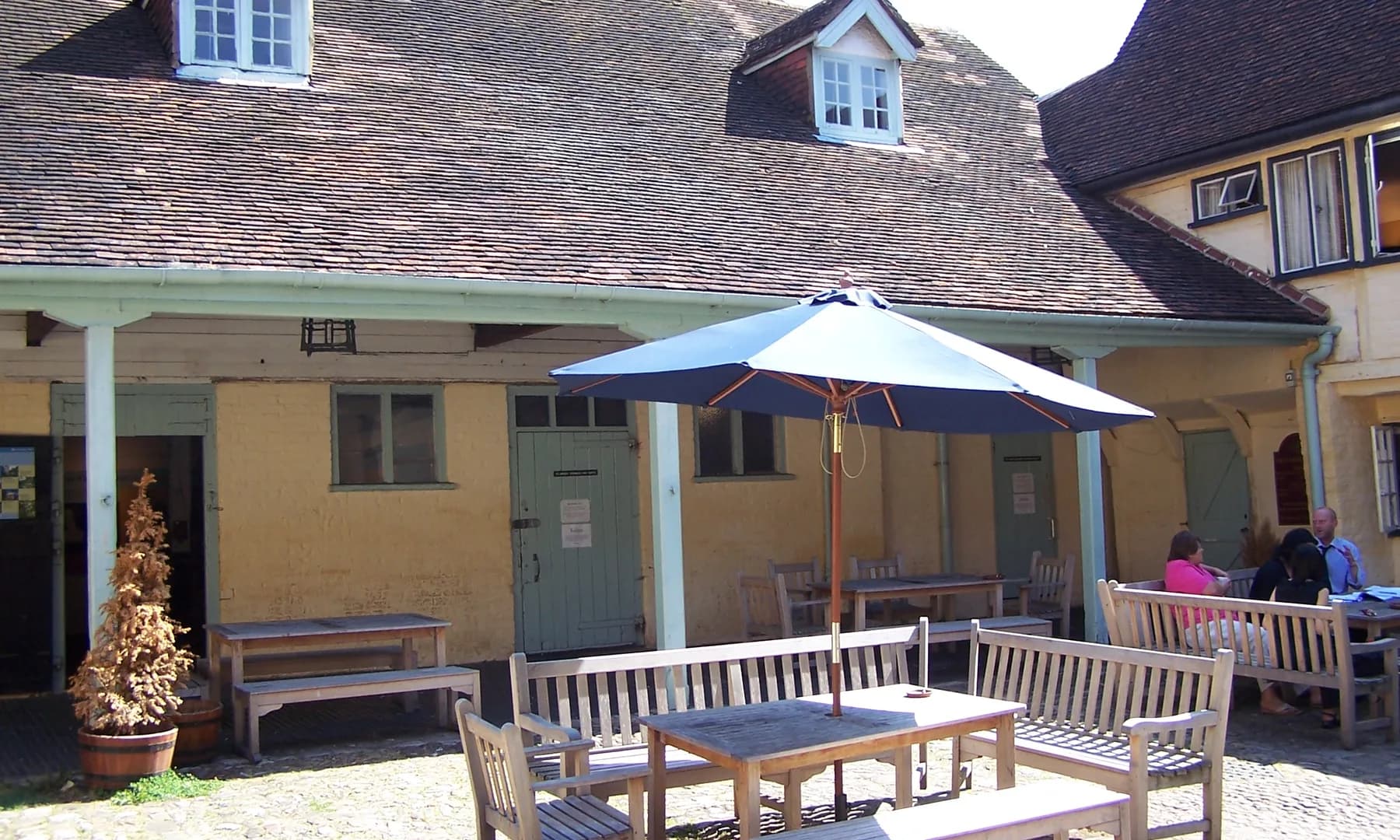
Open, sunnier drives across the Vale and its newer estates, where tyre marks, road film and weedy joints outweigh moss and algae.
Learn Moreabout Driveway Cleaning in Aylesbury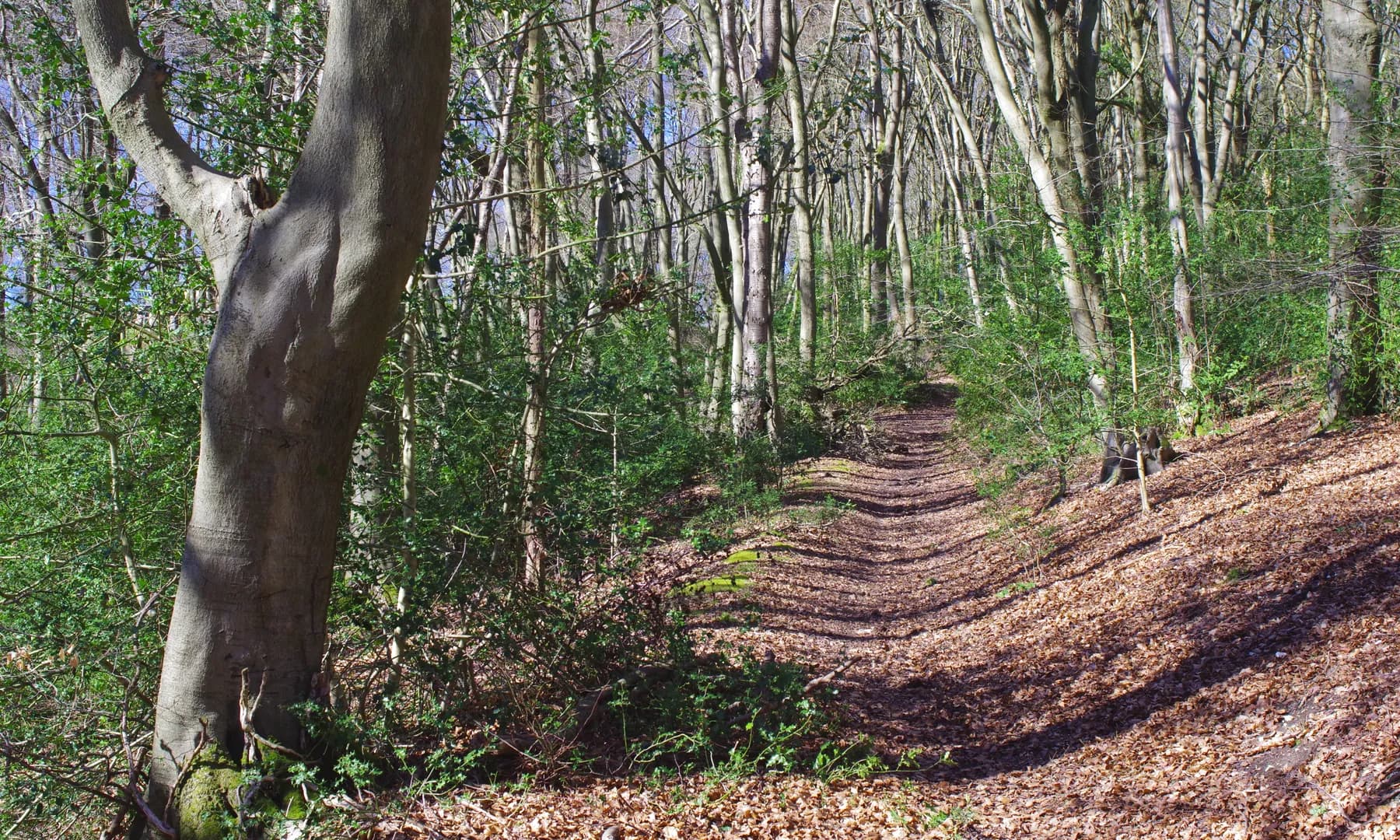
A ridge-top village of flint walls, gate piers and beech trees, where the oldest material beside the drive decides how gently we work.
Learn Moreabout Driveway Cleaning in Penn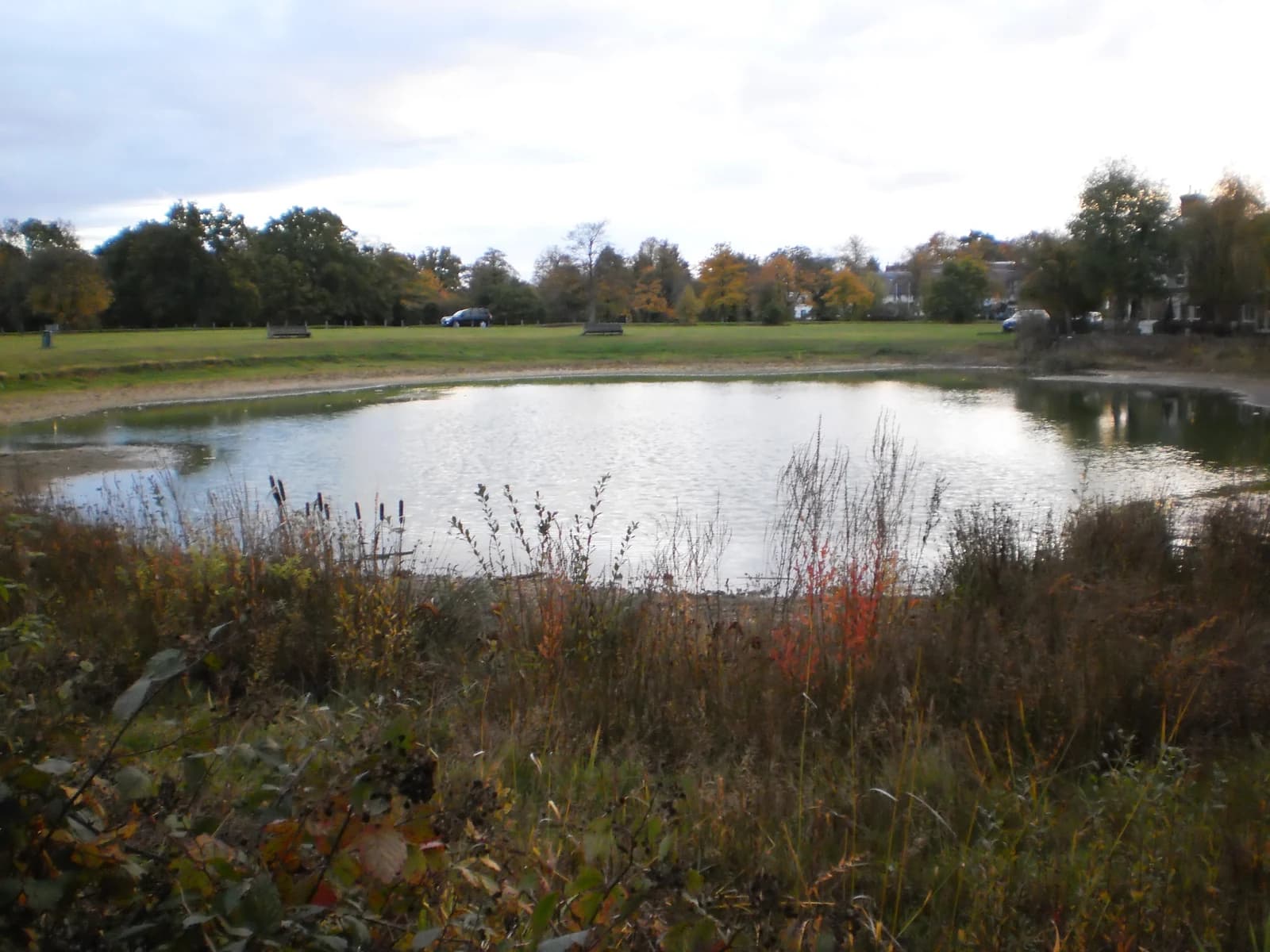
Relaid frontages in resin, porcelain and broad block paving along tree-lined roads, each finish given its own light-handed method.
Learn Moreabout Driveway Cleaning in Gerrards Cross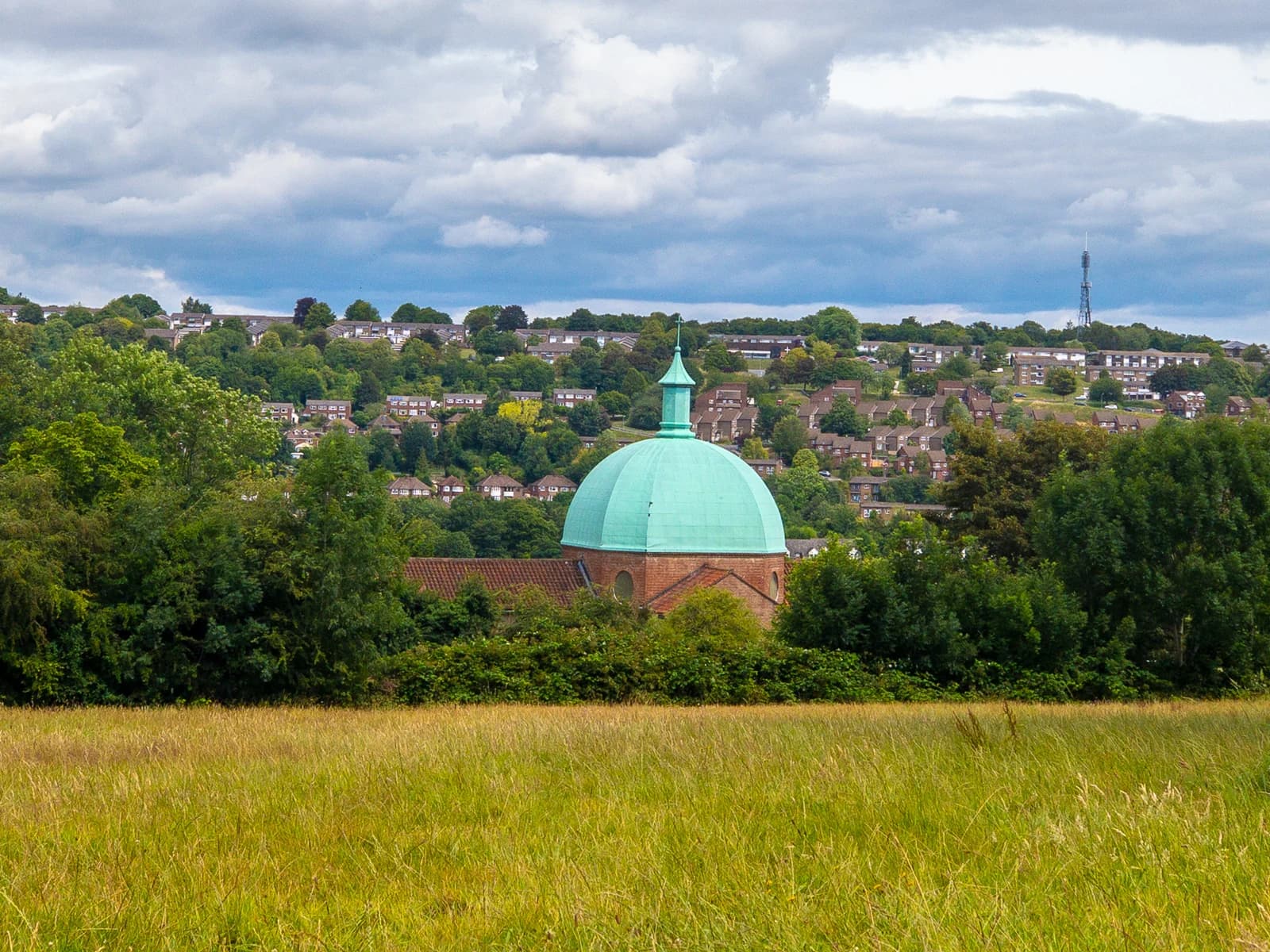
A steep valley town where aspect decides whether a drive needs road film lifting or moss removing, and a town we have worked in.
Learn Moreabout Driveway Cleaning in High Wycombe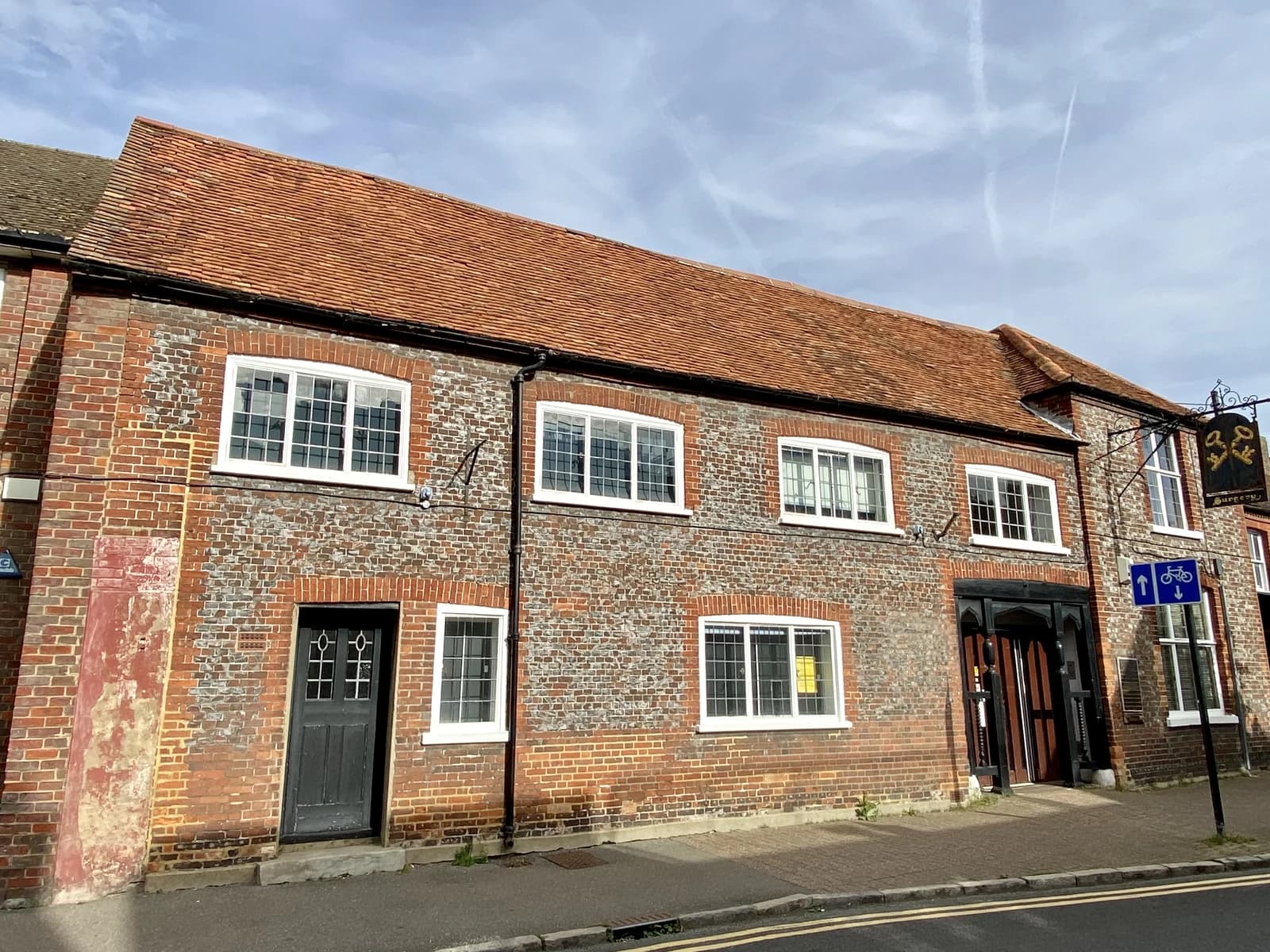
Newer estates of concrete block paving below the escarpment, where compaction and properly refilled joints matter as much as the clean.
Learn Moreabout Driveway Cleaning in Princes Risborough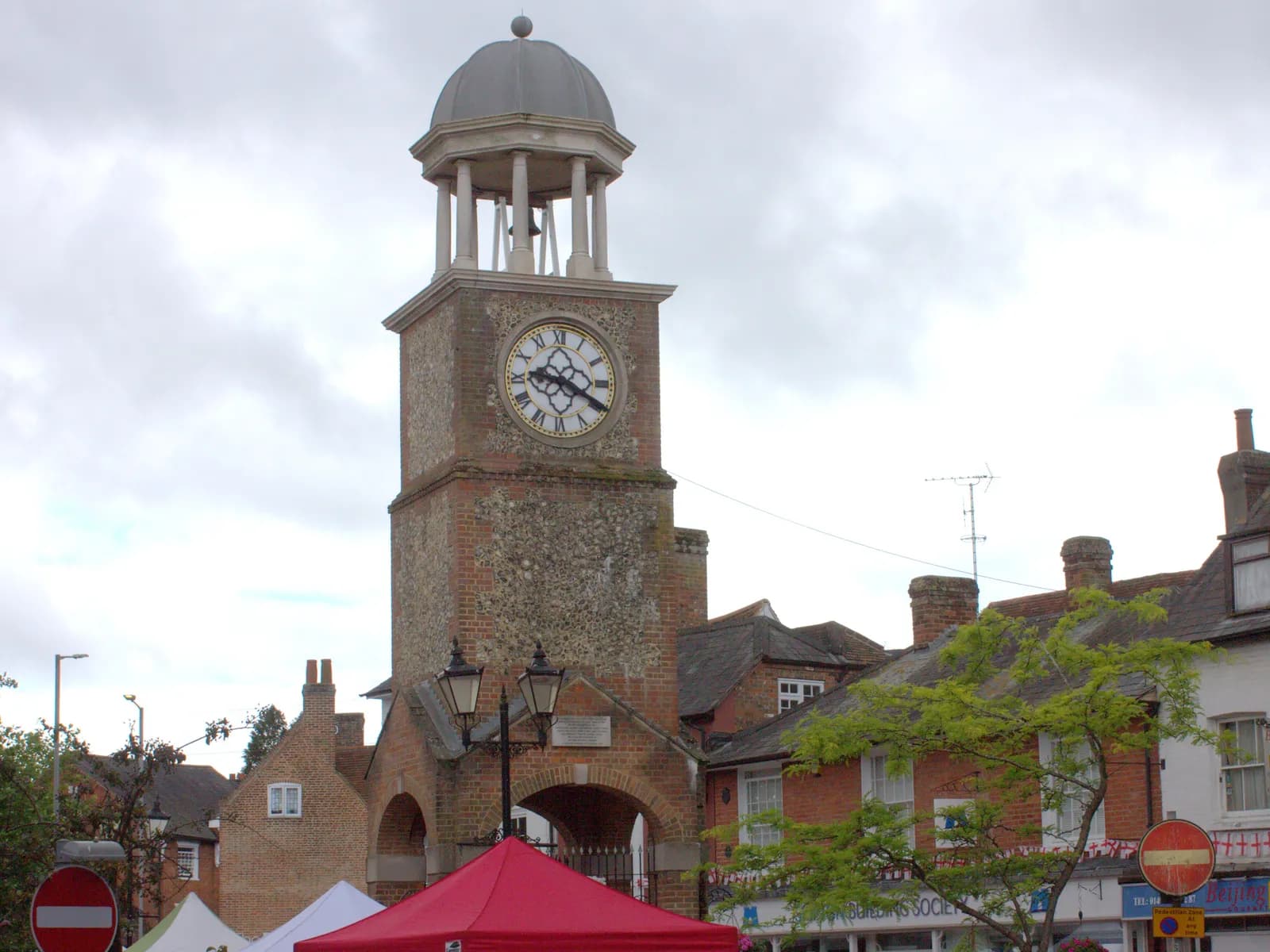
Valley-floor drives beside the Chess that stay damp and green, and sloping frontages higher up where run-off heads straight for the road.
Learn Moreabout Driveway Cleaning in Chesham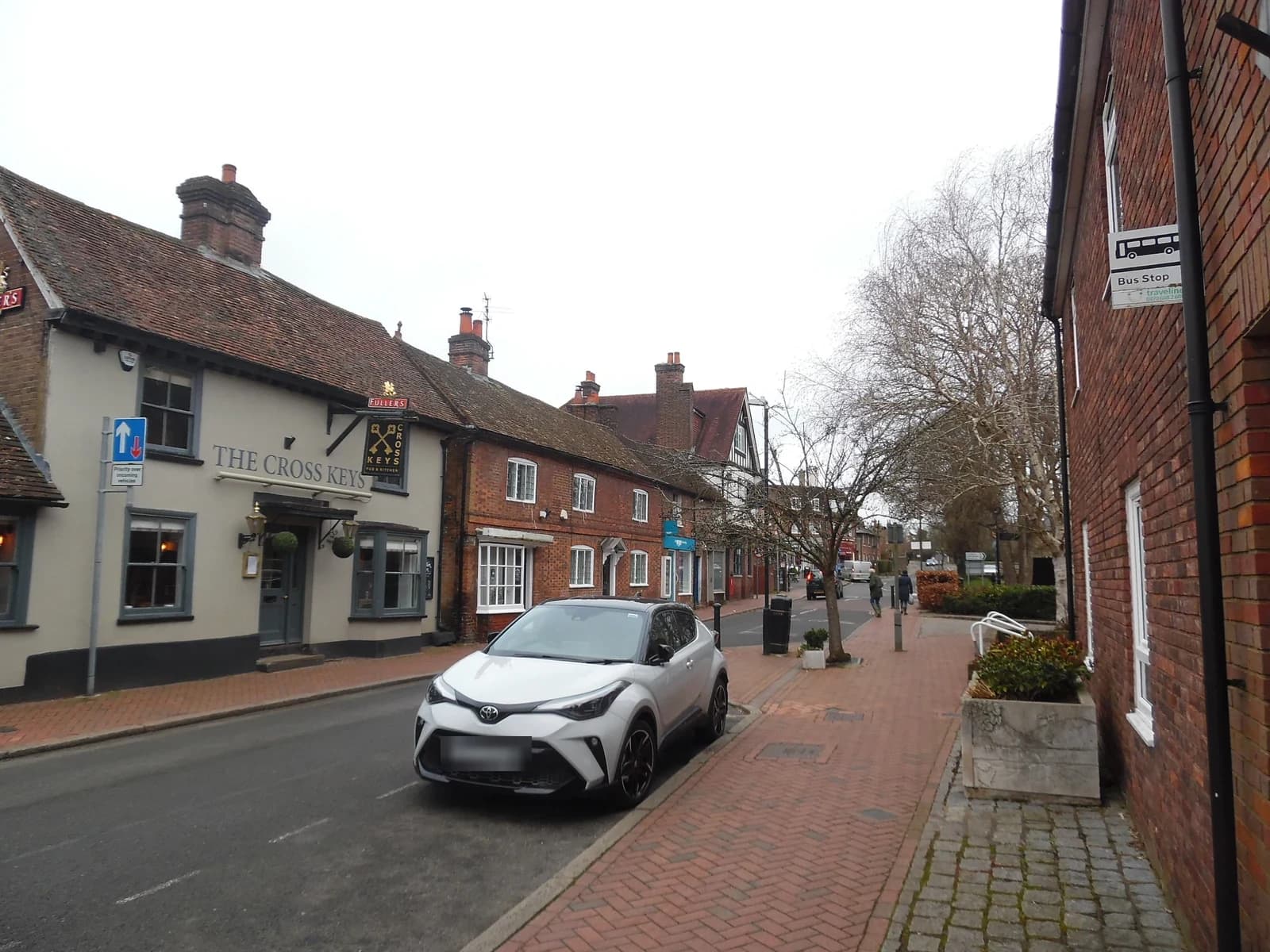
Longer drives running beneath beech slopes in the Misbourne valley, cleaned stretch by stretch from the lane to the turning area.
Learn Moreabout Driveway Cleaning in Great Missenden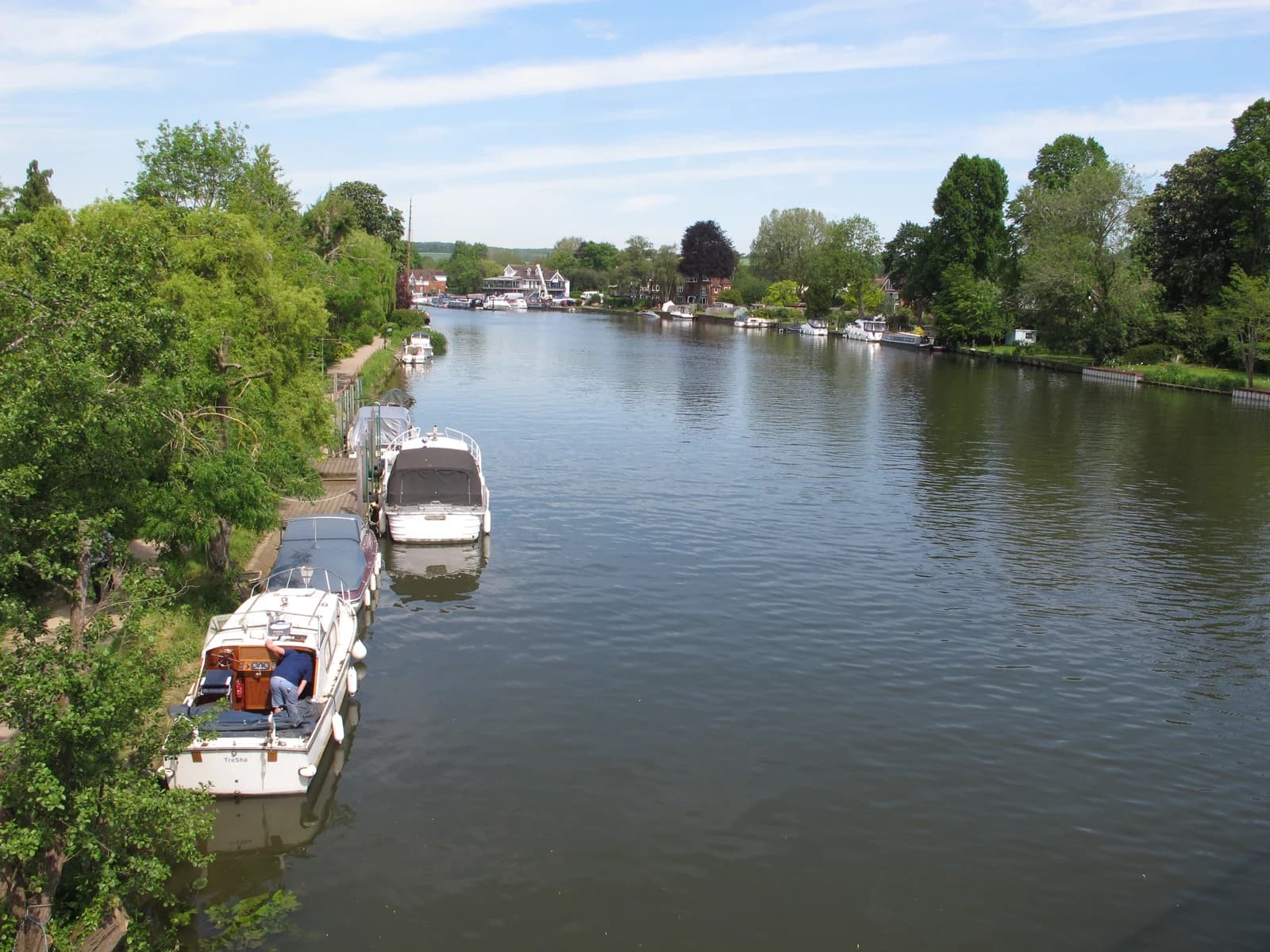
Where the Wye meets the Thames, riverside houses and newer streets bring resin, porcelain and imprinted concrete that all need restraint.
Learn Moreabout Driveway Cleaning in Bourne End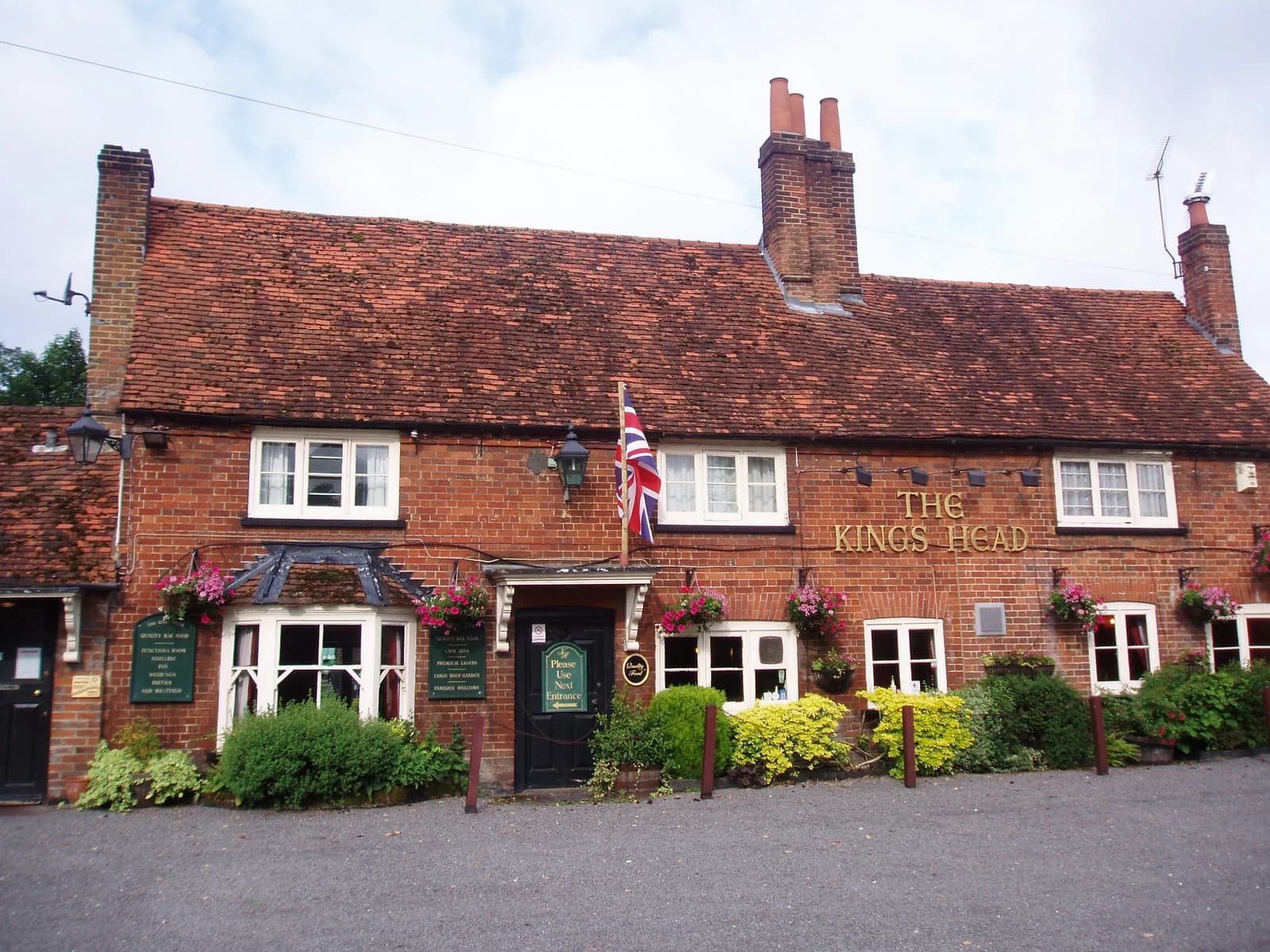
A farmland village whose drives catch wind-blown seed and soil, often with a gravel run meeting a paved apron near the house.
Learn Moreabout Driveway Cleaning in Little Marlow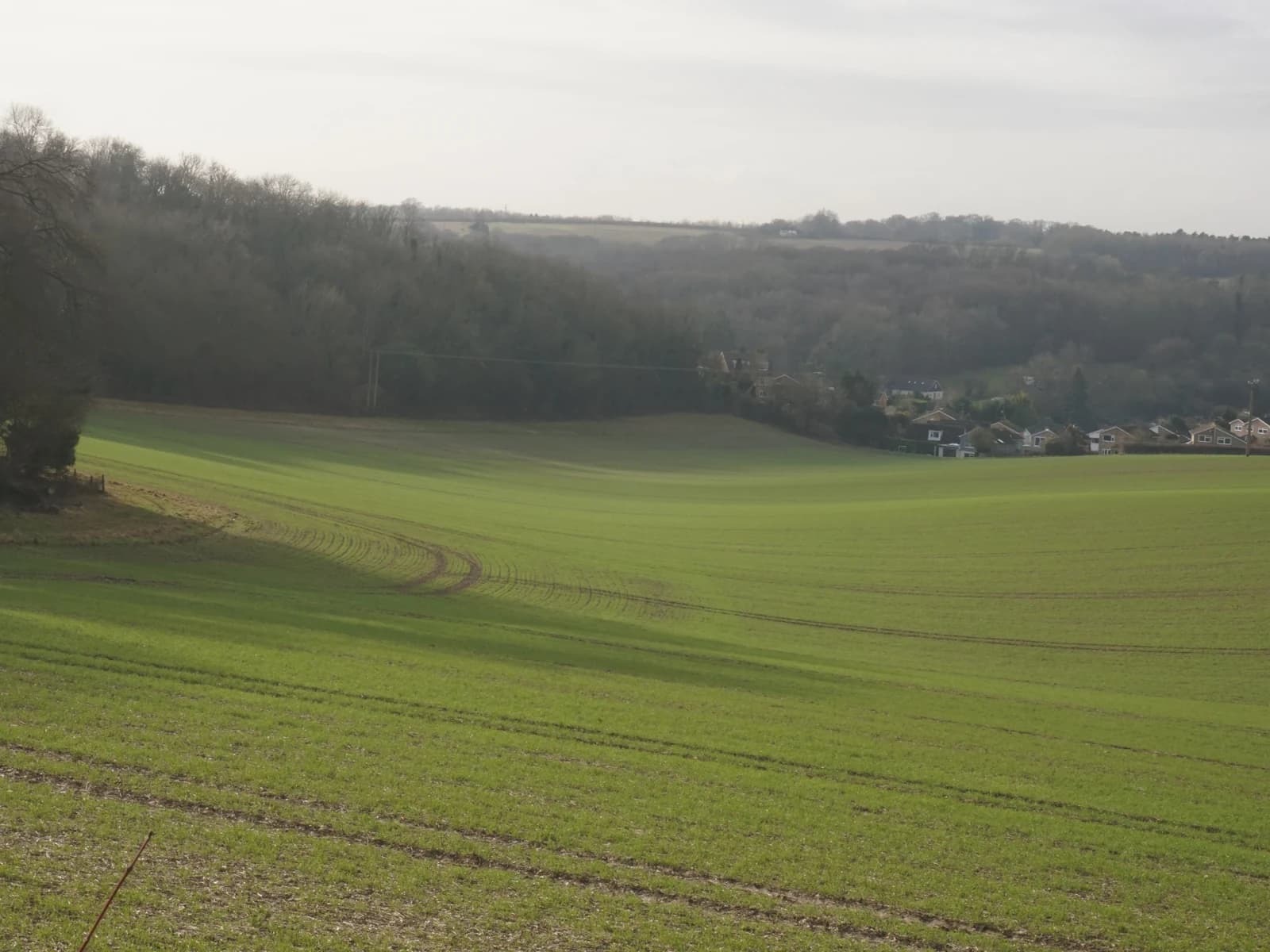
A wooded valley of sloping plots, where drives climb or drop to the road and safer footing comes before a cleaner look.
Learn Moreabout Driveway Cleaning in Marlow Bottom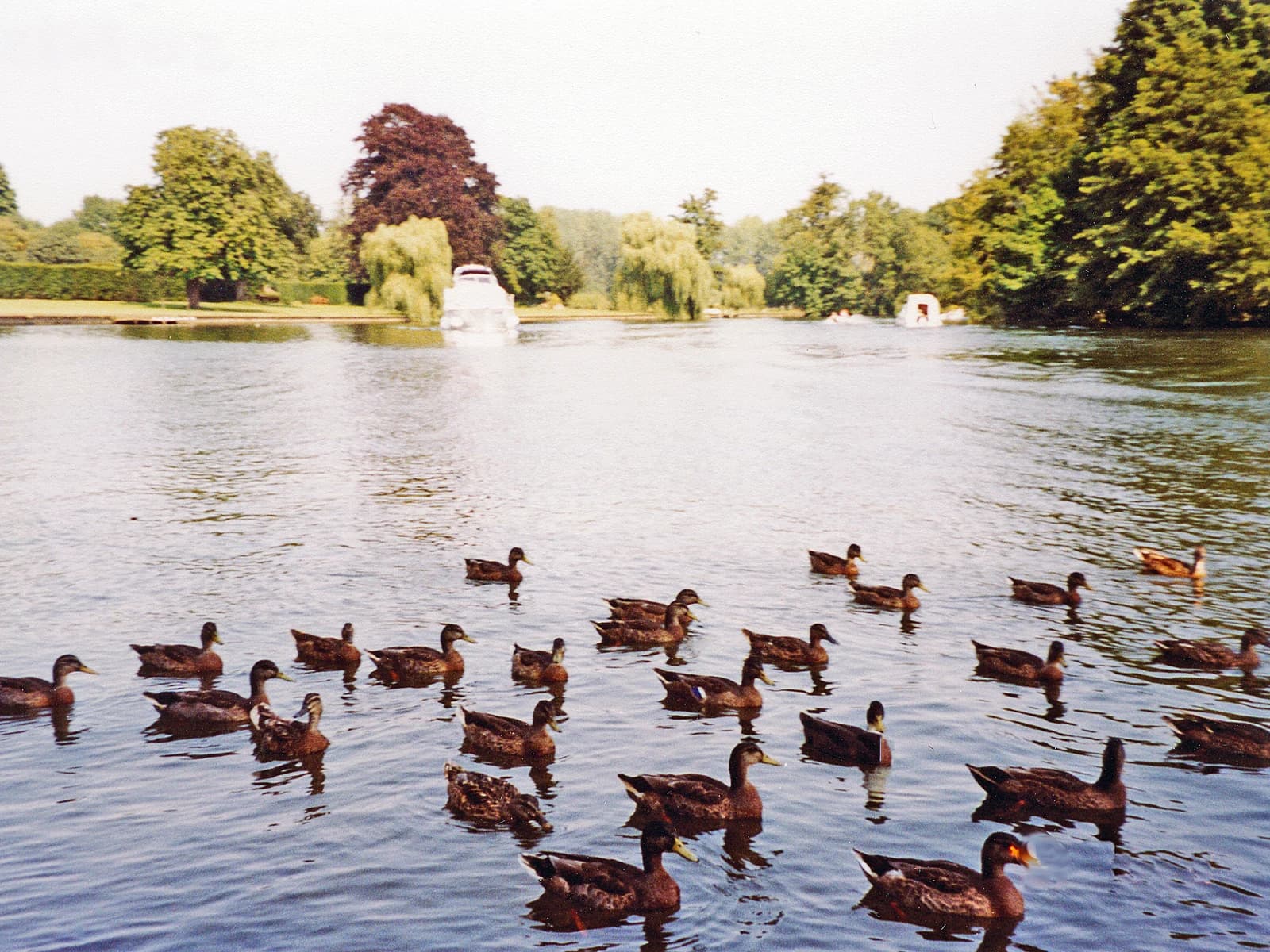
Generous stone and block-paved entrances among Thames-side gardens, where an even finish from gate to front door is the real test.
Learn Moreabout Driveway Cleaning in MedmenhamHow a restoration runs
The order of work stays the same across the county; the pressure, water temperature and products change with every drive.
We identify each material on the drive, check how firmly it is bedded, note where shade and run-off fall, and explain what cleaning can and cannot achieve before any work is agreed.
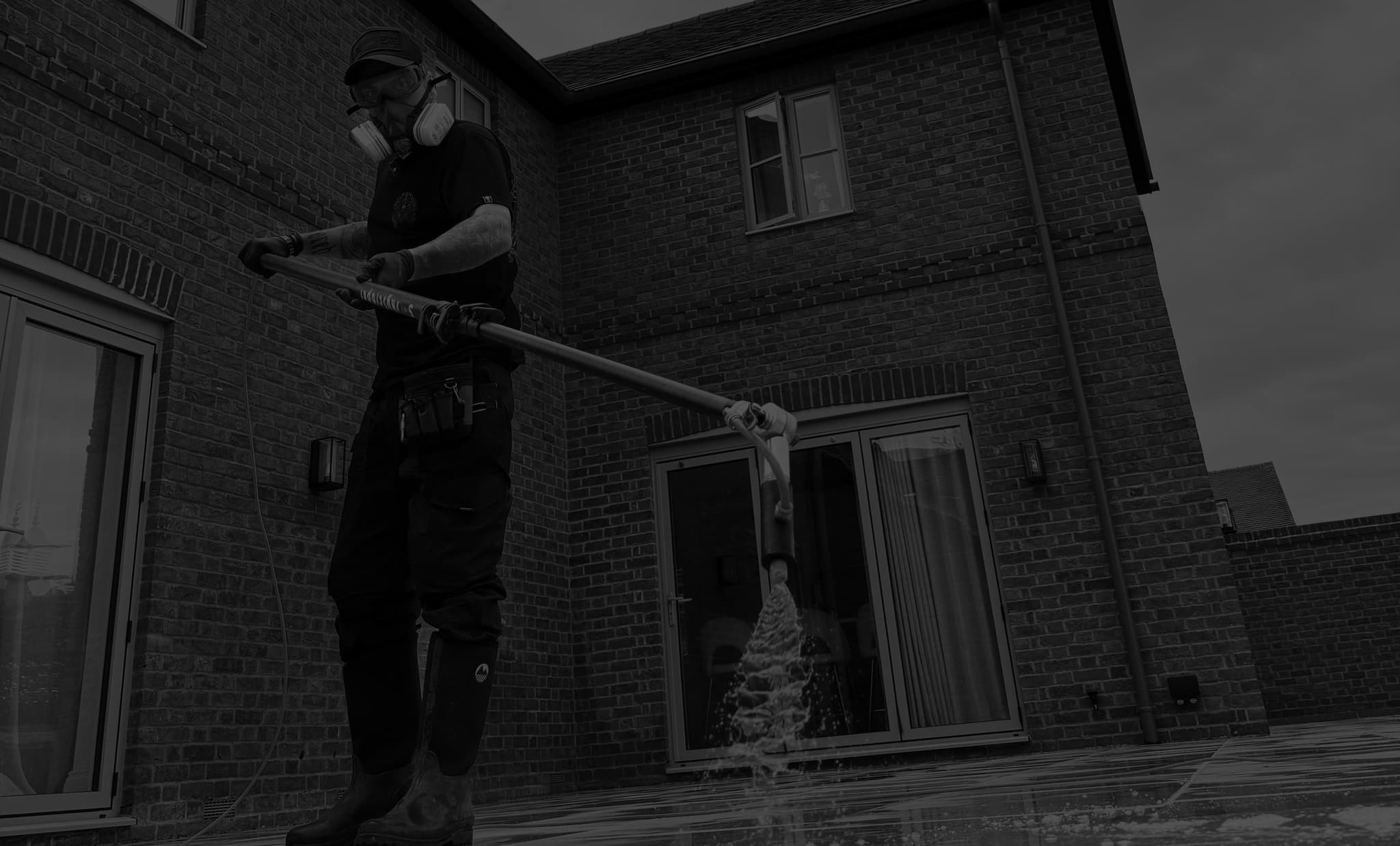
Dirt, algae, moss and spent jointing material are lifted evenly across the whole drive, with heated water used only where the surface tolerates it and a second pass preferred to more force.
Organic growth is removed from joints and margins, and the silt released by the clean is gathered up rather than left at the lowest edge or washed into the gullies.
Block paving is settled with a vibrating plate compactor, then every joint is refilled with Chiltern Polymeric Sand, which helps stabilise the paving and resist washout and weed growth.
Every restored drive is finished with Chiltern EverGuard™. Protection typically lasts between 12 and 24 months, depending on location, surroundings, surface and how the drive is looked after.
Restoring a 150m² block paved driveway in High Wycombe: deep clean, damaged blocks replaced, polymeric re-sanding, compaction and Chiltern EverGuard™.
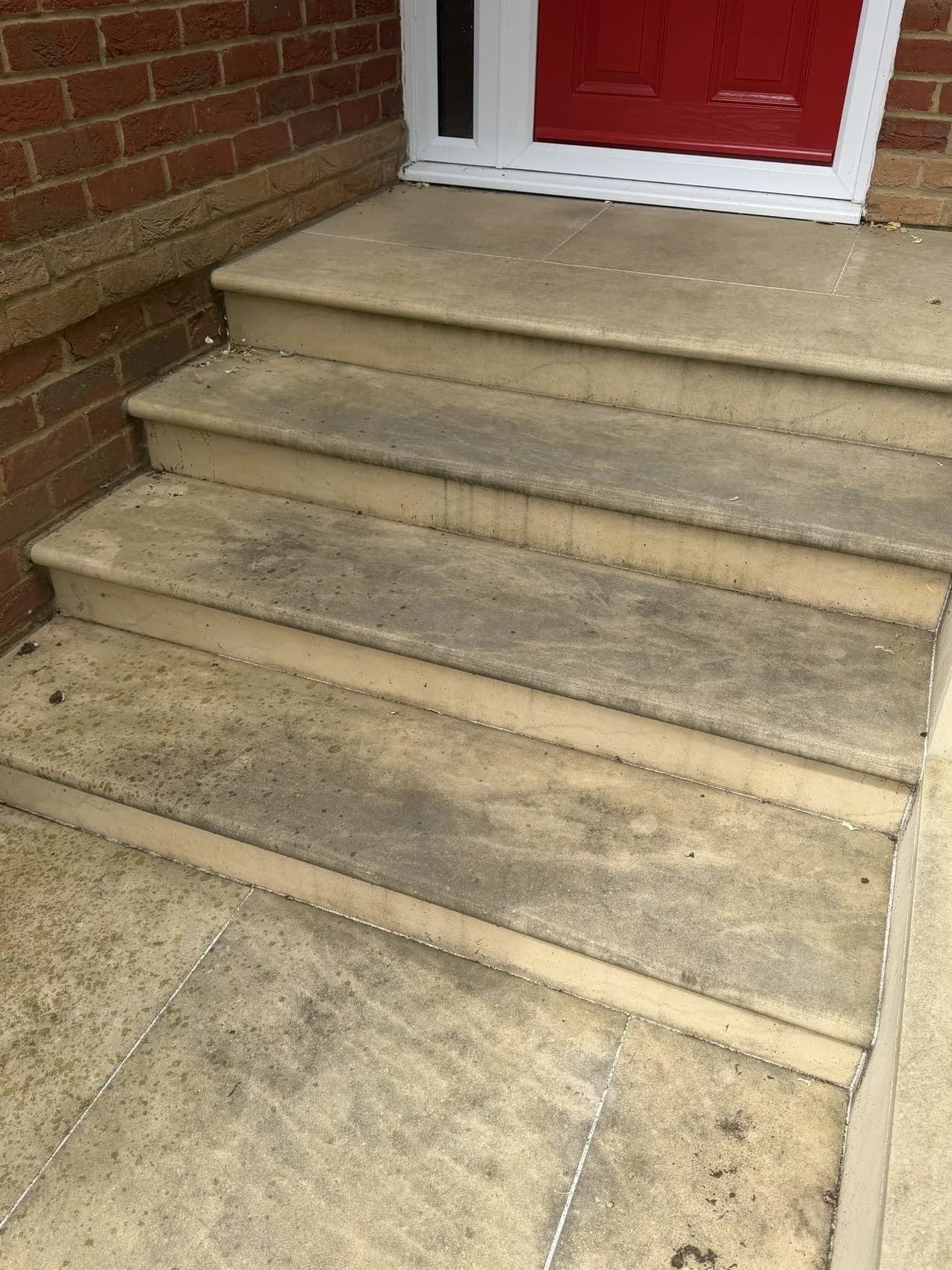
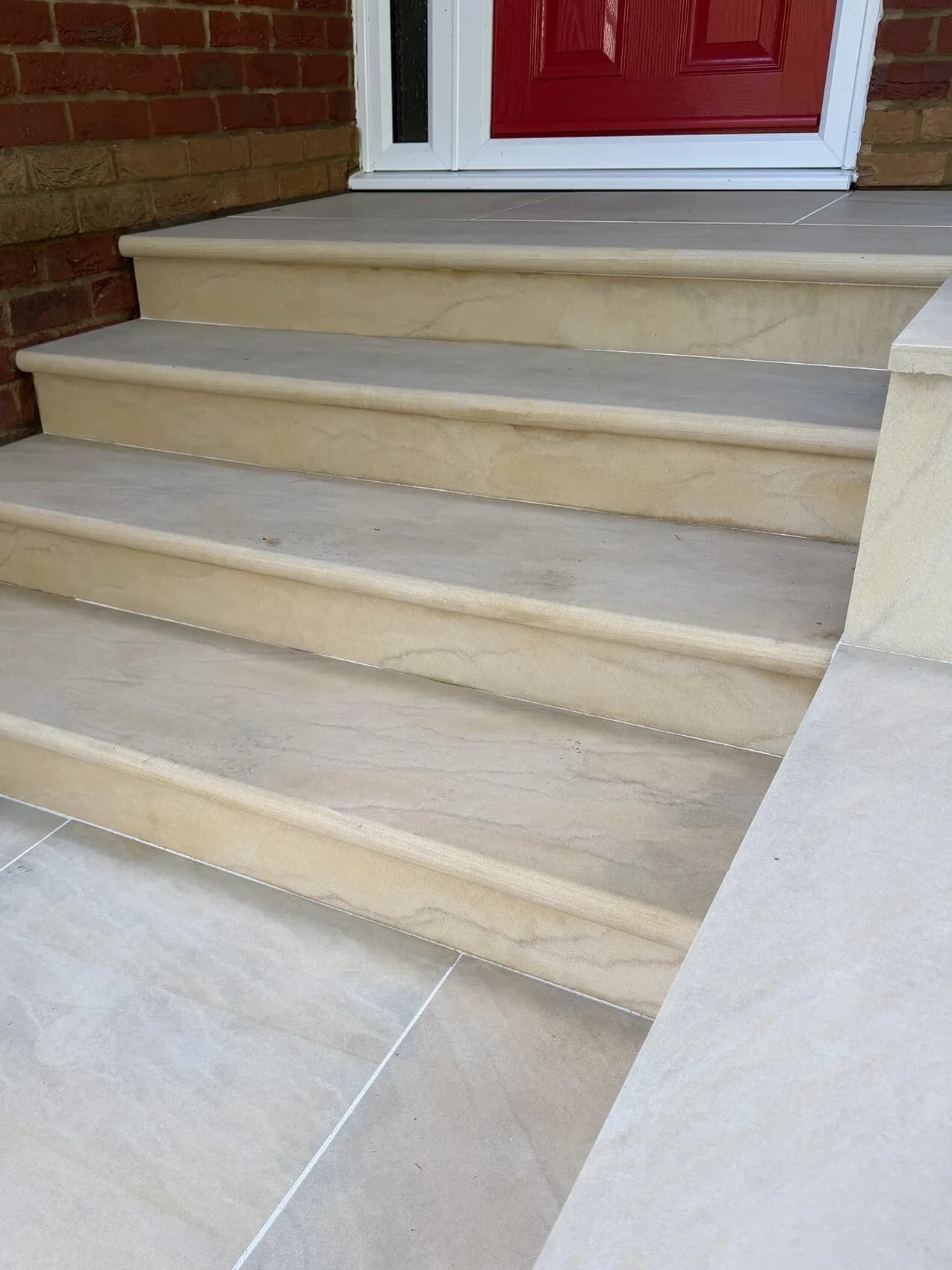
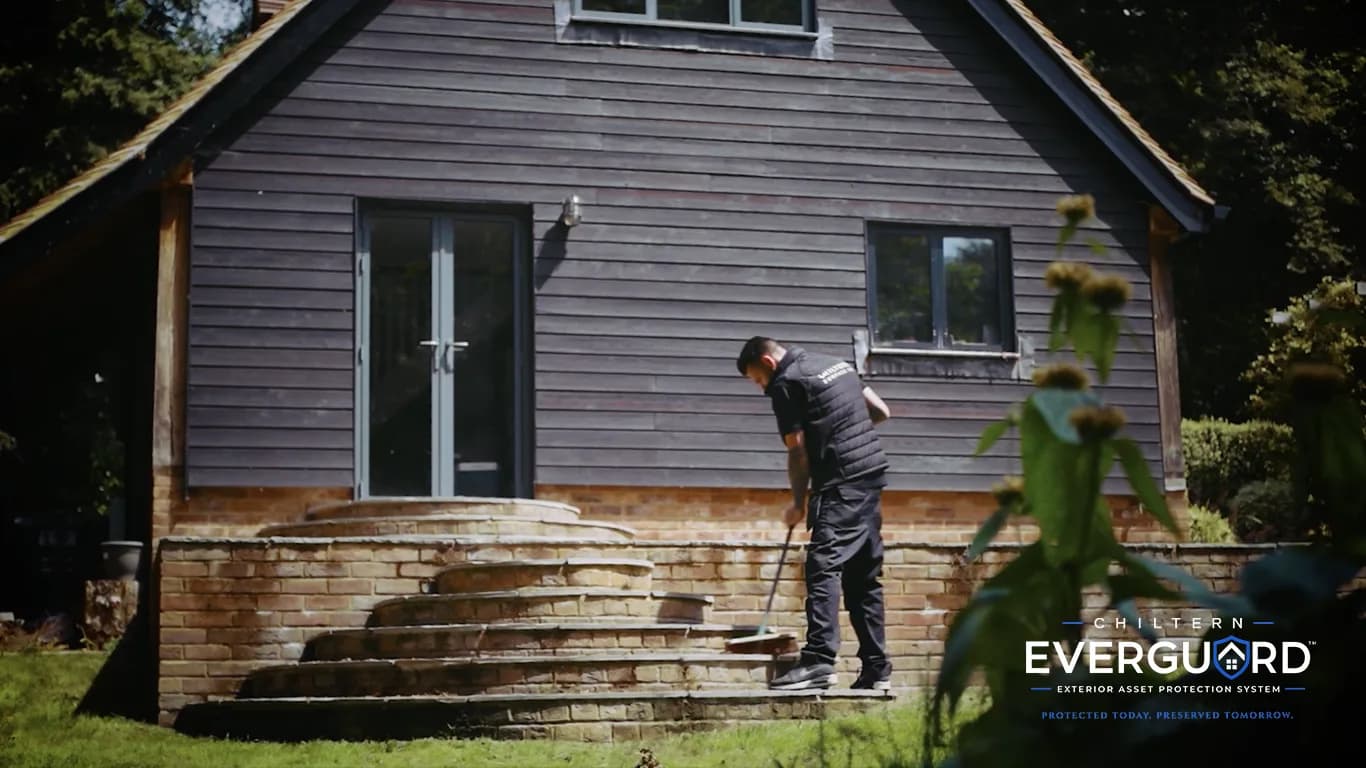
Indian sandstone step cleaning and block paving cleaning in High Wycombe, including polymeric re-sanding, compaction and Chiltern EverGuard™ treatment.
Why Chiltern Surface Co
We work from Marlow, in the south of the county, so valley damp, beech litter and chalk-country conditions are familiar ground to us.
Block paving, tarmac, resin, porcelain, concrete and natural stone are each cleaned at the pressure and with the products that suit them, never at one setting for all.
Flint walls, gate piers, planting and drains are considered before work starts, and rinse water is directed, not left to find its own way.
Old oil stains and long-standing marks do not always lift completely, and we tell you at the site visit what we expect to achieve.
What Clients Say
Thank you to every client who has trusted us with their home. Your reviews mean a great deal to us. We’re proud to be fully insured, certified professionals — delivering proven results with a customer-focused approach on every single project.
5-Star Rated On Google
Questions
Valley floors lose direct sun earlier and hold still, damp air, so paving there dries slowly after rain. Algae and moss need moisture before anything else, and a surface that stays wet for hours gives them a steady start. Drives on ridges and open ground usually green over more slowly.
Yes. As fallen leaves break down on damp paving they release tannins that leave brown marks, and the debris they form clogs joints. Most of that staining lifts with a proper clean. Marks that have sat for a long time may fade rather than disappear, and we will say which to expect.
Yes. Private roads are common in parts of the county, and they mainly affect planning: where we park, how far hoses run and how neighbours come and go while we work. We settle that at the site visit.
Not when the work is planned around it. Flint walls and old brickwork are often bedded in soft lime mortar that a close lance can scour, so we lower the pressure near boundaries, keep the spray angled away from the joints and work those edges more slowly.
Yes. Road film, tyre rubber and fine grit dull a surface without any growth, and lifting them brings back much of the original colour where the condition allows. Open drives also lose jointing sand to traffic and weather, so re-jointing is often the bigger improvement.
More from us
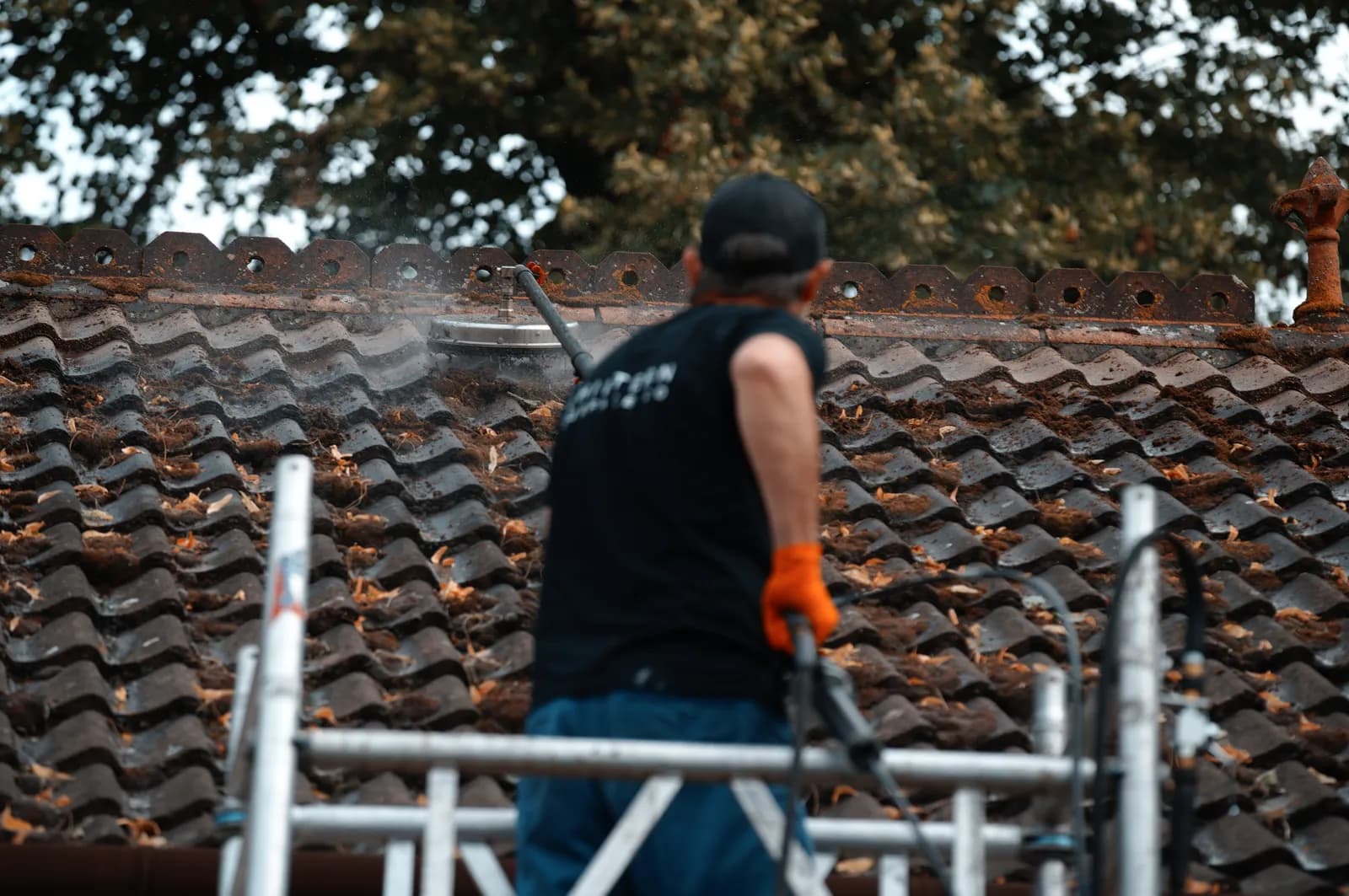
Carefully remove moss, algae and lichens to protect your roof and enhance kerb appeal.
Learn Moreabout Roof Cleaning
Specialist cleaning and restoration for natural stone, porcelain and concrete patios.
Learn Moreabout Patio Cleaning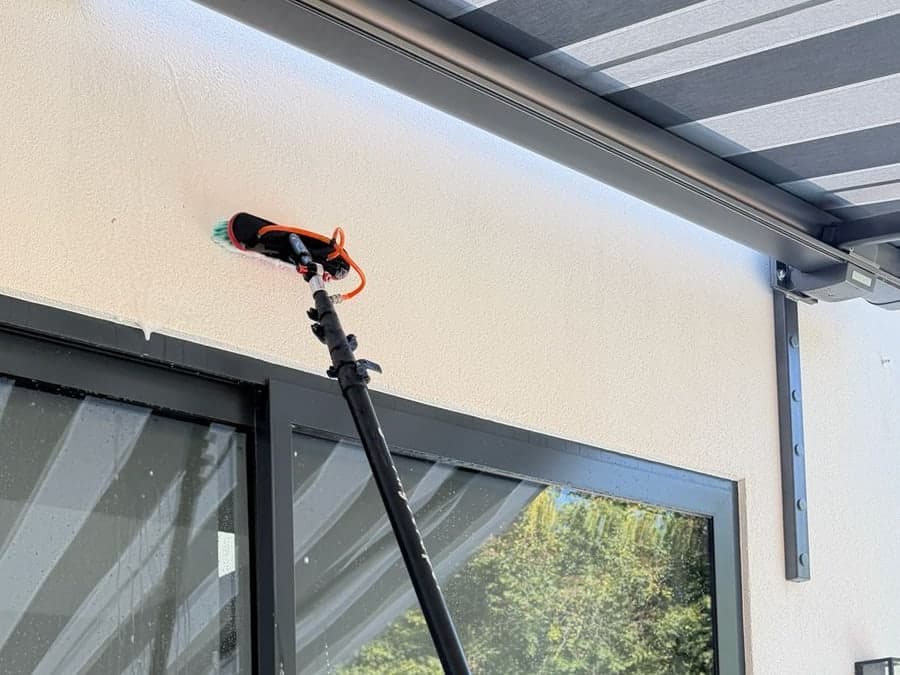
Low pressure soft wash treatment designed to safely remove algae, mould and grime from exterior surfaces.
Learn Moreabout Soft Wash Treatment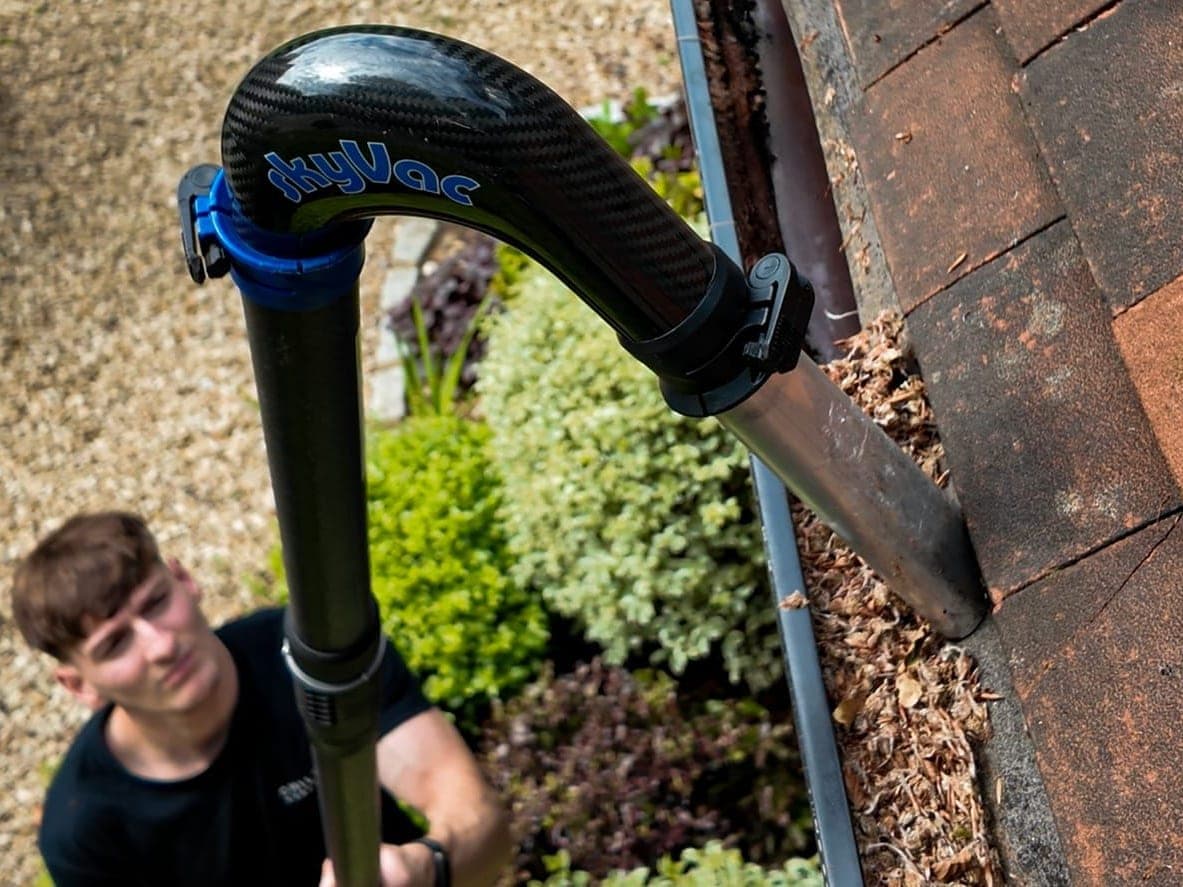
Clear and flush blocked gutters and downpipes to protect your walls, fascias and foundations.
Learn Moreabout Gutter Cleaning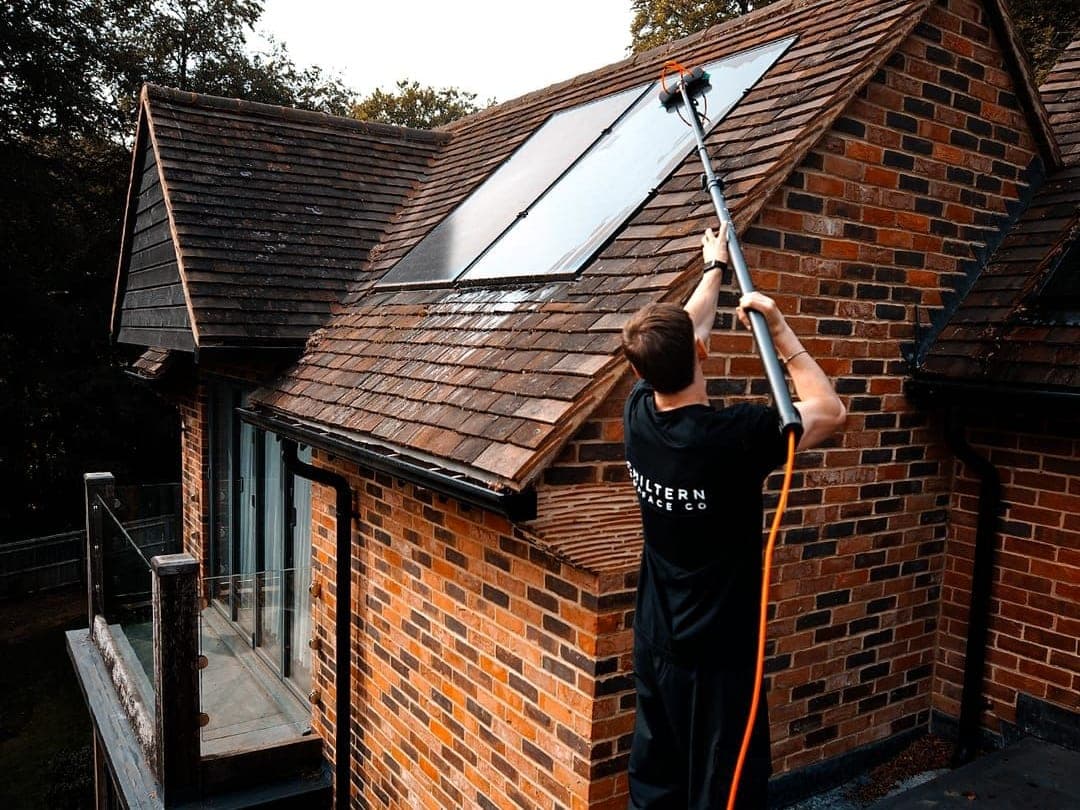
Pure-water cleaning that removes grime and shading to restore your panels' output and efficiency.
Learn Moreabout Solar Panel Cleaning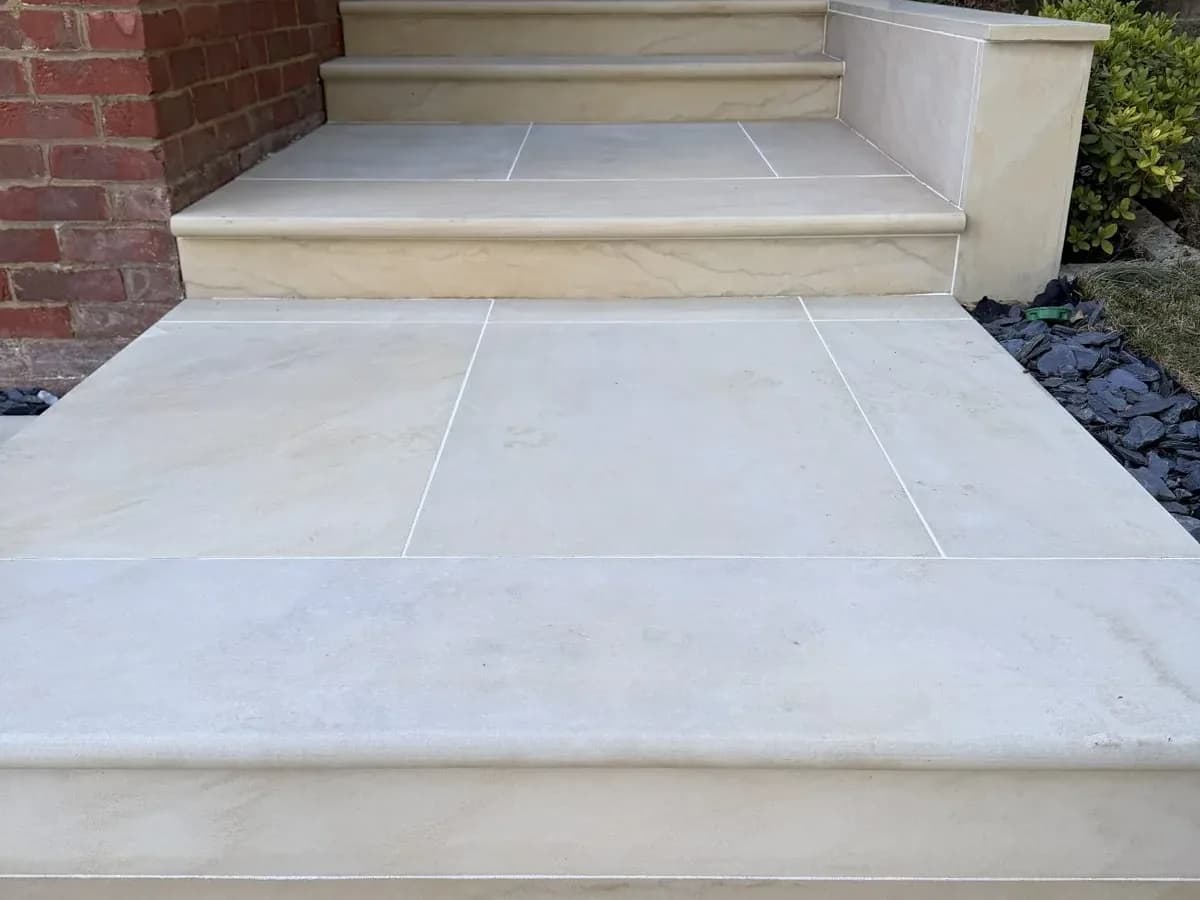
Winter cleaning that removes slippery algae and moss from paths, steps and patios, planned around the forecast.
Driveway Cleaning in our other counties
Advice
Looking after a commercial building, a managed site or a portfolio? Car park and walkway cleaning is handled by our commercial team, surveyed and priced as a specified job.
Chiltern Surface Co
Book a free site visit and we will look at your driveway, its surroundings and its surfaces, then follow up with a clear quotation and our honest view of the result.
We assess your surfaces and recommend the right approach for the best, long-lasting results.
You'll receive a detailed, transparent quote with no hidden extras.
We'll provide honest advice so you can decide what's right for you.
Speak directly with the owner and get expert advice you can trust.