

Brick Cleaning and Soft Washing in Beaconsfield
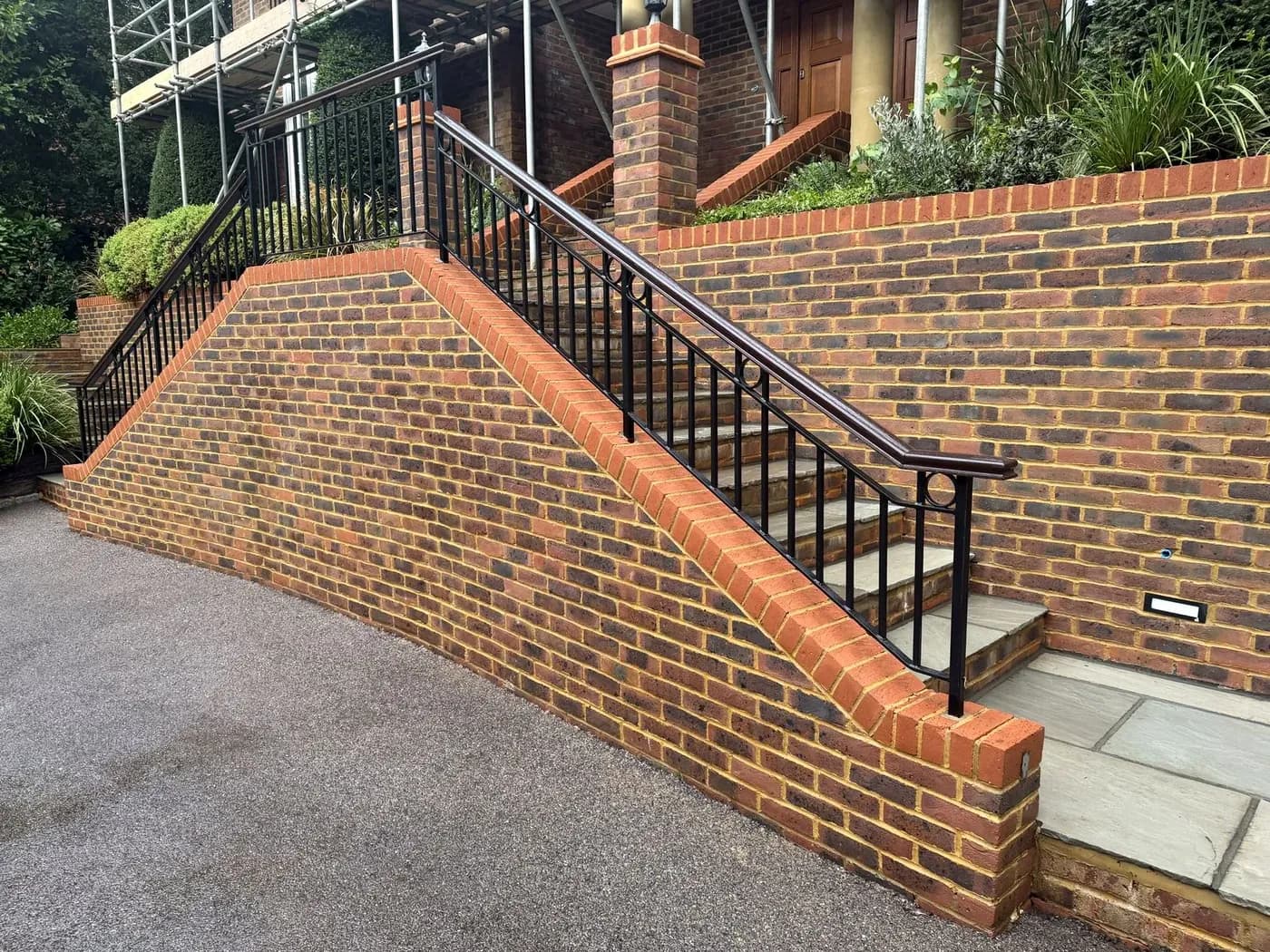
Brick cleaning and soft washing in Beaconsfield: black algae and lichen treated on brick retaining walls and copings, then rinsed at low pressure.
Soft Wash Treatment · 14 towns
Buckinghamshire's walls are shaped by chalk hills, narrow river valleys and woodland. We clear algae, lichen and streaking from render, brick, flint, cladding and rooflines at low pressure, with the method set by each surface.
Across the county
Most of southern Buckinghamshire sits on the Chiltern chalk, cut into steep valleys and crowned with beech woods. Those two features decide how quickly a wall dries after rain, and the wall that stays wet is the one that turns green. Soft washing removes that growth with a solution rather than force, which matters on old flint, soft brick and painted render.
Local materials
The chalk beneath the Chilterns gave up flint, and the clay capping the hilltops was dug for brick and tile. So cottages, farm buildings and garden walls across the south of the county are flint bedded in lime mortar, with brick dressings at corners and openings. Lime mortar is soft by design: it lets a wall breathe, and a pressure lance can wash it out of a joint in moments.
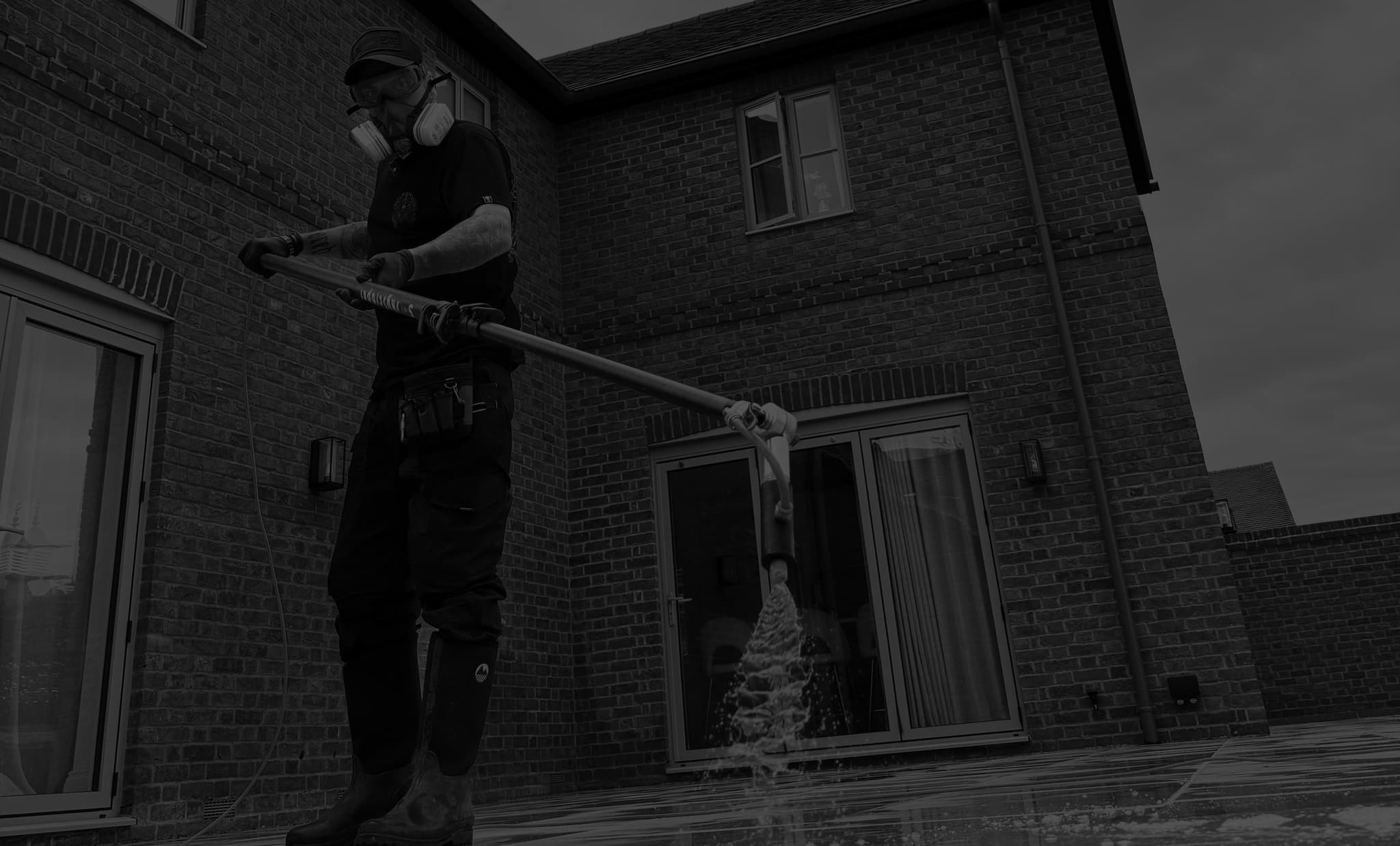
Soft Wash Treatment suits these walls because the solution, not the water, does the cleaning. It goes on at low pressure, is left to work on the algae and lichen, and is rinsed off gently, so the flints stay bedded and the pointing stays put. Earlier repairs in hard cement are pointed out before anything is applied.
Valleys and woodland
The Chilterns are a landscape of dry valleys and chalk streams. The Misbourne, the Chess and the Wye all run through towns on this page, and the Thames marks the county's southern edge. Cool, damp air settles along those valley floors on still nights, and beech woods on the slopes cut off the low winter sun from the houses below them. The walls that suffer most are usually:
Building eras
The twentieth century added a second layer. The railways brought commuter roads to the south of the county, with houses in render, pebbledash and brick, and the open vale around Aylesbury has seen large new developments in recent decades.
Each era brings its own surfaces. Inter-war render may carry many coats of paint, so the coating is checked before cleaning. Newer homes use through-coloured render, fibre-cement or composite boards and white uPVC fascias and soffits: finished surfaces that a jet can scuff or strip, and that respond well to a measured soft wash.
Towns we cover
Each town below has its own page describing the walls we meet there. Start with the one nearest you; the method itself is always confirmed at a free site visit.
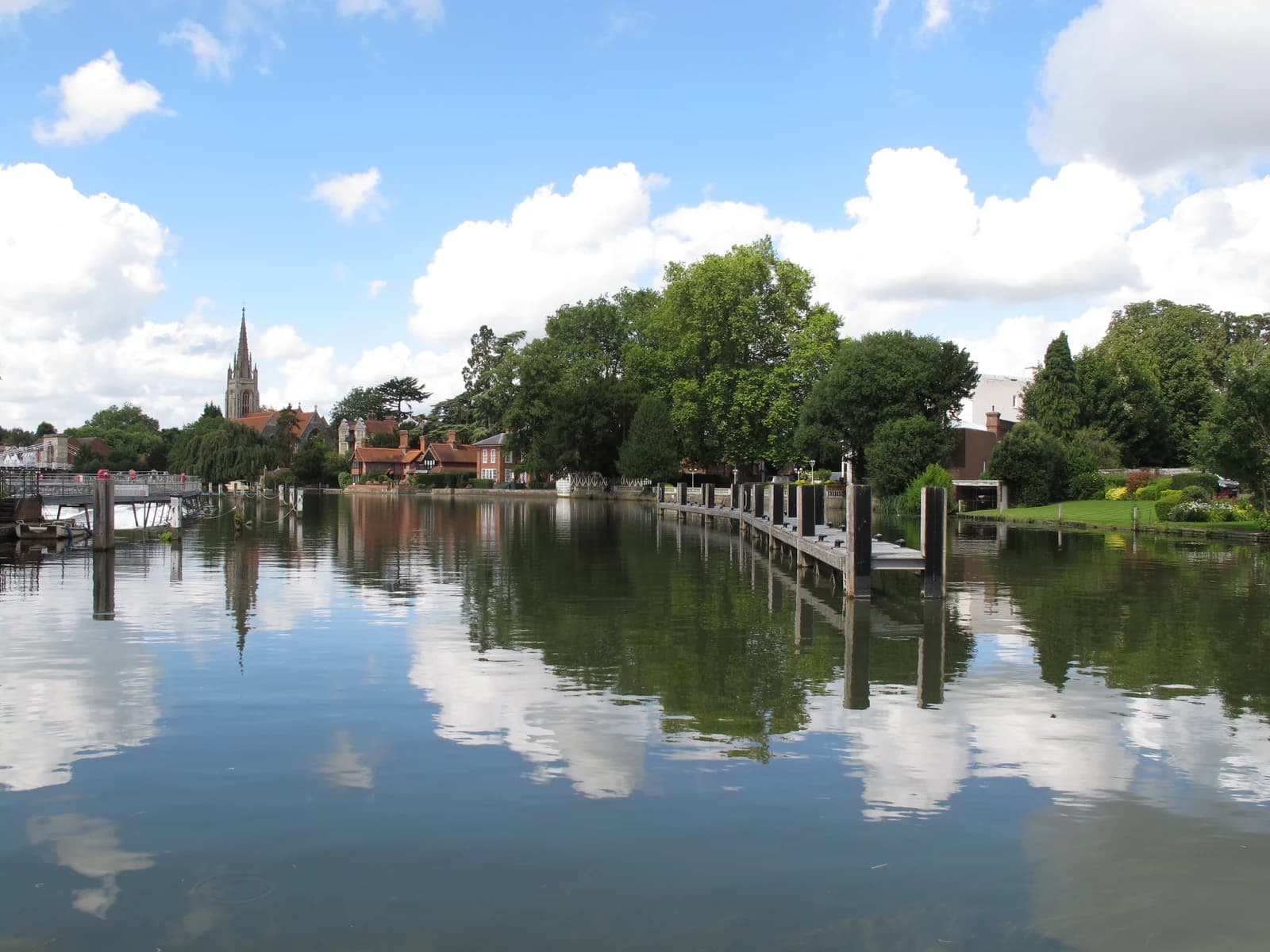
Our home town, where river mist and wooded slopes turn eaves, soffits and north gables green first, and painted render gets a gentler hand than bare brick.
Learn Moreabout Soft Wash Treatment in Marlow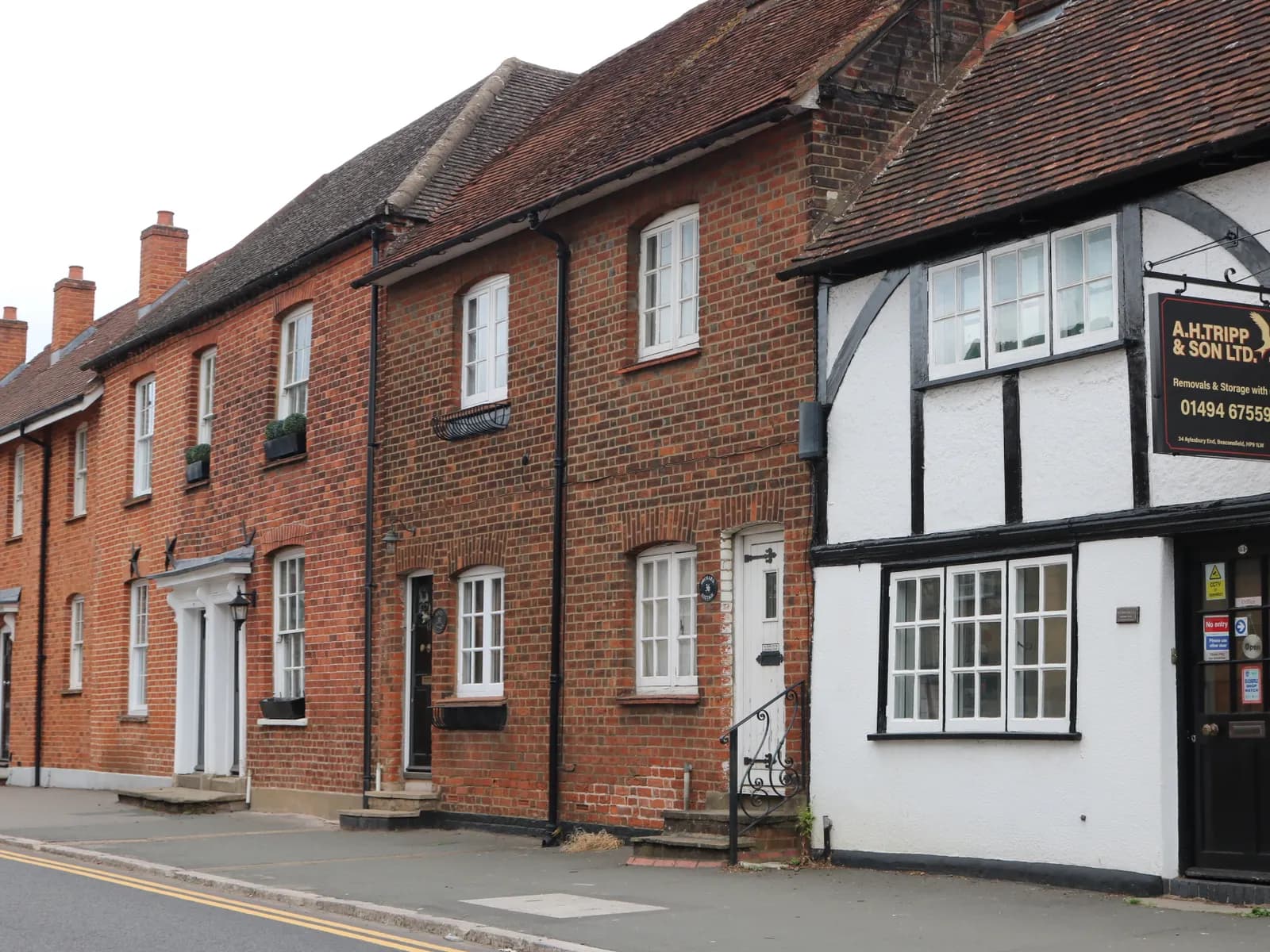
We have soft washed homes here, from broad rendered elevations on the newer roads, cleaned in one even pass, to the soft historic fronts of the Old Town.
Learn Moreabout Soft Wash Treatment in Beaconsfield
Brick and flint on the Misbourne valley floor and twentieth-century render on the hill above need different handling, and so do the terraced garden walls between them.
Learn Moreabout Soft Wash Treatment in Amersham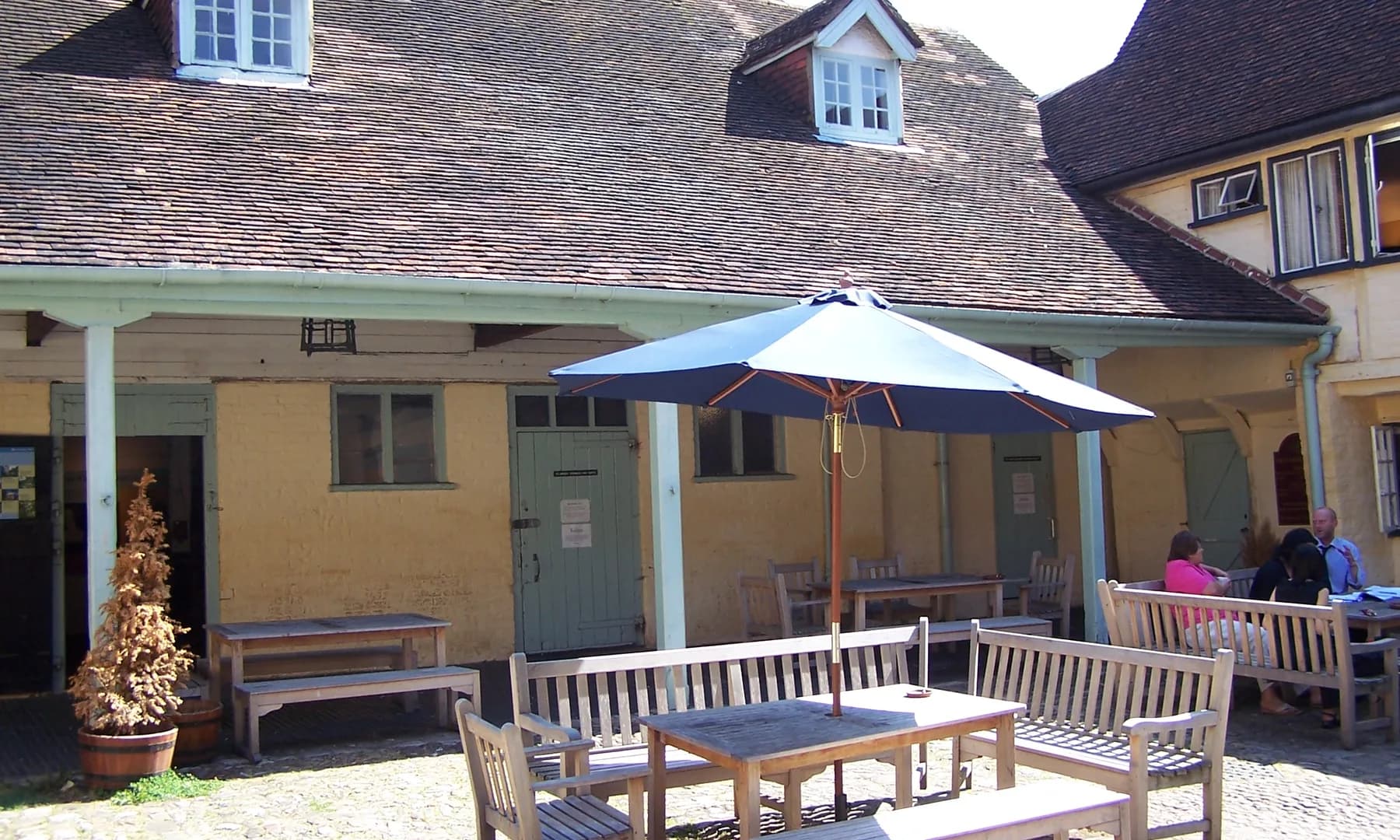
Out in the open vale, newer cladding, render panels and white uPVC rooflines mark first on the weather side, and each is cleaned without force.
Learn Moreabout Soft Wash Treatment in Aylesbury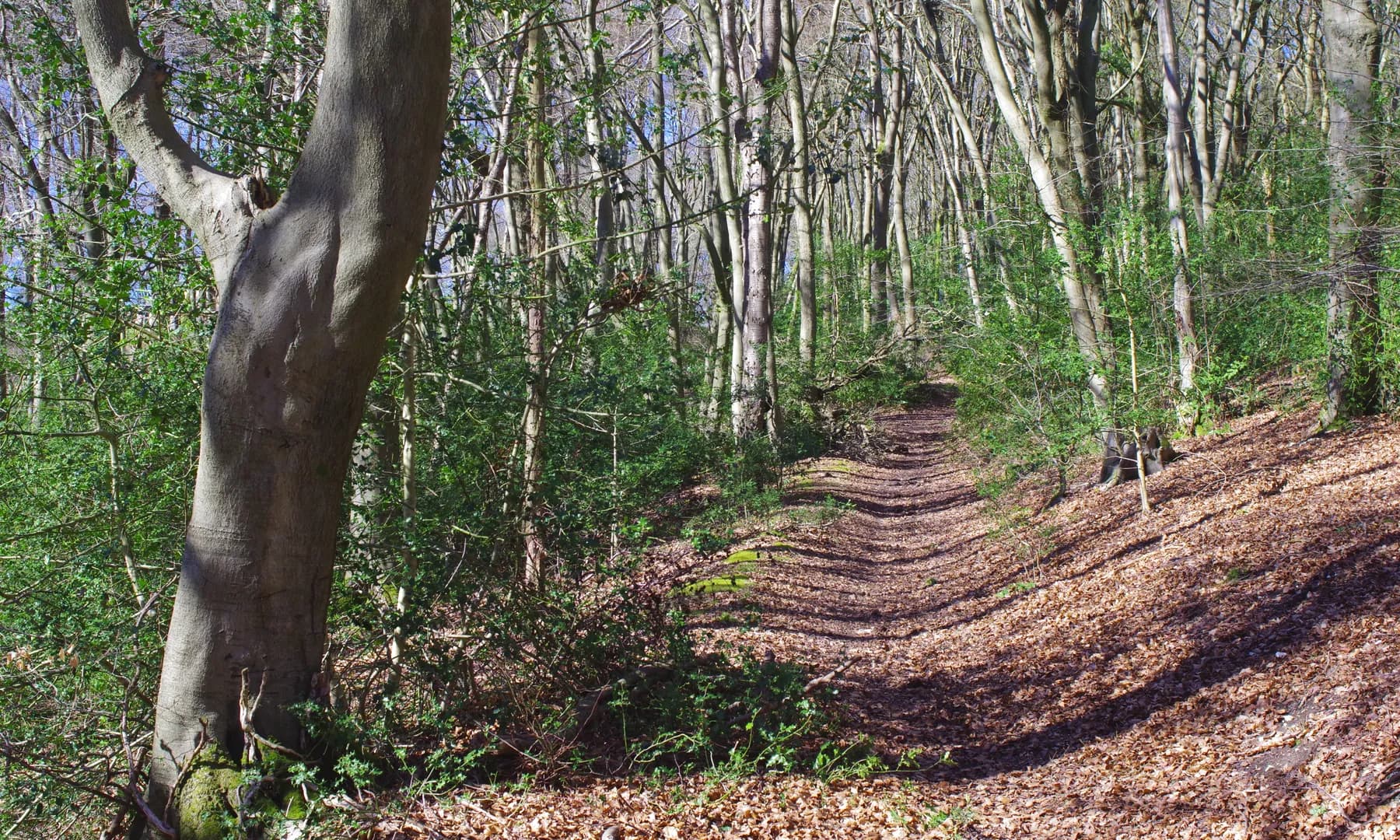
Flint panels, handmade brick and lime pointing along a wooded ridge, cleaned with a solution and patience so the joints that hold them together survive.
Learn Moreabout Soft Wash Treatment in Penn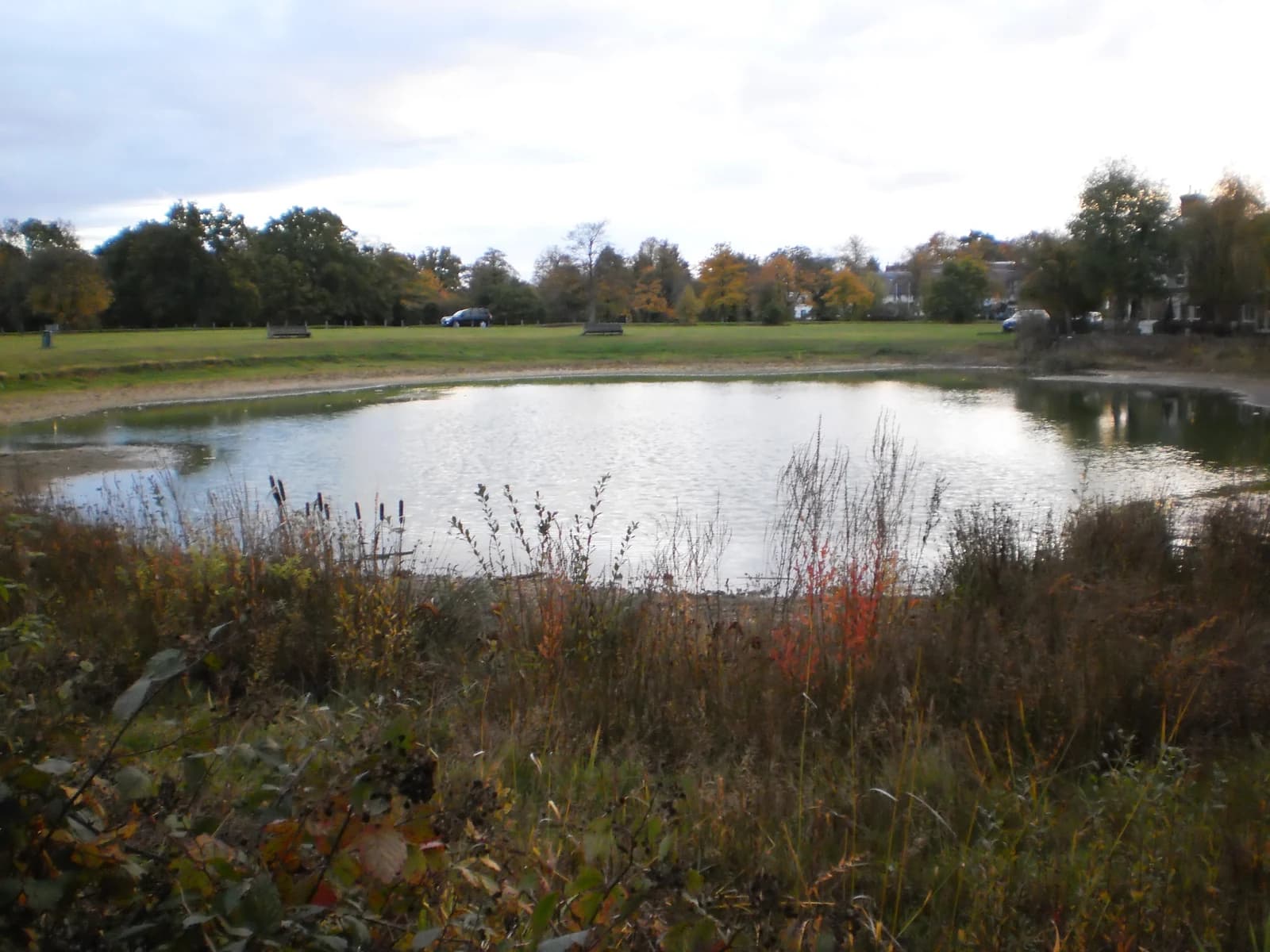
Render, brick plinths, stone sills and painted timber often share one elevation beneath tall roadside trees, so each material is soft washed on its own terms.
Learn Moreabout Soft Wash Treatment in Gerrards Cross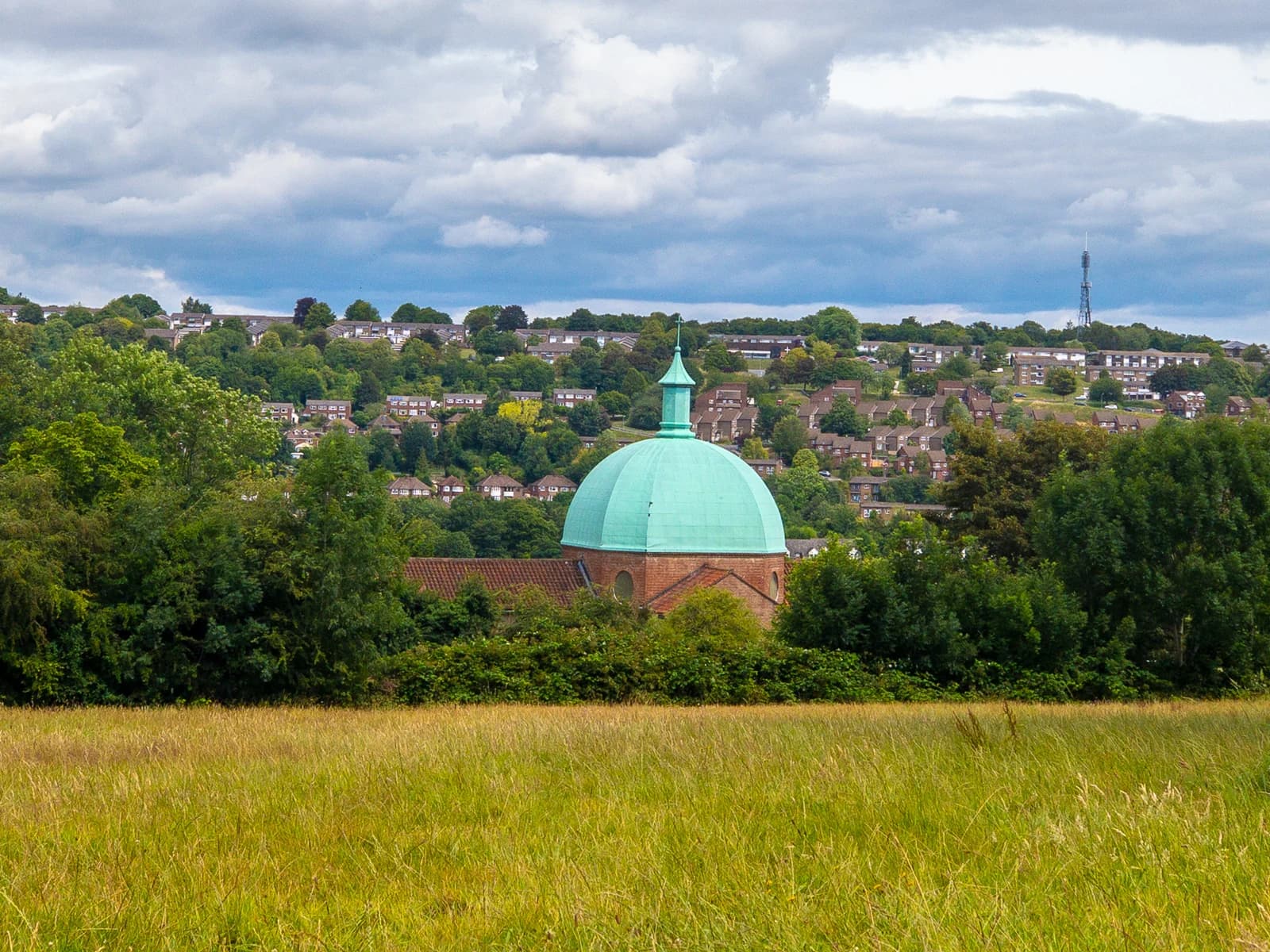
Across the steep Wye valley, aspect changes street by street, and a wall may carry traffic film near a busy road or living growth on a shaded slope.
Learn Moreabout Soft Wash Treatment in High Wycombe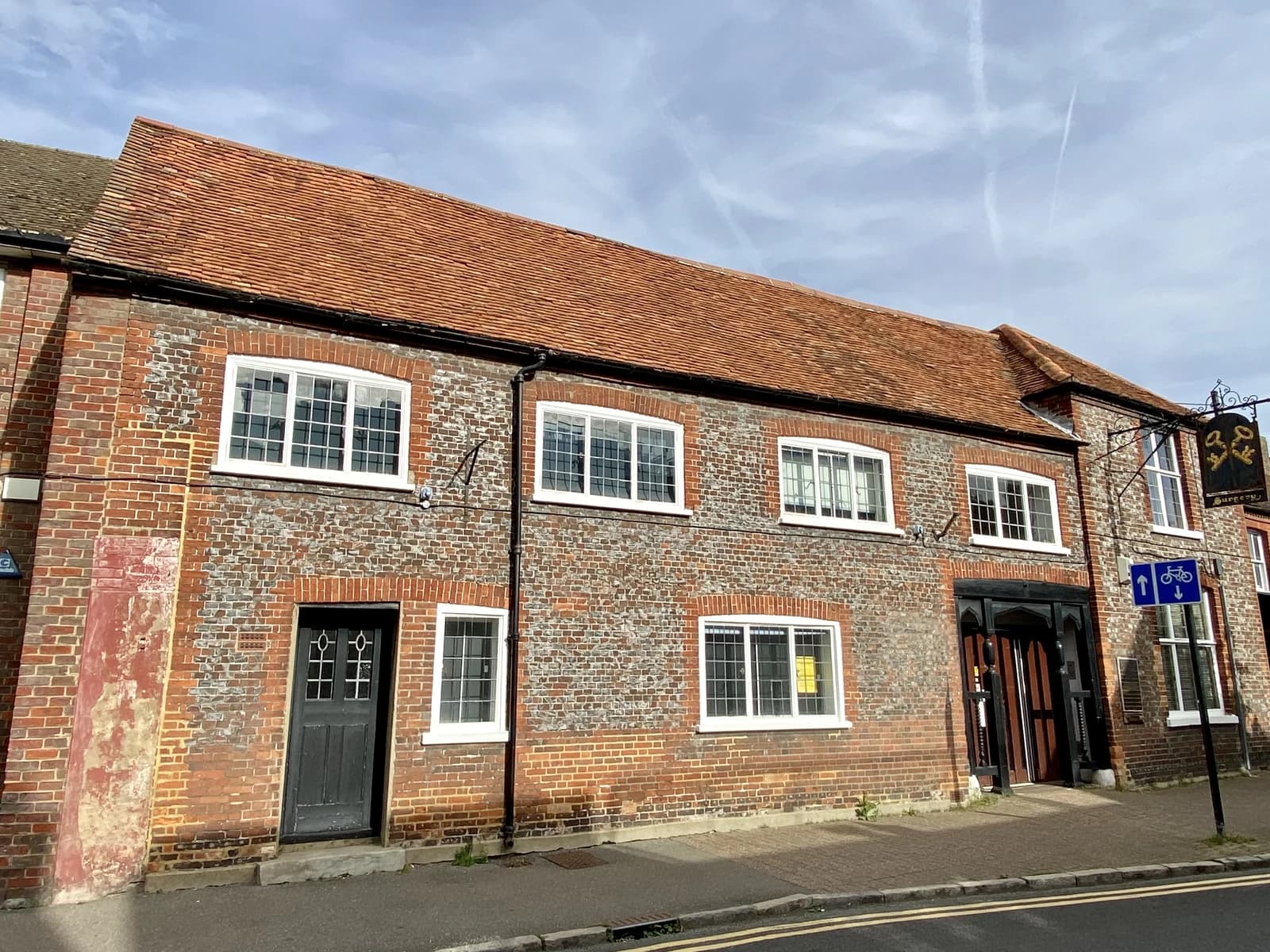
Walls tucked under the escarpment dry slowly while those facing the vale take the weather, and painted coatings are checked before any solution goes on.
Learn Moreabout Soft Wash Treatment in Princes Risborough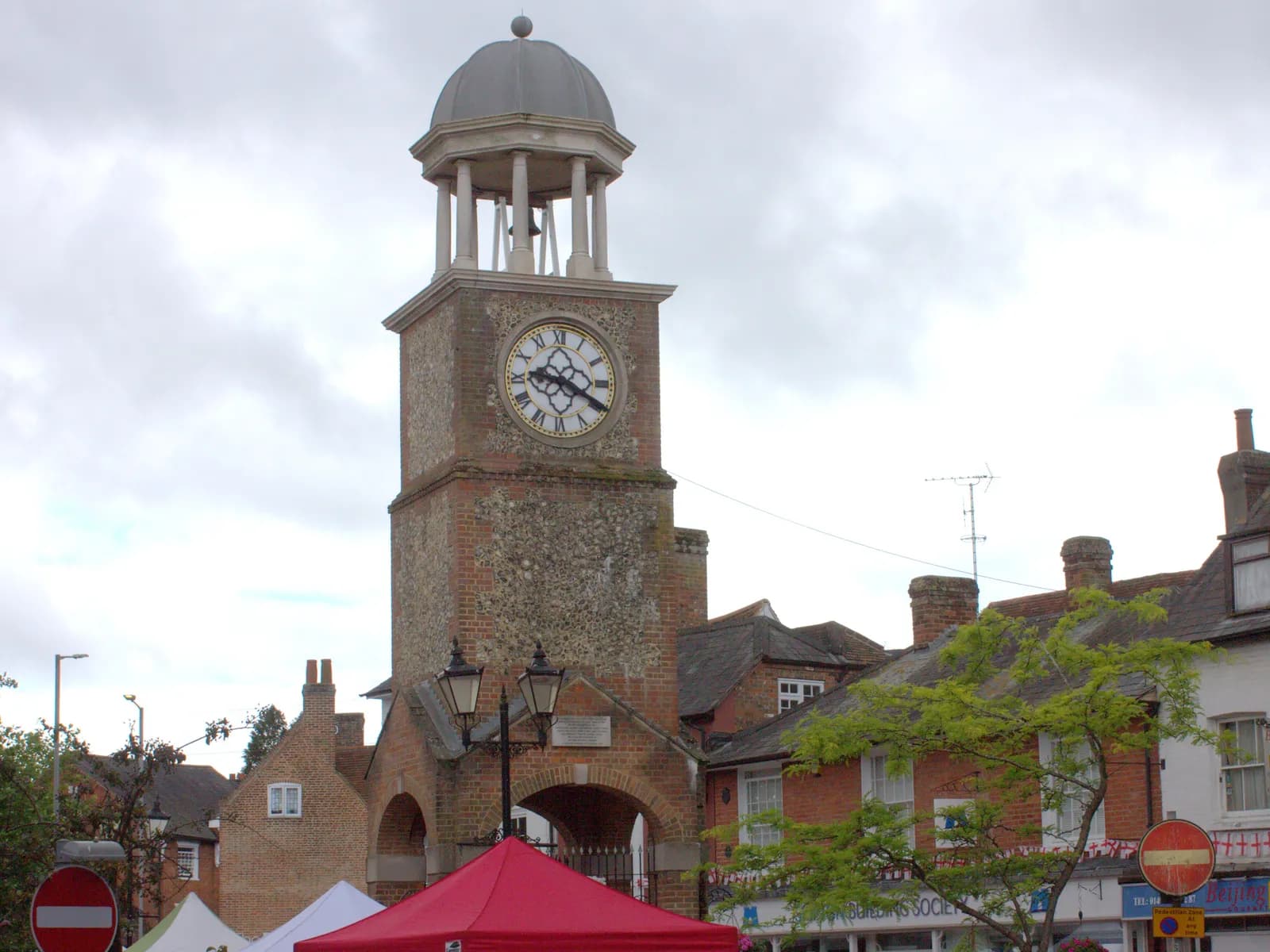
Damp gathers on the Chess valley floor, so we map exactly where growth sits on terraces, cottages and later additions before treating any of it.
Learn Moreabout Soft Wash Treatment in Chesham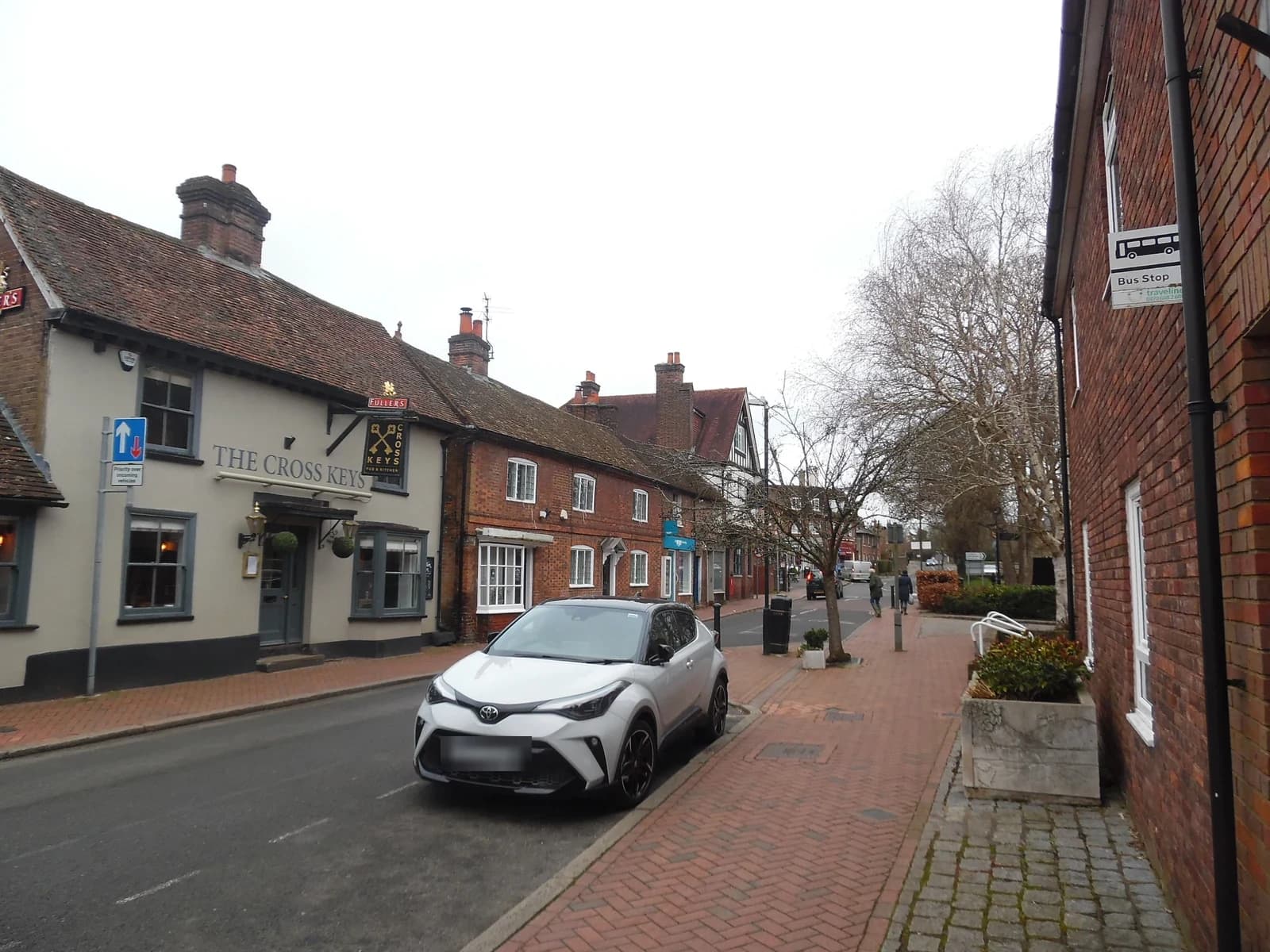
A single property may add a timber garage, a composite garden room and a uPVC roofline to its brick and render, each wetted in its own measured way.
Learn Moreabout Soft Wash Treatment in Great Missenden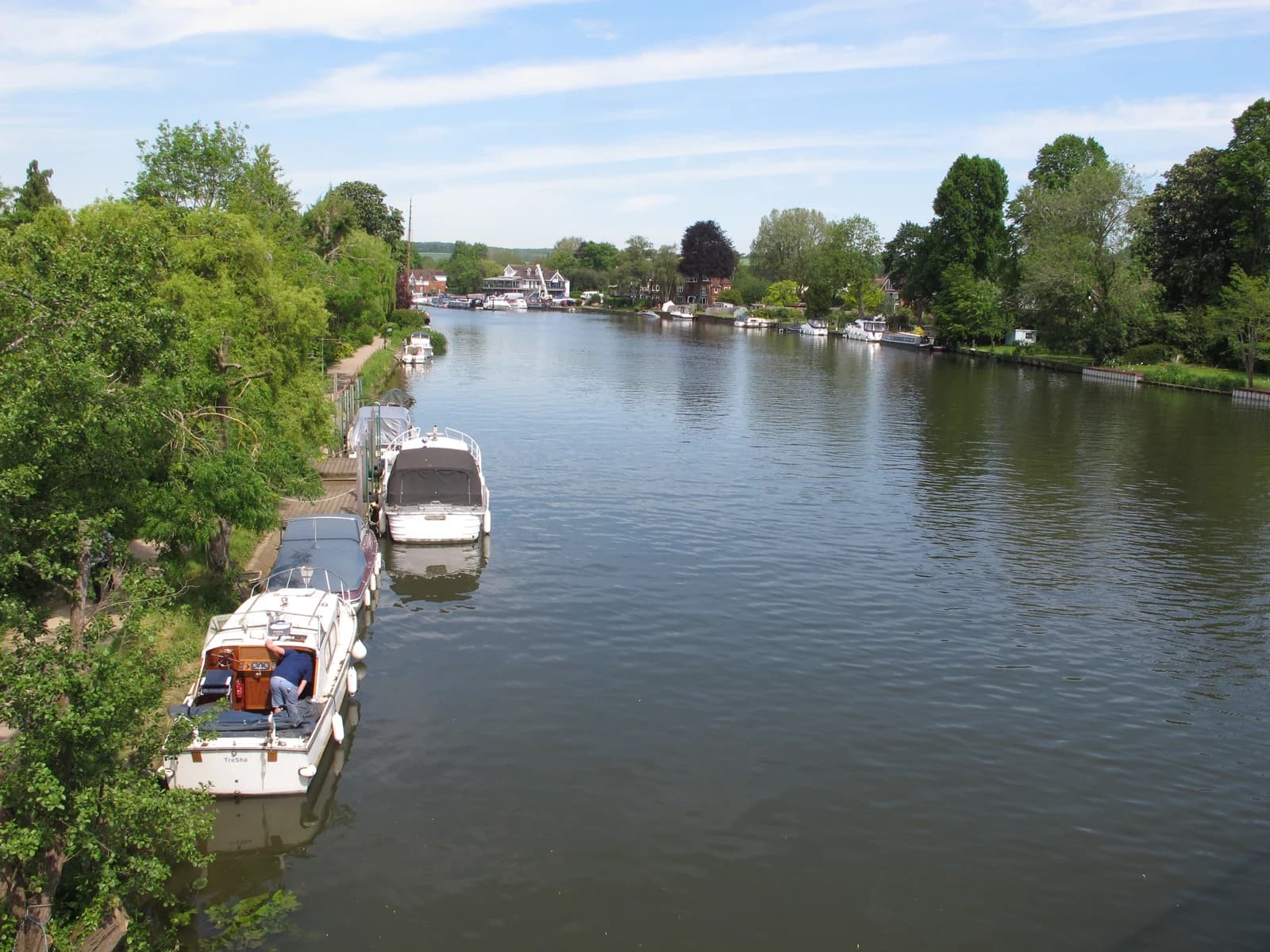
Where the Wye joins the Thames, the river-facing wall is usually the one that needs the work, with render, clad gables and brick all cleaned at low pressure.
Learn Moreabout Soft Wash Treatment in Bourne End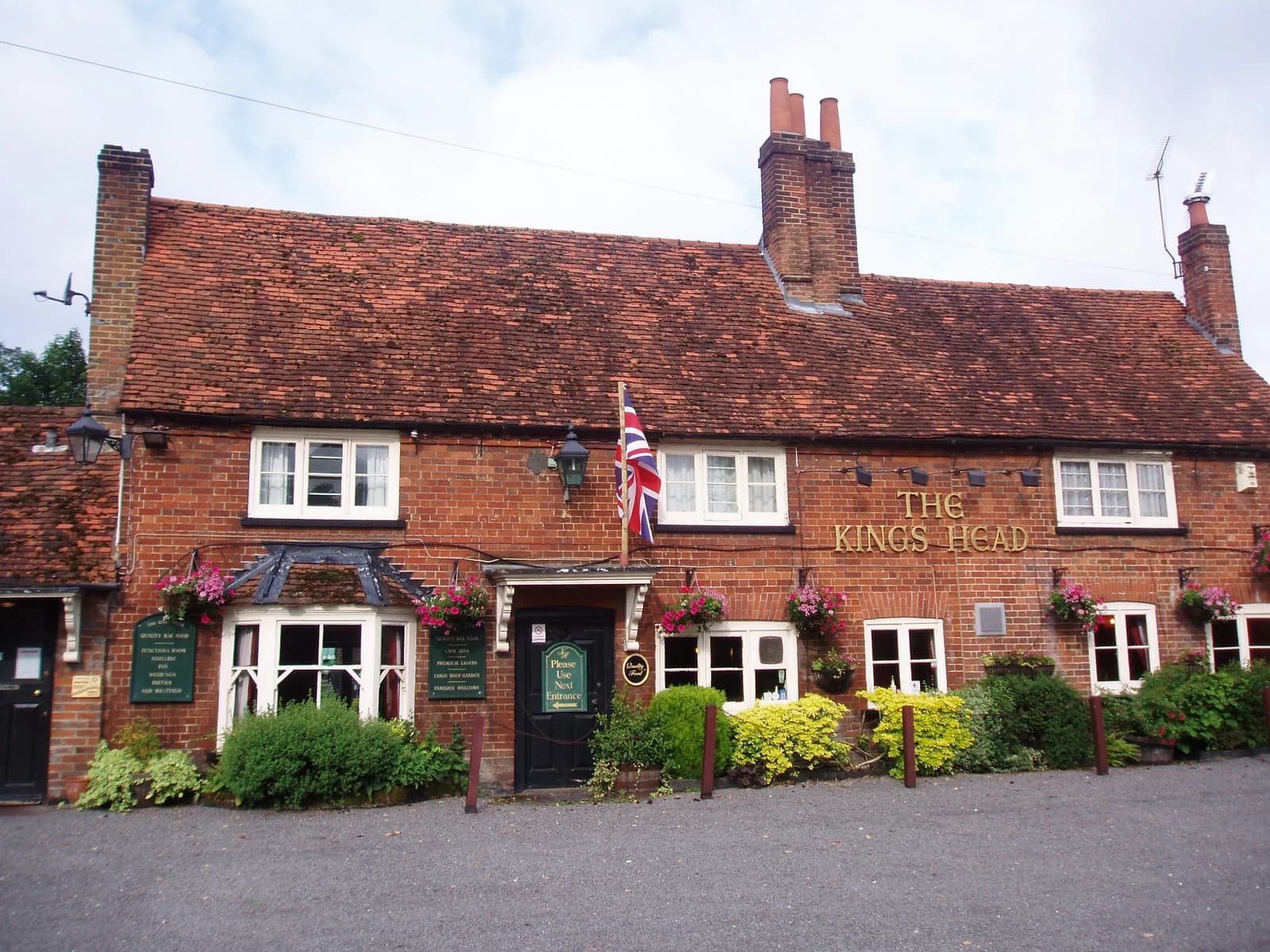
Brick runs through the village, from house walls to steps and retaining walls, and soft washing lifts the growth while leaving weathered pointing in place.
Learn Moreabout Soft Wash Treatment in Little Marlow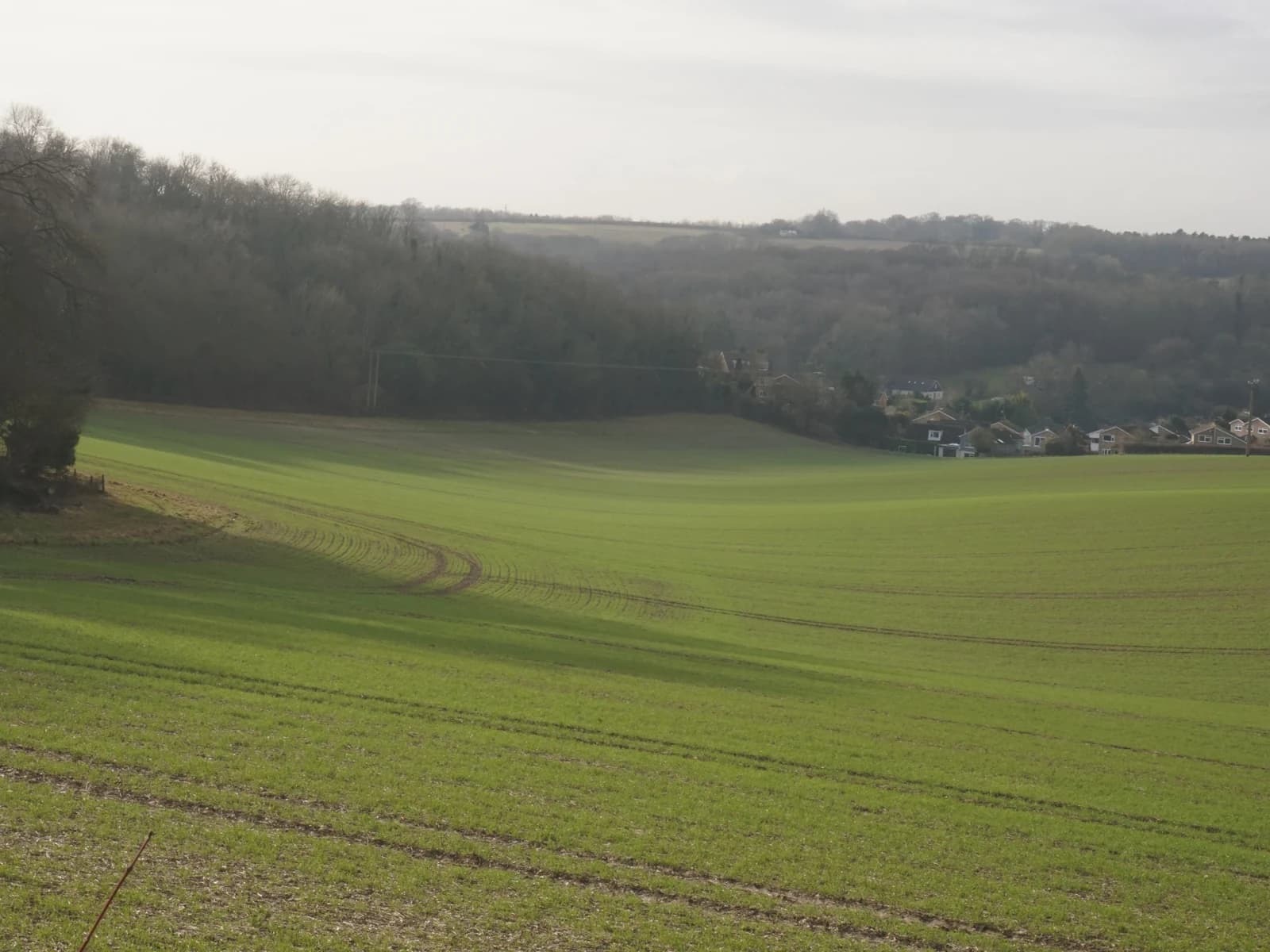
Hedges, climbers and branches keep walls and rooflines in this wooded valley damp, so protecting the garden matters as much as treating the wall itself.
Learn Moreabout Soft Wash Treatment in Marlow Bottom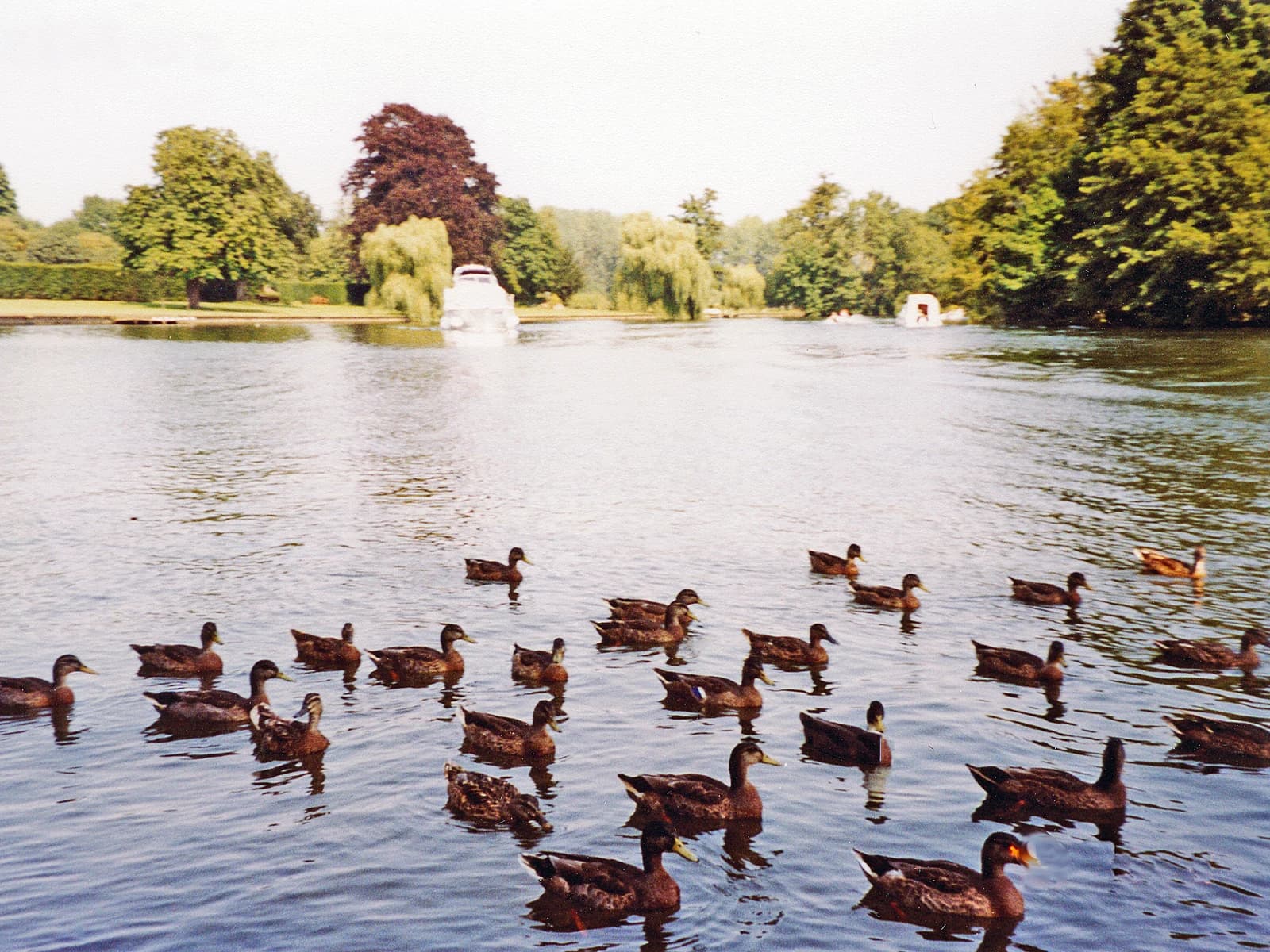
Flint and brick cottages and long garden walls under stained copings, cleaned at low pressure with every route for the rinse water planned near the river.
Learn Moreabout Soft Wash Treatment in MedmenhamHow a soft wash runs
The order is the same anywhere in the county. What changes is the detail at each stage, set by the wall in front of us.
We walk each elevation, identify the material, the coating and the growth, and note what is planted against the wall, then set out the recommended method in a clear quotation.
Borders, lawns, climbers, glazing and painted joinery are covered or wetted down before any solution is mixed, so nothing beside the wall takes up the treatment.
The solution goes on evenly at low pressure across the whole affected area, returns and gables included, rather than only the darkest patches.
The treatment is left to act on the algae, lichen and mould. Once it has done its work, the wall and the planting beside it are rinsed down with care.
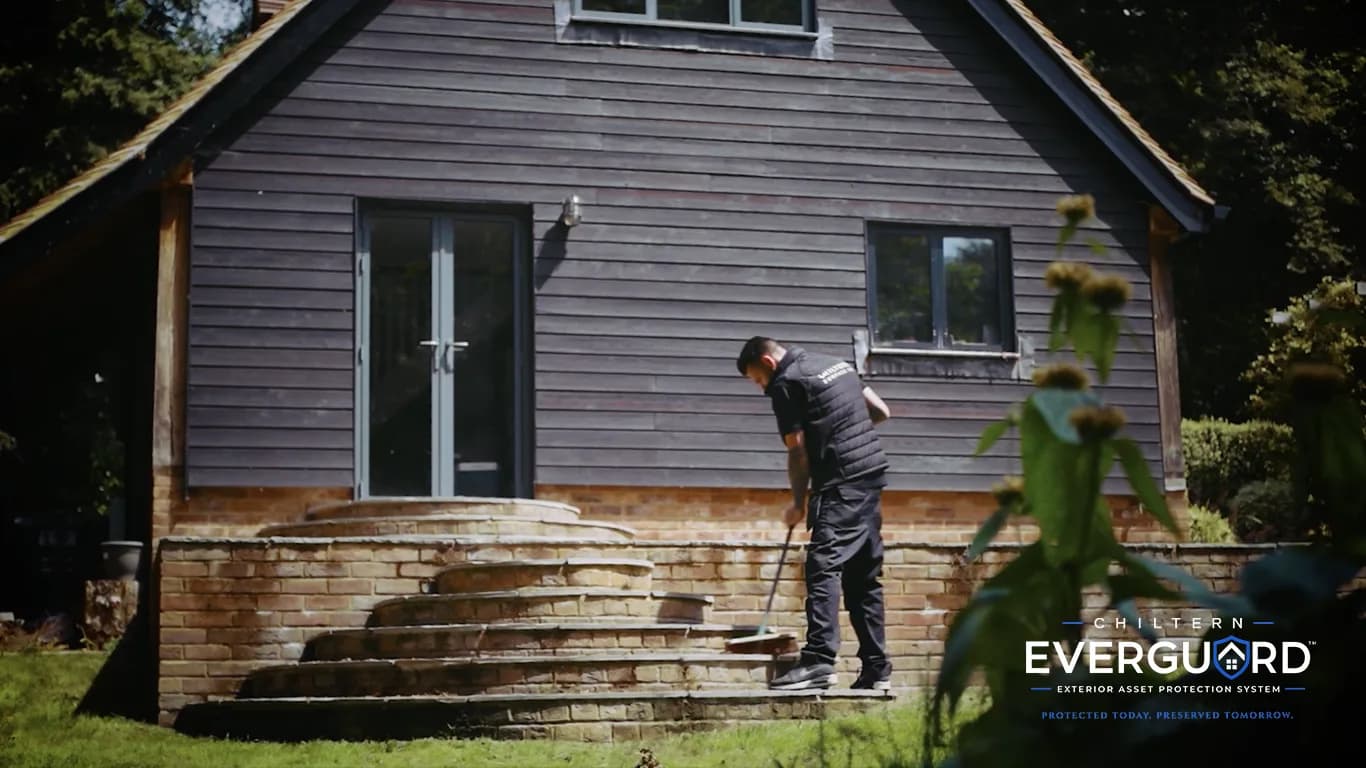
Chiltern EverGuard™ is applied to the clean surface to help reduce regrowth. Protection typically lasts between 12 and 24 months, depending on location, surroundings, surface and maintenance.
Brick cleaning and soft washing in Beaconsfield: black algae and lichen treated on brick retaining walls and copings, then rinsed at low pressure.
Why Chiltern Surface Co
We work from Marlow, at the southern edge of the county, so these valleys, woods and old building materials are ones we deal with routinely.
Flint, lime-pointed brick, painted render and modern cladding each get their own approach, decided at the site visit rather than assumed in advance.
Our work is fully insured, and the care taken around your planting, paintwork and neighbours is built into the time we allow.
If a stain turns out to be salts, a leak or failing paint rather than growth, we tell you, because no amount of cleaning will put that right.
What Clients Say
Thank you to every client who has trusted us with their home. Your reviews mean a great deal to us. We’re proud to be fully insured, certified professionals — delivering proven results with a customer-focused approach on every single project.
5-Star Rated On Google
Questions
Yes. It is the approach we prefer on them. The solution does the cleaning and the rinse is gentle, so the joints are not washed out. We still inspect the pointing first and tell you if any of it is already loose, since cleaning cannot hold failing mortar in place.
Because that side stays wet for longer. An elevation facing north, into trees or towards a hedge may hardly see the winter sun, while the front dries within hours. Algae needs moisture first, so it follows the shade.
Yes. Cleaning is not normally restricted, and our low-pressure method already suits historic fabric. If we find something that would need more than cleaning, such as repointing or re-rendering, that is a matter for you and the local authority, and we will say so plainly.
That depends on where the house sits. After cleaning, Chiltern EverGuard™ helps reduce regrowth, and protection typically lasts between 12 and 24 months. A wall under beech trees on a valley floor tends towards the shorter end; an open, sunny elevation usually stays clear for longer.
Yes. Timber, composite and fibre-cement boards on garages, garden rooms and car ports can be soft washed alongside the house, each with a suitable wetting. Timber that is already soft or split is pointed out rather than cleaned hard.
More from us
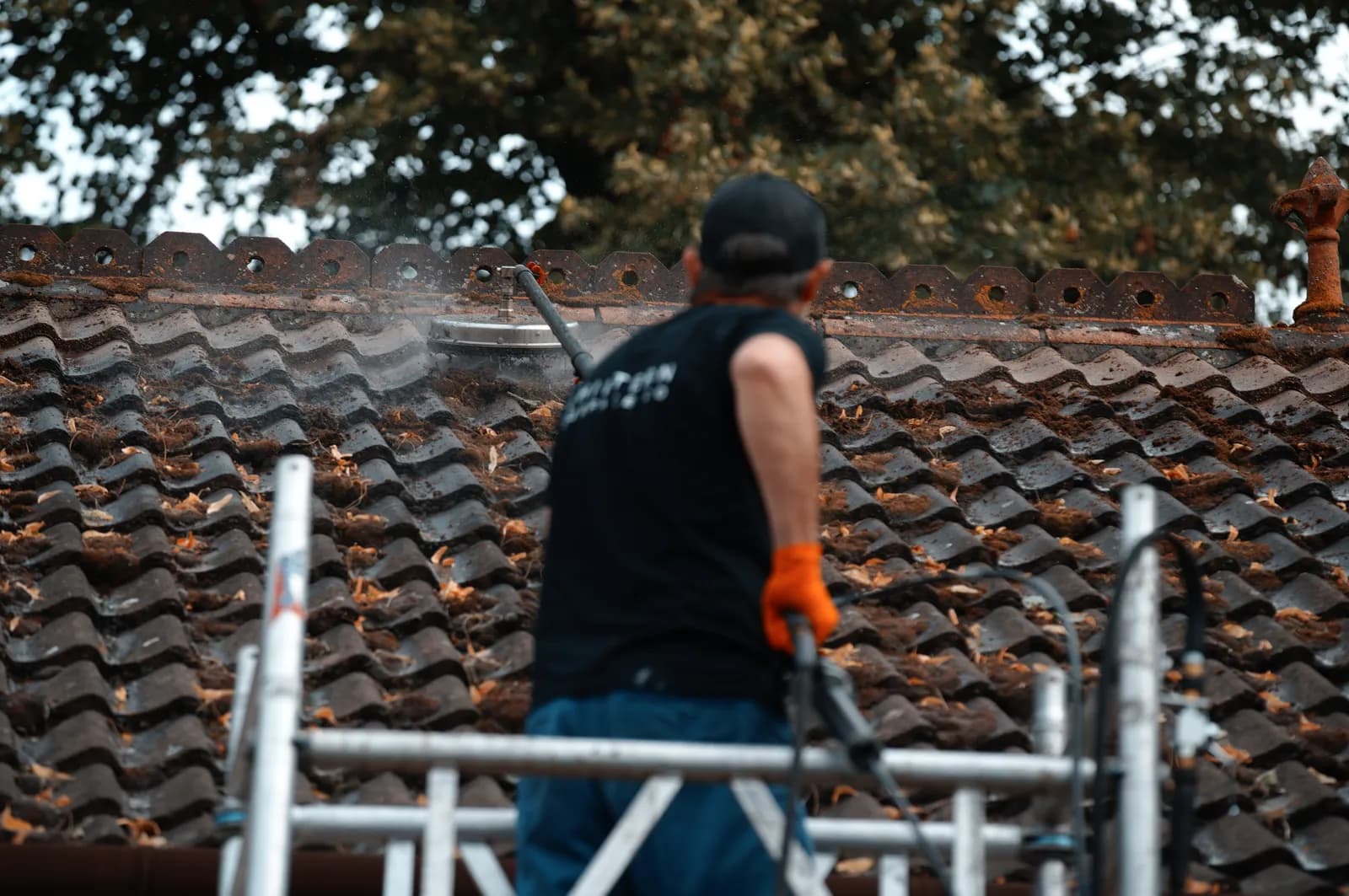
Carefully remove moss, algae and lichens to protect your roof and enhance kerb appeal.
Learn Moreabout Roof Cleaning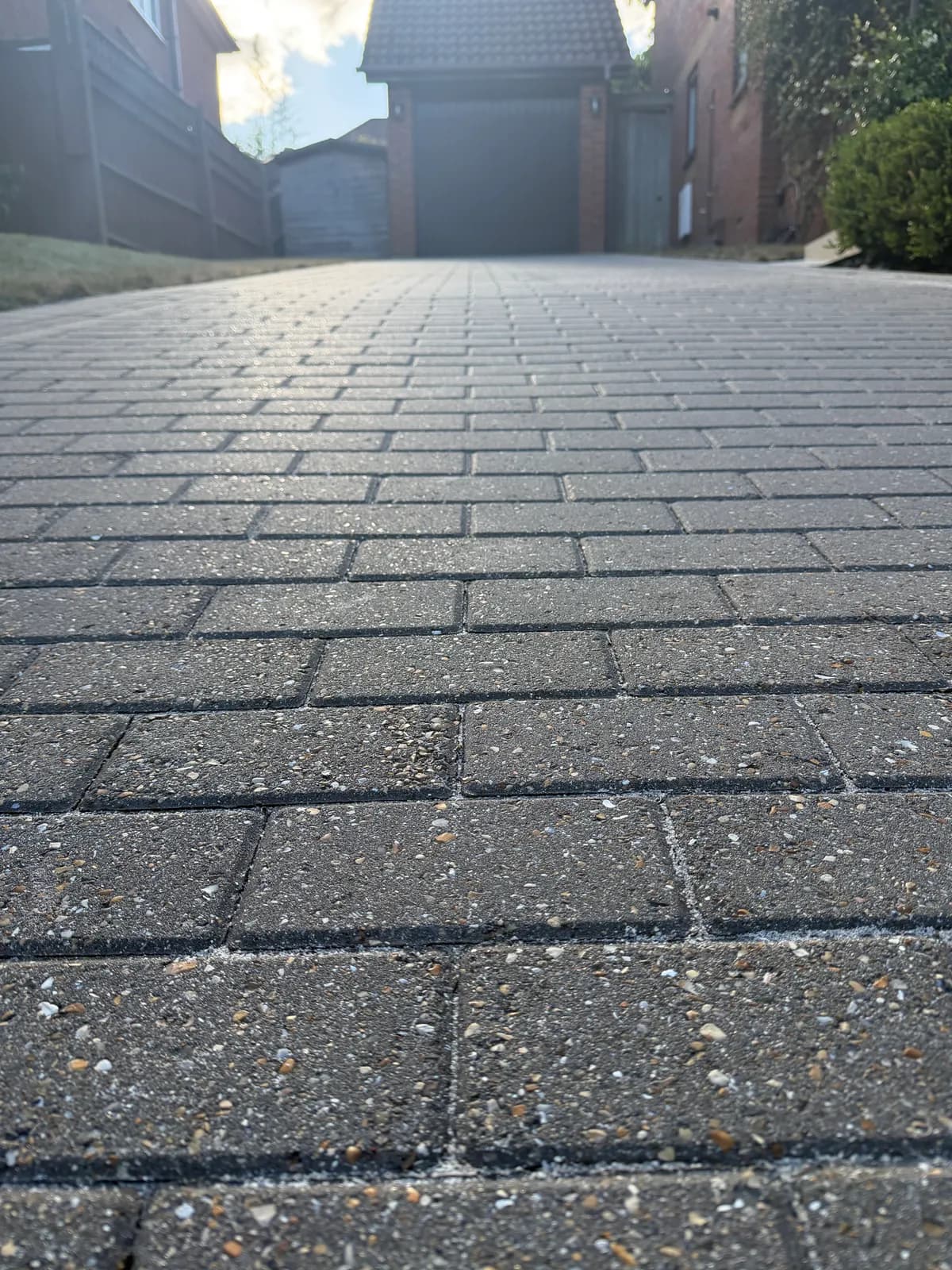
Professional cleaning for block paving, tarmac and resin driveways, restoring colour and removing stains.
Learn Moreabout Driveway Cleaning
Specialist cleaning and restoration for natural stone, porcelain and concrete patios.
Learn Moreabout Patio Cleaning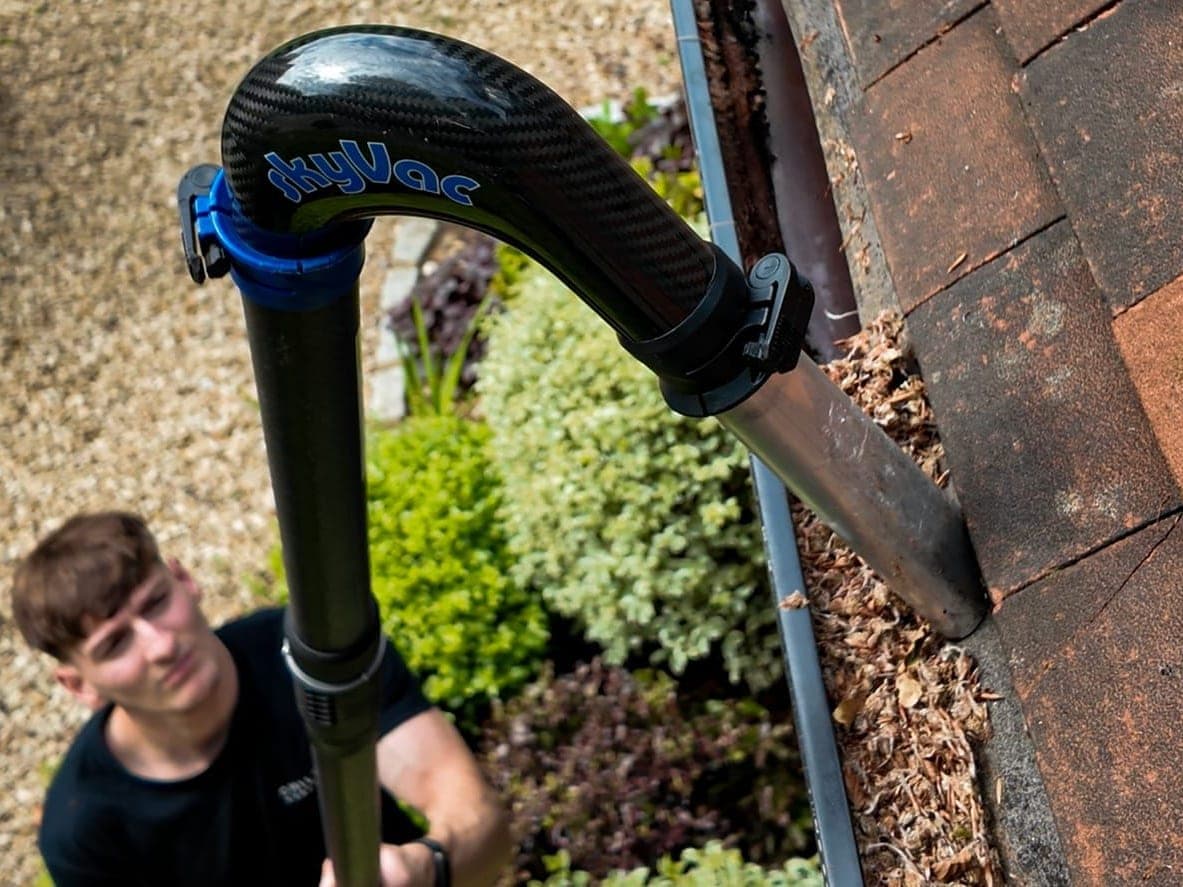
Clear and flush blocked gutters and downpipes to protect your walls, fascias and foundations.
Learn Moreabout Gutter Cleaning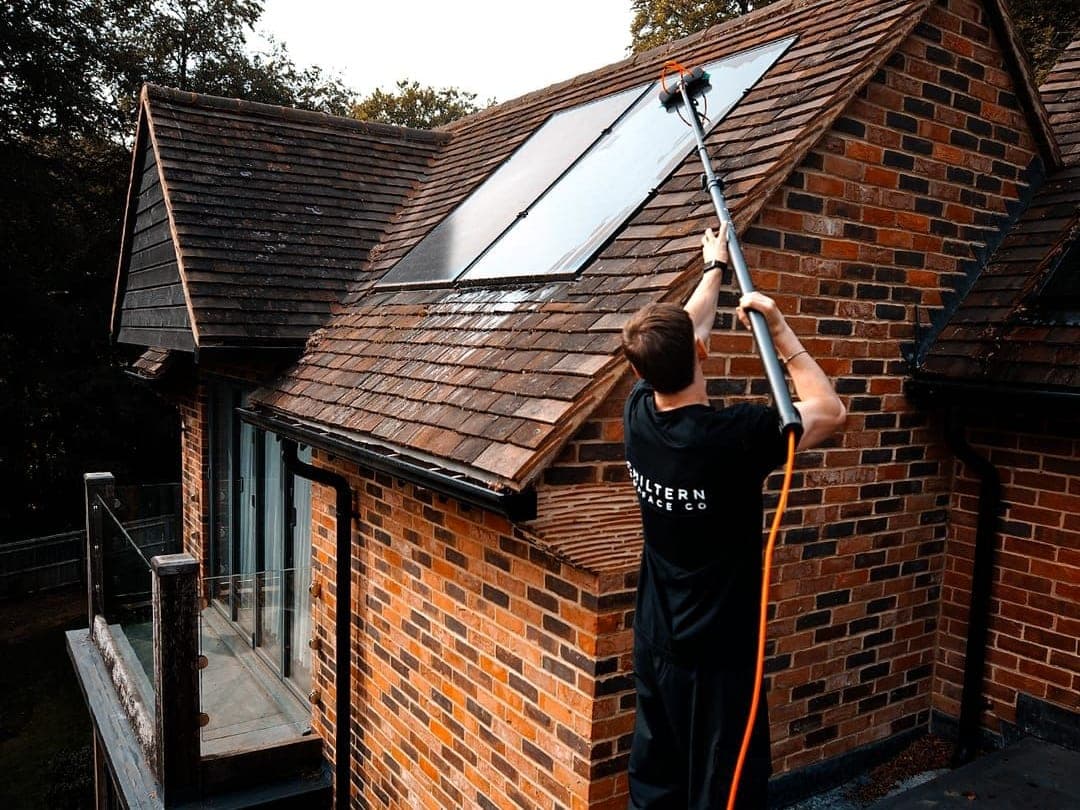
Pure-water cleaning that removes grime and shading to restore your panels' output and efficiency.
Learn Moreabout Solar Panel Cleaning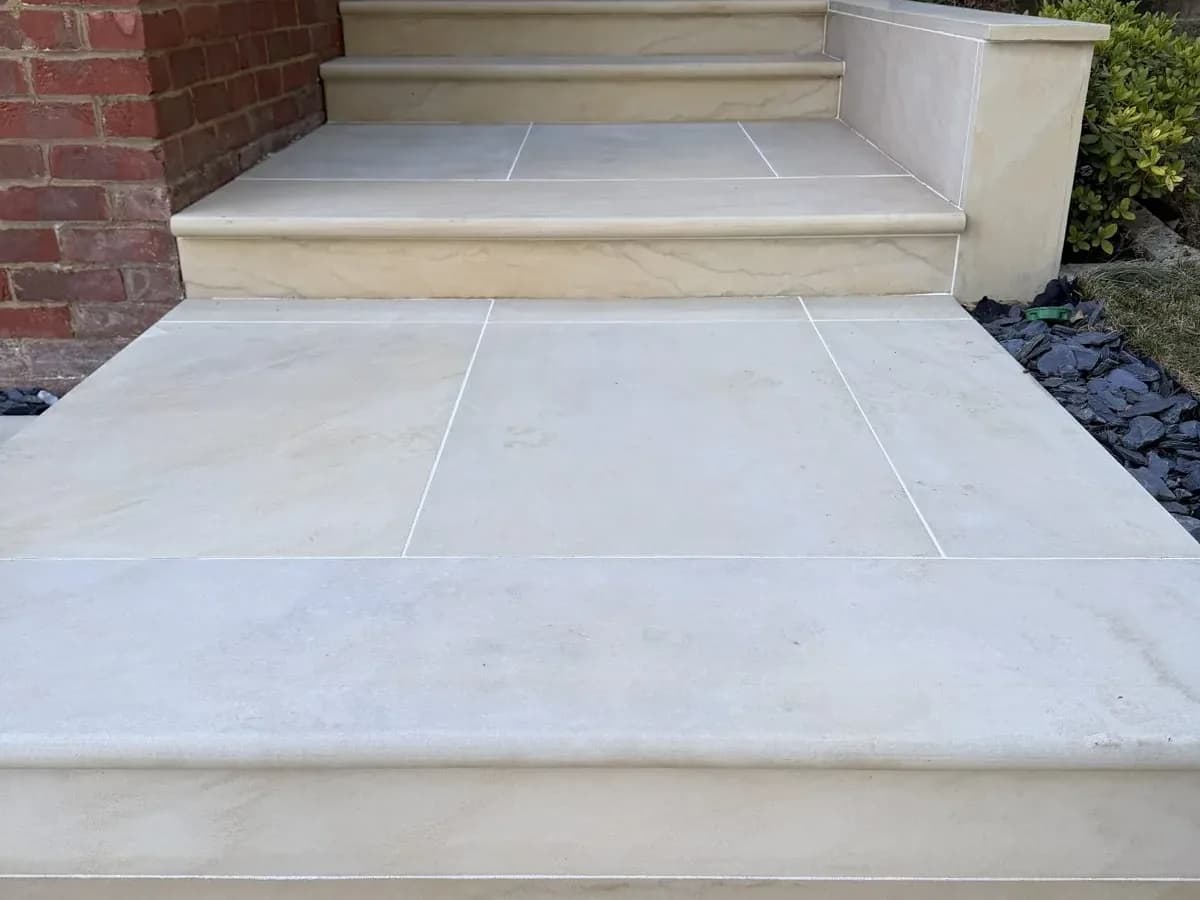
Winter cleaning that removes slippery algae and moss from paths, steps and patios, planned around the forecast.
Soft Wash Treatment in our other counties
Advice
Looking after a commercial building, a managed site or a portfolio? Render and masonry cleaning is handled by our commercial team, surveyed and priced as a specified job.
Chiltern Surface Co
Book a free site visit and we will look at every elevation, explain what is growing and why, and set out the right method in a clear quotation.
We assess your surfaces and recommend the right approach for the best, long-lasting results.
You'll receive a detailed, transparent quote with no hidden extras.
We'll provide honest advice so you can decide what's right for you.
Speak directly with the owner and get expert advice you can trust.