
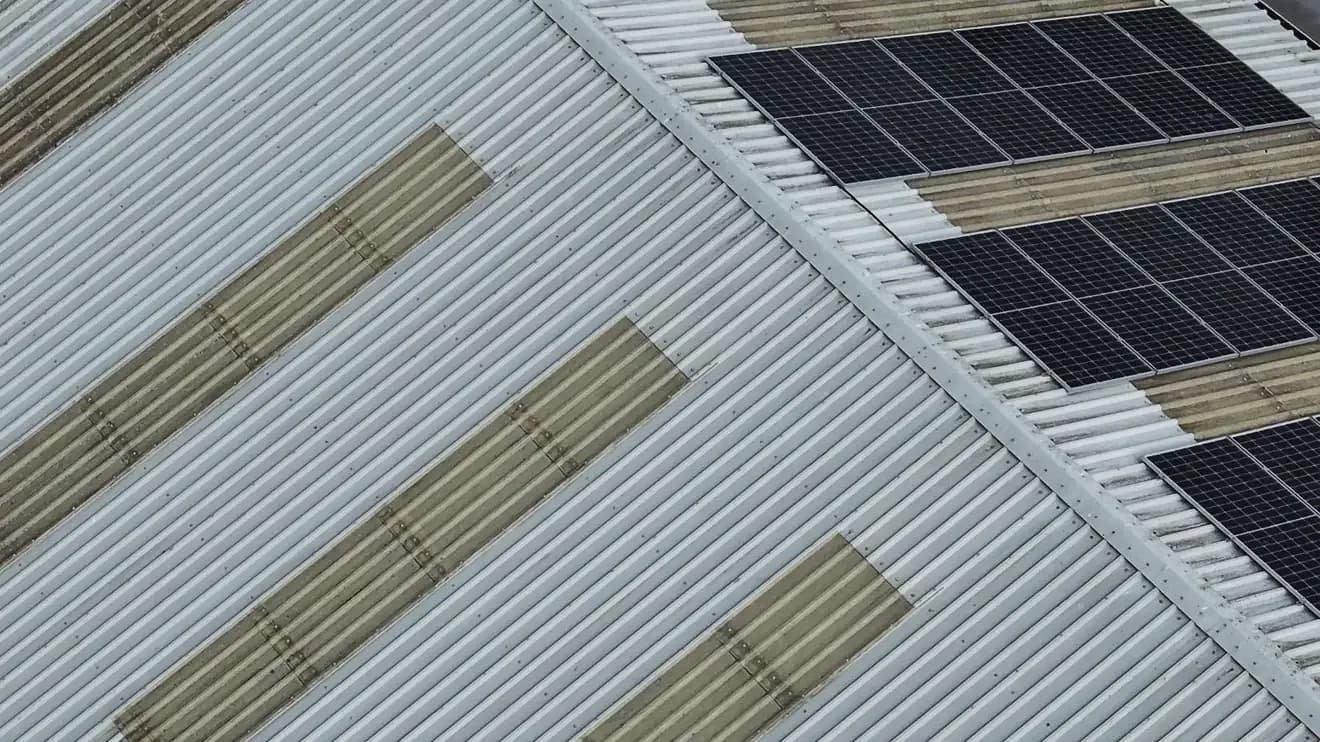
To prepare your roof for solar panel installation, arrange a roof condition check before the solar design is finalised. Complete necessary repairs, confirm structural suitability, clear obstructive growth and agree mounting, cable and access details with the installer.
The aim is to place a long-term solar system over a sound, weatherproof and accessible roof.
Panels can restrict access to tiles, slates, fixings and drainage routes. A minor defect that remains visible today can become awkward and costly to reach after installation. Good preparation gives the roofer and solar installer time to solve those issues in the right order.
Why Does Roof Preparation Matter Before Solar Panels Are Fitted?
Roof preparation reduces the risk of paying to remove and refit panels for avoidable roof work. It also gives the installer a clearer surface for surveying, setting out fixings and planning safe access.
Solar photovoltaic panels have a long working life. Your roof covering, battens, underlay and flashings need enough serviceable life to support that commitment. Matching the expected lives of both systems makes practical and financial sense.
Preparation also clarifies responsibilities. The roofer handles roof condition and repairs. The solar installer handles system design, mounting and electrical work.
How to Check Whether Your Roof Is Ready for Solar Panels
To check whether your roof is ready, assess the covering, supporting structure, remaining lifespan, drainage and proposed fixing zones. A solar quotation based only on aerial imagery cannot reveal every defect.
Inspect the external roof covering
Start with a safe inspection from ground level, an upper window or suitable survey equipment. Do not walk on a roof unless you have the correct access system and training.
Look for slipped, cracked or missing tiles, displaced ridge pieces and failed mortar. Check leadwork around chimneys, valleys and abutments. Sagging lines, uneven areas and daylight through the loft need closer investigation.
Heavy moss can conceal tile edges and small defects. Lichen can obscure the surface condition of individual tiles. Growth does not automatically mean the roof has failed, but dense contamination can limit a reliable inspection.
Inspect the loft and supporting structure
The loft can reveal signs that the outside survey misses. Check rafters, trusses and roof decking for staining, dampness, distortion or previous repairs. Look for damaged underlay and signs of water near chimneys, valleys and vents.
Your solar installer should assess whether the roof structure can carry the proposed system and mounting arrangement. A structural engineer may need to assess unusual spans, historic movement or uncertain alterations. Chiltern Surface Co does not provide structural or solar design approval.
Compare roof life with system life
A sound roof does not need replacement simply because you plan to install solar panels. An ageing roof near the end of its serviceable life deserves a different decision.
Ask a competent roofer for a condition-based opinion rather than relying only on the roof's age. Concrete tiles, clay tiles, natural slate and flat roof membranes age differently. Exposure, workmanship, maintenance and previous repairs also affect remaining life.
Should You Repair or Replace the Roof Before Solar Installation?
Repair defects before installation when local work can provide a dependable roof beneath the planned array. Consider wider renewal when deterioration affects large areas or the covering has limited remaining life.
When local repairs usually make sense
Local repairs suit isolated defects, such as 2 cracked tiles, a slipped slate or failed flashing around one penetration. The roofer should complete repairs before mounting rails restrict the work area.
Ask the roofer to inspect nearby tiles that will carry or surround roof hooks. A tile can appear intact yet remain unsuitable because of cracking, spalling or poor previous cutting. Keep matching replacement tiles available during installation where practical.
When wider roof work deserves consideration
Wider work deserves consideration when the roof shows recurring leaks, widespread tile failure, failing underlay or significant structural movement. Installing panels first can shift the expense rather than solve the roof problem.
For a plain-English explanation of the difference between cleaning, repair, treatment and protection, see roof restoration explained. A site assessment should define the required scope rather than attach a restoration label to every roof.
Coordinate roof and solar warranties
Ask both contractors how their work affects existing and new warranties. Confirm who handles accidental tile damage during installation. Record the agreed repair process and approved replacement materials.
Do not assume one contractor's guarantee covers another contractor's work. Clear responsibilities matter around roof hooks, flashings, penetrations and cable entry points.
How Does the Roof Material Change the Preparation?
To prepare each roof correctly, match the inspection and mounting plan to the roof covering. Clay, concrete, slate and membrane roofs do not tolerate the same access or fixing methods.
| Roof type | Main pre-installation check | Preparation priority |
|---|---|---|
| Concrete or clay tiles | Cracks, movement and spare matching tiles | Repair weak areas and protect tiles during access |
| Natural slate | Delamination, nail sickness and fragile slates | Use a slate-specific fixing and access plan |
| Flat roof membrane | Seams, standing water and remaining warranty | Agree loading, ballast, penetrations and drainage |
Concrete and clay tiles
Check for cracked corners, surface breakdown and movement around valleys or verges. Installers normally need a fixing system designed for the tile profile and roof structure. Poorly placed hooks can place pressure on tiles.
Cleaning must respect the tile condition. Aggressive pressure can disturb weak tiles, drive water beneath overlaps or strip an aged surface. The condition of the covering should determine the method.
Natural slate roofs
Natural slate requires careful access and appropriate fixings. Brittle slates can break under concentrated foot traffic. Older roofs can also suffer nail sickness, where corroded fixings no longer hold slates securely.
Use an installer experienced with slate rather than accepting a generic tiled-roof approach. Ask how the installer will replace damaged slates without leaving vulnerable patch repairs beneath the array.
Flat and low-pitched roofs
Flat roofs need a specific drainage and loading plan. Check the membrane, seams, outlets and areas of standing water before equipment arrives. Confirm whether the design uses ballast, mechanical fixings or another approved system.
Keep outlets and maintenance routes accessible. Panels, frames and ballast must not trap debris or prevent inspection of vulnerable details.
Should You Clean the Roof Before Solar Panel Installation?
Clean the roof before installation when moss, lichen or debris prevents a clear survey, obstructs fixing areas or restricts drainage. A sound, lightly weathered roof does not need cosmetic cleaning simply to receive panels.
When cleaning adds practical value
Cleaning can expose tile edges, laps, cracks and previous repairs. Removing loose moss can also reduce debris around gutters, valleys and future panel edges. The cleaning method must suit the surface and contamination.
If growth covers the proposed array area, arrange cleaning early enough for the roof to dry and receive any repairs. A professional roof cleaning assessment can distinguish removable contamination from signs of material deterioration.
Why aggressive pressure creates unnecessary risk
High pressure is not a universal solution for roof tiles. Excess force can damage fragile surfaces, dislodge components and force water into places normal rainfall does not reach.
A professional method considers tile type, roof pitch, contamination and access. Manual removal and a controlled treatment can suit some roofs better than pressure washing. Protect gutters, downpipes, plants and neighbouring property throughout the work.
Allow time between cleaning and installation
Do not schedule cleaning and panel installation as overlapping jobs. Allow enough time to inspect the cleaned surface, complete repairs and confirm the roof is dry enough for safe access.
Weather changes the programme. Your cleaner, roofer and installer should agree realistic dates rather than work to a fixed sequence regardless of rain, frost or wind.
How to Plan Solar Mounting and Weatherproofing Details
To plan the mounting system, ask the installer to explain where loads transfer into the roof structure and how weatherproofing remains intact. The panels should not rely on roof tiles or slates as structural supports.
Confirm fixing positions before roof work ends
Share the proposed array drawing with the roofer. The drawing should show panel positions, roof hooks or brackets, setbacks and likely cable entry points.
The roofer can then identify weak zones, awkward junctions and details that need attention. Chimneys, valleys, ridges and abutments need enough clearance for weathering and future repair.
Agree how broken tiles will be handled
Even careful installation can reveal or cause breakages on a fragile roof. Agree who supplies matching replacements and who approves repairs before the panels cover the area.
Avoid relying on sealant as a routine substitute for a properly fitted tile, slate or flashing detail. The correct repair depends on the roof system and defect.
Protect drainage paths
Rainwater still needs a clear route around the array. Keep valleys, gutters and outlets free from cables, clips and accumulated debris. Check that panel edges will not concentrate runoff onto a vulnerable junction.
How to Plan Cable Routes, Inverters and Battery Storage
To plan electrical equipment, choose cable routes and equipment positions before scaffolding goes up. Early planning limits visible cabling and avoids rushed penetrations through the roof or walls.
Choose a protected cable route
Ask where direct current cables will enter the building and how the installer will weatherproof the entry. Keep external cables supported, protected and away from gutters or sharp roof edges.
Cable planning should also consider fire safety, isolation and future inspection. The solar installer must design and certify the electrical installation.
Choose accessible equipment positions
Place the inverter and any battery in locations that meet the manufacturer's environmental and clearance requirements. Equipment also needs safe access for servicing and isolation.
Heat, moisture, ventilation, escape routes and cable length can affect the final equipment position.
How to Assess Shade, Orientation and Roof Obstructions
To assess solar exposure, review shading across the whole year rather than judging the roof at midday in summer. Chimneys, trees, dormers and neighbouring buildings can cast longer shadows during winter.
South-facing roofs often provide strong annual output in the UK, but east- and west-facing arrays can still work well. Roof pitch, shading and household electricity use all influence the design.
Do not remove healthy trees or alter roof features before receiving a system forecast. A competent installer can model expected generation and discuss panel-level optimisation where shading affects part of the array.
What UK Permissions and Standards Should You Check?
Ask the solar installer to confirm planning, building and electrical requirements for your property in writing. Rules can differ for listed buildings, conservation areas, flat roofs and unusual panel positions.
Many domestic installations fall within permitted development limits, but permitted development is not universal. Building Regulations still cover matters such as structural safety and electrical work.
Use an appropriately certified installer and check the documents included at handover. The MCS solar installation guidance explains the role of certified products, installers and consumer standards. Your installer should also explain grid notification, warranties and system certification.
How to Coordinate the Roofer, Cleaner and Solar Installer
To coordinate the trades, give one agreed roof-condition record to every contractor. Photographs, repair notes and the array drawing create a shared reference.
The practical sequence normally follows 5 stages: survey, clean where necessary, repair, inspect again, then install. The roof condition can change that order. For example, loose tiles need stabilising before a cleaner accesses the area.
Ask each contractor to state exclusions in writing. The cleaner should not approve structural capacity. The roofer should not approve electrical design. The solar installer should not treat hidden roof defects as somebody else's future problem.
What Should You Ask Before Accepting a Solar Quote?
Ask questions that reveal how the installer will protect the roof, not only how much electricity the system should generate. Clear answers make quotations easier to compare.
Ask who checks structural suitability, what mounting system suits the covering and how damaged tiles will be replaced. Confirm panel positions, access routes, scaffolding, cable entry details and responsibility for weatherproofing.
Request a realistic generation estimate that accounts for orientation and shading. Check equipment warranties, workmanship cover, monitoring, grid paperwork and handover documents. Ask how panels can be removed if the roof later needs repair.
How to Prepare the Property for Installation Day
To prepare the property, clear access for scaffolding, deliveries and electrical work. Move vehicles, garden furniture and fragile items away from working areas.
Give the installer access to the loft, consumer unit, meter position and agreed equipment locations. Tell the team about hidden services, fragile extensions, ponds and restricted side passages.
Protect gutters and ground surfaces from roof debris. Agree who will remove broken tiles, packaging and fixings. Check the weather forecast, but let the contractors decide whether roof conditions remain safe.
How to Protect Future Roof and Panel Maintenance
To protect future access, keep gutters, valleys, rooflights and service routes reachable after the array is fitted. A packed layout can maximise panel count while making maintenance unnecessarily difficult.
Ask for photographs of fixings and cable routes before panels conceal the work. Keep the array plan, electrical diagram, warranties and roof repair record together.
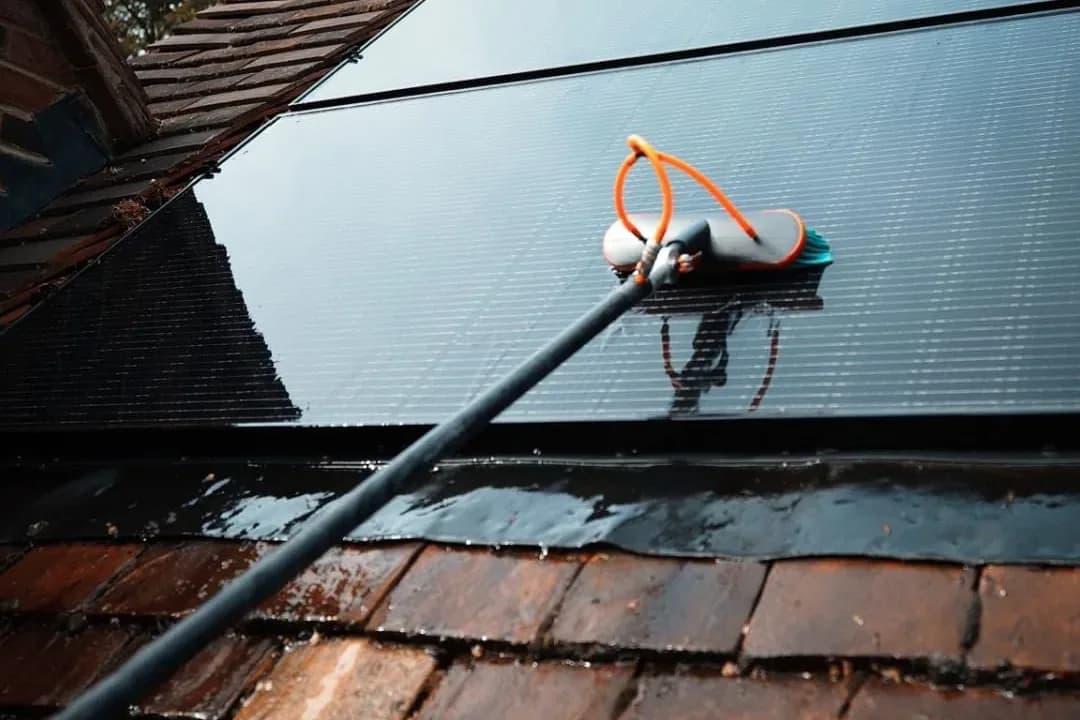
Solar panels usually need limited routine attention, but surrounding trees, birds and local conditions can increase soiling. If output falls or visible contamination develops, arrange a condition-led check. Professional solar panel cleaning should use suitable access and purified water rather than abrasive chemicals or high pressure.
Prepare the Roof Before the Panels Limit Access
A suitable solar roof is sound, weatherproof, structurally appropriate and practical to maintain. Preparation should address genuine defects without selling unnecessary cleaning or wholesale replacement.
Chiltern Surface Co can assess roof contamination and surface condition before the solar installation programme begins. Arrange a Free Site Assessment for calm, surface-specific advice on cleaning and restoration; your solar installer should handle system design, structural approval and electrical certification.
Frequently asked questions
Does a roof need cleaning before solar panels are installed?
No, not automatically. Clean the roof when growth or debris obstructs inspection, fixing areas or drainage. Cosmetic weathering alone does not prevent installation.
Should I replace an old roof before installing solar panels?
Replace or renew the roof when its condition and remaining life do not support the planned system. A competent roofer should assess the covering before installation.
Can solar panels go over mossy roof tiles?
Panels can only follow a proper condition assessment. Dense moss can conceal defects, obstruct mounting work and add debris around gutters, so removal often makes sense first.
Who checks whether the roof can carry solar panels?
The solar installer must confirm structural suitability within the system design. A structural engineer may need to assess unusual, altered or visibly distorted roofs.
How long should I leave between roof work and solar installation?
Leave enough time for cleaning, drying, repairs and a final inspection. The correct interval depends on the treatment, roof material and weather.