
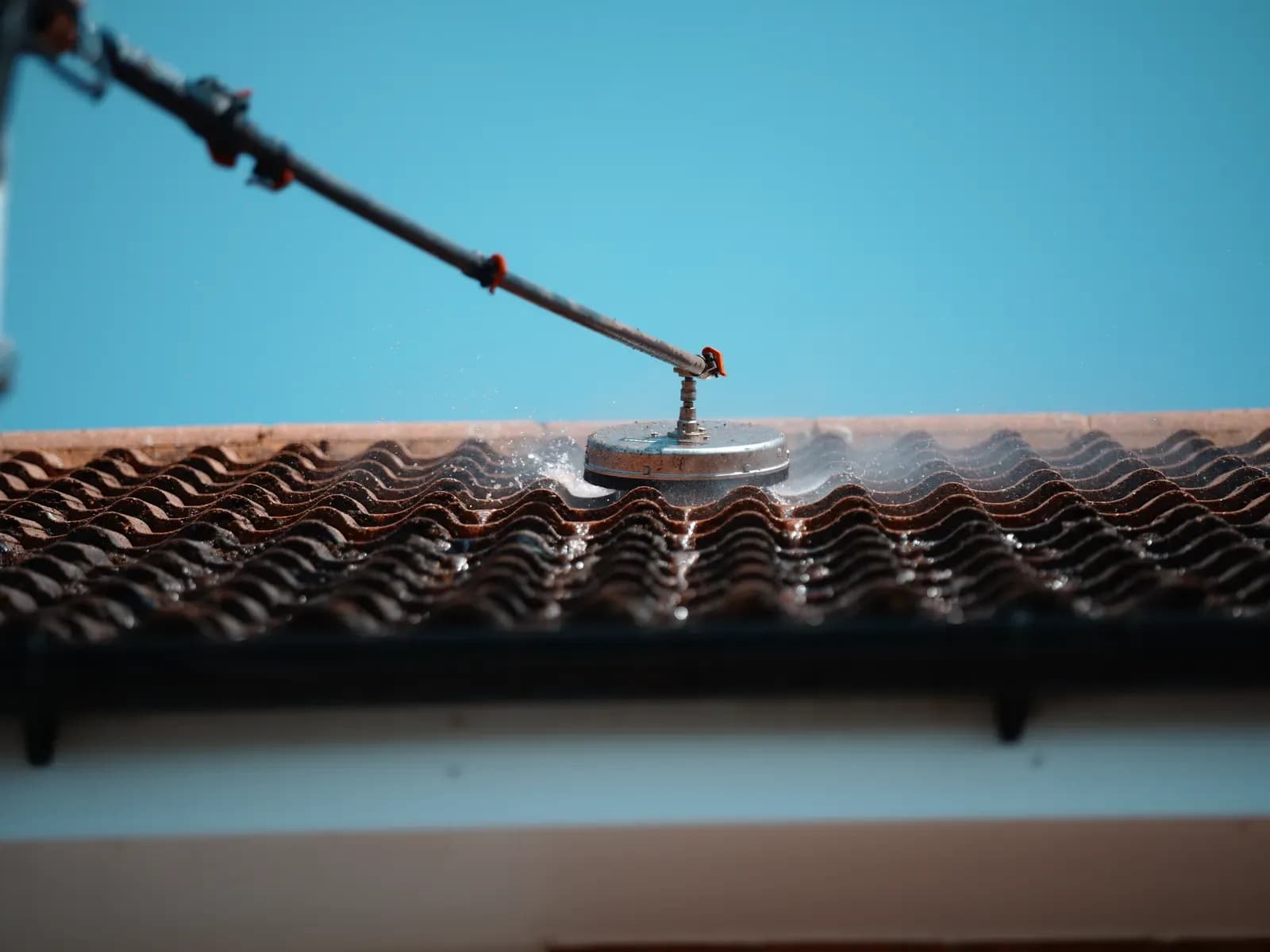
What Does Roof Restoration Include?
Roof restoration includes inspection, safe access planning, moss removal, surface-safe cleaning, gutter clearing, treatment and aftercare. The answer to what does roof restoration include also depends on whether you need cleaning-led restoration or structural roofing repairs. Chiltern Surface Co provides cleaning-led roof restoration, soft washing and treatment for suitable tiled and slate roofs. A roofing contractor handles broken rafters, failed felt, ridge repairs, flashing defects and full roof replacement.
What Does Roof Restoration Include for a Typical UK Home?
What does roof restoration include for a typical UK home depends on the roof material, age, access and organic growth. A cleaning-led service normally includes assessment, manual moss removal, careful washing, gutter clearing, treatment and aftercare advice. A structural roofing service includes repair work, such as tile replacement, ridge repointing, flashing repairs and leak investigation. You need the correct service type before booking work.
Cleaning-Led Roof Restoration
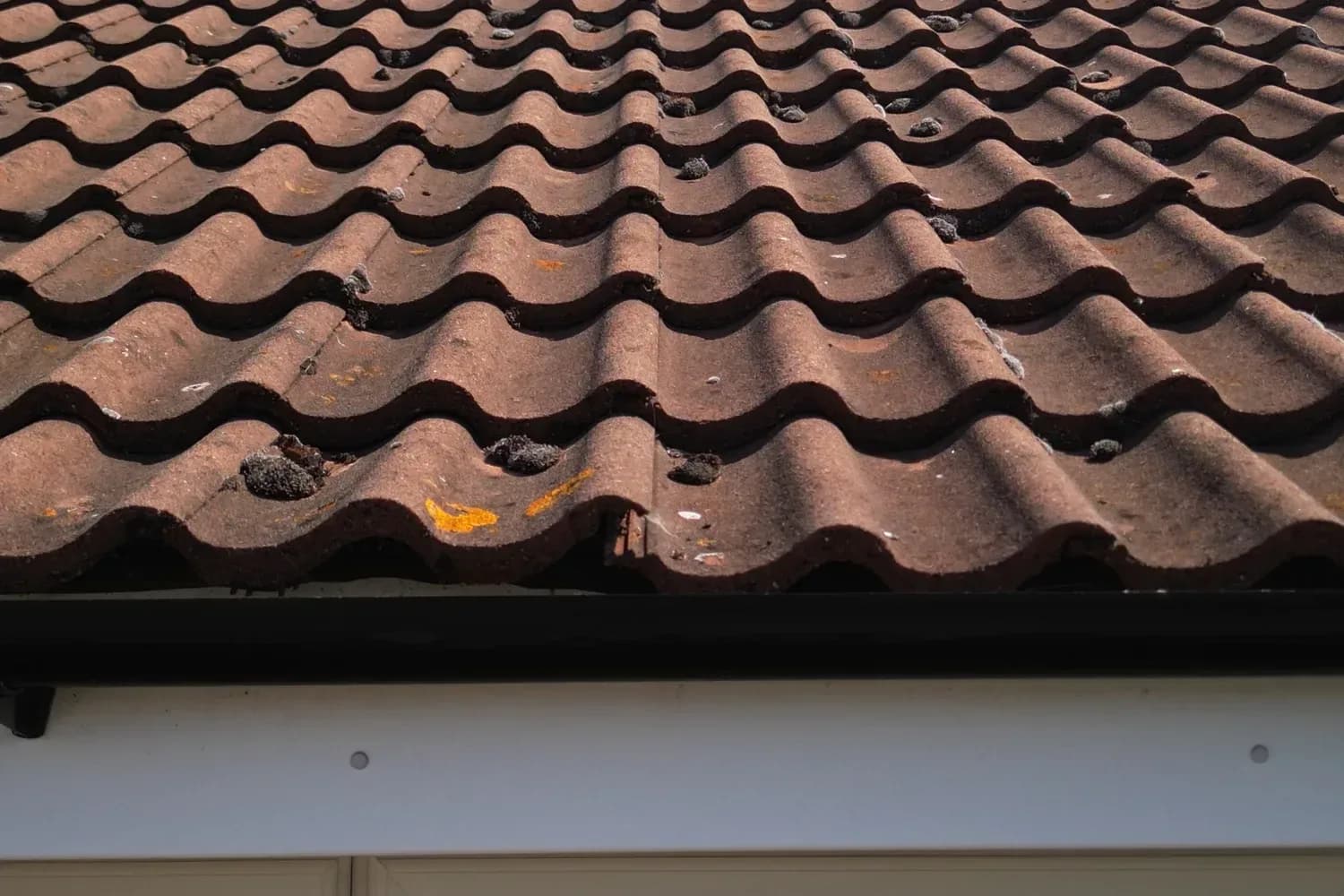
Cleaning-led restoration targets visible growth, staining, blocked gutters and surface contamination. The process suits many clay tiles, concrete tiles, cement tiles and natural slate roofs. The service improves appearance, drainage and roof inspection visibility.
Structural Roof Restoration
Structural restoration targets physical defects, water entry and failed roofing details. Examples include slipped tiles, cracked tiles, loose ridge tiles, damaged flashing and rotten battens. A qualified roofer should complete those repairs before cleaning or treatment.
Replacement-Level Roof Work
Replacement work suits widespread failure, major leaks and expired roof systems. A full reroof can include felt, battens, tiles, ridges, valleys, flashing and insulation checks. Cleaning cannot correct a failing roof structure.
What Does Roof Restoration Include During the First Assessment?
What does roof restoration include during the first assessment starts with a safe ground-level inspection. The assessor reviews material, moss coverage, access, roof pitch, gutters, downpipes and surrounding surfaces. Photos help with early screening, but a site visit gives a stronger recommendation. Chiltern Surface Co uses a surface-specific cleaning approach before selecting pressure, soft washing or biocide treatment.
Roof Material Identification
The assessor identifies clay tile, concrete tile, cement tile or slate before selecting a method. Each material reacts differently to water pressure, treatment products and foot traffic. Older surfaces need slower, gentler work.
Access and Height Review
The assessor checks ladders, scaffold towers, roof ladders, conservatories, extensions and narrow side paths. Safe access affects time, cost and method. A 2-storey roof above 18 feet (5.5m) needs careful access planning.
Existing Damage Review
The assessor looks for cracked tiles, slipped tiles, failed mortar, loose flashing and blocked gutters. Cleaning can expose hidden defects, but cleaning does not repair structural problems. Report damage before treatment starts.
What Does Roof Restoration Include Before Cleaning Starts?
What does roof restoration include before cleaning starts covers preparation, protection and safety checks. A good team protects nearby plants, windows, patios, driveways, render and painted surfaces. Preparation reduces runoff problems and protects the rest of your property.
Property Protection
Cover delicate planting, garden furniture, water features and low-level electrics where suitable. Move cars, bins, planters and fragile items from the work zone. Keep pets and children away from the cleaning area.
Gutter and Downpipe Checks
Check gutters before roof work because loose moss moves into drainage channels. Blocked gutters can overflow and stain walls. Downpipes need free flow before final rinsing.
Weather and Timing Checks
Choose suitable weather for washing, treatment and drying. Heavy rain dilutes treatment and strong sun dries products too quickly. Wind control protects neighbouring surfaces and garden areas.
What Does Roof Restoration Include for Moss Removal?
What does roof restoration include for moss removal usually starts with controlled manual removal. Manual scraping removes thick growth before treatment reaches the remaining spores. The process protects roof tiles better than aggressive blasting on delicate surfaces.
Manual Scraping
Specialist tools follow the tile profile and lift moss from laps, edges and valleys. Workers collect loose moss instead of pushing debris into gutters. A careful approach protects tile faces and roof coatings.
Valley and Edge Clearing
Valleys, verges, lower courses and shaded sides collect heavy moss. These areas need slower work because debris gathers around drainage paths. Clearing valleys helps rainwater move correctly.
Debris Collection
Collected debris needs bagging, removal and ground-level cleanup. Moss left on paths, patios or driveways creates slip risk. A tidy-down forms part of a professional cleaning-led restoration.
What Does Roof Restoration Include for Washing and Treatment?
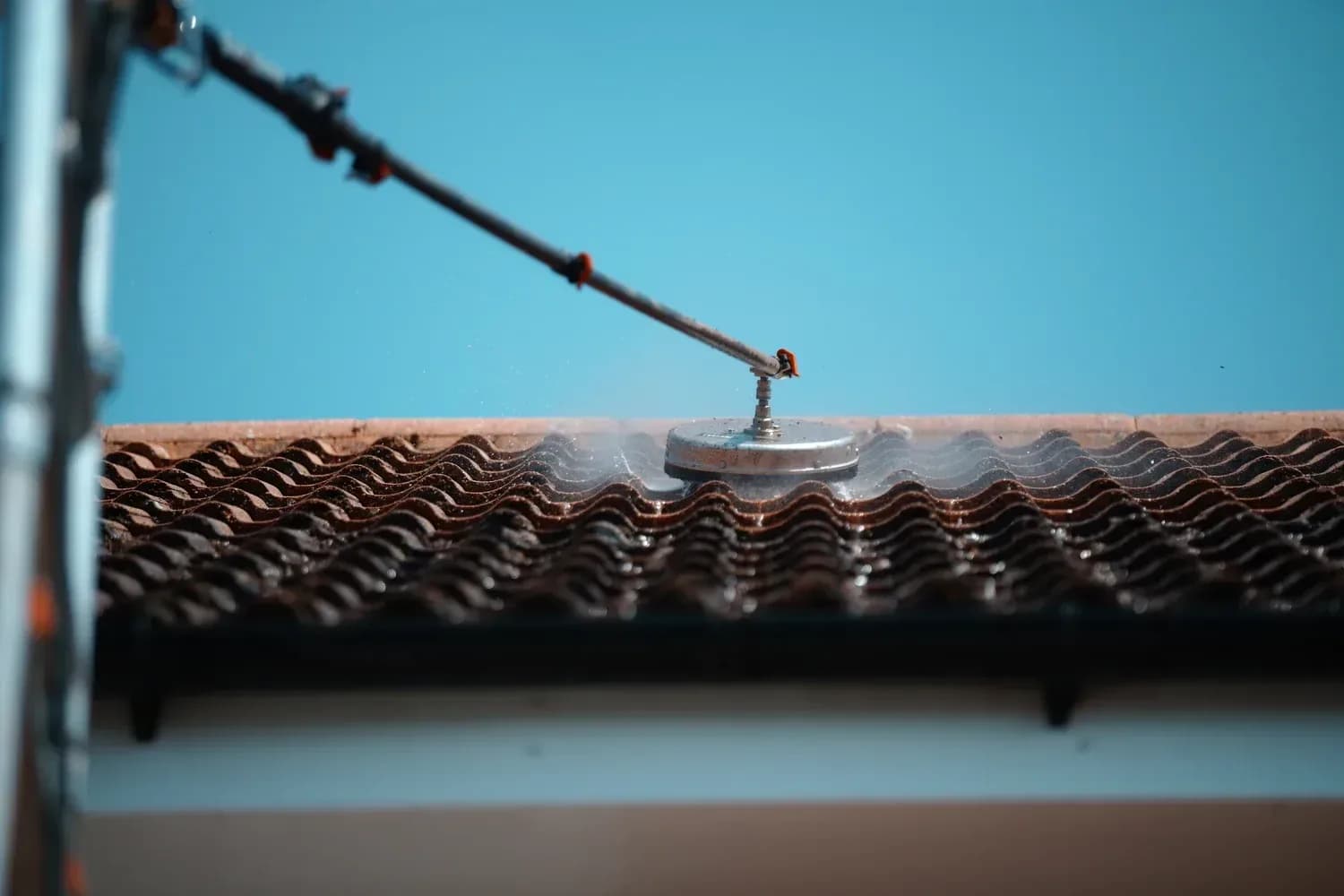
What does roof restoration include for washing and treatment depends on surface condition and roof material. Low-pressure cleaning and soft washing remove organic staining without relying on harsh force. Biocide treatment targets remaining algae, lichen and moss spores. Chiltern Surface Co avoids aggressive high-pressure cleaning where pressure risks tile damage.
Low-Pressure Cleaning
Low-pressure cleaning suits many delicate roof materials after assessment. The method uses controlled water flow rather than maximum force. The operator works in measured sections to avoid disturbing tiles.
Soft Wash Treatment
Soft washing uses specialist treatment to break down biological growth. The process works on algae, moss, lichen and general organic build-up. Treatment results continue improving as weather helps release dead growth.
Biocide Aftercare
Biocide treatment slows organic regrowth on shaded or damp roofs. Common growth includes moss, algae and lichen. Treatment life depends on shade, trees, drainage, airflow and roof material.
What Does Roof Restoration Include for Gutters and Drainage?
What does roof restoration include for gutters and drainage should include debris clearance after roof cleaning. Roof work dislodges moss, silt, leaves and tile grit. Gutters and downpipes need checking before the team leaves.
Gutter Clearing
Clear gutters of moss, leaves, twigs and granular debris. A blocked gutter can overflow during heavy rain. Overflow can stain walls, soak brickwork and affect ground drainage.
Downpipe Testing
Flush downpipes with controlled water where access allows. Listen for restricted flow and watch outlets during rinsing. A hidden blockage can undermine the benefit of roof cleaning.
Runoff Control
Control dirty water near patios, driveways, beds and surface drains. Collect heavy debris instead of pushing organic waste into drainage systems. Rinse vulnerable surfaces after the roof cleaning work finishes.
What Does Roof Restoration Include for Repairs?
What does roof restoration include for repairs depends on the provider and service scope. Cleaning specialists usually identify defects and clean suitable roofs. Roofing contractors repair structural faults, leaks, flashings, ridge details and underlay issues.
Minor Defect Reporting
A cleaning team can report visible cracks, slipped tiles, loose mortar and damaged gutters. The report helps you arrange roofing work before further deterioration. Photographs give useful evidence for quotations.
Tile and Ridge Work
Tile replacement, ridge rebedding and ridge repointing require roofing skills. These repairs involve access planning, matching materials and weatherproof detailing. Complete required repairs before coating or treatment.
Flashing and Leak Work
Lead flashing, roof valleys, chimney details and roof windows cause many leak points. A roofer should investigate water entry, internal staining and damp loft timbers. Cleaning should not hide active roof defects.
What Does Roof Restoration Include for Different Roof Materials?
What does roof restoration include changes across clay, concrete, cement and slate roofs. Material choice determines water pressure, tools, dwell time and aftercare. A single method cannot protect every surface.
Clay Tiles
Clay tiles can become brittle with age and frost exposure. A gentle cleaning process protects tile edges, faces and laps. Aggressive pressure can chip surfaces and dislodge fragile units.
Concrete and Cement Tiles
Concrete and cement tiles often tolerate controlled cleaning when the surface remains sound. Weathered tiles still need careful pressure and compatible treatment. Surface wear increases the need for assessment before work starts.
Natural Slate
Natural slate needs careful access, low-pressure treatment and minimal disturbance. Thin or delaminating slates can crack under foot traffic. Slate roofs need a cautious service plan.
Quick Reference: What Roof Restoration Includes
| Task | Typical Timing | Method | Difficulty |
|---|---|---|---|
| Roof assessment | 30-60 minutes | Material, condition and access review | Moderate |
| Access planning | 15-45 minutes | Ladders, towers or scaffold checks | High |
| Manual moss removal | 2-8 hours | Profile-matched scraping and collection | High |
| Low-pressure cleaning | 2-6 hours | Controlled washing or soft wash method | High |
| Biocide treatment | 30-90 minutes | Spray application after preparation | Moderate |
| Gutter clearing | 30-120 minutes | Debris removal and flow check | Moderate |
| Defect reporting | 15-45 minutes | Photos and written observations | Moderate |
| Aftercare advice | 10-20 minutes | Maintenance plan and regrowth guidance | Easy |
What Does Roof Restoration Include After the Main Clean?
What does roof restoration include after the main clean covers final checks, cleanup and aftercare advice. A clean roof still needs drainage checks and realistic expectations. Organic staining can continue fading after treatment.
Final Surface Check
Inspect visible elevations, valleys, ridges, lower courses and shaded sections. Check for remaining heavy moss and areas needing second treatment. Record defects that appeared after cleaning.
Ground-Level Cleanup
Rinse windows, paths, patios and driveways affected by debris. Collect moss bags and loose waste. Leave access routes safe for normal use.
Maintenance Advice
Cut back overhanging branches where safe and legal. Keep gutters clear after autumn leaf fall. Review shaded roofs every 12 months.
What does roof restoration include in a written aftercare plan? A written plan should list 3 areas: gutters, shaded roof slopes and visible tile defects. Check gutters after heavy leaf fall, after storms and before winter. Book follow-up treatment when moss, algae or lichen returns across broad shaded sections.
What does roof restoration include in a clear quote? A clear quote should name the roof material, cleaning method, treatment type, access plan, waste removal and exclusions. The quote should separate cleaning from roofing repairs, such as tile replacement, flashing work and ridge repointing. This scope helps you compare services fairly.
What does roof restoration include in final documentation? Final documentation should list 4 items: method, treatment, visible defects and aftercare. Keep before-and-after photos with the quote and invoice. These records help you track regrowth, gutter performance and future repair needs.
What does roof restoration include for long-term planning? Long-term planning should set 3 review points: spring, autumn and after major storms. Check moss return, gutter overflow and slipped tiles during each review. Early action keeps cleaning work from becoming a larger repair decision.
What does roof restoration include for shaded properties? Shaded properties need closer checks around north-facing slopes, valleys and tree lines. Those sections stay damp longer and collect more organic growth. A planned treatment schedule supports cleaner tiles and better drainage.
What Does Roof Restoration Not Include?
What does roof restoration include becomes clearer when you know the exclusions. Cleaning-led roof restoration does not include structural roofing work unless the quote states repair services. A clear scope protects your budget and expectations.
Full Roof Replacement
Full roof replacement includes stripping tiles, replacing underlay, fitting battens and reinstalling roof coverings. Cleaning-led restoration does not include those construction works. Major water entry needs roofing investigation.
Structural Timber Repair
Rafters, purlins, battens and decking sit beneath the visible roof covering. A roofer or surveyor should assess timber decay and structural movement. Surface cleaning cannot restore rotten timber.
Guaranteed Perfect Colour
Cleaning improves appearance, but age and weathering affect final colour. Old staining, mineral marks and surface erosion can remain visible. Chiltern Surface Co explains realistic outcomes through roof cleaning questions before work begins.
Is Roof Restoration Safer Than DIY Roof Cleaning?
Yes, professional roof restoration is safer than DIY roof cleaning for most homeowners. Roof work involves height, fragile surfaces, wet tiles, chemicals and access equipment. The Health and Safety Executive treats roof work as highly dangerous and requires proper planning.
Height Risk
Falls from roof edges and openings cause serious injuries. Wet tiles increase slip risk during cleaning. A few minutes on a roof still requires precautions.
Fragile Surface Risk
Treat roof surfaces as fragile unless a competent person confirms load capacity. Rooflights, old sheets and worn tiles create hidden hazards. A surface can fail without warning.
Chemical and Runoff Risk
Cleaning products need correct handling, dilution, storage and disposal. Runoff can affect plants, lawns, ponds, paintwork and drains. Professional planning reduces avoidable property damage.
When Should You Choose Roof Cleaning Instead of Roof Replacement?
Choose cleaning-led restoration when the roof remains structurally sound and suffers from moss, algae, lichen or staining. Choose roofing repairs when cracked tiles, slipped details, leaks or failed mortar affect performance. Choose replacement when the roof system has widespread failure.
Signs Cleaning Makes Sense
Cleaning makes sense for stable tiles, blocked gutters, surface growth and weather staining. A proper clean can improve drainage and reveal repair needs. Treatment can slow new organic growth.
Signs Repairs Come First
Repairs come first for active leaks, missing tiles, loose ridges and damaged flashing. Cleaning before urgent repair work can waste money. A roof should be watertight before cosmetic improvement.
Signs Replacement Makes Sense
Replacement makes sense for widespread leaks, failed underlay, severe settlement and repeated repair failure. A cleaning service cannot extend a roof beyond structural limits. Ask a roofer for replacement-level advice.
Book a Roof Restoration Assessment
The answer to what does roof restoration include depends on the roof material, condition, access, moss growth and repair needs. Chiltern Surface Co provides cleaning-led assessment, moss removal, soft washing, biocide treatment, gutter clearing and aftercare. Book a free site visit for professional roof cleaning across Buckinghamshire, Berkshire and Oxfordshire. You will receive a clear recommendation, realistic expectations and a suitable cleaning plan for your roof.
Frequently asked questions
Does roof restoration include cleaning?
Yes. Cleaning-led roof restoration includes moss removal, surface-safe cleaning, gutter clearing and treatment where suitable. Structural restoration adds repairs when a roofing contractor specifies those works.
Does roof restoration include replacing broken tiles?
No, not always. Cleaning specialists can identify broken tiles, but roofers usually replace damaged tiles. Check the written quote before booking.
Does roof restoration include gutter clearing?
Yes, a complete cleaning-led service should check gutters. Roof debris often drops into gutters during moss removal and washing.
Does roof restoration include pressure washing?
No, not always. Many roofs need manual removal, soft washing or low-pressure cleaning instead. High pressure can damage older or delicate materials.
Does roof restoration stop moss returning?
No, not permanently. Biocide treatment slows regrowth, but shade, trees, dampness and airflow affect future growth. Regular maintenance keeps results stronger.