
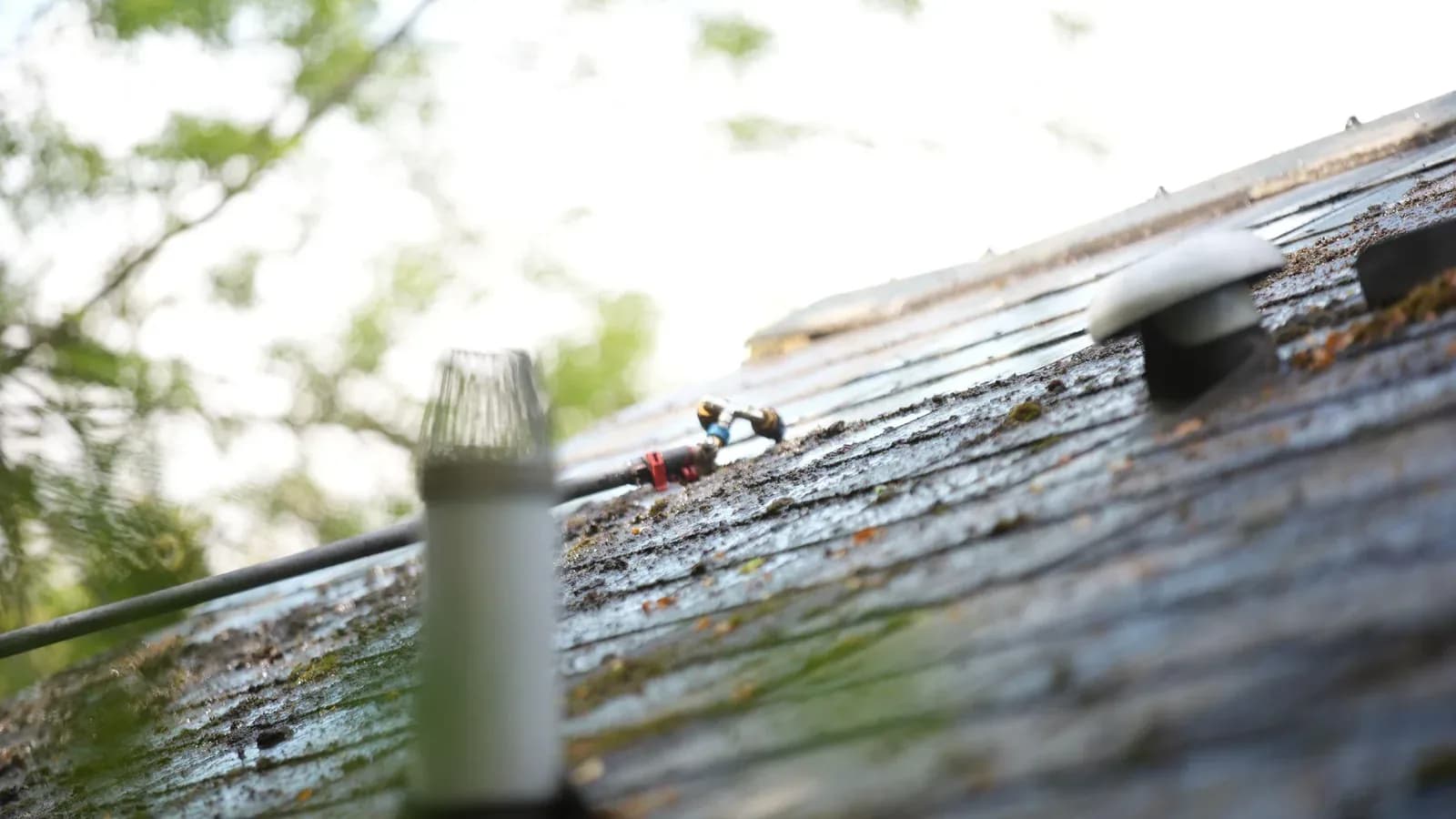
Roof cleaning can be a good idea before selling when heavy moss, algae or staining makes the property look poorly maintained. However, cleaning offers limited value when the roof already looks presentable, needs repairs or requires an unsuitable cleaning method.
The decision should depend on the roof’s material, condition, visible growth and prominence in the marketing photographs. A clean roof can improve presentation, but it cannot repair cracked tiles, failed flashing or structural movement.
The aim should not be to make an old roof appear new. The sensible aim is to present the property honestly, remove distracting contamination and prevent avoidable concerns during viewings.
Does Roof Cleaning Help When Selling a House?
Roof cleaning can support a house sale by improving kerb appeal, listing photographs and buyer confidence. The benefit often comes from changing how buyers perceive the property rather than adding a fixed amount to its valuation.
Buyers usually form an early impression from the front elevation. A heavily moss-covered roof can make an otherwise tidy property look neglected. Some buyers then assume that other maintenance has also been postponed.
A cleaner roof creates a more cared-for appearance. That improvement can help buyers concentrate on the property rather than wondering whether the roof needs immediate work.
However, no responsible contractor can promise that roof cleaning will increase the selling price by a particular amount. Property value depends on location, condition, demand, presentation and comparable sales.
Roof cleaning should therefore form part of a wider preparation plan. Clean gutters, sound pointing, tidy paths and an orderly entrance often matter alongside the roof.
When Is Roof Cleaning a Good Idea Before Selling Your House?
Roof cleaning becomes worth considering when contamination noticeably affects the property’s appearance or drainage. The strongest case usually involves heavy moss, obvious staining or material falling into the gutters.
Heavy moss dominates the front elevation
Dense moss can change the colour and texture of the roof. Large clumps also create dark shadows that become particularly noticeable in professional property photographs.
A buyer cannot assess the tiles easily when thick growth covers much of the surface. Removing the moss allows the roof covering to become visible again.
Cleaning also helps distinguish biological growth from genuine roofing defects. Buyers can see the roof more clearly, although a qualified roofer should assess any suspected damage.
Moss keeps falling into gutters and valleys
Roof moss becomes more than a visual issue when loose material reaches gutters, valleys, outlets and downpipes. Accumulated debris can restrict rainwater drainage and cause gutters to overflow.
Visible overflowing gutters can create a poor impression during a viewing. Water marks on fascia boards or external walls can also suggest unresolved maintenance problems.
Cleaning the roof without clearing the drainage system leaves part of the job unfinished. The quotation should explain whether gutter and valley clearance forms part of the service.
Dark streaks make the property look neglected
Algae, lichen and atmospheric soiling can create uneven colouring across the roof. The change often appears more clearly on pale concrete tiles and prominent roof slopes.
Not every discoloured roof needs aggressive cleaning. A surface assessment should identify whether the marks involve biological growth, natural weathering or deterioration of the tile finish.
The roof features prominently in estate-agent photographs
Roof presentation matters more when the roof occupies a large part of the front elevation. Bungalows, cottages and houses viewed from a lower road often show considerable roof area.
Marketing photographs can also exaggerate tonal differences. Thick green moss or dark biological staining can become the most noticeable exterior feature.
Cleaning offers less visual benefit when surrounding buildings, parapets or trees largely conceal the roof.
The rest of the exterior already looks well maintained
A neglected roof can stand out when the render, windows, driveway and garden look clean. Addressing the roof can create a more consistent exterior presentation.
Cleaning only the roof will not rescue an untidy frontage. Sellers should consider which improvement removes the greatest visual distraction within the available budget.
When Is Roof Cleaning Unnecessary Before a Sale?
Roof cleaning is not automatically necessary just because a roof contains some moss. Light biological growth is common on UK properties, particularly beneath trees and on shaded elevations.
The National Federation of Roofing Contractors explains that roof moss rarely presents a problem unless growth blocks gutters, outlets or drainage points. Homeowners can read the association’s guidance on moss growing on roofs.
That guidance provides a useful counterbalance to exaggerated claims. A small amount of moss does not prove that the roof faces imminent failure.
Cleaning may offer poor value in the following situations.
The moss growth is light and localised
Small patches on a shaded roof slope may not affect the property’s overall presentation. Buyers in established, tree-lined areas often expect some natural weathering.
A contractor should not recommend full restoration when monitoring or limited maintenance would meet the homeowner’s needs.
The roof already photographs well
A clean-looking, evenly weathered roof may require no cosmetic work before marketing. Money could produce a stronger result elsewhere, such as repairing guttering or improving the entrance.
Ask the estate agent whether the roof genuinely distracts from the property. An agent who knows the local market can explain what comparable homes normally look like.
The roof needs repairs first
Cleaning should never take priority over missing tiles, damaged flashing, unstable ridge tiles or active water ingress. A roofer should inspect and repair those problems before cosmetic work begins.
Cleaning can reveal concealed defects, but cleaning cannot correct them. Sellers should keep the distinction clear when discussing work with buyers.
The tiles appear fragile or heavily weathered
Some old clay, concrete and slate roofs require particularly careful handling. Strong cleaning can disturb fragile tiles, remove weathered surface material or introduce water beneath overlaps.
A professional assessment may conclude that leaving the roof undisturbed presents the safer option. Honest advice sometimes means recommending no cleaning.
The sale timetable is too short
Roof treatment does not always produce its final appearance immediately. Some biological treatments continue working gradually after application.
A treatment-led approach may suit long-term maintenance but offer limited visual benefit before photographs scheduled within days. The available time should influence the chosen method.
Can Roof Cleaning Increase Your Property’s Value?
Roof cleaning can improve perceived condition, but it does not guarantee a higher valuation. A clean roof supports presentation rather than adding a predictable sum to the property price.
Buyers often judge maintenance through visible clues. Clean rooflines, open gutters and orderly exterior surfaces can suggest that the owner has looked after the property.
That impression can reduce unnecessary doubt. A buyer who sees heavy moss may mentally add the cost of cleaning, repairs or even replacement. The estimate may far exceed the real requirement.
A professional clean can remove that distraction. However, sellers should avoid treating roof cleaning as a guaranteed financial return.
The most realistic benefits include:
- Improving the property’s appearance in online listings
- Reducing visual signs of postponed maintenance
- Allowing buyers to see the roof covering more clearly
- Clearing moss from drainage channels and gutters
- Supporting a consistent, well-maintained exterior
Roof cleaning cannot change the roof’s age, construction or remaining service life. Sellers should describe completed work accurately and retain the contractor’s invoice.
Could a Mossy Roof Cause Problems During a Survey?
A surveyor will assess visible roof condition, drainage and signs of deterioration. Heavy moss can limit visibility, but moss alone does not prove structural damage.
A survey may recommend further inspection when growth conceals tiles or prevents a clear view. That recommendation can create uncertainty for the buyer.
Buyers sometimes interpret cautious survey language as evidence of a major problem. The buyer may then request a roofing inspection, renegotiate the price or delay progress.
Cleaning before marketing can make the surface easier to inspect. However, sellers should never use cleaning to conceal damage or avoid necessary repairs.
A sensible sequence involves checking the roof before cleaning. A roofing contractor should examine concerns such as broken tiles, failing mortar or defective leadwork.
The cleaning contractor can then select a method that respects the repaired surface. You can review Chiltern Surface Co’s professional roof cleaning process to understand how material, age, access and contamination shape that decision.
Should You Clean or Repair the Roof Before Selling?
Repair the roof first when defects affect weatherproofing, safety or structural condition. Choose cleaning when the roof remains sound but visible contamination weakens presentation.
Sellers sometimes confuse moss removal with roof repair because both change the appearance. The 2 services solve different problems.
| Roof condition | Best next step | Reason |
|---|---|---|
| Light moss with clear drainage | Monitor or request advice | Full cleaning may offer little benefit |
| Heavy moss on sound tiles | Assess and clean appropriately | Cleaning can improve visibility and presentation |
| Moss blocking gutters or valleys | Clear growth and drainage routes | Restricted drainage needs practical attention |
| Broken or missing tiles | Arrange roofing repairs | Cleaning cannot restore weatherproofing |
| Active leak or damp loft | Investigate the defect | Water ingress requires diagnosis |
| Fragile or deteriorating surface | Obtain specialist advice | Cleaning may cause further deterioration |
| Sound but visibly stained roof | Consider surface-specific cleaning | Presentation may improve before marketing |
An exterior cleaning company should identify visible concerns but should not present cosmetic cleaning as a substitute for roofing expertise.
If the condition remains uncertain, ask a qualified roofer for an inspection. That step can provide clearer information for both the seller and buyer.
What Is the Safest Way to Clean a Roof Before Selling?
The safest method follows the roof covering, condition, contamination and available access. No single technique suits every concrete tile, clay tile or slate roof.
At Chiltern Surface Co, every recommendation starts with an assessment. The inspection considers the material, age, pitch, access, defects and extent of biological growth.
Manual moss removal
Manual removal uses tools shaped to follow the roof tiles. The operative removes larger moss deposits without relying on strong water pressure.
The method offers control, particularly around edges, valleys and delicate details. However, poor technique can still crack tiles or damage their surface.
Safe access remains essential. A roof ladder, scaffold tower or mobile platform may be necessary, depending on the building.
Controlled low-pressure cleaning
Some sound roof surfaces can tolerate carefully controlled cleaning. The operative selects suitable pressure, flow, distance and spray direction for the specific covering.
“Low pressure” does not describe one universal machine setting. The correct level depends on the roof and the working distance.
Water should not be driven upwards beneath tile overlaps. The cleaning plan must also control runoff around gutters, walls, plants and neighbouring properties.
Soft washing and biological treatment
Soft washing uses low-pressure application and a suitable treatment to target biological contamination. The process can address algae, lichen and remaining organic growth.
Treatment results often develop over time. Sellers should understand the expected timescale before scheduling listing photographs.
Chiltern EverGuard™ Treatment can help reduce future biological regrowth where the roof and surroundings make treatment appropriate. The typical protection period is 12–24 months, depending on weather, environment, surface condition and maintenance.
No responsible company should describe any roof treatment as permanent. Shaded elevations and roofs beneath trees will generally experience faster regrowth.
Why the cleaning method matters
Roof surfaces can respond differently to cleaning. Old clay tiles, weathered concrete tiles and natural slate do not share identical tolerances.
Chiltern Surface Co’s method follows surface, condition, contamination and appropriate treatment. That sequence protects the roof from decisions based only on speed or appearance.
Should You Pressure Wash a Roof Before Selling?
Do not assume high-pressure washing provides the best or fastest preparation for sale. Excessive pressure can strip tile surfaces, disturb mortar and force water beneath overlaps.
A visually dramatic result does not prove that the method respected the roof. Damage caused during cleaning can cost far more than any improvement in kerb appeal.
Pressure itself represents only one factor. Nozzle choice, water flow, working distance, spray angle and roof condition also affect the result.
Some sound surfaces can accept controlled, low-pressure cleaning from an appropriate working position. Fragile coverings may require manual removal or treatment instead.
Be cautious if a quotation promises one standard method before anyone has examined the roof. The contractor should explain:
- What roof material is present
- What condition the surface appears to be in
- What contamination requires treatment
- What access equipment the work requires
- How the method will protect tiles and drainage
- What result you should realistically expect
A proper explanation should make the recommendation understandable. Technical language should not hide the reasoning.
How Much Should You Spend on Roof Cleaning Before Selling?
The sensible budget depends on whether cleaning will remove a genuine obstacle to presentation or drainage. Avoid spending without first identifying the expected benefit.
Roof size alone does not determine the quotation. Access, pitch, tile type, moss coverage, roof complexity and treatment requirements all affect labour and equipment.
Dormers, valleys, conservatories and restricted side access can increase complexity. Scaffolding or a mobile platform can also influence the final price.
A low quotation does not always represent good value. The lowest-priced method can become expensive if cleaning damages tiles or leaves gutters full of removed moss.
Ask for a written quotation that describes the method, access plan, included areas and likely result. Our guide to roof cleaning costs explains the factors that shape a professional assessment.
Sellers should compare the cost against 3 practical questions:
- Will the roof look noticeably better in photographs and viewings?
- Will the work resolve blocked gutters, valleys or outlets?
- Does the roof have enough time to reach the expected result?
A “no” to all 3 questions suggests that cleaning may not represent the best pre-sale investment.
How Soon Before Selling Should You Clean the Roof?
Arrange the assessment before estate-agent photography, not after the property goes live. The contractor needs enough time to inspect access, complete work and allow treatment results to develop.
A mechanical or manual clean can create an immediate visual change. Biological treatment may continue improving the surface over weeks or months.
Weather also affects scheduling. High winds, frost, heavy rain and unsuitable temperatures can delay roof work.
Sellers should avoid leaving the decision until the week of photography. Early assessment also provides time for roofing repairs if cleaning reveals hidden defects.
After the work, remove loose material from gutters, paths and lower roofs. Clean windows or walls affected by runoff before viewings begin.
Keep the invoice and any treatment information. Clear records help you answer reasonable buyer questions without making unsupported claims.
What Should You Ask a Roof Cleaning Company?
Choose a company that explains why a particular method suits your roof. Avoid contractors who diagnose the entire job from a distant photograph.
Ask how the team will access the roof, control runoff and protect surrounding surfaces. The quotation should also state whether gutter clearance and waste removal are included.
Useful questions include:
- How will you assess the tiles before cleaning?
- Which cleaning method do you recommend, and why?
- How will you avoid driving water beneath the tiles?
- What access equipment will the work require?
- Will you clear removed moss from gutters and valleys?
- What change should I expect immediately?
- Will any treatment continue working after the visit?
- What happens if you discover damaged tiles?
- Do you hold suitable insurance for roof work?
The answers should remain clear and specific. Be wary of guaranteed price increases, permanent protection claims or promises that every roof will look new.
Is DIY Roof Cleaning Sensible Before a House Sale?
Most homeowners should avoid climbing onto a roof to clean it before selling. Work at height creates serious risk, especially on wet or moss-covered tiles.
A domestic pressure washer used from a ladder also provides poor control. Recoil, unstable footing and restricted visibility create an unsafe combination.
Ground-level maintenance can still be reasonable. You can inspect visible roof slopes with binoculars, photograph concerns from a safe position and monitor gutter outlets during rain.
You can also clear accessible ground-level drains and collect fallen moss from paths. Do not reach onto the roof or work from an unsecured ladder.
Professional help makes sense when the work requires roof access, controlled treatment or identification of a suitable method. The contractor should use access equipment matched to the property.
How Can You Decide Whether Roof Cleaning Is Worthwhile?
Start with the buyer’s likely view, then assess the roof’s actual condition. Cleaning makes sense when appearance or drainage creates a clear problem that suitable treatment can resolve.
Use the following decision sequence:
- View the property from the road. Decide whether the roof dominates the first impression.
- Check the marketing angle. Ask which roof slopes will appear in listing photographs.
- Look for drainage problems. Note moss in gutters, valleys, outlets or downpipes.
- Identify visible defects. Arrange repairs before any cosmetic work.
- Request a surface assessment. Ask for a method based on the actual roof.
- Compare cost with benefit. Judge presentation, drainage and buyer confidence.
- Allow enough time. Match the process to the planned listing date.
This approach prevents unnecessary work while addressing contamination that genuinely affects the sale.
A Sensible Pre-Sale Decision Starts With the Roof Itself
Roof cleaning is a good idea before selling your house when visible contamination harms presentation, conceals the surface or restricts drainage. Roof cleaning becomes unnecessary when growth is minor, repairs take priority or the process risks damaging fragile materials.
The right answer does not come from a standard rule. It comes from assessing the roof, understanding the seller’s timetable and choosing a proportionate response.
Chiltern Surface Co assesses the surface before recommending any work. We will explain whether cleaning is worthwhile, which method suits the roof and what result you can realistically expect.
Arrange a Free Site Assessment for clear, property-specific advice before preparing your home for sale.
Frequently asked questions
Will a clean roof help my house sell faster?
A clean roof can support a stronger first impression, but it cannot guarantee a faster sale. Price, location and overall condition remain more influential.
Does roof moss mean the tiles are damaged?
No. Moss does not automatically mean that roof tiles have failed. Heavy growth can conceal defects or obstruct drainage, so assessment still matters.
Should I clean the roof before a survey?
Yes, when heavy contamination prevents clear inspection or blocks drainage. Repair visible roofing defects before arranging cosmetic cleaning.
Can roof cleaning make an old roof look new?
No. Cleaning can significantly improve appearance where condition allows, but it cannot reverse ageing, fading, erosion or structural deterioration.
Should I tell buyers that the roof was cleaned?
Yes. Keep the invoice and explain the work accurately. Do not describe cleaning as repair, restoration of lifespan or proof of structural condition.