Block Paved Driveway Cleaning in High Wycombe
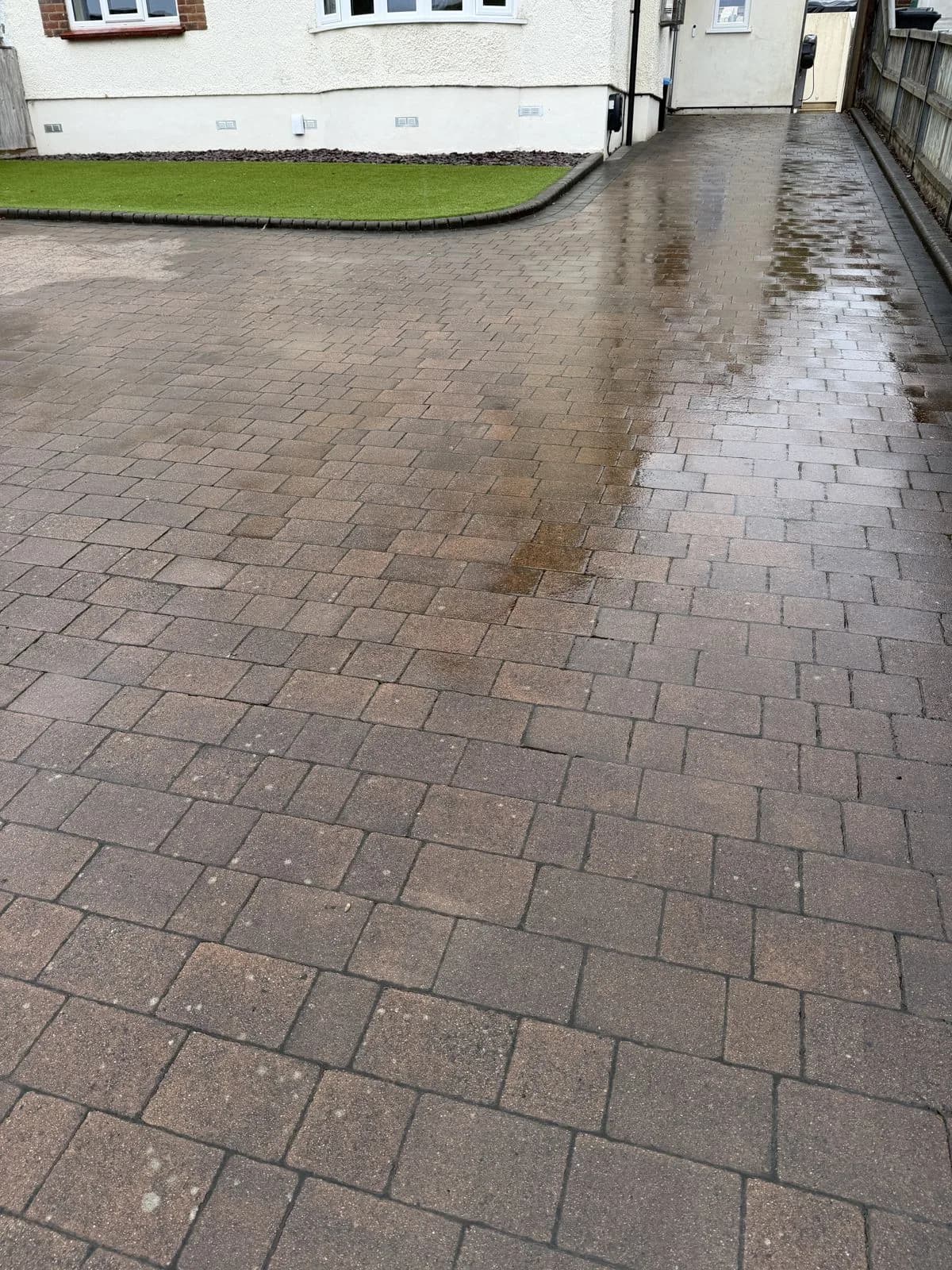
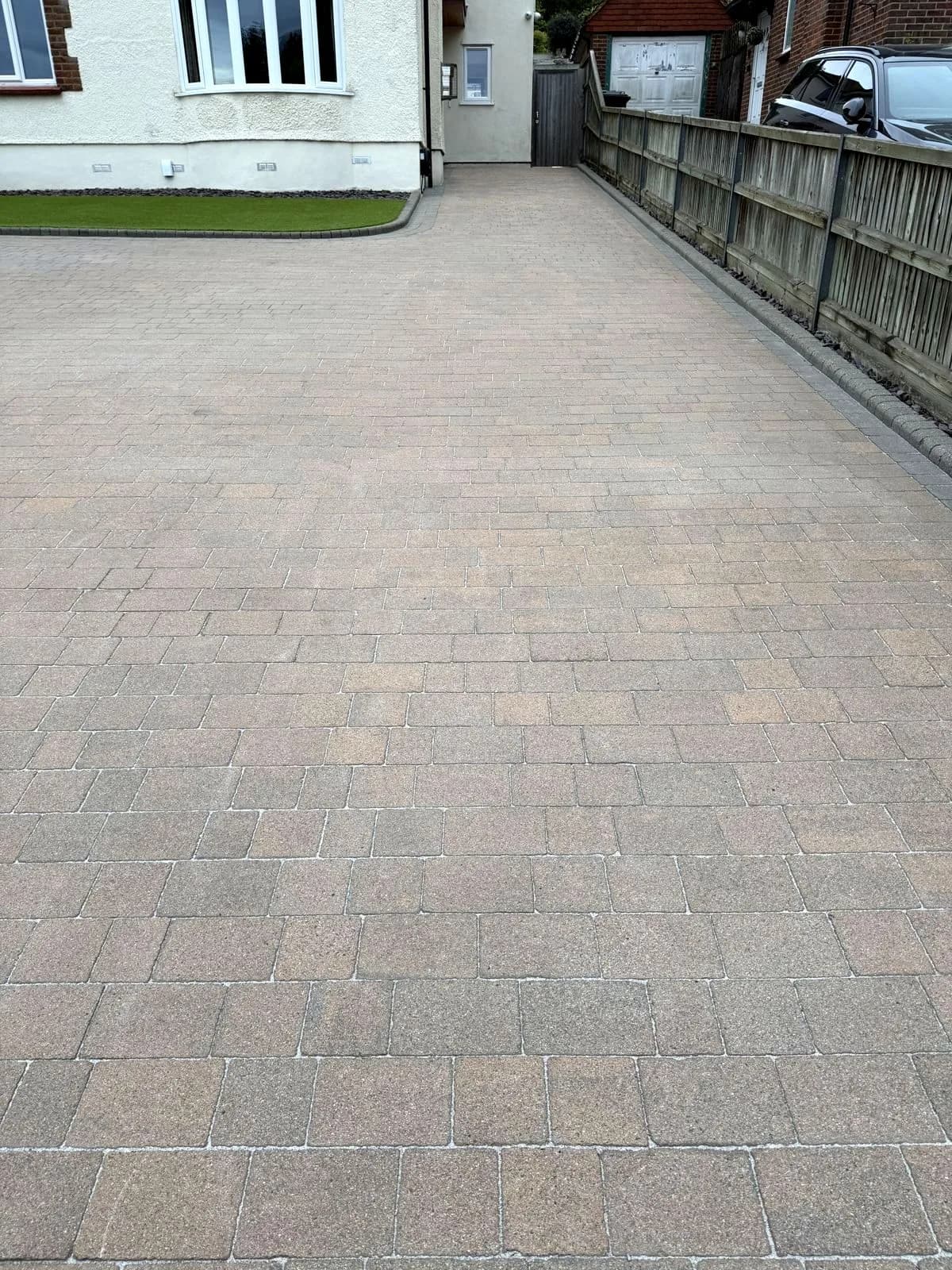
Restoring a 150m² block paved driveway in High Wycombe: deep clean, damaged blocks replaced, polymeric re-sanding, compaction and Chiltern EverGuard™.
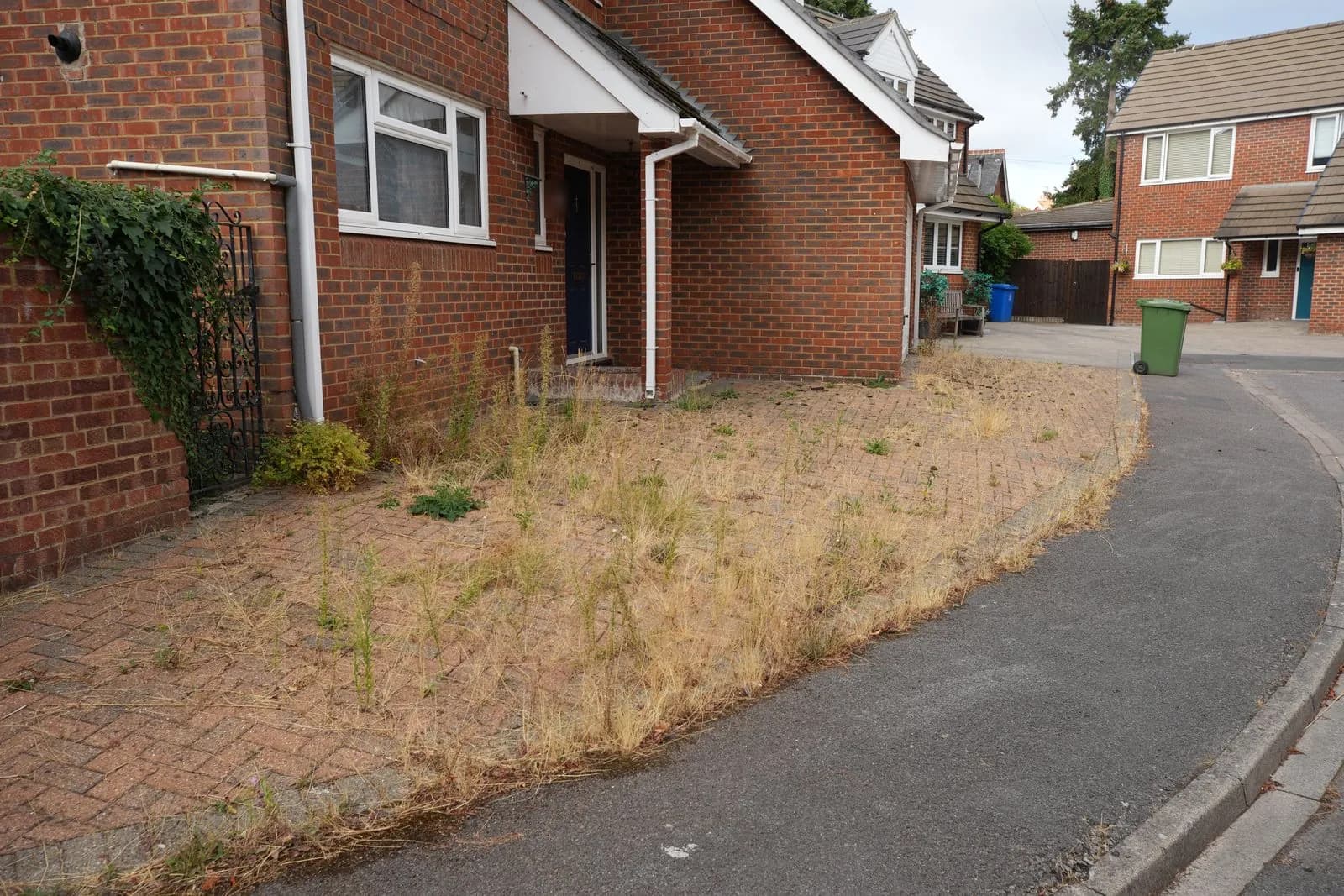

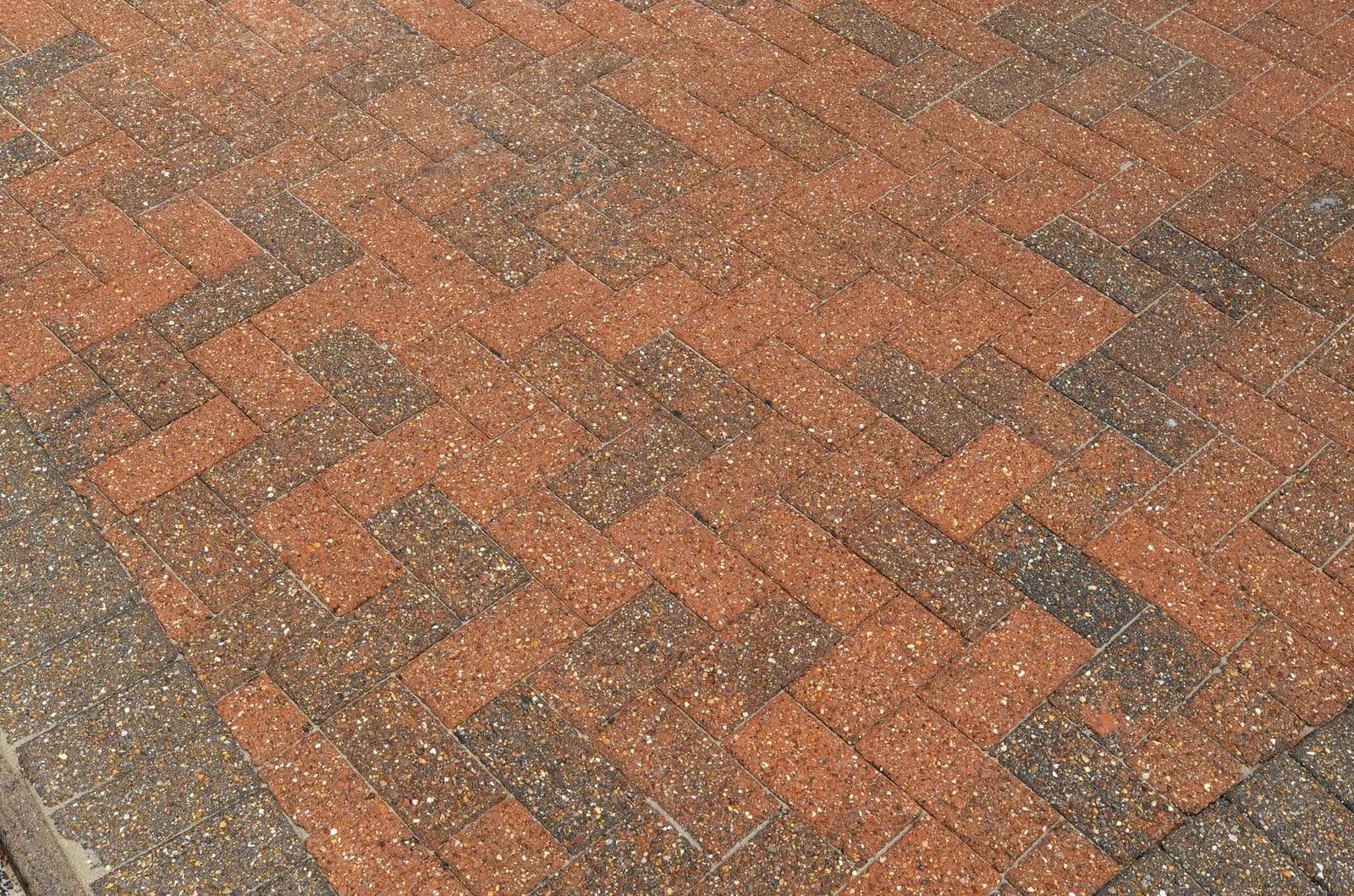
A herringbone block-paved driveway that had disappeared beneath grass and weeds, cleared, deep cleaned, re-jointed with polymeric sand, compacted and protected.
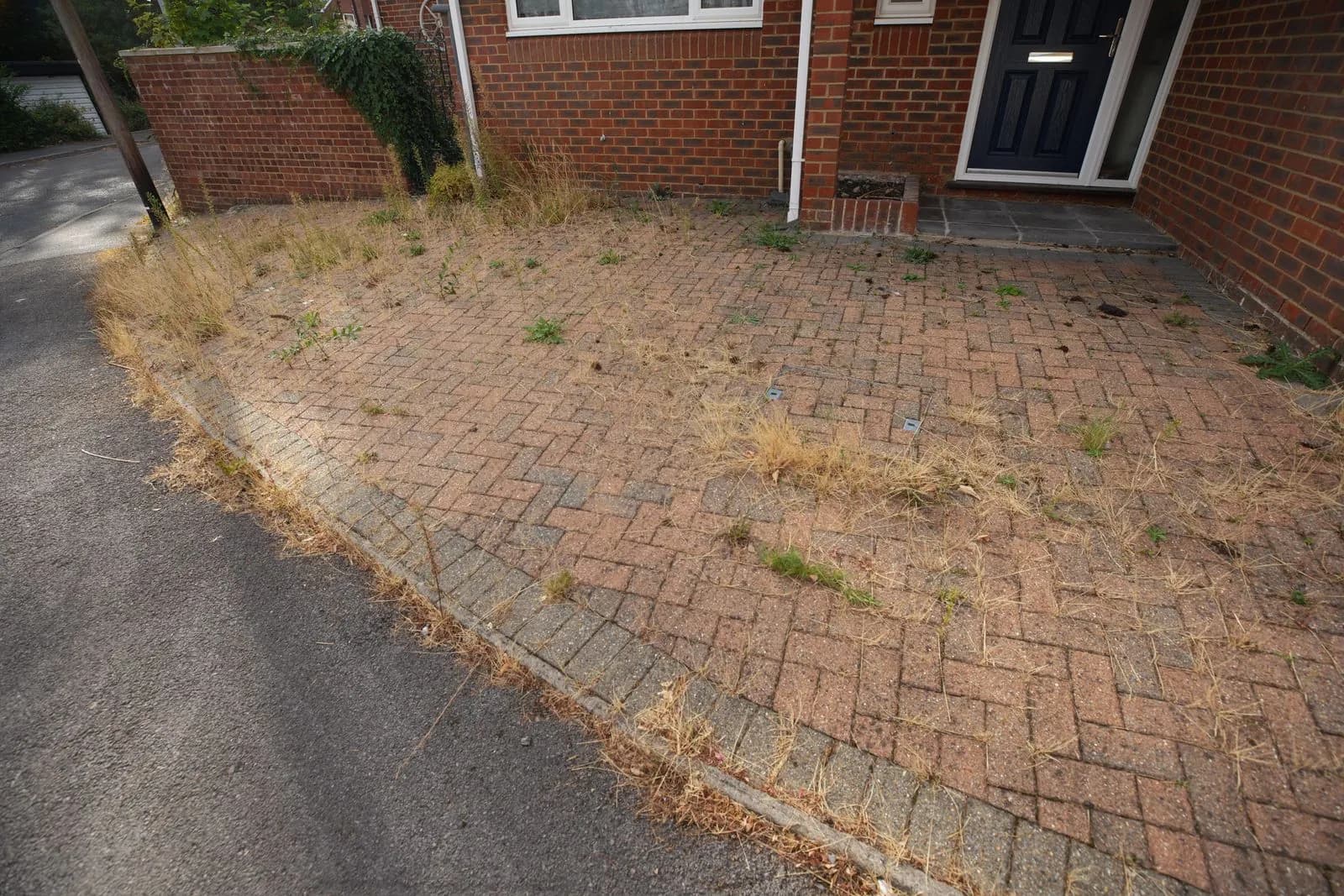
Sandeep contacted Chiltern Surface Co about the block-paved driveway at his home in Maidenhead, Berkshire.
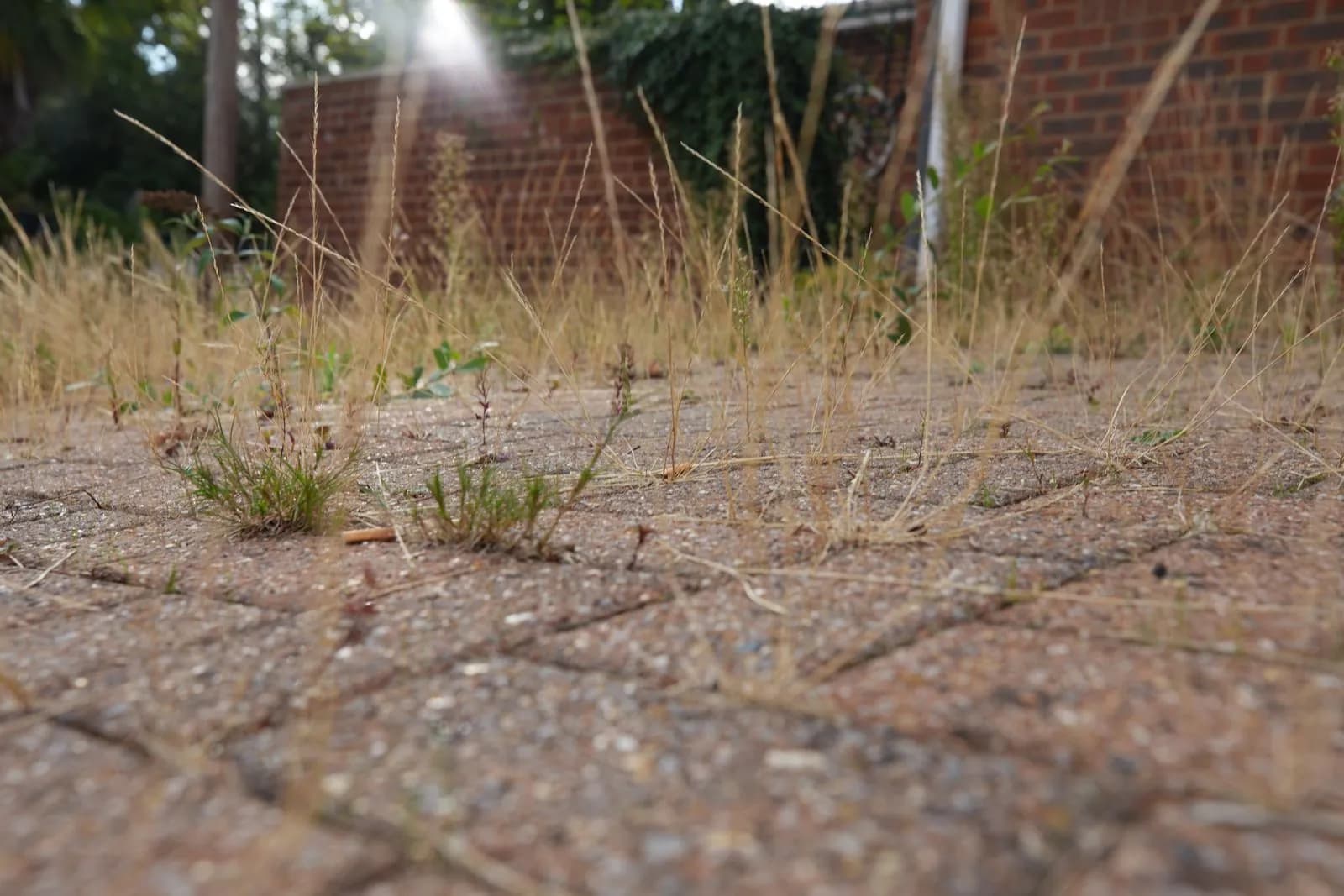
Over time the joints had filled with soil, organic debris and windblown seed, and grass and weeds had rooted right across the herringbone paving. By the time we visited, much of the driveway had disappeared beneath dry grass.
Growth like this does not come up from beneath the blocks. It lands from above, takes hold in the soiled jointing and works its roots down between the blocks, which is why pulling it out or pressure washing over it never lasts.
At our free site visit it was clear this was not a pressure-washing job. The degraded jointing sand had become a growing medium, and the stability of the paving depended on what was left of it.
We recommended a complete block-paving restoration: clear the growth, take the joints back, deep clean and treat the blocks, then rebuild the joints with polymeric sand and compact the driveway so that it stays clean and stable.
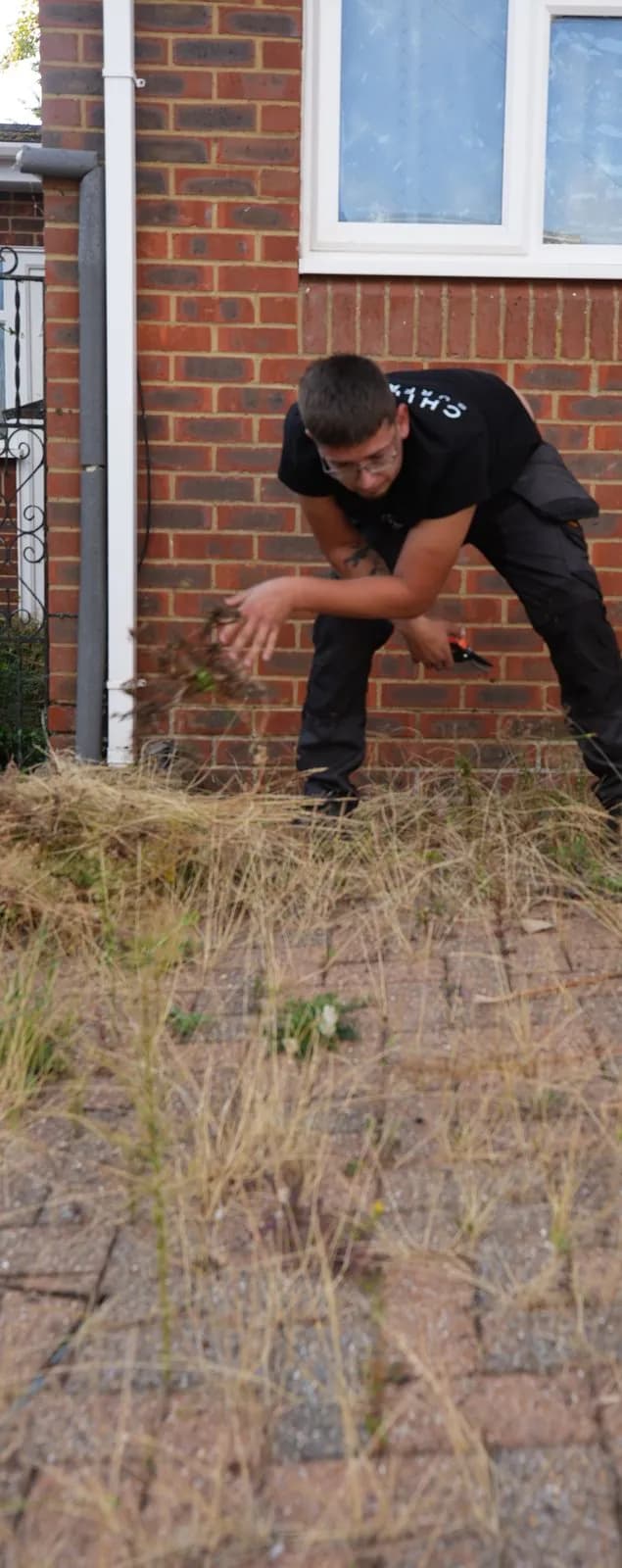
Before any water touched the driveway, Chiltern Surface Co technicians cleared the grass and weeds by hand.
Pulling the growth out by the root first means far less organic material is driven back into the joints during cleaning, and it shows us the true condition of the paving underneath.
It is slow, careful work, but on a driveway this overgrown it is the only right place to start.
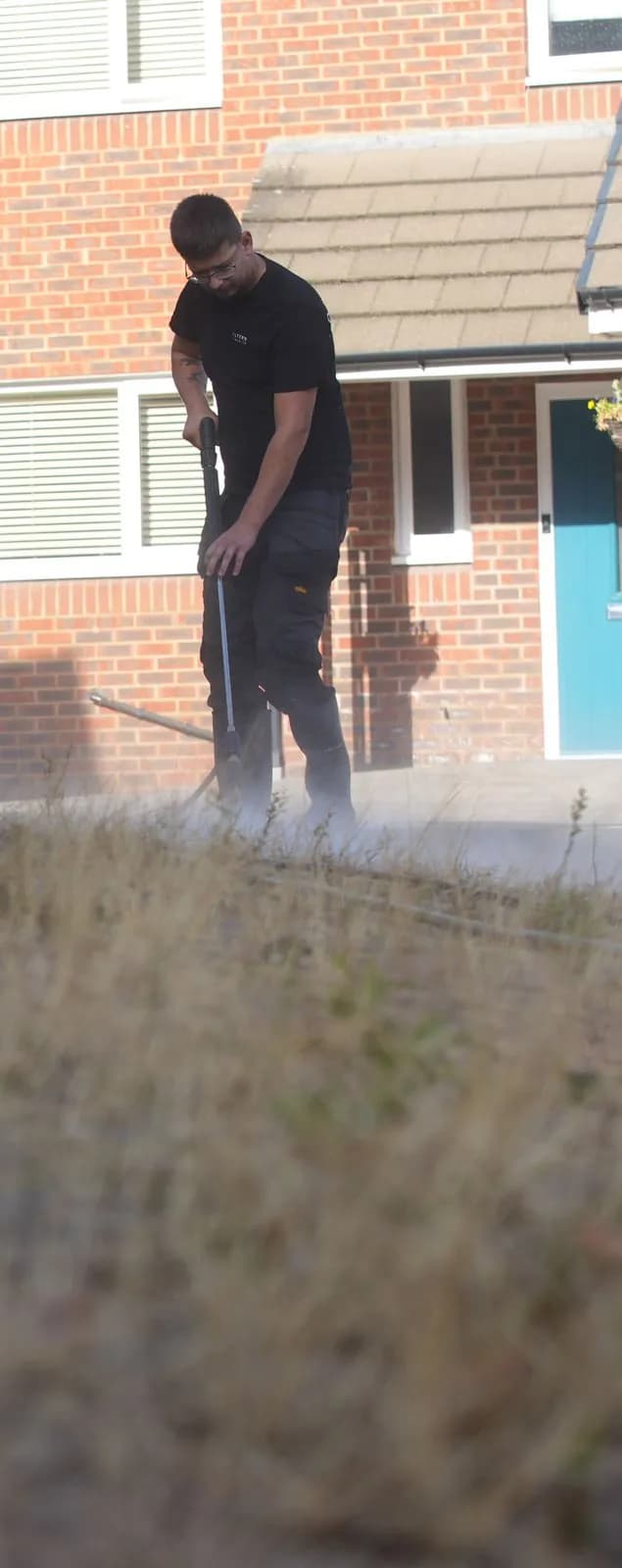
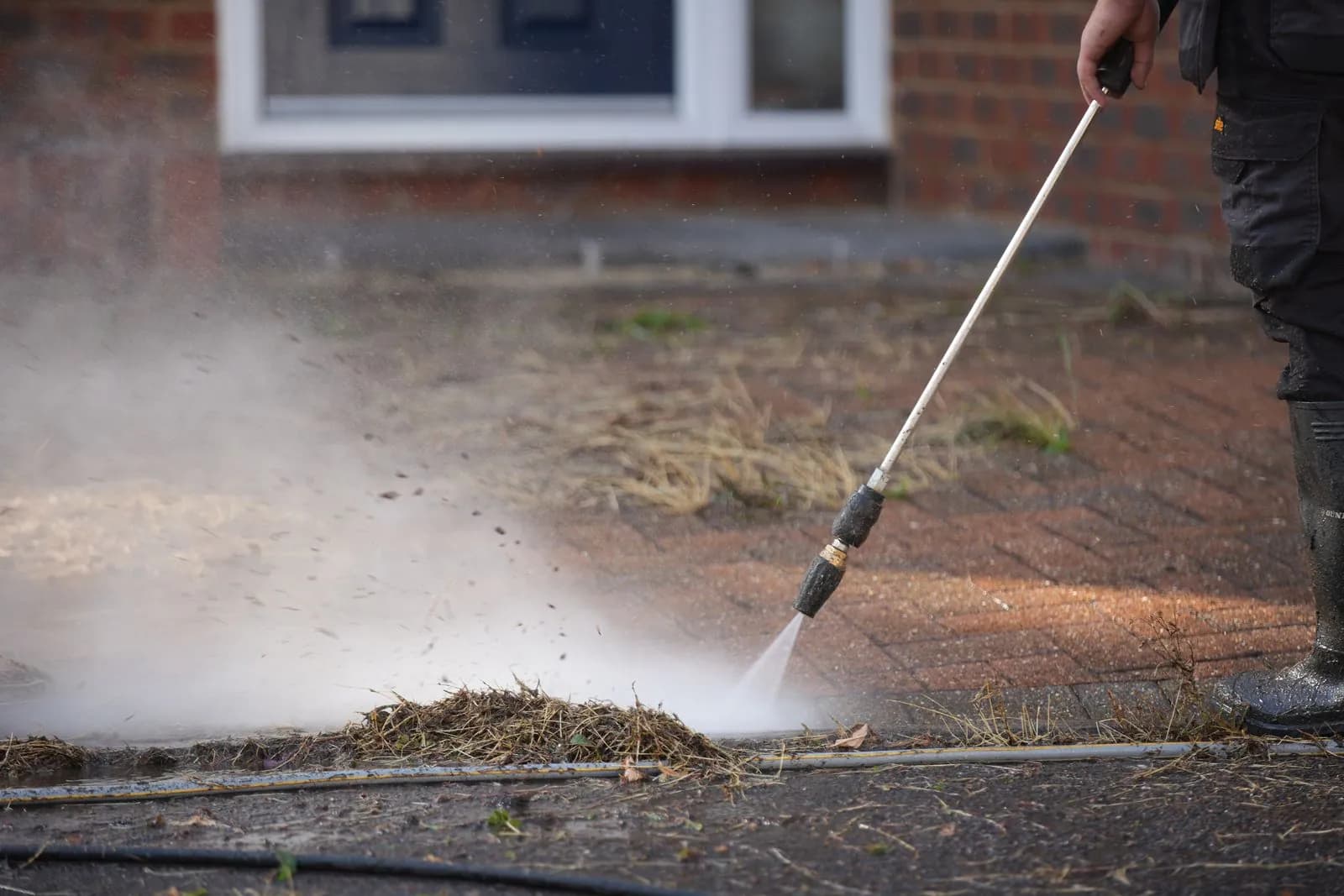
With the bulk of the growth removed, we worked across the driveway with a lance, stripping the remaining roots, soil and degraded jointing sand out of the joints.
Taking the joints right back is what makes the rest of the restoration possible. New polymeric sand can only bond properly into clean, open joints, and anything left behind becomes the starting point for the next generation of weeds.
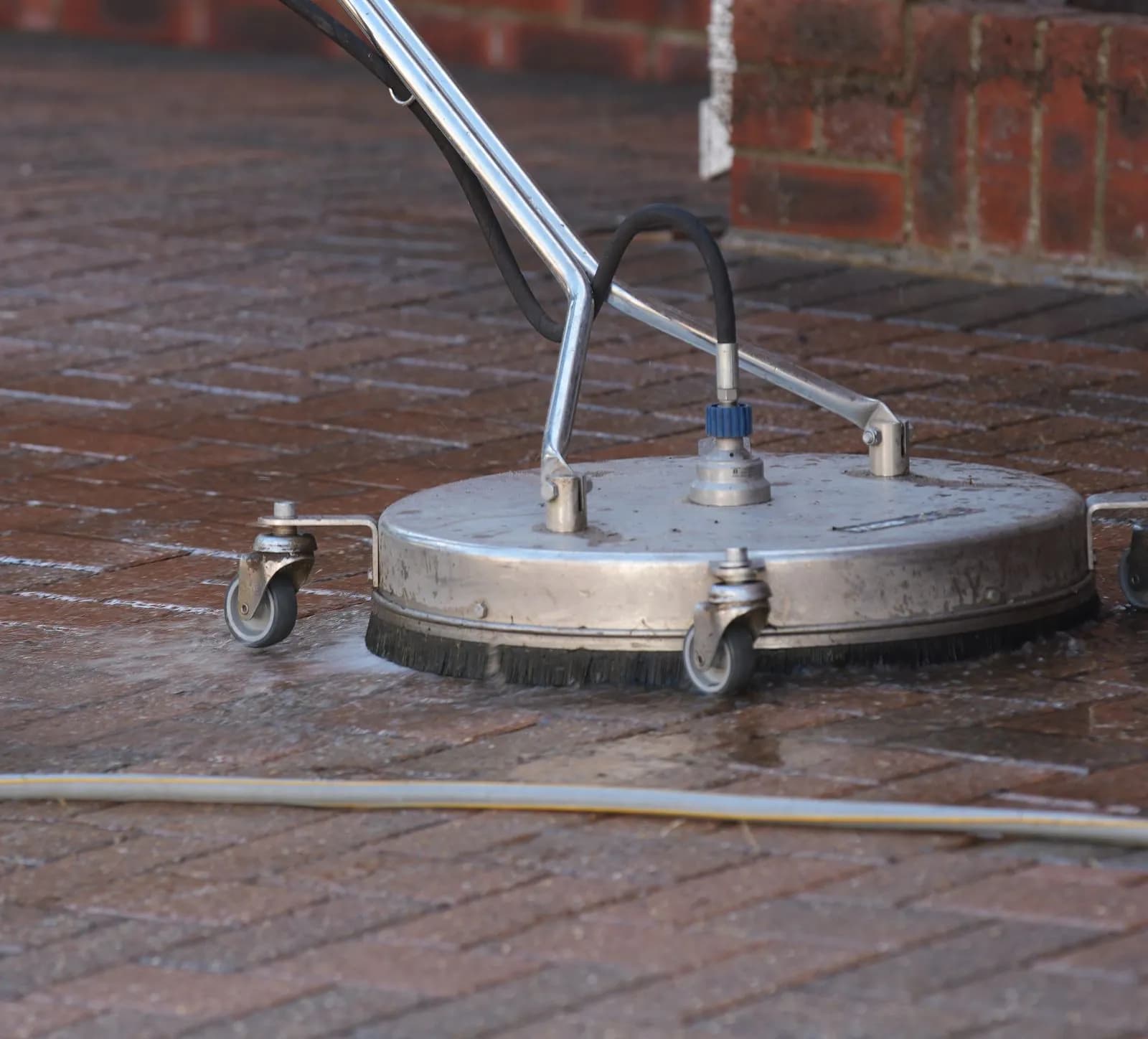
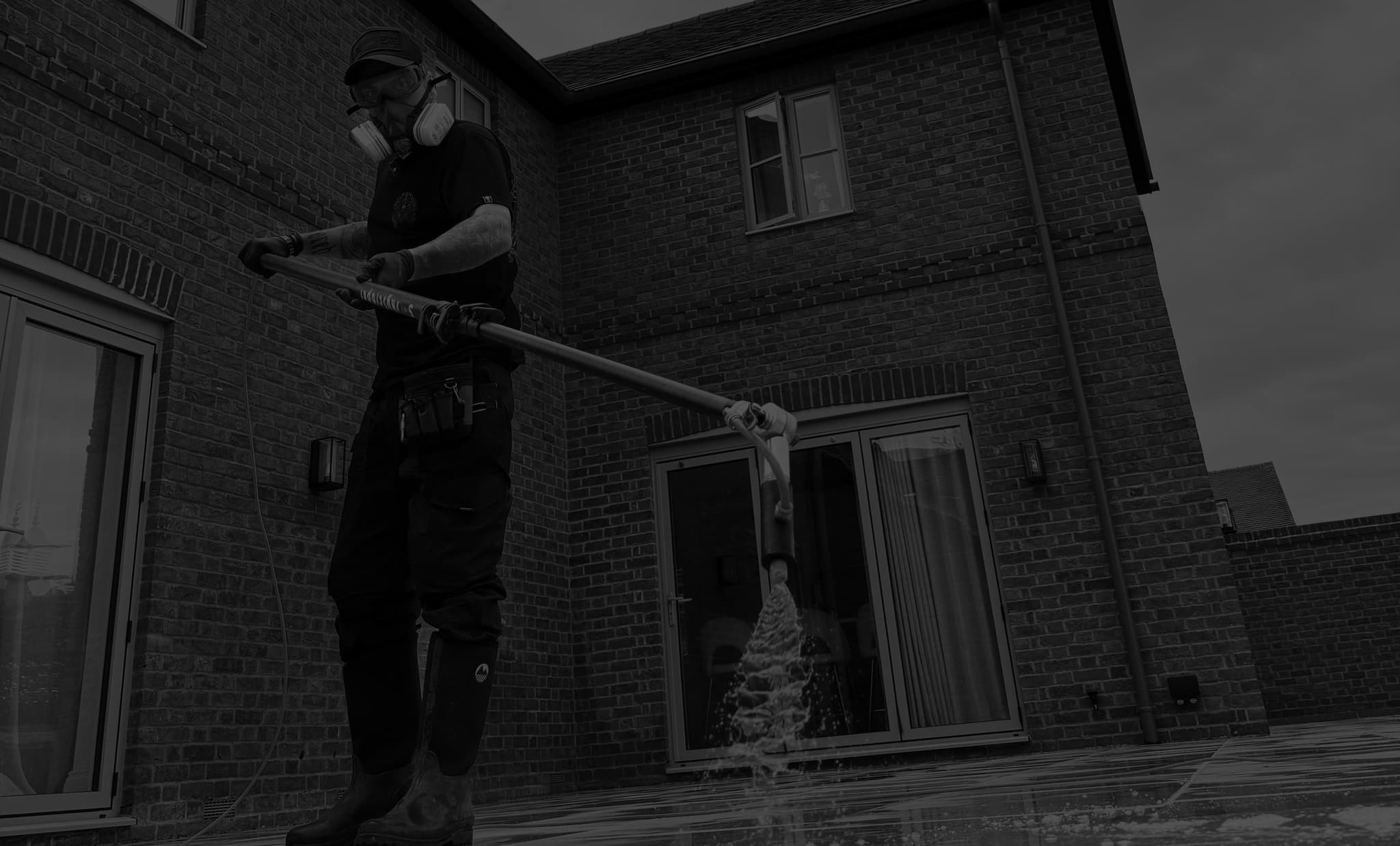
The driveway was then deep cleaned with a rotary surface cleaner.
The enclosed rotating head cleans evenly at a controlled distance and pressure, lifting accumulated soiling and organic growth from the face of the blocks without the striping and uneven results of open-lance cleaning across a large area.
It brought back the colour and variation in the paving, the reds, oranges and darker accent blocks that had been lost under the soiling.
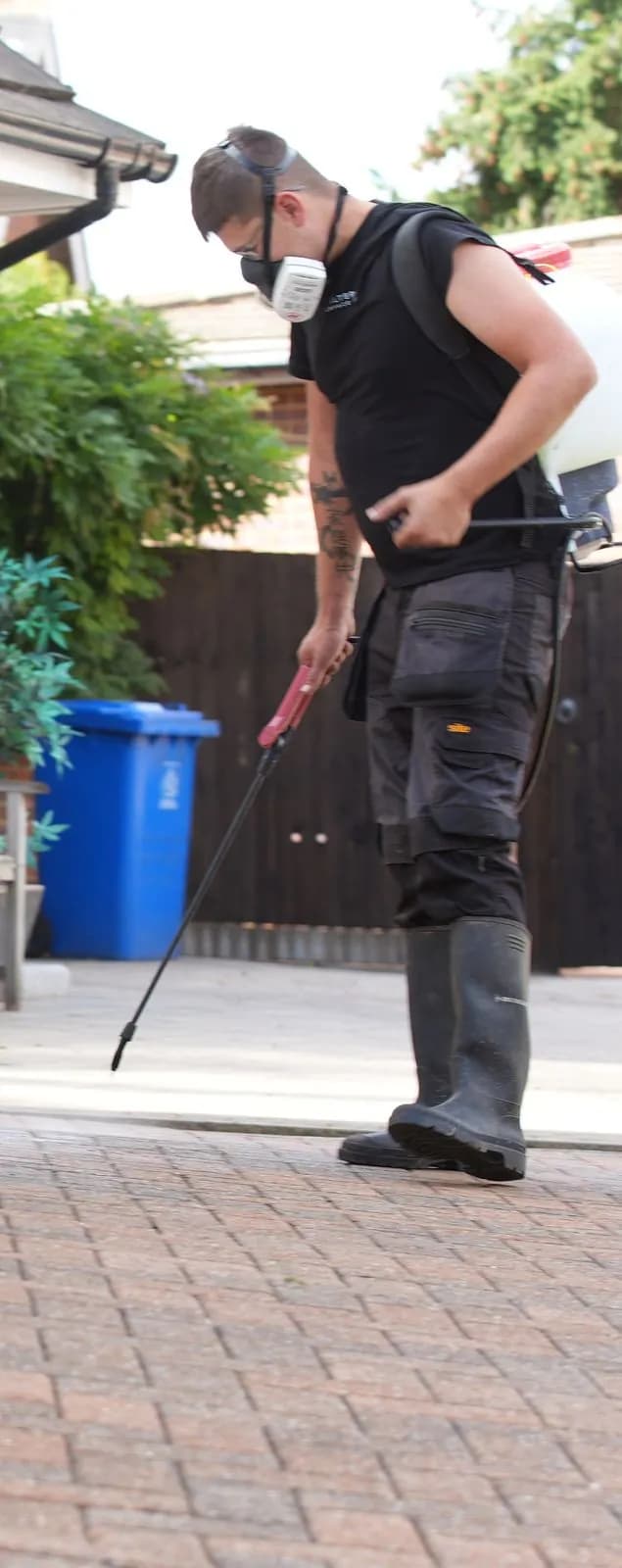
Once the paving was clean, the whole driveway was treated with Chiltern EverGuard™, our proprietary biocide surface protection system, while the joints were still open.
Biological growth lives within the surface and in the joints, not just on top of it, so surface cleaning is not enough.
Applied to clean, open paving, Chiltern EverGuard™ penetrates deep into the pores of the blocks and the jointing bed, kills the growth living inside them and leaves a barrier that inhibits regrowth.
The driveway was then left to dry out completely before the jointing stage.
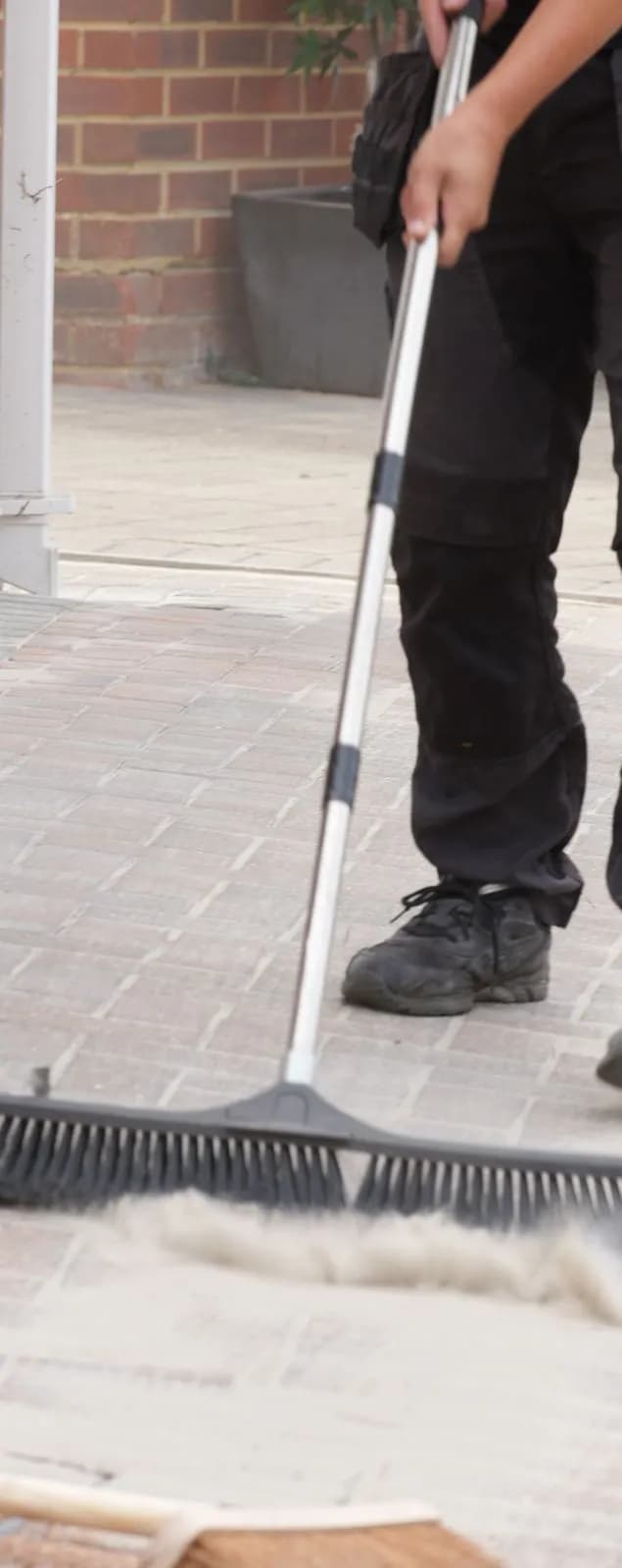
Polymeric sand cannot be worked into damp joints and will not set correctly on a wet surface, so this stage is governed by the weather rather than the schedule. We returned six days later, once the driveway had dried right through.
Fresh polymeric sand was then swept across the paving and worked into every joint.
Once activated, its binding agents harden to form firm but flexible joints that resist washout, discourage weeds and ants, and hold the blocks together far better than ordinary kiln-dried sand.
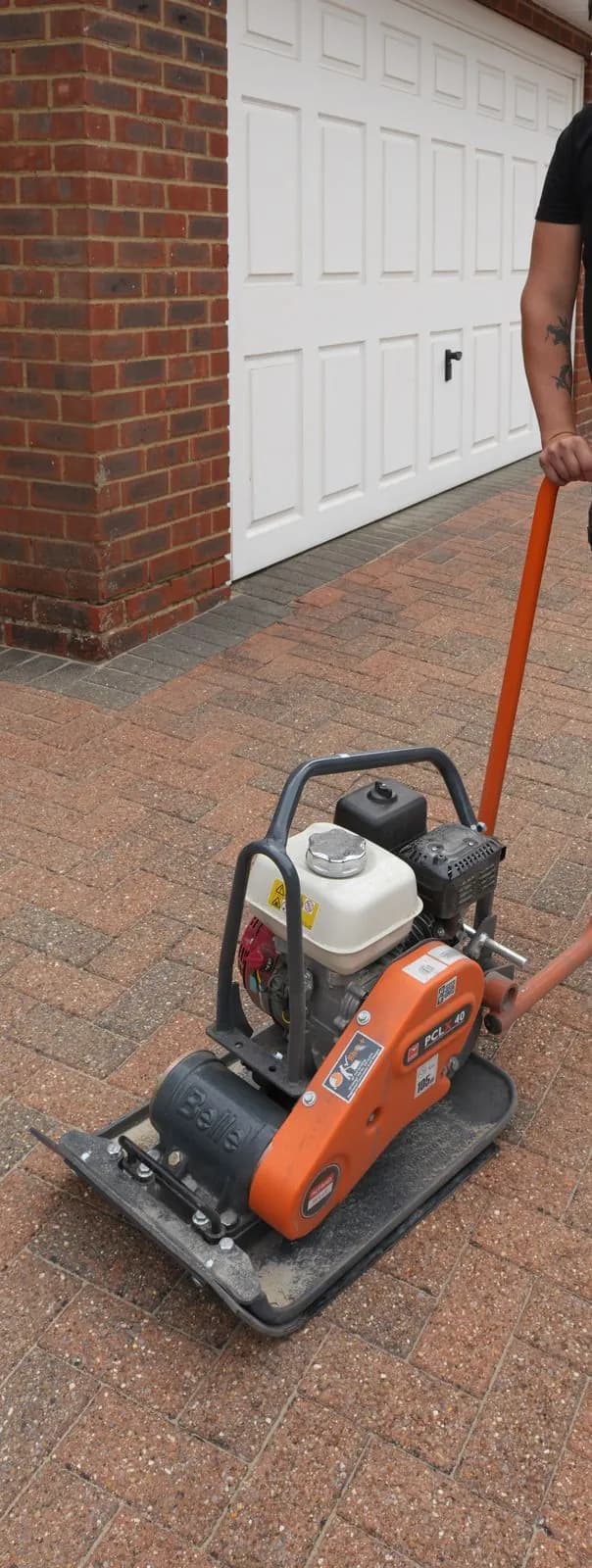
The driveway was then mechanically compacted with a plate compactor, settling the sand down into the joints and the blocks firmly into their bed.
A second application of polymeric sand was then swept in to fill every joint to the top, before the sand was activated.
The sand between the blocks on a block-paved surface is responsible for its stabilisation. That stabilisation is compromised if re-compaction and a second re-sanding are not undertaken.
Mechanical compaction and a second sanding are part of every block-paved driveway restoration undertaken by Chiltern Surface Co.
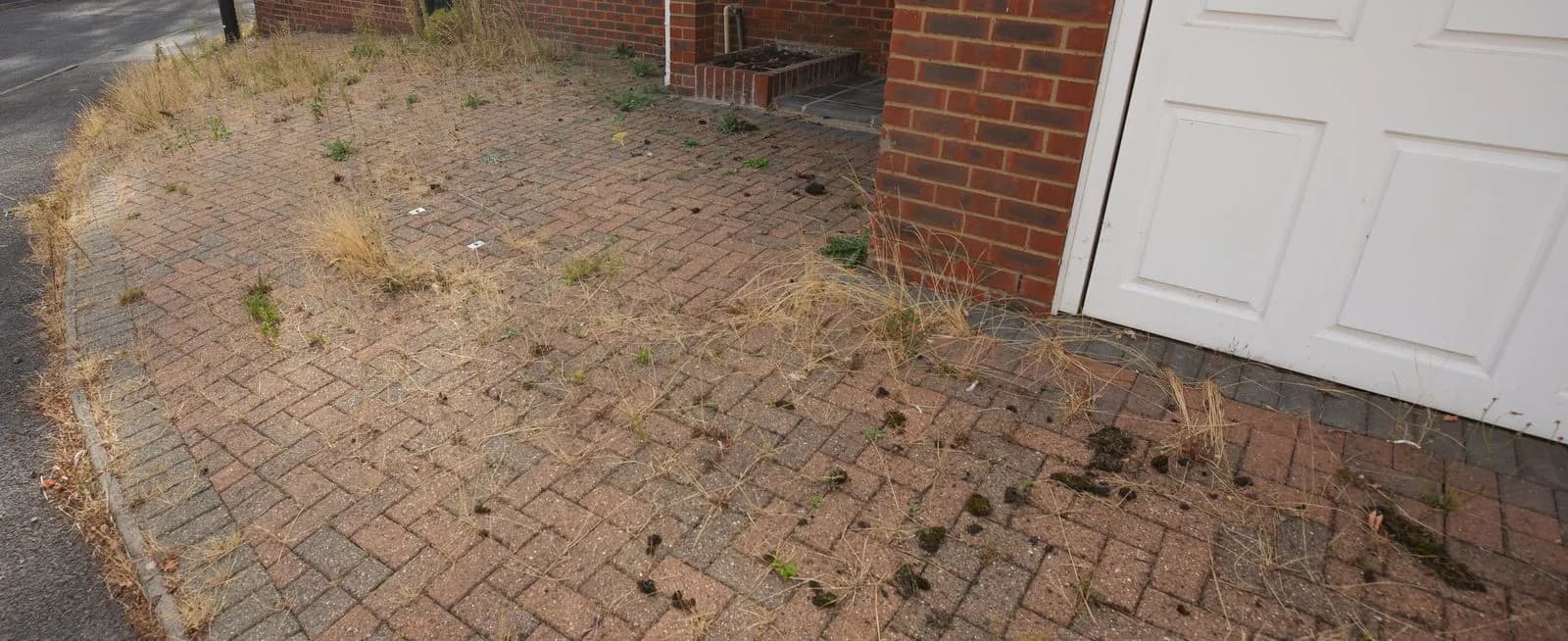
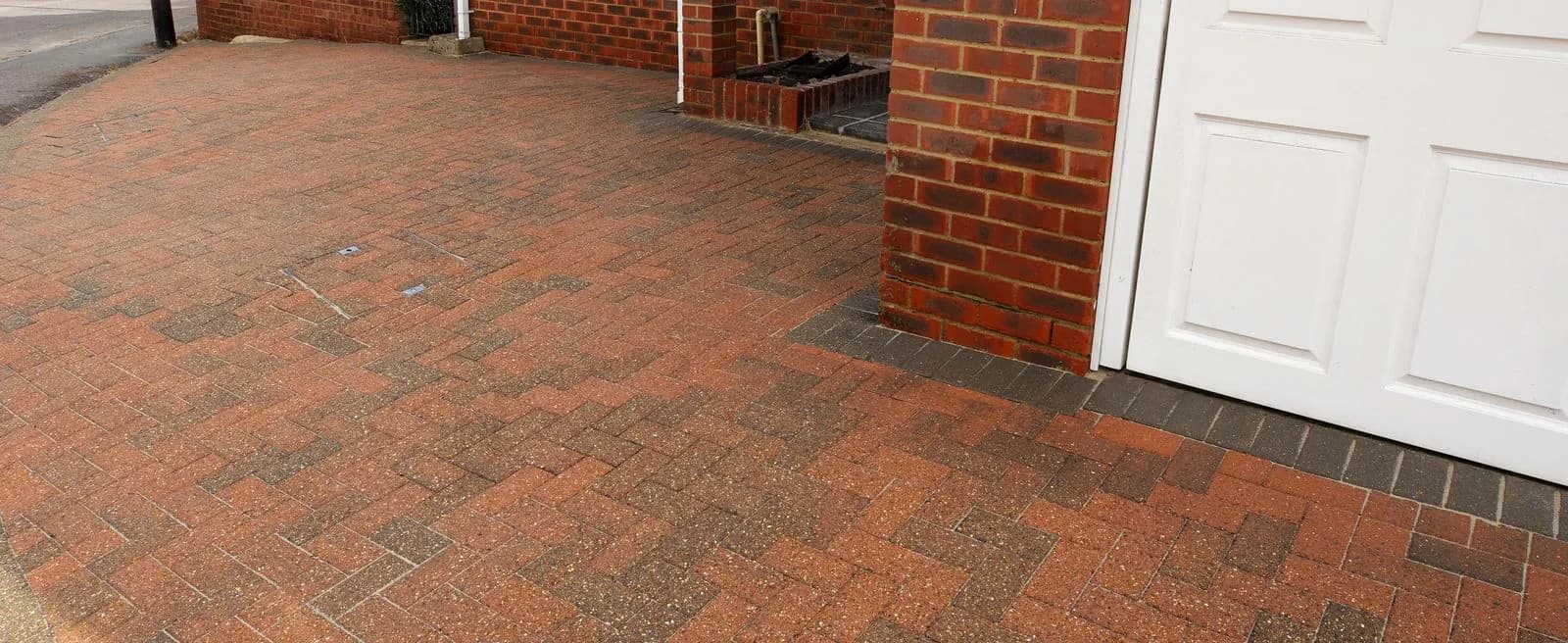
The completed restoration took a driveway that had been lost to grass and weeds and brought it back as one clean, finished surface.
Cleared by hand, the joints taken back, deep cleaned and treated with Chiltern EverGuard™, then re-jointed with polymeric sand, compacted and sanded a second time: not simply a cleaner driveway, but a stable, properly jointed one.
Before the driveway was even finished, Sandeep asked Chiltern Surface Co to carry out more work at his property, including cleaning his roof and protecting it with Chiltern EverGuard™.
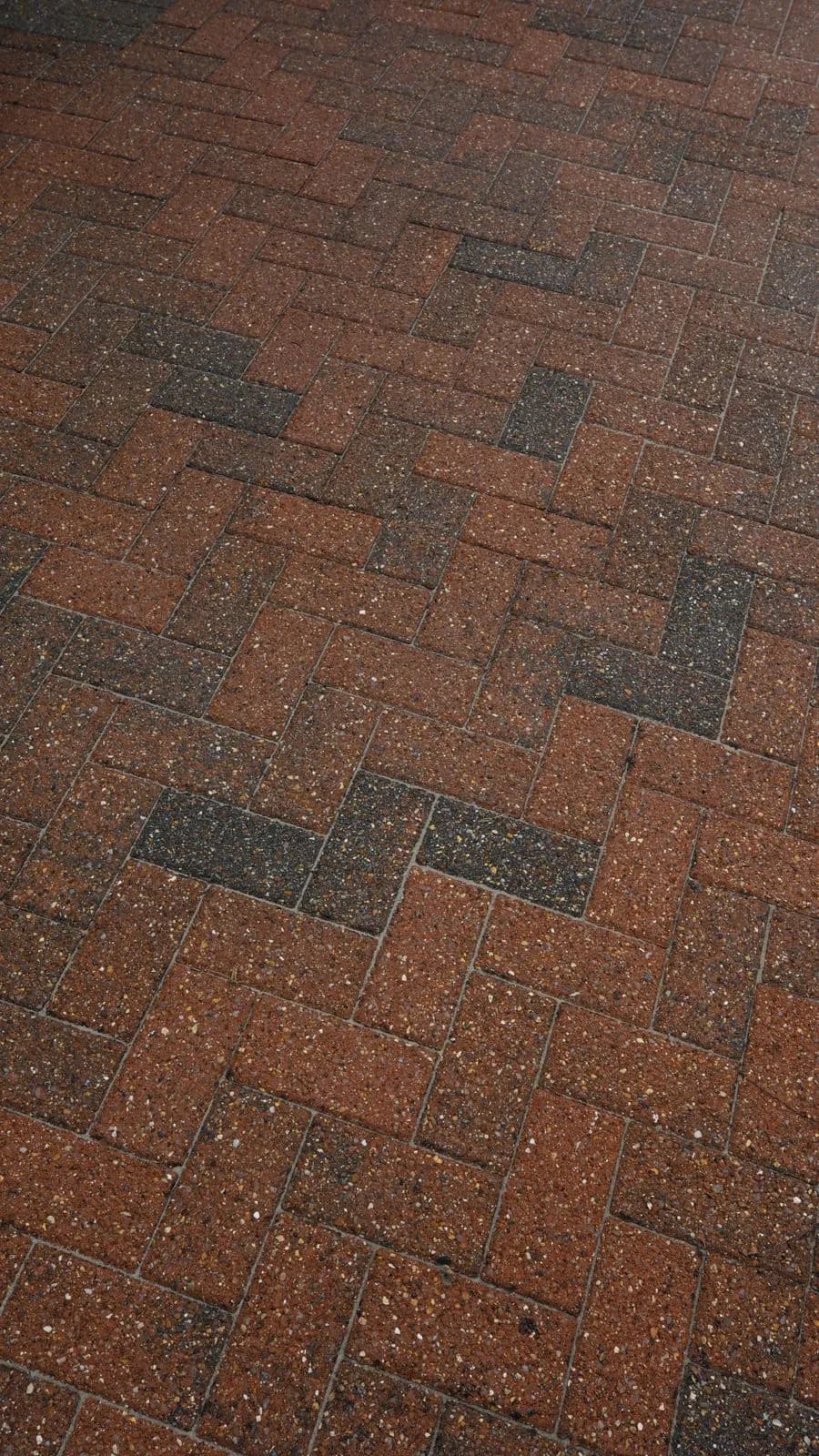
Chiltern Surface Co carried out this block-paved driveway restoration in Maidenhead, Berkshire. We also offer driveway cleaning, patio cleaning, roof cleaning and roof moss removal across Buckinghamshire and Oxfordshire, including Marlow, Bourne End, Aylesbury and Thame.
Our approach goes beyond conventional pressure washing. Depending on the condition of the driveway, a restoration can include clearing the growth by hand, deep cleaning, joint clearance, long-term protection with Chiltern EverGuard™, and polymeric re-sanding and mechanical compaction.
Restoring a 150m² block paved driveway in High Wycombe: deep clean, damaged blocks replaced, polymeric re-sanding, compaction and Chiltern EverGuard™.
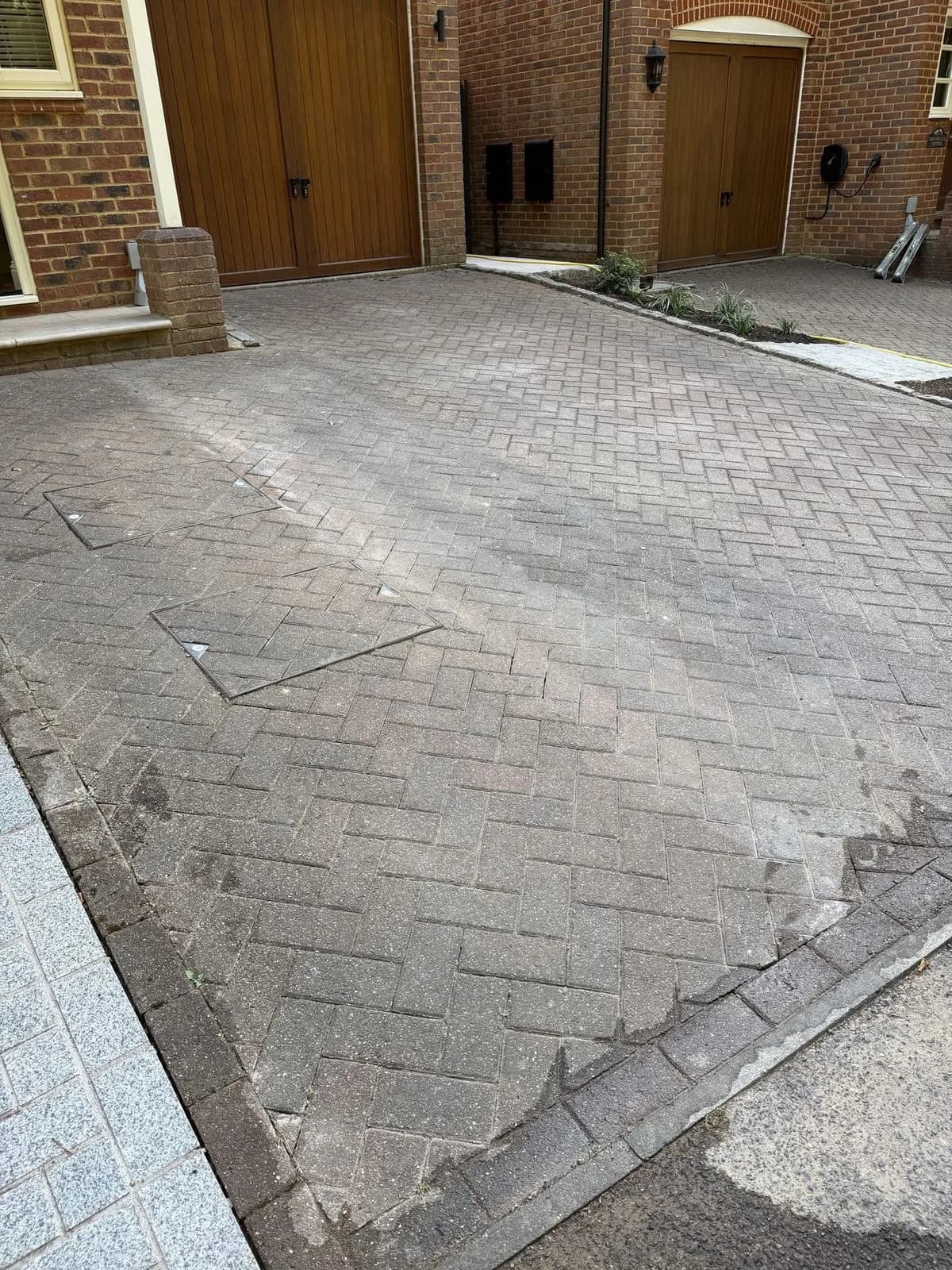
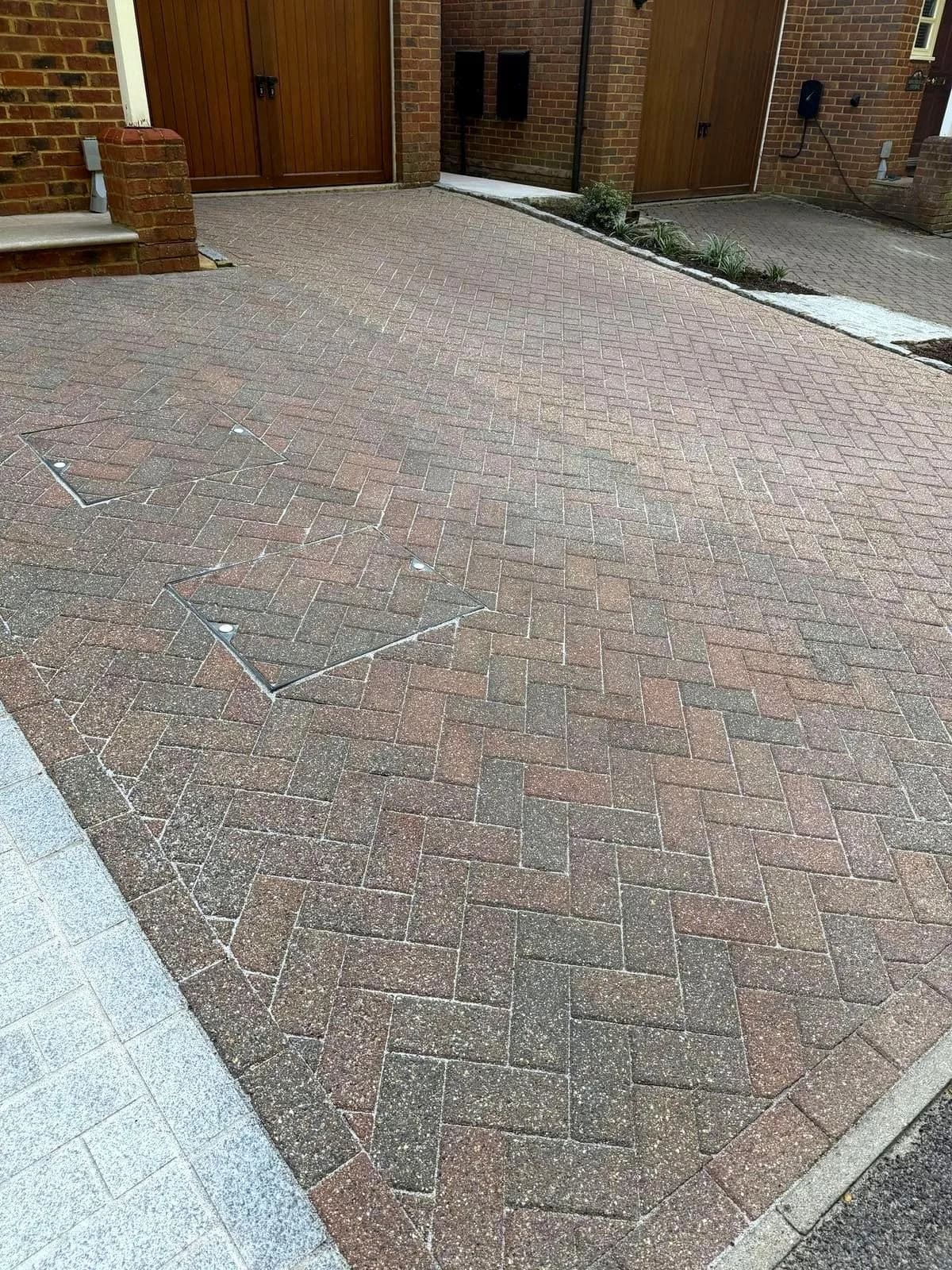
Block paved driveway cleaning in Hazlemere, Buckinghamshire: 20 years of black spot and lichen removed from 45m² of paving and the joints renewed.
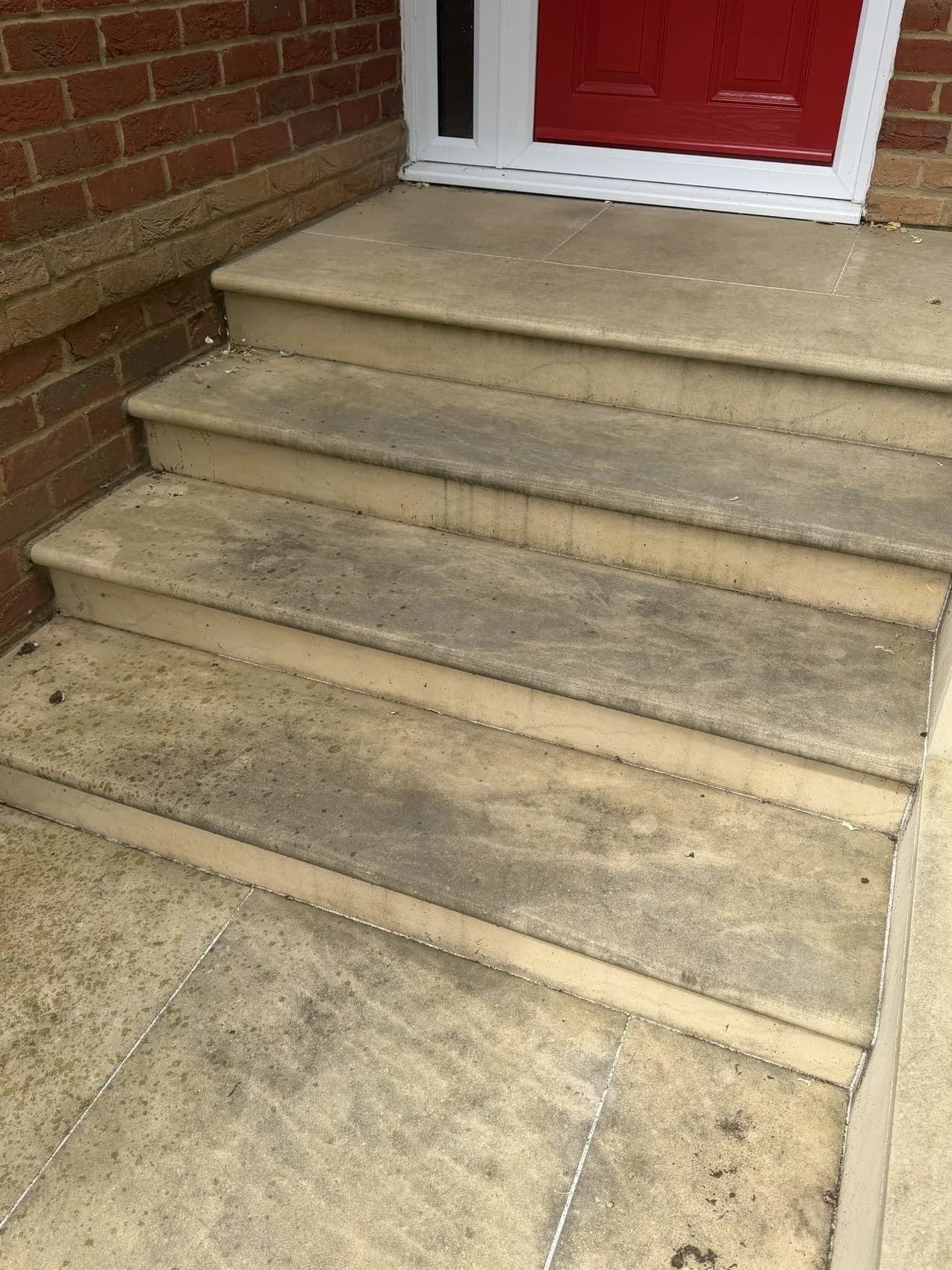
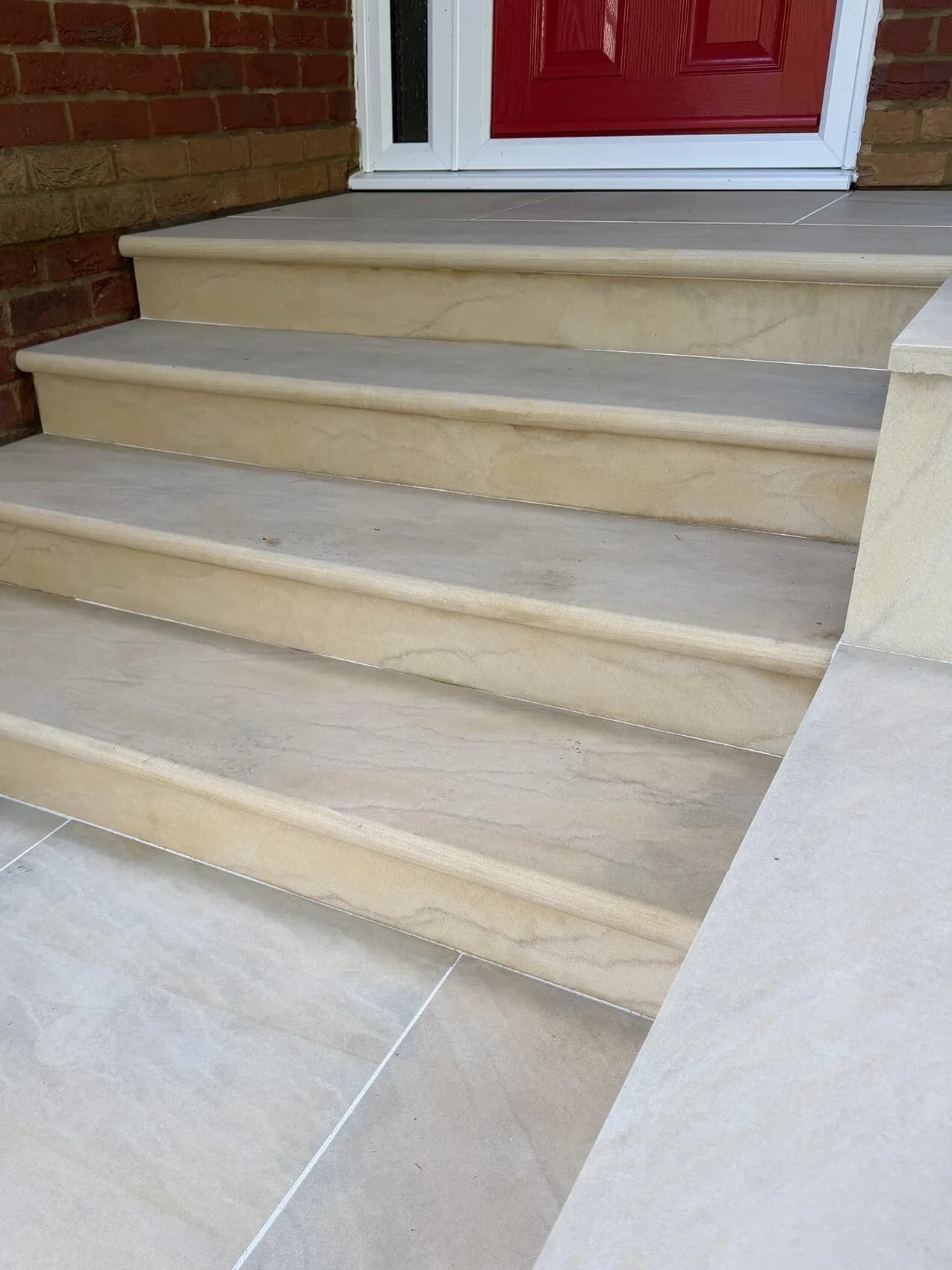
Indian sandstone step cleaning and block paving cleaning in High Wycombe, including polymeric re-sanding, compaction and Chiltern EverGuard™ treatment.
Chiltern Surface Co
We’ll come to your property, inspect the surfaces, recommend the correct approach, and provide a clear quote. No pressure, no obligation — just information.
We assess your surfaces and recommend the right approach for the best, long-lasting results.
You'll receive a detailed, transparent quote with no hidden extras.
We'll provide honest advice so you can decide what's right for you.
Speak directly with the owner and get expert advice you can trust.