Block Paved Driveway Cleaning in Maidenhead
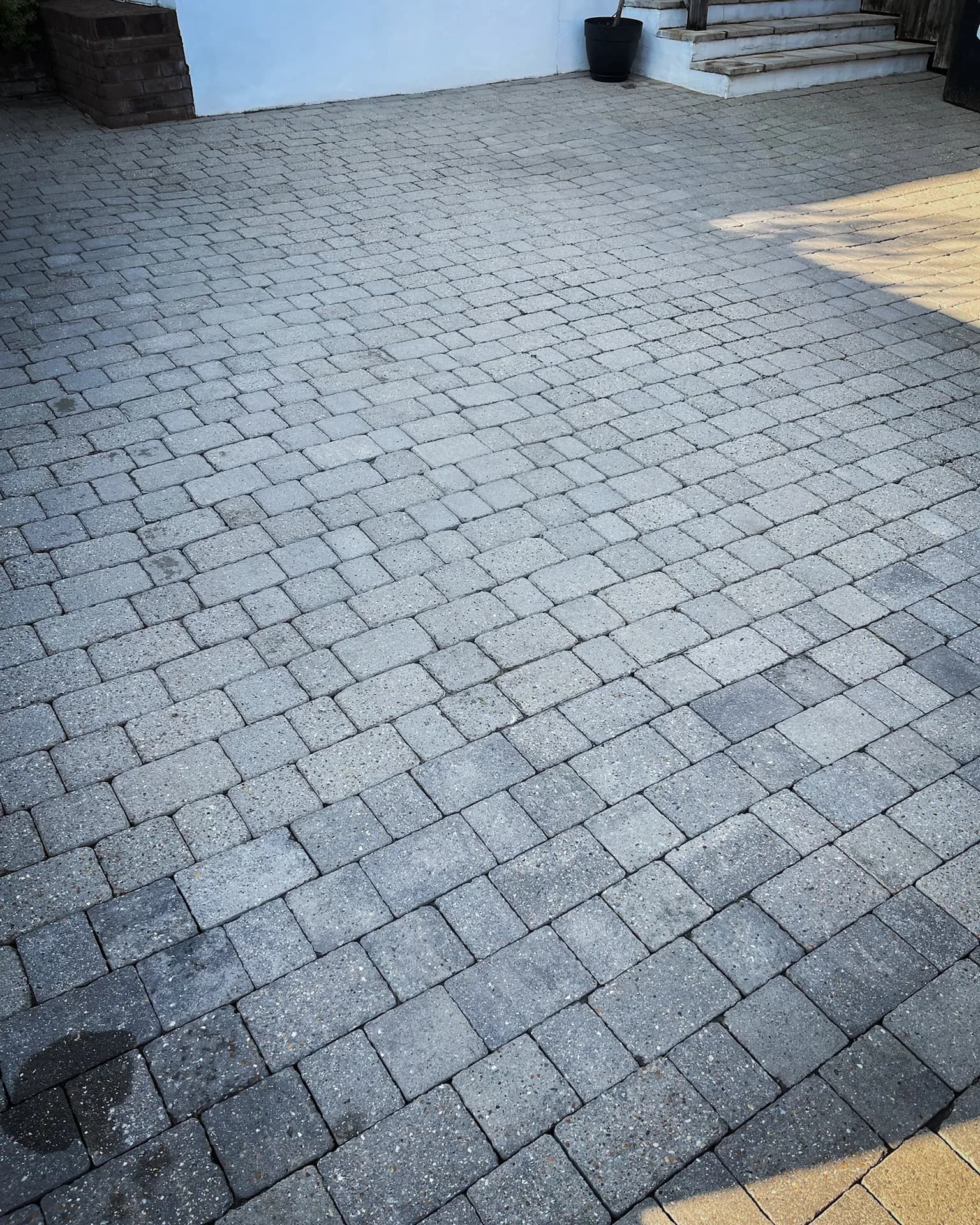
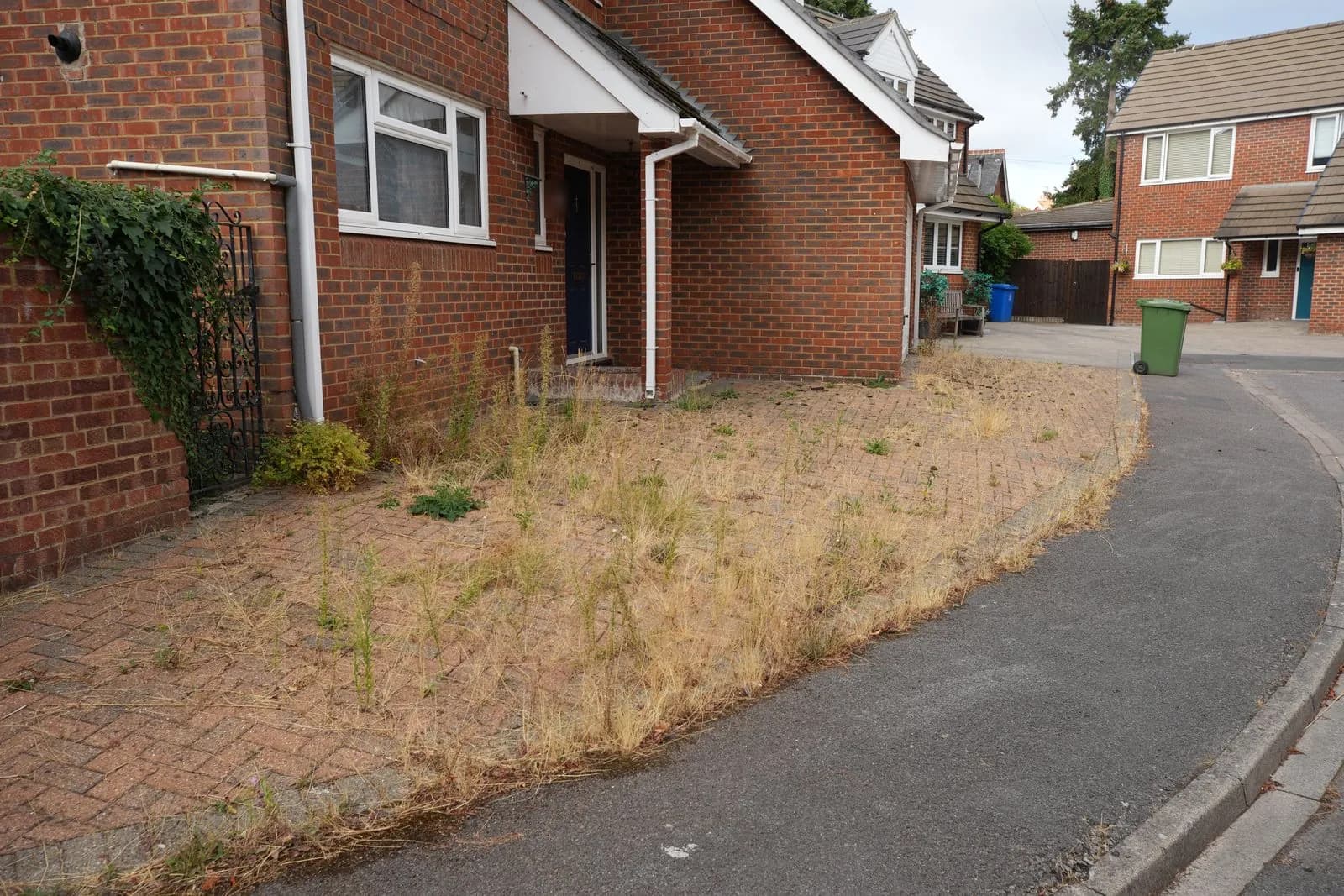
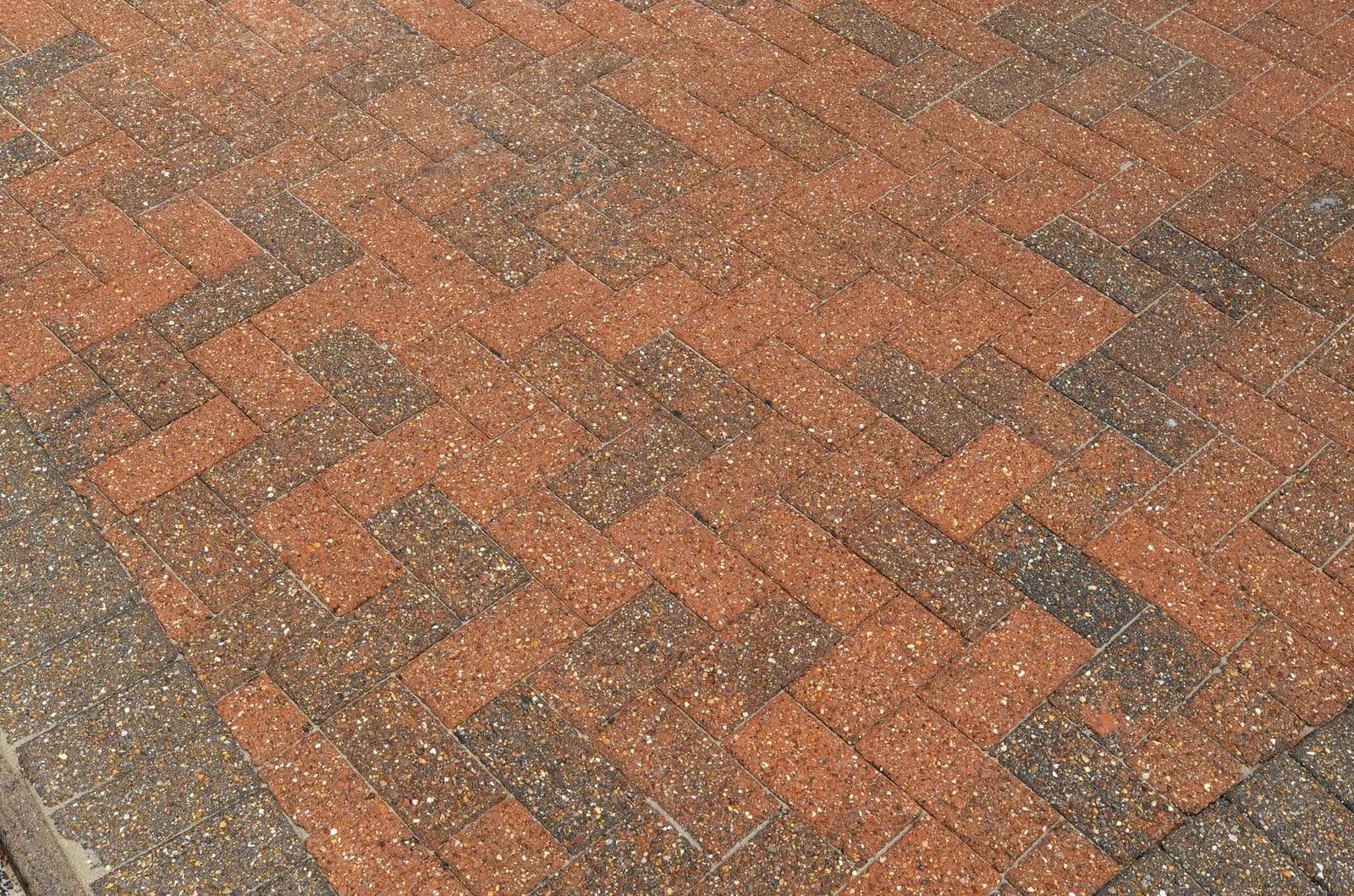
An overgrown block paved driveway in Maidenhead, cleared by hand, deep cleaned, treated with Chiltern EverGuard™, re-sanded with polymeric sand and compacted.
Solar Panel Cleaning · Berkshire
Ascot's tall, mature trees give its houses privacy and shelter, and they also coat solar panels in pollen, sap and fine debris every spring and summer. We clean the glass with de-ionised water and a soft brush, from the ground wherever possible.
Trees and glass
Most people think of trees as a shading problem for solar panels. For cleaning, the bigger issue is what they drop. Pollen settles as a fine yellow film, sap leaves small sticky spots, and seeds and leaf fragments gather against the frames. Rain moves some of it but rarely all, especially on a shallow pitch.
Ascot properties
Ascot has a green, semi-rural character, with mature trees, open green space and established residential areas around North Ascot, South Ascot and Sunninghill. Many homes sit on generous plots, and the trees around them are often older and taller than the houses themselves.
Those houses are frequently large, with dormers, gables, extensions and roofs at several levels. Solar panels may be split across more than one slope, or fitted to a garage or outbuilding as well as the main house. Each group sits in a different patch of shade and catches a different share of what falls from the trees, so they rarely need identical treatment.
Pollen and sap
In spring and early summer, pollen falls on every exposed surface. On solar glass it forms a thin film that turns sticky when damp and dries back into place, so a light shower spreads it around rather than rinsing it away. Sap from trees above or beside the house adds small, tacky spots that hold dust.
Neither needs chemicals to remove. De-ionised water softens both, and the soft brush lifts them from the surface; a stubborn sap spot simply gets more passes. Because the rinse water carries no minerals, the glass dries clear without being wiped.
Several roof levels
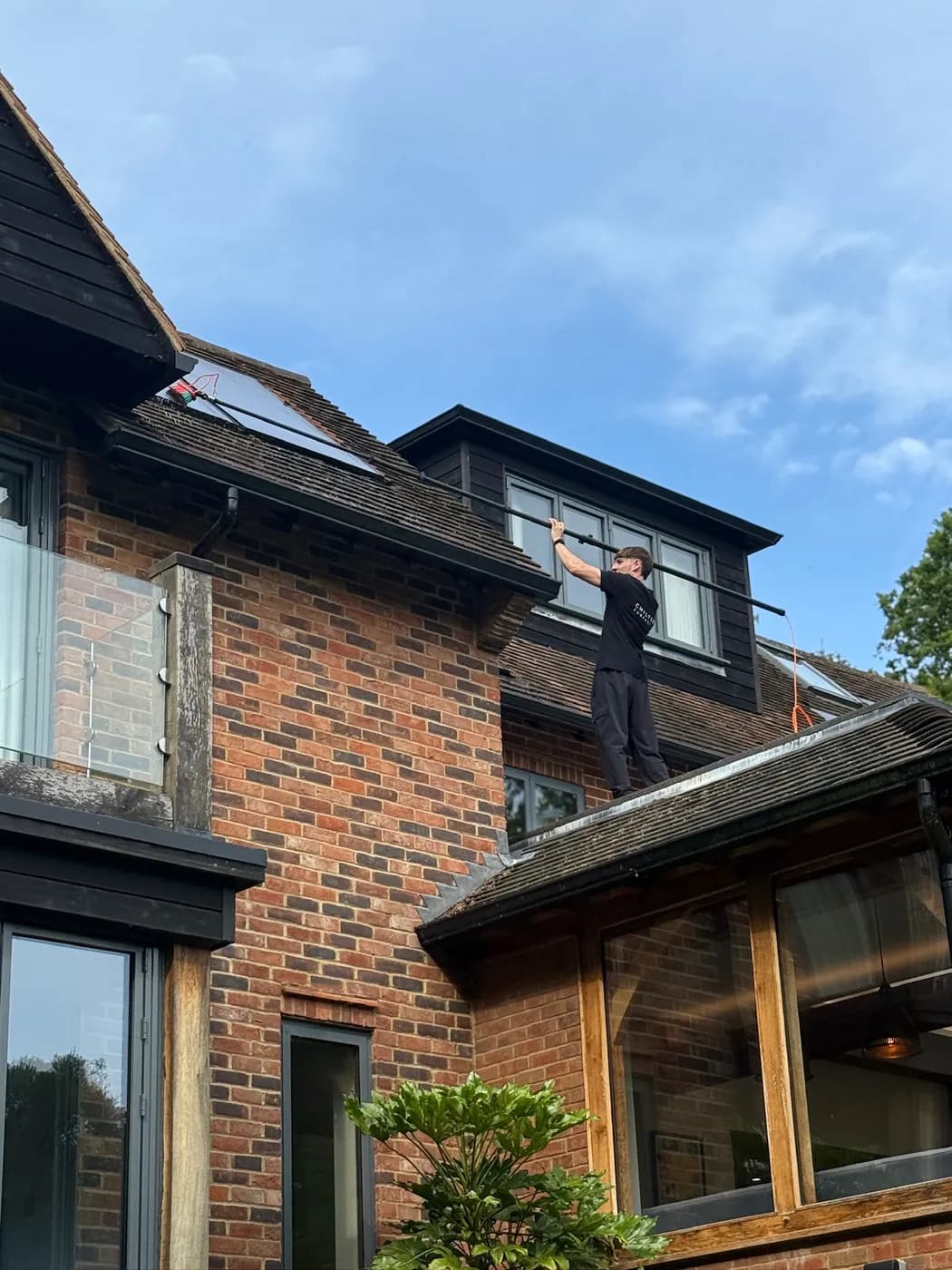
An array split between a main roof, a dormer and a lower extension cannot be cleaned from a single spot. At the site visit we work out where the operative will stand for each group, how far the pole has to reach and where the hose will run so that it does not trail across planting or the terrace.
Water-fed poles reach a long way, but not everywhere. If a group of panels is set too far back from any safe standing position, we tell you before the work is agreed rather than finding out on the day.
Frames and gaps
Debris from the trees collects where water slows: along the bottom frame, in the corners and in the gaps between panels. Where conifers stand close to the house, needles add to it. Left in place, this litter holds moisture against the frame and gives moss somewhere to start.
We brush out the edges and corners of every panel we can reach without disturbing the installation. Mounting rails, clamps and cables are left alone; if debris is packed underneath the array, we mention it rather than lift anything to get at it.
How we work
A clean on a larger house follows the same five stages as any other. What takes longer is the planning, because each roof level is reached in its own way.
We look at every group of panels from the ground, note the pitch, the trees around each and the state of the frames and seals, and agree where we will work from.
Each panel is soaked with de-ionised water so that dried pollen and sap begin to soften before the brush ever touches them.
The soft brush works the face of each panel, then the bottom frame and corners, lifting film, sticky spots and caught leaf litter.
A final pure-water rinse carries everything off. The glass dries naturally and evenly, with no towel or squeegee drawn across it.
We look over every group of panels from the ground, then tell you what we found, including anything about fixings or seals worth showing an installer.
Expectations
A clean leaves the glass clear of pollen, sap, droppings and edge debris. It does not change the trees, so under a tall canopy the film starts building again with the next season. Panels in deep shade will also generate less than open ones however clean they are, because the shade itself remains.
An overgrown block paved driveway in Maidenhead, cleared by hand, deep cleaned, treated with Chiltern EverGuard™, re-sanded with polymeric sand and compacted.
Why us
Access for each group of panels is worked out at the site visit, so nothing about the day itself is guesswork.
Nothing but de-ionised water comes off the roof, and hoses are routed to keep clear of borders, lawns and terraces.
We are based in Marlow and cover Berkshire, including the tree-lined roads around Ascot, Sunninghill and Sunningdale.
Fully insured operatives who keep off the panels and tiles, with a clear handover once every array is clean.
Nearby
We also clean panels in North Ascot, South Ascot, Sunninghill and Sunningdale, and out towards Cheapside and Winkfield. Much of that area shares the same mature tree cover, so the same care at the frames applies.
Solar Panel Cleaning in nearby towns
What Clients Say
Thank you to every client who has trusted us with their home. Your reviews mean a great deal to us. We’re proud to be fully insured, certified professionals — delivering proven results with a customer-focused approach on every single project.
5-Star Rated On Google
Questions
That is pollen. It settles across the glass during spring and early summer and turns slightly sticky when damp, so showers smear it rather than wash it off. De-ionised water and a soft brush remove it without any detergent.
Yes. Sap is softened with de-ionised water and worked off with a soft brush, using more passes on stubborn spots rather than anything abrasive. Very old, hardened sap may not lift completely in one visit, and we will tell you if so.
Yes, as long as they can be reached safely. Separate groups of panels are assessed one by one at the site visit, because height, pitch and the trees around them can differ even on the same property.
No. We clean the panels only. If branches are touching the array or dropping heavily onto it, we will mention it so you can speak to a tree surgeon.
Yes. Ours is soft-bristled and fed with water as it works, so it glides rather than grinds. Grit is floated away rather than dragged, and nothing abrasive is ever used on the glass.
Usually more often than open ones. Twice a year, once after the spring pollen and again after leaf fall, suits many arrays near large trees. We suggest an interval once we have seen how much comes off.
More from us
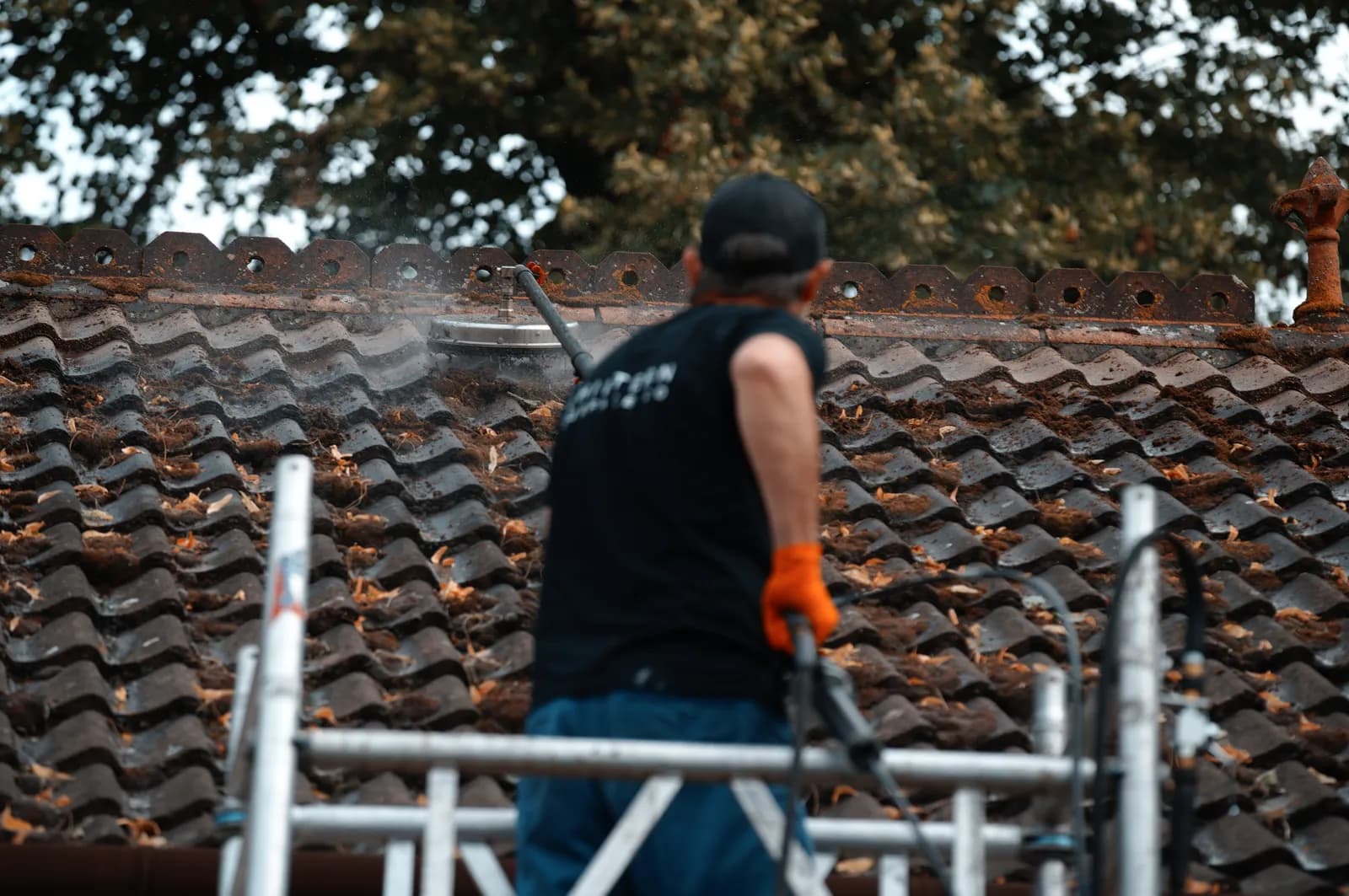
Carefully remove moss, algae and lichens to protect your roof and enhance kerb appeal.
Learn Moreabout Roof Cleaning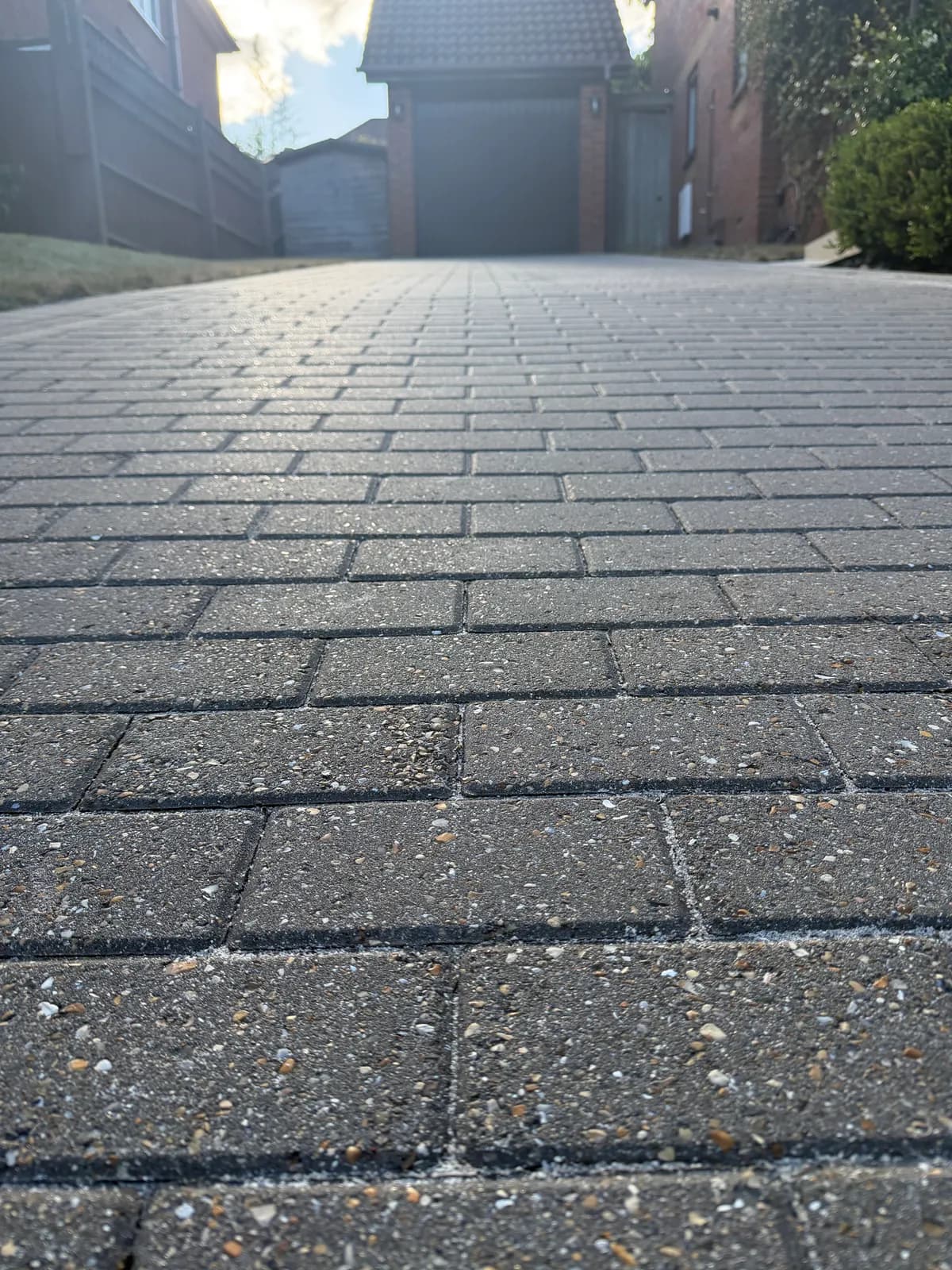
Professional cleaning for block paving, tarmac and resin driveways, restoring colour and removing stains.
Learn Moreabout Driveway Cleaning
Specialist cleaning and restoration for natural stone, porcelain and concrete patios.
Learn Moreabout Patio Cleaning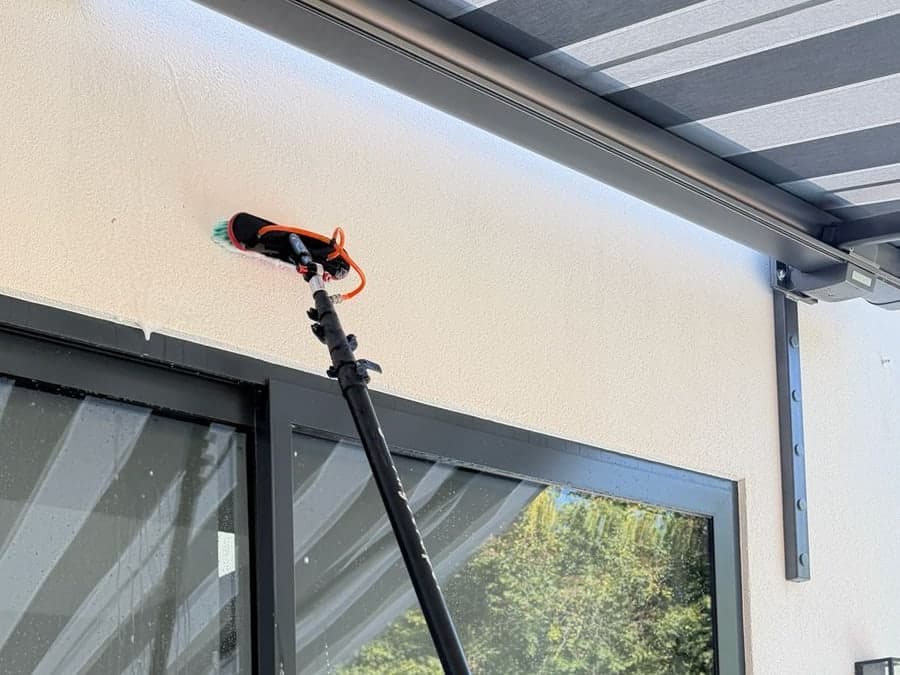
Low pressure soft wash treatment designed to safely remove algae, mould and grime from exterior surfaces.
Learn Moreabout Soft Wash Treatment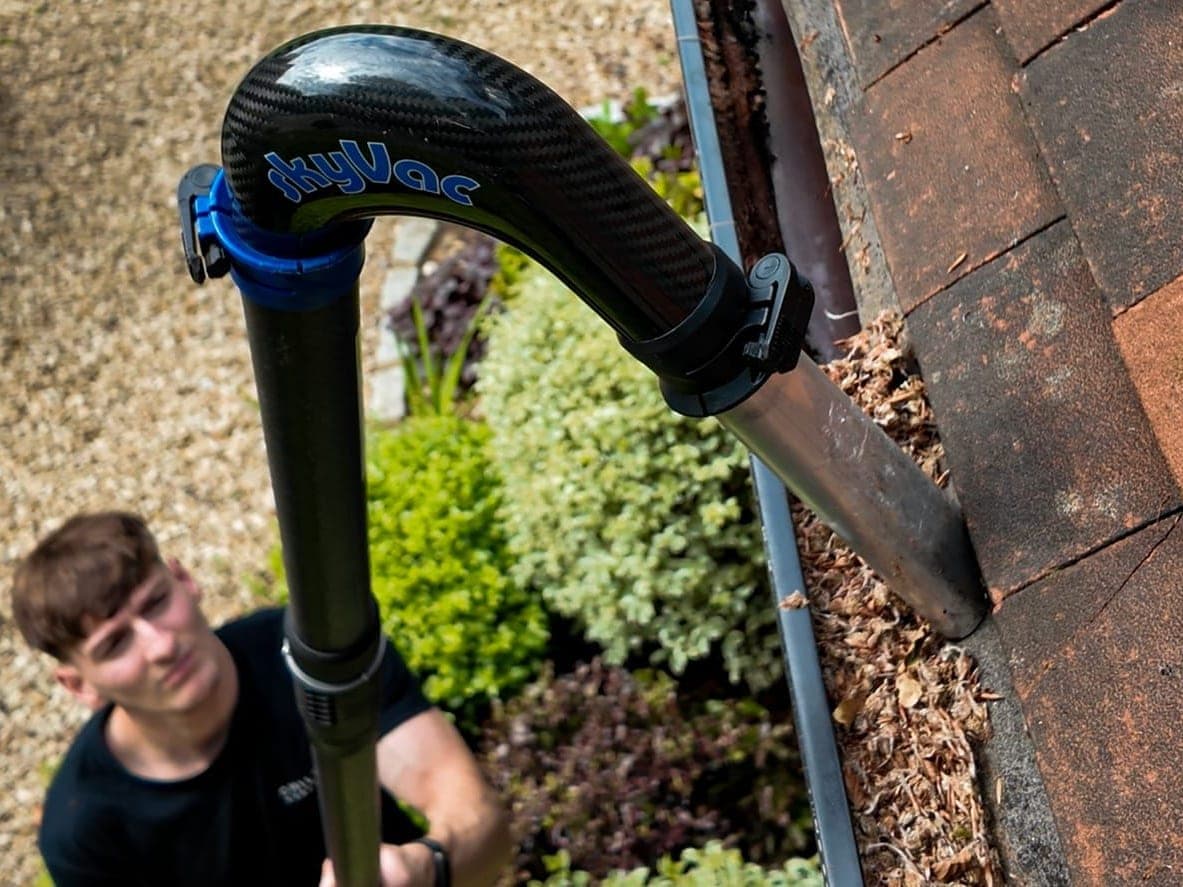
Clear and flush blocked gutters and downpipes to protect your walls, fascias and foundations.
Learn Moreabout Gutter Cleaning
Winter cleaning that removes slippery algae and moss from paths, steps and patios, planned around the forecast.
Advice
Chiltern Surface Co
We will look at each group of panels with you, explain where we would work from and how, then send a clear quotation. Nothing is agreed until you are happy.
We assess your surfaces and recommend the right approach for the best, long-lasting results.
You'll receive a detailed, transparent quote with no hidden extras.
We'll provide honest advice so you can decide what's right for you.
Speak directly with the owner and get expert advice you can trust.