Block Paved Driveway Cleaning in Maidenhead
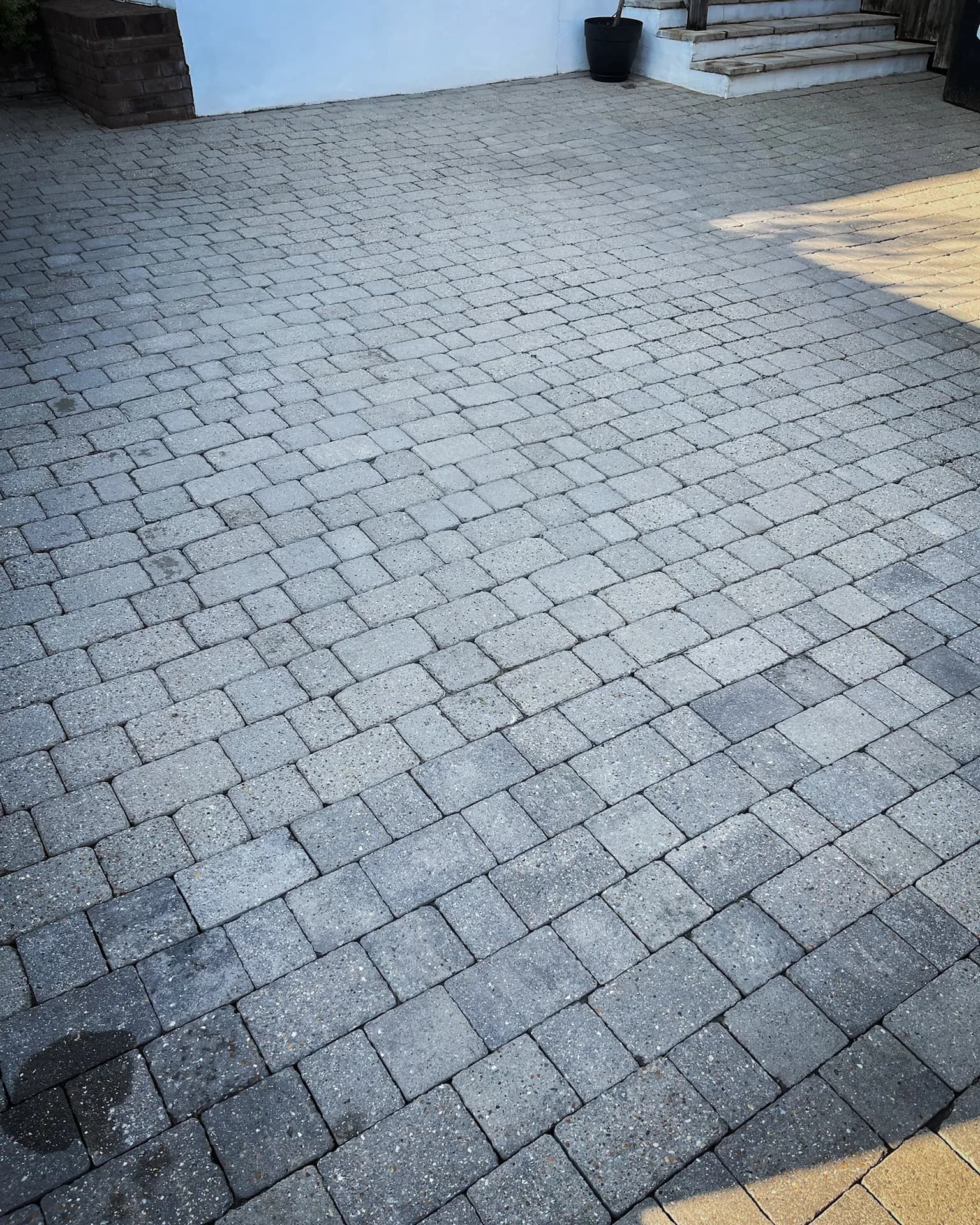
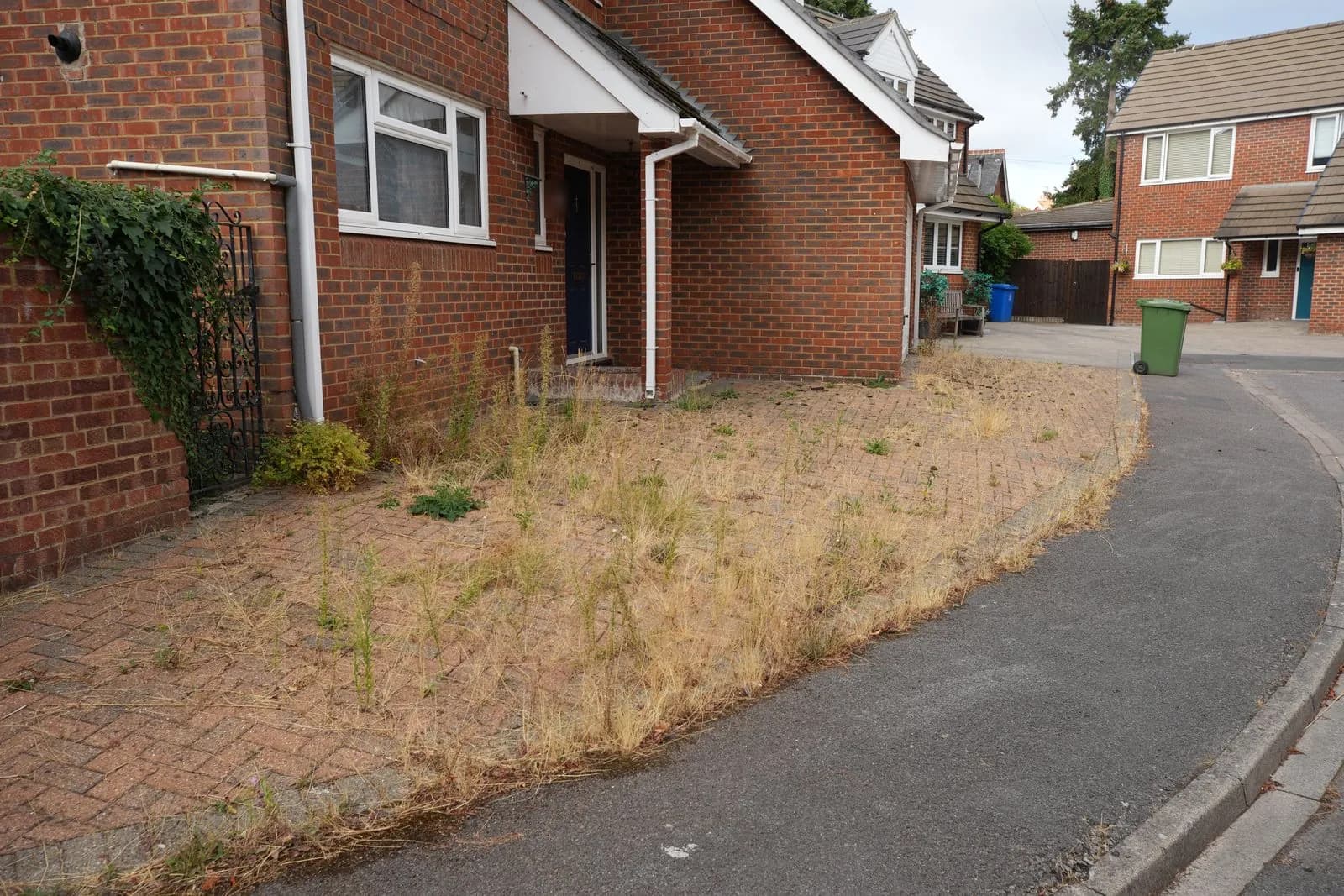
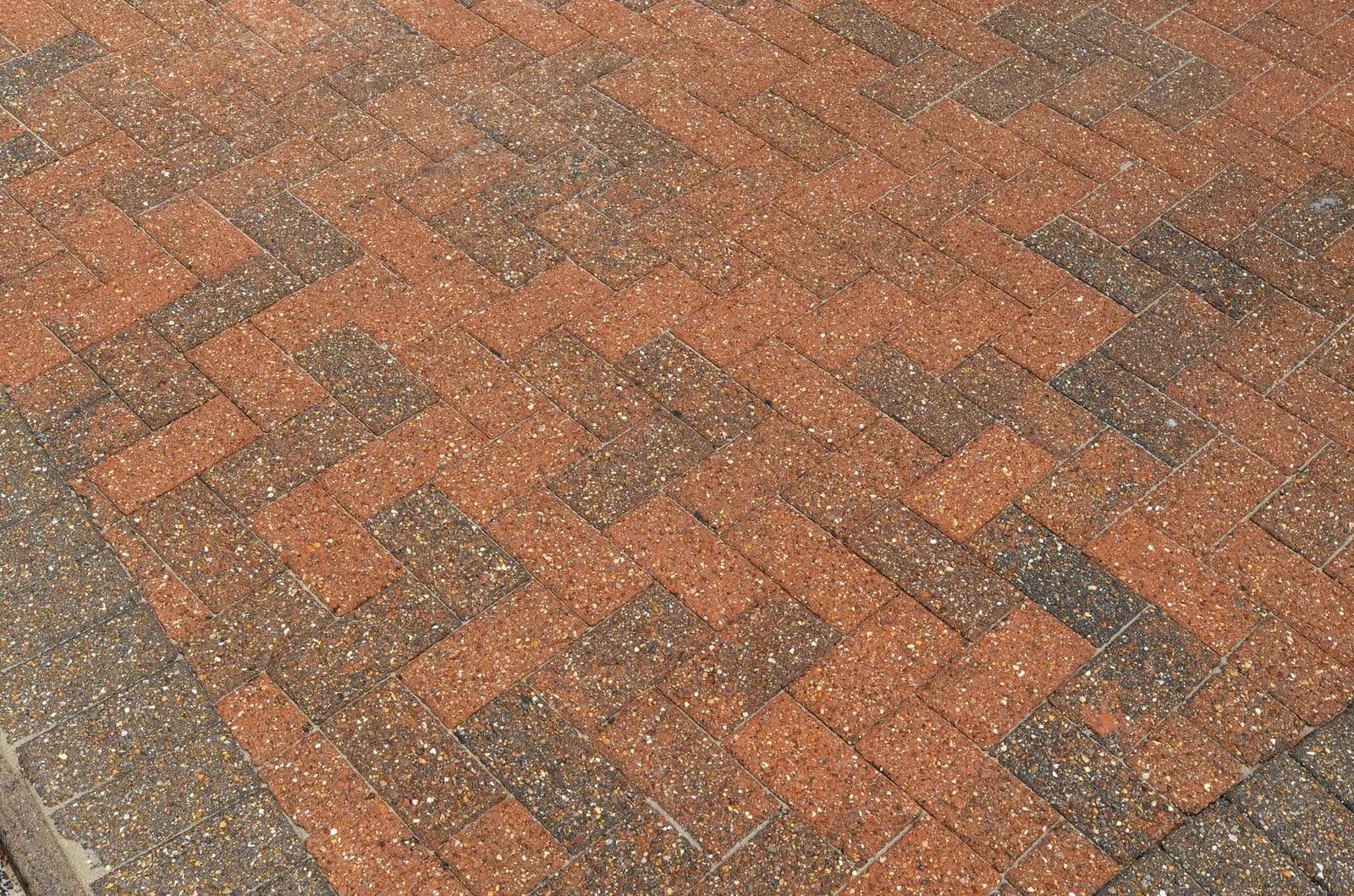
An overgrown block paved driveway in Maidenhead, cleared by hand, deep cleaned, treated with Chiltern EverGuard™, re-sanded with polymeric sand and compacted.
Solar Panel Cleaning · Berkshire
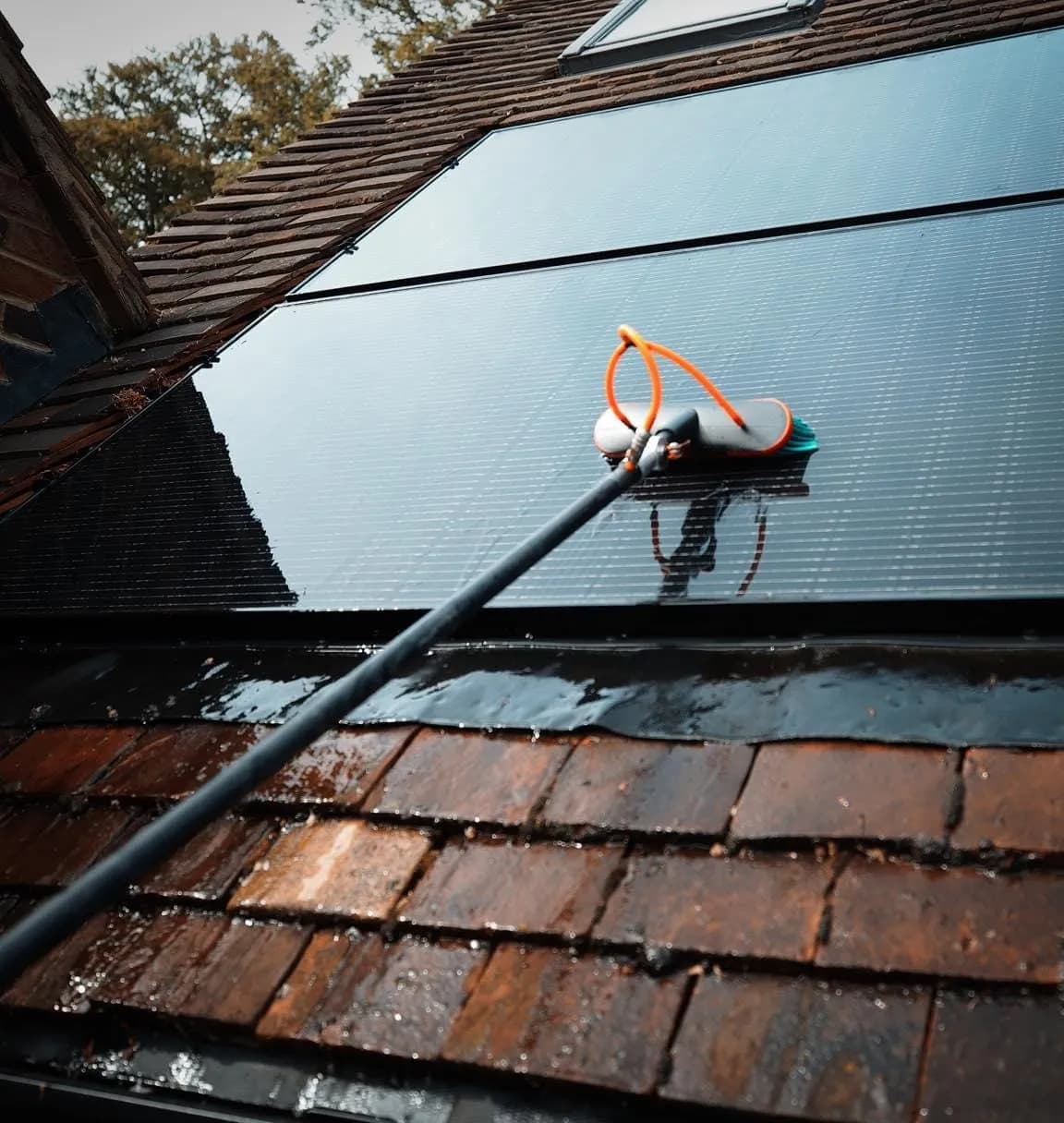
Between the Thames and the open parkland around the town, Windsor has no shortage of birds, and their droppings are what most panels here carry. We lift them with de-ionised water and a soft brush, never a scraper or detergent.
The main culprit
Rain moves loose dust off a tilted panel easily enough. Bird droppings are different: they dry hard, cling to the glass and block the light beneath them completely. A single splash can shade part of a panel for months. Lifting them carefully, without scratching the surface, is usually the first thing a clean here has to deal with.
Windsor's setting
Windsor grew up around the Castle and spread outward once the railways arrived in the nineteenth century, absorbing Clewer and filling in with period terraces, established suburban streets and newer housing. Many of those roofs look out over water or green space, with the River Thames running along the town's northern edge.
Open water, parkland and mature gardens all attract birds, and birds like a high perch with a clear view. Ridges, chimneys, aerials and the top edge of a solar array all serve the purpose. Panels directly below a favourite perch collect far more droppings than the rest, which is why one corner of an array often looks worse than the remainder.
Bird droppings
Dried droppings bond to glass more firmly than dust or pollen, and the obvious response, a scraper or a stiff brush, is the wrong one. Solar glass has a smooth outer surface, and grit held in a hard deposit can mark it when dragged across.
We soak the deposit with de-ionised water and work it with a soft brush, returning for more passes as it loosens. On heavily fouled panels that takes patience rather than force. The water carries the residue down and off the glass, and the final rinse leaves nothing behind.
Uneven soiling
Because birds favour particular perches, fouling is rarely spread evenly. A chimney stack beside the array, an aerial above it or a ridge directly over the top row can concentrate droppings onto two or three panels while the others look almost clean from the ground.
From the garden it is easy to underestimate this, since the lower panels hide the top row from view. We clean the whole array, not only the worst patch, and show you where the fouling was concentrated so you know which perch is responsible.
Period roofs
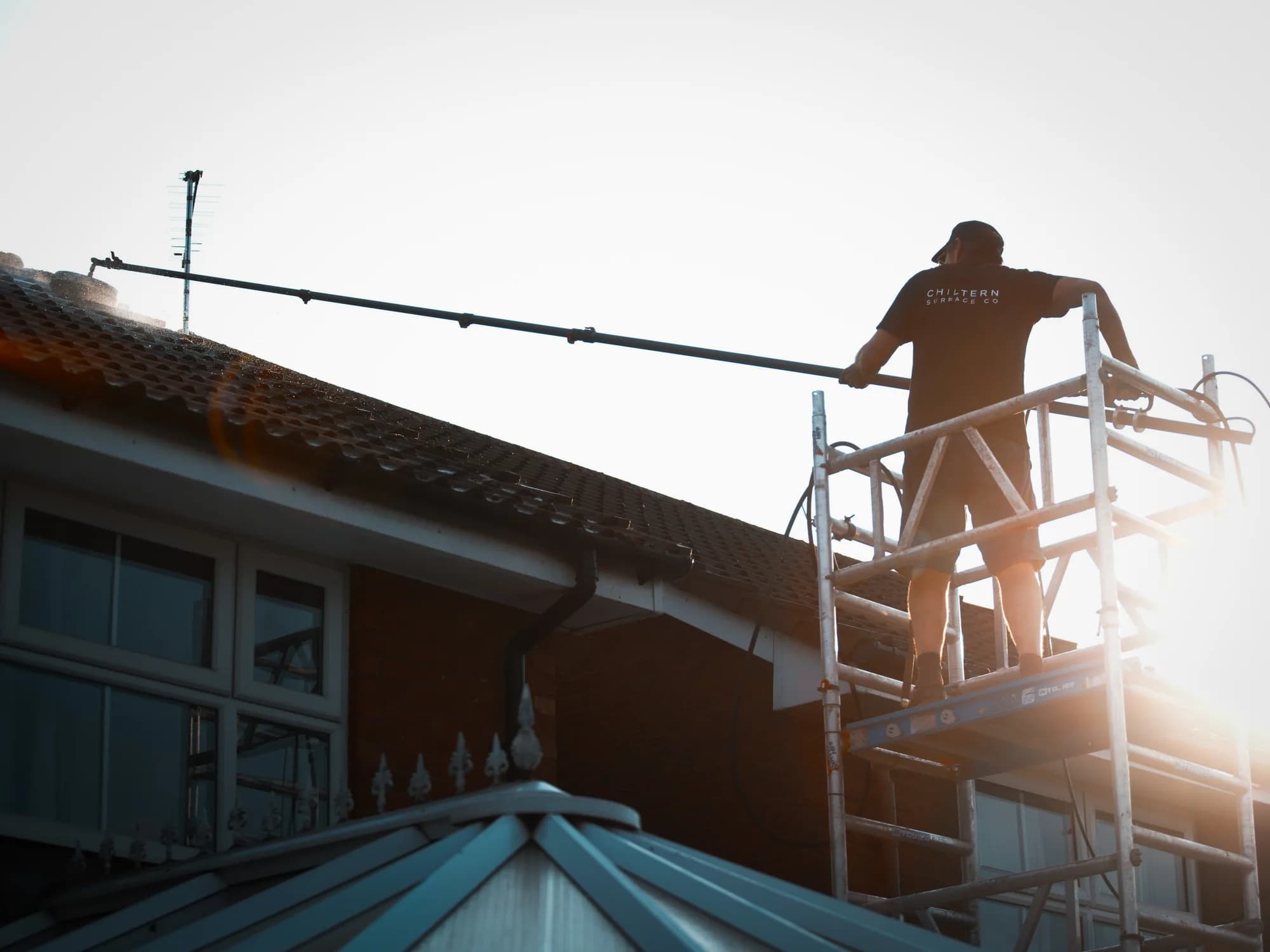
Some of the town's period terraces and older brick houses carry panels on rear slopes, reached through a narrow garden or a side passage. A water-fed pole suits this well: the hose follows the operative along the path, the operative stands in the garden and the pole does the reaching.
Cleaning alters nothing. No part of the array or the roof is moved, refixed or adjusted, which matters on older buildings and in conservation areas alike. If we spot a problem with a bracket, a seal or a tile, we tell you so that your installer or a roofer can look at it.
Step by step
Every array is assessed before it is cleaned. The steps below are the same each time; how long each one takes depends on how much fouling there is.
We look over the array, its frames and seals, the pitch and where birds are perching, and confirm that every panel can be reached safely with the pole.
Hardened deposits are wetted with de-ionised water first and given time to soften, so the brush lifts them rather than dragging grit across the glass.
The soft brush works across each panel in turn, top row first, removing droppings, pollen and fine dust along with any moss on the bottom frame.
The array is rinsed with de-ionised water and left to dry naturally. Because the water holds no minerals, it dries without spotting and nothing needs wiping.
We check the glass from the ground, point out where fouling was heaviest and mention anything we noticed about the fixings or the seals.
Honest limits
Most droppings come off fully once softened. A deposit that has sat on the glass for a long time can leave a faint mark that water and a soft brush will not lift, and we will not attack it with anything harsher.
An overgrown block paved driveway in Maidenhead, cleared by hand, deep cleaned, treated with Chiltern EverGuard™, re-sanded with polymeric sand and compacted.
Why us
Deposits are softened and brushed, never scraped, so the surface of the panel is treated as carefully as the dirt sitting on it.
De-ionised water does the cleaning. No detergents run off the roof into your garden, the drains or eventually the river.
We work from Marlow, upstream on the Thames, and know how riverside and parkland settings affect roofs and whatever is fixed to them.
Our operatives are fully insured, work from the ground wherever the pole allows and agree the access with you at the site visit.
Nearby
Beyond the town we clean panels in Clewer, Dedworth, Old Windsor and Datchet, and across the river in Eton and Eton Wick. Wherever birds have a high perch above an array, the same careful approach applies.
Solar Panel Cleaning in nearby towns
What Clients Say
Thank you to every client who has trusted us with their home. Your reviews mean a great deal to us. We’re proud to be fully insured, certified professionals — delivering proven results with a customer-focused approach on every single project.
5-Star Rated On Google
Questions
Yes. The deposit is soaked with de-ionised water until it softens, then lifted with a soft brush over several passes if needed. We never use scrapers or abrasive pads, because grit inside a dried deposit can mark the glass when dragged.
Birds use the same perches again and again. A chimney, aerial or ridge right above part of the array concentrates the droppings there, while panels further away stay much cleaner. We clean all of them and show you the pattern.
No. Rain rinses loose dust from a tilted panel, but it barely touches dried droppings, sticky pollen or the moss gathering along the bottom frame. Those stay put until someone cleans them off.
No. De-ionised water and a soft brush are enough, given time to soften the deposit. Nothing is sprayed onto the glass, so nothing runs off the roof except water and what it lifted.
Yes. Cleaning does not alter the building, the roof or the array, so it is simply maintenance. We reach the panels from the ground and leave every fixing exactly as we found it.
More often than most. Where birds roost above an array, twice a year is often sensible, while open arrays with few perches may manage with once. We suggest an interval after seeing how much came off.
More from us
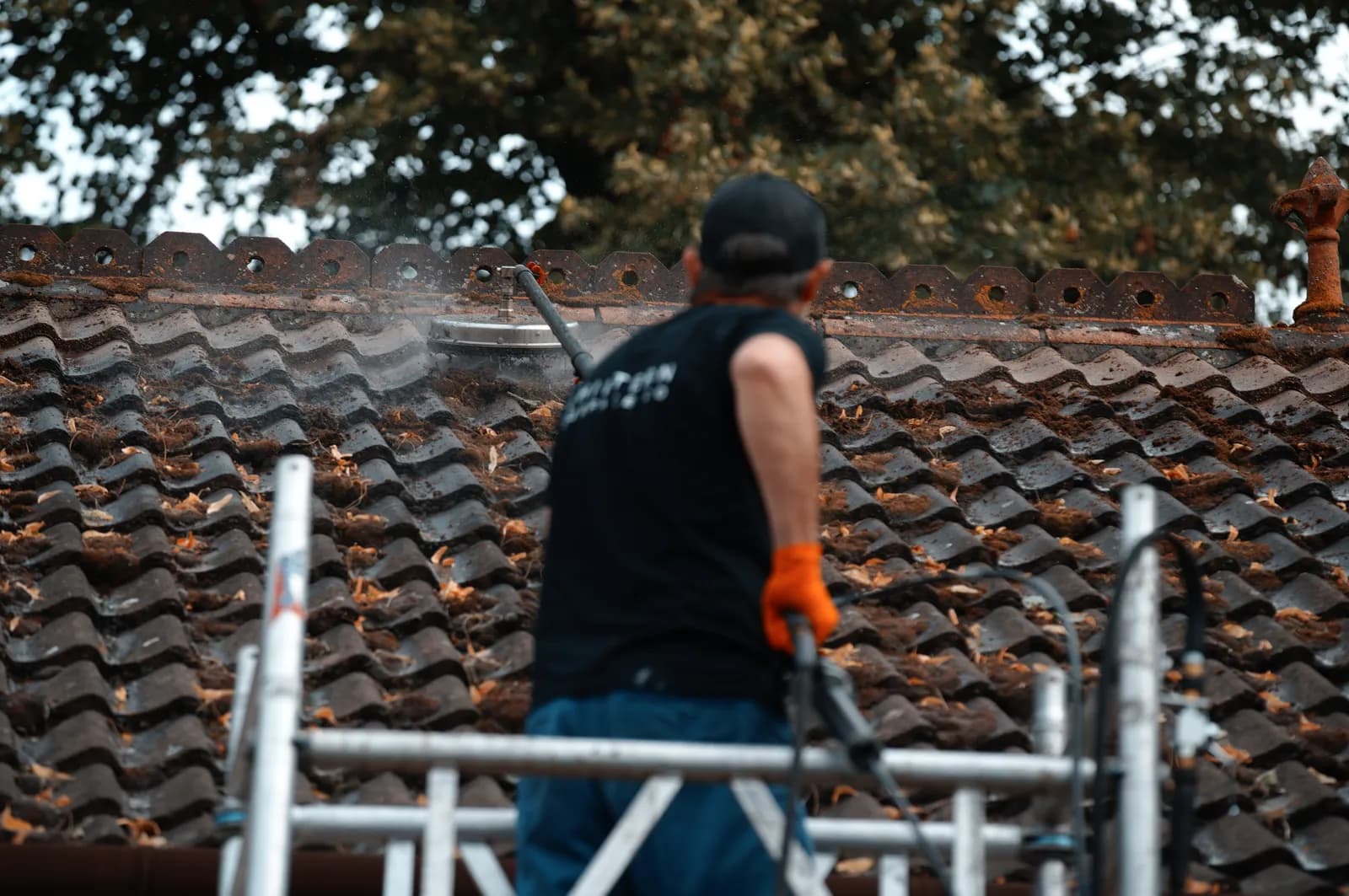
Carefully remove moss, algae and lichens to protect your roof and enhance kerb appeal.
Learn Moreabout Roof Cleaning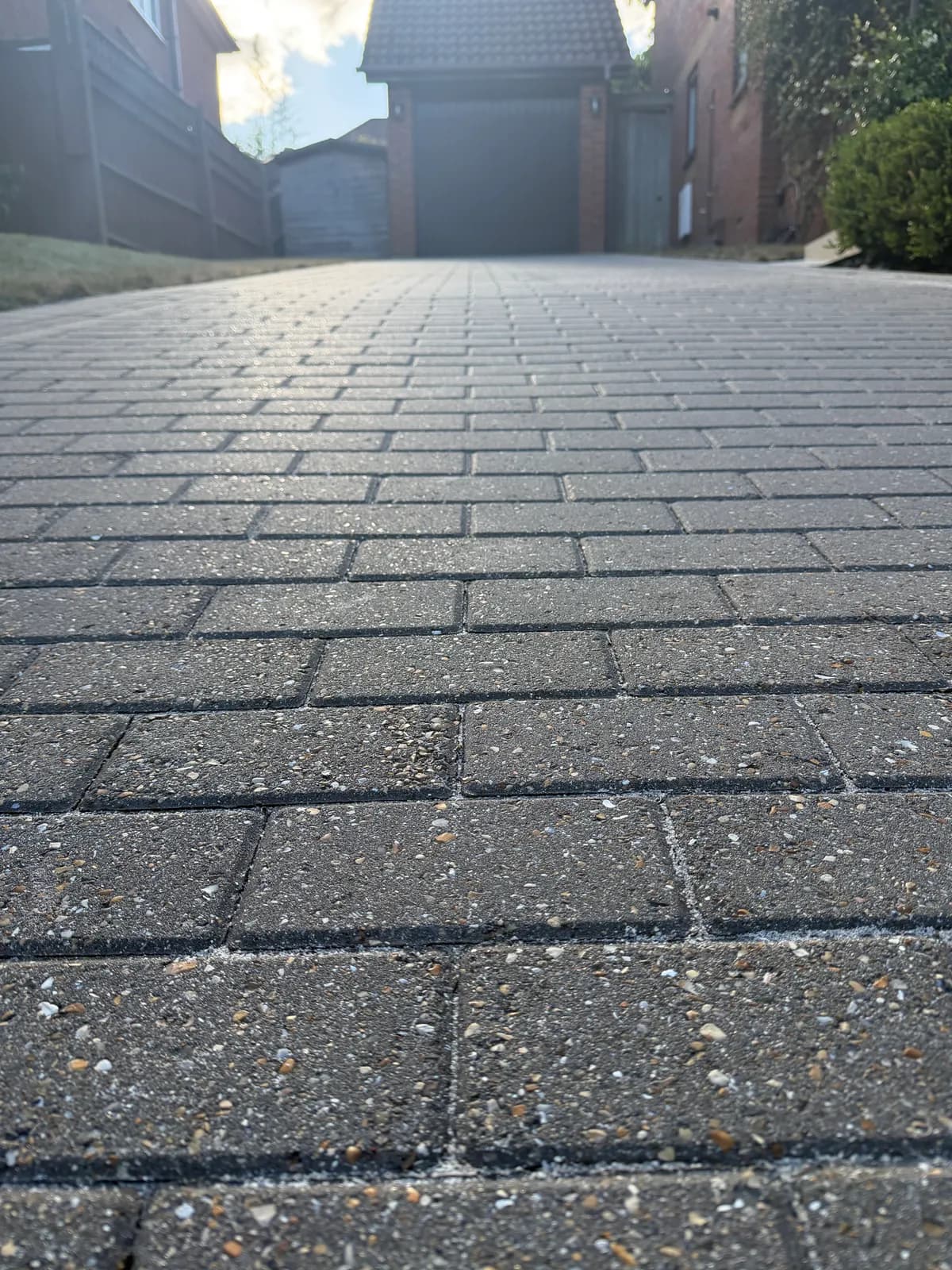
Professional cleaning for block paving, tarmac and resin driveways, restoring colour and removing stains.
Learn Moreabout Driveway Cleaning
Specialist cleaning and restoration for natural stone, porcelain and concrete patios.
Learn Moreabout Patio Cleaning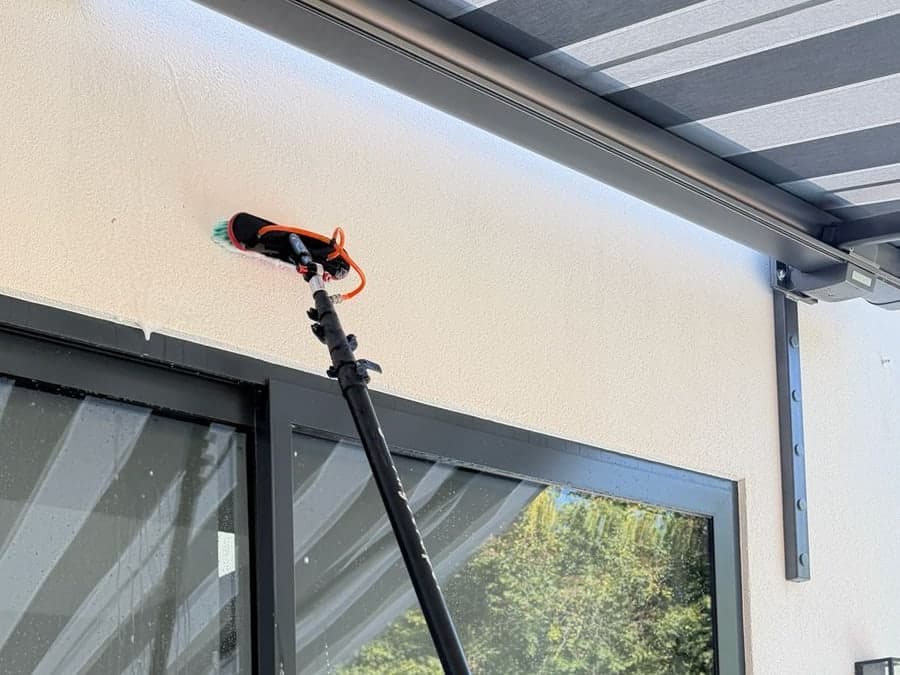
Low pressure soft wash treatment designed to safely remove algae, mould and grime from exterior surfaces.
Learn Moreabout Soft Wash Treatment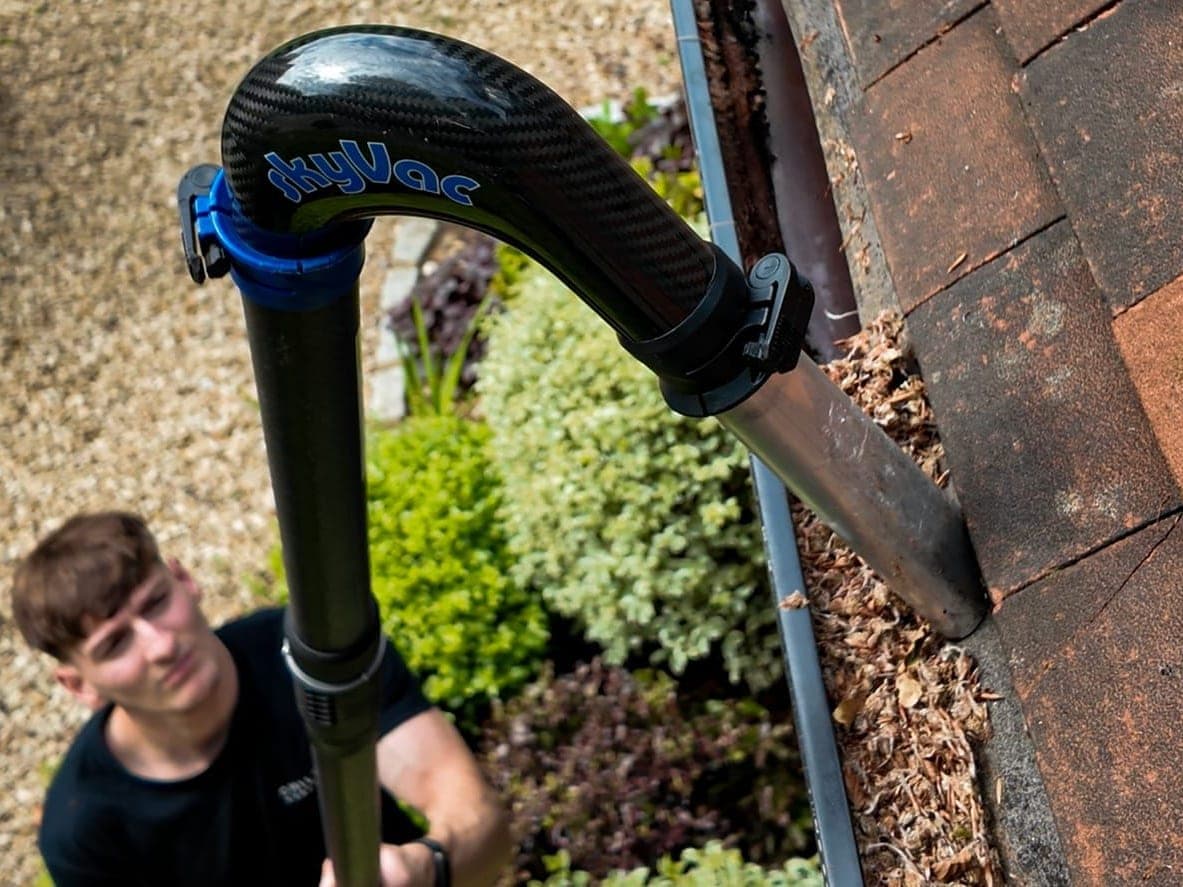
Clear and flush blocked gutters and downpipes to protect your walls, fascias and foundations.
Learn Moreabout Gutter Cleaning
Winter cleaning that removes slippery algae and moss from paths, steps and patios, planned around the forecast.
Advice
Chiltern Surface Co
We will look at the array from the ground, show you where the fouling is concentrated and explain how we would clean it. A clear quotation follows the visit.
We assess your surfaces and recommend the right approach for the best, long-lasting results.
You'll receive a detailed, transparent quote with no hidden extras.
We'll provide honest advice so you can decide what's right for you.
Speak directly with the owner and get expert advice you can trust.