Block Paved Driveway Cleaning in Maidenhead
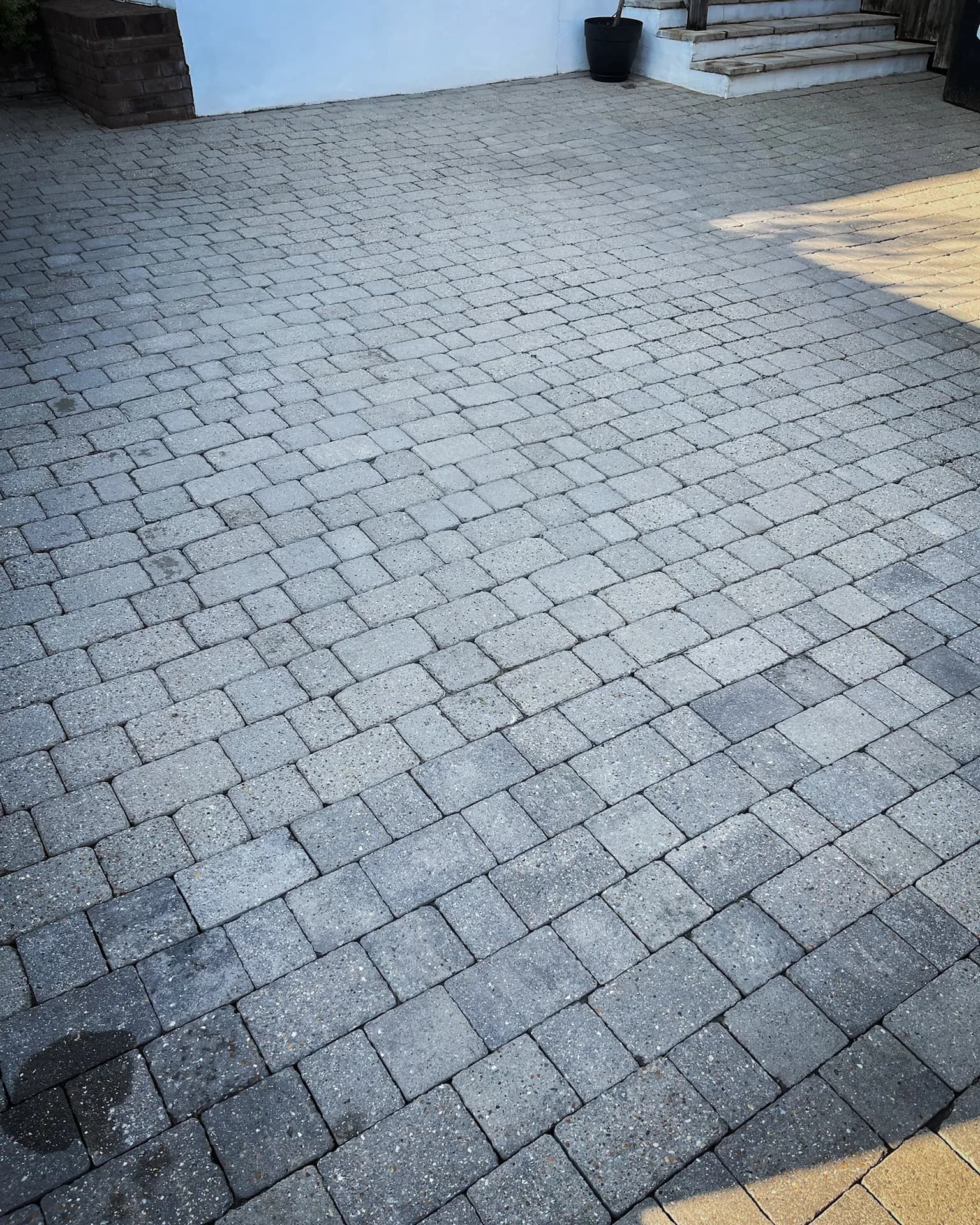
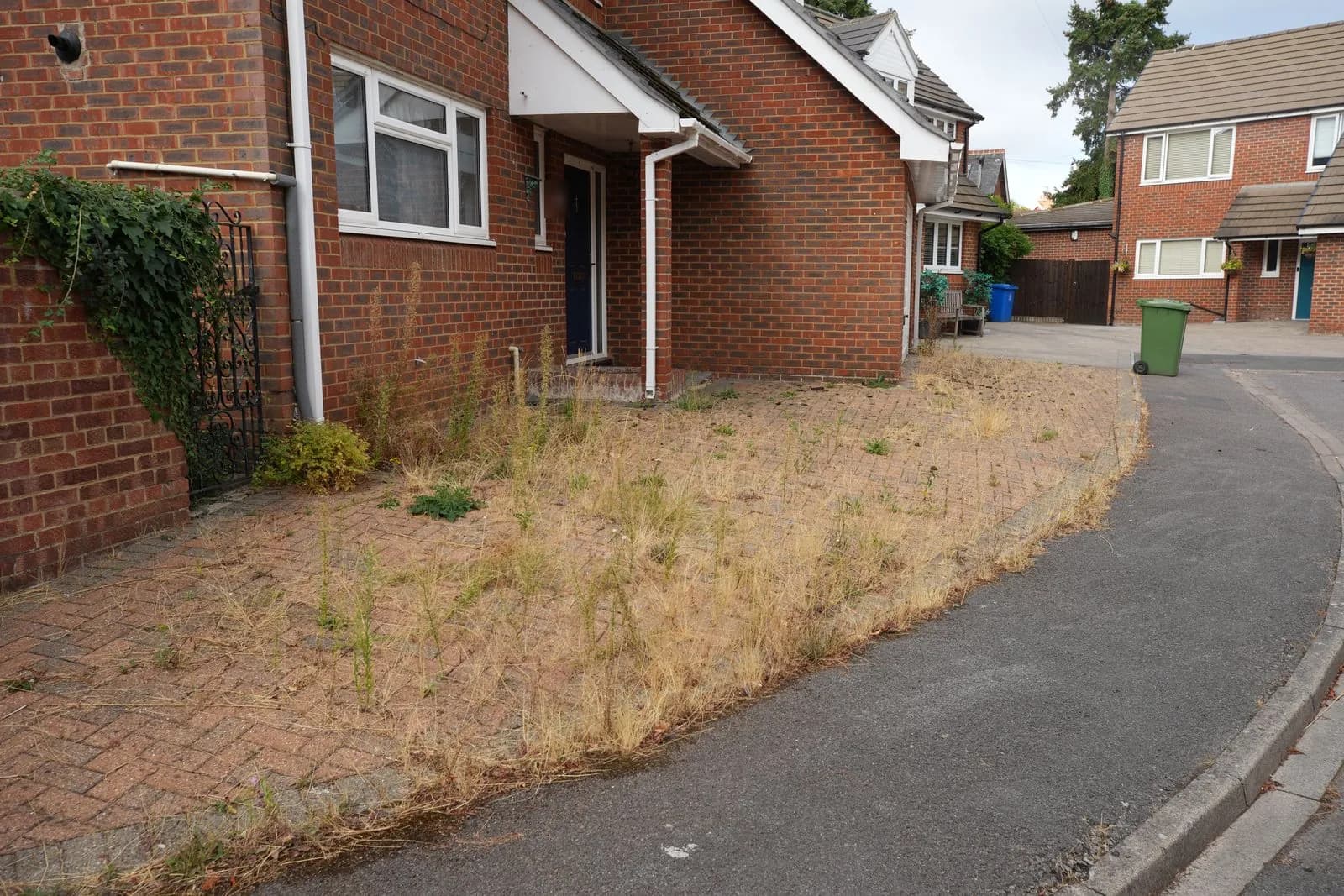
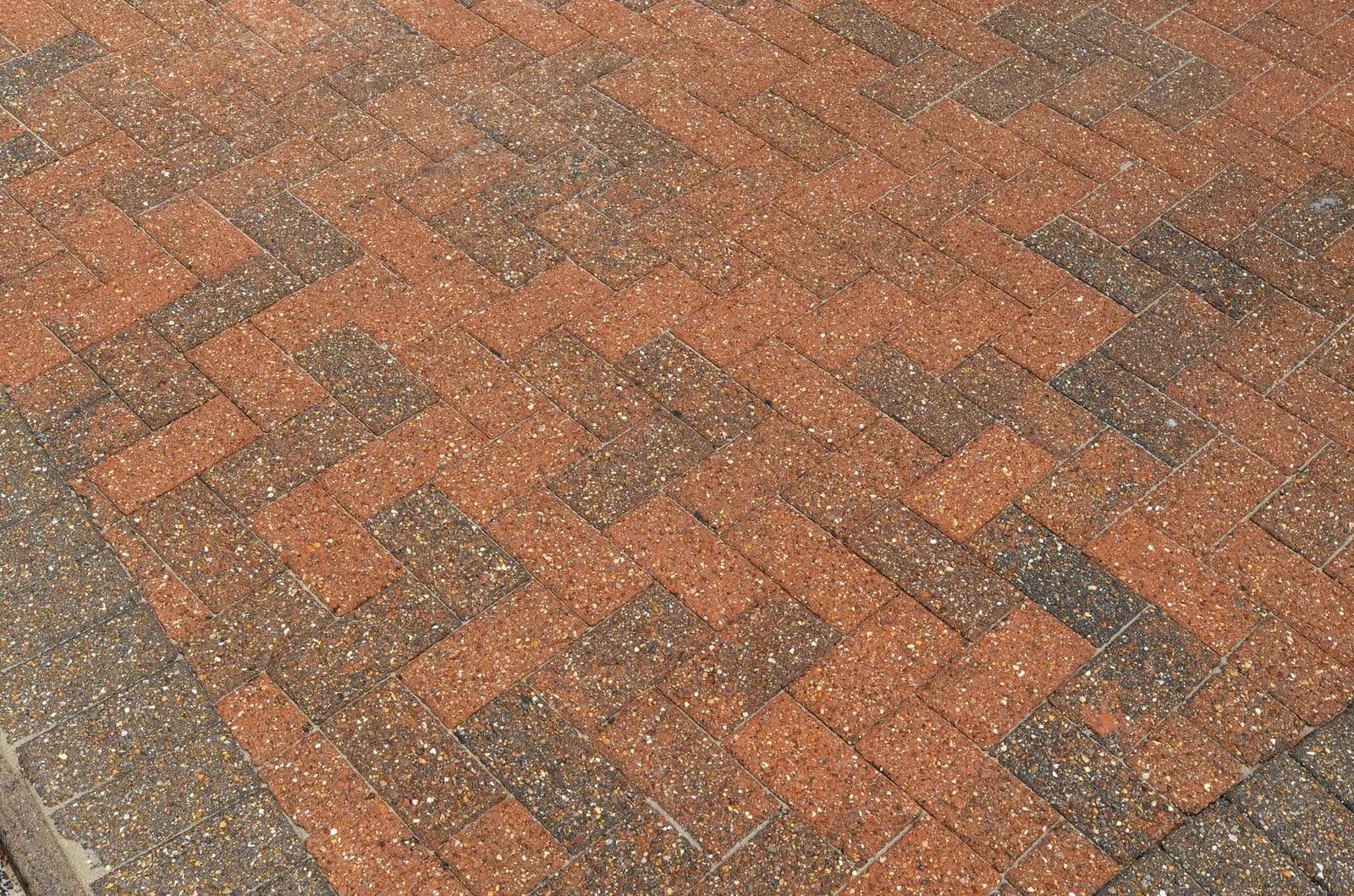
An overgrown block paved driveway in Maidenhead, cleared by hand, deep cleaned, treated with Chiltern EverGuard™, re-sanded with polymeric sand and compacted.
Solar Panel Cleaning · Berkshire
Cookham sits low beside the Thames, and its roofs stay damp long after rain. On solar panels that damp shows up as moss and lichen along the frames. We clear the edges and wash the glass with de-ionised water only.
Damp and glass
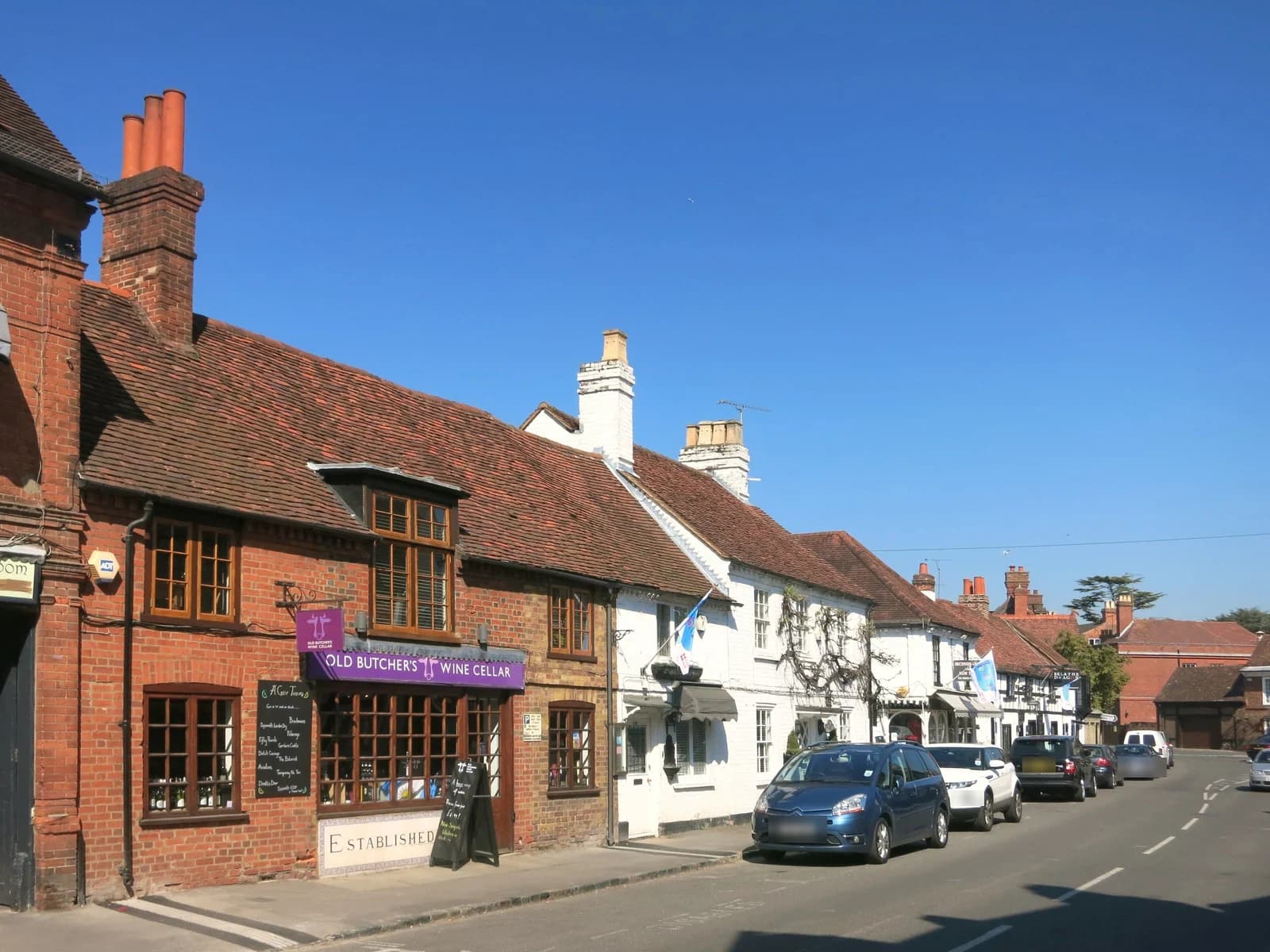
Solar glass is too smooth for moss to cling to for long. The aluminium frame is another matter. Water runs down each panel and pauses at the lower edge, carrying dust and spores with it, and in a damp village that slow-drying strip is where growth takes hold first. Clearing it is as much part of the job as washing the glass.
Cookham homes
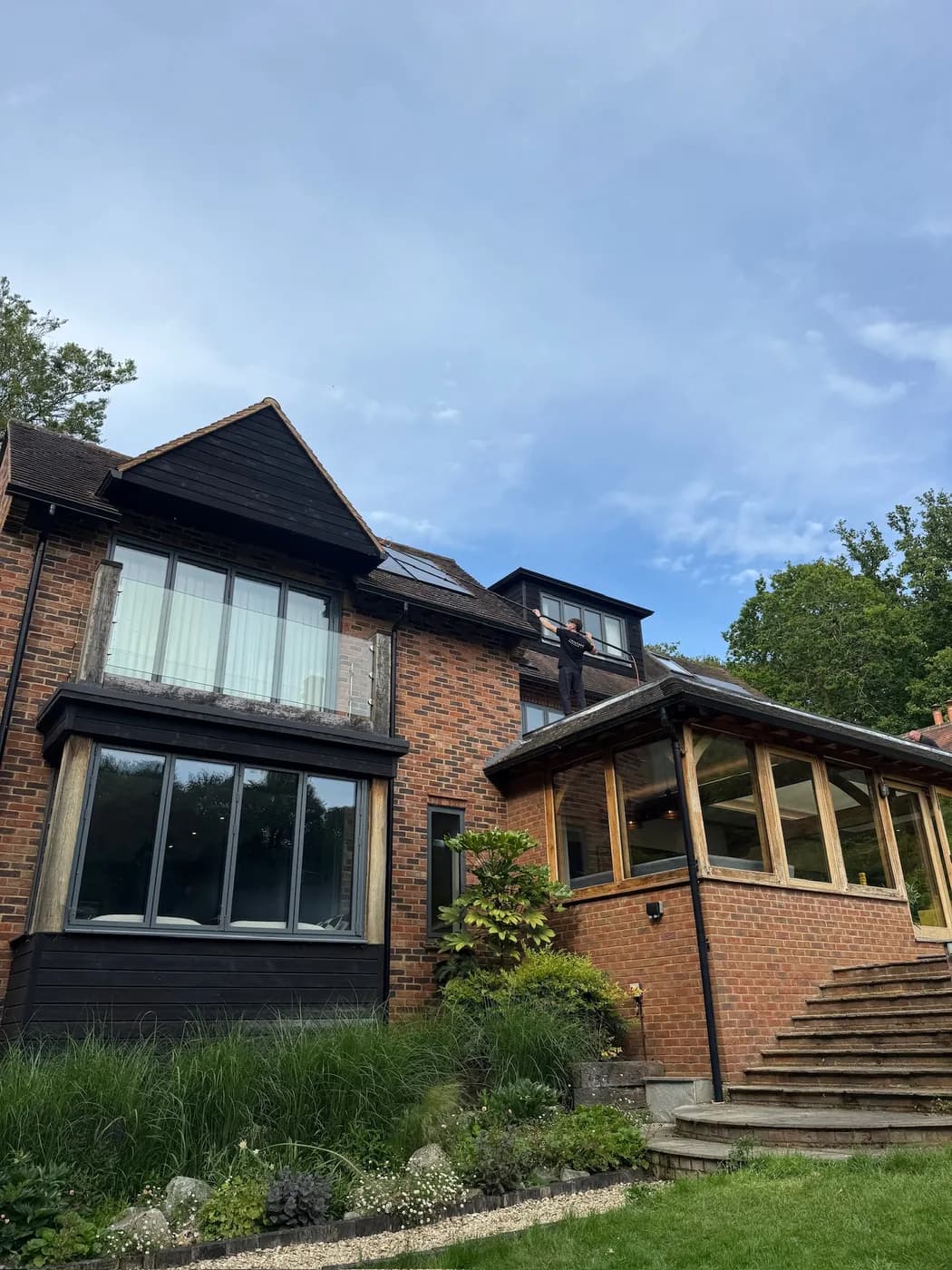
Cookham's character comes from its mix: period cottages and character homes near the village centre, riverside houses, larger family homes and newer developments, with Cookham Rise and the wooded slopes of Cookham Dean close by. The village sits low on the Thames, and moisture lingers there in a way it does not on higher, more open ground.
That moisture is why shaded roofs here grow moss so readily, and why panels fitted to them often show a green or grey line along their lowest edge. Trees on the higher ground and in mature village gardens add leaf litter and pollen to the mix, and spores arrive with every breeze.
Moss on frames
Moss on an array almost always starts in the same place: where the glass meets the bottom frame. Dust and spores settle in the small lip there, water lingers after every shower, and before long a thin line of growth appears. Left for a few seasons, it widens, creeps onto the glass and starts to hold debris.
We brush the line out panel by panel, working the corners where it is thickest, then rinse frame and glass together. Growth tucked under the panels or around the rails is noted rather than chased, because we do not disturb the mounting to reach it.
Lichen
Lichen is slower and flatter than moss and grips whatever it grows on. On panels it usually appears as small grey or yellow-green spots on the frame, and sometimes on the glass near the lower edge, where water sits longest.
We soak each spot with de-ionised water and work it with the soft brush over several passes. Most come away; some well-established lichen leaves a faint mark where it grew. We would rather leave that than reach for a scraper or a chemical, and we tell you honestly at handover which marks remain.
Close to the river
Rainwater from a riverside roof finds its way towards the Thames sooner or later, through gardens, soakaways and drains. That is one reason our solar cleaning uses de-ionised water and nothing else. There is no detergent or treatment to rinse off the roof and into the ground.
It suits the panels as well. With the minerals taken out, the water dries without spotting, so the glass can be left to dry by itself. Nothing is wiped across it, and no residue stays behind to catch the next lot of dust.
The sequence
We follow the same order on every array. In a damp village, more of the time goes on the frames and edges than on the open glass.
From the ground we look at the panels, the frames and seals, the pitch and the roof around them, and note where moss and lichen have settled.
A soft brush fed with de-ionised water works across each panel, lifting dust, pollen, droppings and any lichen spots on the surface.
Once the glass is done, the lower edge and corners of each panel are brushed out, so the moss line and caught debris come away with the final rinse.
Pure water rinses away everything the brush has loosened, then the array dries in the open air, clear and free of mineral marks.
We go over the finished panels with you, mention any lichen marks that remain and anything we noticed about the fixings or seals.
Before you book
A clean clears the frames and glass, but it does not change the setting. On a shaded roof near the river, moss will start again along the bottom edge in time, sooner than on an open, sunny array. Faint marks from long-established lichen may also stay visible.
An overgrown block paved driveway in Maidenhead, cleared by hand, deep cleaned, treated with Chiltern EverGuard™, re-sanded with polymeric sand and compacted.
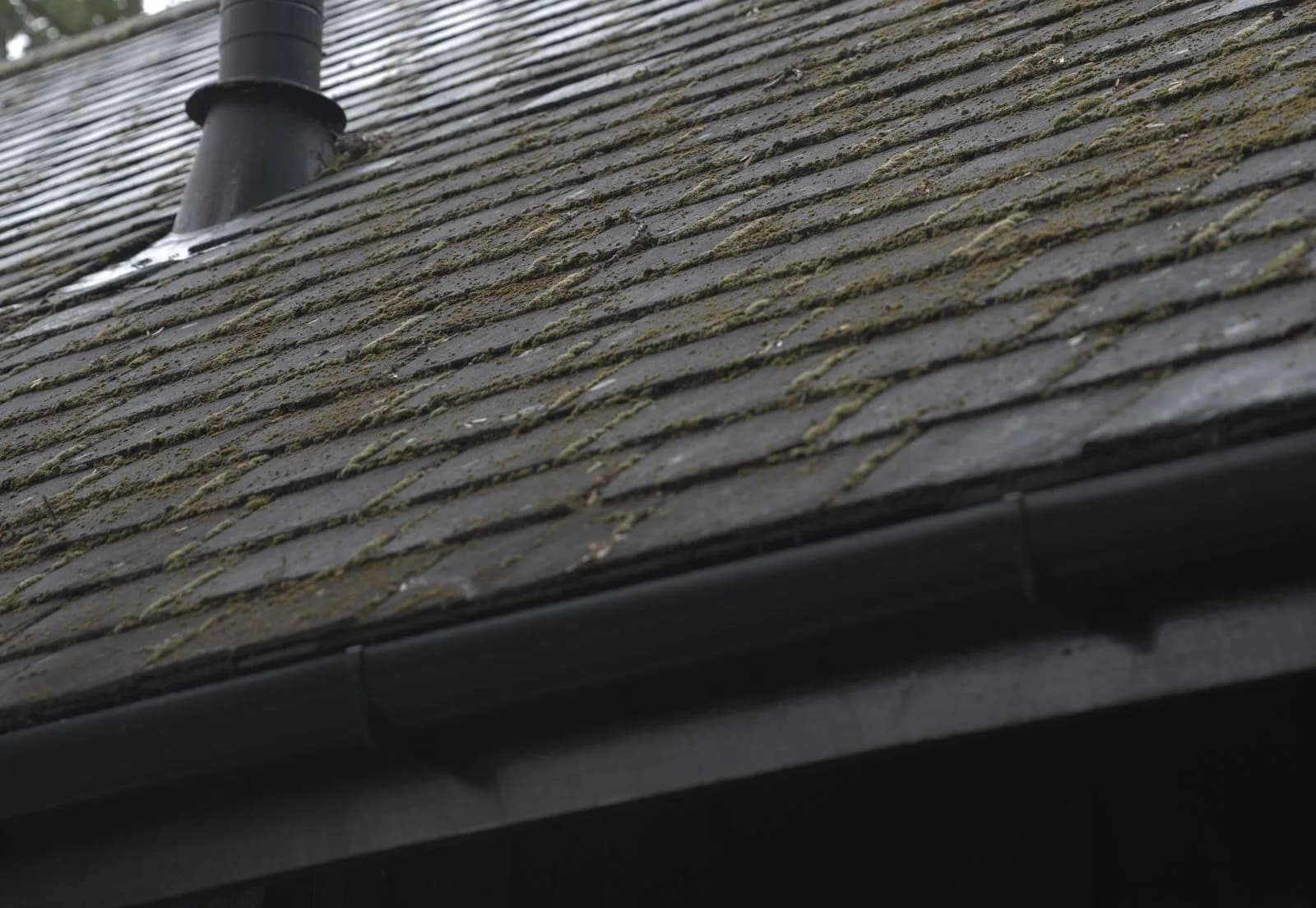
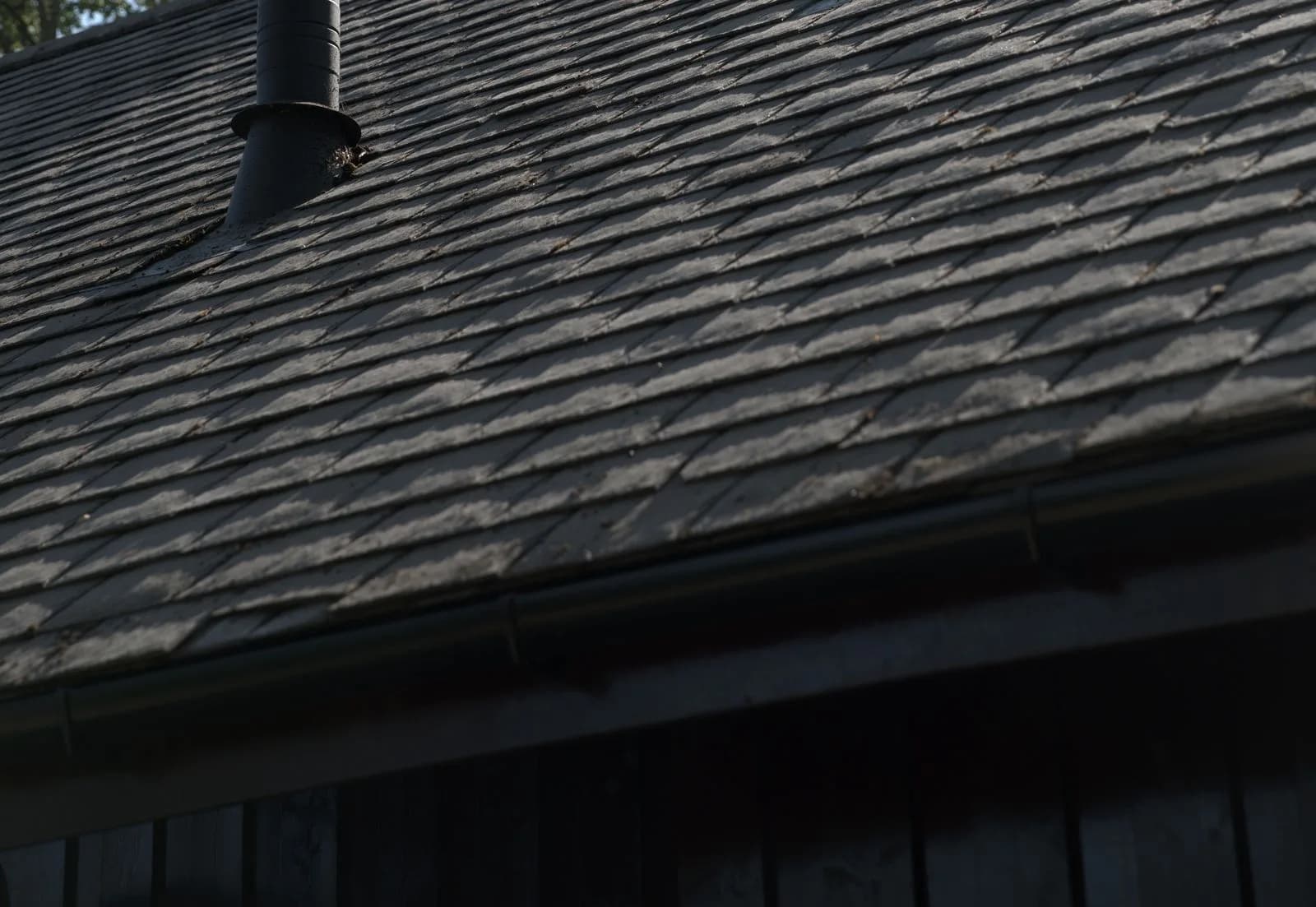
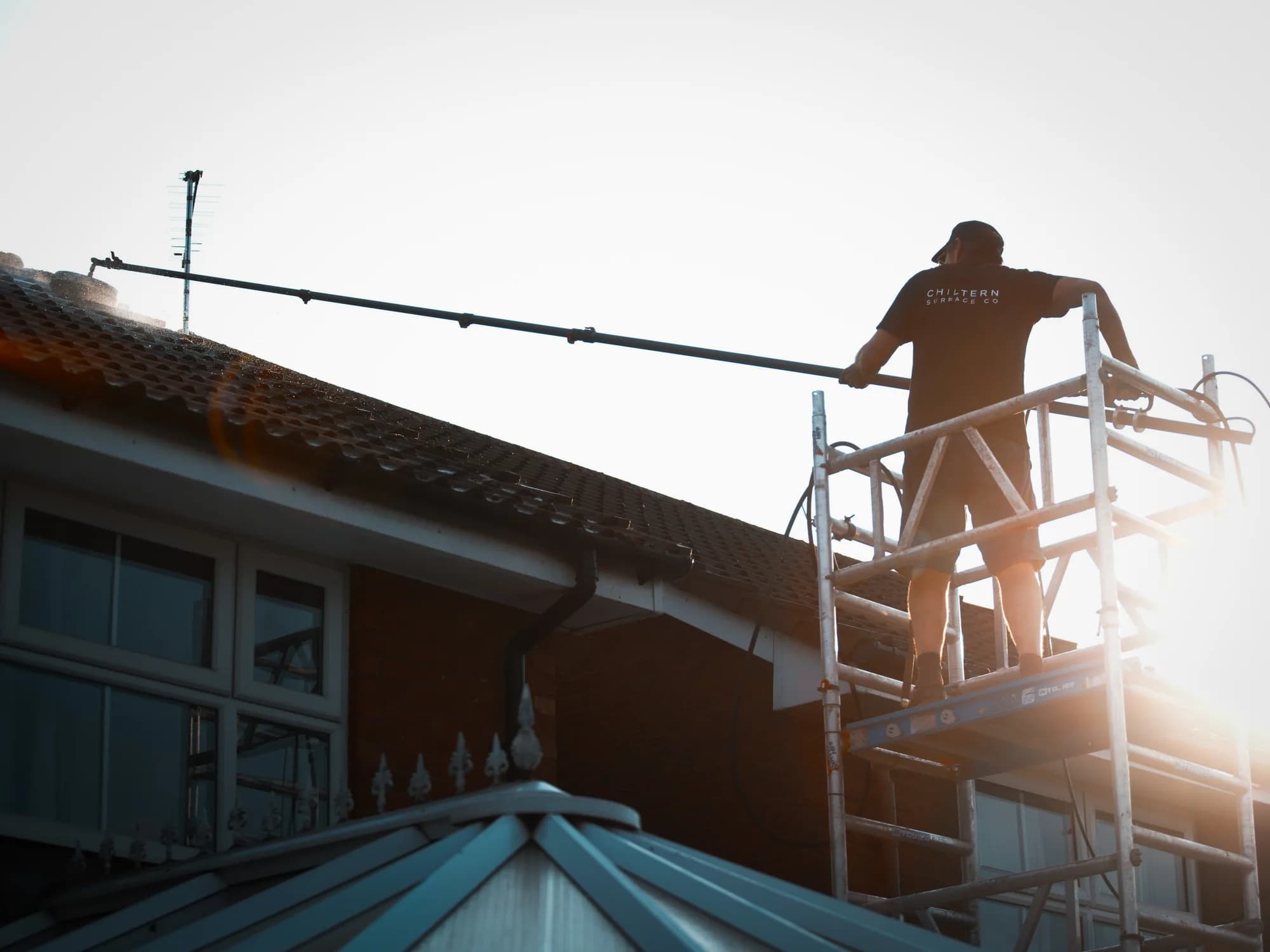
Slate roof moss removal and cleaning in Marlow: a drone survey, scaffold access, carefully controlled low-pressure cleaning and Chiltern EverGuard™.
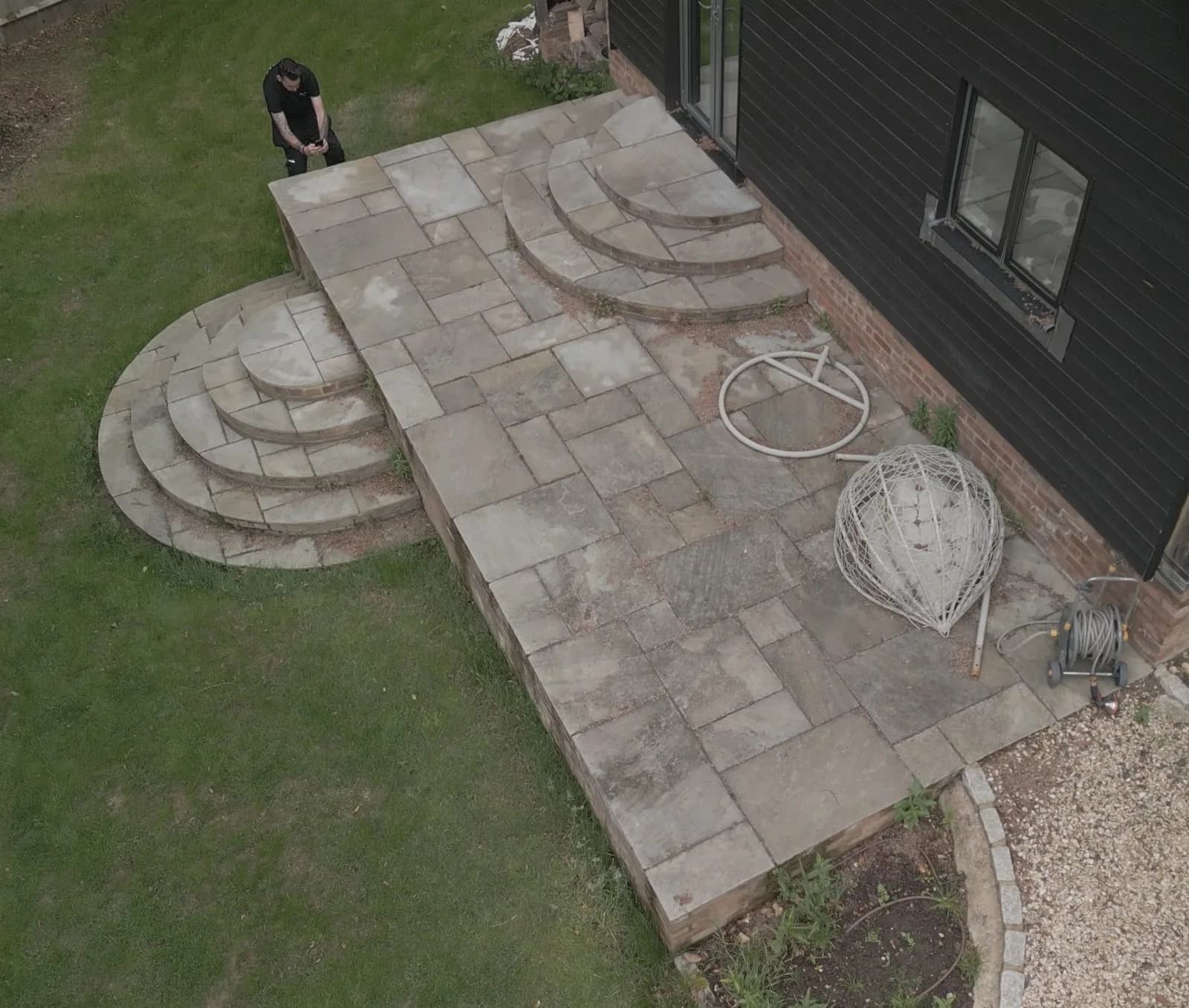
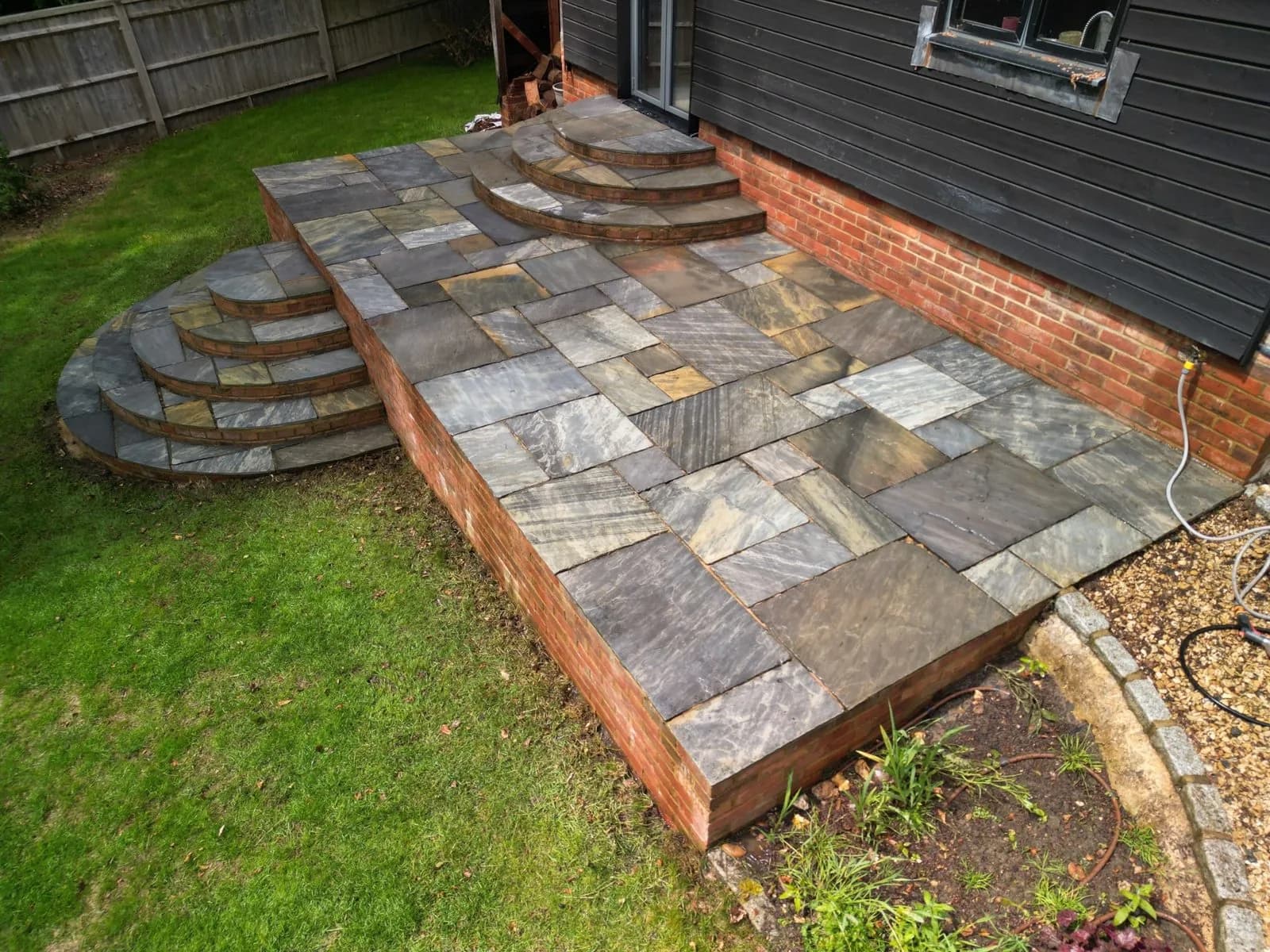
Natural sandstone patio cleaning in Marlow — heavy moss, algae and early black spot removed, protected with Chiltern EverGuard™, plus a full gutter clean.
Why us
De-ionised water and a soft brush. No chemicals reach the roof, the garden or the ground that drains towards the river.
The frames and corners get as much attention as the glass, because that is where moss in a damp village begins.
We are based just upriver in Marlow, where the same river damp and wooded slopes shape how roofs and panels weather.
Fully insured operatives, cleaning from the ground where access allows, with nobody standing on the panels or the tiles.
Nearby
We also look after arrays in Cookham Rise and Cookham Dean, across the river in Bourne End, and in Furze Platt and Wooburn Green. The damp, wooded setting is much the same there, and so is our method.
Solar Panel Cleaning in nearby towns
What Clients Say
Thank you to every client who has trusted us with their home. Your reviews mean a great deal to us. We’re proud to be fully insured, certified professionals — delivering proven results with a customer-focused approach on every single project.
5-Star Rated On Google
Questions
It grows on the frame rather than the glass. Water carrying dust and spores pauses along the lower edge, and in a damp spot that strip rarely dries fully. Moss roots there first and then creeps onto the glass if left.
Usually, yes. We soak it with de-ionised water and work it off with a soft brush. Well-established lichen can leave a faint mark, which we leave rather than scrape, and we point it out at handover.
No. Solar Panel Cleaning uses de-ionised water and a soft brush only. Moss on the frames is brushed away, and nothing is applied that could run off into the garden or towards the river.
Yes, in time. Cleaning removes what is there but cannot change the damp or the spores in the air. Shaded arrays near the river see it return sooner than open, sunny ones.
Often, yes. A moss line along the bottom edge holds water against the frame and seals, traps more debris and, if it spreads, shades the lowest part of the glass. Clearing it lets rain run off properly again.
Look from the ground on a bright day. A green or grey line along the lowest edge, spotted droppings or a dull, hazy look across the glass are all signs. You should never need to climb up to check.
More from us
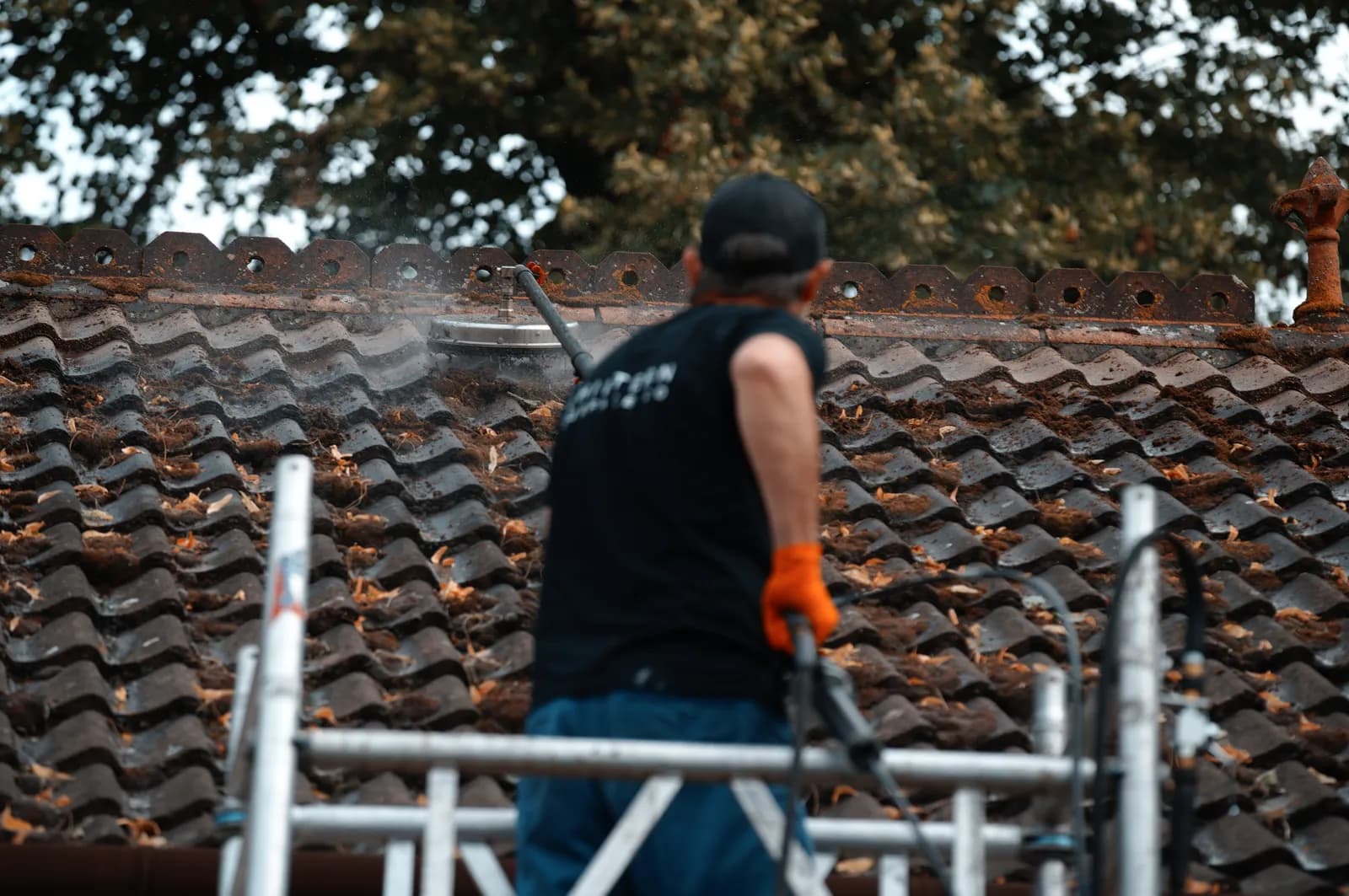
Carefully remove moss, algae and lichens to protect your roof and enhance kerb appeal.
Learn Moreabout Roof Cleaning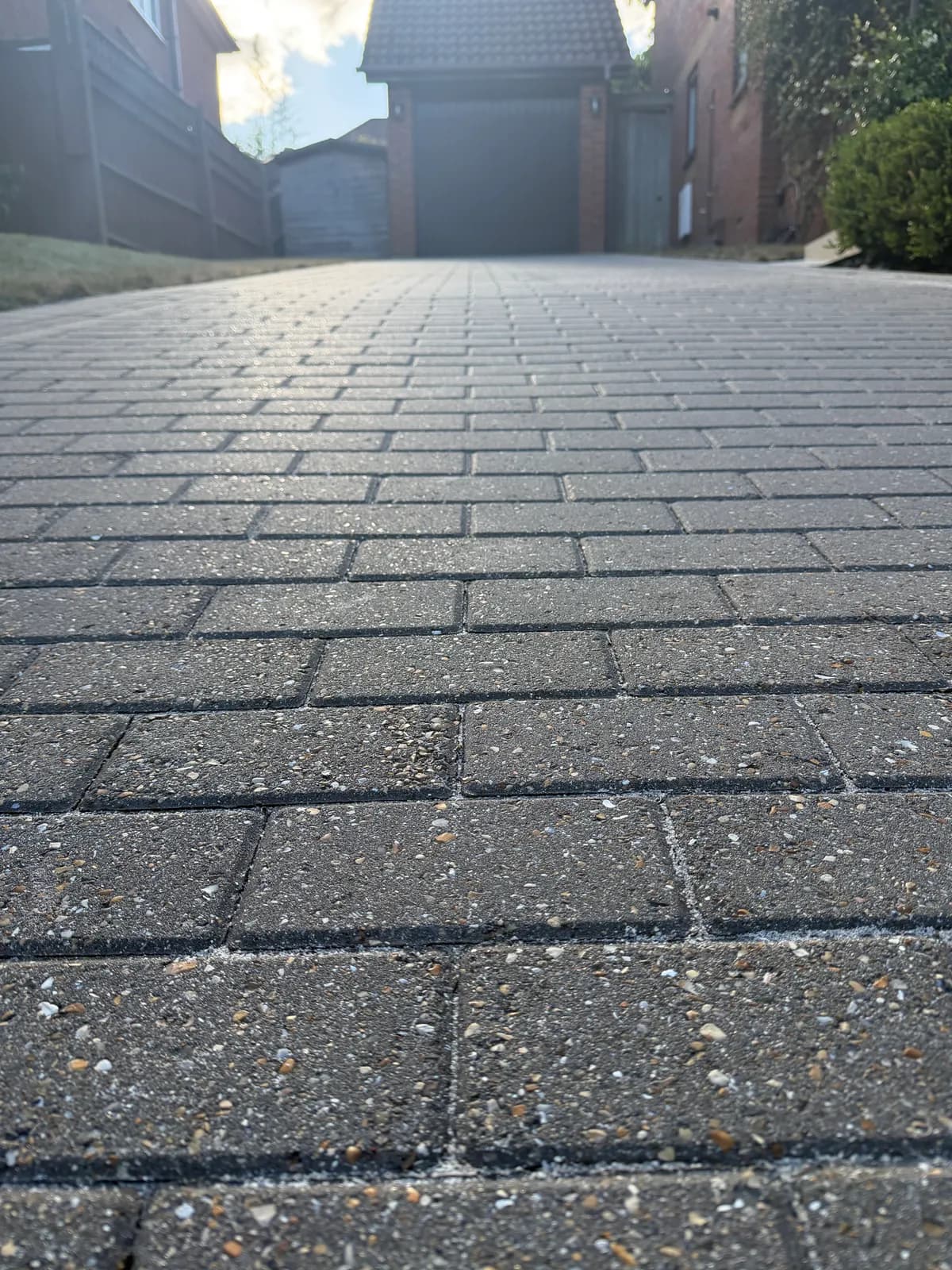
Professional cleaning for block paving, tarmac and resin driveways, restoring colour and removing stains.
Learn Moreabout Driveway Cleaning
Specialist cleaning and restoration for natural stone, porcelain and concrete patios.
Learn Moreabout Patio Cleaning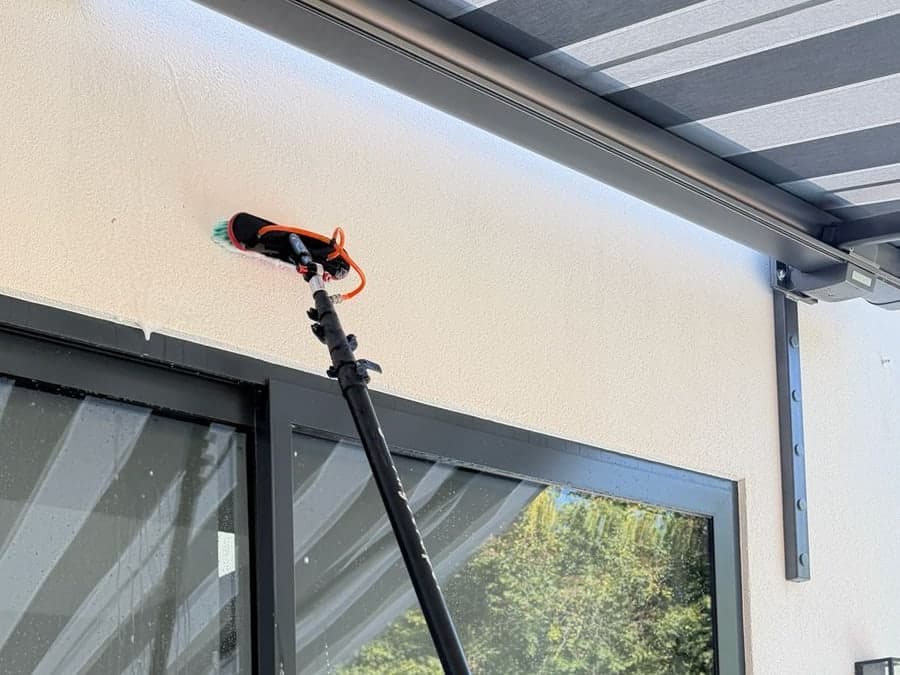
Low pressure soft wash treatment designed to safely remove algae, mould and grime from exterior surfaces.
Learn Moreabout Soft Wash Treatment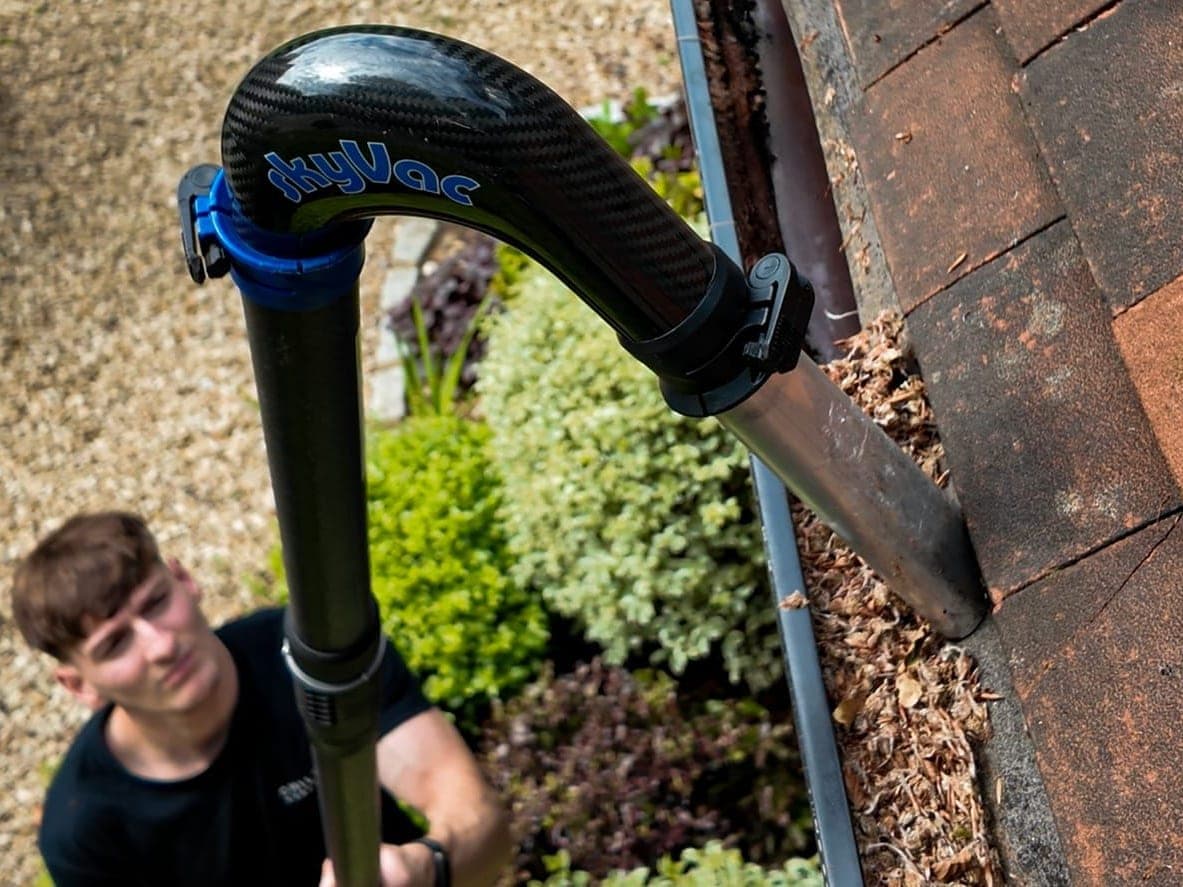
Clear and flush blocked gutters and downpipes to protect your walls, fascias and foundations.
Learn Moreabout Gutter Cleaning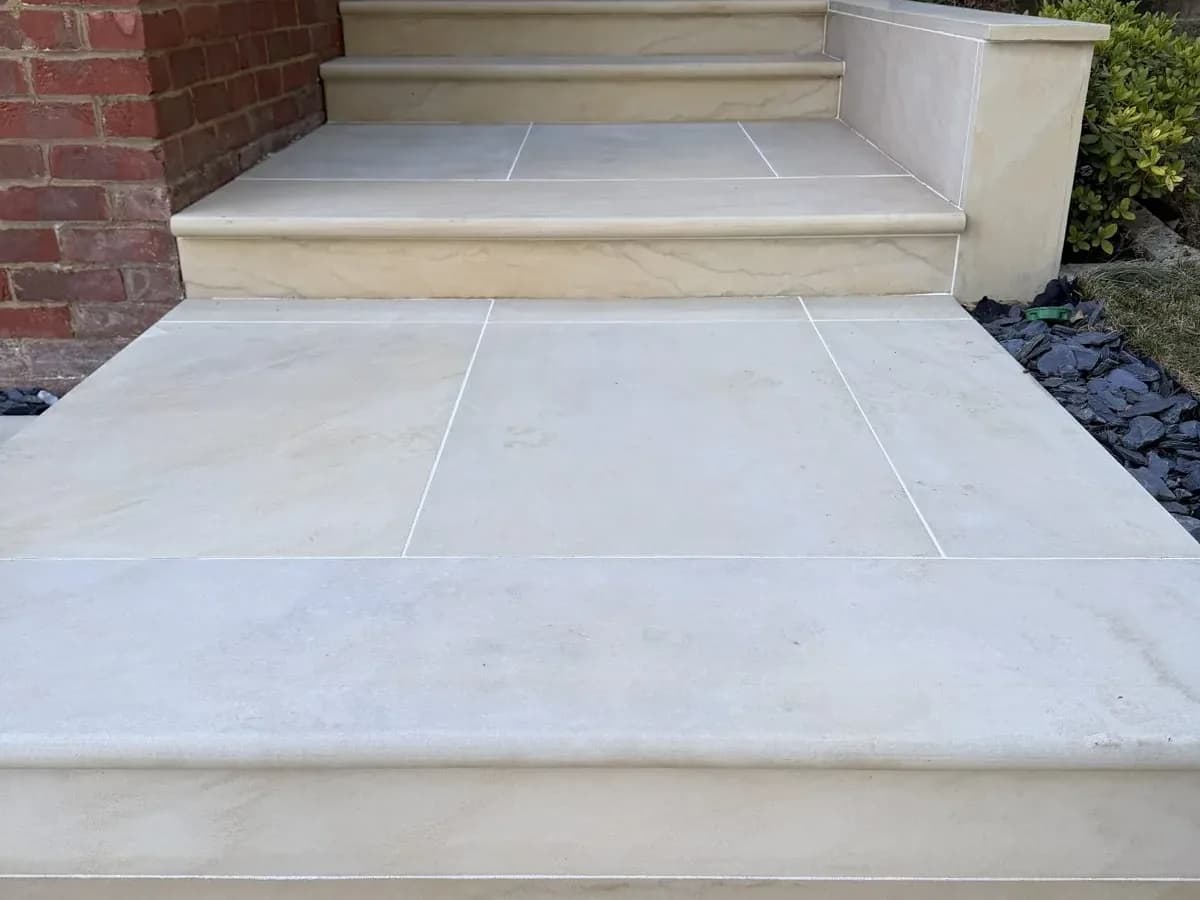
Winter cleaning that removes slippery algae and moss from paths, steps and patios, planned around the forecast.
Advice
Chiltern Surface Co
We will look at the panels and frames with you from the ground, explain what is growing and how we would clean it, then send a clear quotation.
We assess your surfaces and recommend the right approach for the best, long-lasting results.
You'll receive a detailed, transparent quote with no hidden extras.
We'll provide honest advice so you can decide what's right for you.
Speak directly with the owner and get expert advice you can trust.