Slate Roof Moss Removal and Cleaning in Marlow
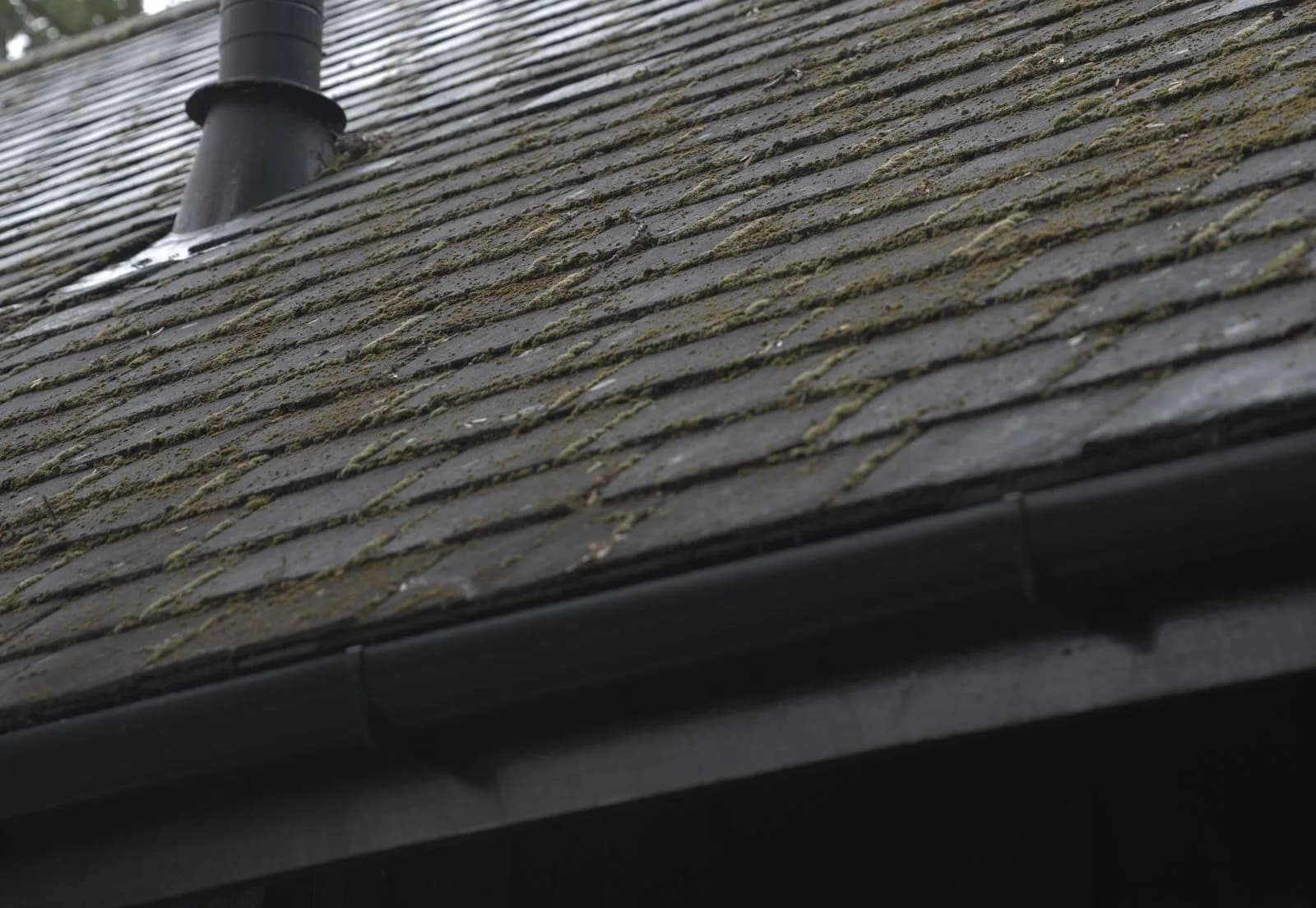
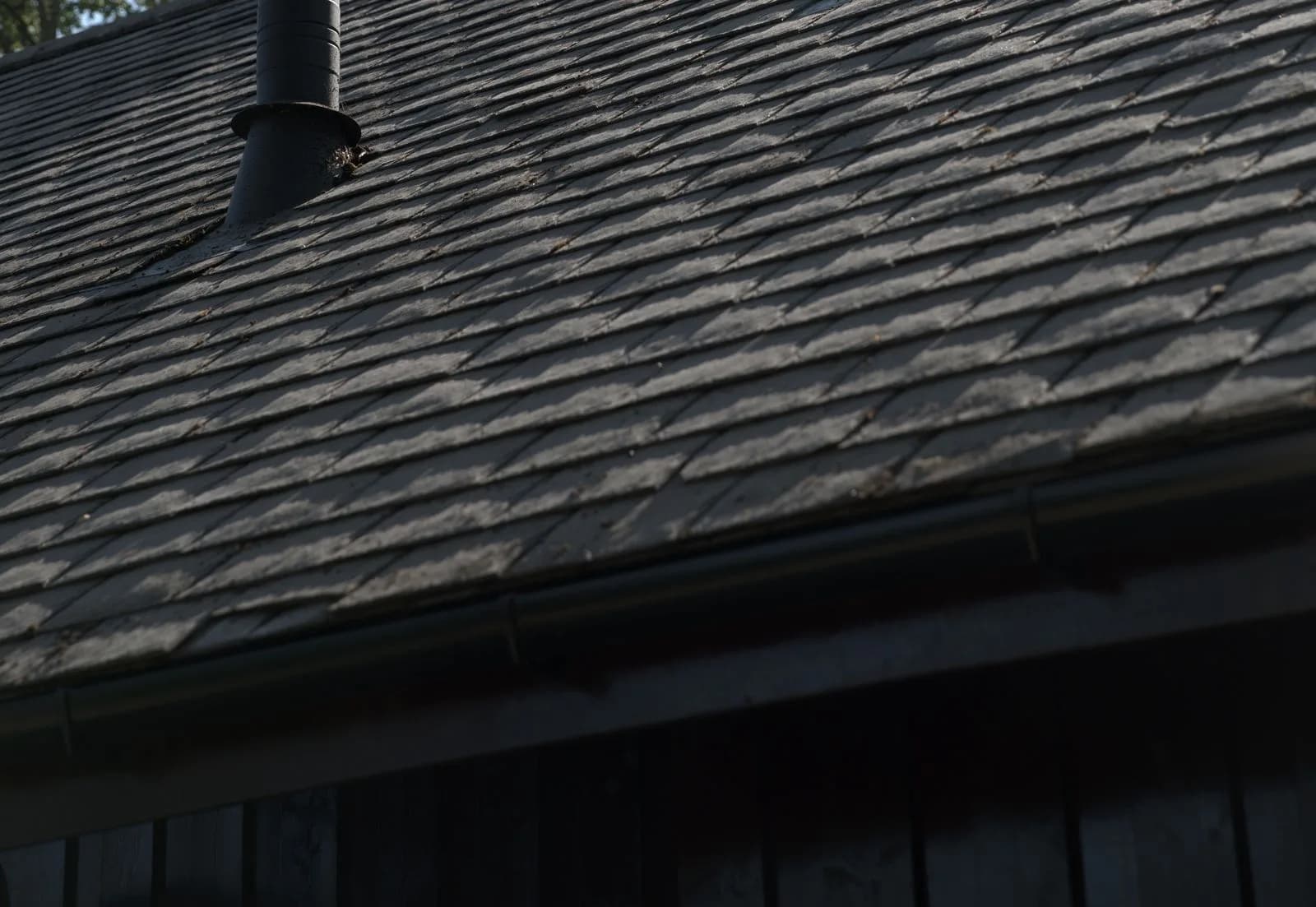
Slate roof moss removal and cleaning in Marlow: a drone survey, scaffold access, carefully controlled low-pressure cleaning and Chiltern EverGuard™.
Solar Panel Cleaning · Buckinghamshire
Morning mist off the Thames settles on Marlow's roofs and turns dust and pollen into a film that clings to panel glass. We wash it off with de-ionised water and a soft brush, worked from the ground.

Why panels need it
A shower carries loose dust off a tilted panel, yet it leaves behind anything that has dried hard: bird droppings, pollen that has been wetted and baked on, sticky residue from trees, and moss along the lower frame. Those deposits shade the glass a little at a time, and they are what a careful clean is for.
Marlow setting
Marlow lies on the north bank of the Thames, with beech-clad Chiltern slopes rising behind the town. On still mornings, mist from the river and heavy dew leave a thin layer of moisture on every roof. Panel glass collects it too, and each time it dries, the dust and pollen it caught are left pressed a little more firmly against the surface.
The houses carrying panels are as varied as the town. Period homes around the centre sit within a conservation area, while inter-war and post-war roads and newer developments further out have broader, plainer roofs that suit an array. Mature gardens near the river and on the hillsides bring birds and trees close to many of those roofs, and that, more than anything, decides how quickly a set of panels dulls.
Damp and deposits
Dust on its own is easily moved. On a panel that is regularly wetted by dew and drizzle, though, fine particles and pollen are dampened, dried and dampened again until they form a thin, slightly tacky layer. Rain then runs over the top of it rather than through it.
You often see the result as a faint haze that looks worse in low winter sun, or as a darker band along the bottom edge, where water gathers before it drains off. Neither tends to clear by itself.
Birds and trees
Bird droppings are the most common reason people call us about their panels. They are opaque, they set hard in sunshine and they sit on the glass in exactly the places rain struggles to reach. Gardens with mature trees add sap, seed and leaf fragments, and roofs near the water see plenty of birds resting on ridges and gutters above the array.
Water quality
Tap water carries dissolved minerals, and when it evaporates from glass it leaves them behind as spots. De-ionised water has had those minerals taken out, so it dries clear without anything being wiped across the panel. That is why we wash and rinse with it alone.
No detergents, soaps or chemicals are used at any stage. In a riverside town that matters too: nothing from the clean runs off the roof into your borders, a garden pond or the drains.
How it works
The order of work is the same on every array. What changes is how we reach it, which is settled at the free site visit rather than on the day.
We look at the array from the ground, note its pitch, height and condition, check the frames and seals for obvious damage and decide how every panel will be reached safely.
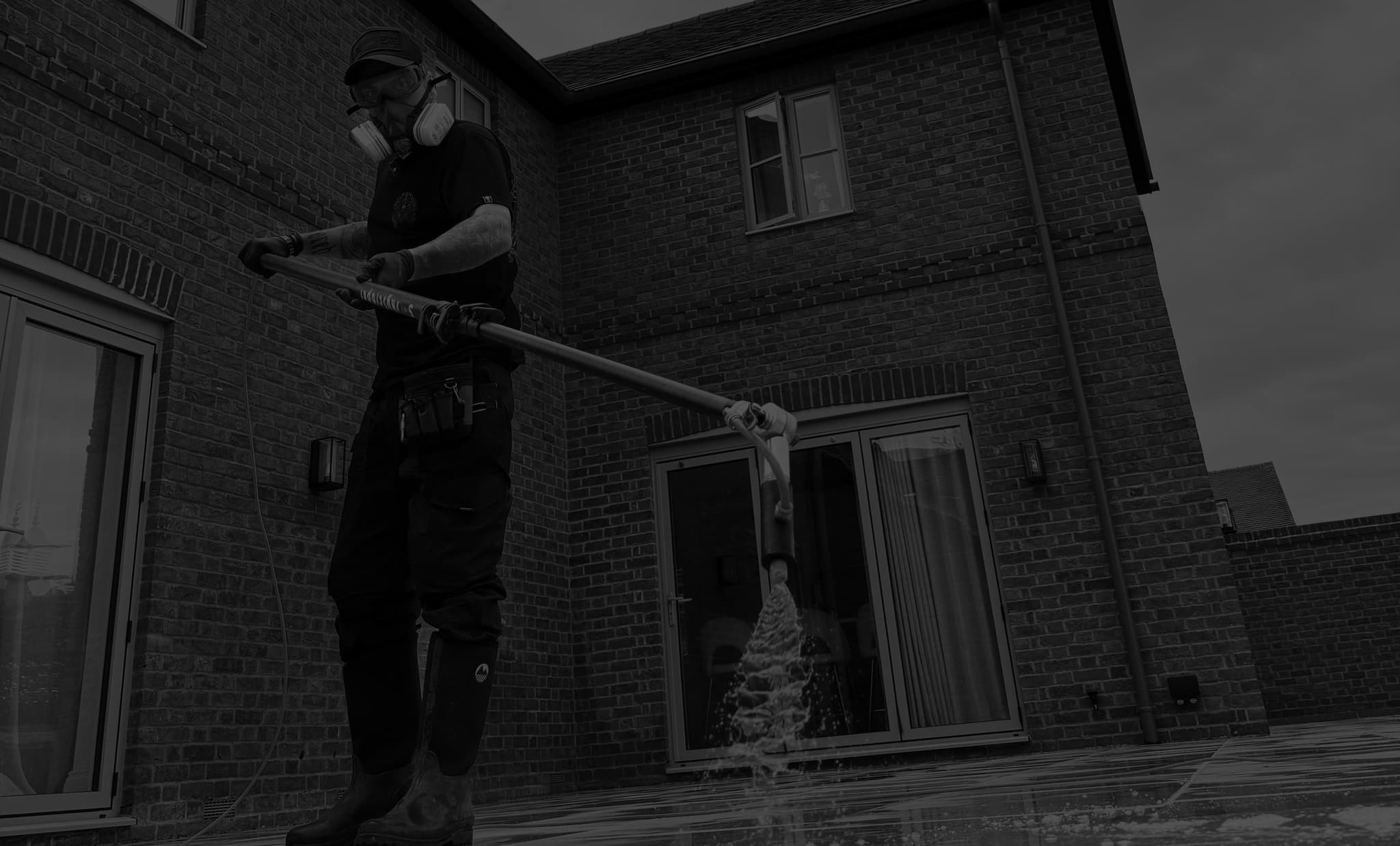
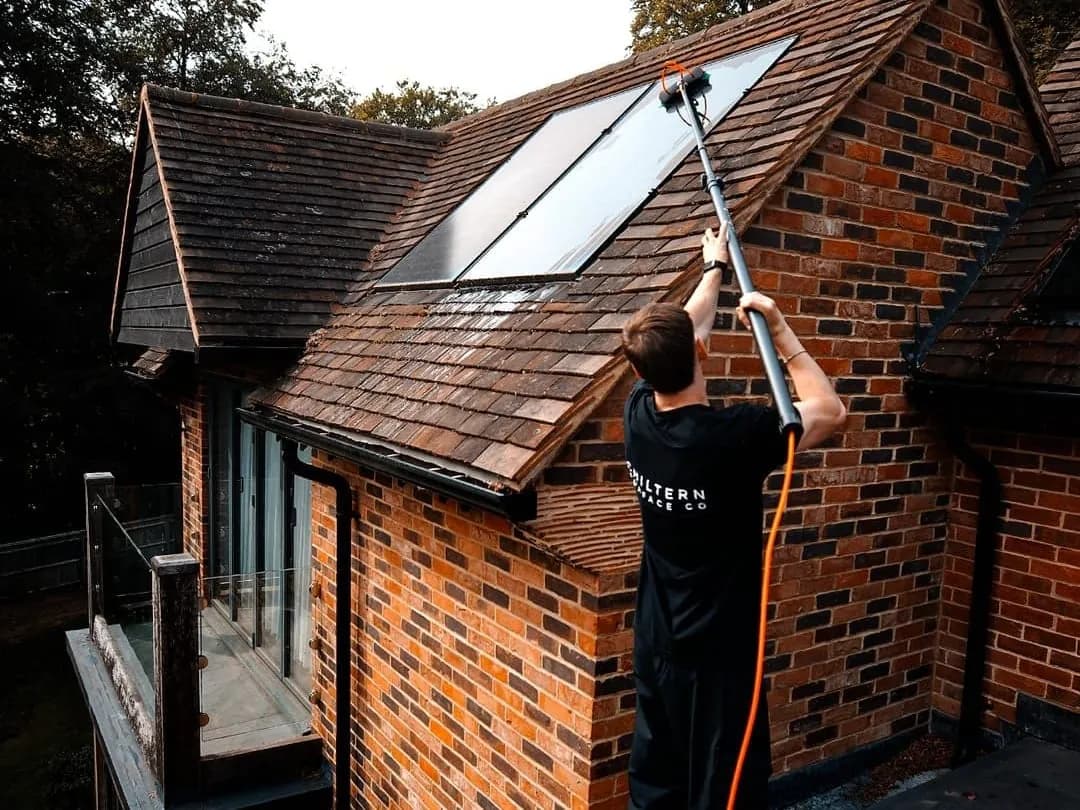
A soft-bristle brush on a water-fed pole delivers de-ionised water to the glass. Operatives work from the ground where the access allows, so nobody stands on the panels or the roof around them.
Moss, leaf litter and grime packed into the lower frame and its corners are worked out, because that is where water lingers and growth returns first.
Each panel is rinsed with pure water and left to dry naturally. Nothing is towelled or squeegeed across the glass, so no marks or minerals are left behind.
We check the whole array once it is clean and tell you about anything we noticed along the way, such as a cracked panel, a loose fixing or a tired seal.
Worth knowing
Cleaning removes the deposits that shade the glass. How much difference that makes to generation depends on how dirty the panels were, their angle and the weather, so we do not put a figure on it. It is also not an electrical service.
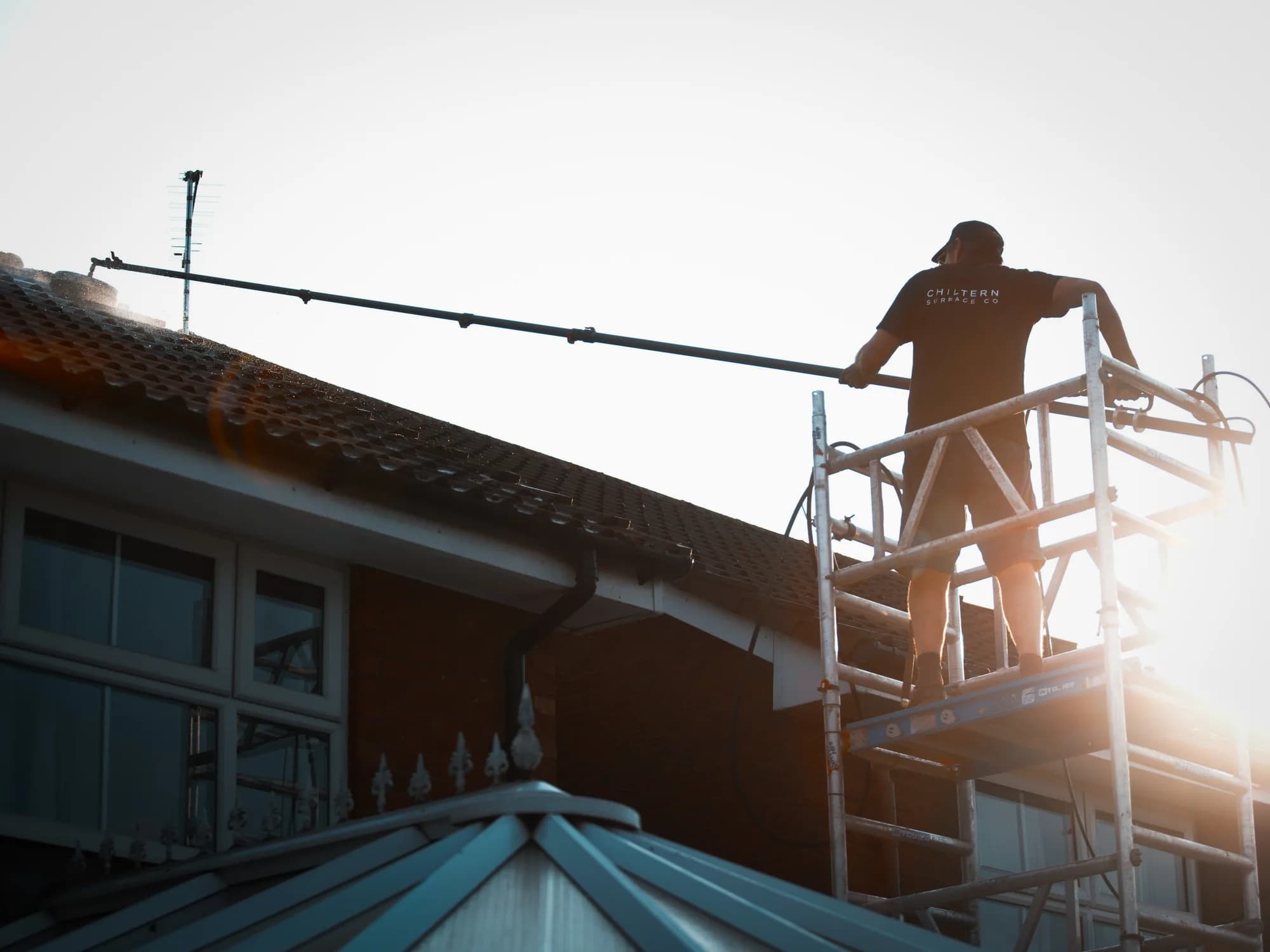
Slate roof moss removal and cleaning in Marlow: a drone survey, scaffold access, carefully controlled low-pressure cleaning and Chiltern EverGuard™.
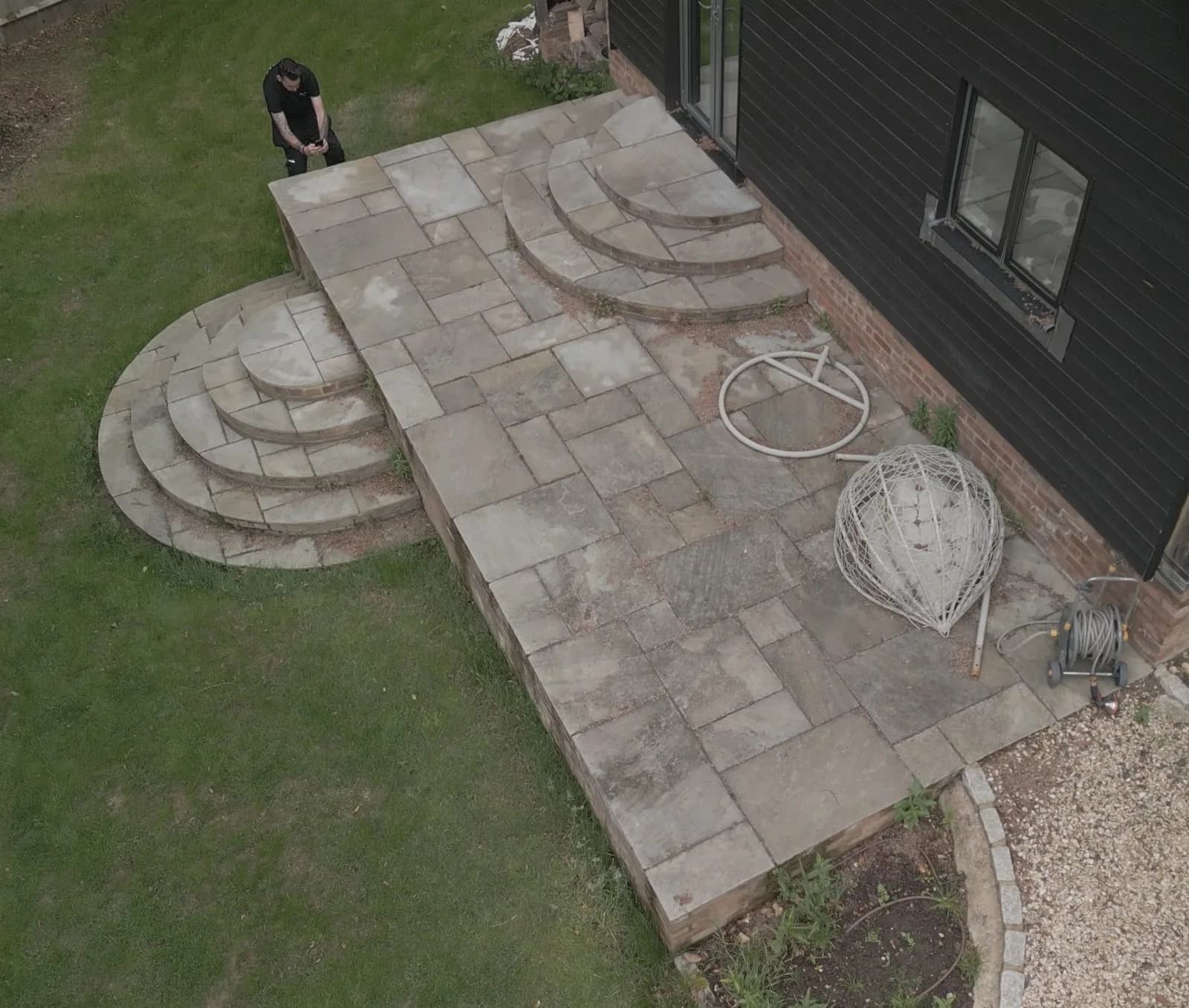
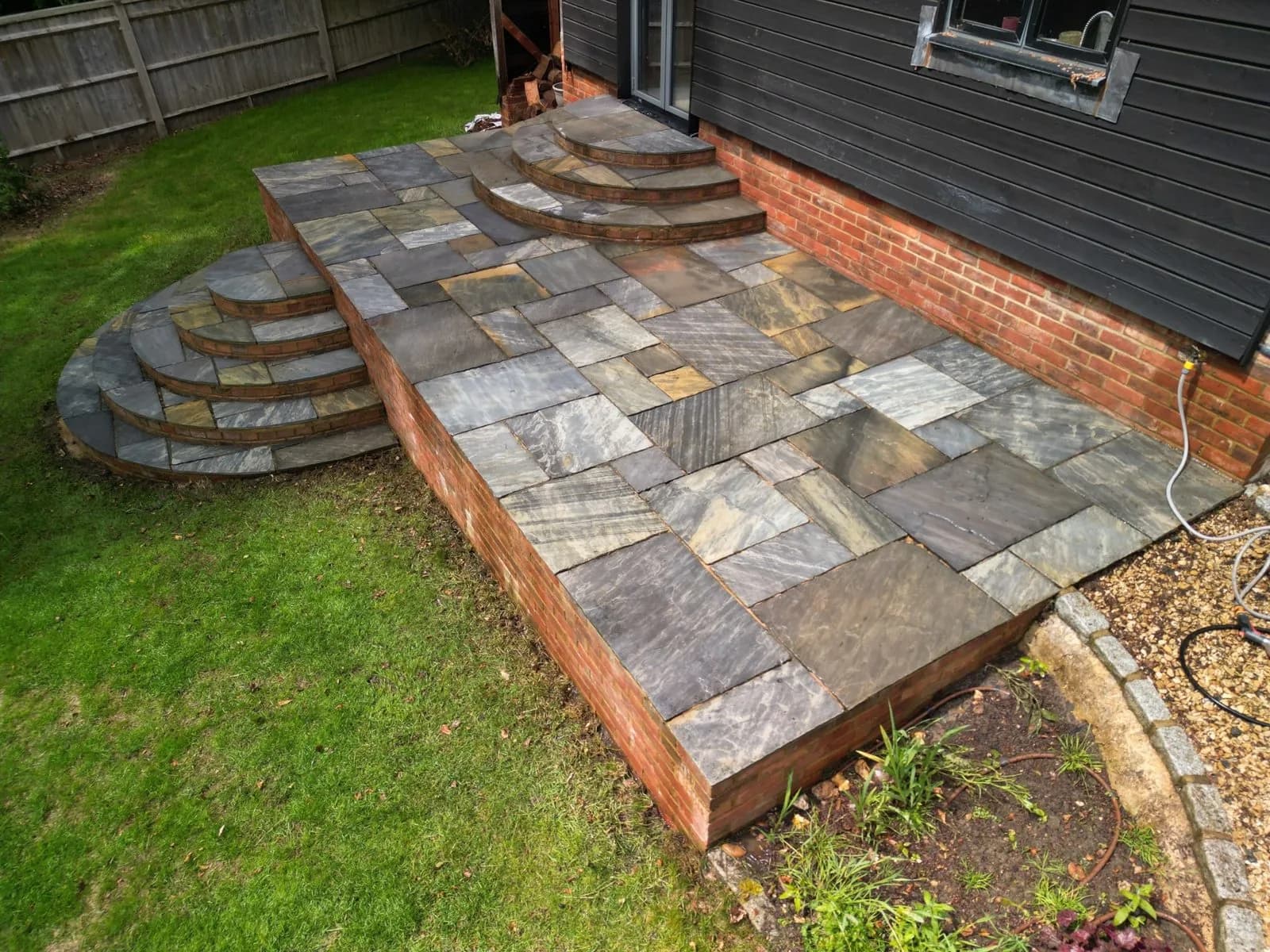
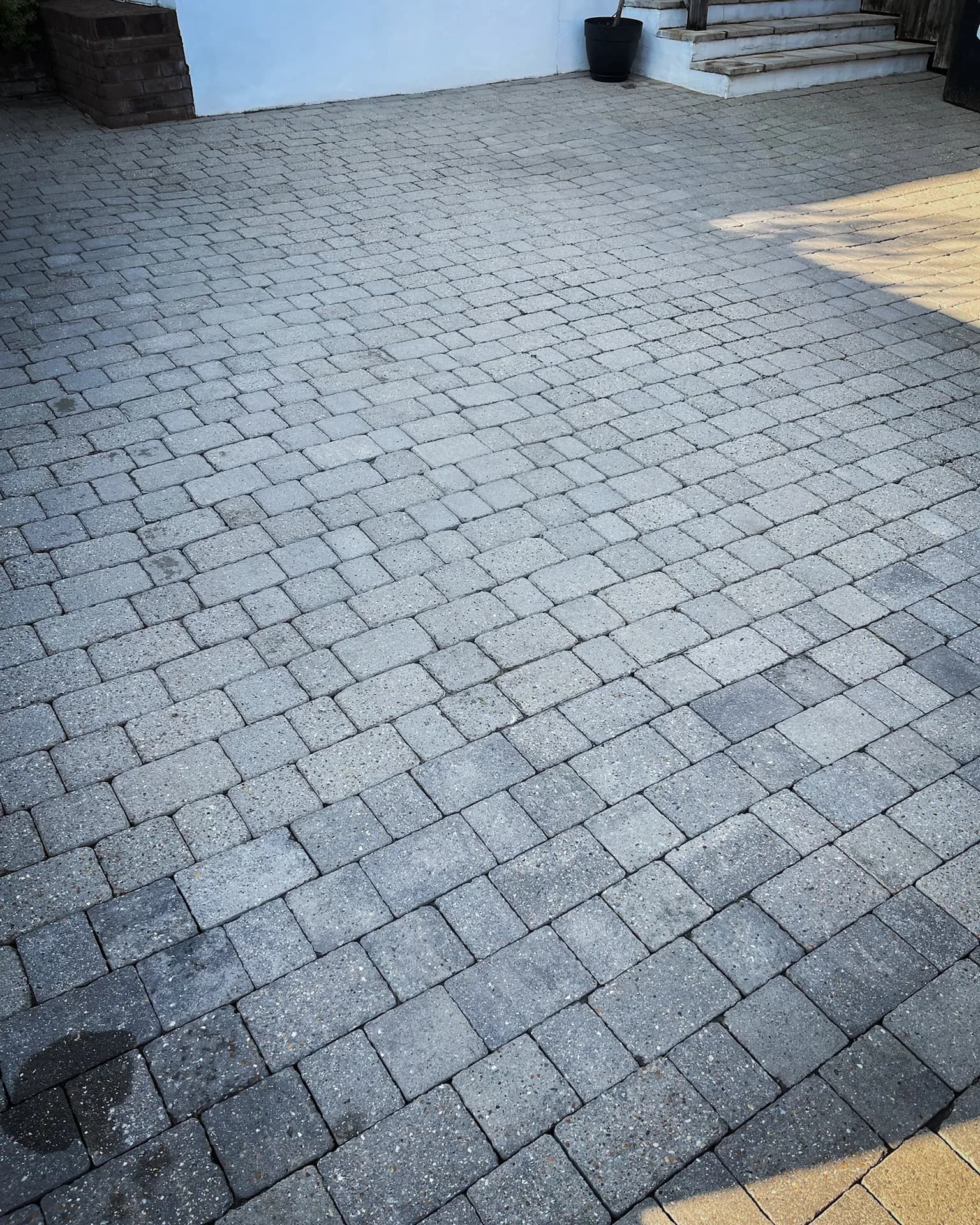
Natural sandstone patio cleaning in Marlow — heavy moss, algae and early black spot removed, protected with Chiltern EverGuard™, plus a full gutter clean.
Why us
We are based in Marlow and have worked in the town, so the river damp and tree cover that affect its roofs are conditions we know well.
Pure de-ionised water and a soft brush. No detergents or chemicals reach your roof, the garden below or the drains that lead towards the river.
Panels are reached by pole from ground level where access allows. Where it does not, we explain why at the site visit and agree the access then.
If the panels do not need cleaning yet, we say so. If something looks wrong with the array itself, we point you towards your installer.
Nearby
We also clean solar panels in the villages along this stretch of the Thames and in the wooded valley behind the town, including Marlow Bottom, Little Marlow, Bourne End, Bisham, Medmenham and Hurley.
Solar Panel Cleaning in nearby towns
What Clients Say
Thank you to every client who has trusted us with their home. Your reviews mean a great deal to us. We’re proud to be fully insured, certified professionals — delivering proven results with a customer-focused approach on every single project.
5-Star Rated On Google
Questions
Not by itself, but it makes dirt stick. Mist and dew wet the dust and pollen already on the glass, and as they dry the layer bonds more firmly. Panels near the river or under trees tend to haze over sooner than open ones on higher ground.
No. The panels are washed and rinsed with de-ionised water and a soft brush only. Nothing chemical is applied, so nothing runs down into the gutters, the garden or the drains afterwards.
Removing what shades the glass lets more light reach the cells, but the effect varies with how dirty the array was, its angle, any shading and the weather. Because it differs so much from roof to roof, we do not quote a figure.
Typically once a year. Twice a year suits arrays under trees, close to the water or set at a shallow angle that holds dirt. We suggest an interval after seeing how heavily soiled your panels are.
Often, yes. A water-fed pole reaches most domestic arrays from the ground. If a roof is too tall or the ground below is unsuitable, we explain that at the site visit and agree the right access then, rather than improvising on the day.
Yes. Flat-plate and evacuated-tube collectors are cleaned with the same de-ionised water and soft brush, with extra care taken around the manifolds and seals, where a careless brush could do harm.
Generally not something we would suggest. Reaching a roof from a ladder is the main risk, tap water dries with mineral spots and household cleaners can leave a residue. If you do try, keep both feet on the ground and use no detergent.
More from us
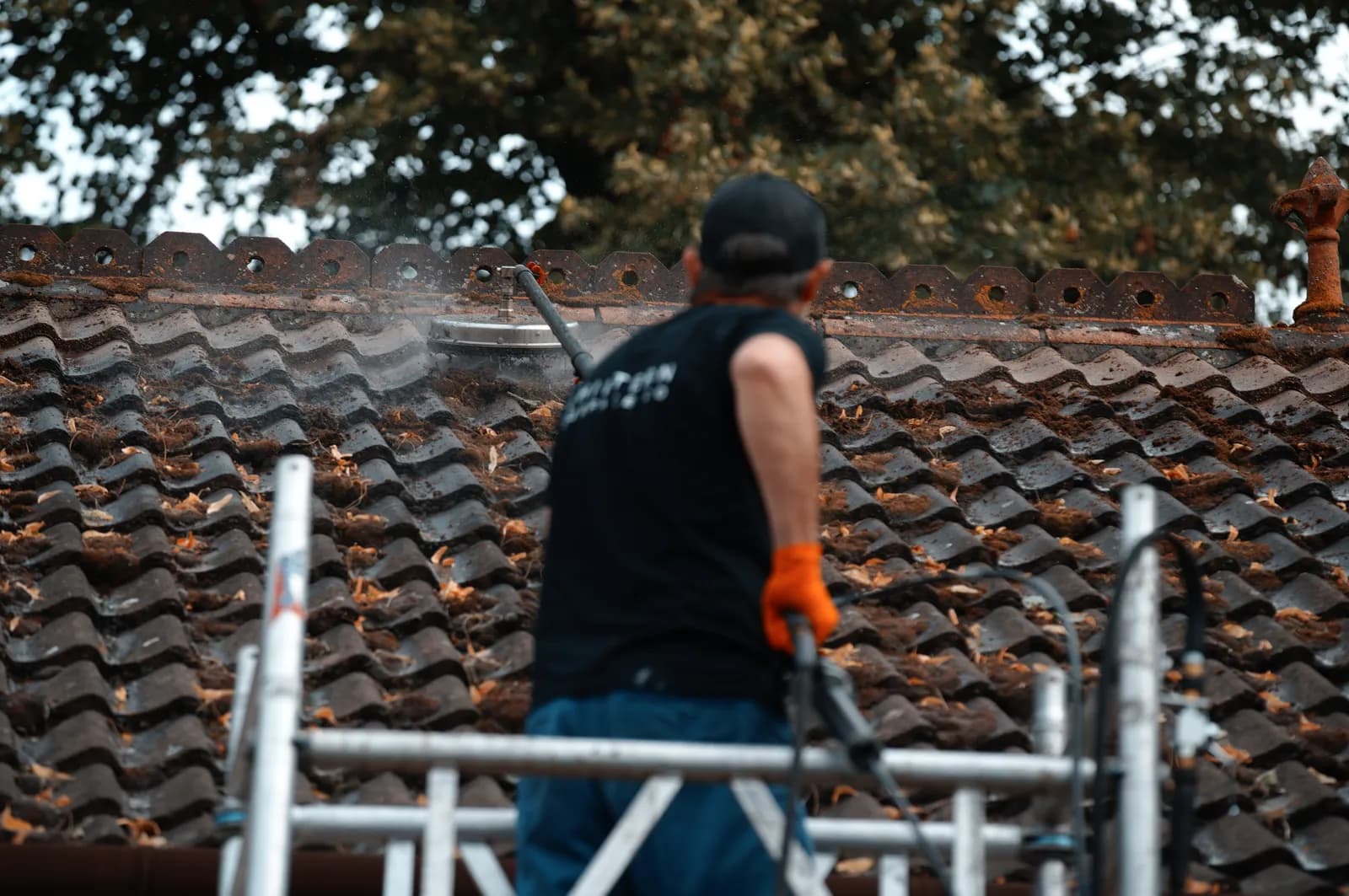
Carefully remove moss, algae and lichens to protect your roof and enhance kerb appeal.
Learn Moreabout Roof Cleaning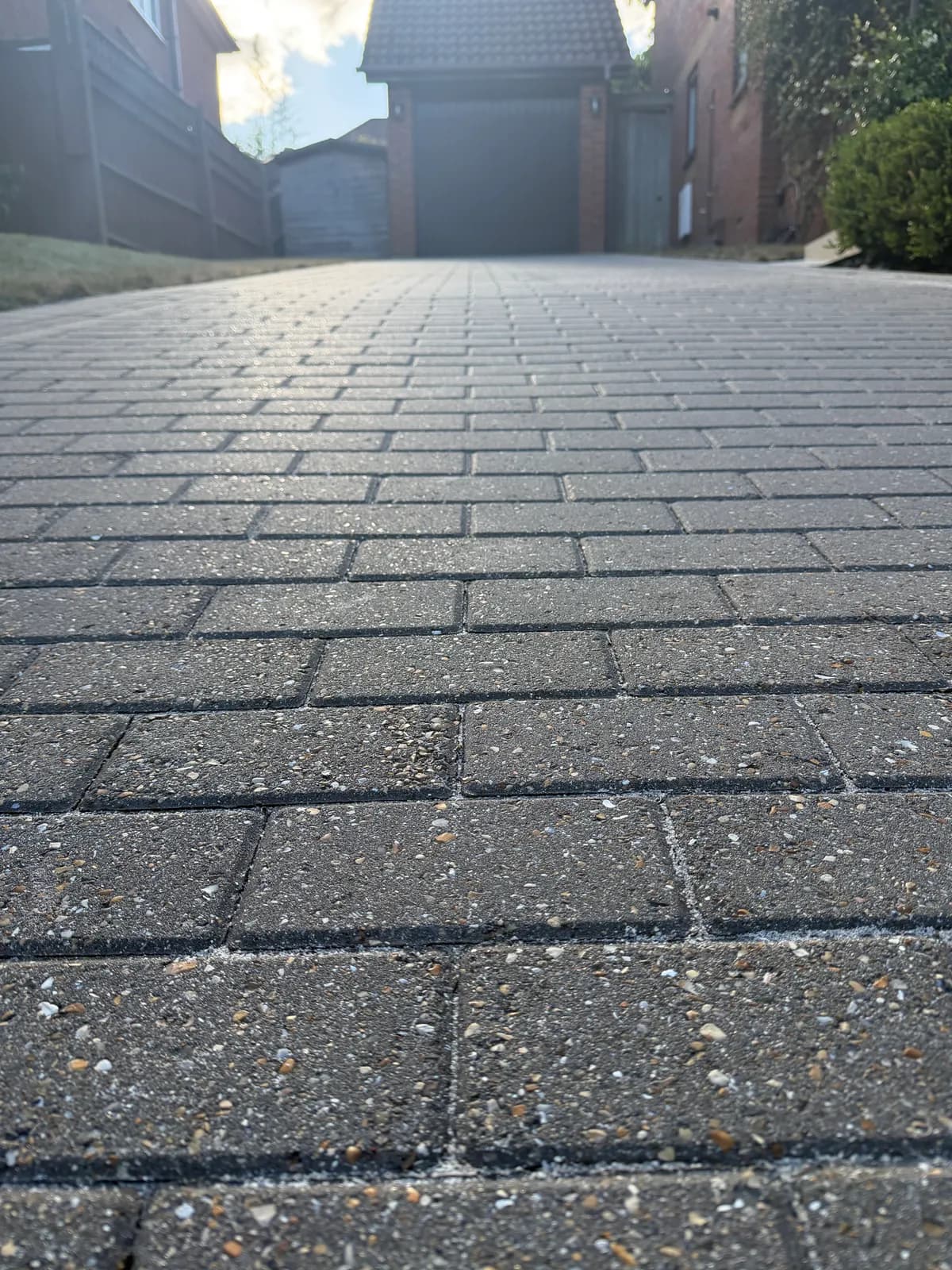
Professional cleaning for block paving, tarmac and resin driveways, restoring colour and removing stains.
Learn Moreabout Driveway Cleaning
Specialist cleaning and restoration for natural stone, porcelain and concrete patios.
Learn Moreabout Patio Cleaning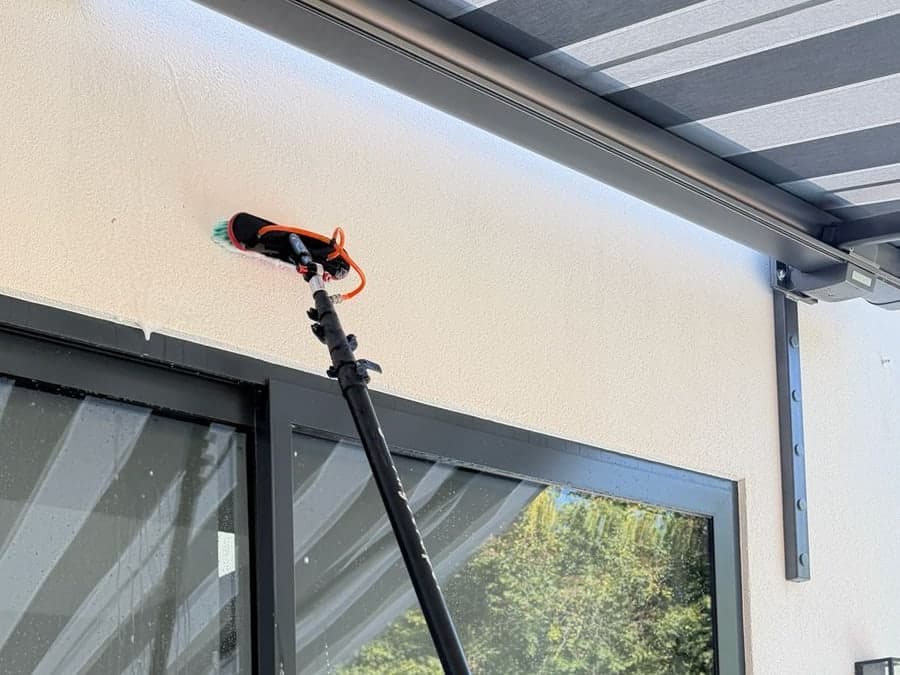
Low pressure soft wash treatment designed to safely remove algae, mould and grime from exterior surfaces.
Learn Moreabout Soft Wash Treatment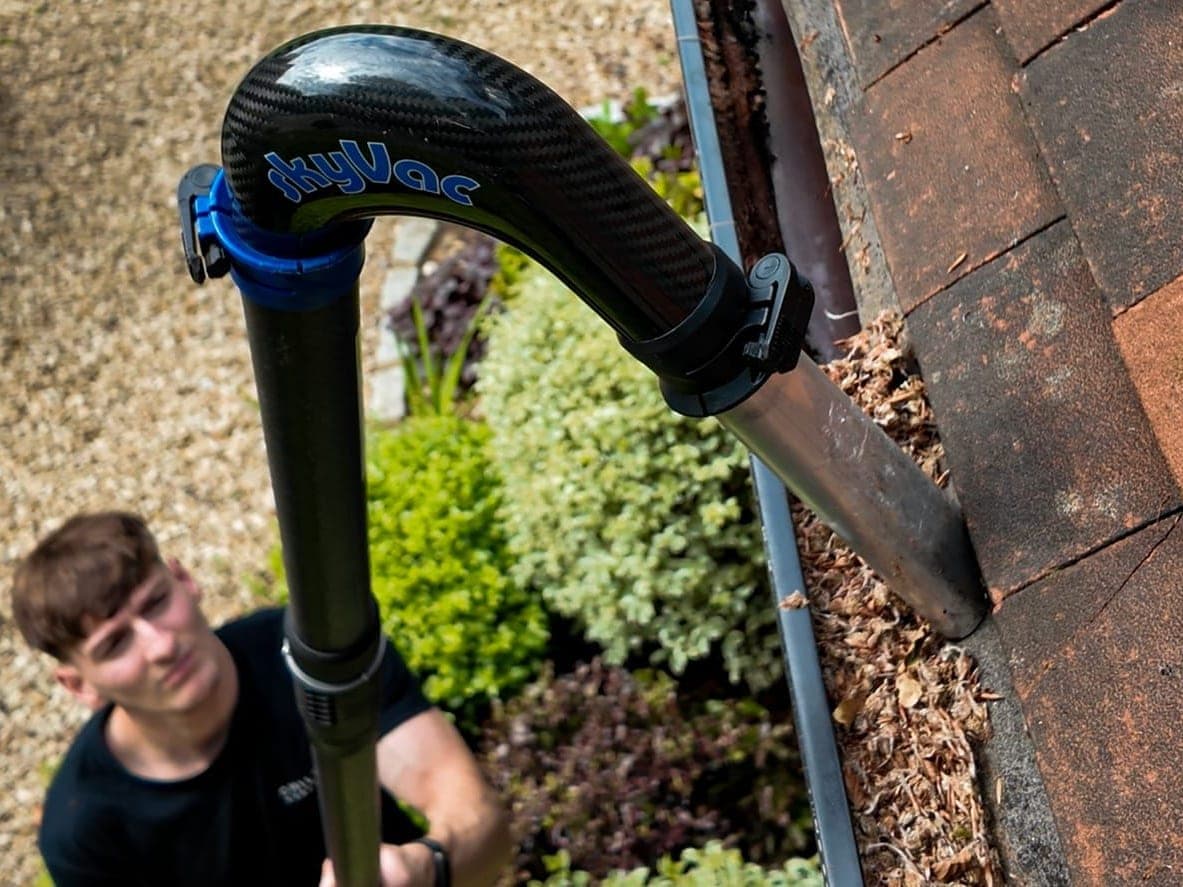
Clear and flush blocked gutters and downpipes to protect your walls, fascias and foundations.
Learn Moreabout Gutter Cleaning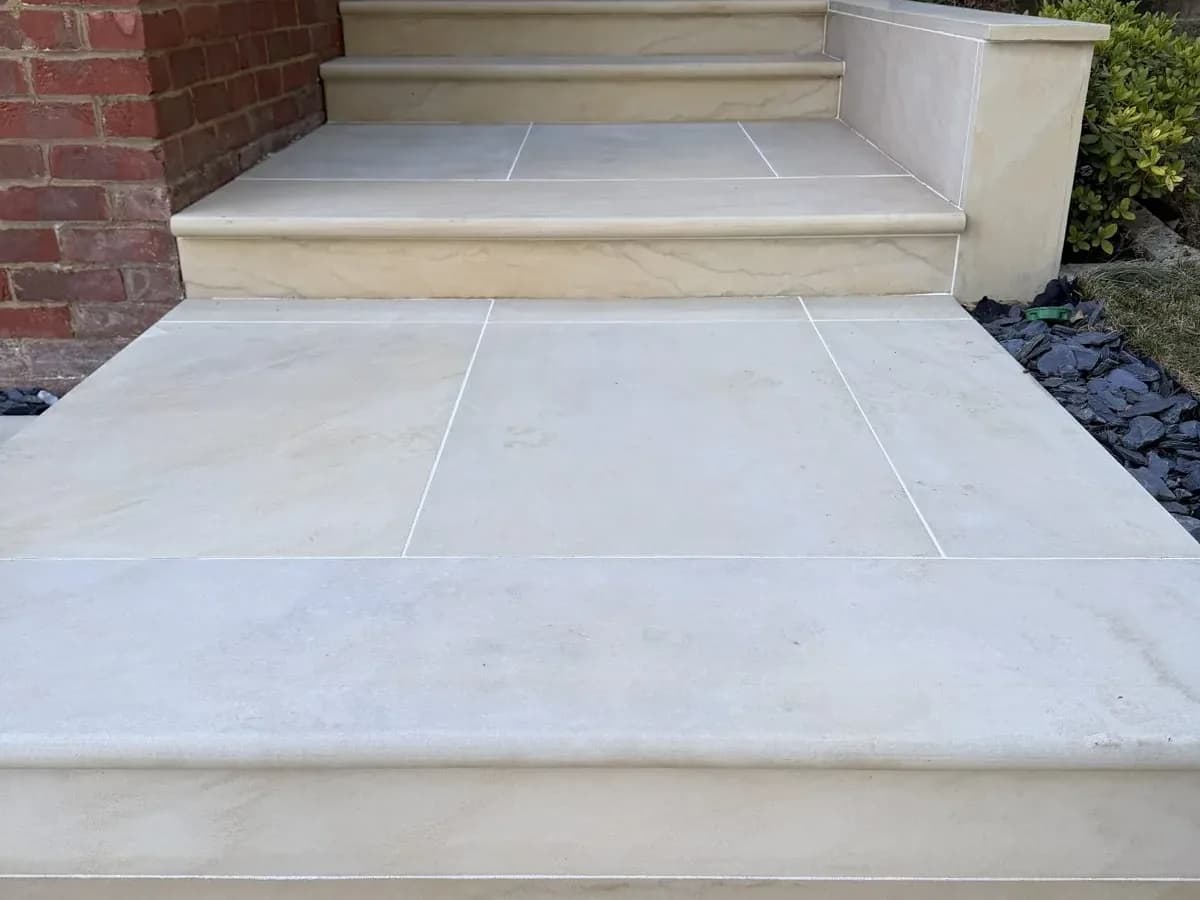
Winter cleaning that removes slippery algae and moss from paths, steps and patios, planned around the forecast.
Advice
Chiltern Surface Co
We will look at the array with you, explain what has built up on it and how we would reach it. A clear quotation follows the visit, and the decision is yours.
We assess your surfaces and recommend the right approach for the best, long-lasting results.
You'll receive a detailed, transparent quote with no hidden extras.
We'll provide honest advice so you can decide what's right for you.
Speak directly with the owner and get expert advice you can trust.