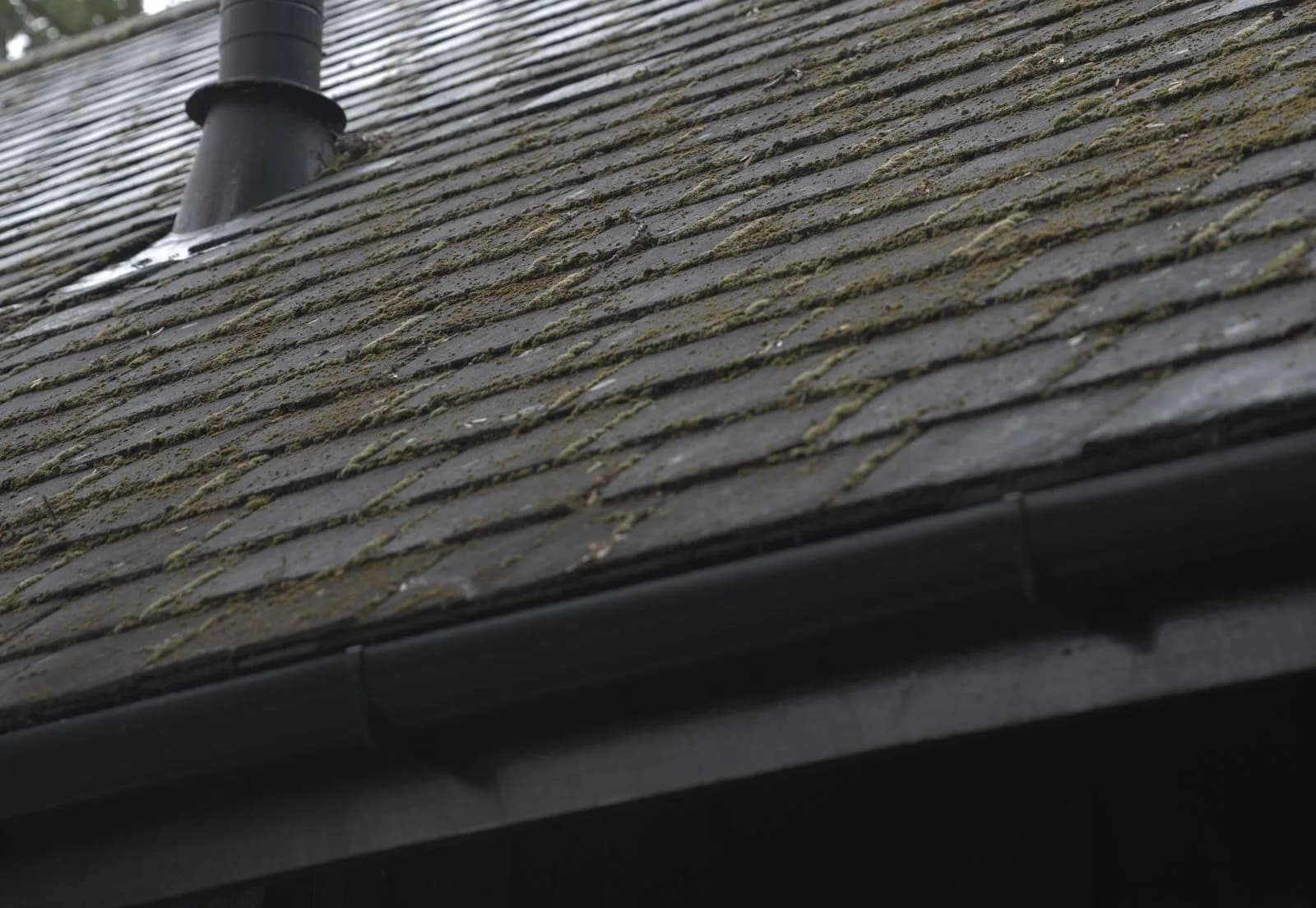
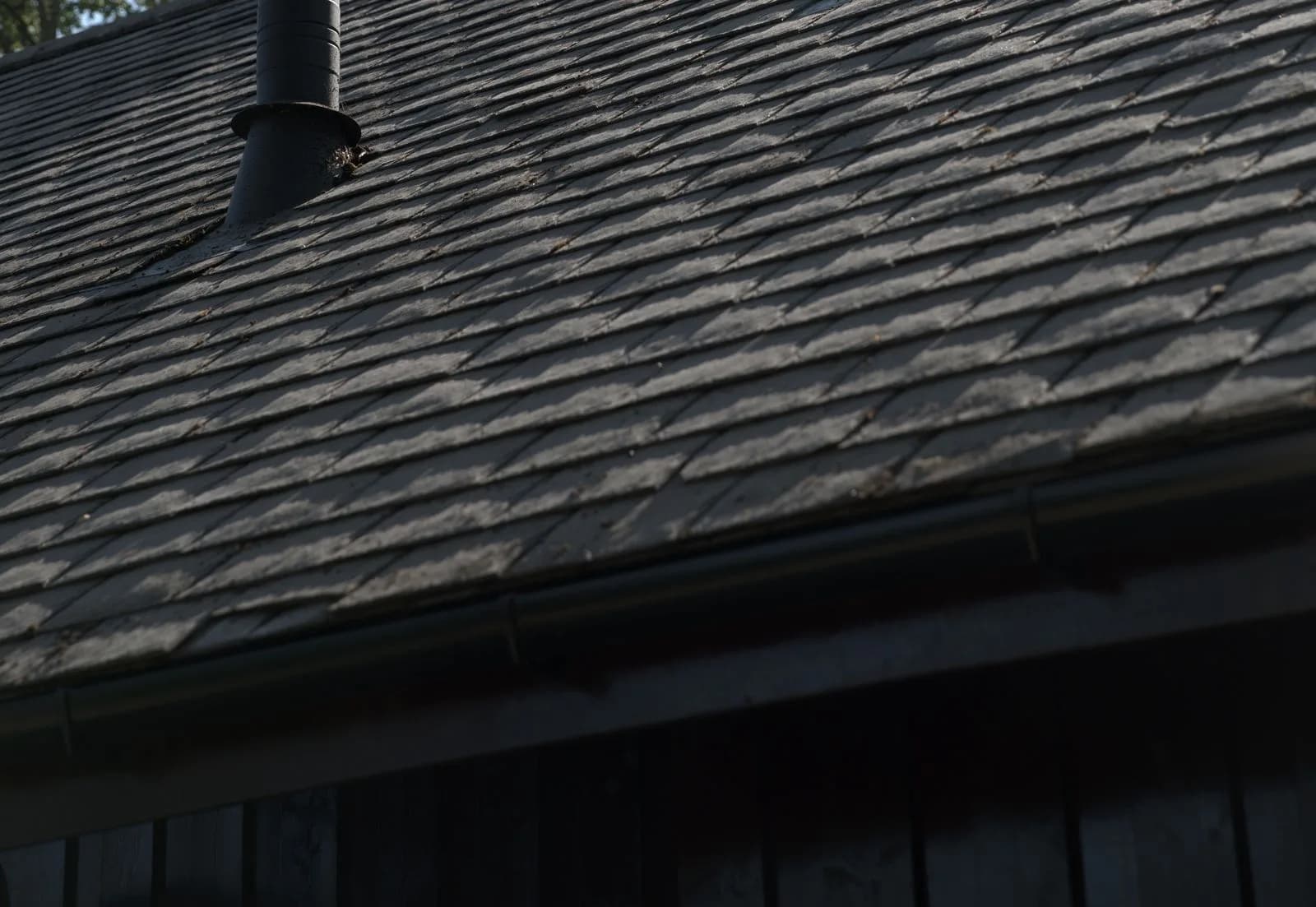
Slate Roof Moss Removal and Cleaning in Marlow
Slate roof moss removal and cleaning in Marlow: a drone survey, scaffold access, carefully controlled low-pressure cleaning and Chiltern EverGuard™.
Solar Panel Cleaning · Buckinghamshire
Medmenham lies on the Thames between Marlow and Henley, where river mist and mature trees keep roofs damp. Arrays here pick up drying marks and a fine organic film, and we clean them with nothing but de-ionised water.
Where it starts
A panel is angled to shed water, so a shower carries loose dirt downwards. As the last drops dry near the bottom of each panel, the dirt they were carrying is left behind in a faint line along the frame. Repeat that through a damp riverside winter and the lower edge of the array ends up visibly dirtier than the top.
The village by the river
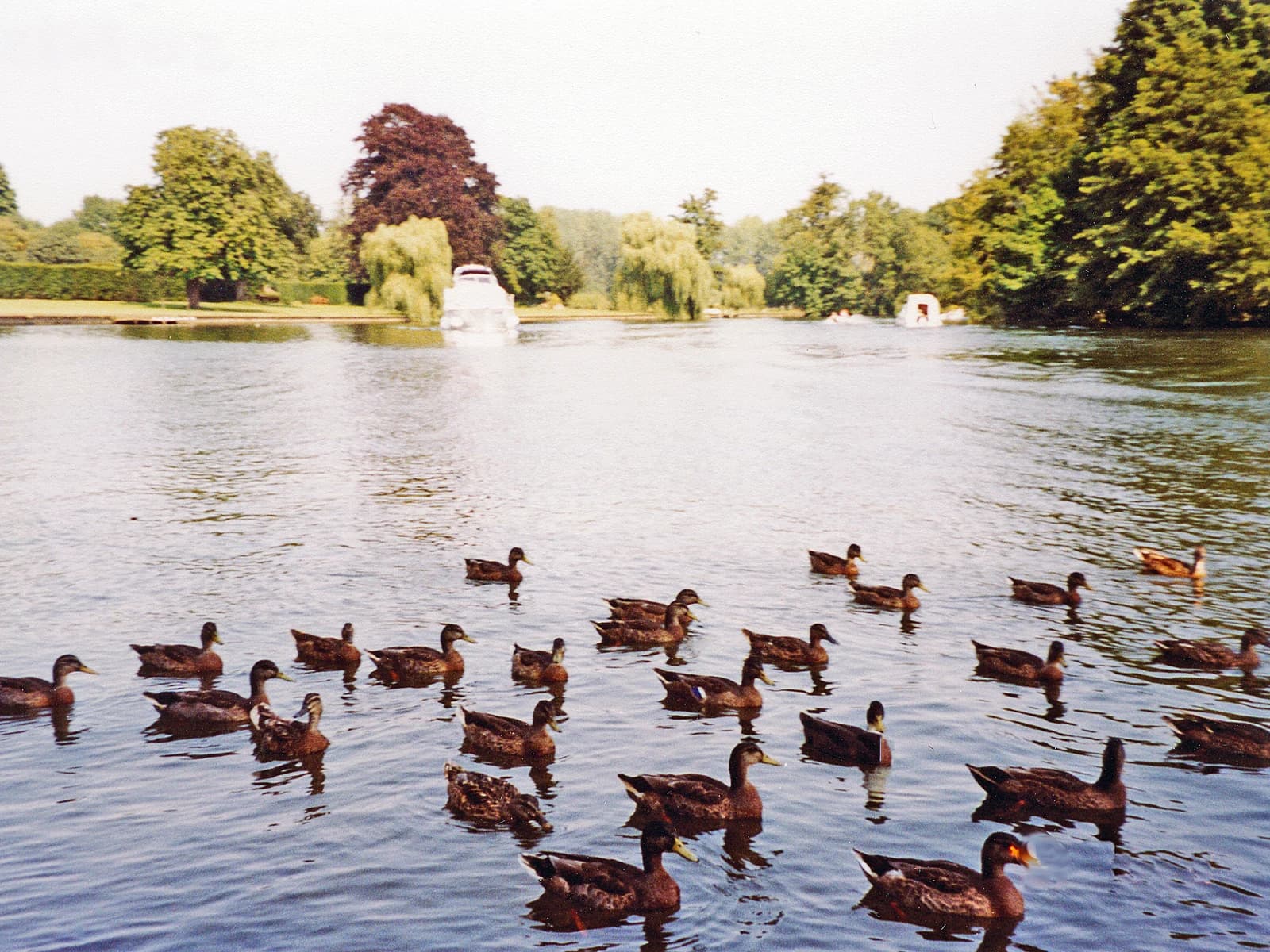
Medmenham is a small village on the Buckinghamshire bank of the Thames, between Marlow and Henley-on-Thames. Meadows run down to the river on one side and wooded chalk hills rise on the other, and many of the houses sit among mature trees. Mist off the water and the shade of the woods keep roofs damp well into the morning.
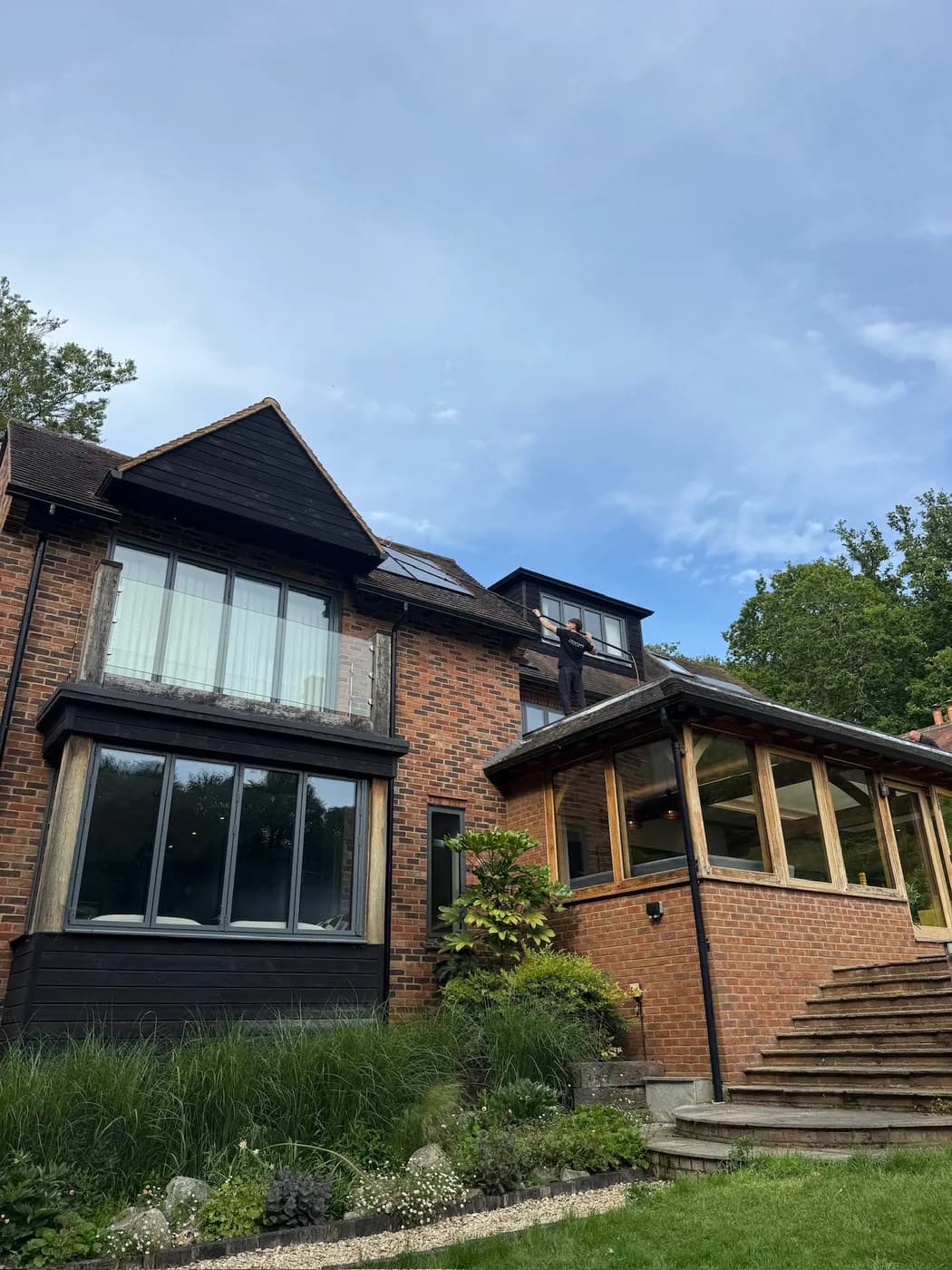
The homes range from flint and brick cottages in the village to larger houses set in their own grounds along the river and up the hillside. On older properties, panels may be on a rear roof slope, a garage or a garden building, and larger plots sometimes have arrays on more than one roof. Each face weathers differently, depending on how sheltered or open it is.
Drying marks
Damp air and frequent dew mean panels here are wet and drying out more often than most. Each time, water runs down the glass, slows at the bottom frame and evaporates there, leaving behind the dust, pollen and organic particles it picked up on the way. Adjoining panels can show slightly different patterns depending on small differences in run-off.
A quick pass across the middle of each panel would miss the part that matters. We work the soft brush across the whole face, give the lower third and the frame line extra attention, and rinse from the top down so the dirt leaves the array rather than resettling.
Close to the Thames
Whatever is rinsed off a roof finds its way into gutters, drains and gardens, and beside a river it can reach the water itself. Solar glass does not need detergents to come clean, so we do not use any. De-ionised water and a soft-bristle brush do the work, and the run-off carries only what was on the panels.
De-ionised water also suits the finish. With its dissolved minerals removed, it dries clear rather than leaving spots, so the glass can be left to dry naturally. No polish, coating or shine product is applied either; clean glass is the aim.
Several roof faces
Where panels sit on more than one roof, or one array spans a sheltered and an open slope, the sections rarely look the same. The face under the trees stays damp and gathers pollen and moss; the open face dries faster but may carry more droppings from birds using the ridge.
We assess each section at the site visit and clean all the reachable panels to the same standard, spending longer where the deposits are heavier. Fouling that keeps appearing in one spot usually points to a favourite perch; cleaning clears the fouling but cannot move the birds.
Our process
We follow the same sequence on every array. On a damp site, most of the extra time goes into the lower edges and the final rinse.
We look at panel positions, roof layout, working height and anything below the array, such as a conservatory or outbuilding, before choosing where to work from.
Paths and areas beneath the array are considered before we start, so the hose runs and pole positions do not disturb borders, furniture or planting.
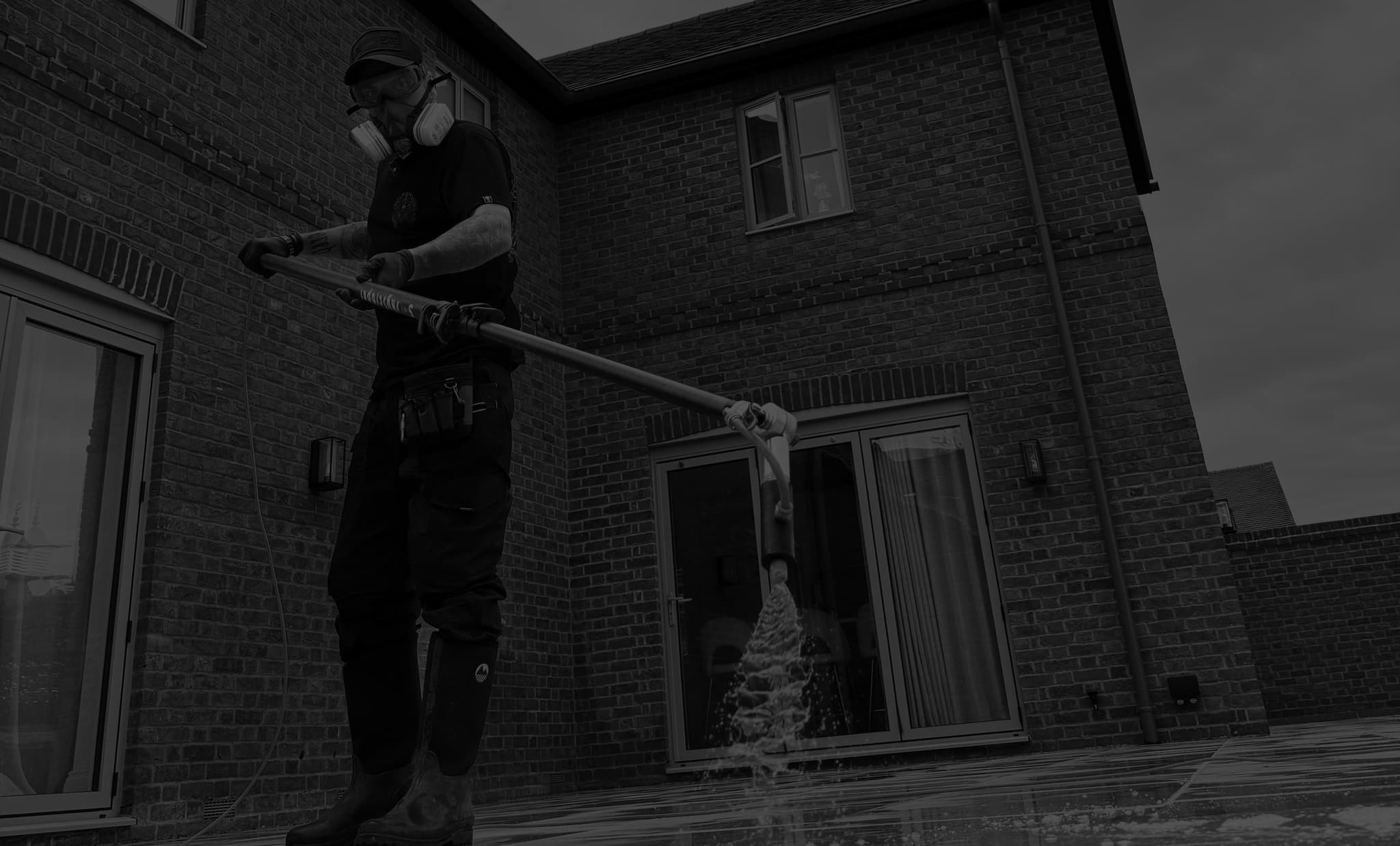
Pure water softens droppings and the organic film, and a soft-bristle brush lifts them from the glass with no abrasive pads, scraping or high pressure.
The bottom third of each panel and the frame line get extra attention, and moss or debris in the corners is cleared from every reachable panel.
The array is rinsed from the top down with de-ionised water and left to dry naturally. We then check it and mention anything that looked out of place.
Know the limits
Drying marks, droppings and organic film come off. Marks etched into the glass over many years, internal defects and damaged cells do not, and shade from trees is unaffected. The service is surface cleaning, not an electrical inspection, and we do not promise any particular gain in generation. If your monitoring shows an unexplained drop, a qualified solar professional should look at the system as well.
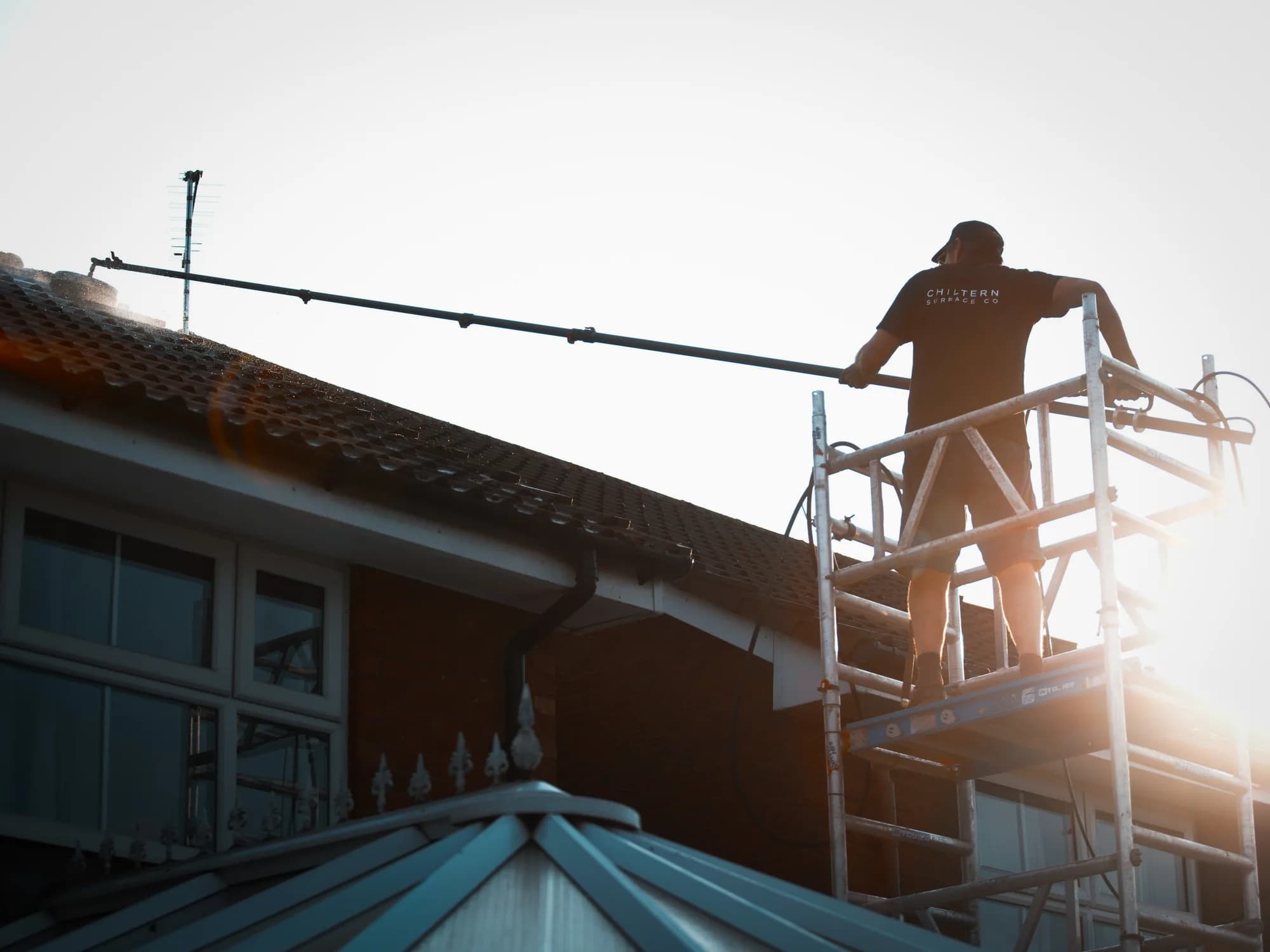
Slate roof moss removal and cleaning in Marlow: a drone survey, scaffold access, carefully controlled low-pressure cleaning and Chiltern EverGuard™.
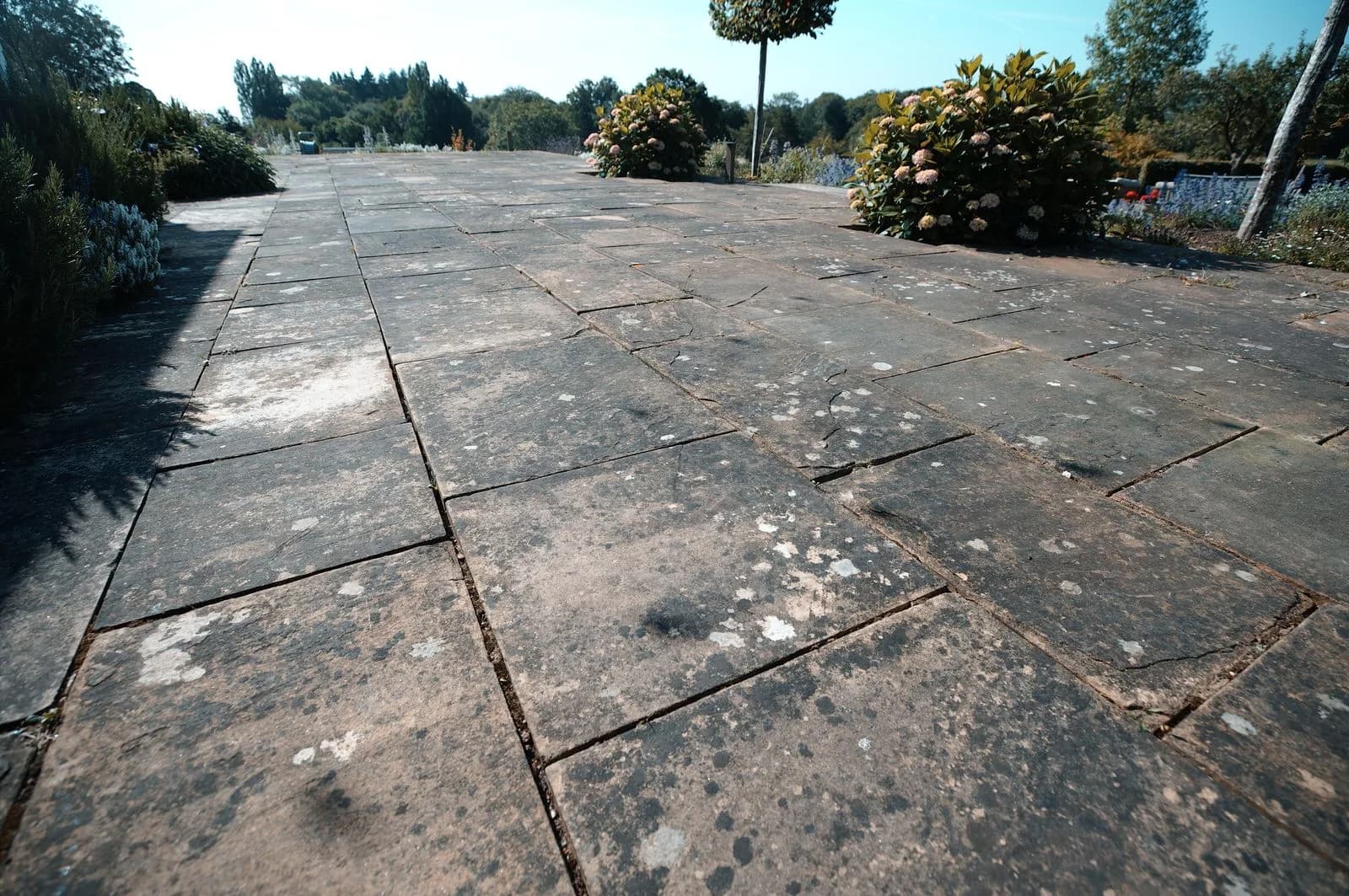
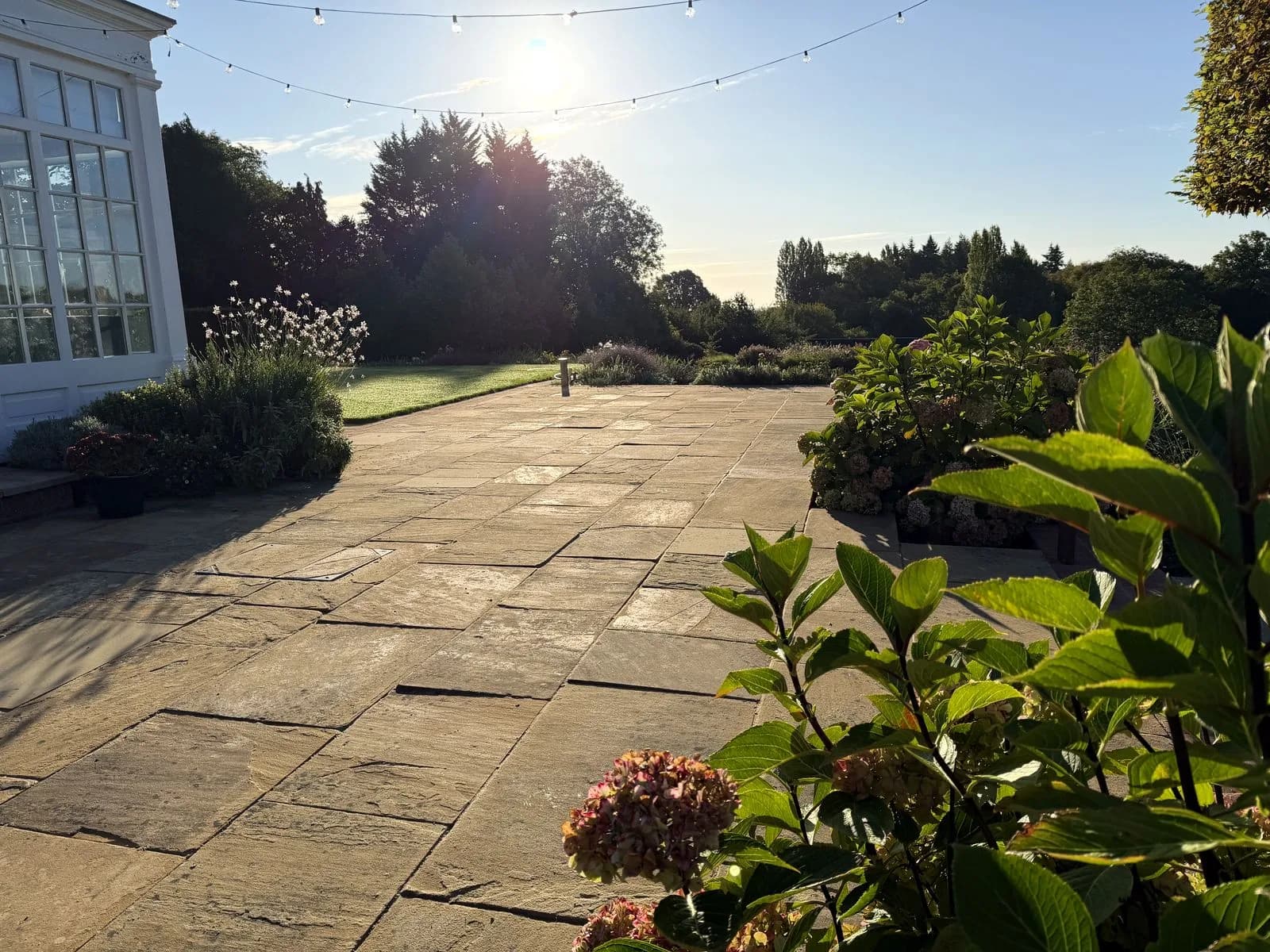
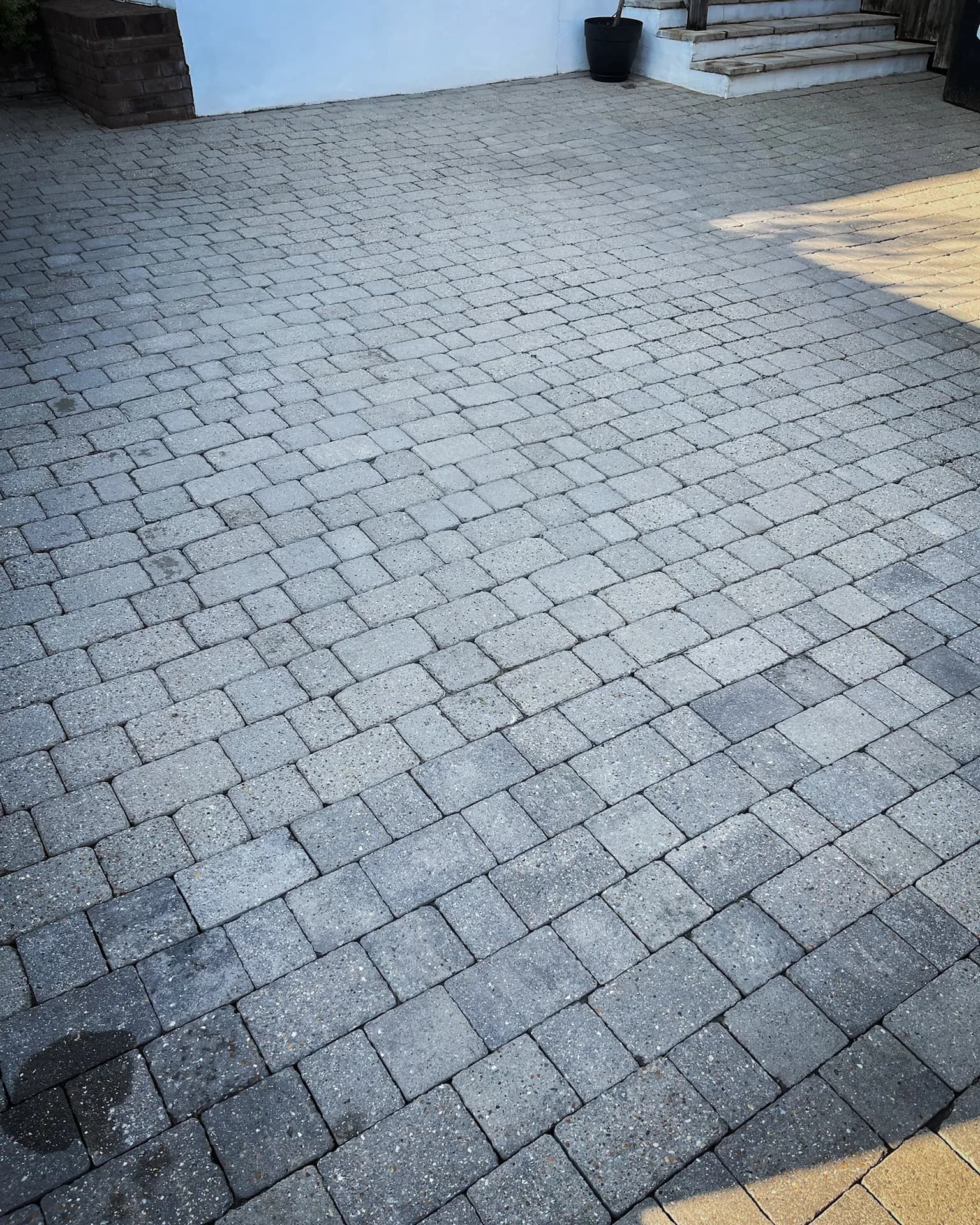
185m² Indian sandstone patio in Henley-on-Thames: black spot improved, loose slabs relaid and the patio fully repointed, with Chiltern EverGuard™ protection.
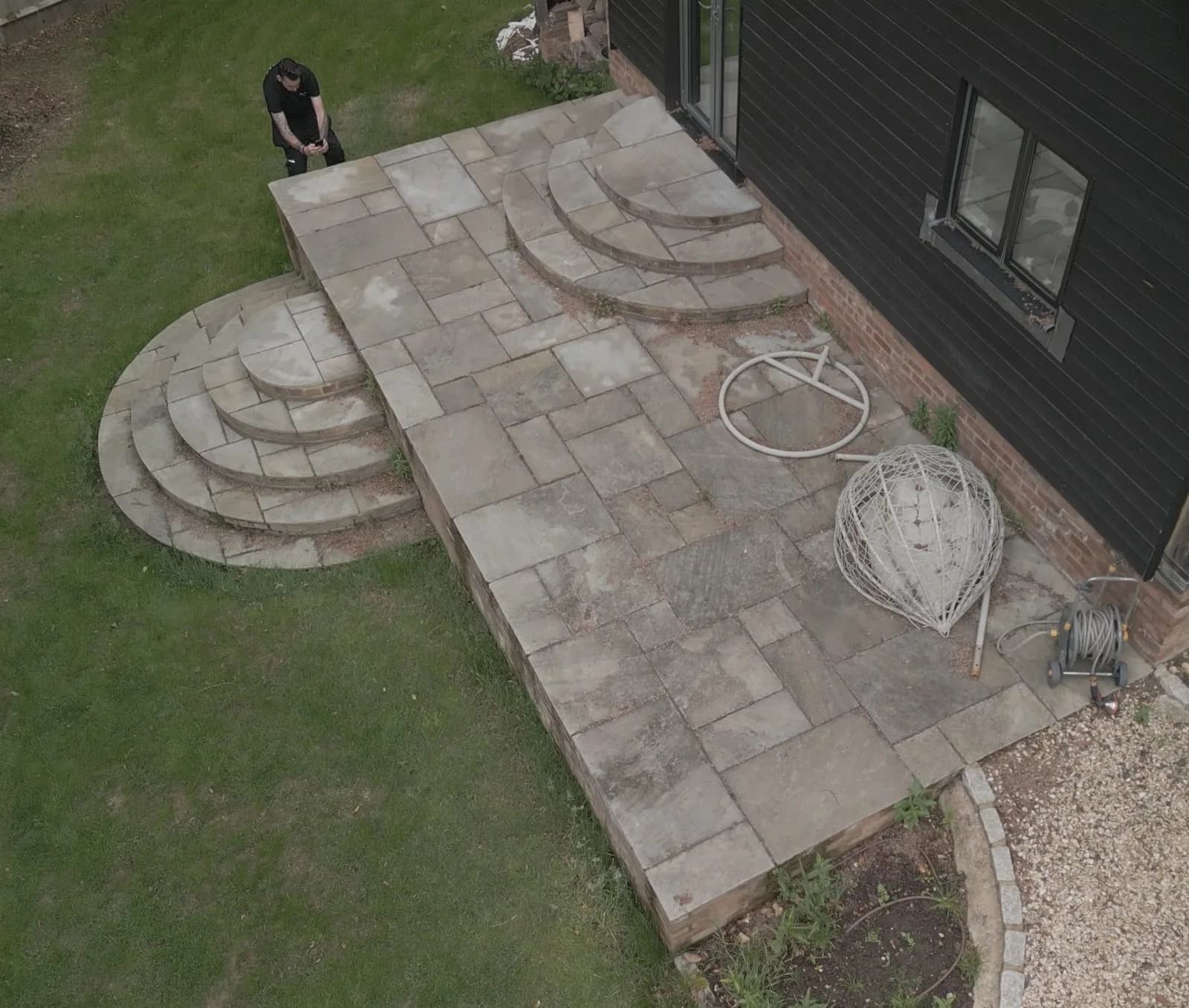
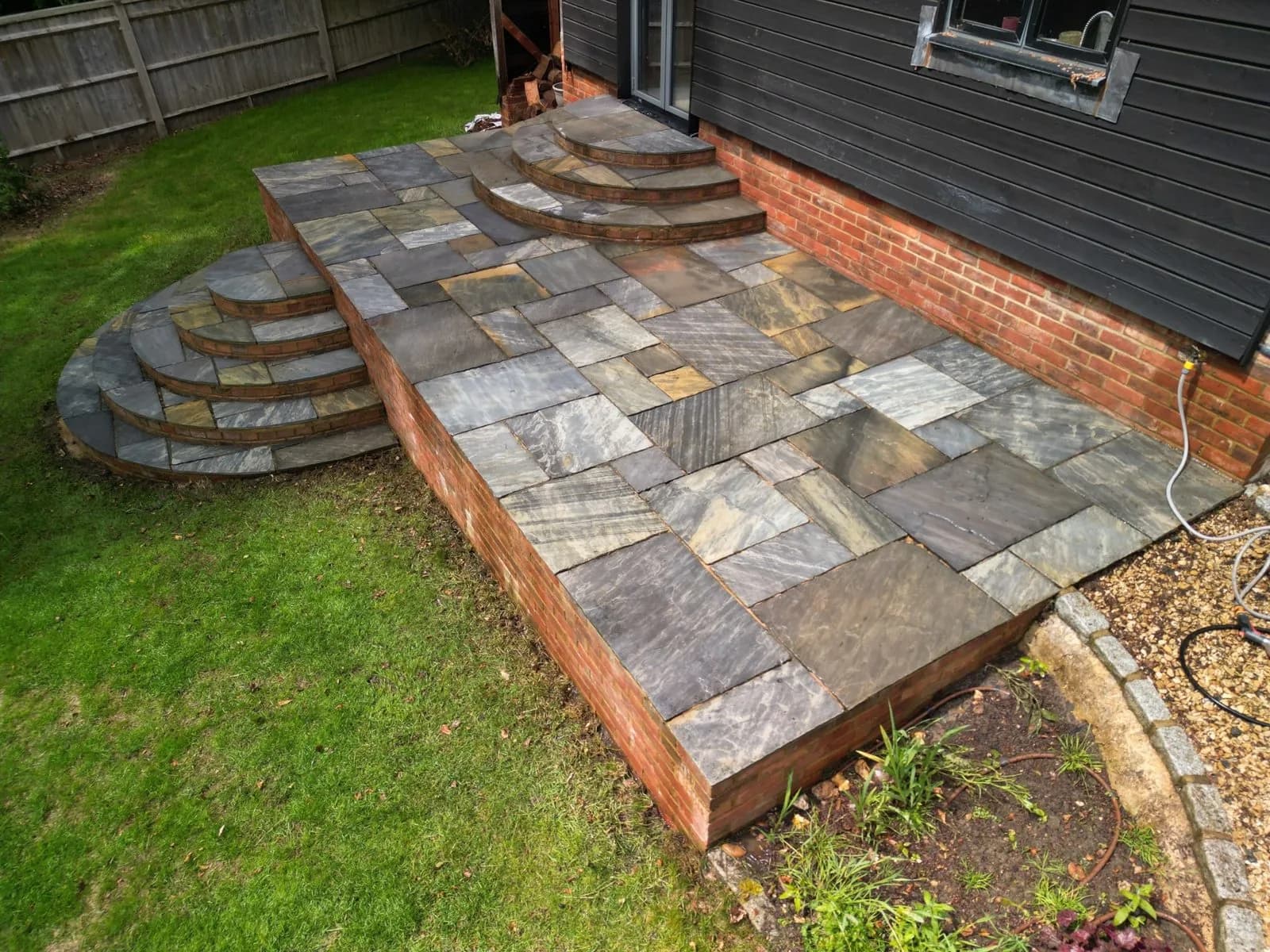
Natural sandstone patio cleaning in Marlow — heavy moss, algae and early black spot removed, protected with Chiltern EverGuard™, plus a full gutter clean.
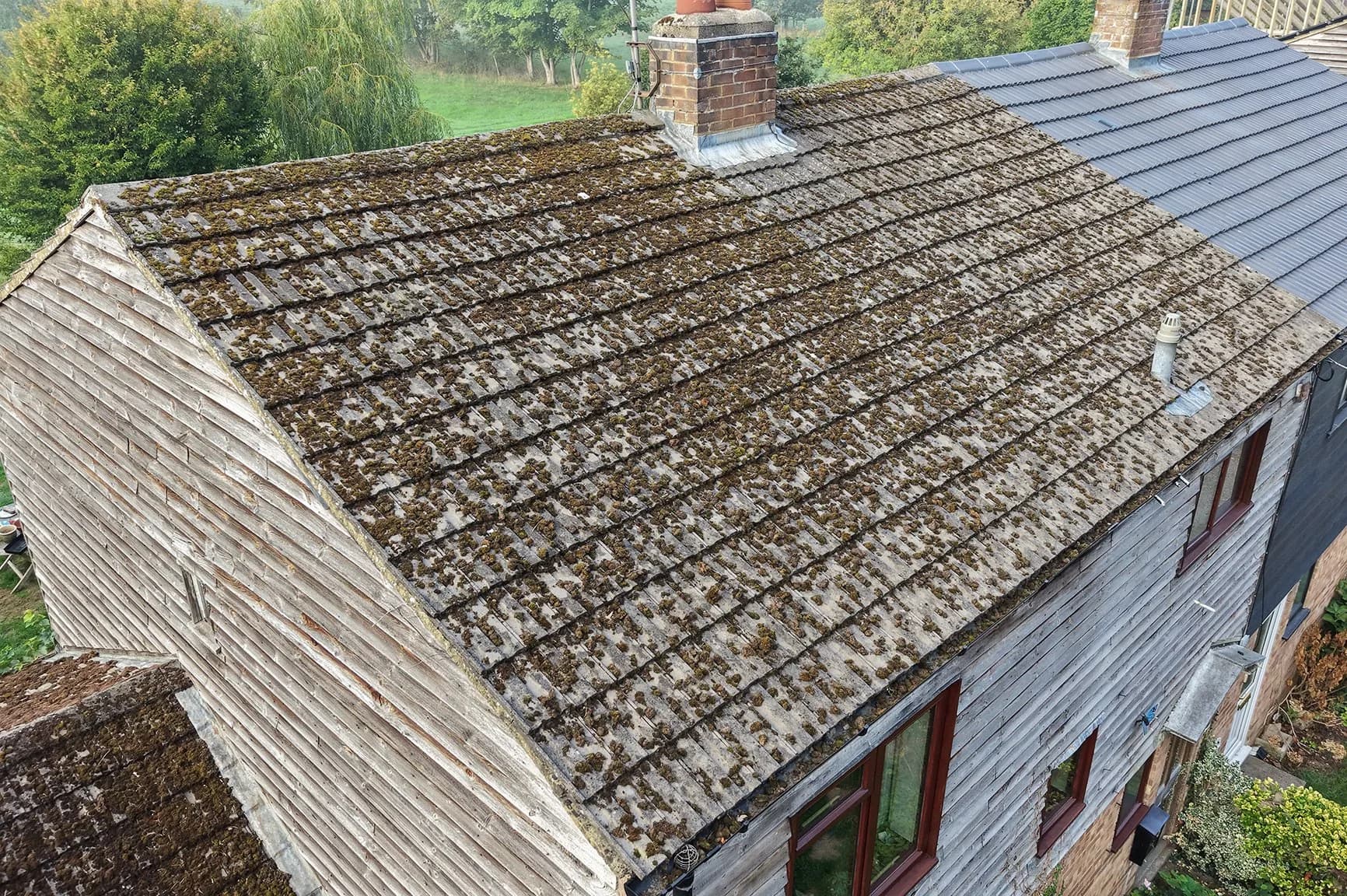
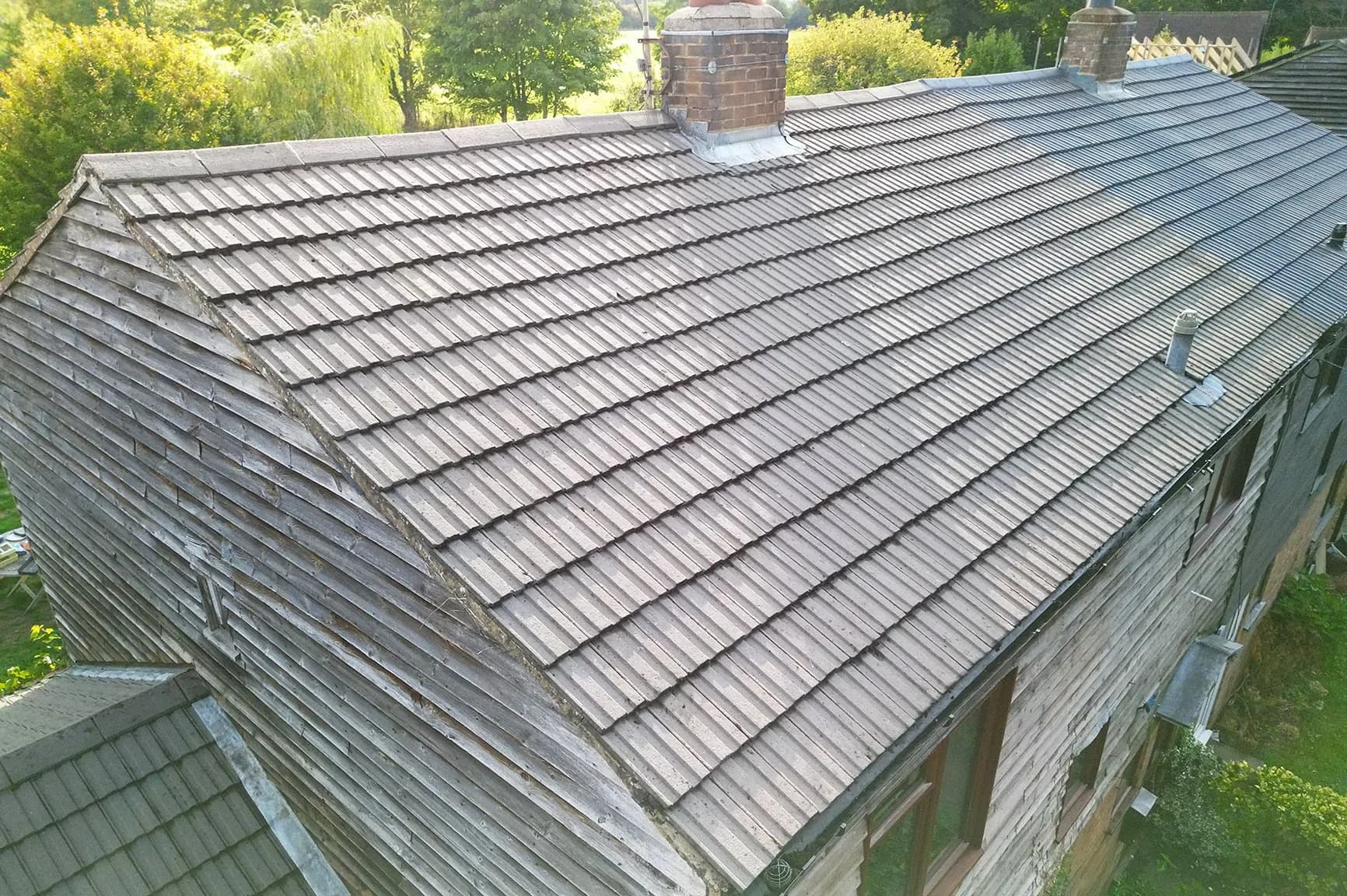
Roof moss removal in Henley-on-Thames from powered access: low-pressure cleaning, gutters cleared and Chiltern EverGuard™ protection on a concrete tile roof.
Why us
De-ionised water is all we use, so no detergent or residue drains into the garden, the ground or towards the river.
Lower frames and corners, where riverside drying marks and moss gather, are cleaned with the same care as the open glass.
Arrays are reached from the ground with a water-fed pole wherever access allows, and any limits are explained at the site visit.
We are fully insured and based in Marlow, a short way downstream, so riverside damp and shade are familiar conditions to us.
Nearby
We also clean solar panels in Hambleden, Frieth, Fingest, Hurley, Bisham and Henley-on-Thames. Homes along the river share the same mist and tree cover, while those in the hills tend to see more leaf fall and less river damp.
Solar Panel Cleaning in nearby towns
What Clients Say
Thank you to every client who has trusted us with their home. Your reviews mean a great deal to us. We’re proud to be fully insured, certified professionals — delivering proven results with a customer-focused approach on every single project.
5-Star Rated On Google
Questions
Rain and dew run down the glass and slow at the bottom frame, where the last of the water evaporates and leaves its dirt behind. In a damp riverside spot that happens often, so the line builds quickly. We give that edge extra attention.
No. We use de-ionised water only, with no detergents or chemicals, so the run-off carries nothing but what was already on the panels. It drains away through your gutters just as rainwater would.
Not always. Droppings, film and drying marks usually come away with pure water and a soft brush. Marks that have etched into the glass over many years, or damage inside the panel, will remain, and we point those out.
No. Solar glass does not need waxes, coatings or shine products, and some can attract dust. The panels are rinsed with de-ionised water and left to dry naturally, which leaves the glass clear.
Yes, in most cases. Lower roofs bring their own access questions, such as a conservatory, fence or planting beside them, so we look at the working position at the site visit before confirming the method.
Once a year is a sensible starting point. Arrays under trees, below a regular perch or at a low angle may need a second clean. Condition is a better guide than a date, so we suggest an interval after seeing yours.
More from us
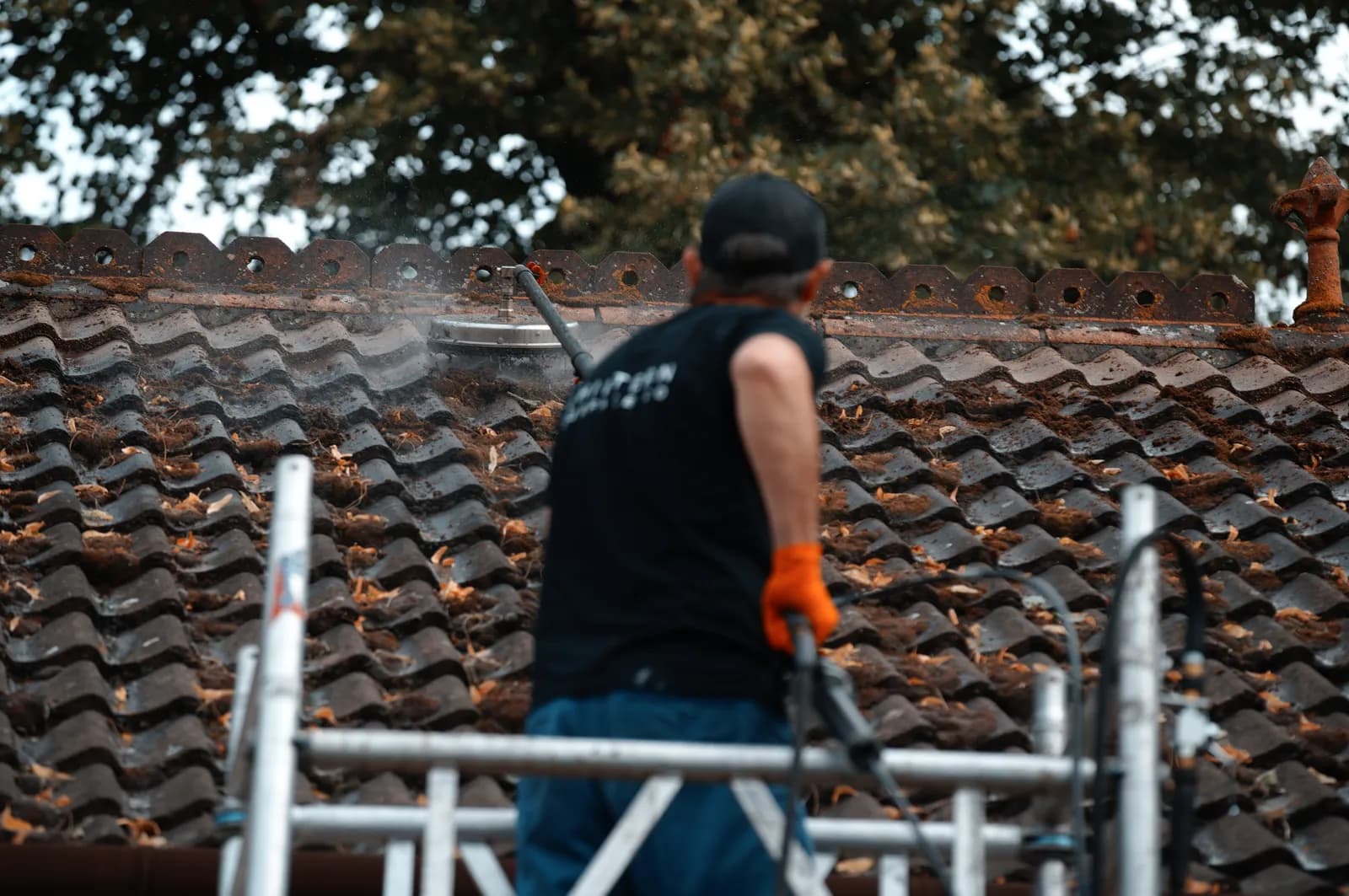
Carefully remove moss, algae and lichens to protect your roof and enhance kerb appeal.
Learn Moreabout Roof Cleaning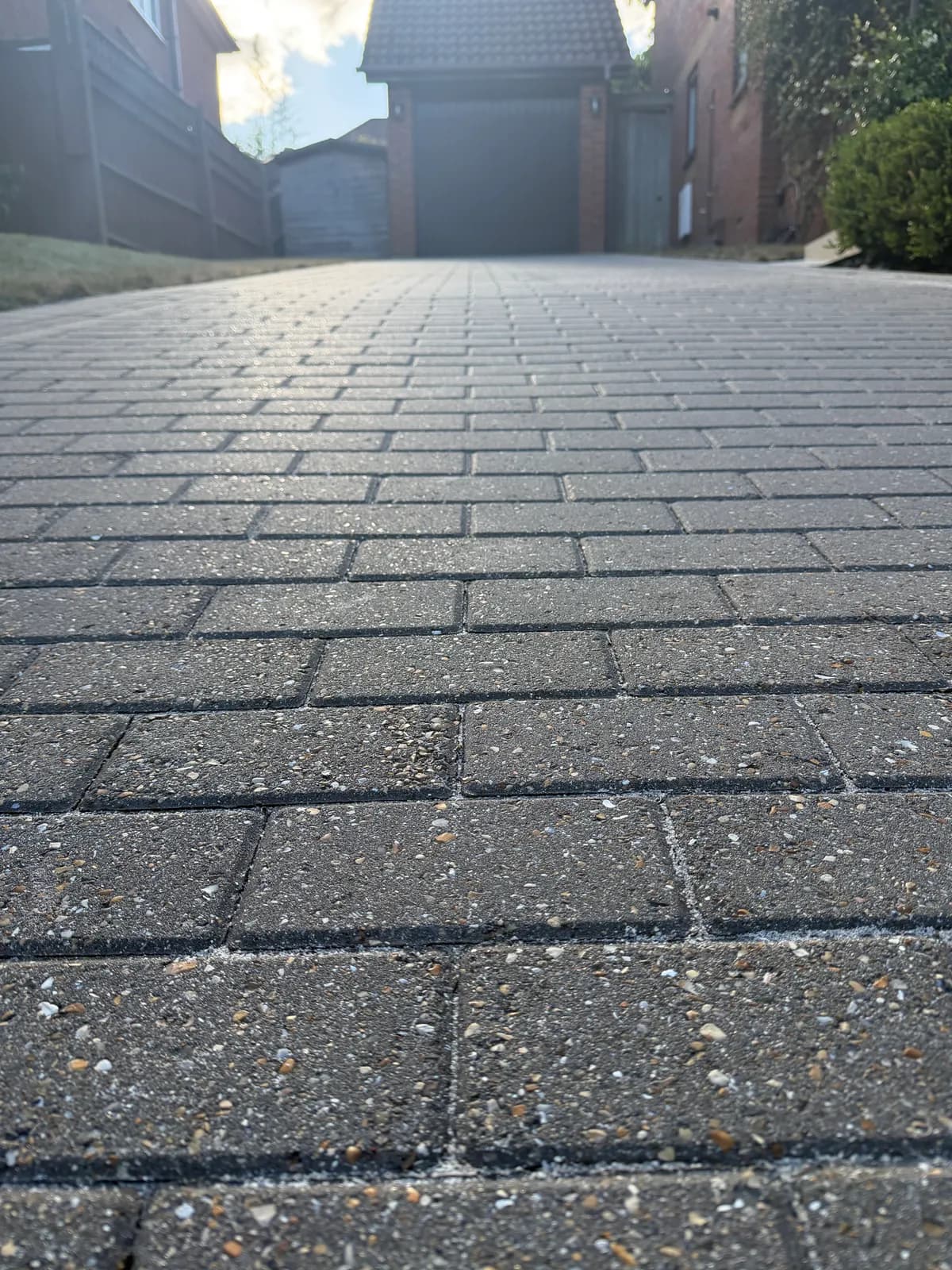
Professional cleaning for block paving, tarmac and resin driveways, restoring colour and removing stains.
Learn Moreabout Driveway Cleaning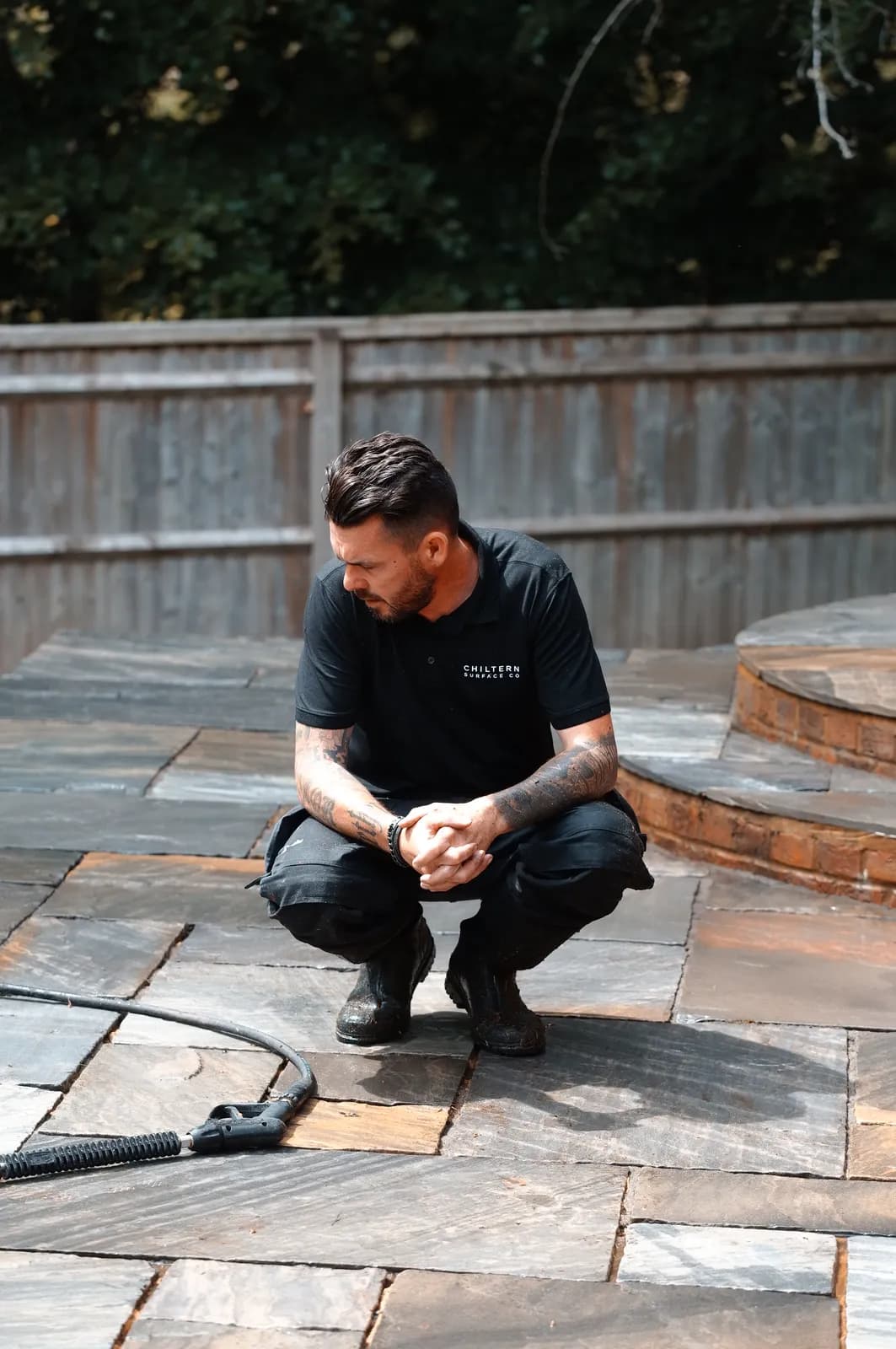
Specialist cleaning and restoration for natural stone, porcelain and concrete patios.
Learn Moreabout Patio Cleaning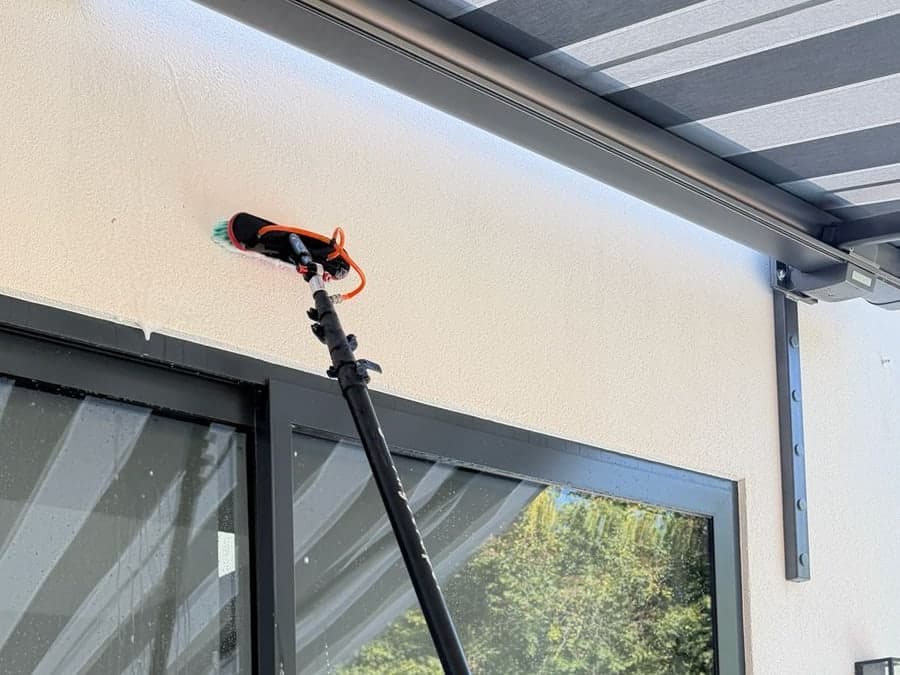
Low pressure soft wash treatment designed to safely remove algae, mould and grime from exterior surfaces.
Learn Moreabout Soft Wash Treatment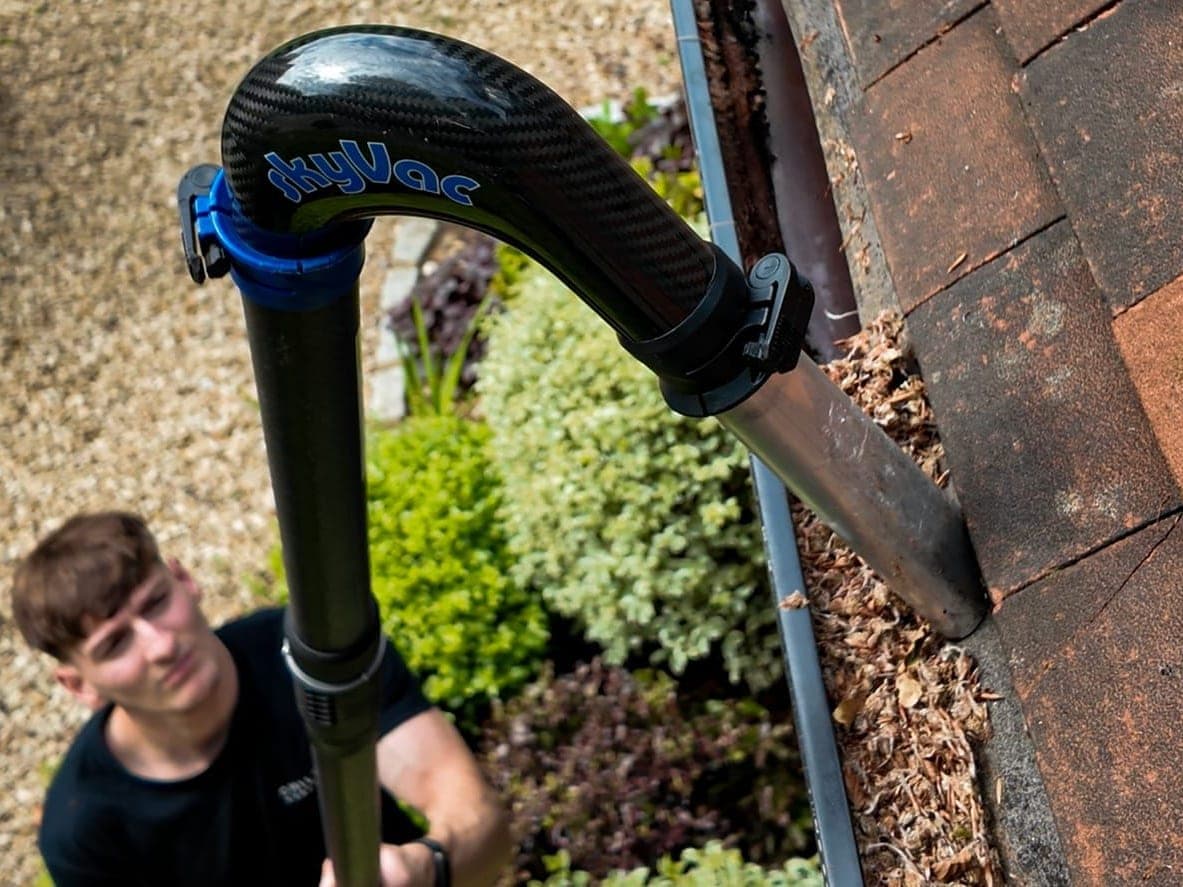
Clear and flush blocked gutters and downpipes to protect your walls, fascias and foundations.
Learn Moreabout Gutter Cleaning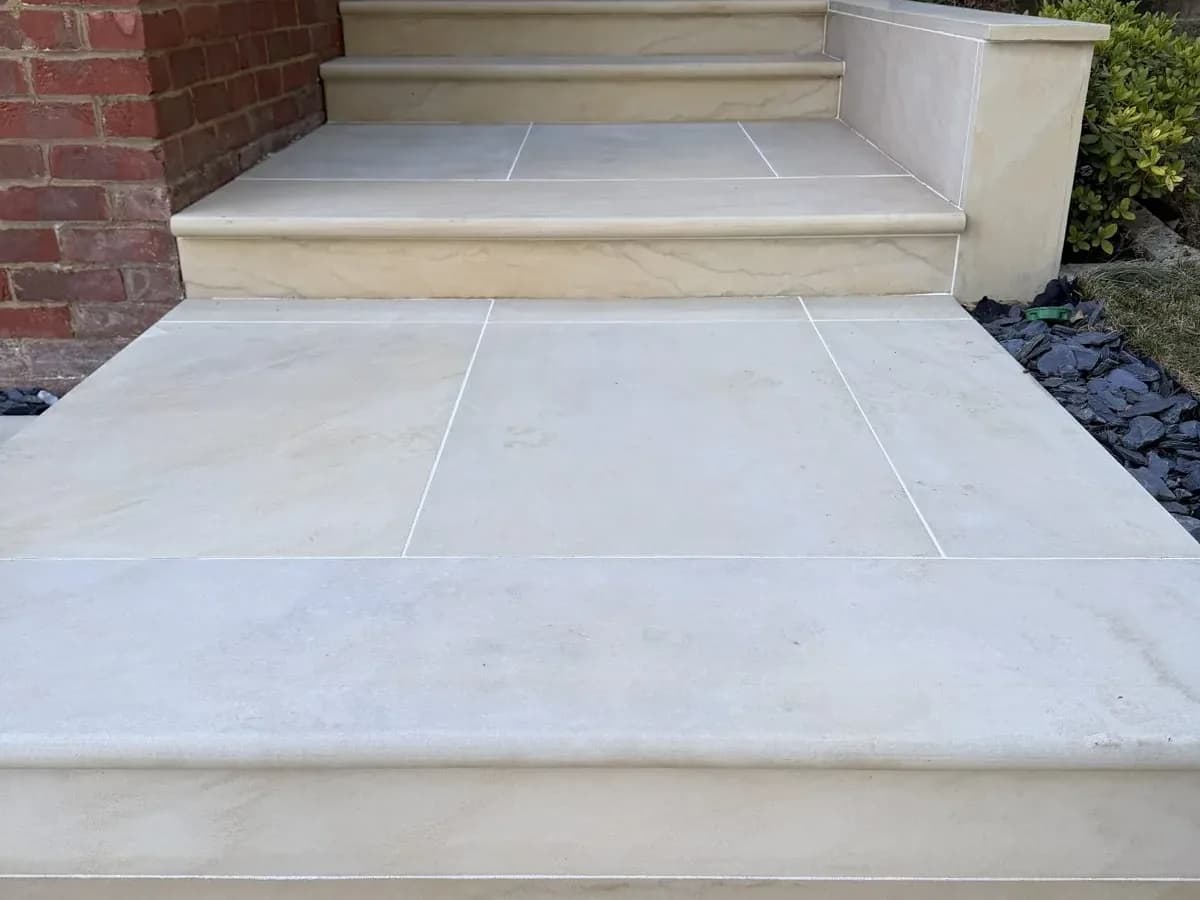
Winter cleaning that removes slippery algae and moss from paths, steps and patios, planned around the forecast.
Advice
Chiltern Surface Co
We will look at the array and its access with you, explain what has built up on the glass and how we would clean it. A clear quotation follows the visit.
We assess your surfaces and recommend the right approach for the best, long-lasting results.
You'll receive a detailed, transparent quote with no hidden extras.
We'll provide honest advice so you can decide what's right for you.
Speak directly with the owner and get expert advice you can trust.