Slate Roof Moss Removal and Cleaning in Marlow
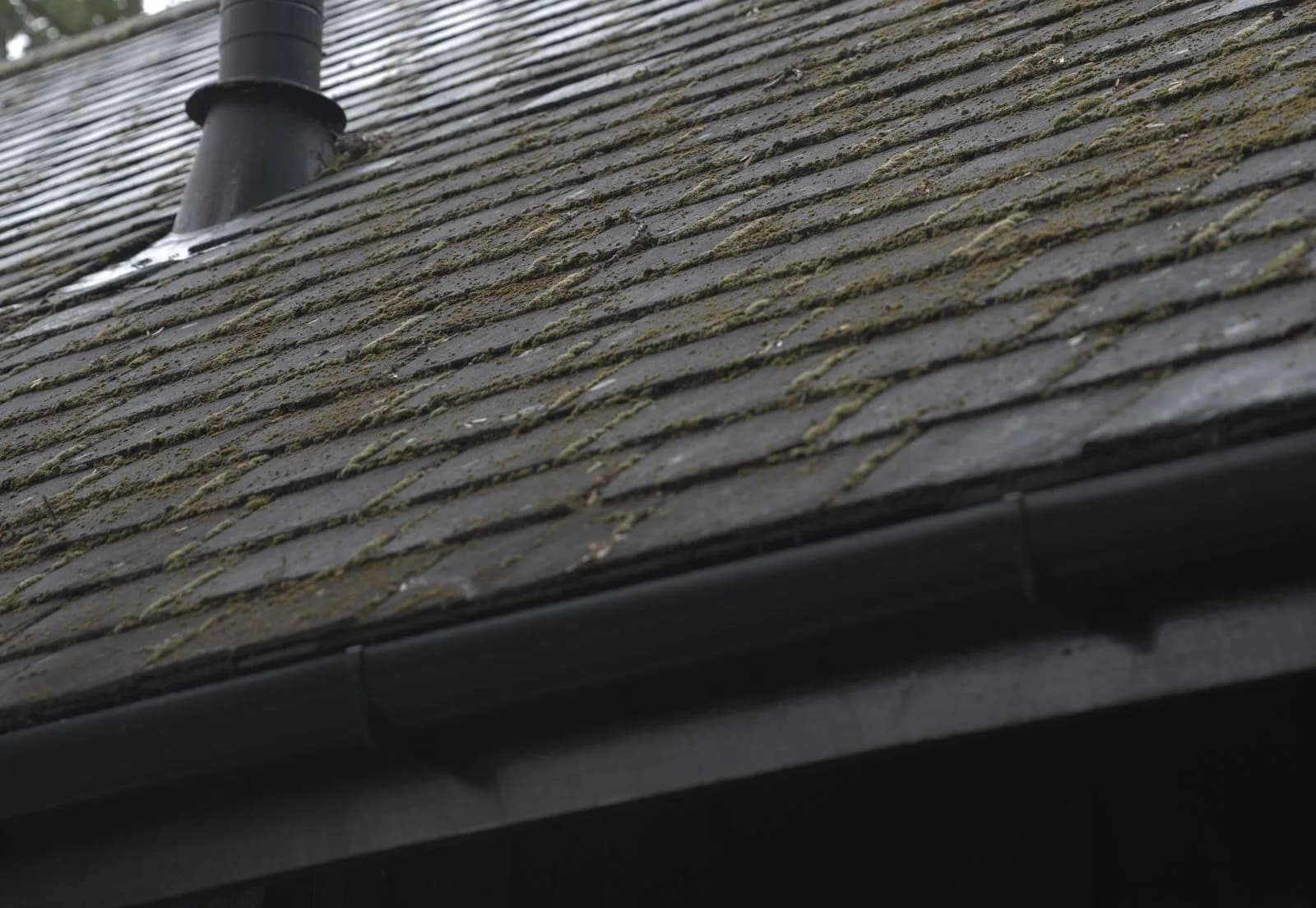
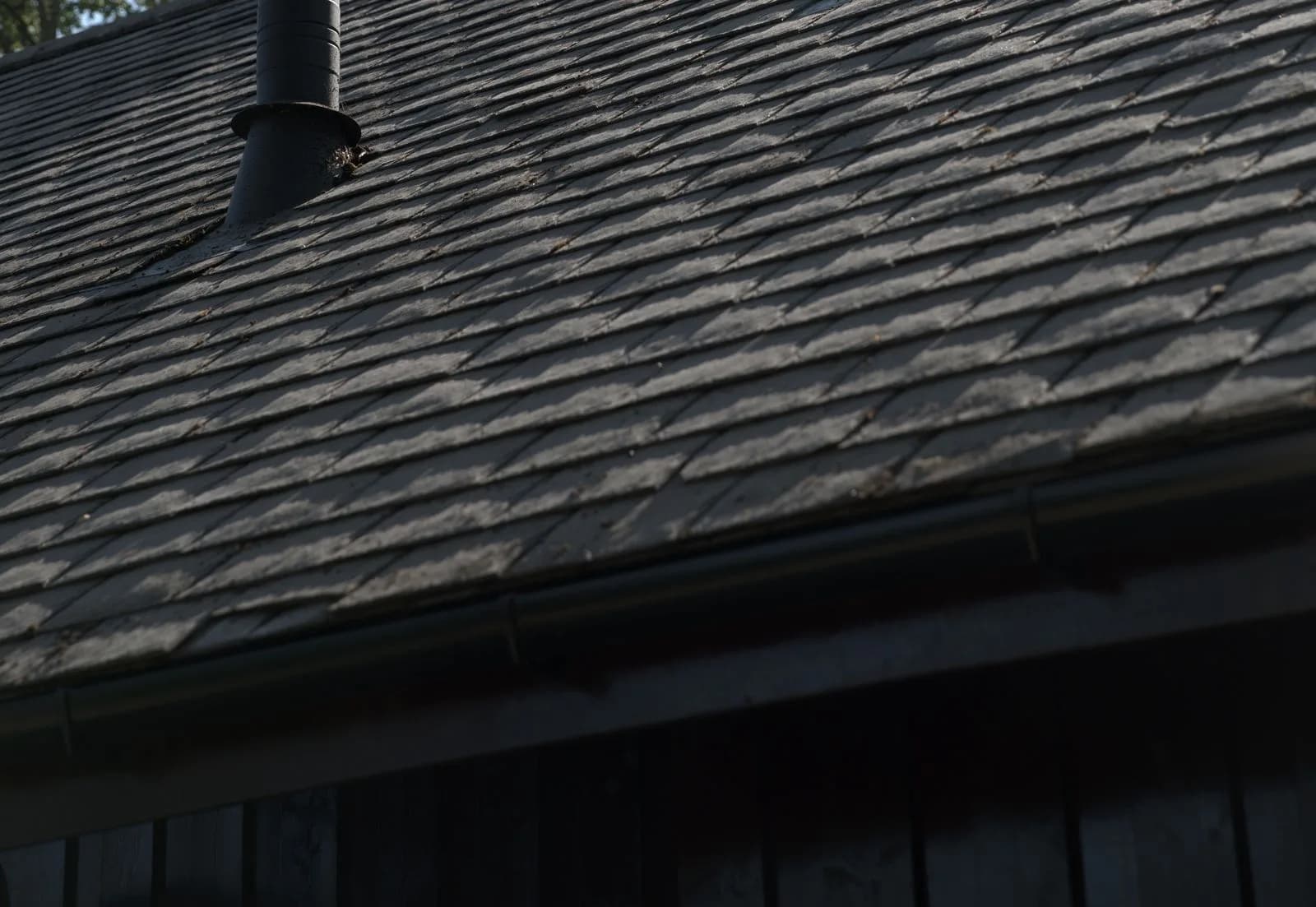
Slate roof moss removal and cleaning in Marlow: a drone survey, scaffold access, carefully controlled low-pressure cleaning and Chiltern EverGuard™.
Solar Panel Cleaning · Buckinghamshire
Little Marlow is a small village ringed by fields and water meadows between Marlow and Bourne End. Arrays here gather dust off the land as well as pollen and droppings, and we clean them with de-ionised water.
Country setting
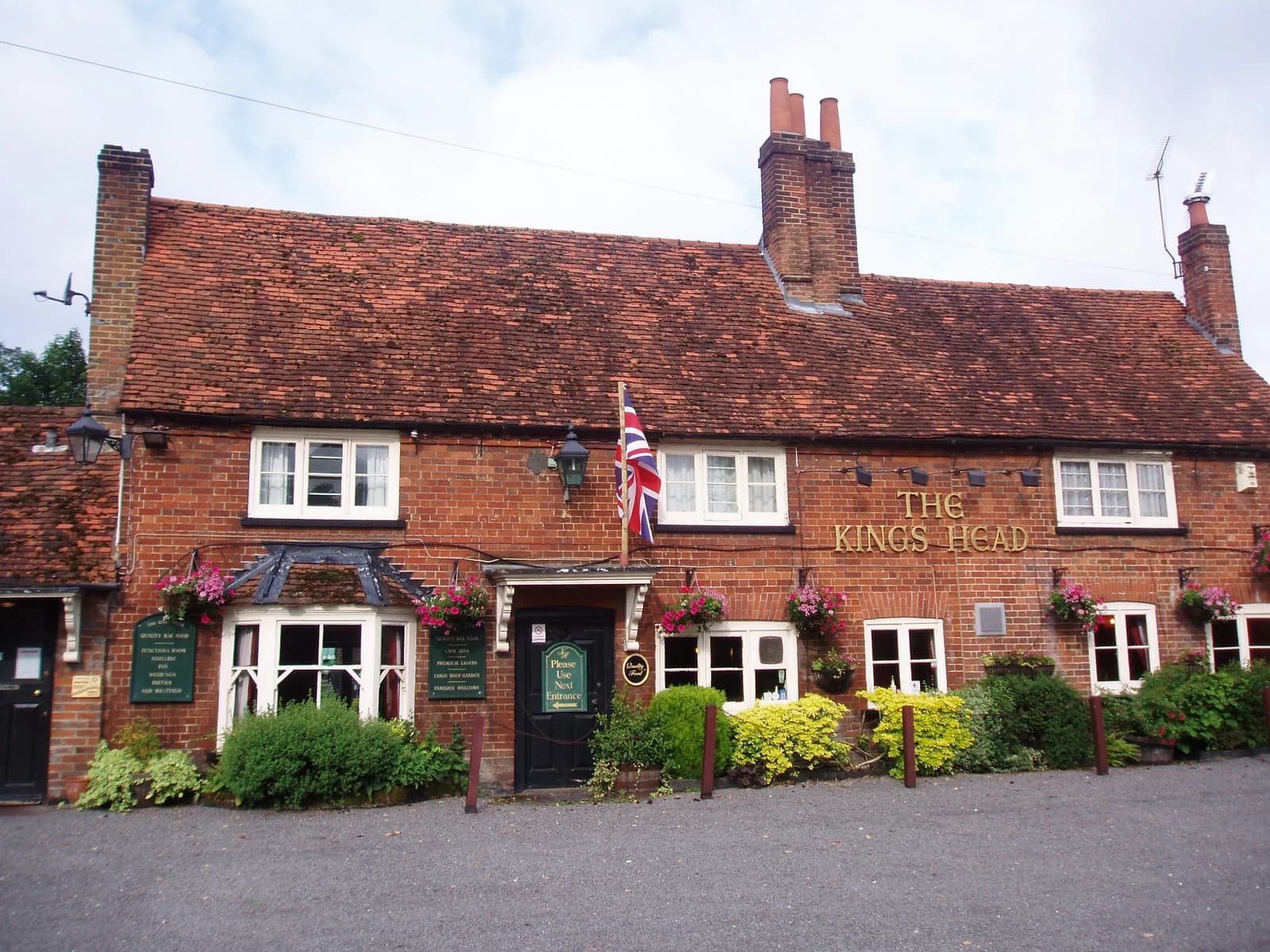
Panels on a built-up street mostly collect traffic film and the odd dropping. Out among fields, the mix is richer: fine soil lifted by wind and machinery, pollen from crops and hedgerows, seed and chaff in late summer, and birds working the farmland. Rain moves some of it. The rest settles into a dull layer that needs a proper clean.
Village and fields
Little Marlow sits just off the road between Marlow and Bourne End, but it feels a world away from both. The village is small, with older cottages, a handful of larger houses and farm buildings, and it is bordered by arable fields, hedgerows and the lakes and meadows that run down towards the Thames.
That open setting suits solar, with fewer tall buildings and less shade than a town street. It also leaves arrays exposed to everything carried across the fields: dust in dry spells, pollen in spring and early summer, and debris at harvest. Homes with gardens backing onto farmland usually see it most, and village trees add their own seasonal load.
The farming year
Through spring, hedgerows, trees and flowering crops release pollen that settles as a fine yellow-grey film. Dry summer weeks bring dust lifted from the fields, and around harvest the air carries chaff and plant fragments. In autumn and winter, leaves and moss take over, gathering along the bottom frames.
Each layer on its own might rinse away in a heavy shower. Laid down one on top of another, with dew and drizzle binding them, they form a coating that rain no longer clears. A pure-water clean lifts the whole build-up in one go.
Split arrays
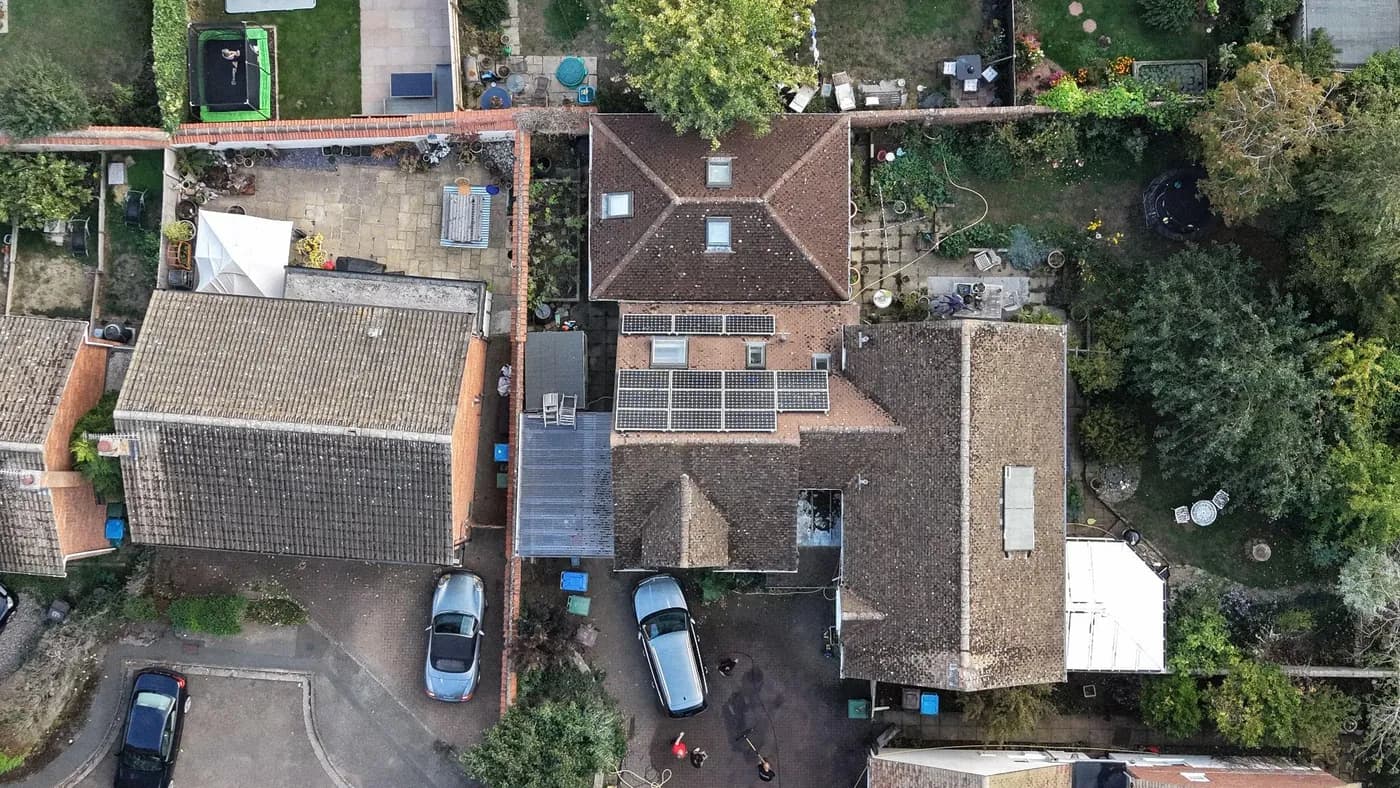
Plenty of village homes do not have one neat rectangle of panels. An array may be split across a main roof and a lower pitch, arranged around rooflights or dormers, or divided between two faces of the house. Each group sees different shelter and exposure.
The group facing open fields usually carries more dust, while the one nearer the garden trees picks up more pollen and leaf debris. We clean every reachable panel to the same standard, giving more time to the sections that need it, and check that run-off from an upper group has not simply left its dirt on the group below.
Why pure water
Everything rinsed off a roof ends up in the gutters, the garden or the ground beneath. For that reason, and because solar glass does not need it, we use no detergents or chemicals of any kind. De-ionised water, which has had its dissolved minerals taken out, does the washing and the rinsing.
Because it carries no minerals, it dries on the glass without leaving spots, so the panels can be left to dry naturally without cloths or squeegees being pulled across them. Nothing is left behind to attract dust, and nothing harmful reaches the soil.
Step by step
The stages below apply to every array we clean. Split or awkward layouts take longer at the first stage, because each group of panels is planned separately.
We note where every group of panels sits, its pitch and what lies below it, and check the frames and seals before deciding where the pole will be worked from.
De-ionised water is fed through the brush head to soak the dust and pollen layer and soften any droppings before we start brushing.
A soft-bristle brush works across each panel with light, even strokes. Heavier sections get extra time; nothing abrasive or high-pressure is ever used.
Chaff, leaves and moss lodged against the bottom frames and between groups of panels are cleared from every edge we can reach safely.
A last pure-water rinse, top group first, then the array dries on its own. We look it over and tell you about anything we noticed.
What to expect
A clean returns the glass to a clear surface. It does not change the shade from trees, mend a cracked panel or diagnose a fault, and its effect on generation varies with the array, the season and the weather. We will not put a figure on that.
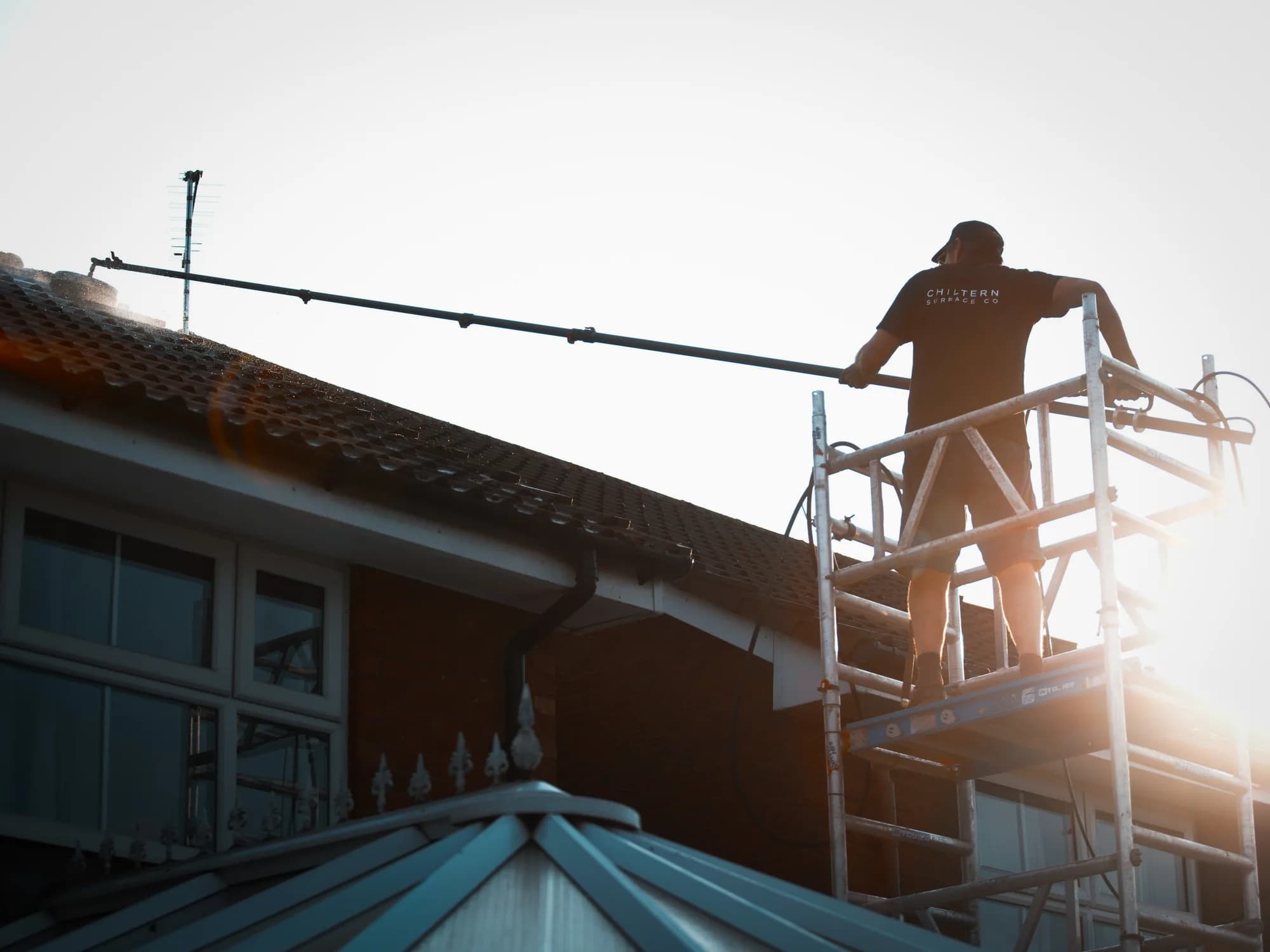
Slate roof moss removal and cleaning in Marlow: a drone survey, scaffold access, carefully controlled low-pressure cleaning and Chiltern EverGuard™.
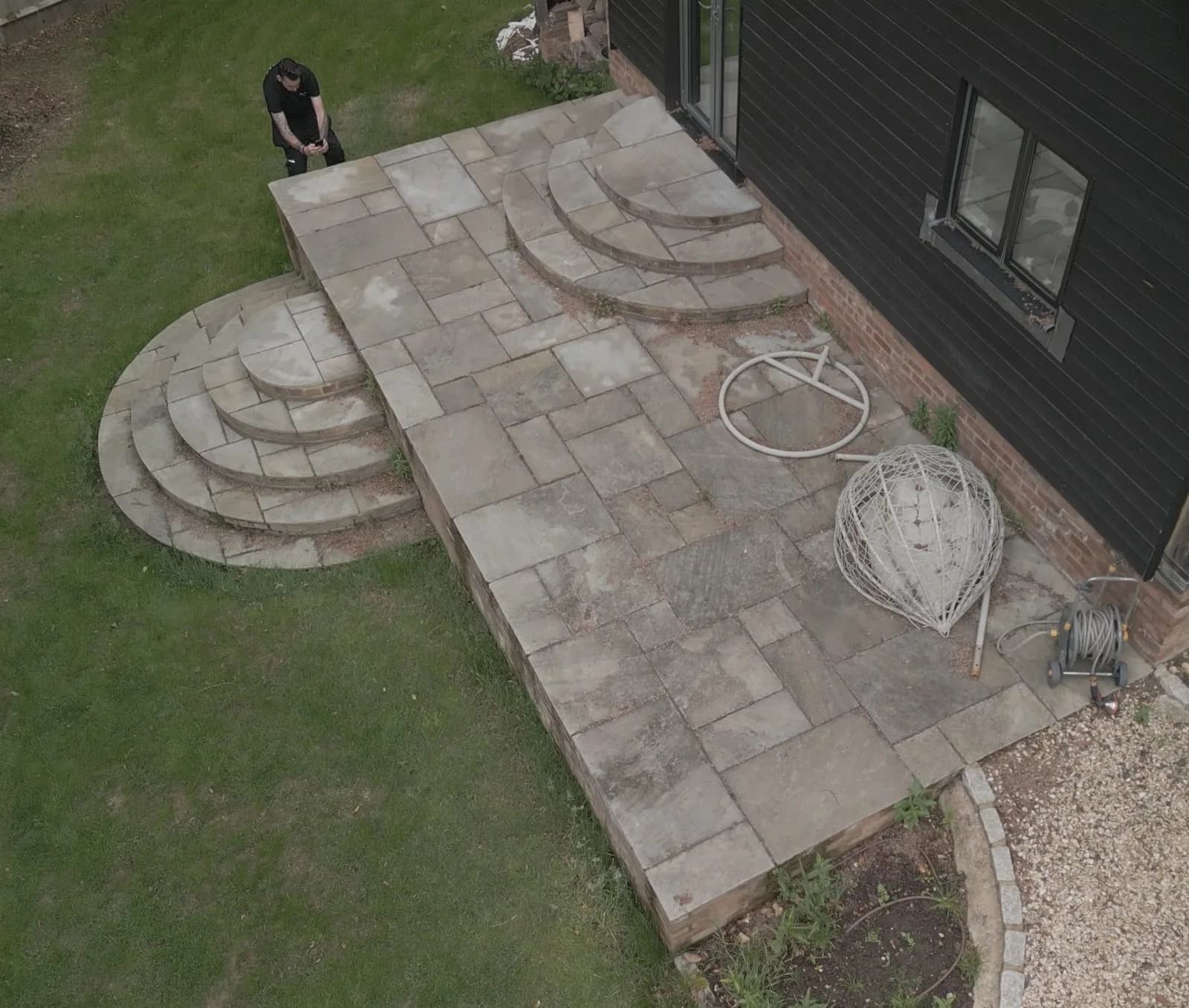
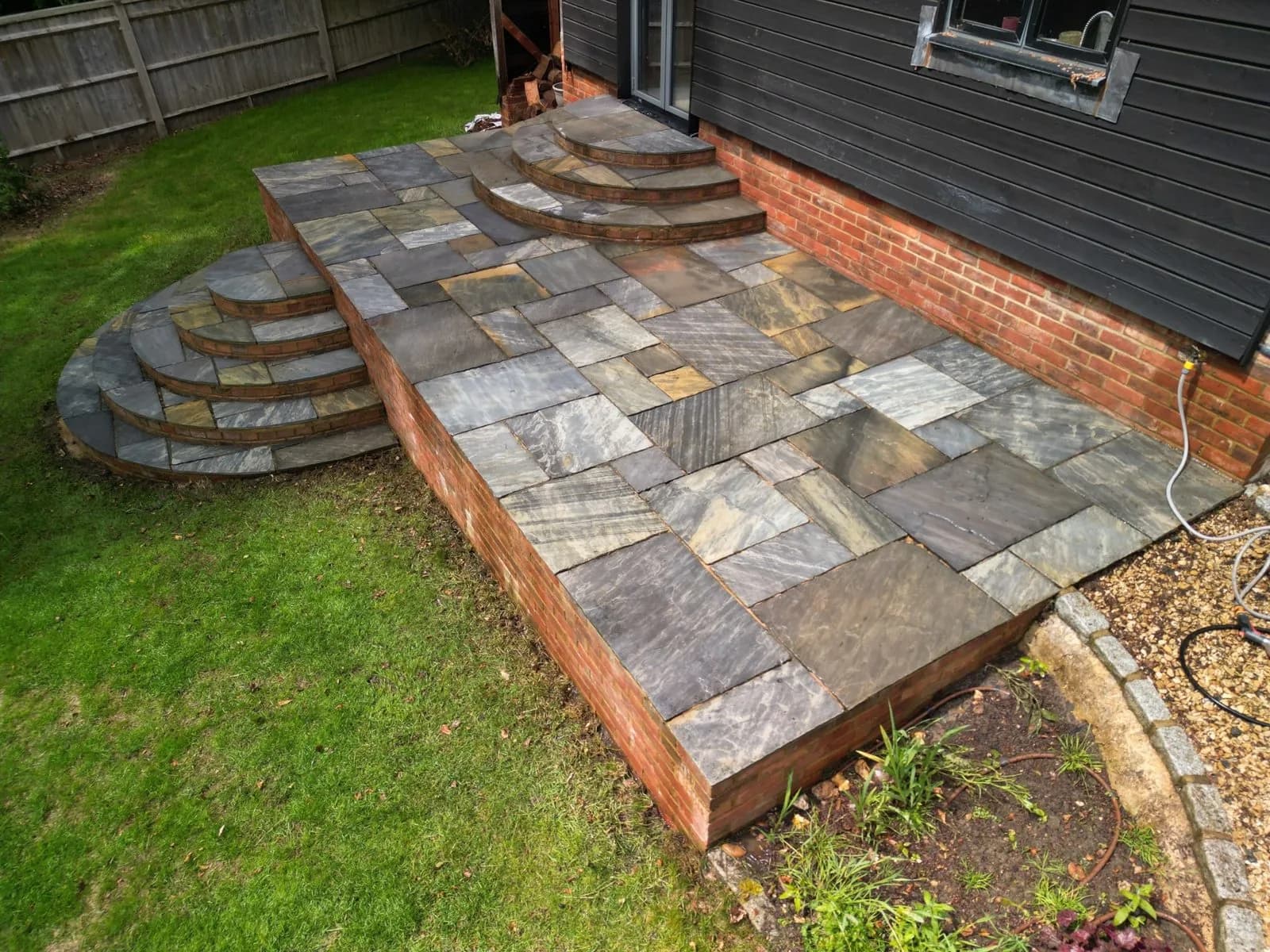
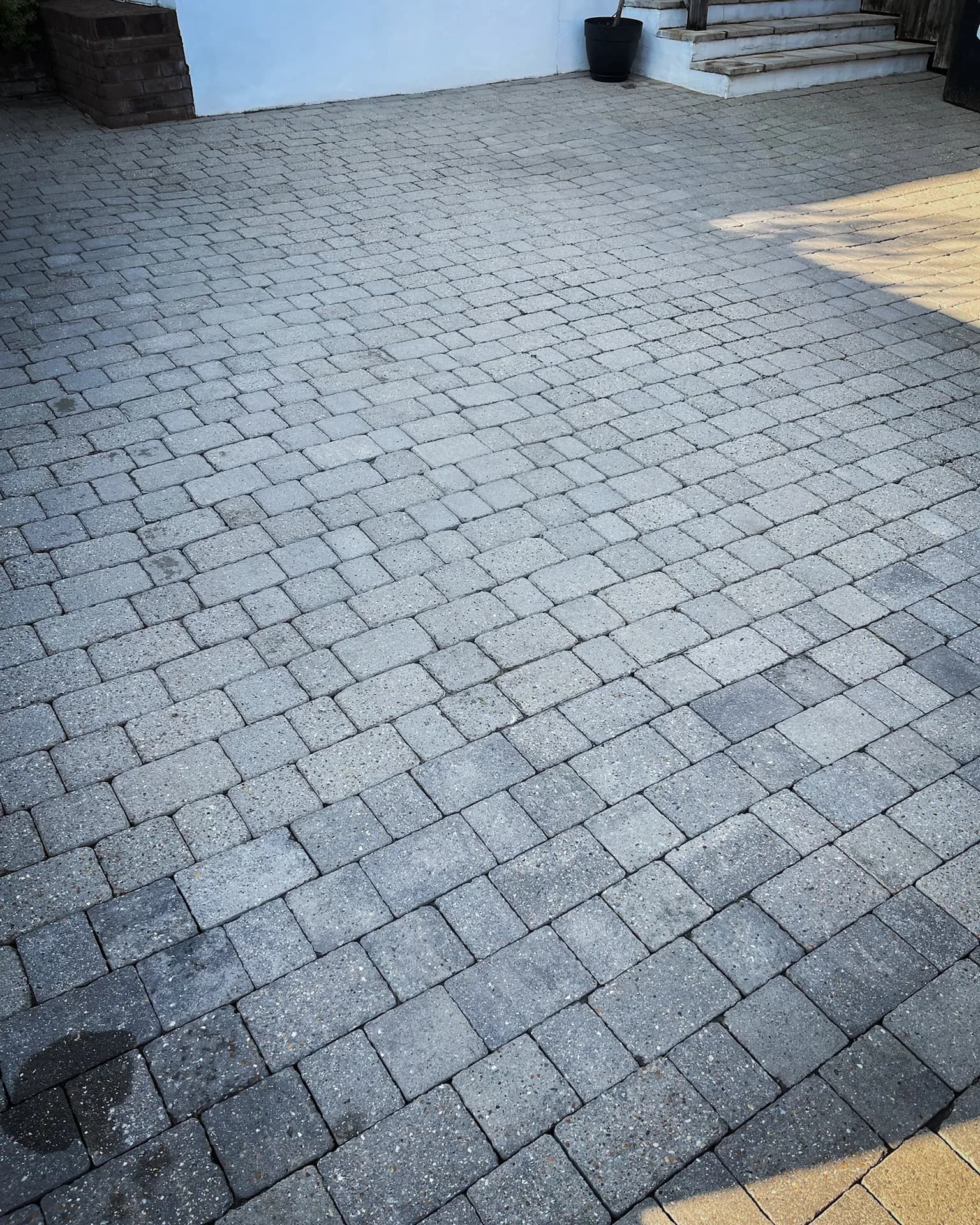
Natural sandstone patio cleaning in Marlow — heavy moss, algae and early black spot removed, protected with Chiltern EverGuard™, plus a full gutter clean.
Why us
We are based in Marlow, next door to the village, and know how the fields and river around it affect a roof and what lands on it.
Split and awkward arrays are cleaned to the same standard throughout, with the dirtiest sections given the extra time they need.
No detergents or chemicals on the glass, so nothing runs off into gardens, fields or watercourses below the roof.
Fully insured, with nobody standing on the array and the access agreed with you at the site visit before the day.
Close by
We also clean arrays in Marlow, Marlow Bottom, Bourne End, Flackwell Heath, Wooburn Green and Bisham. Most combine village gardens with nearby fields or woodland, so dust, pollen and moss arrive in much the same way.
Solar Panel Cleaning in nearby towns
What Clients Say
Thank you to every client who has trusted us with their home. Your reviews mean a great deal to us. We’re proud to be fully insured, certified professionals — delivering proven results with a customer-focused approach on every single project.
5-Star Rated On Google
Questions
Wind and farm machinery lift fine soil, and crops and hedgerows release pollen, so more airborne material settles on the glass. Dew binds it into a film that rain struggles to move, especially in dry summers and around harvest.
Yes. Each group is planned separately at the site visit, so we know where the pole will be worked from for every panel. Groups that face the fields or sit near trees often need more time, and they get it.
After the spring pollen and again after harvest suits many rural arrays. If one clean a year is enough, late summer or early autumn tends to catch the heaviest build-up. We can suggest timing once we have seen the array.
No. We wash and rinse with de-ionised water alone. There are no detergents or chemicals in it, so nothing reaches lawns, borders, fields or the ground below the roof.
Often, yes, but it depends on the working position. A glazed roof below an array can stop the operator standing where the pole is best controlled. We check that at the site visit and explain the options.
Not by an amount we can promise. Cleaning takes away dust, pollen and droppings that shade the glass, but the effect varies with orientation, season, weather and the condition of the system.
More from us
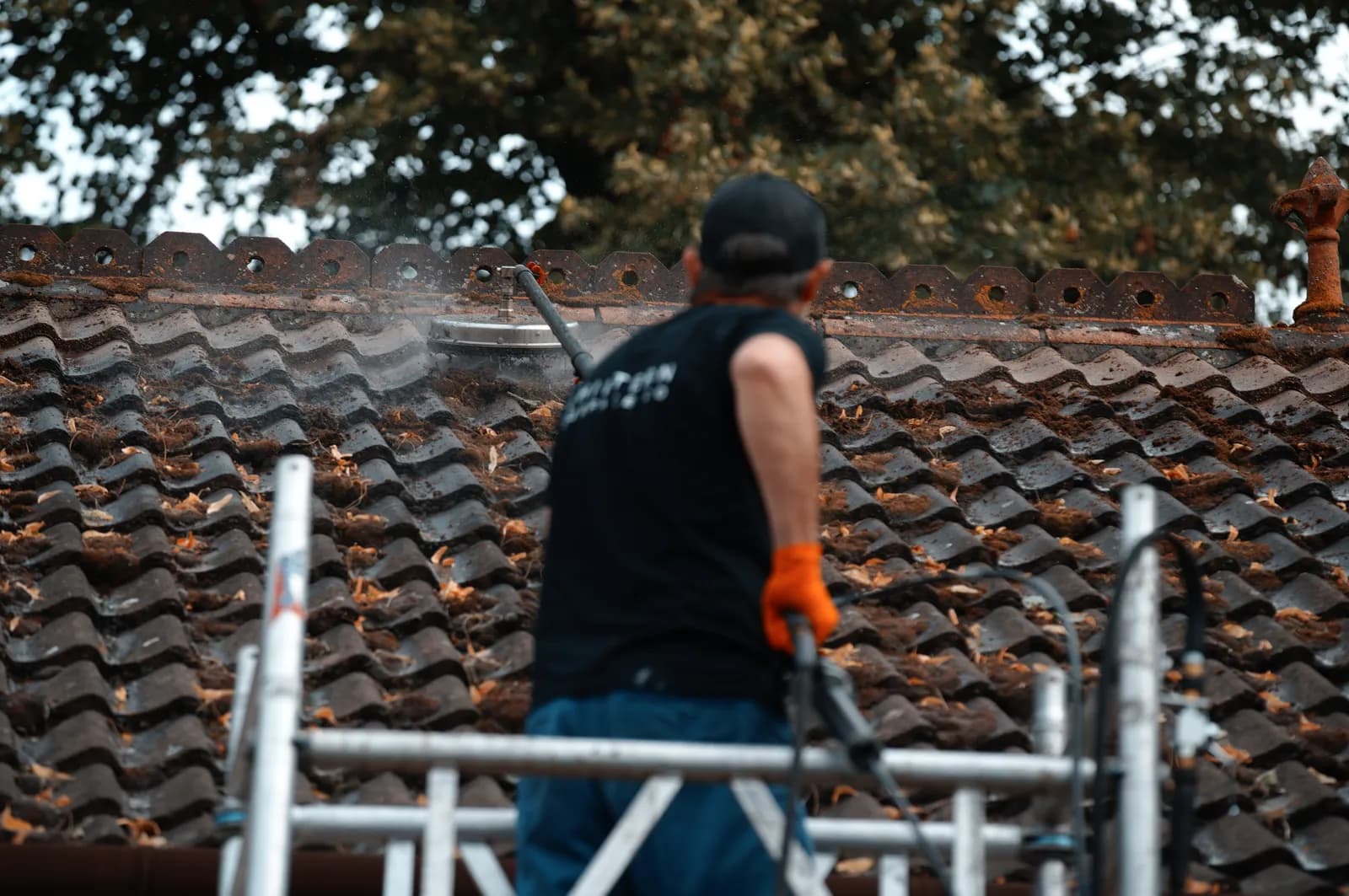
Carefully remove moss, algae and lichens to protect your roof and enhance kerb appeal.
Learn Moreabout Roof Cleaning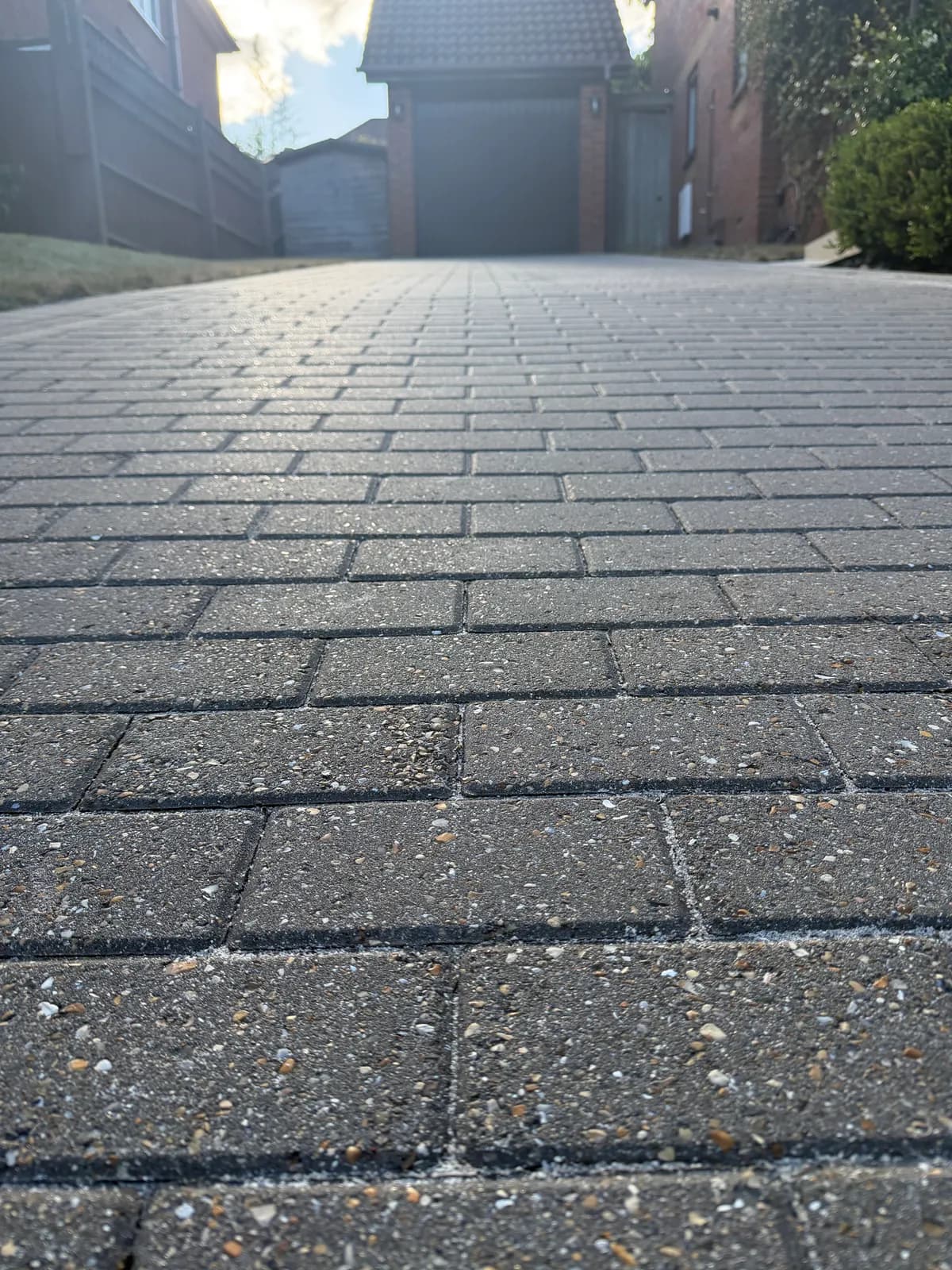
Professional cleaning for block paving, tarmac and resin driveways, restoring colour and removing stains.
Learn Moreabout Driveway Cleaning
Specialist cleaning and restoration for natural stone, porcelain and concrete patios.
Learn Moreabout Patio Cleaning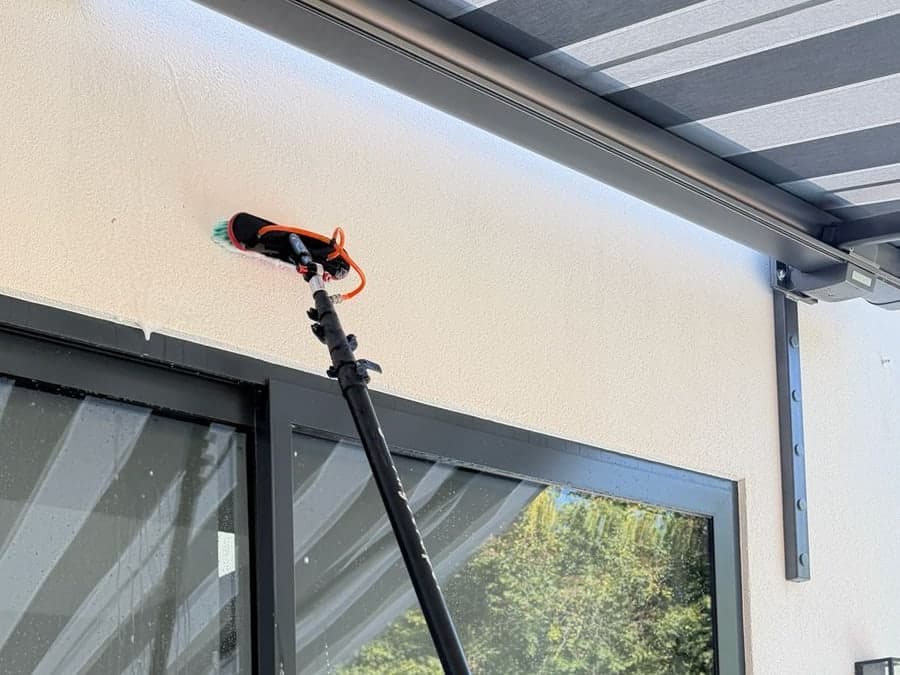
Low pressure soft wash treatment designed to safely remove algae, mould and grime from exterior surfaces.
Learn Moreabout Soft Wash Treatment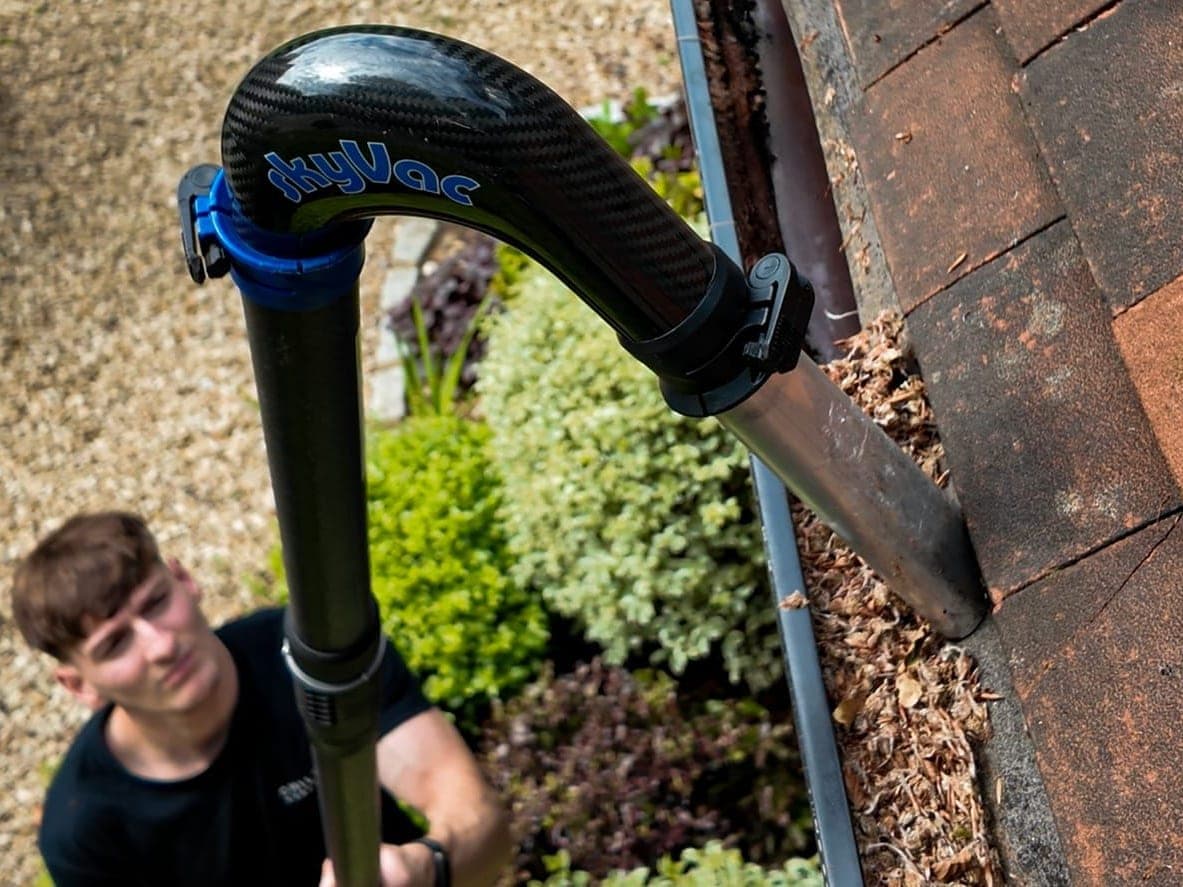
Clear and flush blocked gutters and downpipes to protect your walls, fascias and foundations.
Learn Moreabout Gutter Cleaning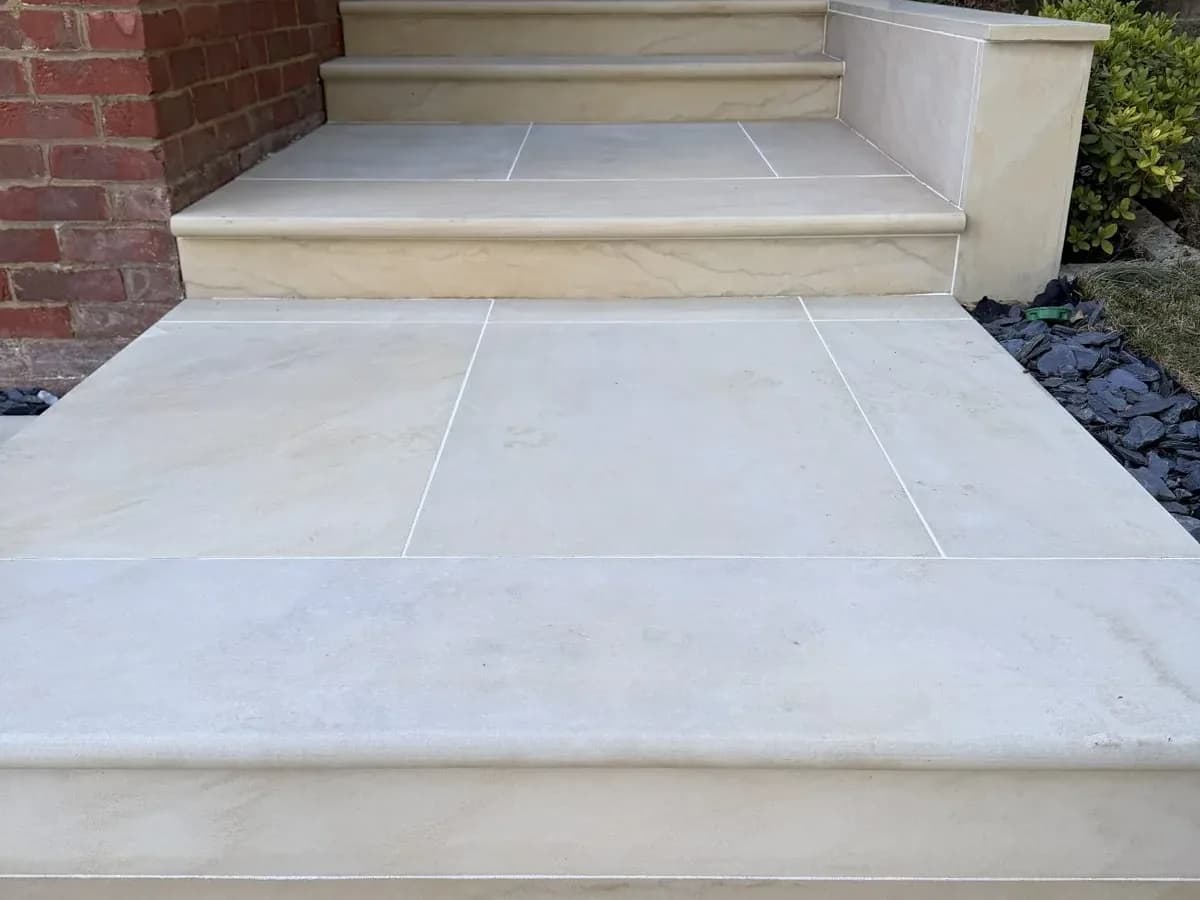
Winter cleaning that removes slippery algae and moss from paths, steps and patios, planned around the forecast.
Advice
Chiltern Surface Co
We will walk round with you, look at every group of panels and explain how we would clean them. A clear quotation follows, and there is no pressure to go ahead.
We assess your surfaces and recommend the right approach for the best, long-lasting results.
You'll receive a detailed, transparent quote with no hidden extras.
We'll provide honest advice so you can decide what's right for you.
Speak directly with the owner and get expert advice you can trust.