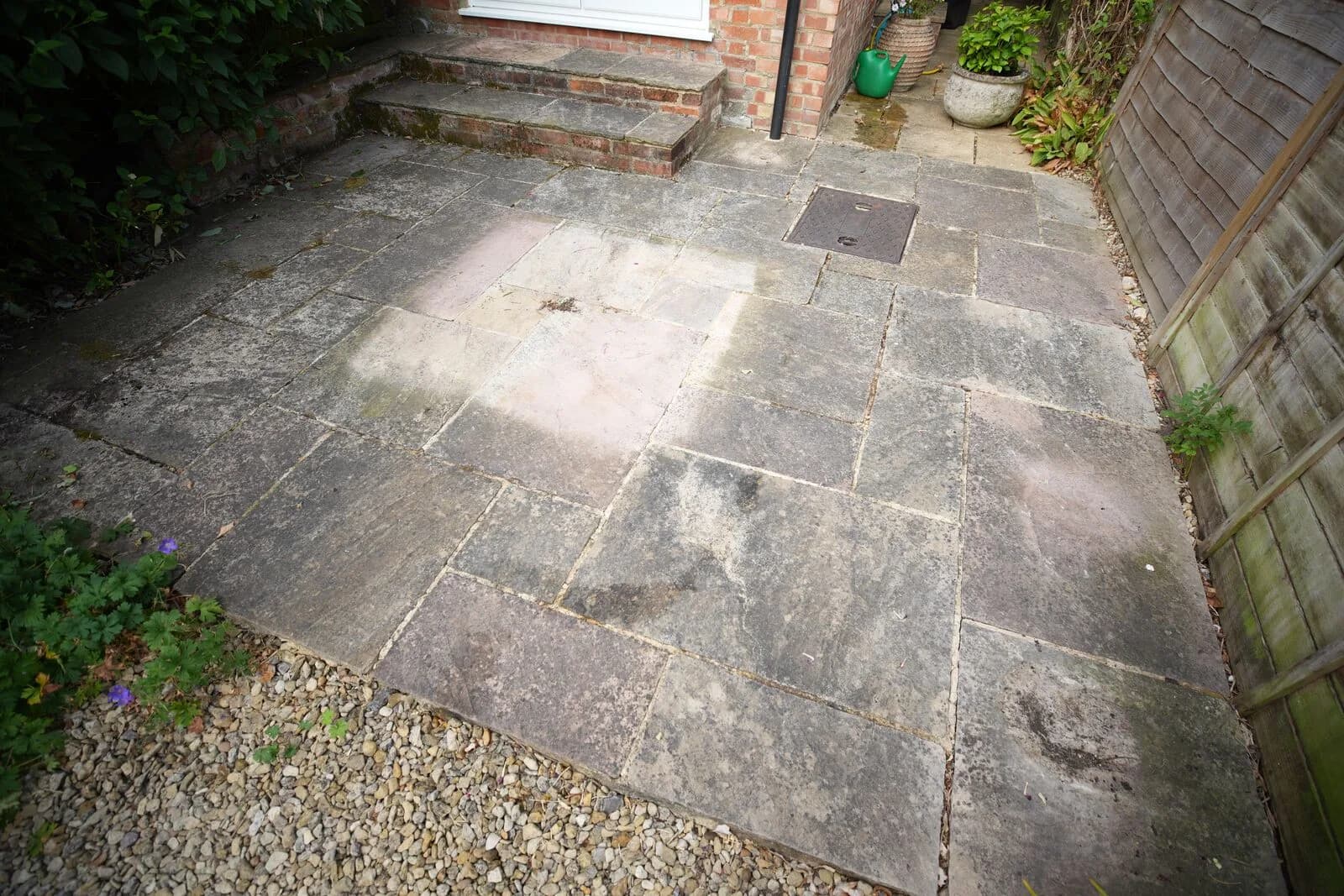
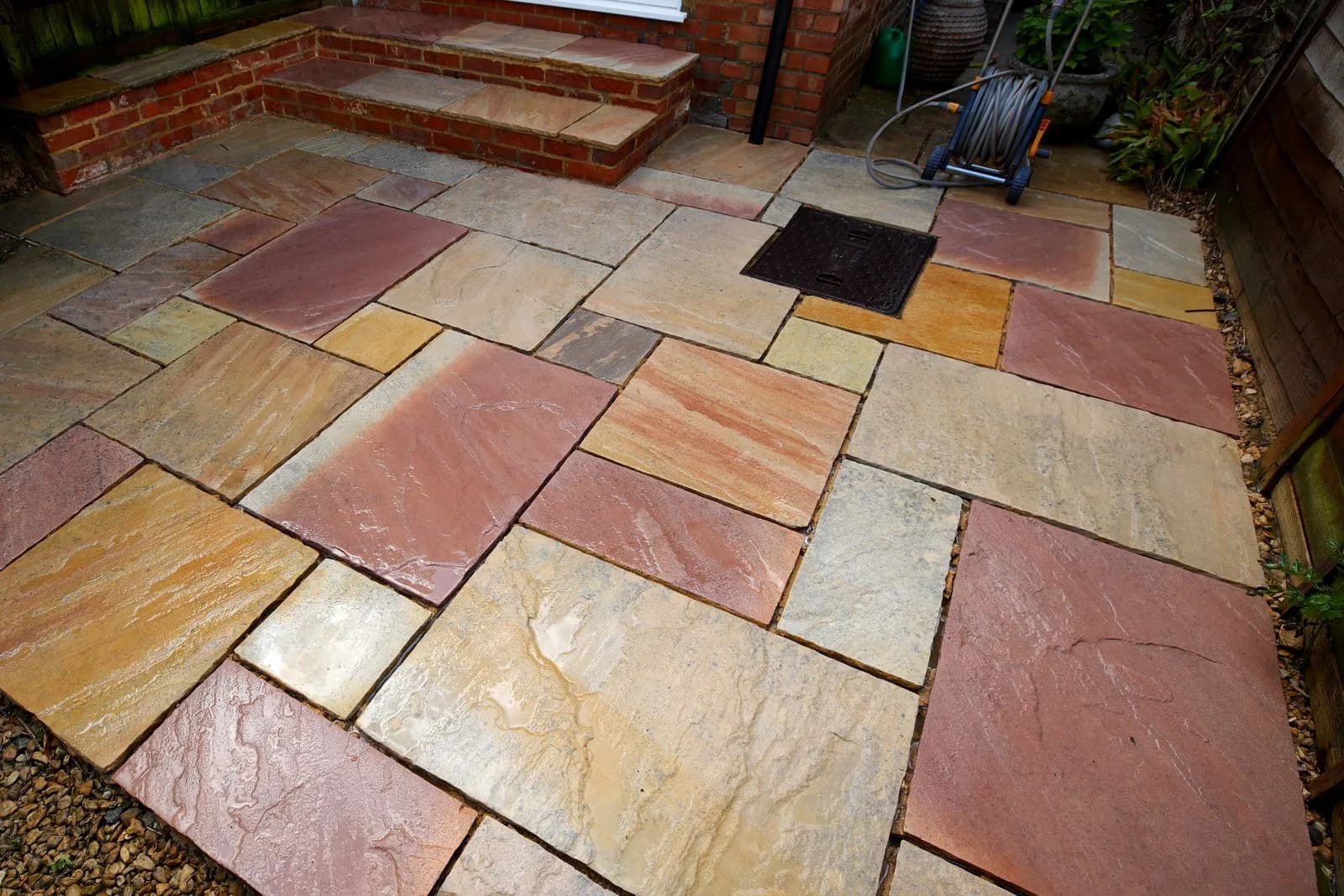
Sandstone Patio Cleaning and Re-Jointing in Oxford
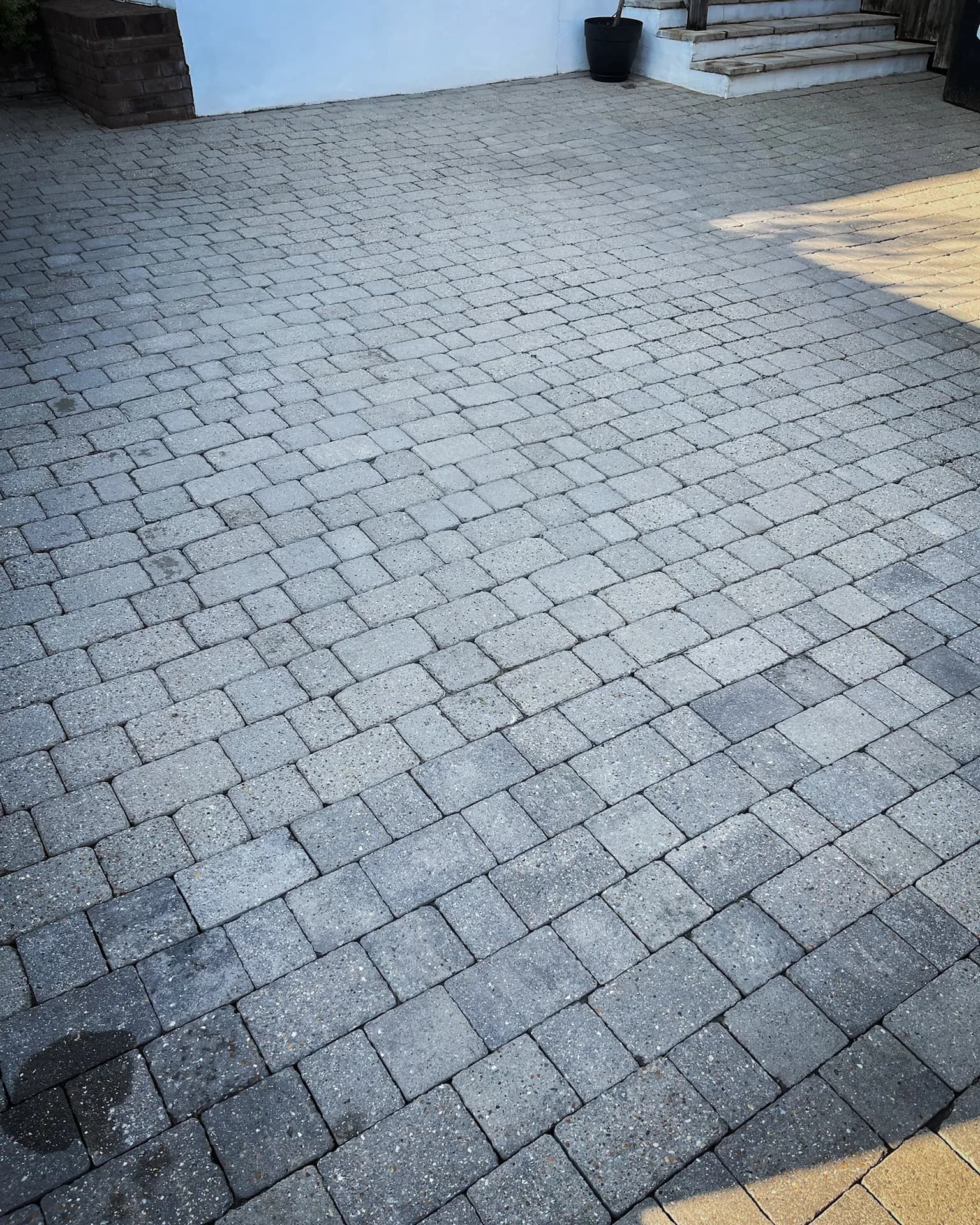
Sandstone patio cleaning and repointing in Oxford: progressive black spot removal, loose slab repairs, Chiltern EverGuard™ and a complete resin repoint.
Solar Panel Cleaning · Oxfordshire
Oxford arrays range from rear slopes of Victorian terraces to suburban roofs among mature trees. Each collects its own mix of city grime, pollen and bird mess. We clean the glass with pure water from the ground wherever the layout allows.

In the city
A panel near a main road and one in a leafy back garden can both look dull for quite different reasons. One carries a grey traffic film, the other pollen and sap. Neither needs detergent or force. At a free site visit we look at what is on the glass and how to reach it, and plan the clean around both.
Oxford housing
Oxford's homes are unusually varied. Around the historic centre and in its 18 conservation areas there are stone-built houses and long Victorian streets, while neighbourhoods such as Headington, Summertown, Marston and Cowley each have their own mix of building ages, from Victorian and inter-war houses to post-war homes and recent developments. The Thames and Cherwell run through the city with tree-lined corridors along them.
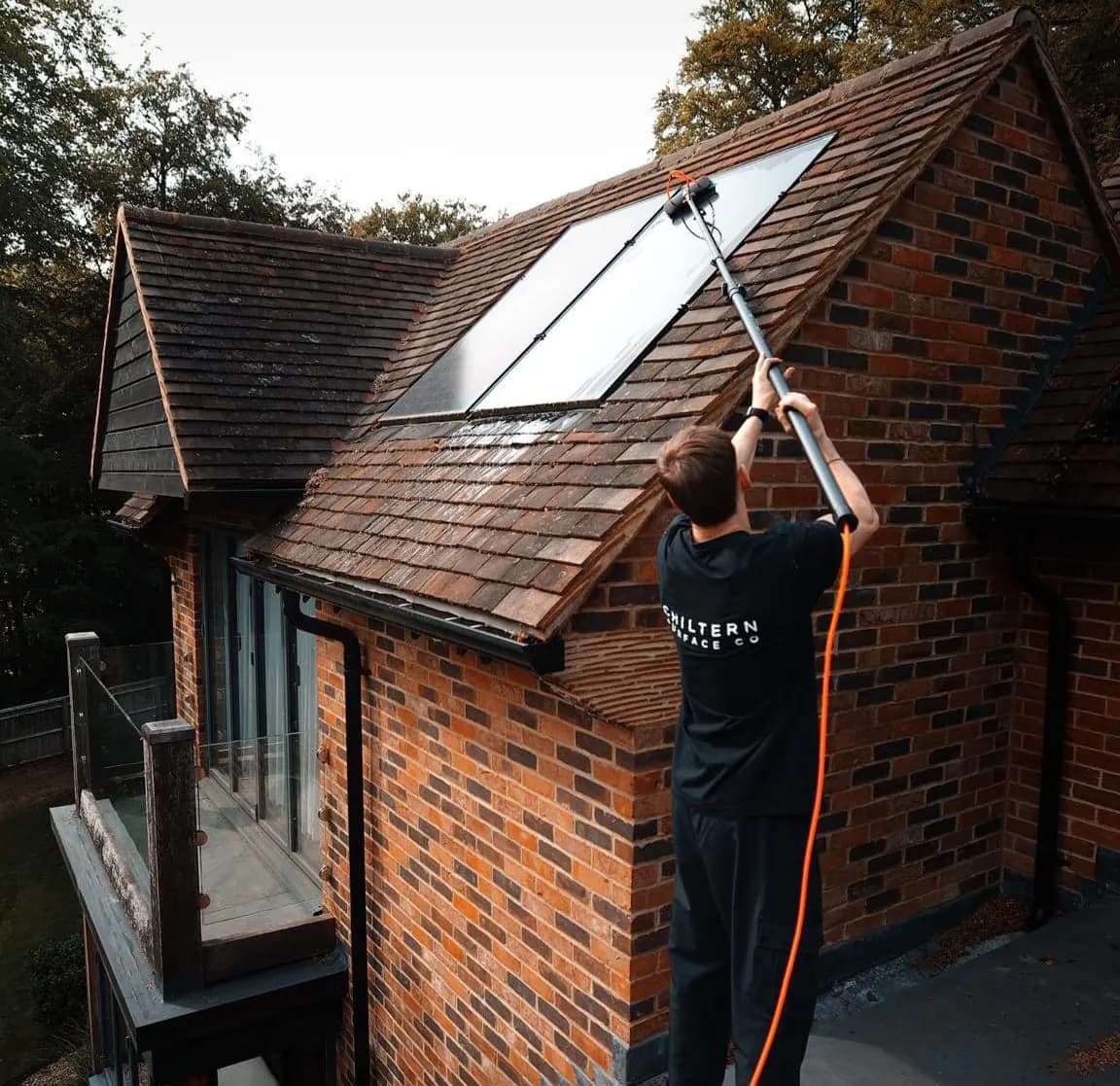
Solar panels sit on all of these, often on a rear slope, a dormer or a single-storey extension where they cannot be seen from the street. The ground below can be a narrow back yard, a shared path or a garden full of planting. We have worked in the city before, and in Oxford access is very often the part of a panel clean that takes the most thought.
Two kinds of dirt
Near main roads, fine particles from traffic and general city dust settle on the glass and stick there with moisture, leaving a flat grey cast. In quieter, greener streets the film is more often pollen and plant residue, and the panels closest to trees also pick up sap, leaf fragments and bird mess.
Both kinds respond to the same method. Soft bristles, fed with de-ionised water, loosen the film, and a generous rinse carries it away. The difference is in how much time each panel needs, which is why we look at the array before we quote.
Access
Panels go where the light falls, which in the city is often a rear roof slope above a narrow yard, or a flat-roofed or pitched extension tucked behind the house. A water-fed pole needs a safe place to stand within reach of the glass, and on a terrace that can mean working from the back garden, through a side passage or, with permission, from a shared path.
We check all of this at the site visit, including whether anything has to be moved and where the hose will run. Nobody stands on the panels. If an array cannot be reached properly from the ground, we will say so before quoting rather than work around it on the day.
Close neighbours
On closely built streets, water coming off your roof may fall onto a shared path, a neighbour's yard or the plants along a party wall. That is one practical reason our solar method uses nothing but de-ionised water.
There is no detergent, no additive and no chemical treatment, so what runs off the array is water and the dirt it has lifted. The panels dry naturally afterwards, without towelling, and we leave the area beneath tidy before we go.
On the day
Access is agreed at the free site visit, so on the day the work can follow its usual order without improvisation.
We confirm the position of each panel, the pitch and height, where the pole and hose will go, and the visible condition of the frames and seals.
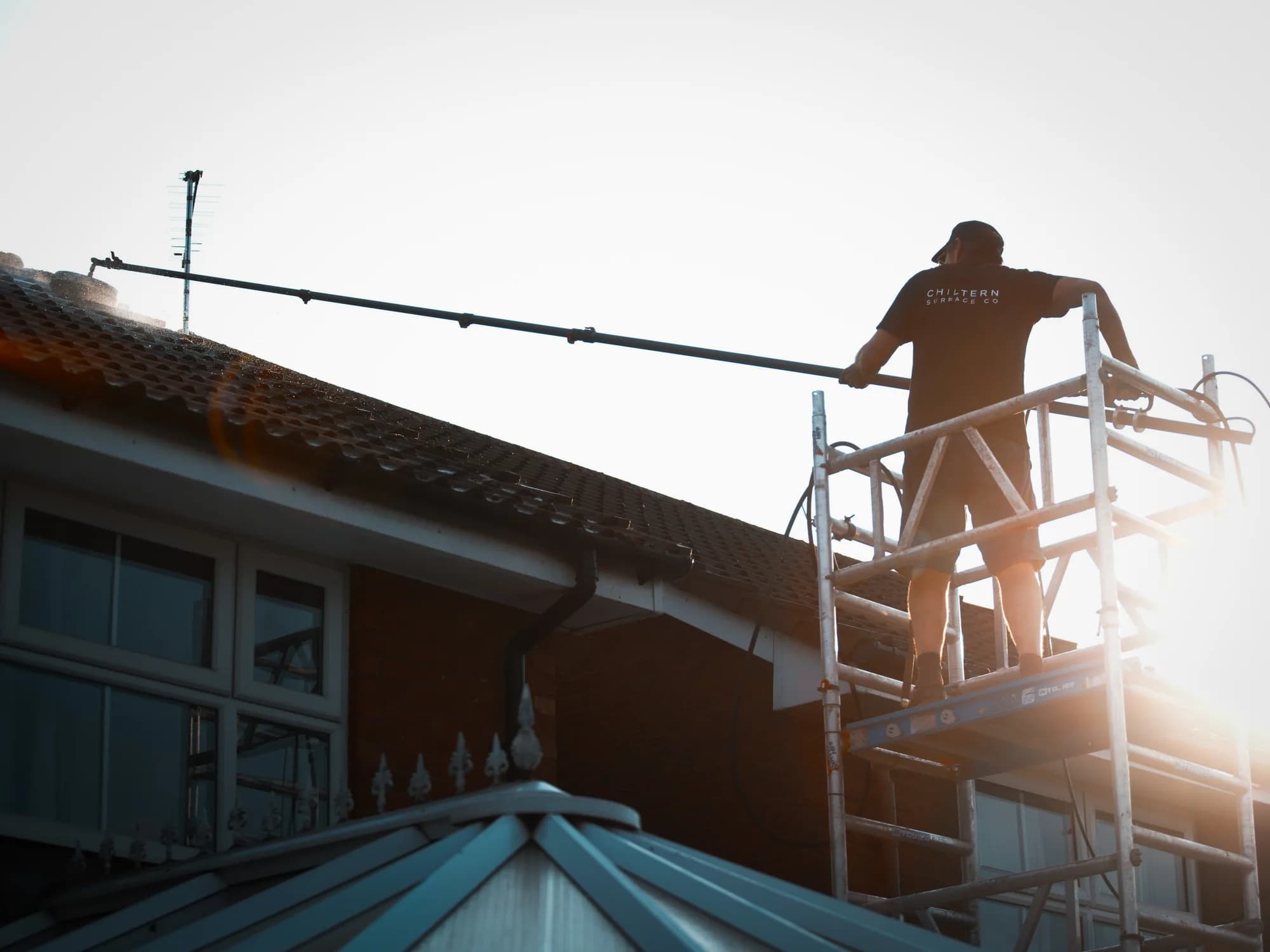
A soft-bristle brush fed with de-ionised water loosens traffic film, pollen, sap and droppings, panel by panel, without any detergent.
Grit, moss and organic debris trapped along the bottom frames and in the corners are cleared, using nothing abrasive around the seals.
The glass gets a final pure-water rinse and is left to dry on its own, and the yard or garden below is left as we found it.
Looking over the array from a safe position, we point out anything visible about the panels, seals or fixings that might need a solar installer.
Good to know
Cleaning restores clear glass and clean frames. It does not affect the shade cast by neighbouring buildings or trees, and city dust and pollen will settle again over the following months.
Nor is a clean a test of the system. We do not quote a percentage gain, because output depends on orientation, season, shading and the equipment itself, and any fault or damage should be looked at by a solar installer.
Sandstone patio cleaning and repointing in Oxford: progressive black spot removal, loose slab repairs, Chiltern EverGuard™ and a complete resin repoint.
Why us
Back yards, side passages and extensions are assessed at the site visit, so the clean is planned around the space you actually have.
De-ionised water only means nothing but clean water runs onto shared paths, party-wall planting or the garden next door.
Panels are cleaned with a water-fed pole from the ground wherever the layout allows, so nobody stands on the glass.
Fully insured operatives who have worked in the city before, with a clear quotation that sets out what is included.
Nearby
Our panel cleaning covers neighbourhoods across Oxford, including Headington, Summertown, Iffley, Marston, Wolvercote and Cowley. Access varies a great deal from one street to the next, so each property is assessed on its own at the site visit.
Solar Panel Cleaning in nearby towns
What Clients Say
Thank you to every client who has trusted us with their home. Your reviews mean a great deal to us. We’re proud to be fully insured, certified professionals — delivering proven results with a customer-focused approach on every single project.
5-Star Rated On Google
Questions
Often, yes. If the back garden or yard can be reached and gives a safe footing within reach of the array, the pole can be worked from there. We check the route through the house or along a shared path at the site visit.
No. We use de-ionised water with no detergent or chemicals, so anything that runs off is plain water carrying the dirt from the glass. We also keep the area beneath tidy as we work.
Not always dirtier, but they tend to collect a different kind of dirt: a grey film of fine particles from traffic and city dust. It lifts with the same pure-water method as pollen, though it can take a little more brushing.
Yes, in most cases. Single-storey extensions are often within easy reach of the pole, though roof lights, gutters and planting below need care. We confirm the approach before quoting.
No. Tap water leaves mineral spots as it dries. We wash and rinse with de-ionised water, which dries clear, so nothing needs to be wiped across the glass afterwards.
Once a year is a useful starting point. Arrays near trees, busy roads or regular bird perches, or set at a shallow angle, may need cleaning twice. We will suggest an interval after seeing what has built up.
Not by a figure anyone can promise. Removing film and droppings clears shading from the glass, but generation also depends on orientation, season, nearby buildings and the condition of the system.
More from us
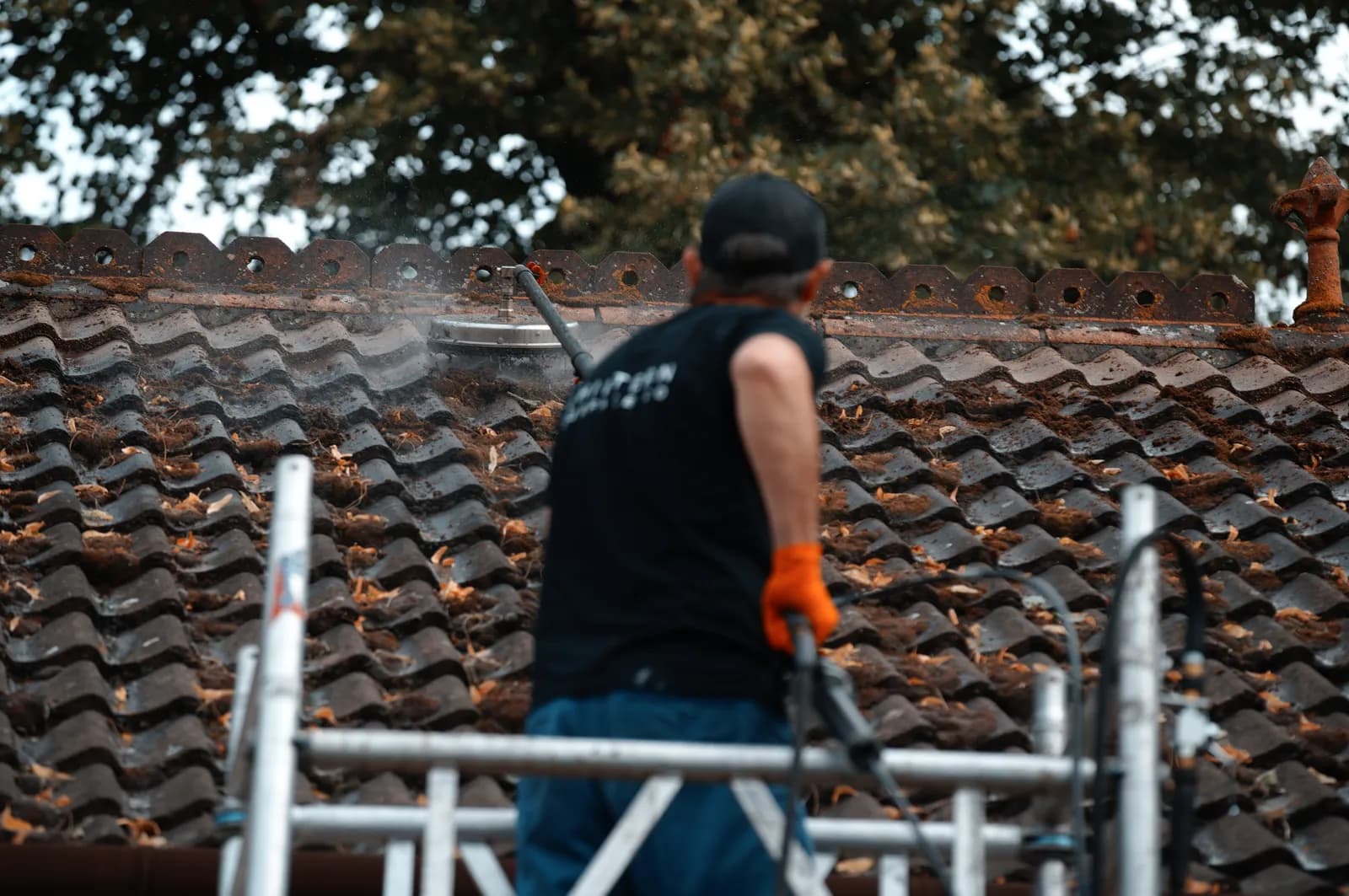
Carefully remove moss, algae and lichens to protect your roof and enhance kerb appeal.
Learn Moreabout Roof Cleaning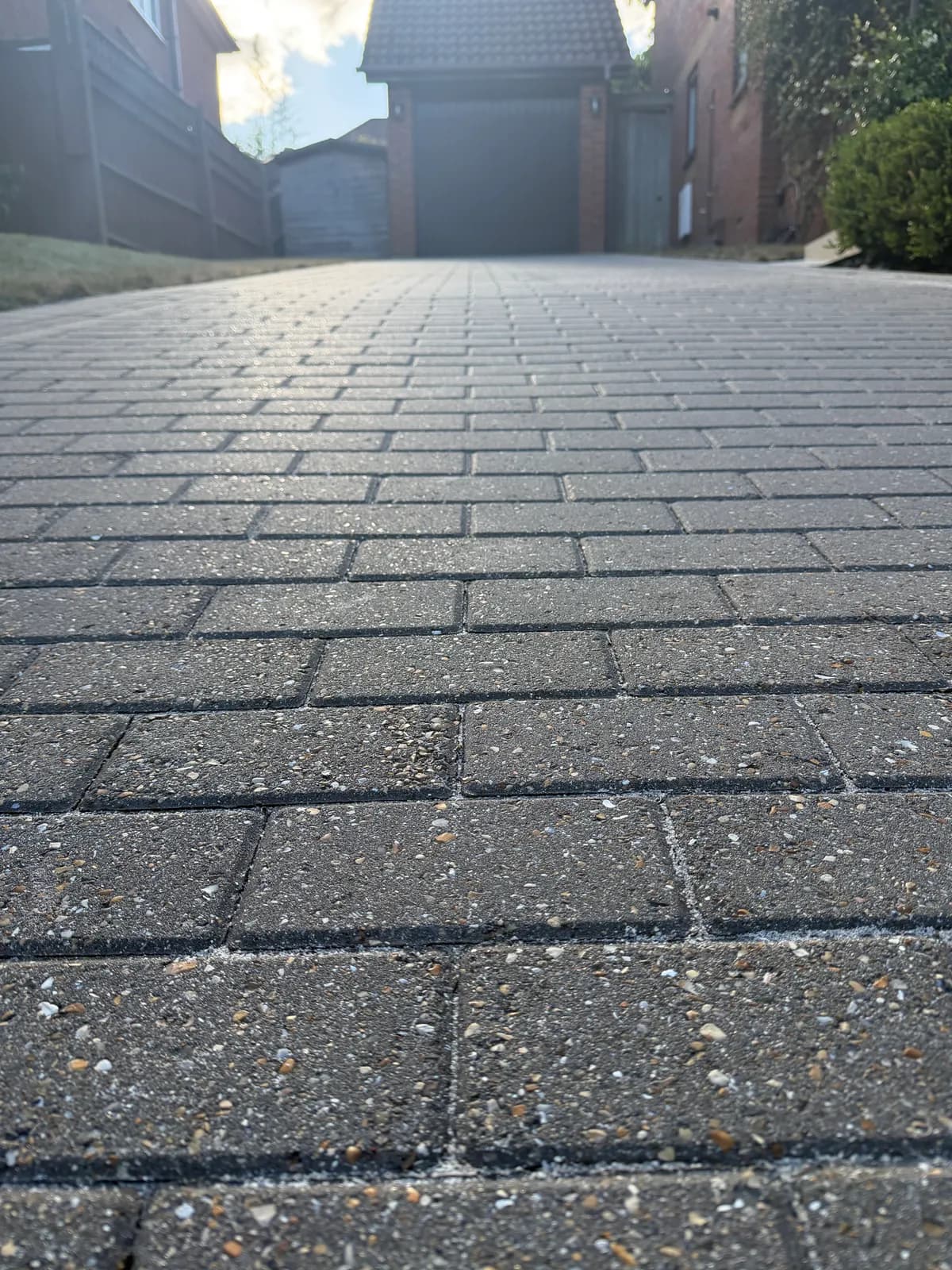
Professional cleaning for block paving, tarmac and resin driveways, restoring colour and removing stains.
Learn Moreabout Driveway Cleaning
Specialist cleaning and restoration for natural stone, porcelain and concrete patios.
Learn Moreabout Patio Cleaning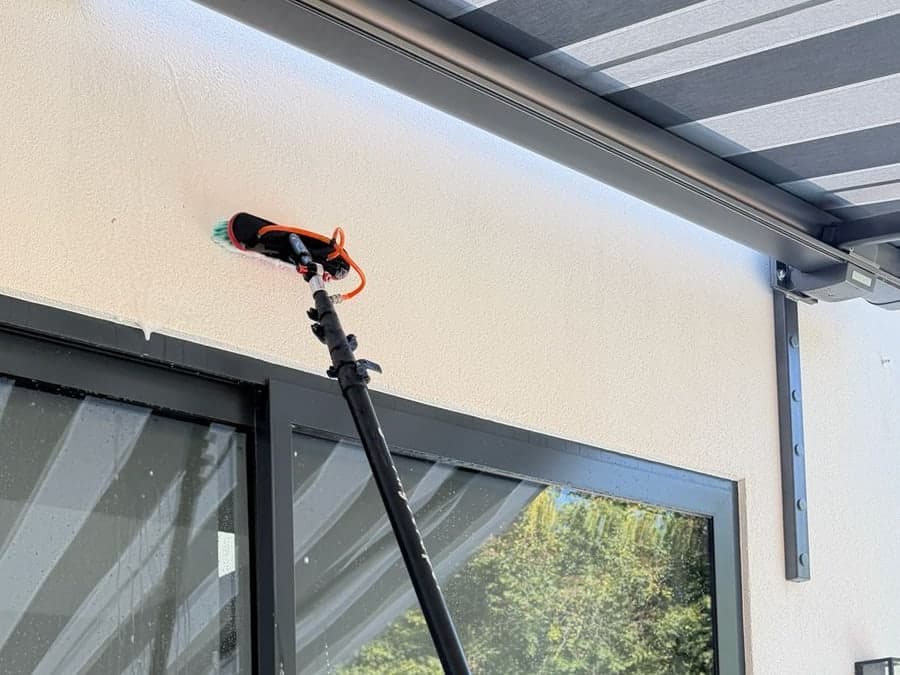
Low pressure soft wash treatment designed to safely remove algae, mould and grime from exterior surfaces.
Learn Moreabout Soft Wash Treatment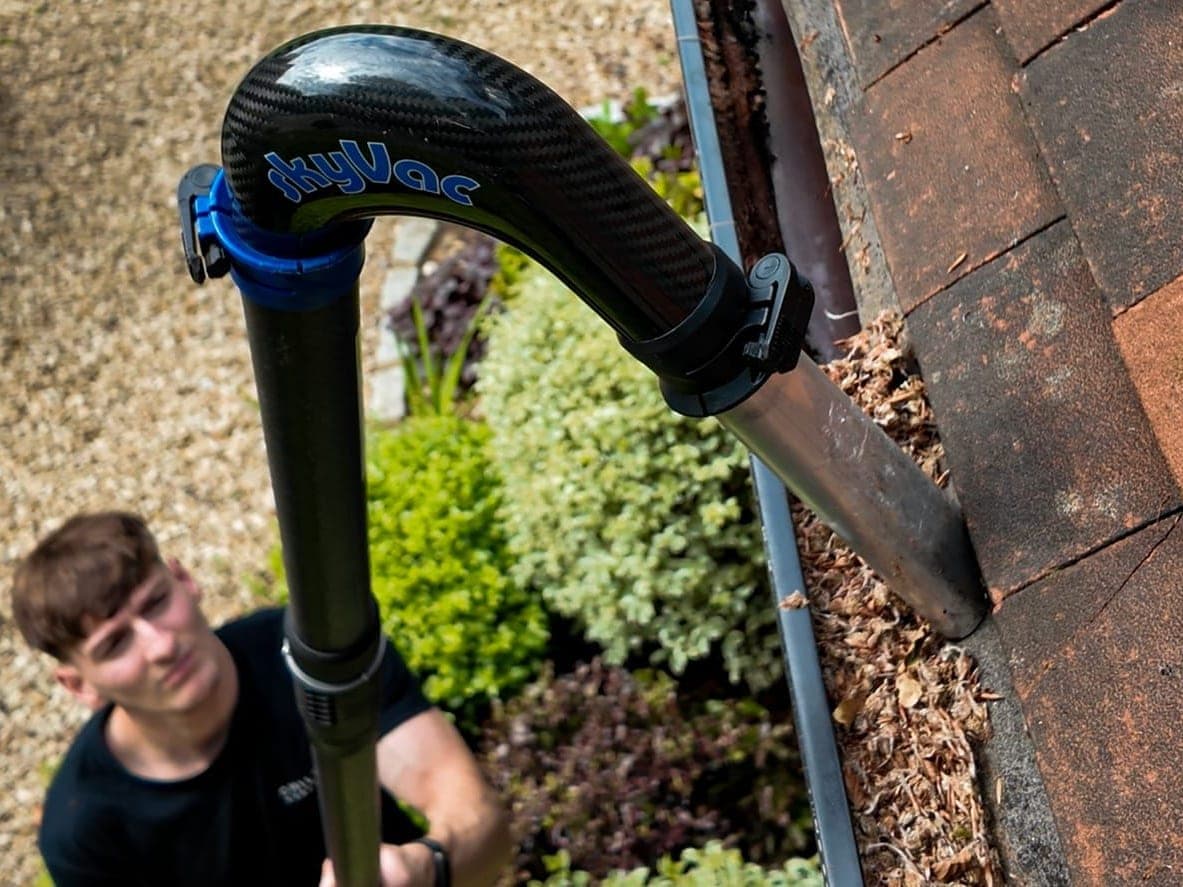
Clear and flush blocked gutters and downpipes to protect your walls, fascias and foundations.
Learn Moreabout Gutter Cleaning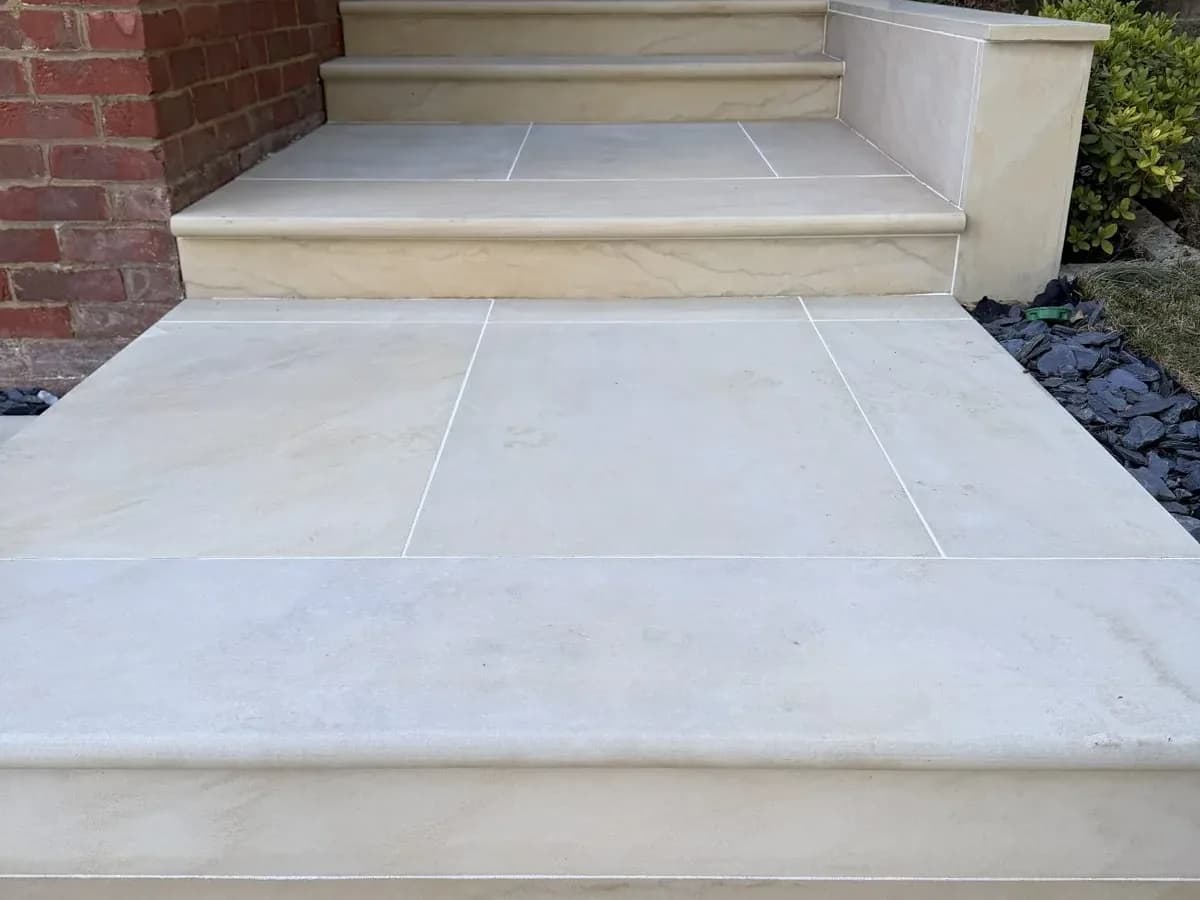
Winter cleaning that removes slippery algae and moss from paths, steps and patios, planned around the forecast.
Advice
Chiltern Surface Co
We will look at the array, the access from the yard or garden and what has built up on the glass, then explain the clean. A clear quotation follows, without obligation.
We assess your surfaces and recommend the right approach for the best, long-lasting results.
You'll receive a detailed, transparent quote with no hidden extras.
We'll provide honest advice so you can decide what's right for you.
Speak directly with the owner and get expert advice you can trust.