Sandstone Patio Cleaning and Repointing in Princes Risborough
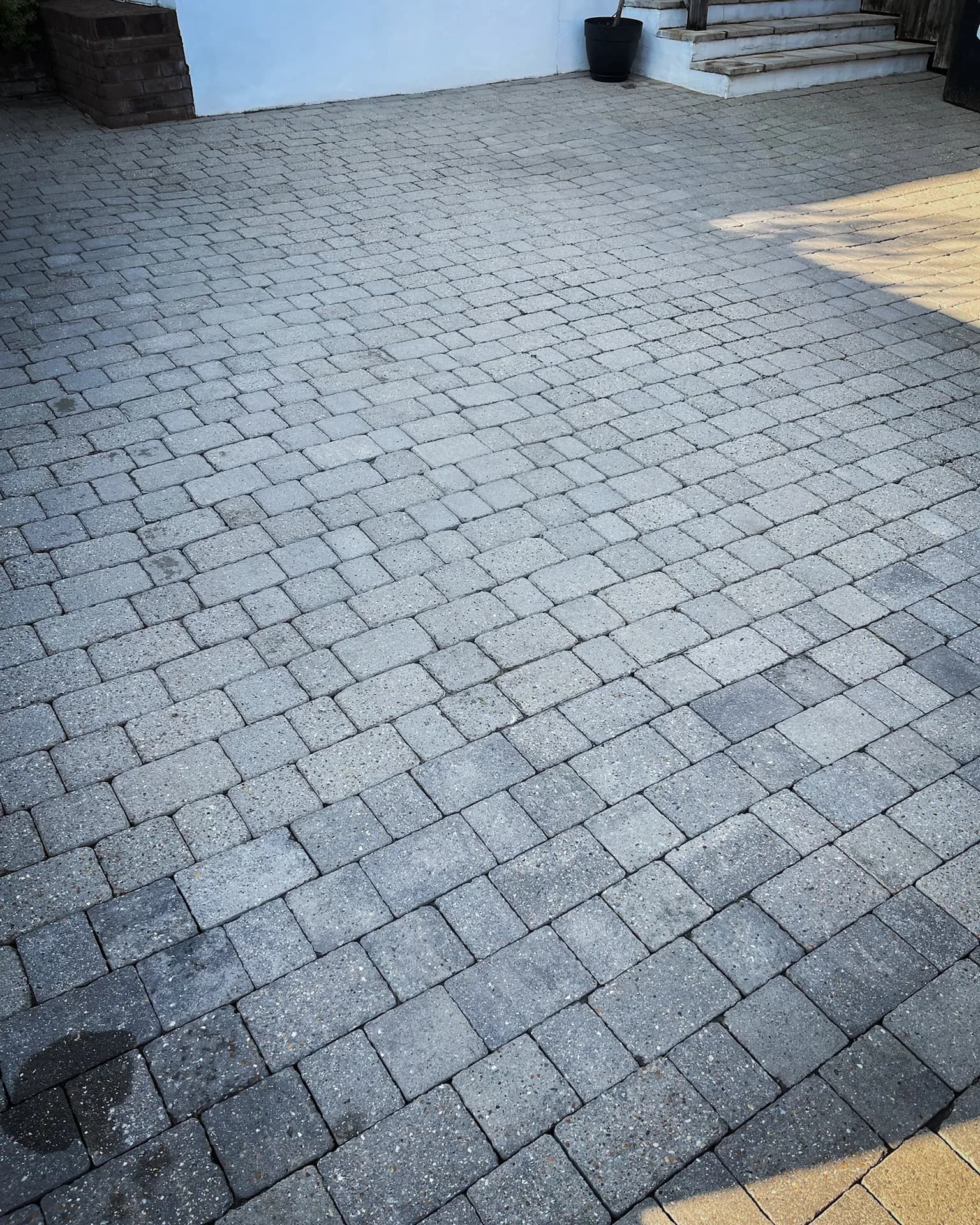
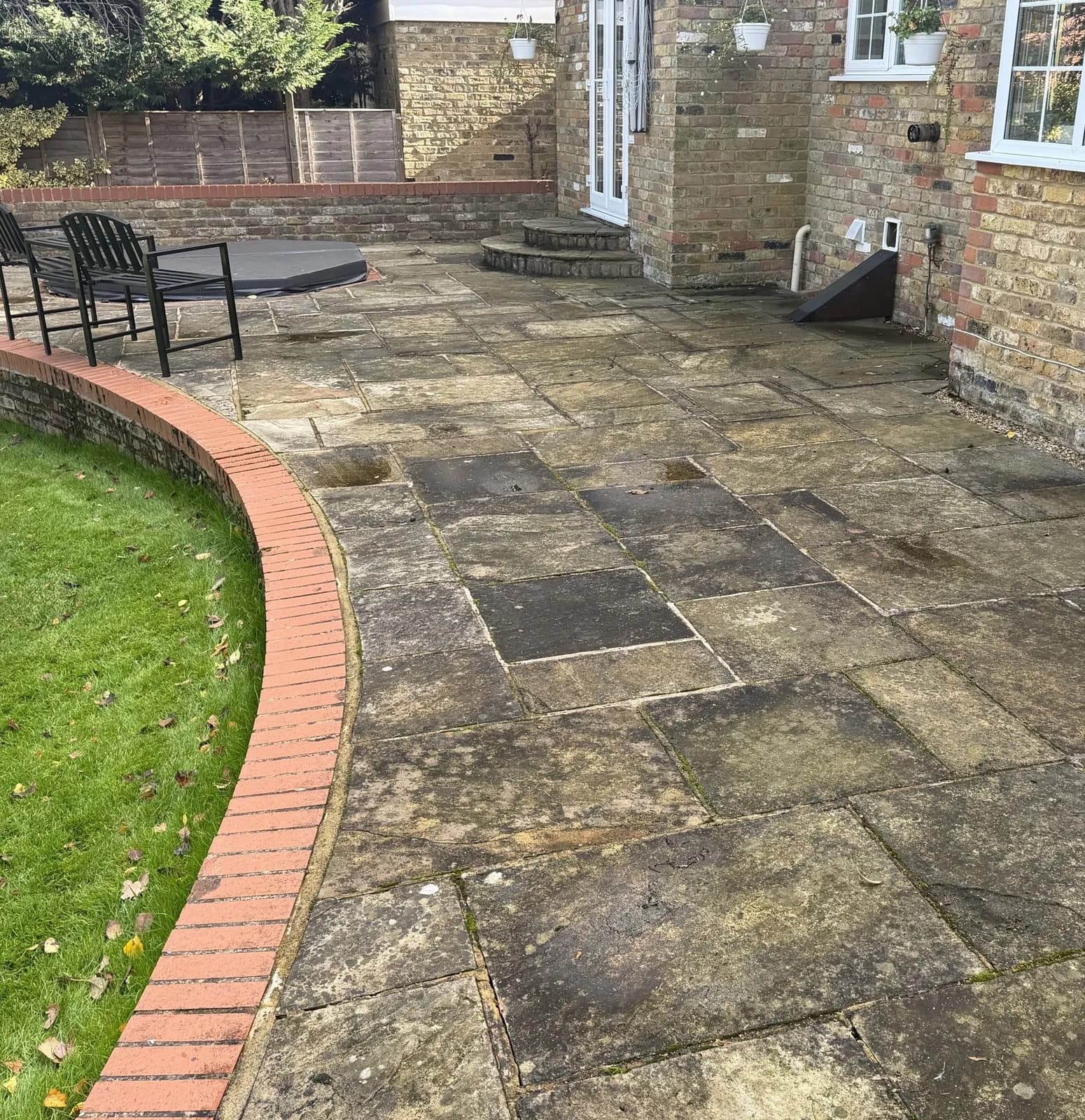
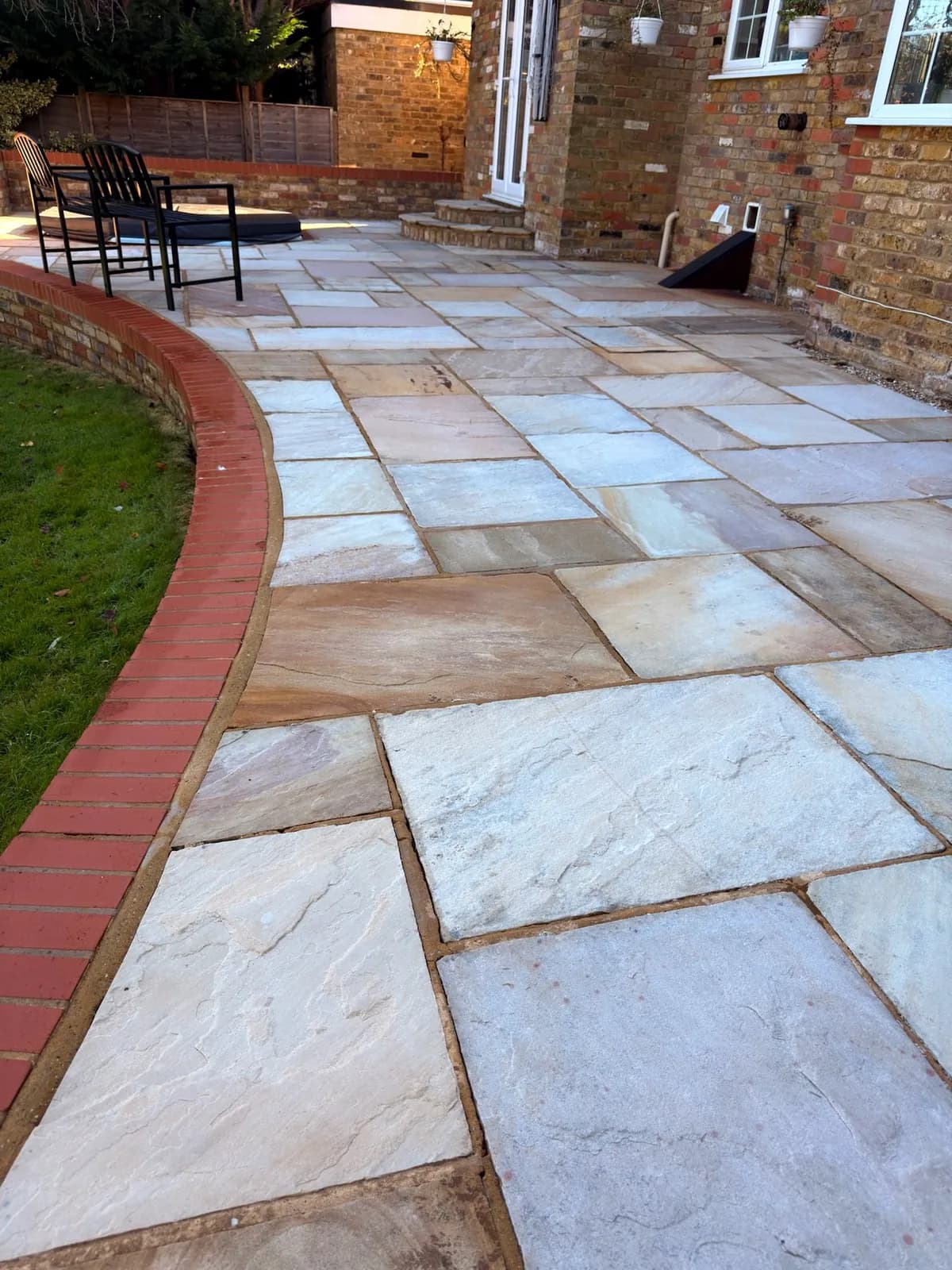
Indian sandstone patio cleaning in Princes Risborough: black spot and algae treated, back steps relaid and repointed, protected with Chiltern EverGuard™.
Solar Panel Cleaning · Oxfordshire
Around Thame the land is open and low-lying, so many arrays catch full sun along with wind-blown dust and the attention of birds. We soften and lift what has dried on with pure water and a soft brush, never with pressure.
Where we start
The deposits that matter on a solar panel are usually small and stubborn: a dried dropping, a band of grit along the frame, a haze of dust stuck with dew. None of them needs a jet of water. They need softening, a gentle brush and a clean rinse, and that is the whole of our method.
Thame properties
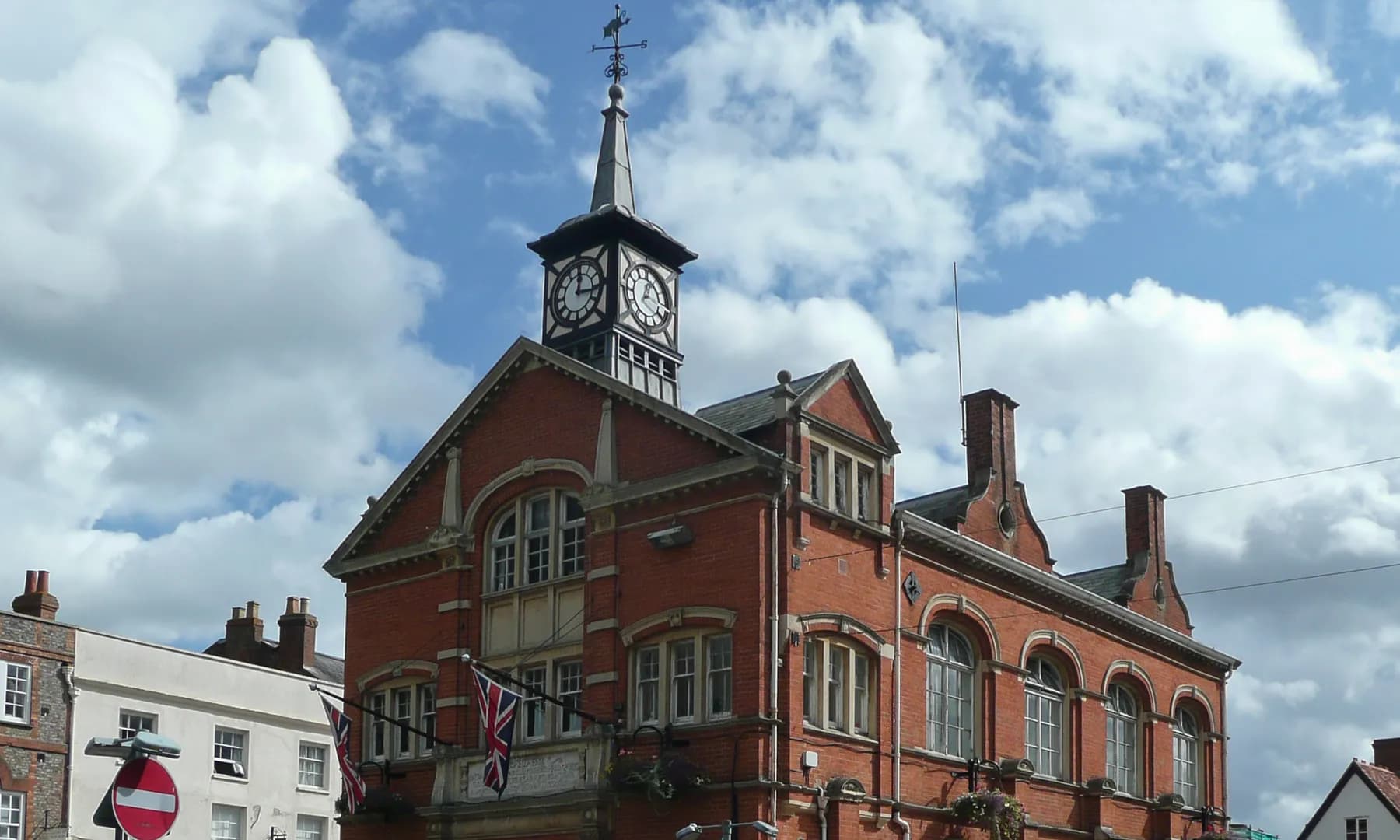
Thame is an old Oxfordshire market town, with medieval, Georgian and Victorian buildings close to its centre and Edwardian homes, established family houses and newer developments further out. The surrounding countryside is relatively flat, with the River Thame running through low ground beside it and farmland stretching away on most sides.
That openness suits solar panels, because there is often little to shade them. It also leaves them exposed. Dust lifted from fields in dry weather settles on the glass, birds crossing open ground use roofs as lookouts, and in the older centre, where trees and walls are closer, pollen and moss join the mix. A low-lying setting also means damp weather can keep the lower frames wet for longer.
Bird droppings
Bird mess is usually the most visible thing on an array and the most stubborn. Once it has baked on in the sun, rain runs straight over it. Scraping risks marking the glass, and turning up the pressure does nothing useful around frames and seals.
So we take it slowly. The deposit is wetted with de-ionised water and given a moment to soften, then worked loose with soft bristles. A heavy patch may need a second round of the same. It is a slower way to clean, and the only one we use.
Exposed arrays
An array with an open view to the south is a good array, but it also takes whatever the wind brings. In dry spells fine soil dust drifts in from cultivated land and settles evenly across the glass. Dew then binds it into a dull film that light rain tends to push down the panel rather than remove.
Because the coating is uniform, it rarely looks dirty from the street. The clearest sign is often a darker line of grime collecting at the bottom edge of each panel, where water drains off and leaves its load behind.
Access
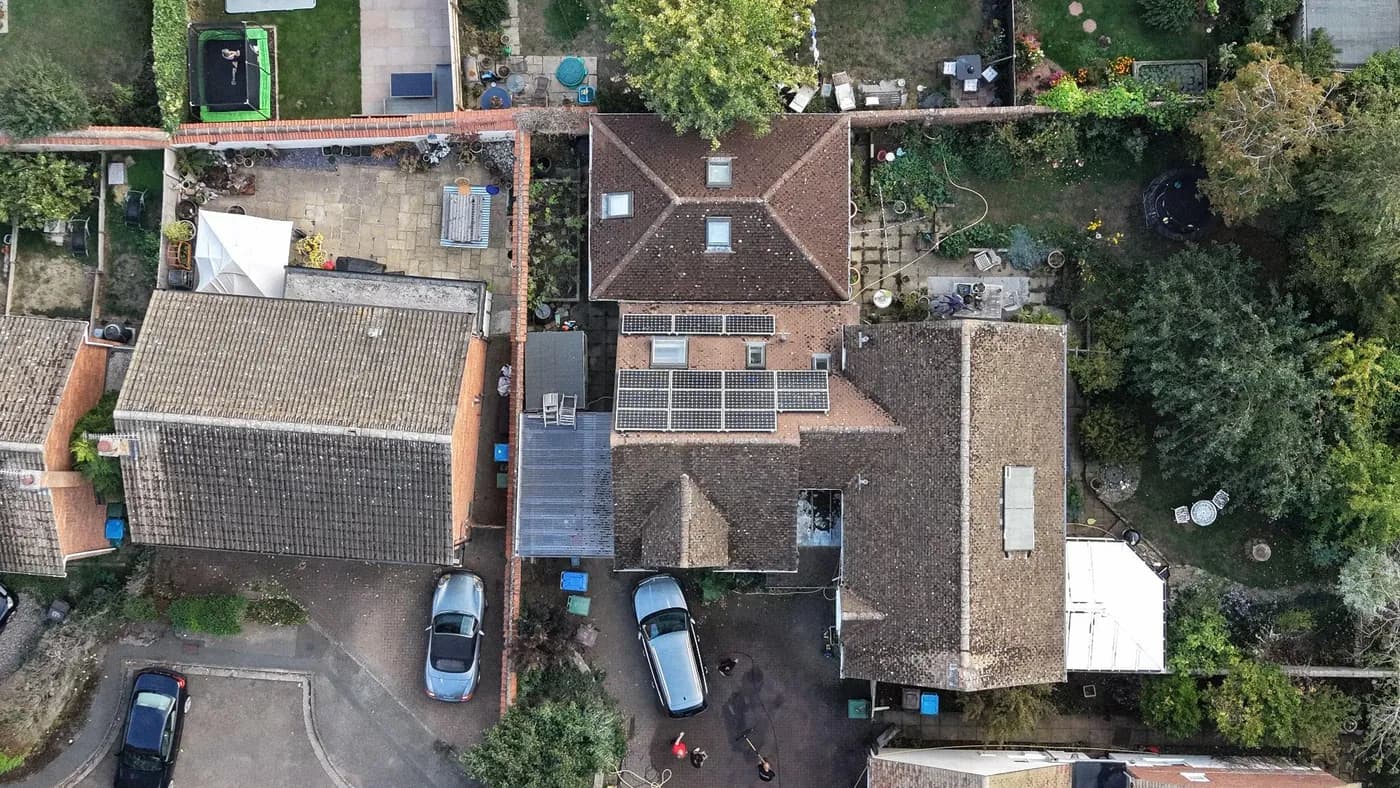
Reaching the panels varies across the town. Newer homes often have an open drive or garden below a simple pitched roof, which suits a water-fed pole worked from the ground. Older properties near the centre can be tighter, with arrays on rear slopes, behind walls or above lean-to extensions and conservatories.
We look at all of that at the site visit. If every panel can be reached safely from the ground, we confirm it. If one section cannot, we tell you then, and we never stand on the array to make up the difference.
Timing
There is no need to book simply because a year has passed. The state of the glass is a better guide, and a photograph taken from the same spot in the garden every few months makes changes easy to see.
The clean
Every clean begins with a free site visit. Once access is settled, the work on the day follows a fixed order.
We note the panel layout, pitch and height, check the visible condition of the frames and seals, and choose the safest ground position for the pole.
De-ionised water is run over the glass first so dried droppings and caked dust begin to loosen before any brushing starts.
Soft bristles on the pole work across each panel, with a second gentle pass on stubborn patches rather than any increase in force.
Grit and any moss trapped along the bottom frames and corners are cleared, so the perimeter is as clean as the middle of the glass.
A final rinse in pure water, then the panels dry naturally. From a safe position we check the array and point out anything that looks out of place.
Be realistic
A clean removes what is shading the glass. How much that changes generation depends on how dirty the array was, its orientation, the time of year and the health of the system, so we will not quote a gain.
On open ground, dust and birds return, and a clean is something to repeat. It also cannot fix a cracked panel, a failed seal or an electrical fault; those need a solar installer.
Indian sandstone patio cleaning in Princes Risborough: black spot and algae treated, back steps relaid and repointed, protected with Chiltern EverGuard™.
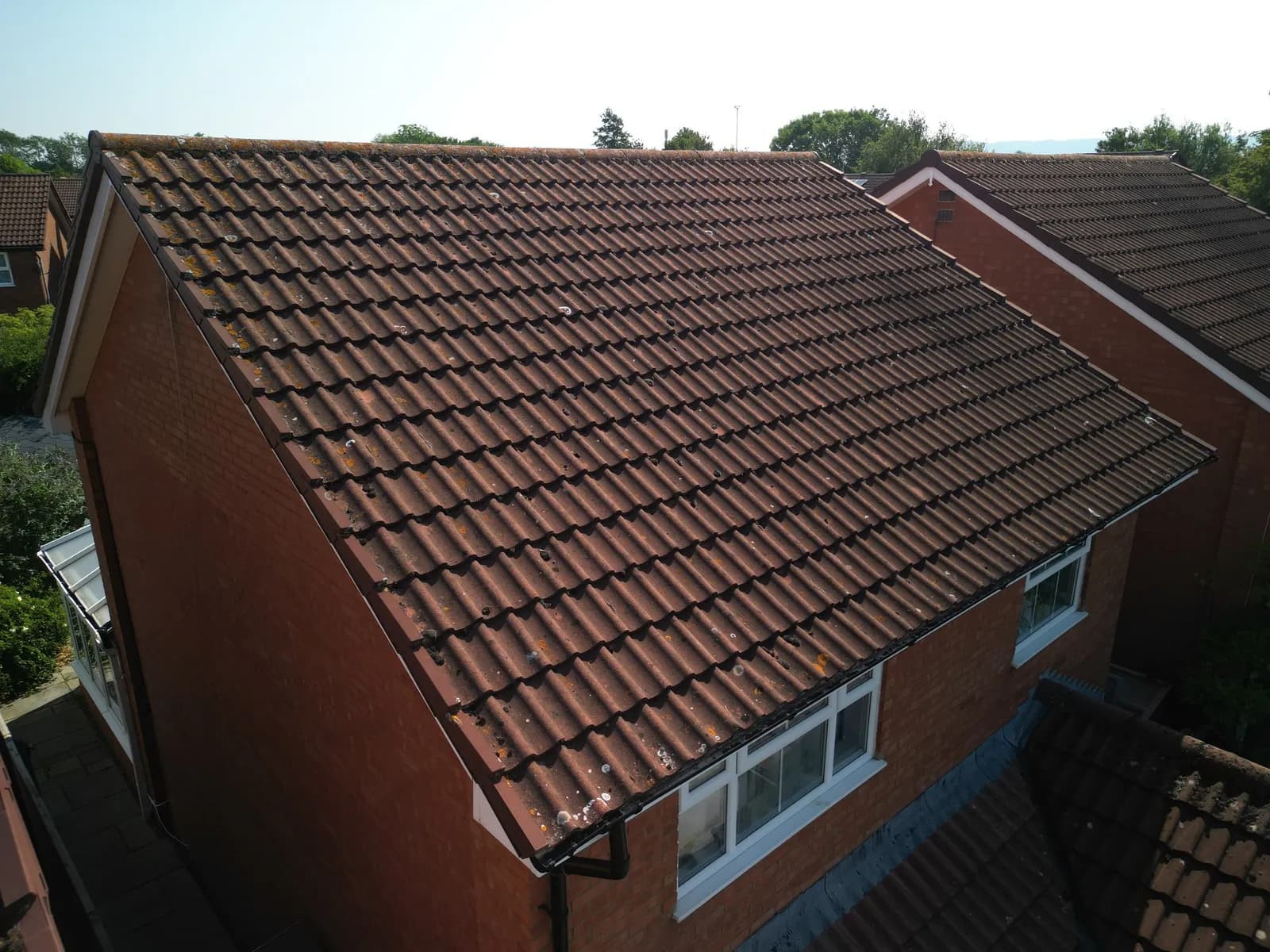
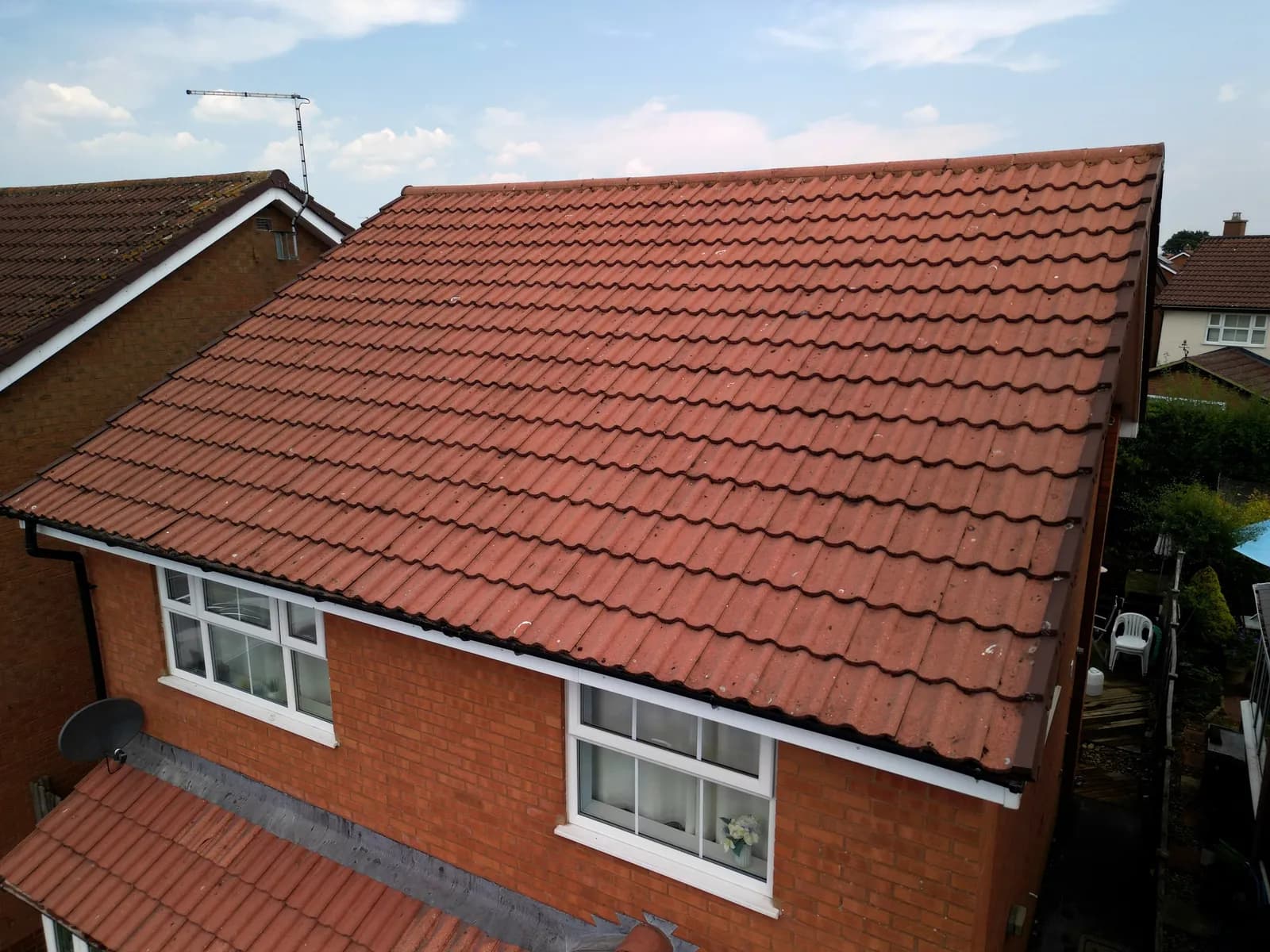
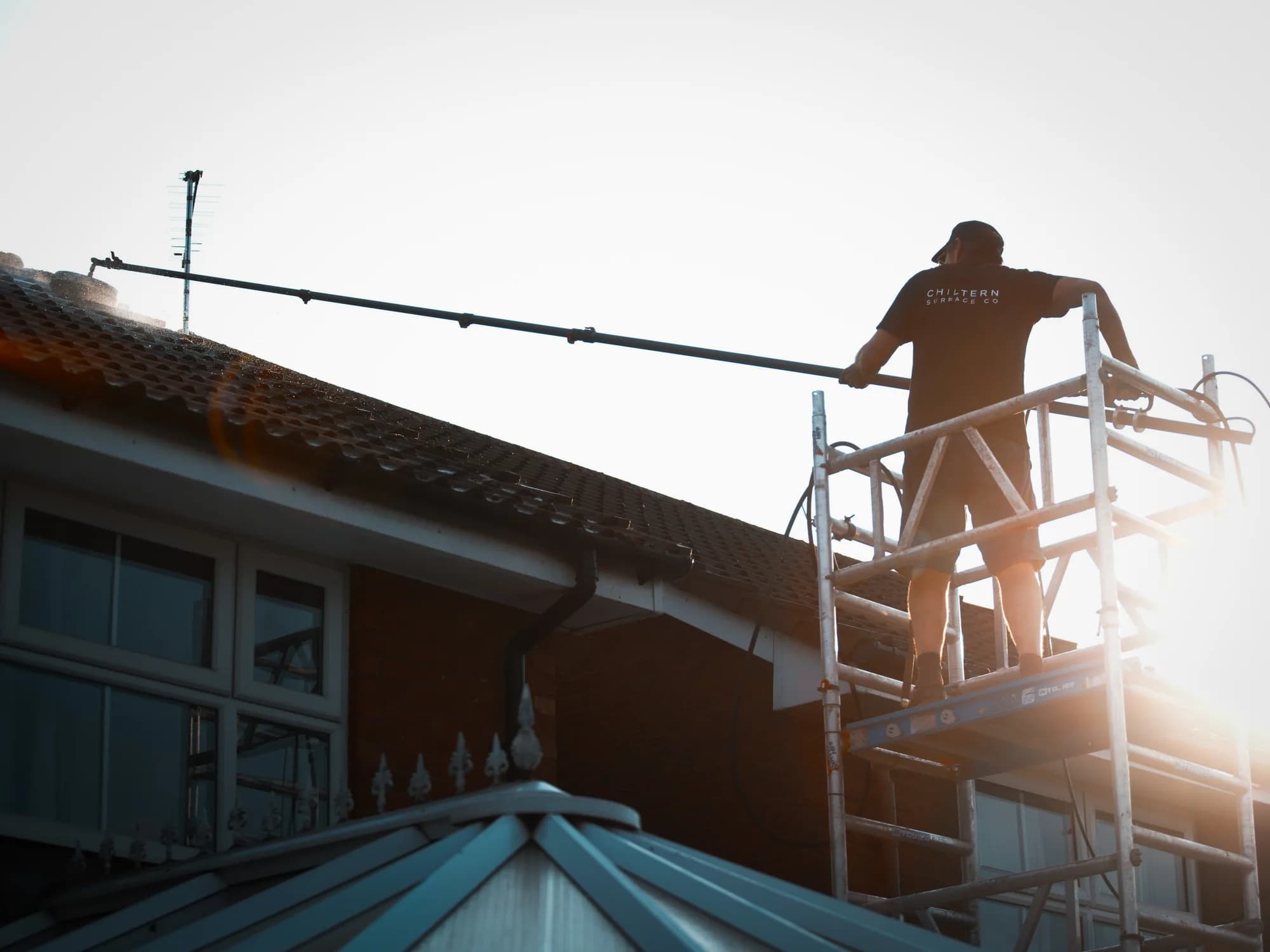
Roof and block paved driveway cleaning in Stoke Mandeville, Aylesbury: low-pressure roof clean, polymeric re-sand and Chiltern EverGuard™.
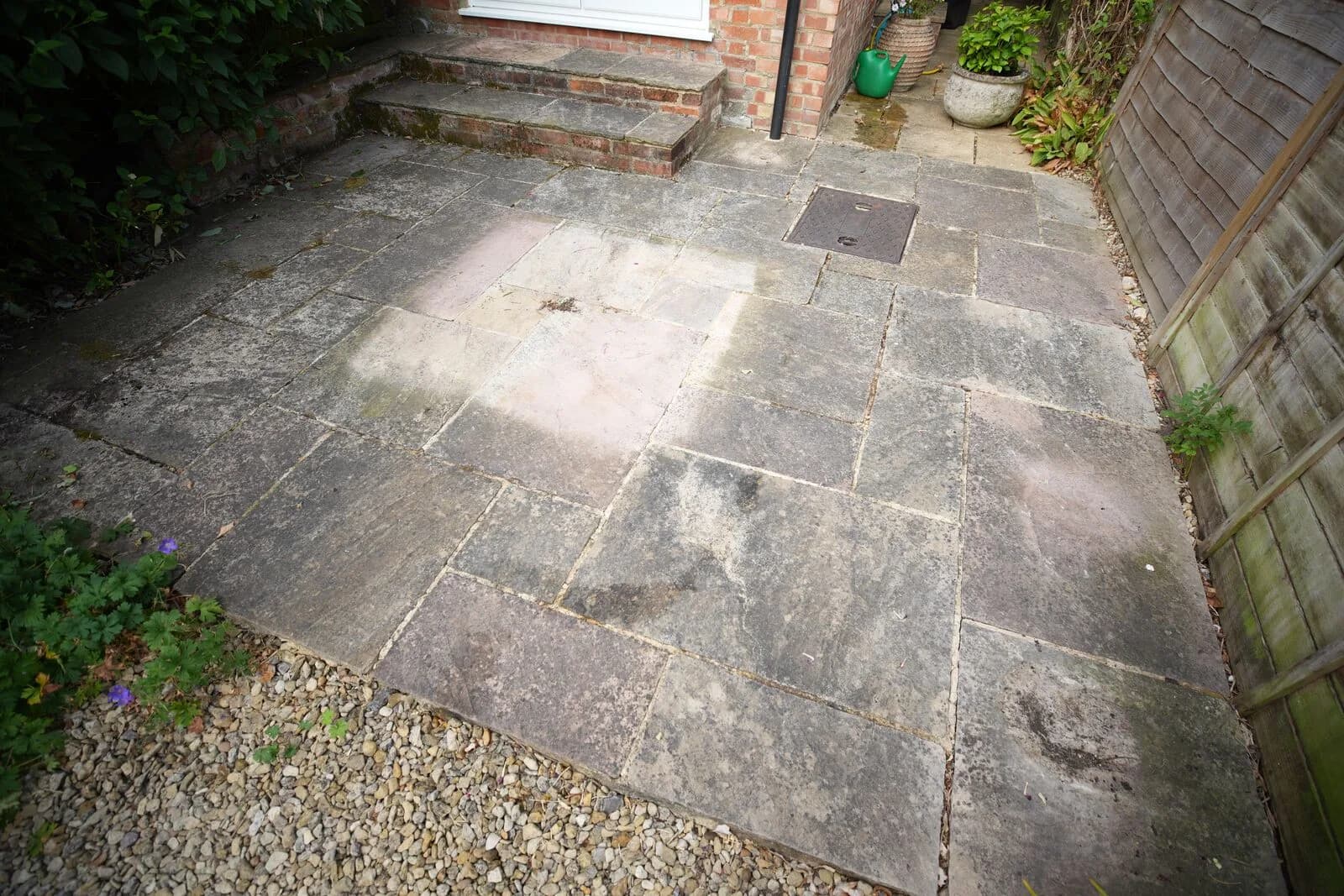
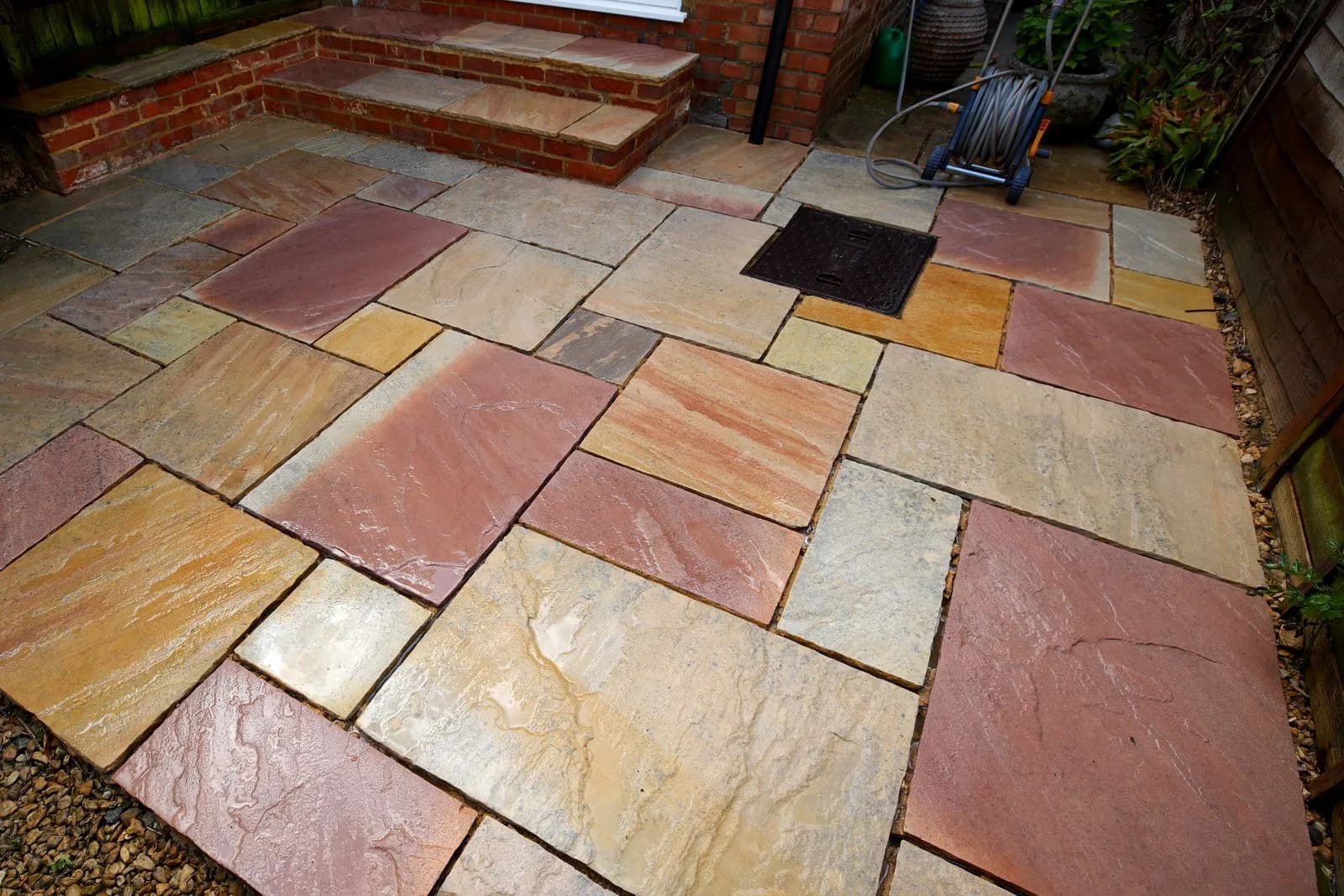
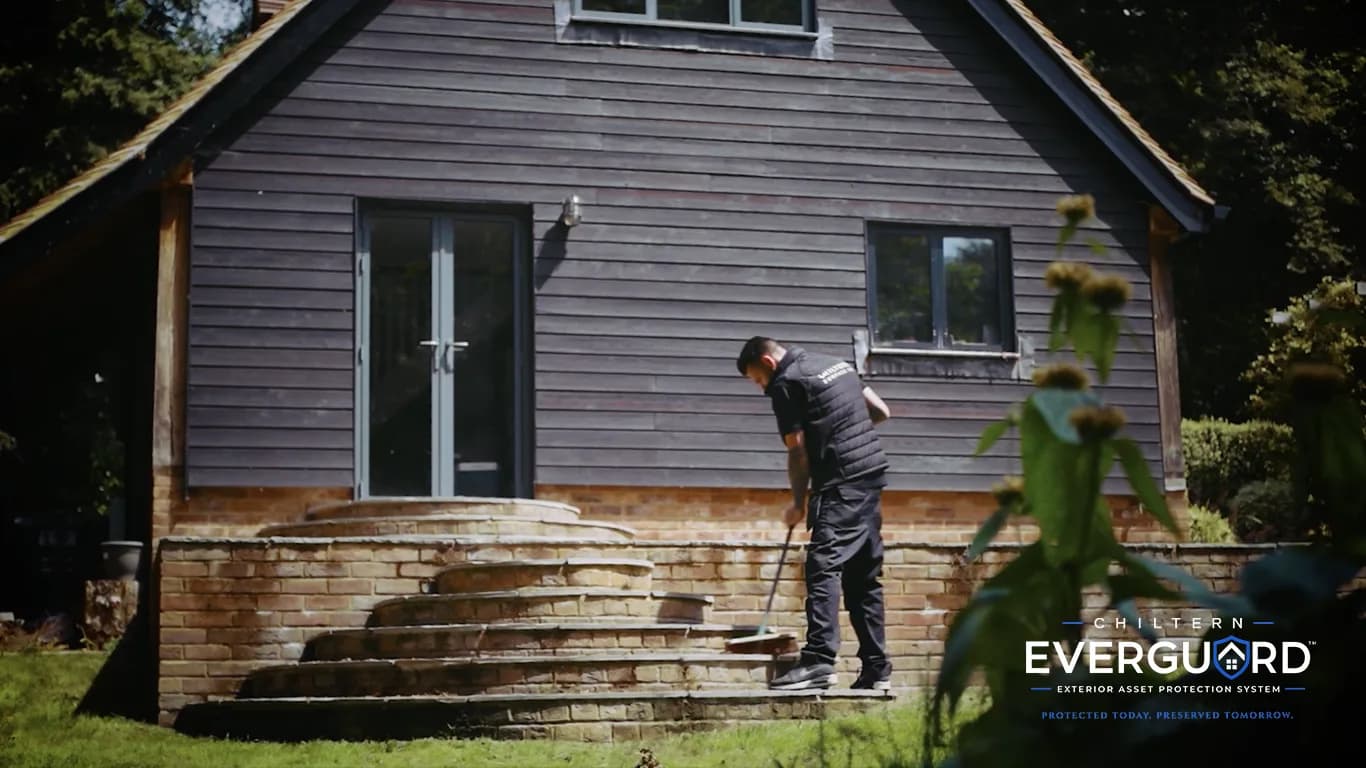
Sandstone patio cleaning and repointing in Oxford: progressive black spot removal, loose slab repairs, Chiltern EverGuard™ and a complete resin repoint.
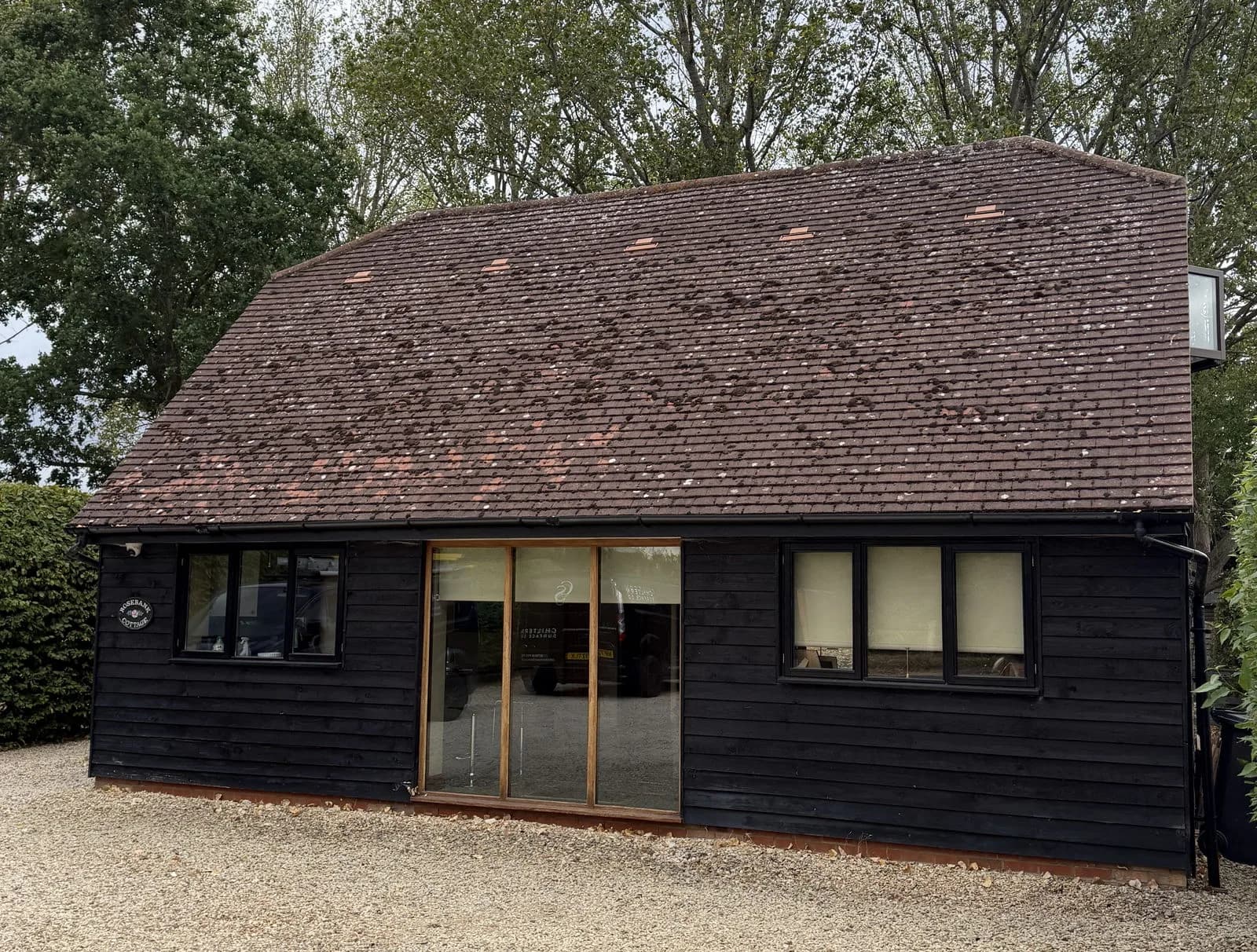
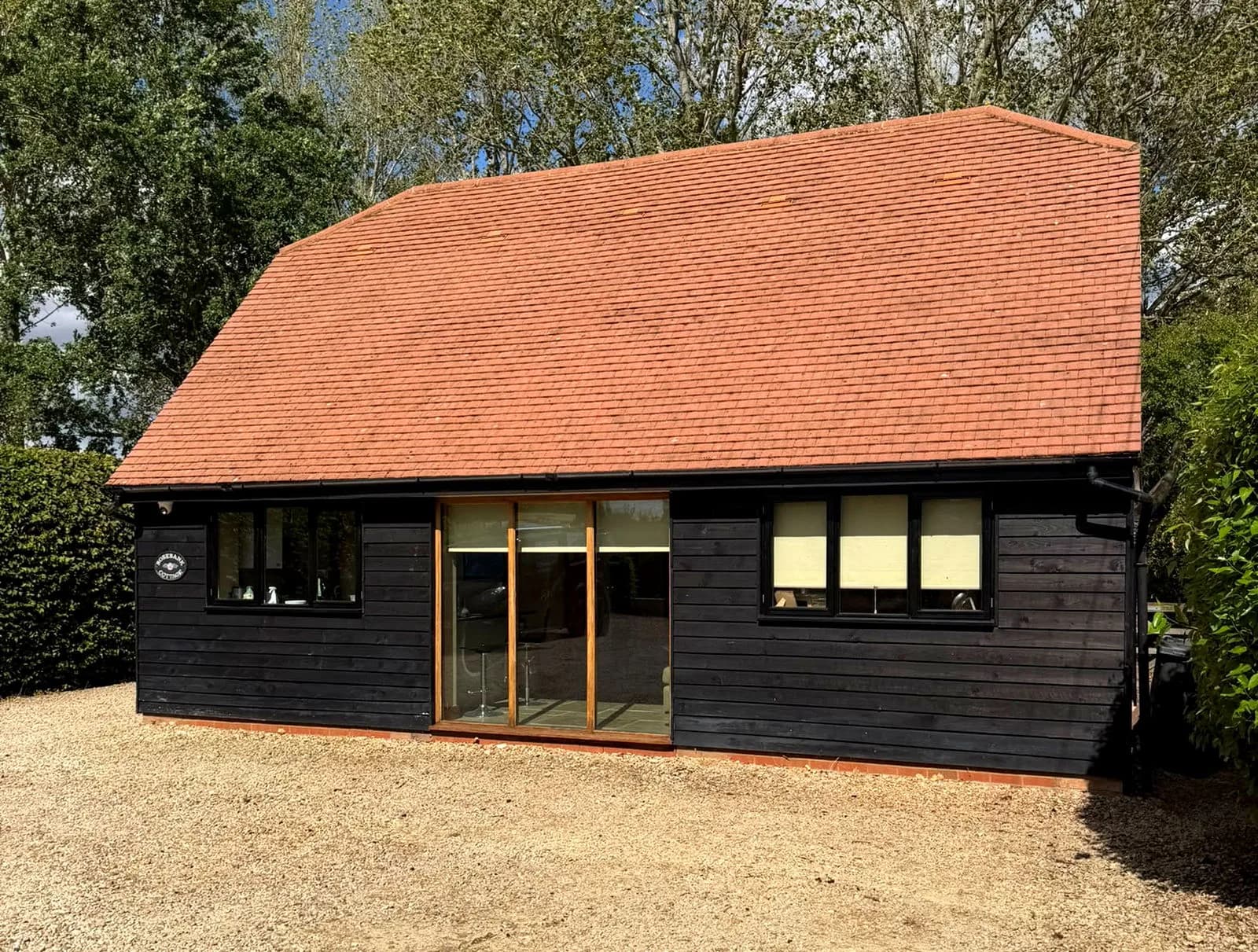
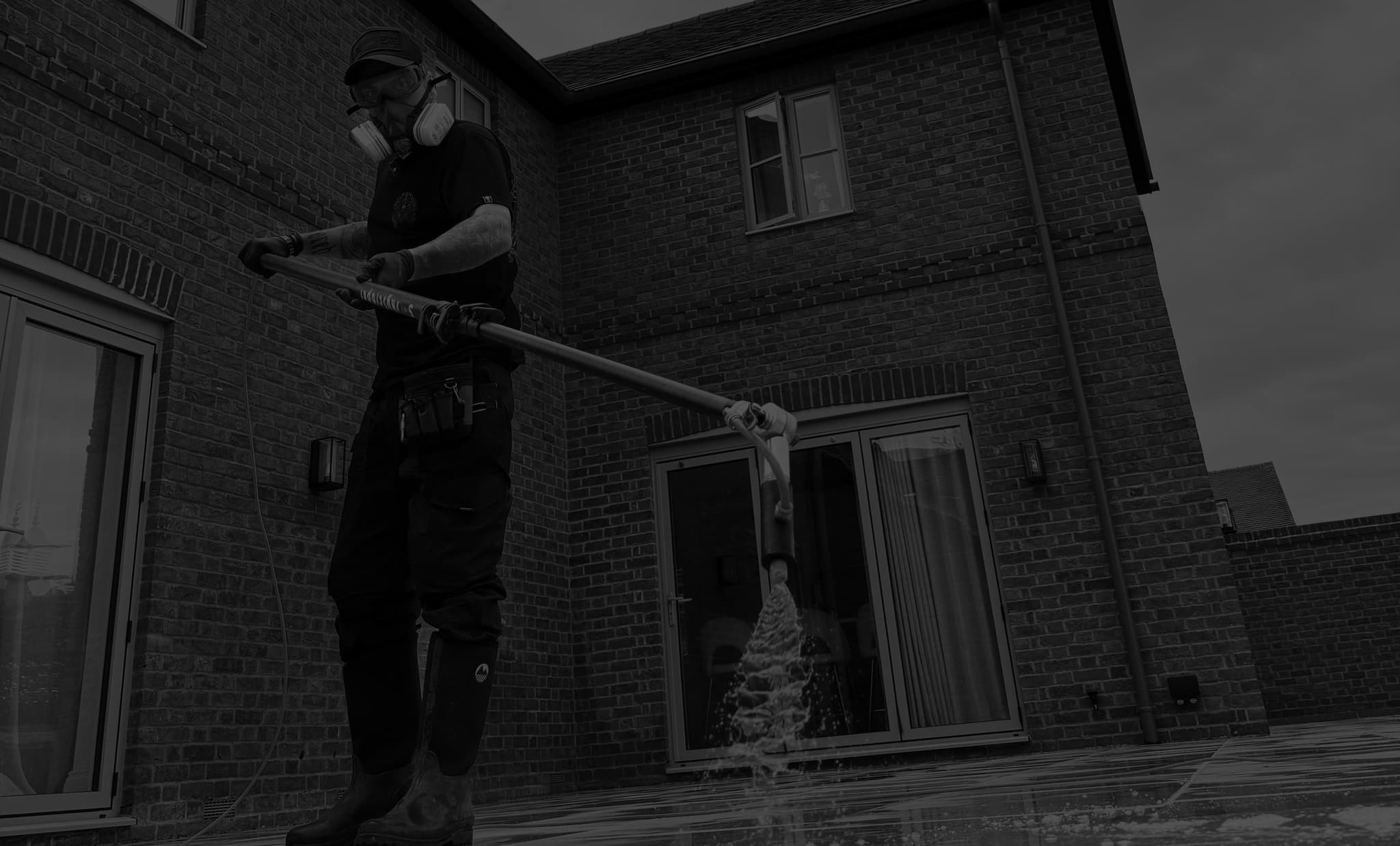
Clay tile roof cleaning in Aylesbury: 30+ years of heavy moss removed from this steep clay roof, then protected with Chiltern EverGuard™.
Why us
Droppings and baked-on grime are softened and brushed off over as many careful passes as they need, never scraped or blasted.
De-ionised water and nothing else, so no detergent film is left to attract new dust and nothing washes off into the garden.
Most domestic arrays are cleaned from the ground with a water-fed pole, and nobody stands or kneels on the panels at any point.
Fully insured operatives, a clear quotation before any work, and a short explanation of what we found when the job is finished.
Nearby
Beyond the town we clean panels in nearby villages such as Towersey, Tetsworth, Sydenham, Chinnor, Lewknor and Milton Common. Access is checked in the same way at each site visit.
Solar Panel Cleaning in nearby towns
What Clients Say
Thank you to every client who has trusted us with their home. Your reviews mean a great deal to us. We’re proud to be fully insured, certified professionals — delivering proven results with a customer-focused approach on every single project.
5-Star Rated On Google
Questions
Not usually on their own. The risk lies in how they are removed: scraping or scouring a hard deposit can mark the surface. We soften it with de-ionised water and lift it with a soft brush instead.
No. High pressure is unnecessary around glass, frames and seals. Pure water, soft bristles and time do the work, with an extra gentle pass where a deposit is stubborn.
Not necessarily. Panels often look dark and clean from below while carrying an even film of dust. A line of grime along the bottom frames, or patches that remain after rain, are better signs that a clean is worthwhile.
Once a year is a reasonable starting point for most homes. Arrays close to fields or trees, or mounted at a shallow angle, can collect dirt faster and may benefit from cleaning twice a year.
No. We use de-ionised water and a soft brush only, without detergent, so nothing is left on the glass and nothing runs into your gutters or flower beds.
Often, yes, but it depends on the height, the pitch and how much room there is below. We assess it at the site visit, and if the pole cannot reach safely we say so before anything is booked.
No. Cleaning is not an inspection of the system. We will mention anything visibly wrong with the frames, seals or fixings, but faults and falling output should be checked by a qualified solar installer.
More from us
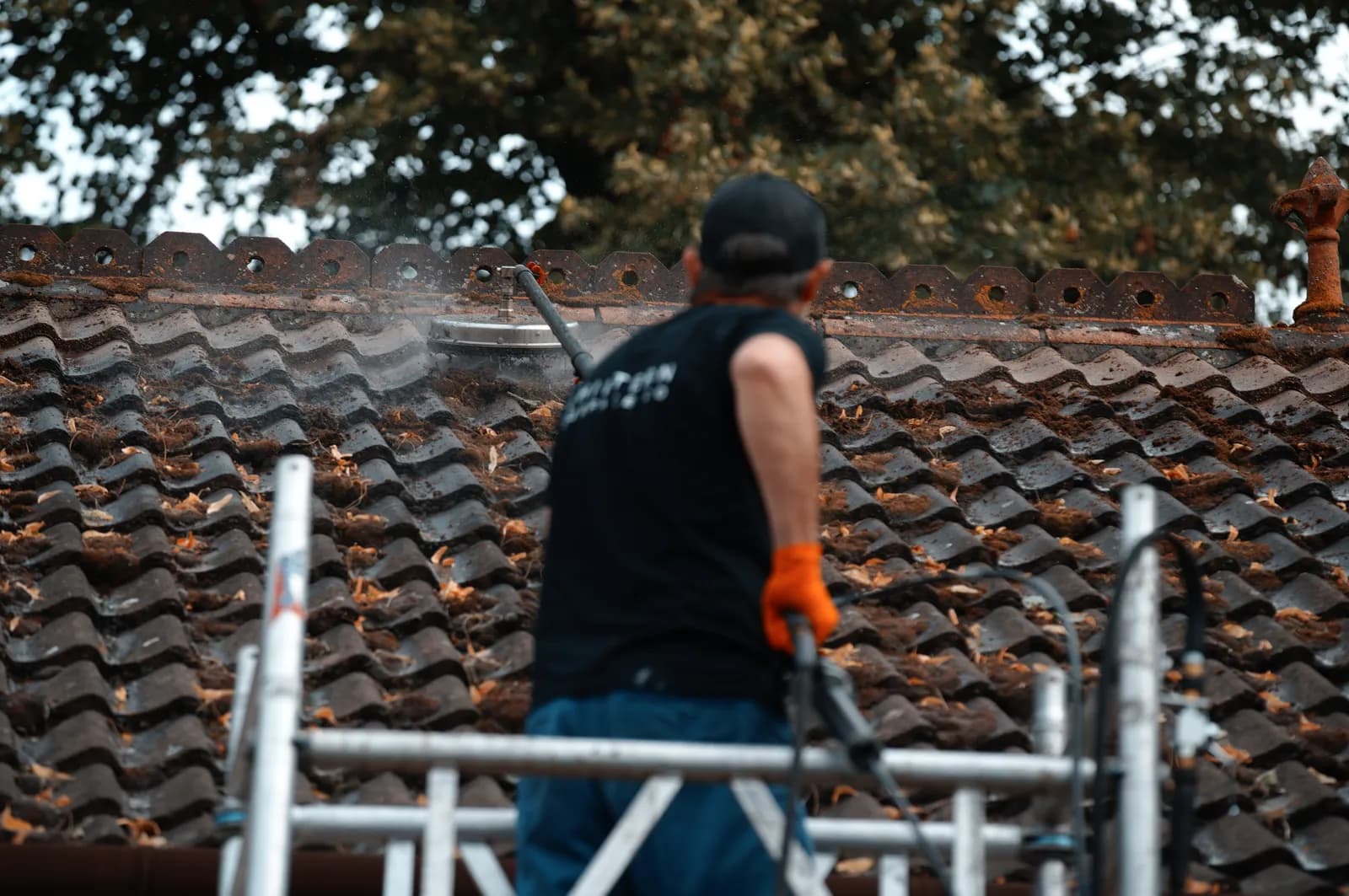
Carefully remove moss, algae and lichens to protect your roof and enhance kerb appeal.
Learn Moreabout Roof Cleaning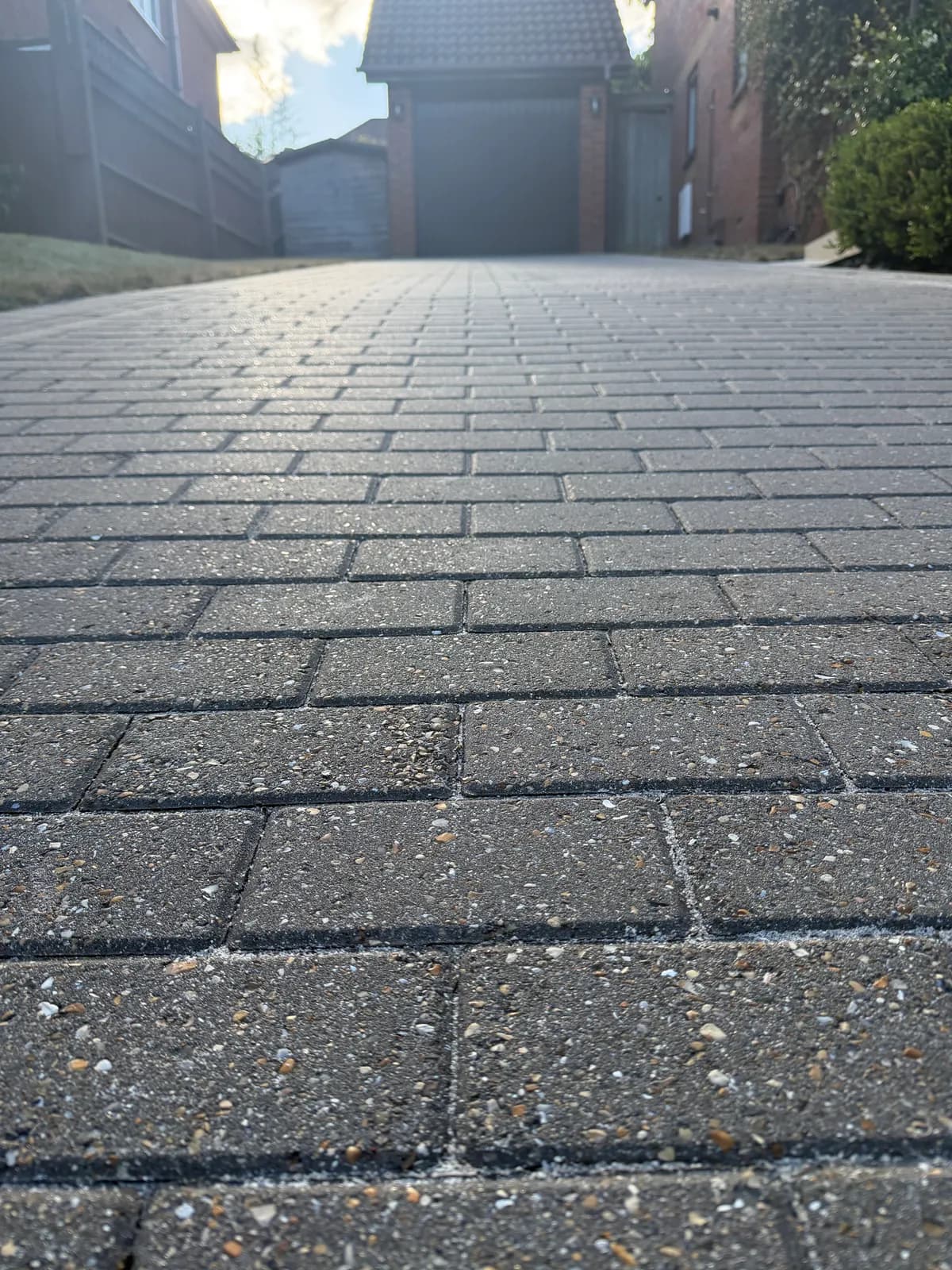
Professional cleaning for block paving, tarmac and resin driveways, restoring colour and removing stains.
Learn Moreabout Driveway Cleaning
Specialist cleaning and restoration for natural stone, porcelain and concrete patios.
Learn Moreabout Patio Cleaning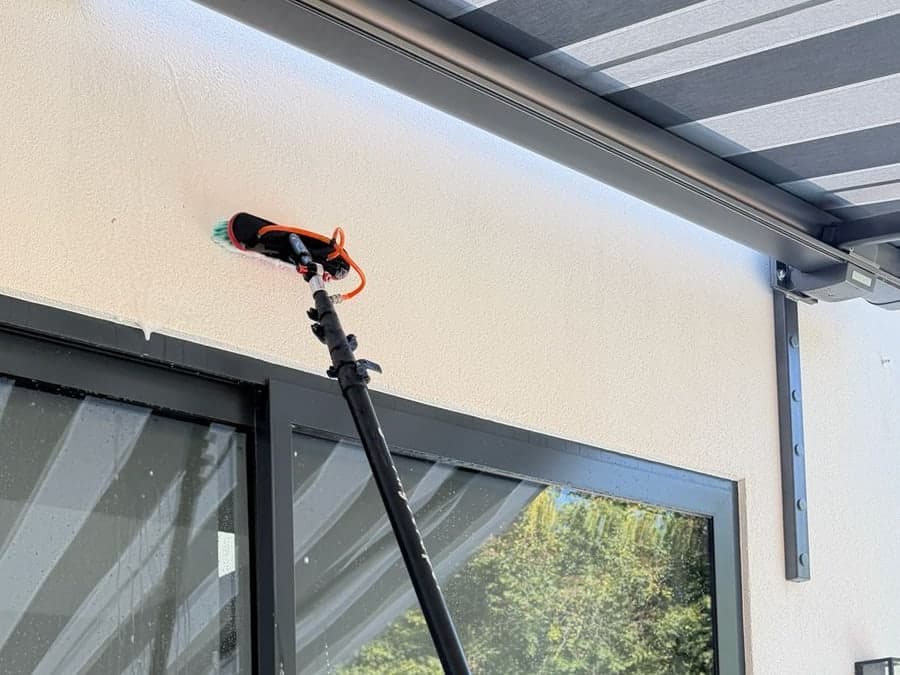
Low pressure soft wash treatment designed to safely remove algae, mould and grime from exterior surfaces.
Learn Moreabout Soft Wash Treatment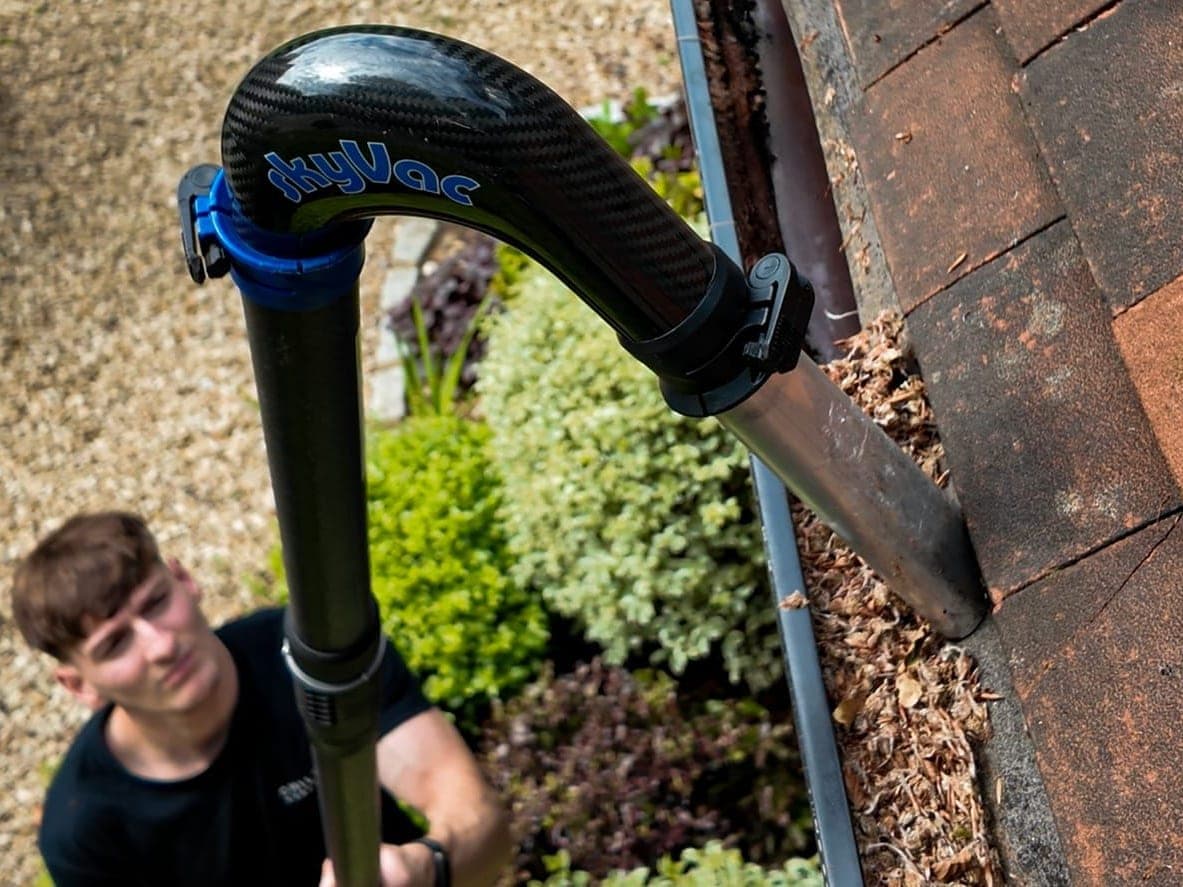
Clear and flush blocked gutters and downpipes to protect your walls, fascias and foundations.
Learn Moreabout Gutter Cleaning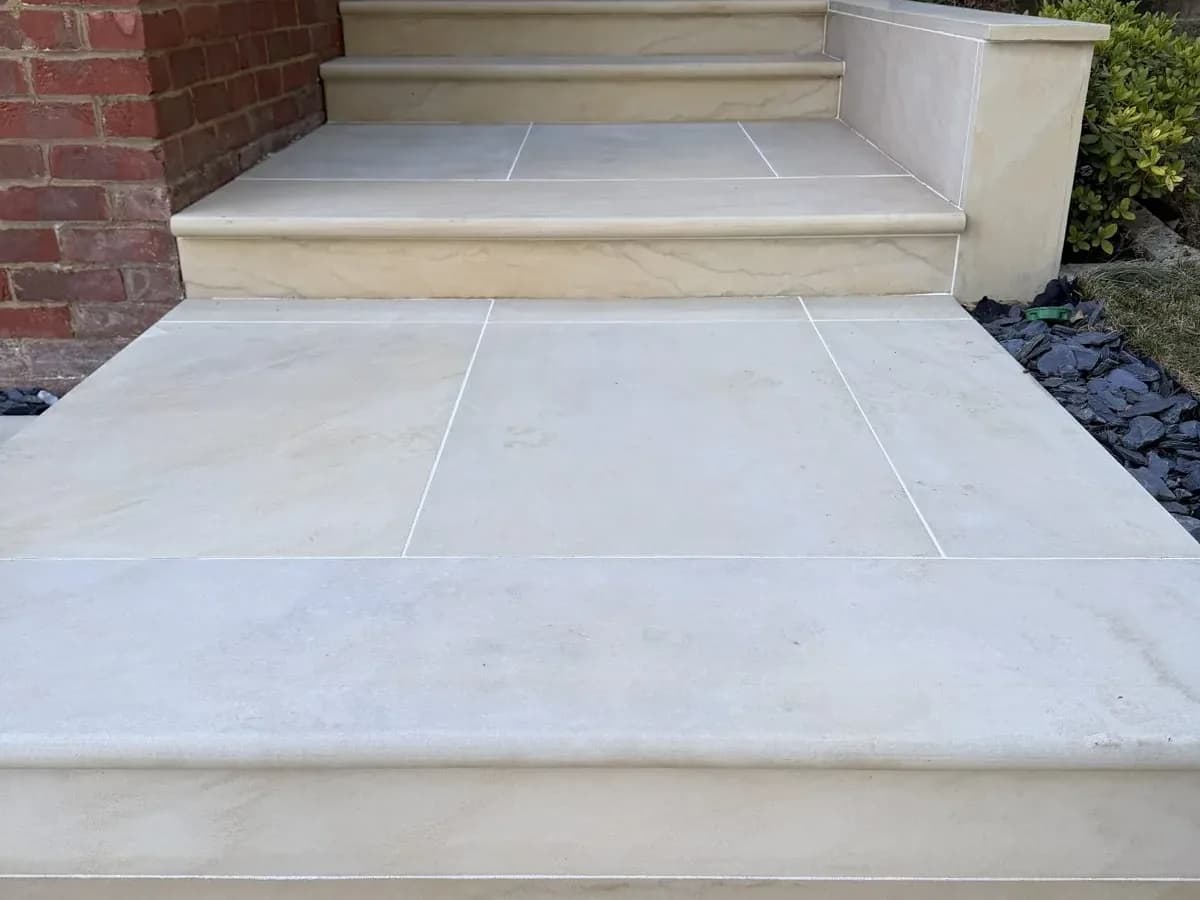
Winter cleaning that removes slippery algae and moss from paths, steps and patios, planned around the forecast.
Advice
Chiltern Surface Co
We will check the array and how to reach it, show you what has built up on the glass and explain the clean. A clear quotation follows, with no obligation.
We assess your surfaces and recommend the right approach for the best, long-lasting results.
You'll receive a detailed, transparent quote with no hidden extras.
We'll provide honest advice so you can decide what's right for you.
Speak directly with the owner and get expert advice you can trust.