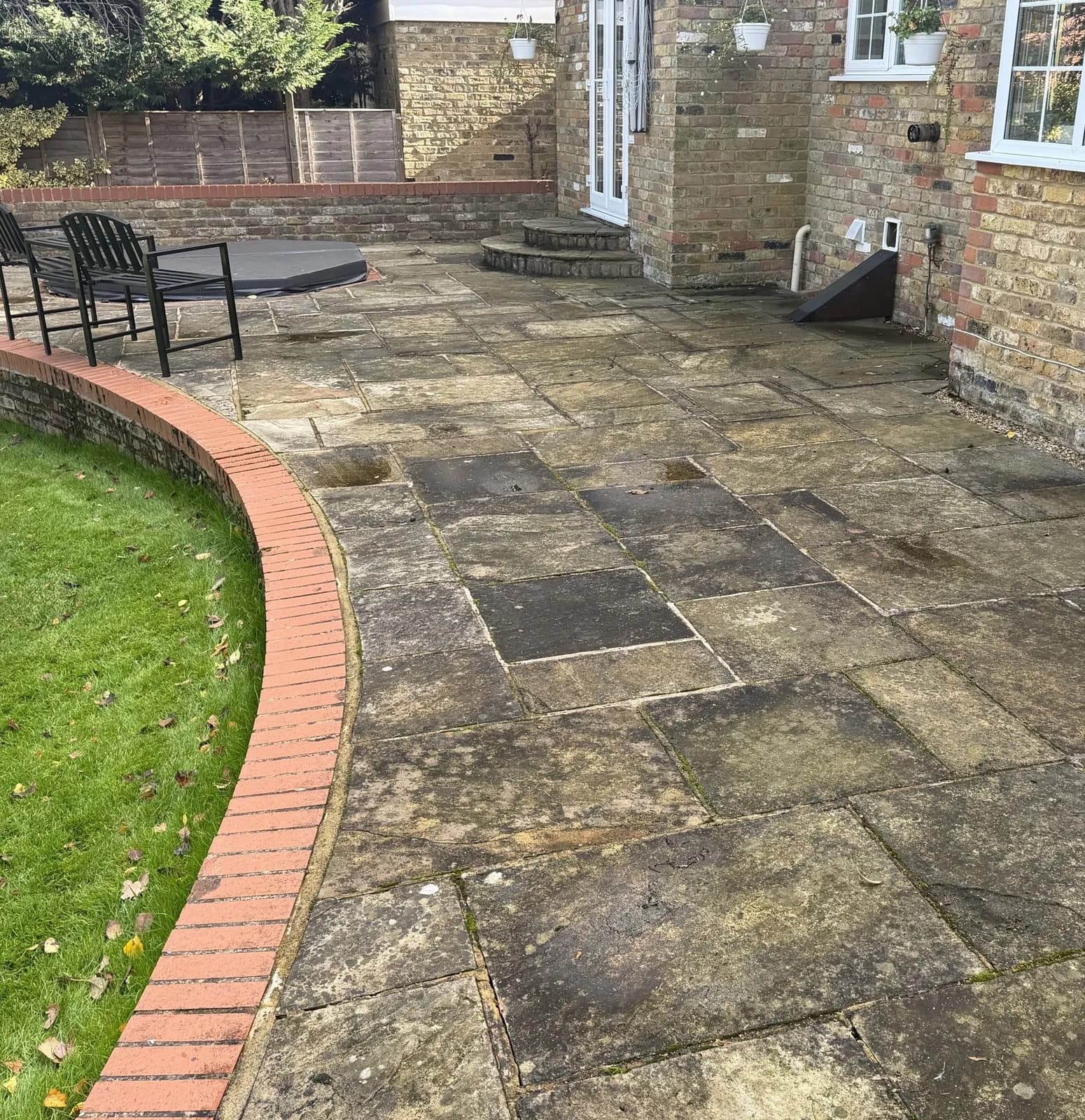
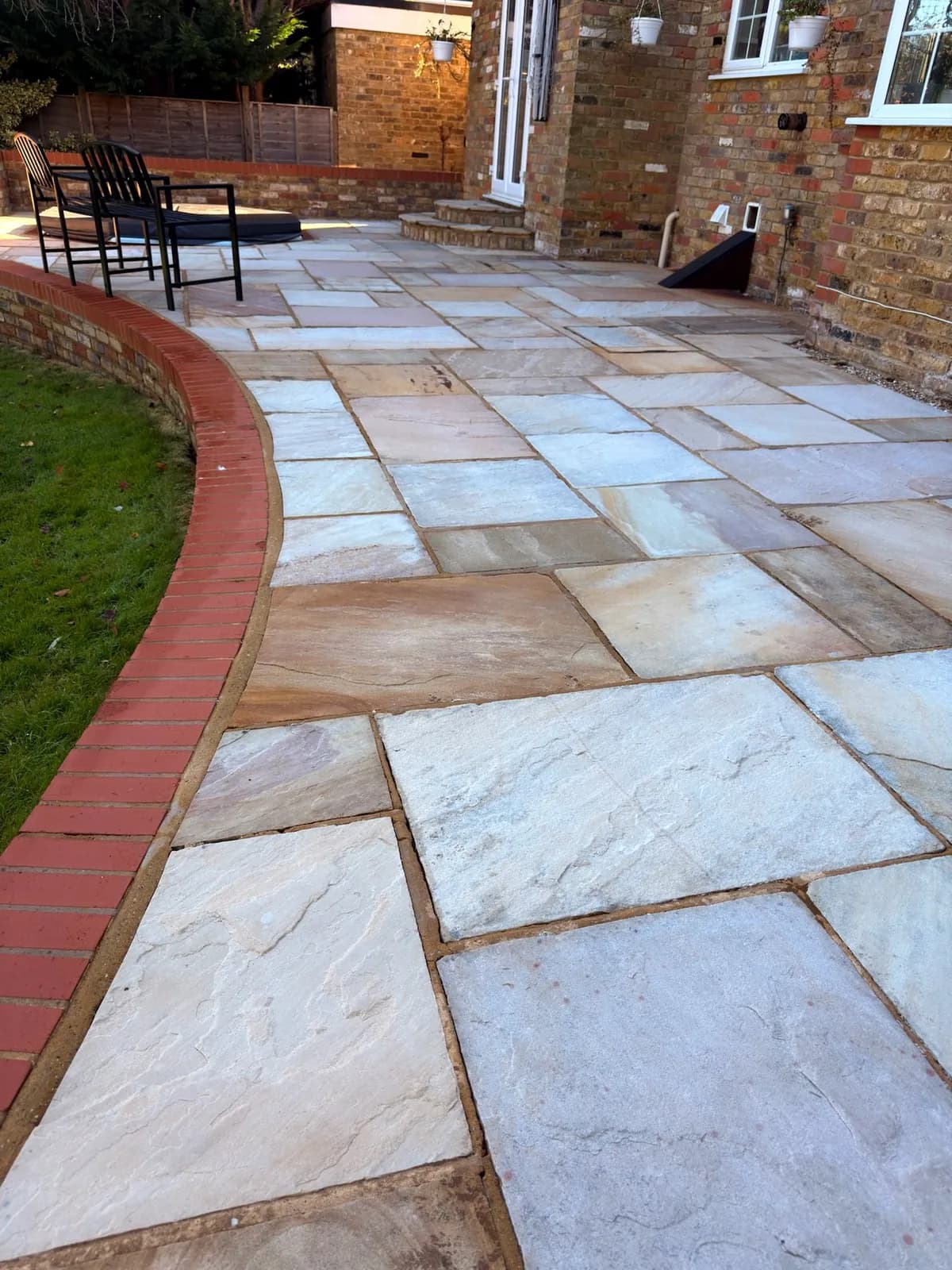
Sandstone Patio Cleaning and Repointing in Princes Risborough
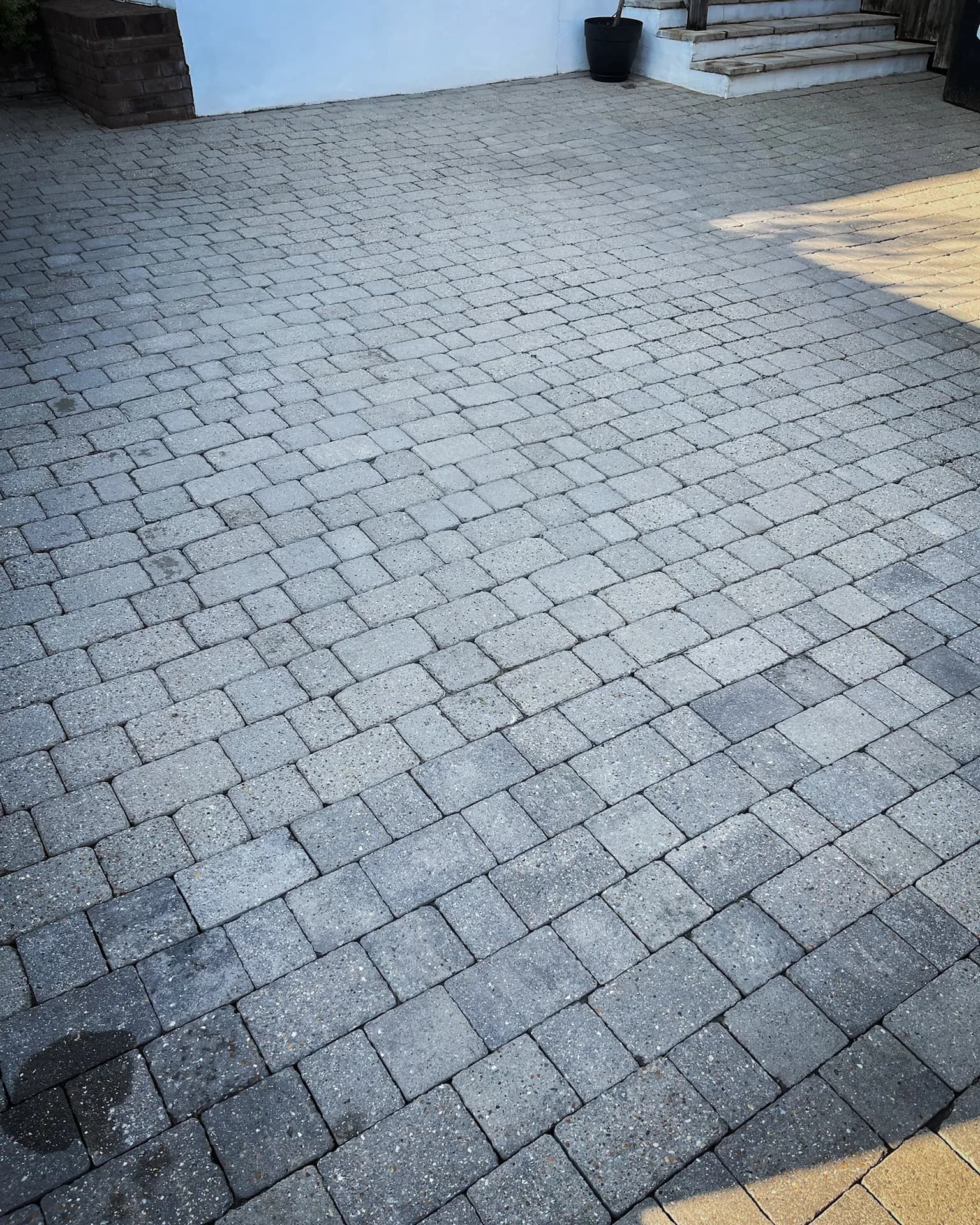
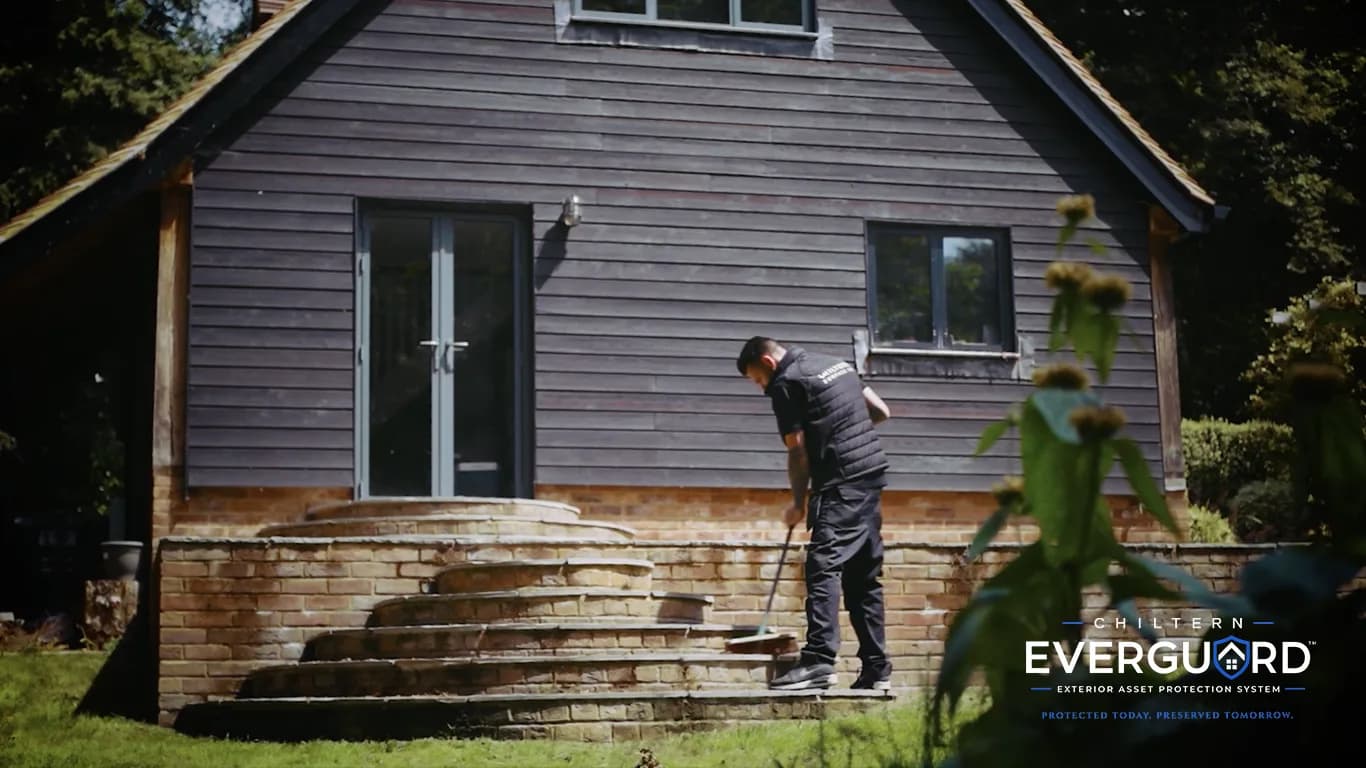
Indian sandstone patio cleaning in Princes Risborough: black spot and algae treated, back steps relaid and repointed, protected with Chiltern EverGuard™.
Driveway Cleaning · Oxfordshire
Weed-filled joints, green margins and dark tyre lanes are the usual signs a Thame driveway needs attention. We clean the surface and the joints together, compact block paving, refill it with Chiltern Polymeric Sand and finish with Chiltern EverGuard™.
The whole entrance
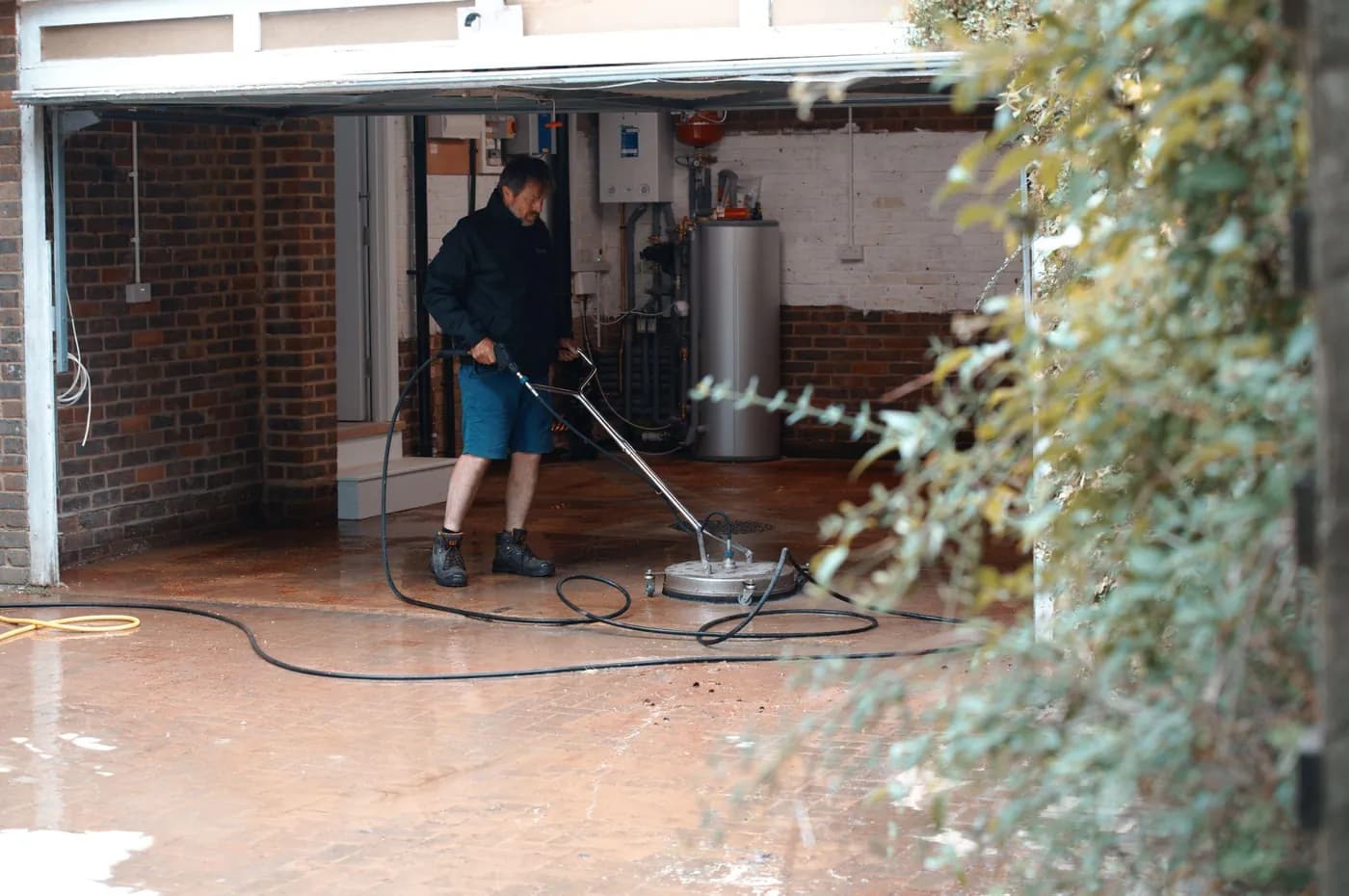
Dark wheel tracks, green margins, silted channels and weed-filled joints stay obvious even after the centre has been washed. We treat the drive as one connected area, so parking bays, turning areas, paths and edges are cleaned to the same standard and the finished entrance looks balanced rather than patch-cleaned.
Thame homes
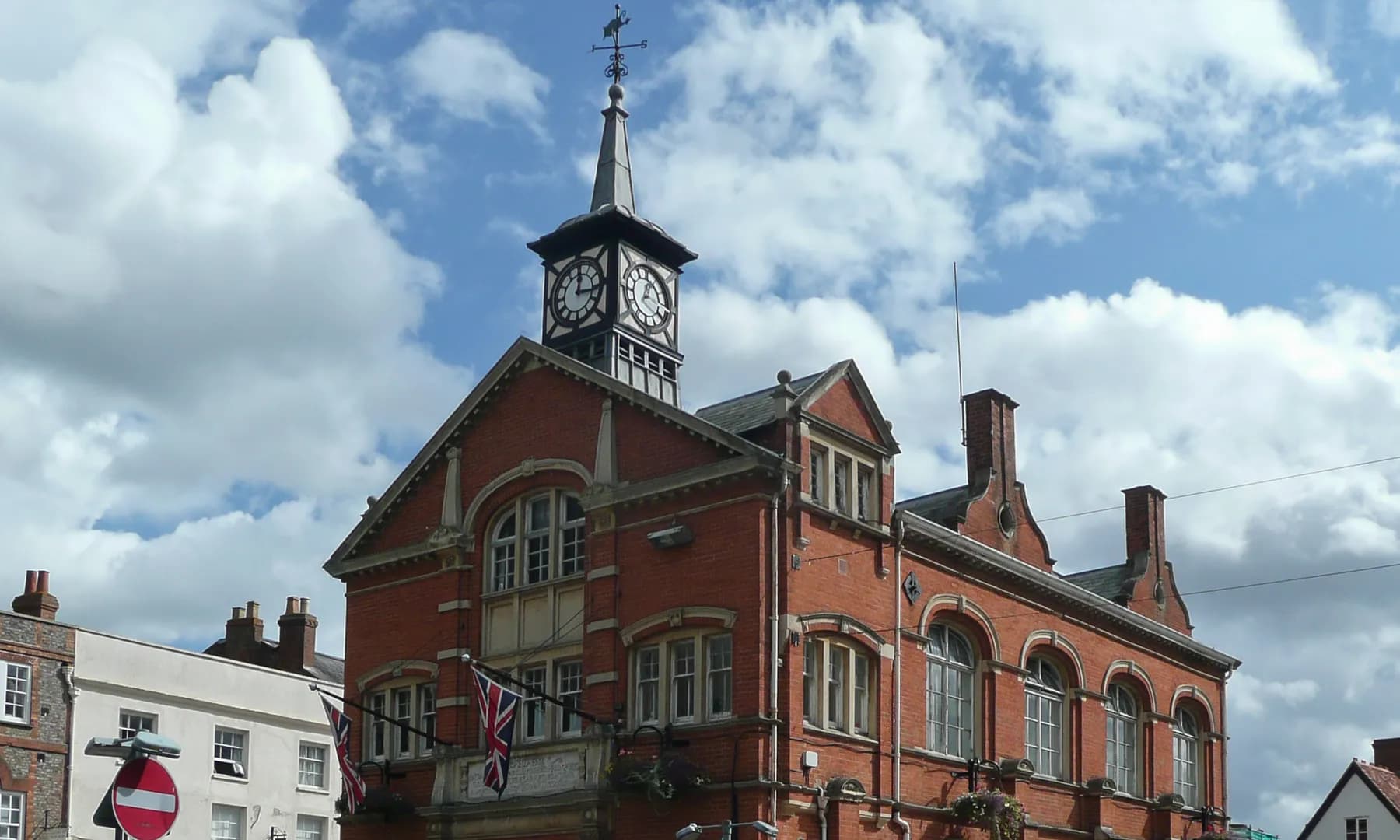
Thame is a historic market town whose long, broad High Street carries medieval, Georgian and Victorian buildings side by side. Close to the centre, older properties sometimes have entrances laid in natural stone, cobbles or setts, often with joints as old as the paving and planting tight against the edges.
Further out, Victorian and Edwardian streets give way to established family homes and newer developments, where block paving, resin, concrete and tarmac are the usual finishes. The land around the River Thame is low-lying in places, and in a wet spell shaded drives beneath mature trees can stay damp for days, which suits moss, algae and the weeds that take root in the joints.
Weeds
It is natural to assume weeds push up through paving from the soil underneath. In practice, many start from seeds landing in the joints. Leaves, grit and soil collect there over the years, break down into a thin layer of compost and give those seeds somewhere to grow.
Pulling the visible plant out leaves that layer in place, so the weeds come straight back. Our clean takes out the contaminated joint material with the growth, and the joints are then rebuilt with fresh jointing sand. No outdoor jointed paving stays free of weeds for good, but full, firm joints give them far less to work with.
Compaction
Years of cars turning and parking settle block paving unevenly. Once the old jointing sand has been washed out and the surface has dried, the joints are open, which is the right moment to bed the blocks back down. A vibrating plate compactor does that across the whole drive.
Only then is every joint refilled with Chiltern Polymeric Sand. We use it rather than conventional kiln-dried sand because it helps stabilise the paving and offers greater protection against weed growth, erosion, joint washout and freeze-thaw damage. It is a stage a basic wash leaves out, and it is what turns a clean into a restoration.
Traditional entrances
Older stone entrances often look better for their age, so the aim is to remove contamination while keeping the natural variation that gives them character. Sandstone, limestone, granite and slate are each assessed at the site visit before we choose the method and the pressure.
We remove algae, moss, lichen and staining, and tell you at the visit what we expect to lift and what is likely to stay.
The method
The sequence below applies to every drive. The settings and treatments within it are chosen at the site visit for the surface in front of us.
At a free site visit we identify the material, check the condition of the joints, look for loose or sunken areas and note staining, drainage and access before agreeing a method.
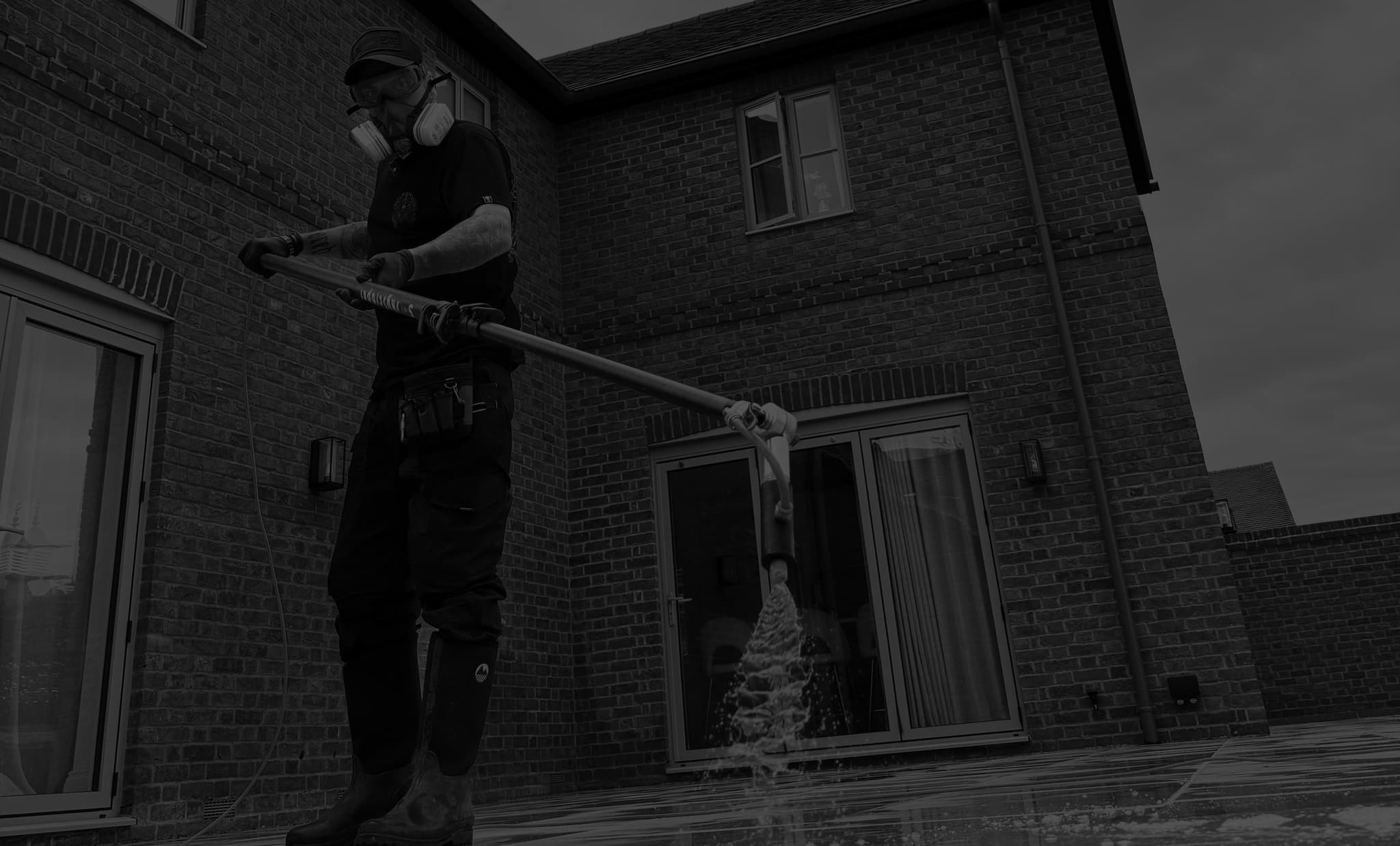
Controlled cleaning removes grime, algae, weeds and old joint material evenly across the drive, with heated water where the material tolerates it and the pressure kept to what each surface needs.
Remaining growth is removed and the joints prepared. Once the paving has dried, it is compacted with a vibrating plate compactor so the blocks sit firmly again.
Every joint in a block-paved drive is filled with Chiltern Polymeric Sand. Stone, resin, tarmac and concrete receive the finishing steps that suit their own construction instead.
The restored drive is treated with Chiltern EverGuard™ to help slow regrowth, then the edges and channels are checked and we explain sensible care for your setting.
Limits
A restoration brings back colour, removes established growth and leaves the joints full and firm. It can also reveal the real condition of paving that has been hidden for years under dirt and moss.
Indian sandstone patio cleaning in Princes Risborough: black spot and algae treated, back steps relaid and repointed, protected with Chiltern EverGuard™.
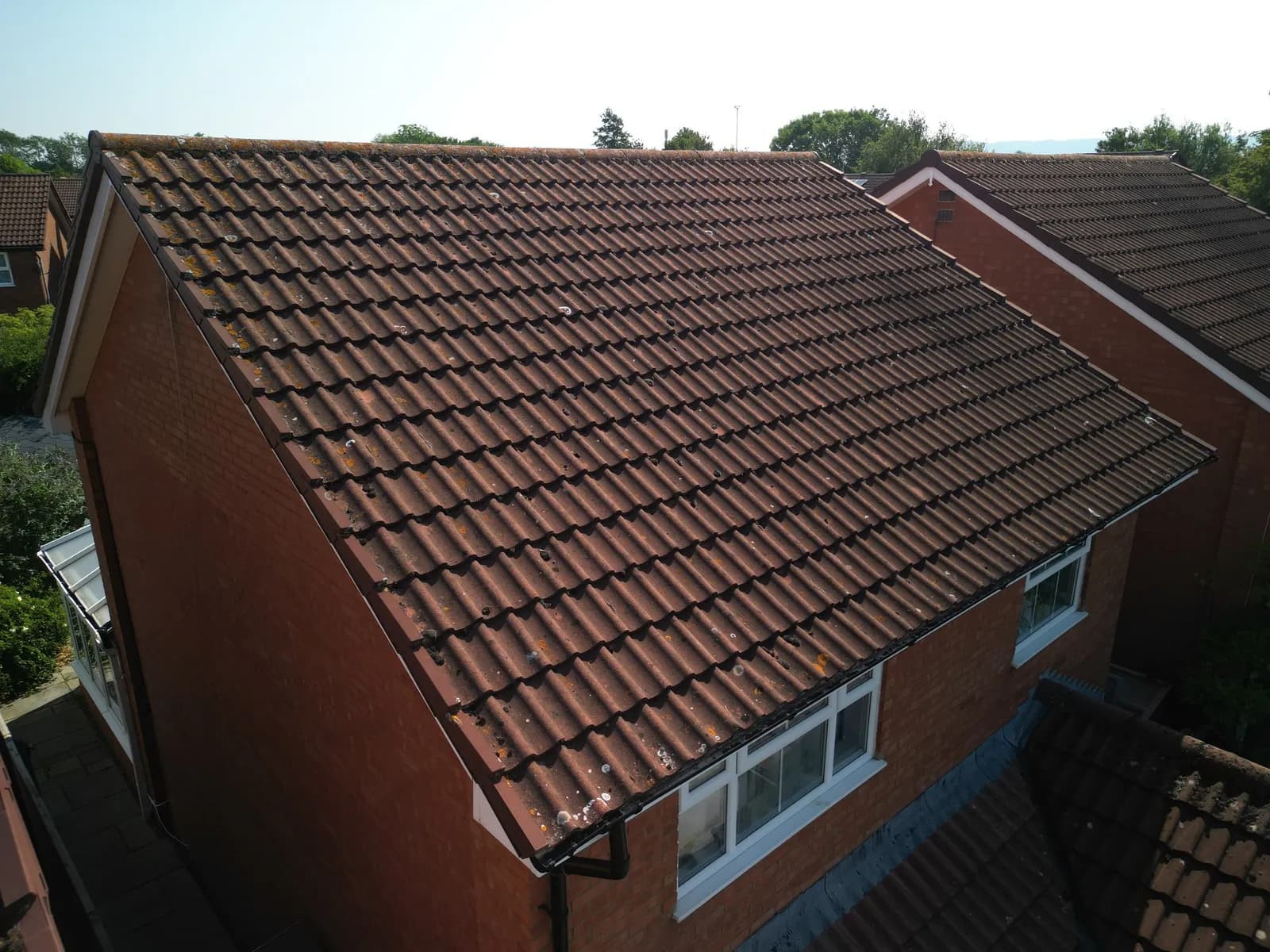
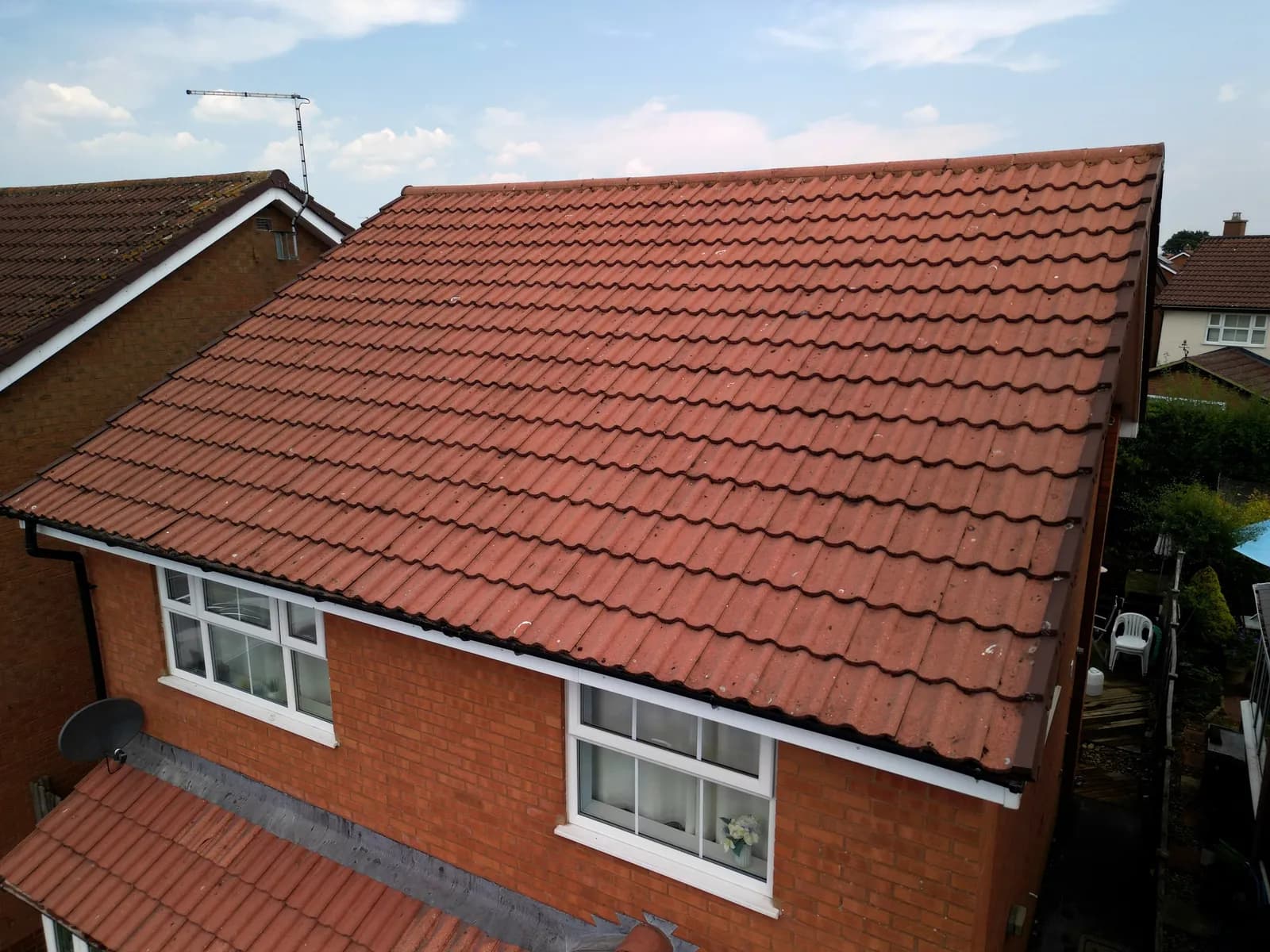
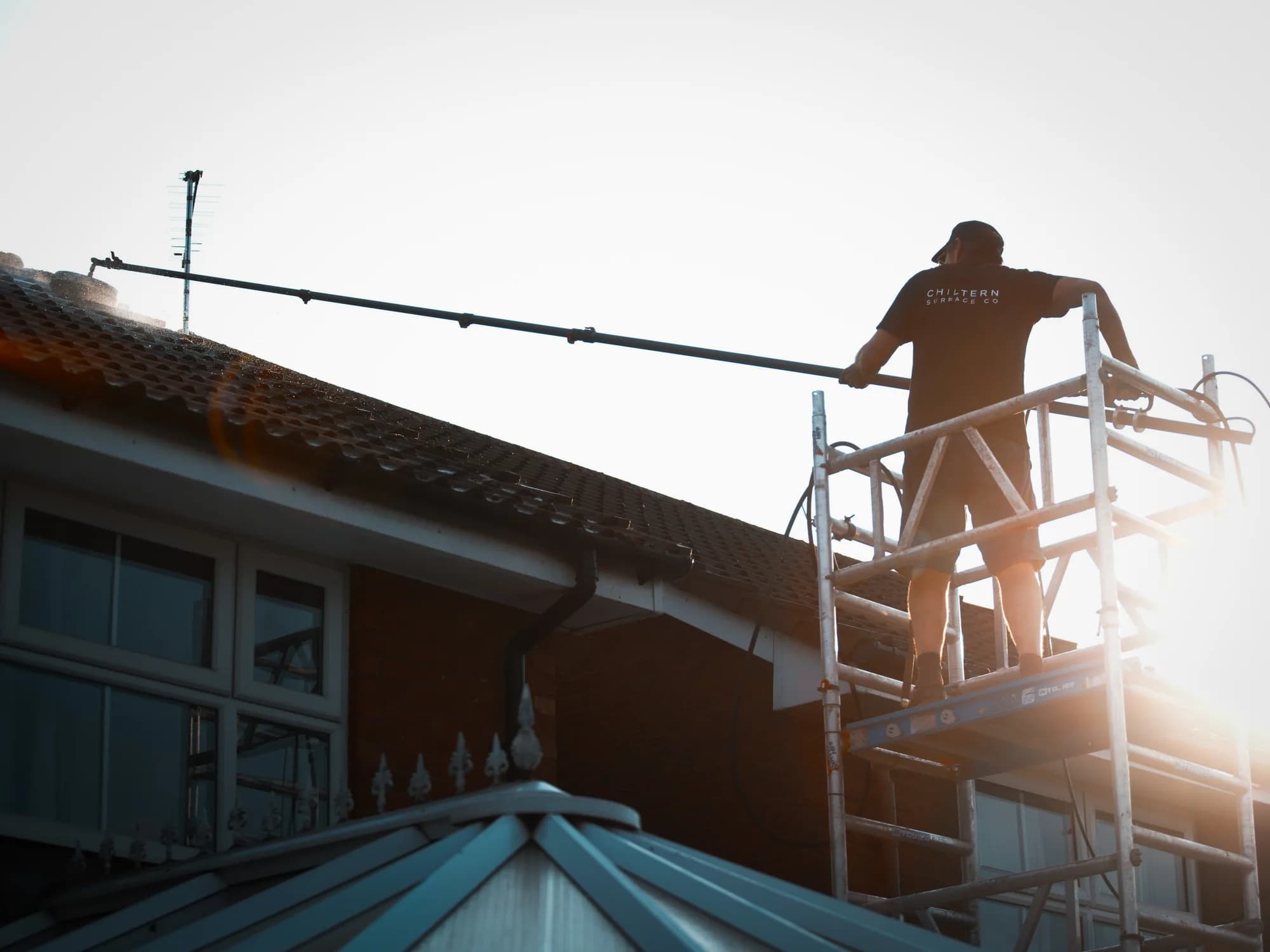
Roof and block paved driveway cleaning in Stoke Mandeville, Aylesbury: low-pressure roof clean, polymeric re-sand and Chiltern EverGuard™.
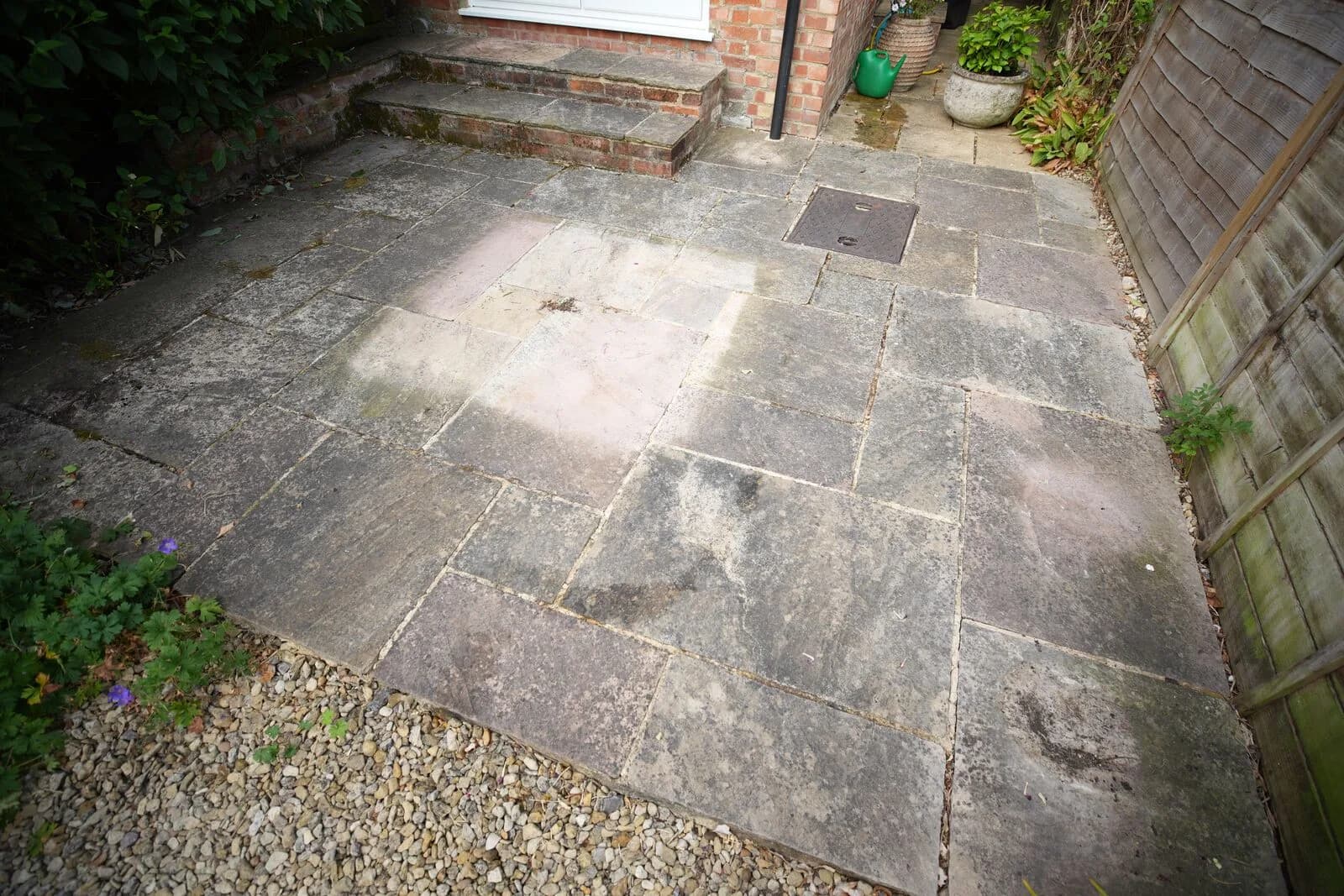
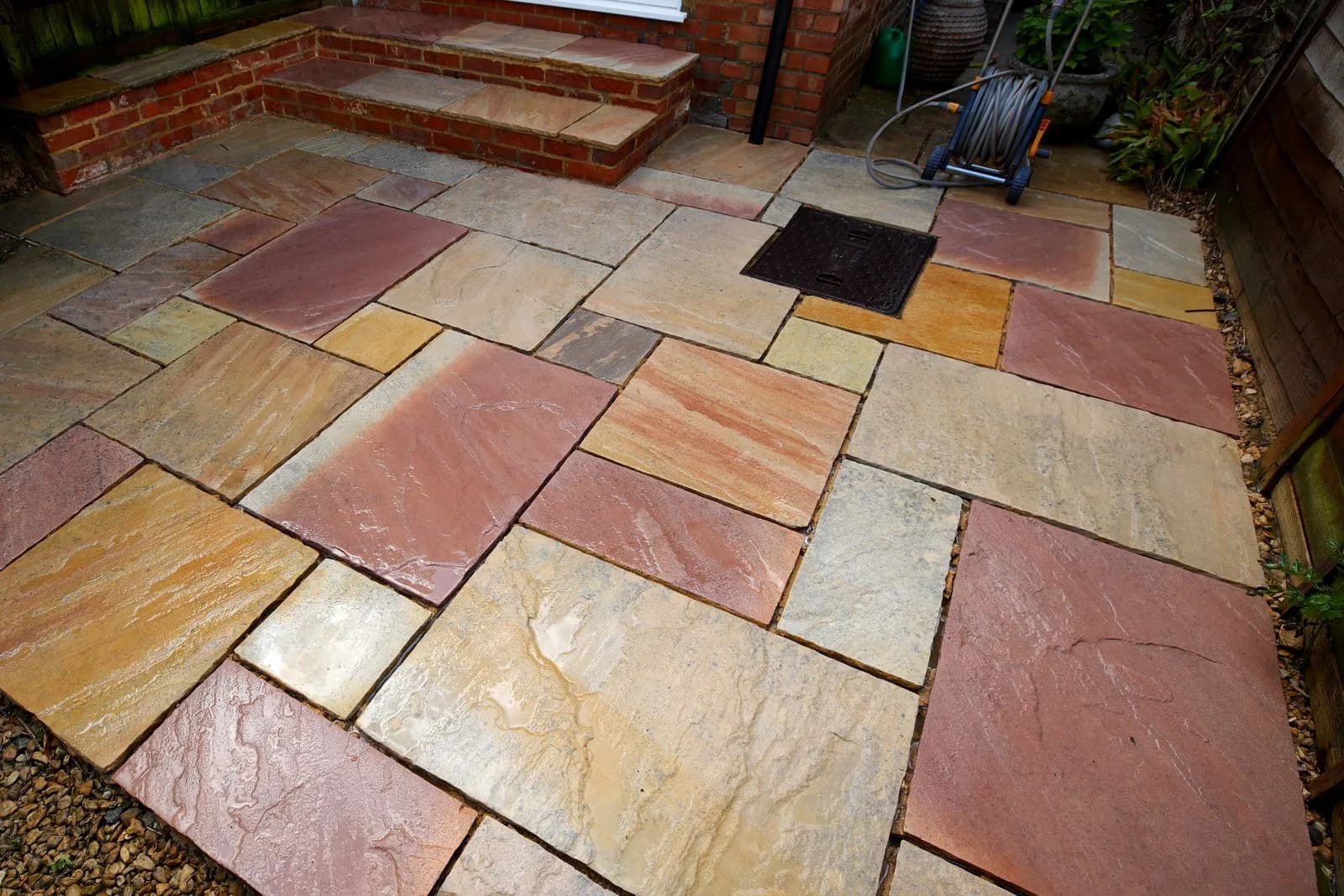
Sandstone patio cleaning and repointing in Oxford: progressive black spot removal, loose slab repairs, Chiltern EverGuard™ and a complete resin repoint.
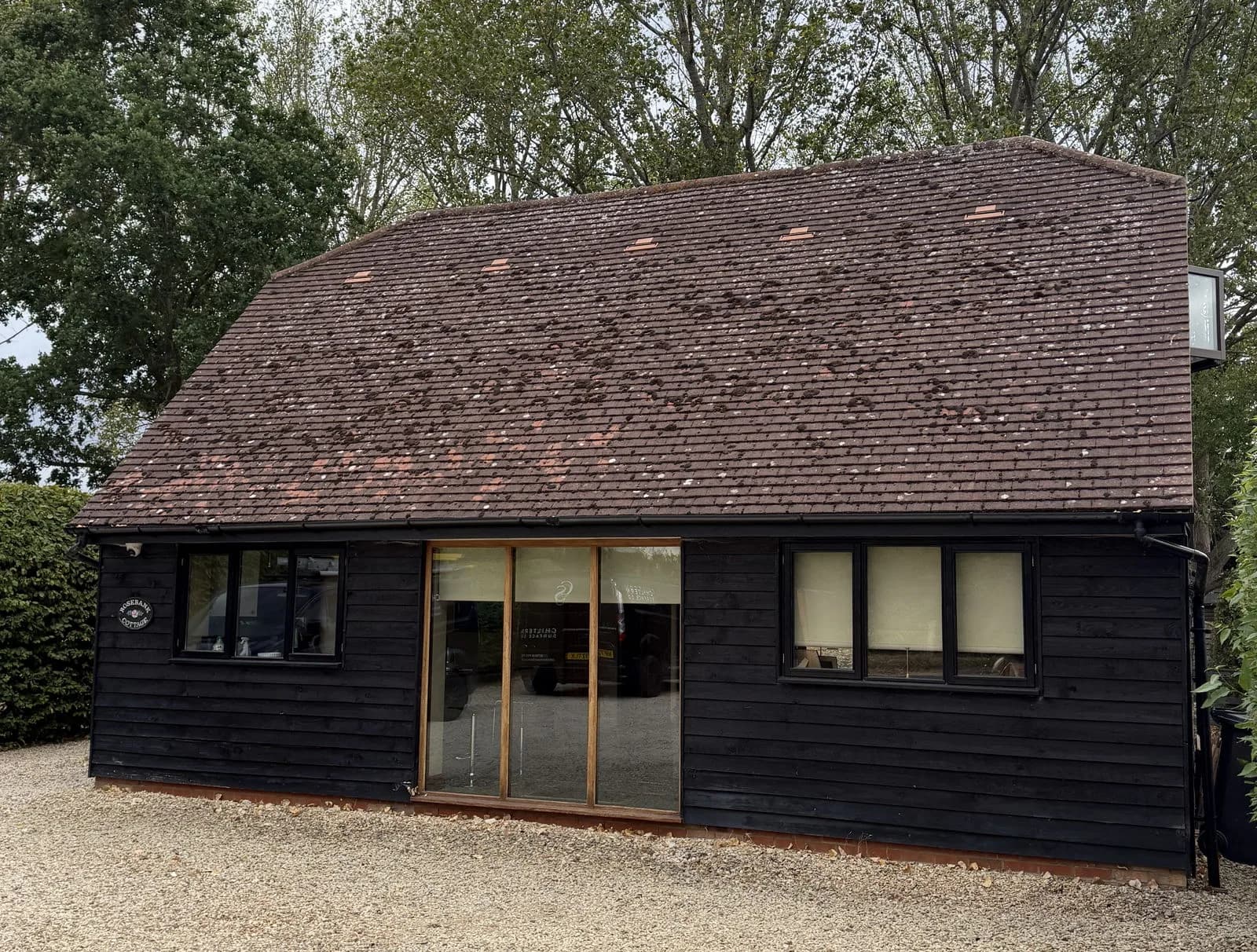
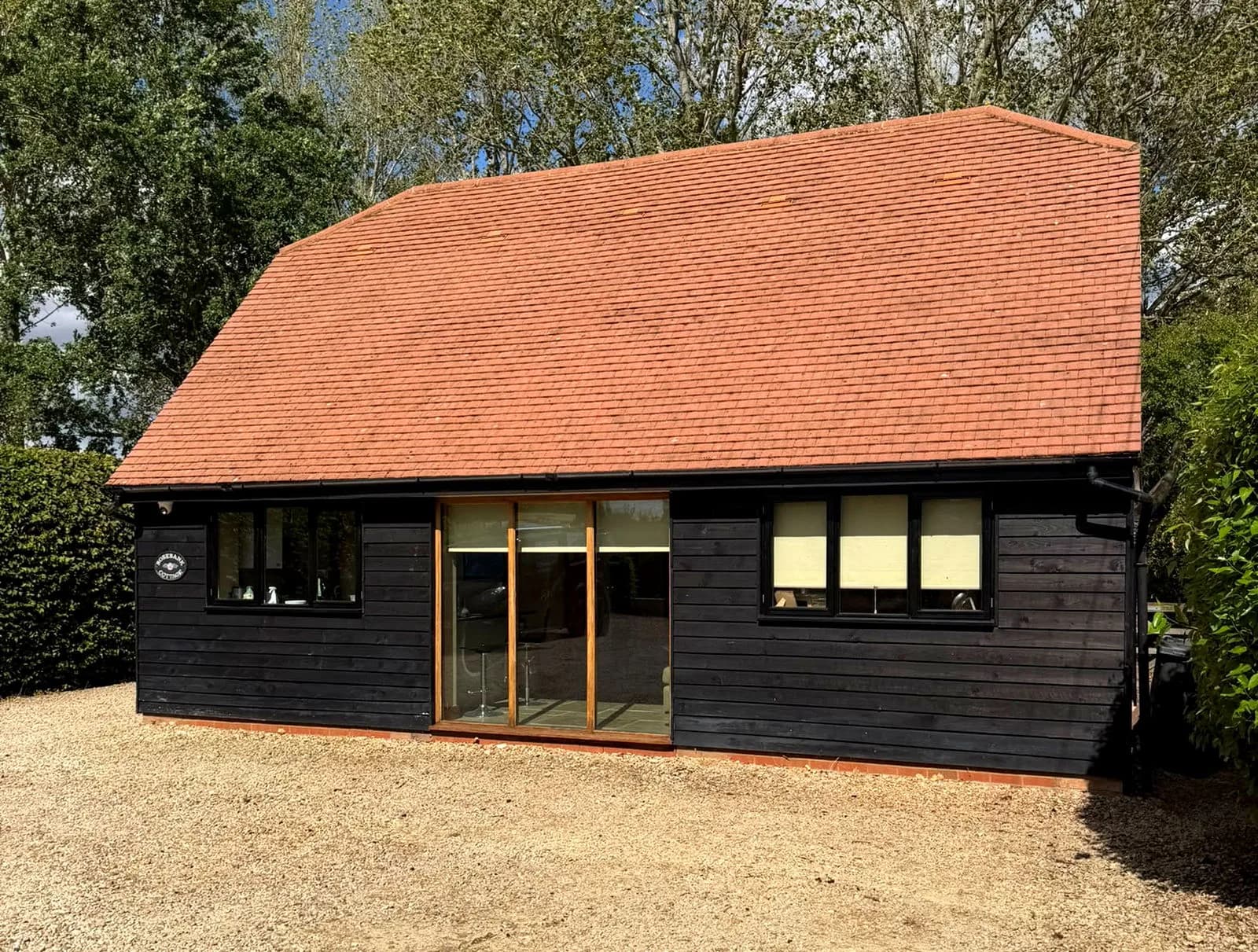
Clay tile roof cleaning in Aylesbury: 30+ years of heavy moss removed from this steep clay roof, then protected with Chiltern EverGuard™.
Why us
Block paving, resin, tarmac, concrete, natural stone, porcelain and gravel are each cleaned in the way that suits them.
Contaminated joint material comes out, the blocks are compacted and every joint is refilled with Chiltern Polymeric Sand.
Every drive we restore is finished with it. Protection typically lasts between 12 and 24 months, depending on location, surface and maintenance.
Fully insured operatives, a method agreed before work starts and plain advice about anything that sits outside a clean.
Nearby
We also restore driveways in the villages around Thame, including Towersey, Tetsworth, Sydenham, Chinnor, Postcombe and Lewknor. Their entrances range from cottage frontages to modern block-paved drives, and each is assessed on its own surface and condition.
Driveway Cleaning in nearby towns
What Clients Say
Thank you to every client who has trusted us with their home. Your reviews mean a great deal to us. We’re proud to be fully insured, certified professionals — delivering proven results with a customer-focused approach on every single project.
5-Star Rated On Google
Questions
Usually because the joints are full of old organic debris. Seeds land in it and root easily. Pulling the weeds leaves that material behind, so our clean removes it and the joints are rebuilt with Chiltern Polymeric Sand, which gives new growth far less to work with.
Yes. Once the drive has been cleaned and has dried, we compact it with a vibrating plate compactor so the blocks bed down firmly before every joint is refilled with Chiltern Polymeric Sand.
It is the jointing material we use as standard on every block paving restoration, in place of conventional kiln-dried sand. It helps stabilise the paving and gives greater protection against weed growth, erosion, joint washout and damage from freeze-thaw cycles.
Yes, once we have assessed it. The stone type, the joints and any previous treatment decide the method. We remove algae, moss, lichen and staining while keeping the natural variation that suits an older property.
Yes. Moss, algae and organic growth are the usual reasons we are asked. Controlled cleaning removes them, with the pressure kept to what the tarmac needs, particularly around older, softer or repaired sections.
Typically between 12 and 24 months. The actual period depends on the property's location, the surrounding environment, the surface type and how the drive is maintained afterwards.
More from us
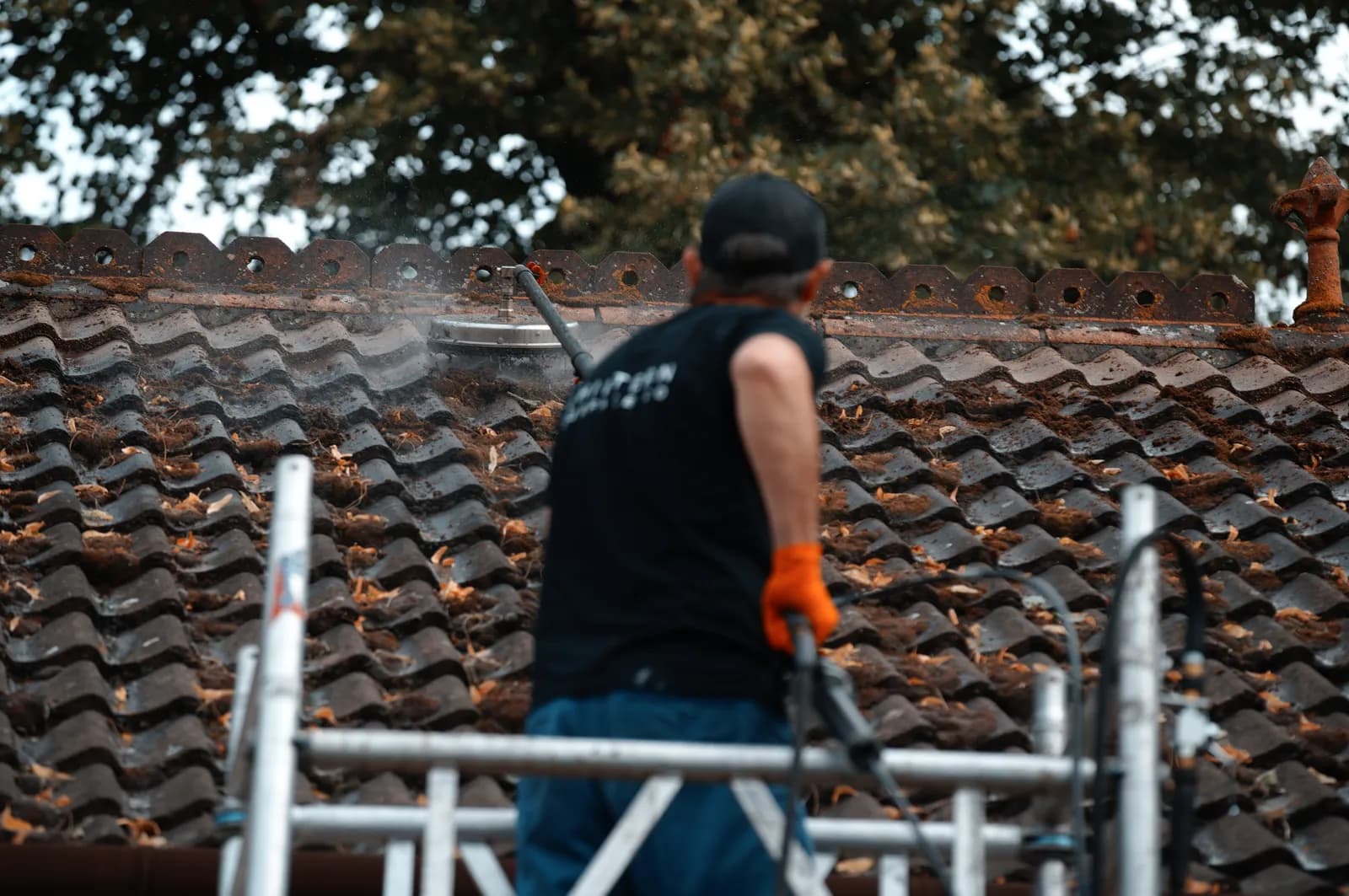
Carefully remove moss, algae and lichens to protect your roof and enhance kerb appeal.
Learn Moreabout Roof Cleaning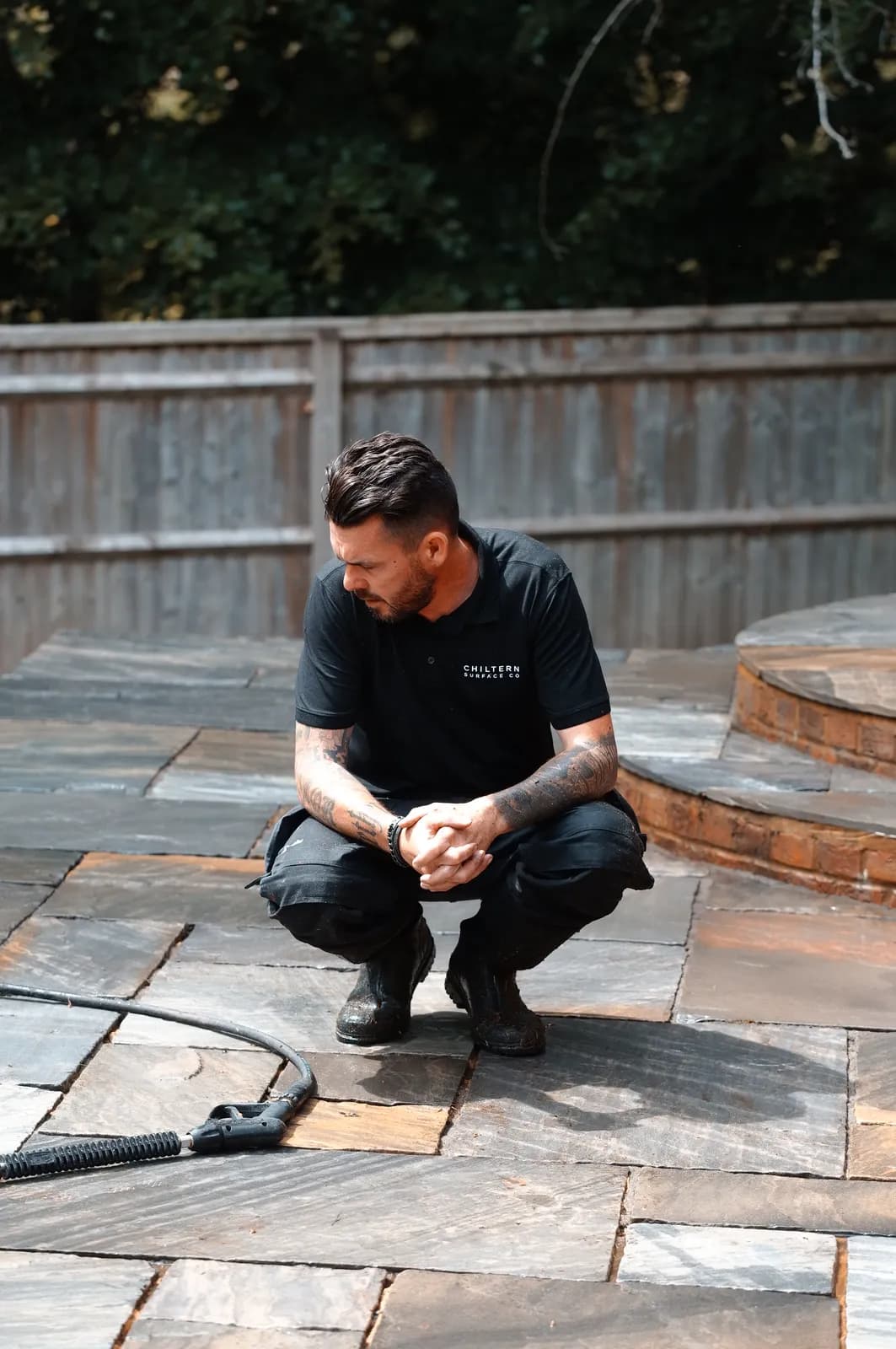
Specialist cleaning and restoration for natural stone, porcelain and concrete patios.
Learn Moreabout Patio Cleaning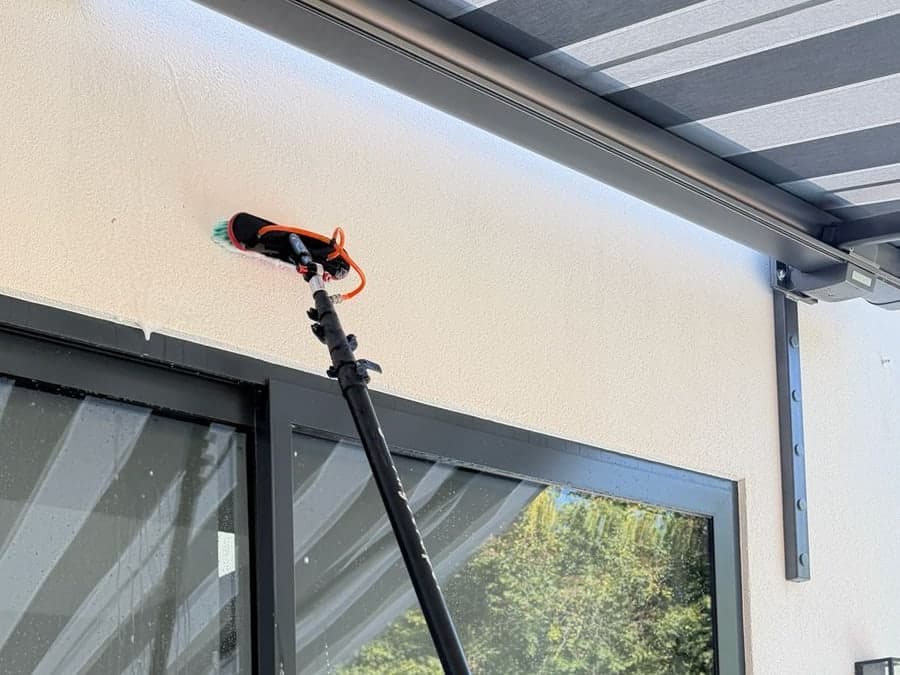
Low pressure soft wash treatment designed to safely remove algae, mould and grime from exterior surfaces.
Learn Moreabout Soft Wash Treatment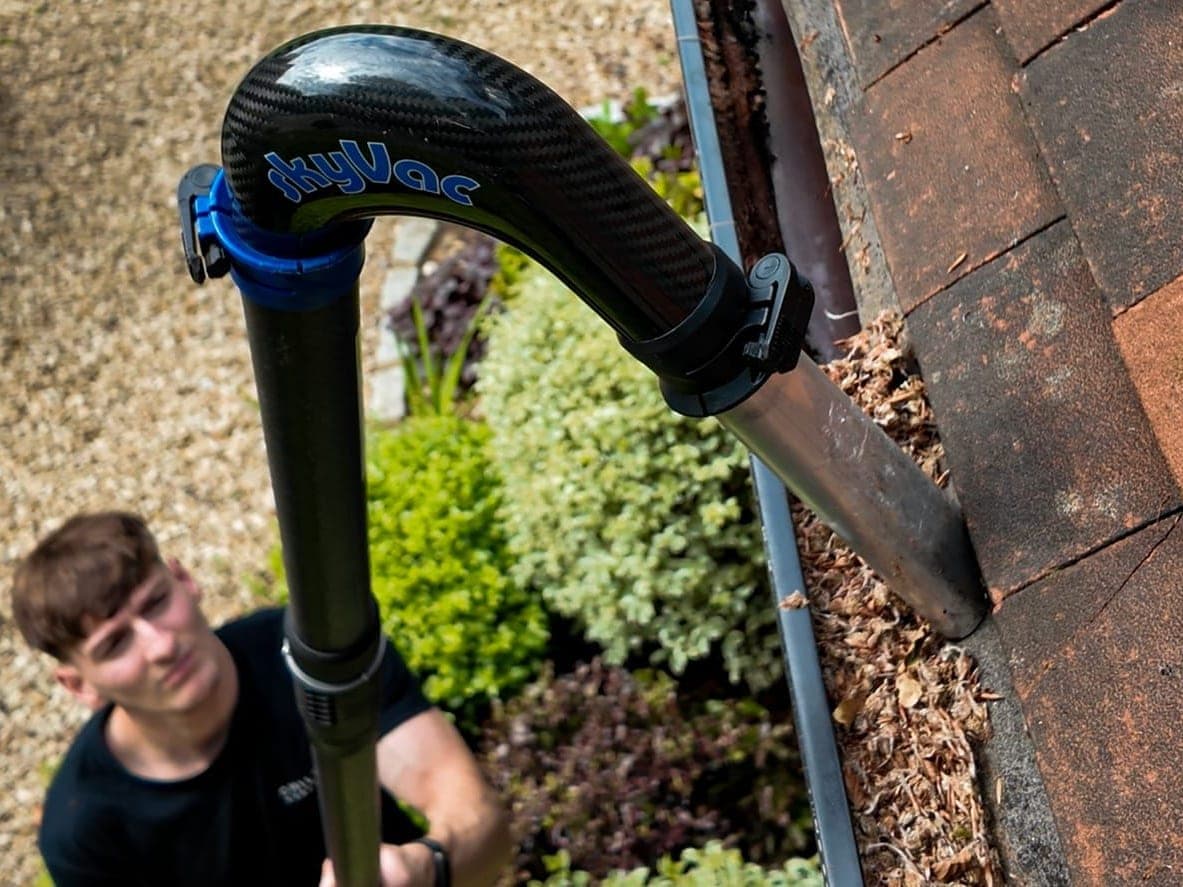
Clear and flush blocked gutters and downpipes to protect your walls, fascias and foundations.
Learn Moreabout Gutter Cleaning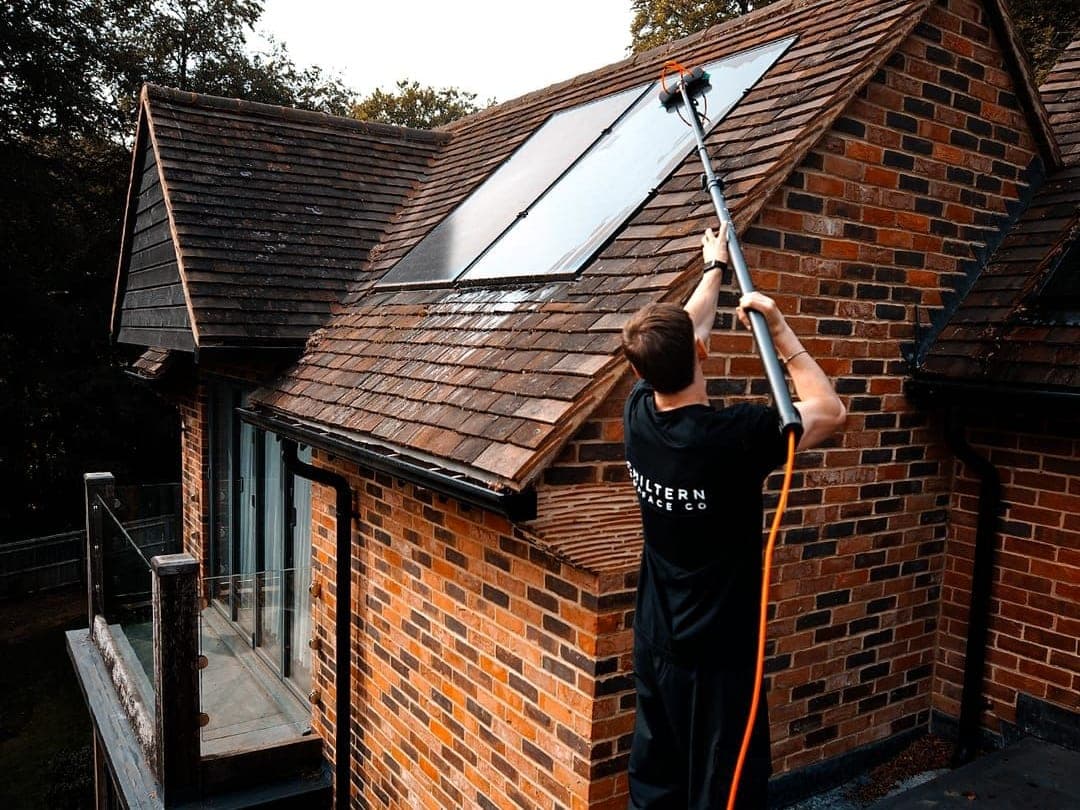
Pure-water cleaning that removes grime and shading to restore your panels' output and efficiency.
Learn Moreabout Solar Panel Cleaning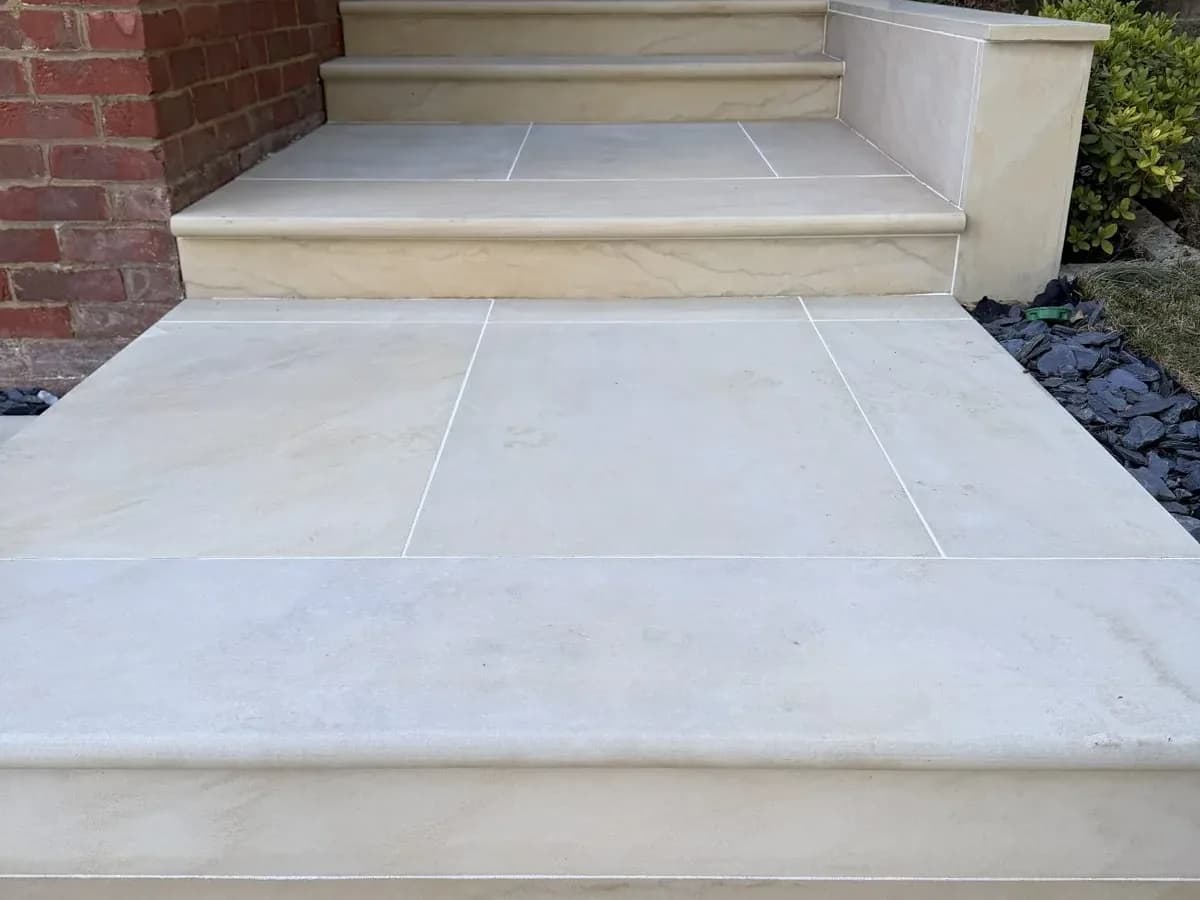
Winter cleaning that removes slippery algae and moss from paths, steps and patios, planned around the forecast.
Advice
Looking after a commercial building, a managed site or a portfolio? Car park and walkway cleaning is handled by our commercial team, surveyed and priced as a specified job.
Chiltern Surface Co
We will check the surface and the joints with you, explain how we would restore them and be clear about anything a clean cannot fix. A clear quotation follows the visit.
We assess your surfaces and recommend the right approach for the best, long-lasting results.
You'll receive a detailed, transparent quote with no hidden extras.
We'll provide honest advice so you can decide what's right for you.
Speak directly with the owner and get expert advice you can trust.