Block Paved Driveway Cleaning in Maidenhead
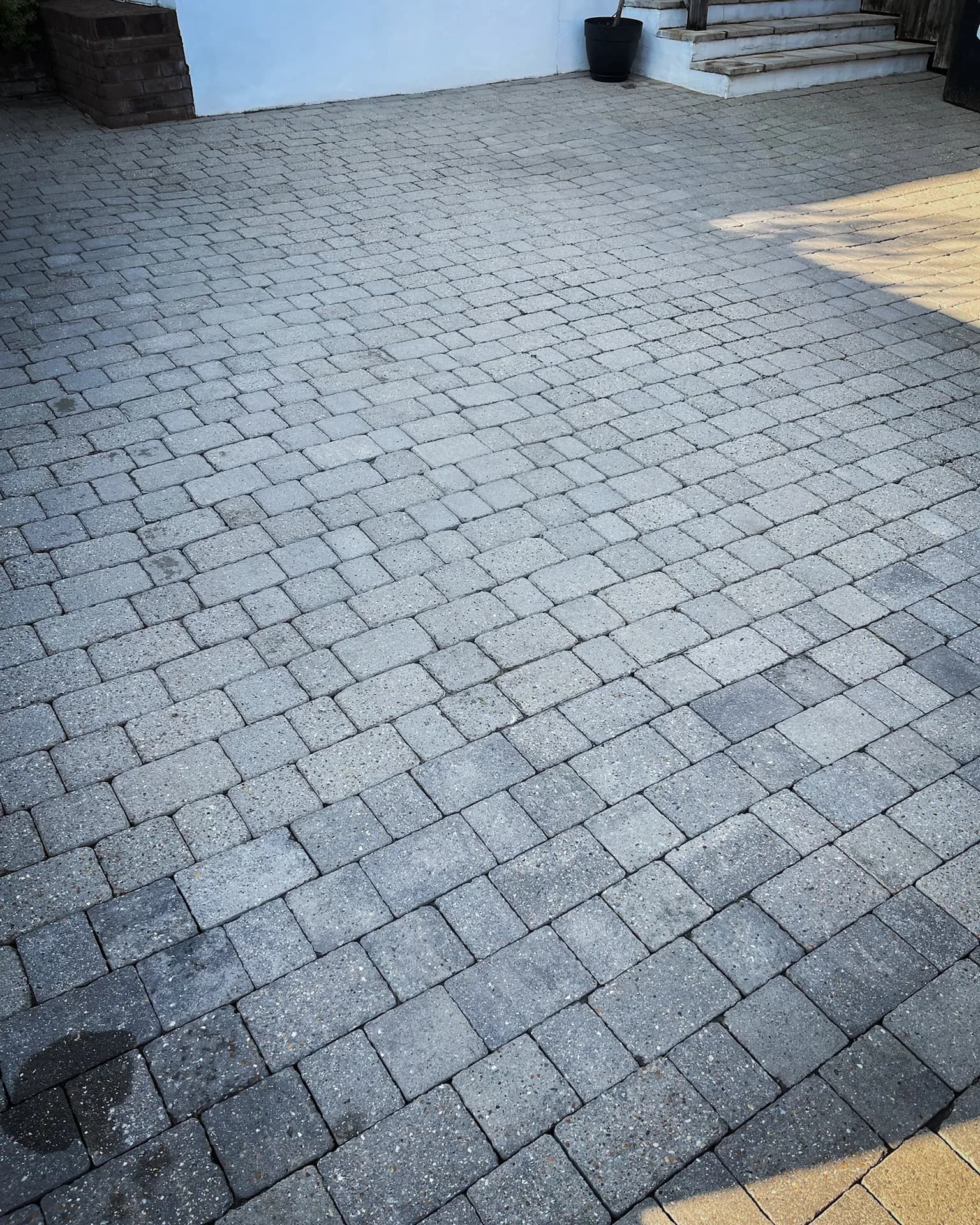
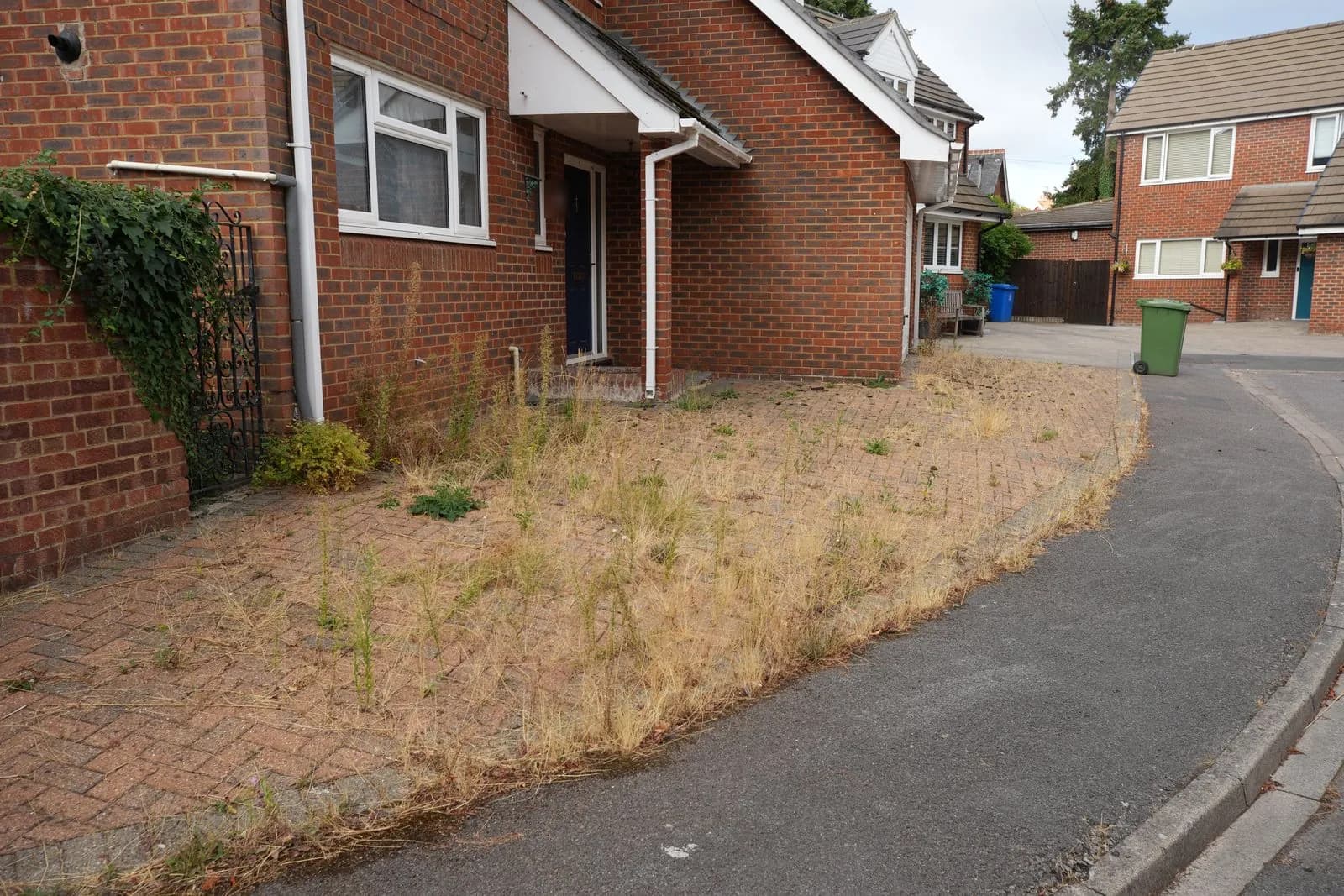
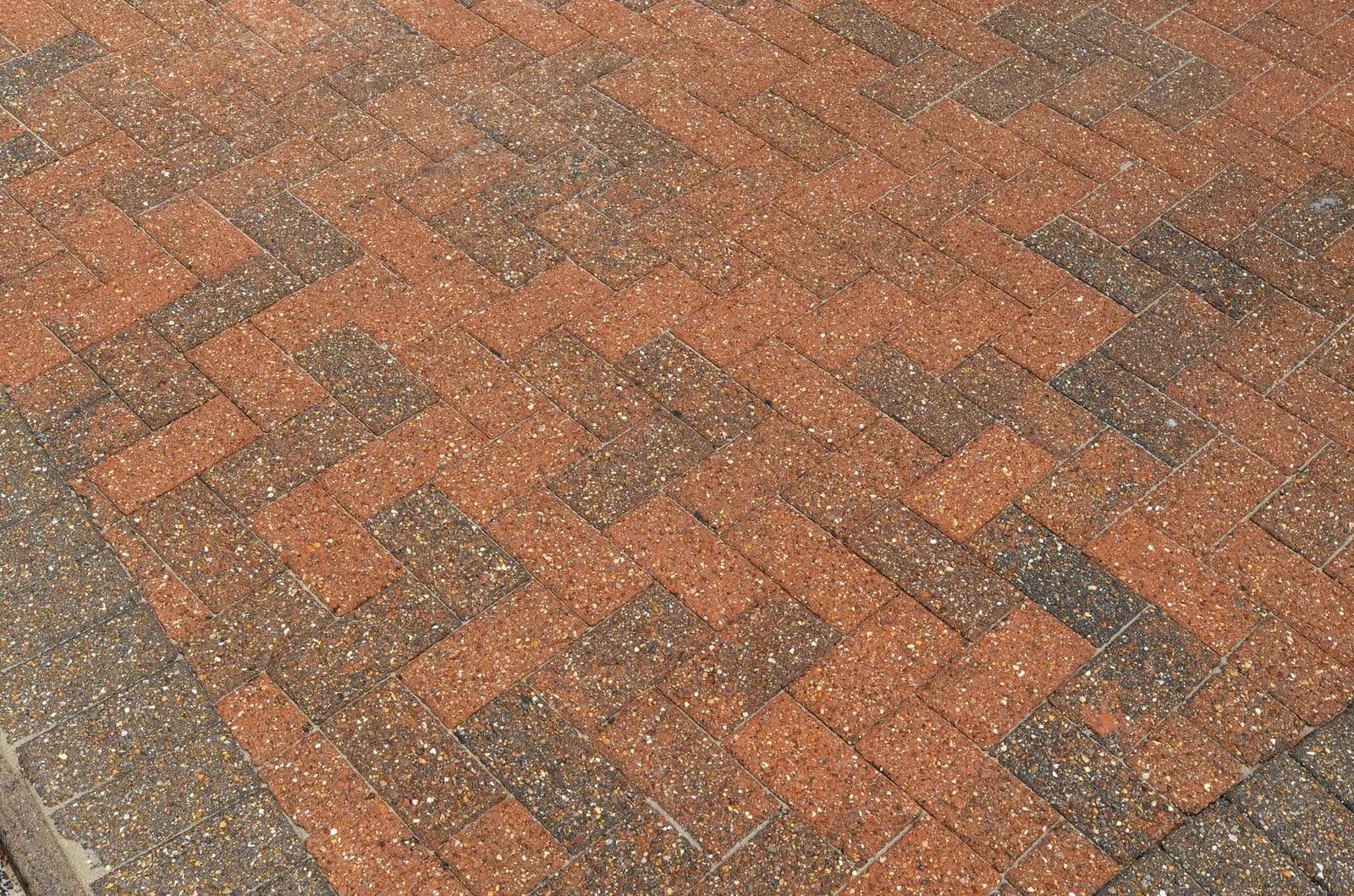
An overgrown block paved driveway in Maidenhead, cleared by hand, deep cleaned, treated with Chiltern EverGuard™, re-sanded with polymeric sand and compacted.
Driveway Cleaning · Berkshire
Block paving runs through Bracknell's planned neighbourhoods and newer estates, and on a paved drive the joints decide how it ages. We clean the blocks, rebuild every joint with Chiltern Polymeric Sand and finish with Chiltern EverGuard™.
Why it matters
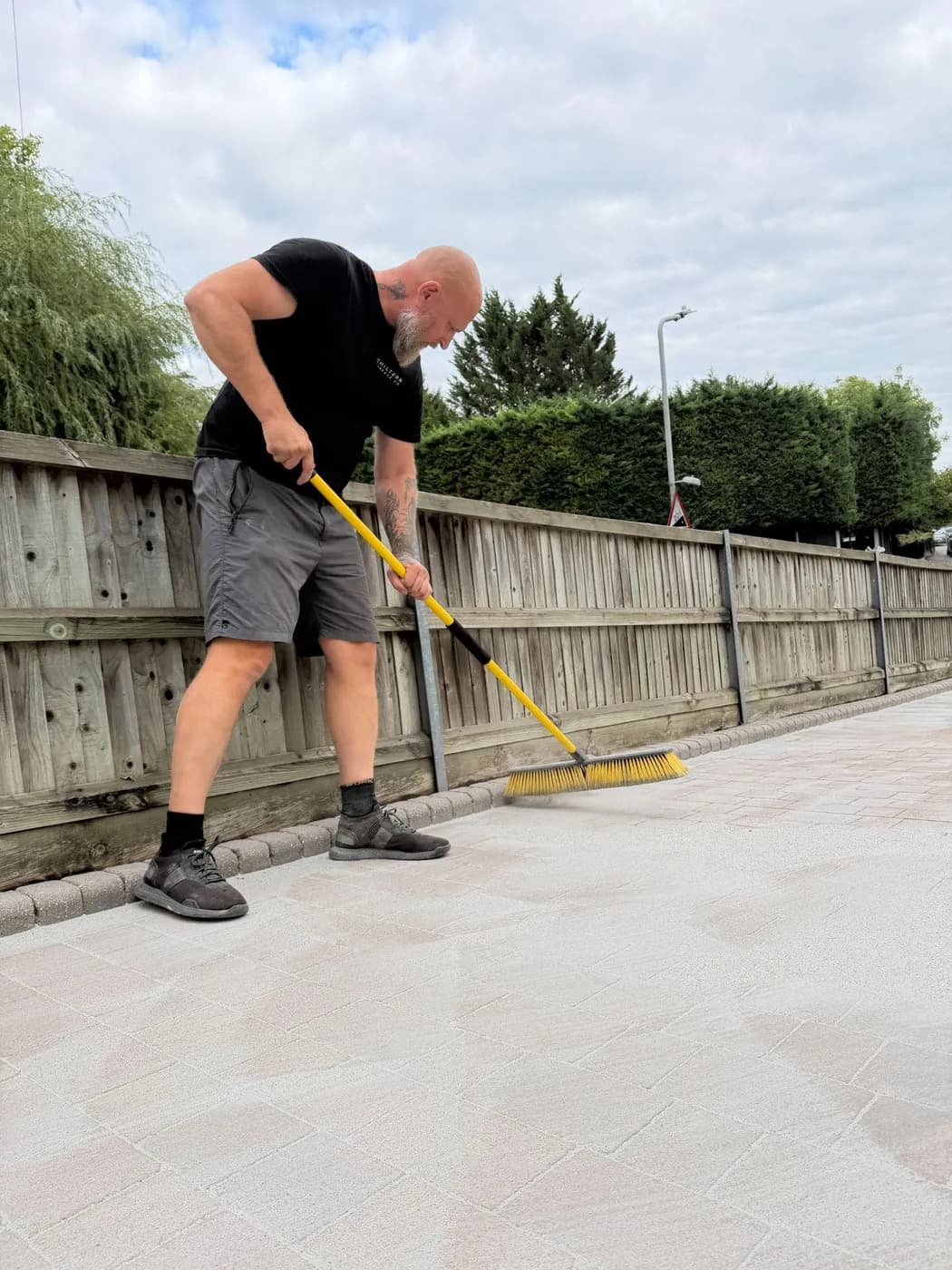
The narrow lines of sand between paving blocks lock them together, shed water and leave weeds little room to root. When that sand is washed out or colonised, blocks start to move, weeds take hold and the drive looks older than it is. A proper restoration therefore ends with the joints rebuilt, not just with clean blocks.
Bracknell homes
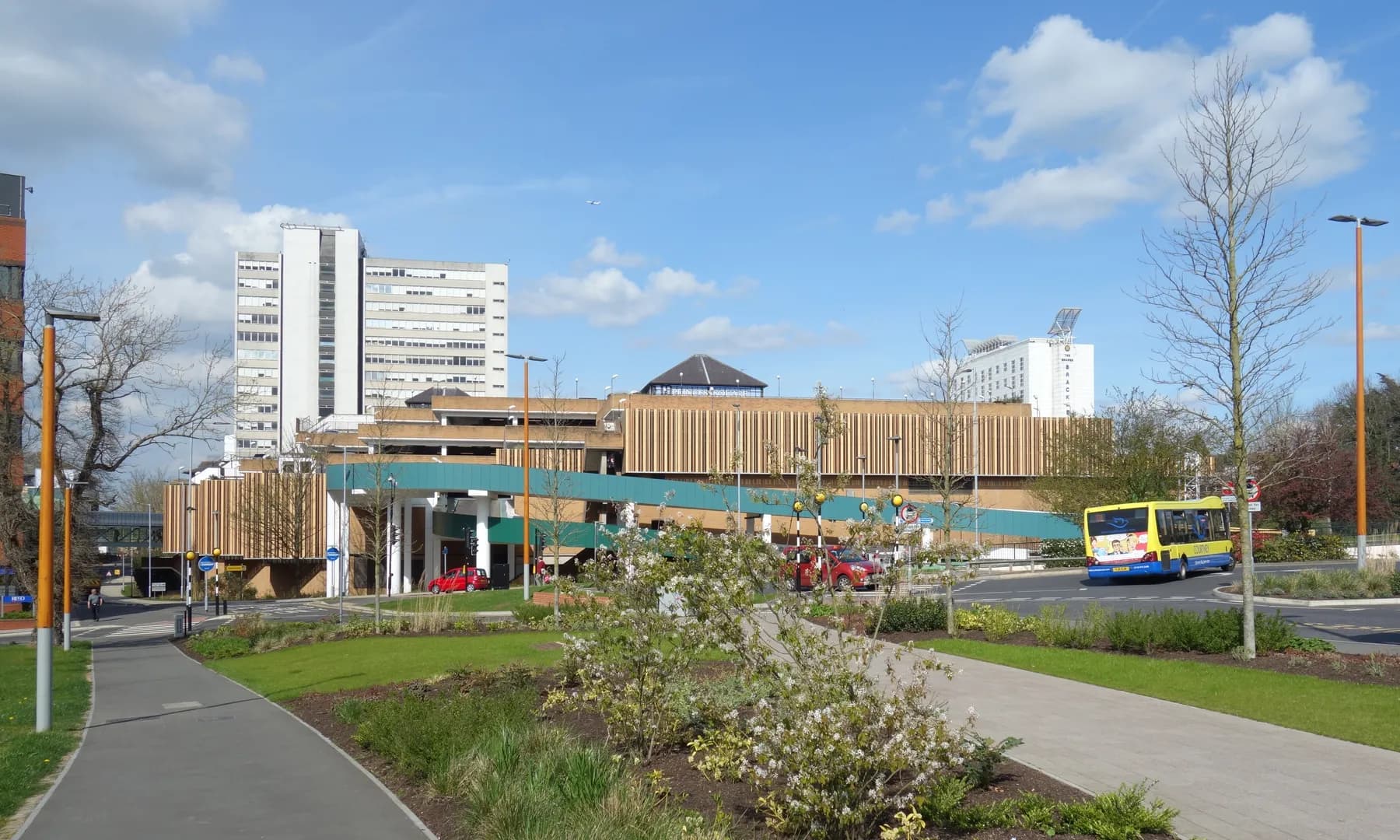
Bracknell grew substantially as a post-war New Town, laid out in planned neighbourhoods with their own green spaces. Those original areas now sit alongside later housing developments and newer homes, while places such as Easthampstead, Binfield and Warfield keep older buildings of their own.
Across the newer estates, block paving is a very common driveway surface, often in pale or brindle tones, edged with kerb blocks and bordered by lawn or fencing. Earlier homes may have concrete or tarmac instead. The town's green spaces and mature planting mean some drives sit in shade for much of the day, where moss and algae settle in the joints first.
What goes wrong
Jointing sand does not stay put. Rain, frost, ants and previous cleaning all take some out, and the gap that remains fills with soil and seed. Moss and weeds then root along the joint lines, outlining every block in green and loosening the sand further.
On an estate drive that sees daily traffic, blocks with weak joints can begin to shift slightly, and the edges beside lawns are usually the first to suffer.
The clean
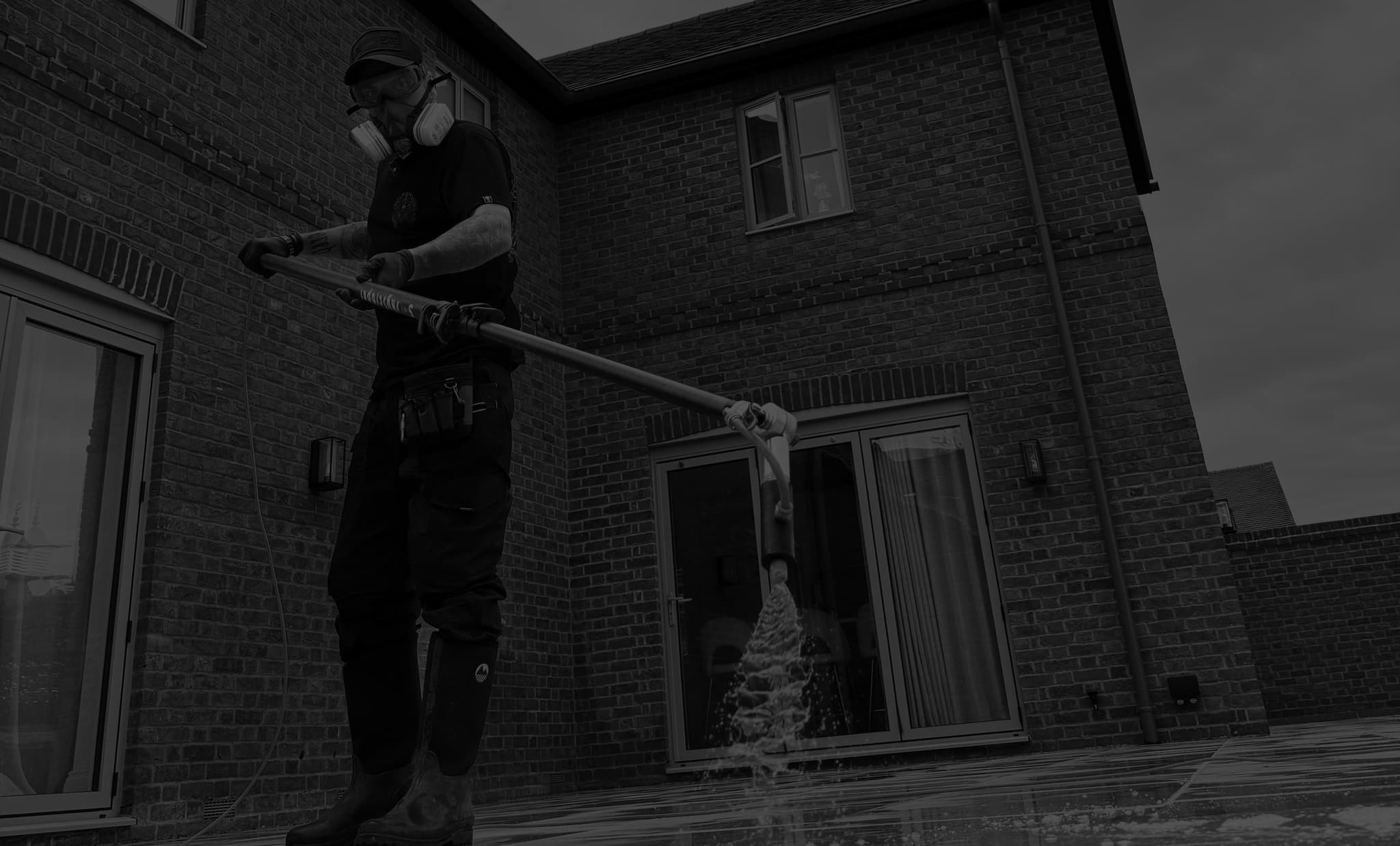
We clean the faces of the blocks at the lowest pressure that lifts the dirt, algae and moss, and clear weeds and old jointing material from the joints at the same time. That leaves the joints empty on purpose, ready to be rebuilt properly.
Pale paving shows tyre film and dark speckling readily, so we work evenly across the whole drive to avoid clean patches beside dull ones, giving the edge by the lawn and the strip beside the fence the same attention as the middle.
Rebuilding the joints
Once the drive has dried, a vibrating plate compactor is run across it to settle the blocks into their bedding. Chiltern Polymeric Sand is then brushed into every joint. We use it as standard instead of conventional kiln-dried sand. It helps stabilise the paving and gives greater protection against weed growth, erosion, joint washout and the damage that freeze-thaw cycles can cause.
Protection
With the joints full and the blocks clean, the drive is finished with the Chiltern EverGuard™ Treatment. It helps reduce how quickly moss, algae and lichen return to the surface and the joint lines.
Protection typically lasts between 12 and 24 months, depending on the setting, the surface and how the drive is looked after, and a shaded drive near trees will usually sit at the shorter end. Keeping the drive swept of leaves and soil helps it last.
Step by step
Block paving always follows this sequence, because each stage depends on the one before it.
We look at the blocks, the state of the joints, the edges and any sunken or rocking areas, and explain what the restoration will involve.
The blocks are cleaned and the joints cleared of weeds, moss and old sand, at the lowest pressure that achieves the result.
Once the surface has dried, a vibrating plate compactor settles the blocks into their bedding before any jointing sand goes in.
Chiltern Polymeric Sand is brushed into every joint across the whole drive, including the edges beside lawns, fences and kerbs.
Our protective treatment is applied, and we explain what has been done and how to look after the drive in the months ahead.
Know the limits
Compaction and new jointing sand stabilise sound paving, but they cannot correct a failed sub-base. Blocks that have sunk, rock badly or sit in a dip where water ponds need lifting and re-laying, which is a separate job from cleaning. Very old oil staining may be reduced rather than removed, and pale blocks can keep slight tonal differences from age and wear.
An overgrown block paved driveway in Maidenhead, cleared by hand, deep cleaned, treated with Chiltern EverGuard™, re-sanded with polymeric sand and compacted.
Why us
Every block paving restoration ends with compaction and Chiltern Polymeric Sand, never with empty joints left to refill with soil.
Pale paving is cleaned evenly, edge to edge, so the finished drive has no bright patches beside dull ones.
If blocks have sunk or the sub-base has failed, we tell you plainly rather than clean over a problem that needs repair.
Work is carried out by fully insured operatives, from a free site visit through to handover of the finished drive.
Nearby
We also restore driveways in the neighbourhoods and villages around the town, including Easthampstead, Binfield, Warfield, Winkfield Row and Crowthorne. Block paving is common across all of them, so the same joint-first restoration applies.
What Clients Say
Thank you to every client who has trusted us with their home. Your reviews mean a great deal to us. We’re proud to be fully insured, certified professionals — delivering proven results with a customer-focused approach on every single project.
5-Star Rated On Google
Questions
Because the joints have lost sand and filled with soil and seed. Pulling or spraying the weeds leaves that soil behind. Clearing the joints and refilling them with Chiltern Polymeric Sand removes the place the weeds were rooting.
Yes. Once the cleaned drive has dried, a vibrating plate compactor settles the blocks into their bedding, and only then is the jointing sand brushed in.
It is the specialist jointing sand we use as standard on block paving, in place of conventional kiln-dried sand. It helps stabilise the paving and offers greater protection against weeds, erosion, washout and freeze-thaw damage.
No, not by cleaning. Sinking usually means the bedding or sub-base beneath has moved, and that needs the blocks lifting and re-laying. We point out any such areas at the site visit.
Generally, yes. We clean evenly across the whole drive to avoid patchiness. Blocks laid at different times, or areas that have been sheltered by a parked car, can keep a slight difference in tone.
Yes. Sweeping off leaves, soil and grass cuttings regularly removes what moss and weeds need to get started, and it helps the Chiltern EverGuard™ Treatment do its job for longer.
More from us
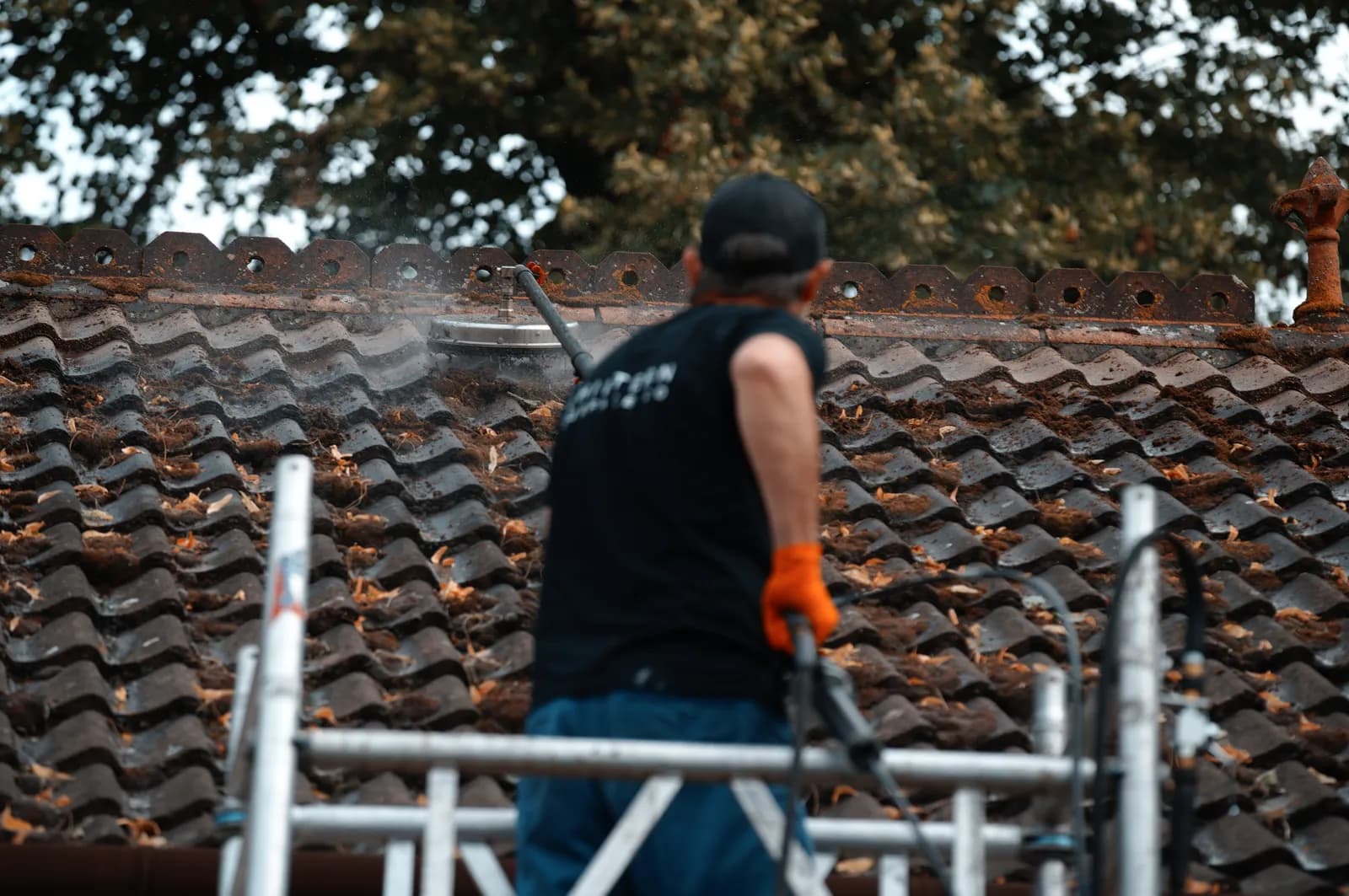
Carefully remove moss, algae and lichens to protect your roof and enhance kerb appeal.
Learn Moreabout Roof Cleaning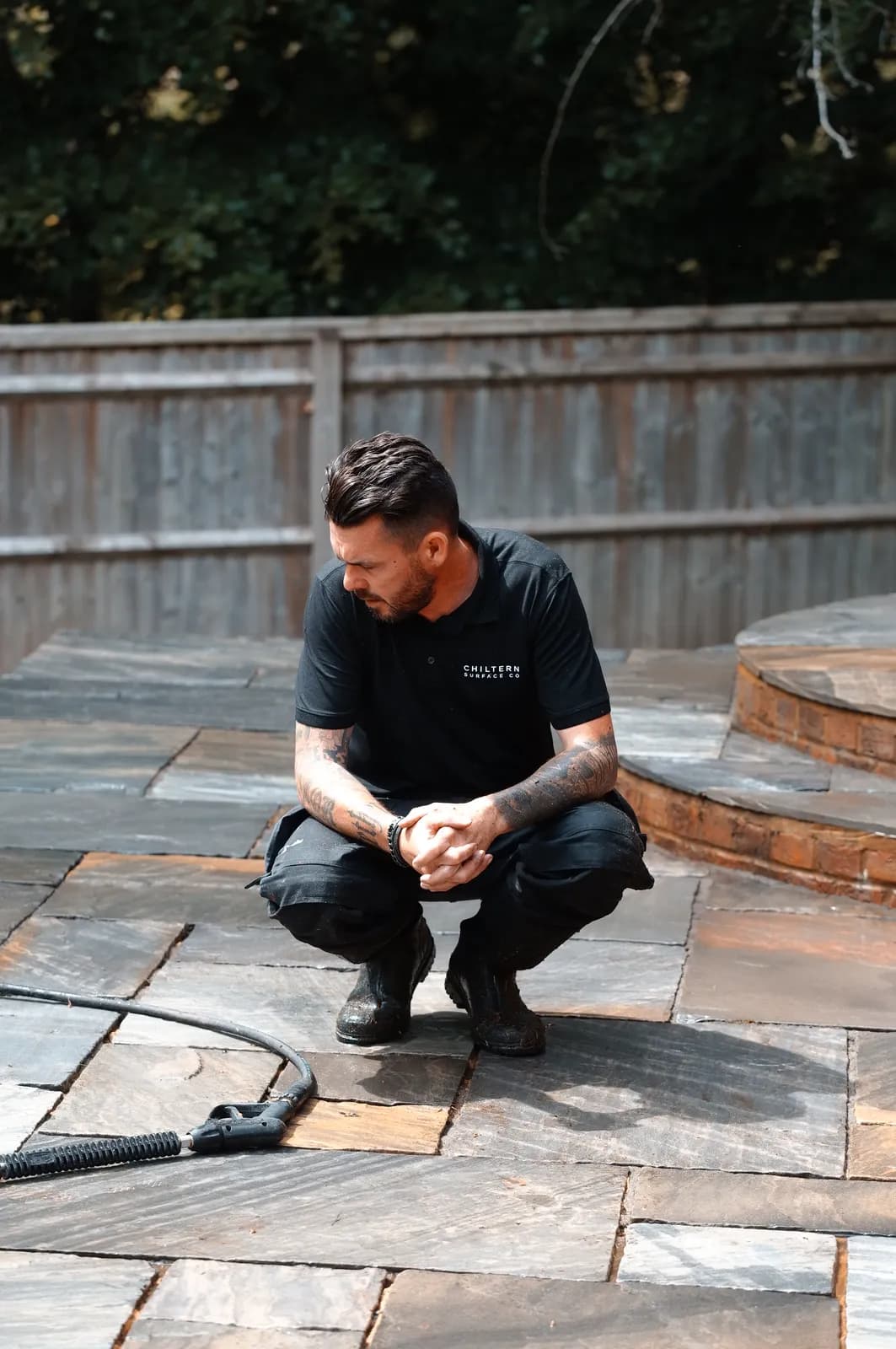
Specialist cleaning and restoration for natural stone, porcelain and concrete patios.
Learn Moreabout Patio Cleaning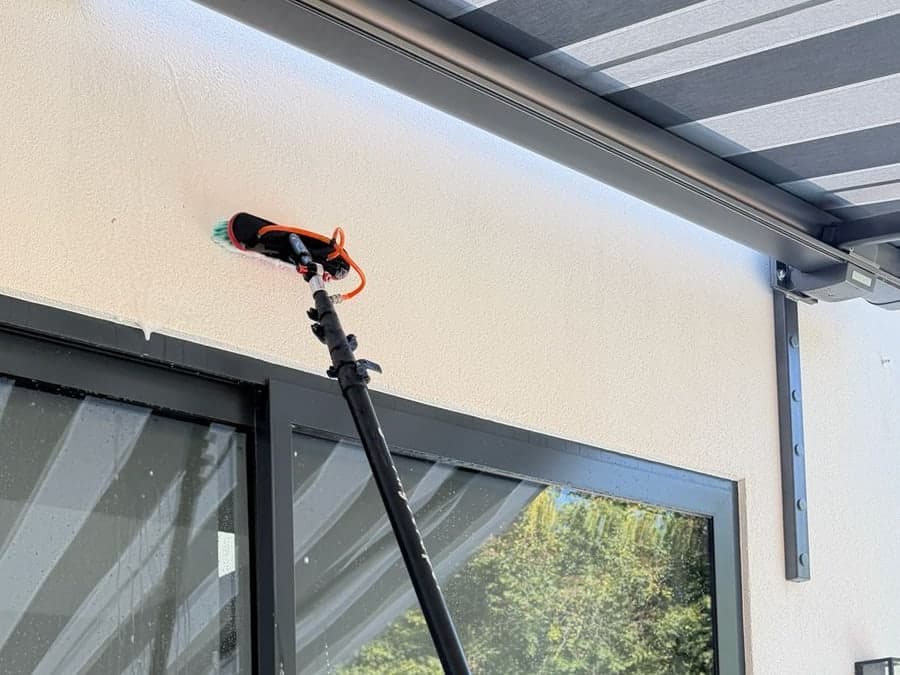
Low pressure soft wash treatment designed to safely remove algae, mould and grime from exterior surfaces.
Learn Moreabout Soft Wash Treatment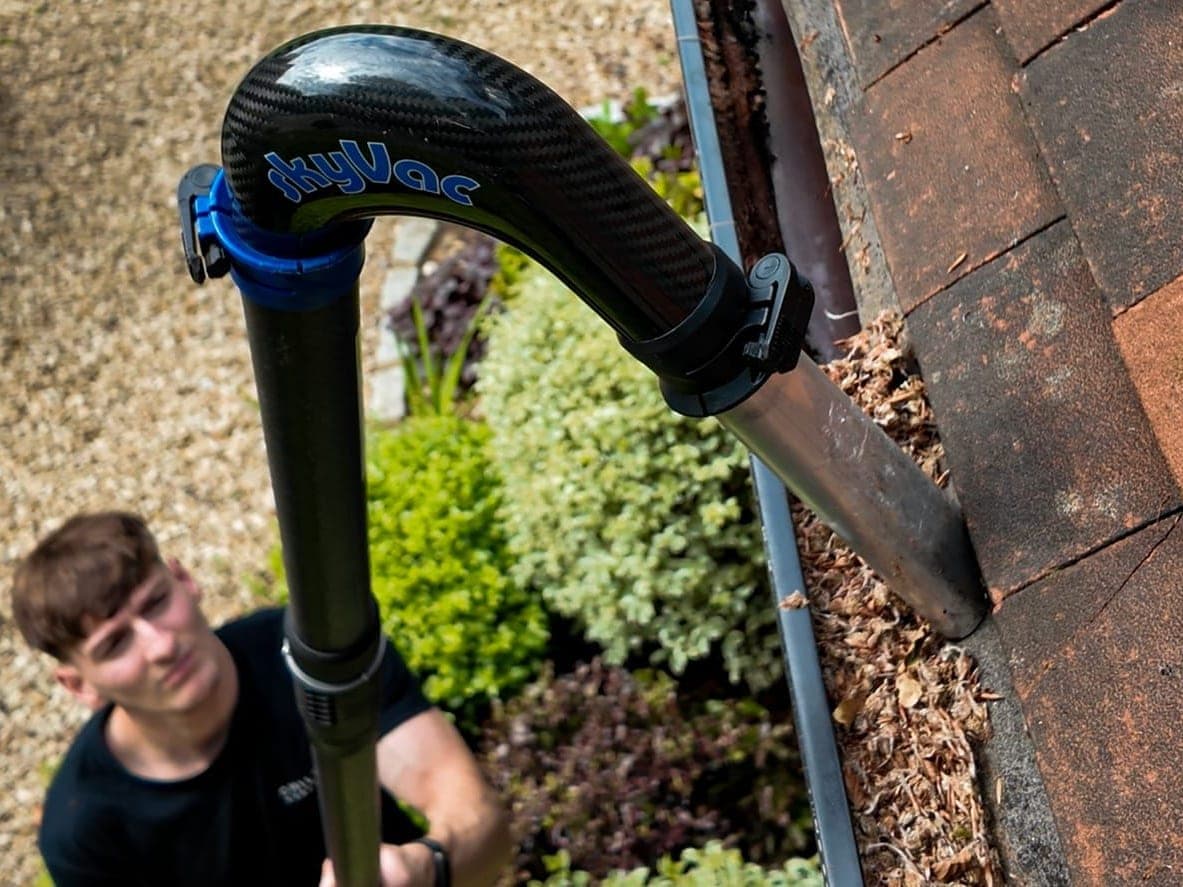
Clear and flush blocked gutters and downpipes to protect your walls, fascias and foundations.
Learn Moreabout Gutter Cleaning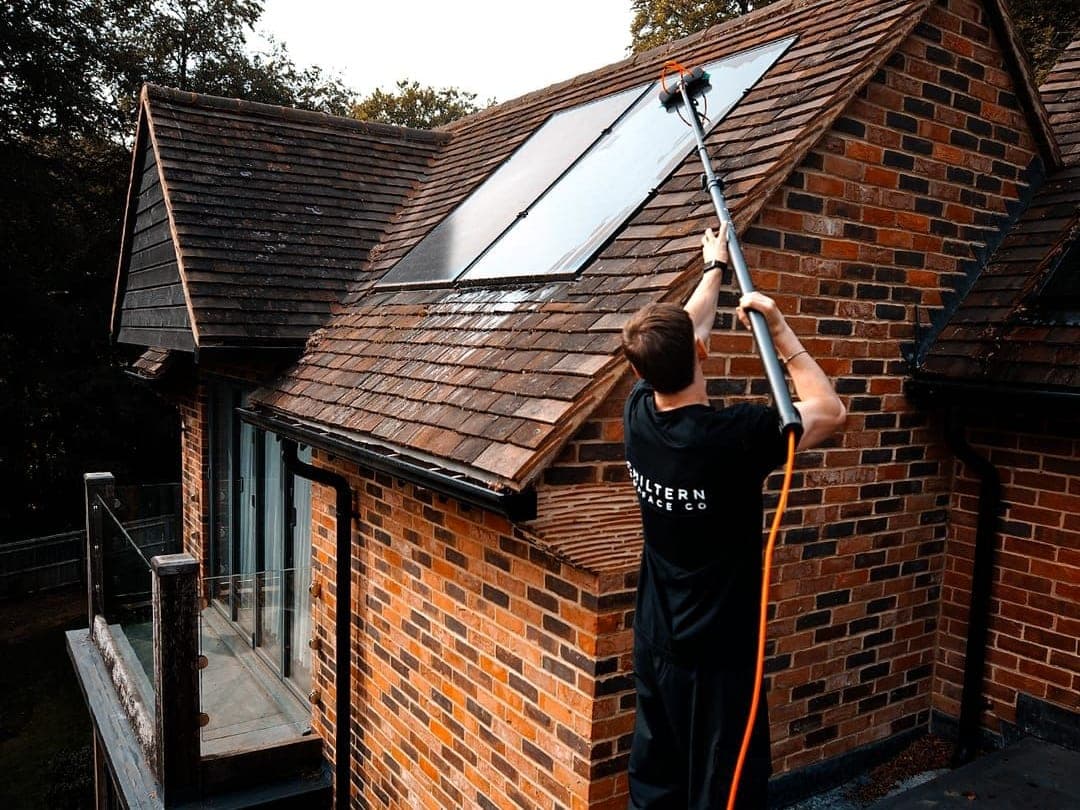
Pure-water cleaning that removes grime and shading to restore your panels' output and efficiency.
Learn Moreabout Solar Panel Cleaning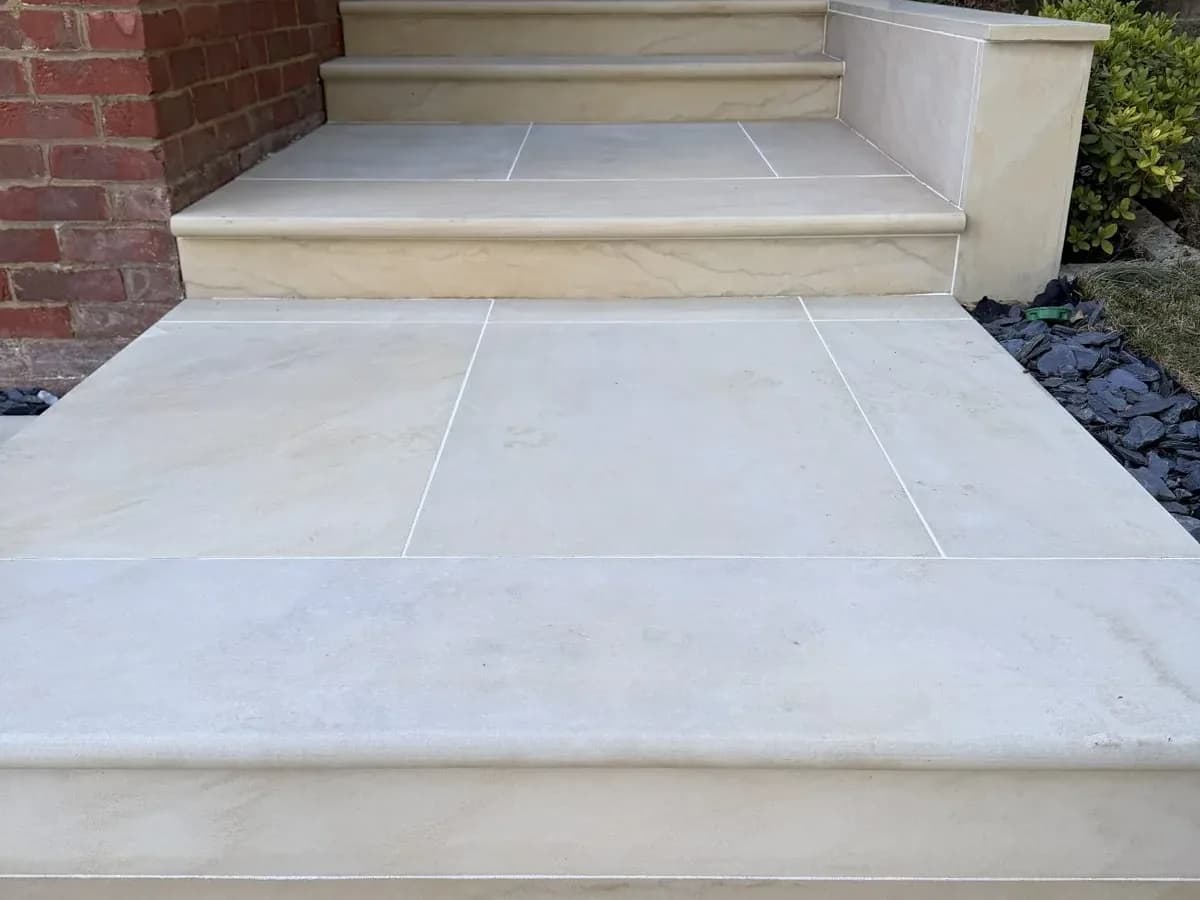
Winter cleaning that removes slippery algae and moss from paths, steps and patios, planned around the forecast.
Advice
Looking after a commercial building, a managed site or a portfolio? Car park and walkway cleaning is handled by our commercial team, surveyed and priced as a specified job.
Chiltern Surface Co
We will look at the blocks, the joints and the edges with you and explain how we would restore them. You receive a clear quotation afterwards to consider in your own time.
We assess your surfaces and recommend the right approach for the best, long-lasting results.
You'll receive a detailed, transparent quote with no hidden extras.
We'll provide honest advice so you can decide what's right for you.
Speak directly with the owner and get expert advice you can trust.