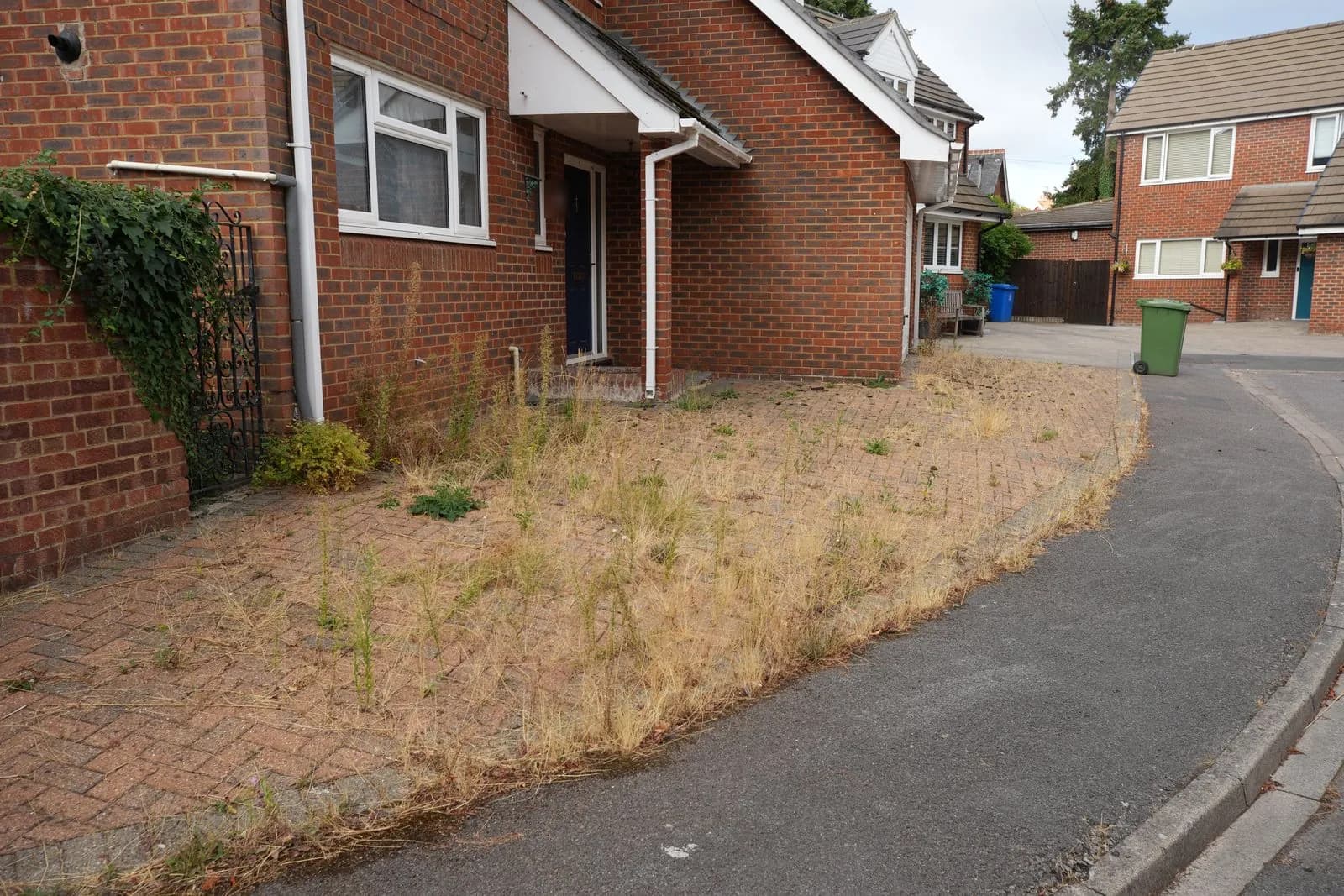
Block Paved Driveway Cleaning in Maidenhead
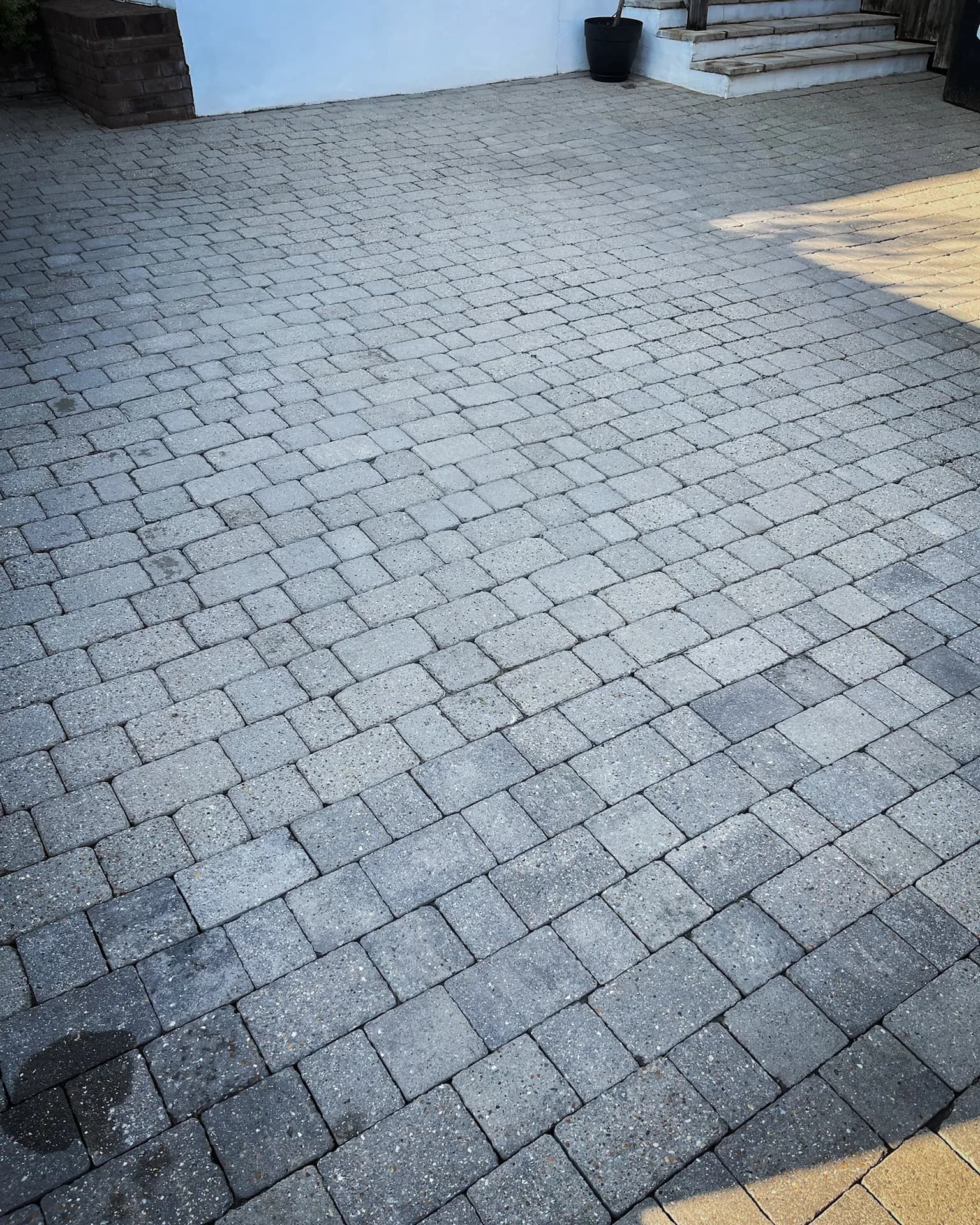
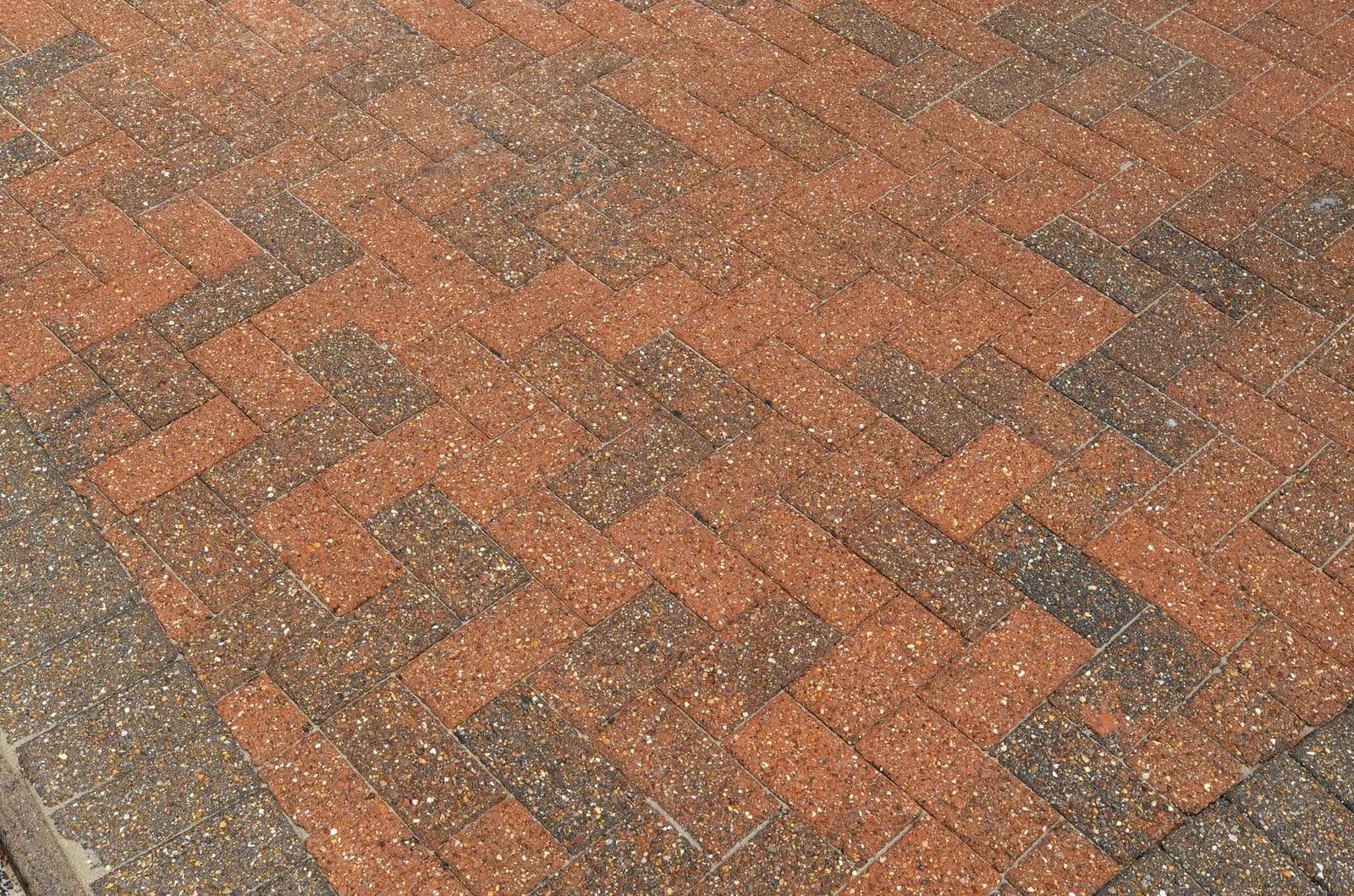
An overgrown block paved driveway in Maidenhead, cleared by hand, deep cleaned, treated with Chiltern EverGuard™, re-sanded with polymeric sand and compacted.
Driveway Cleaning · Berkshire
Alongside its historic centre, Wokingham has a great deal of newer housing, and many of its drives are resin, porcelain or pale block paving facing their first proper clean. We use methods chosen for each surface and finish with Chiltern EverGuard™.
Our approach
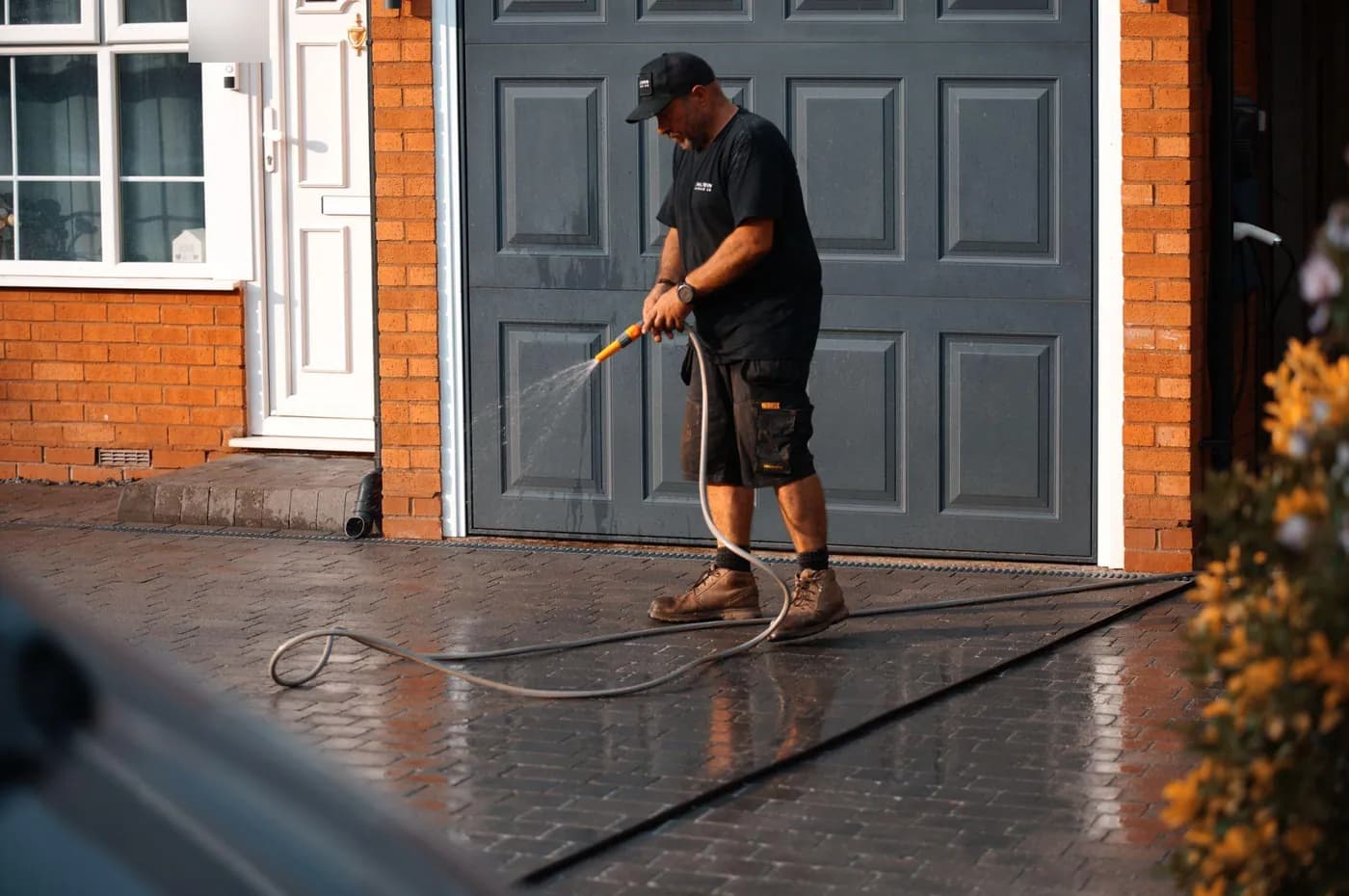
Resin, porcelain and modern block paving all look sharp when laid, and all of them dull with algae, traffic film and grime through ordinary use. The first restoration matters, because harsh cleaning on a young surface can open up resin, scuff porcelain or strip joints that were in good order. We match the method to the material from the start.
Wokingham homes
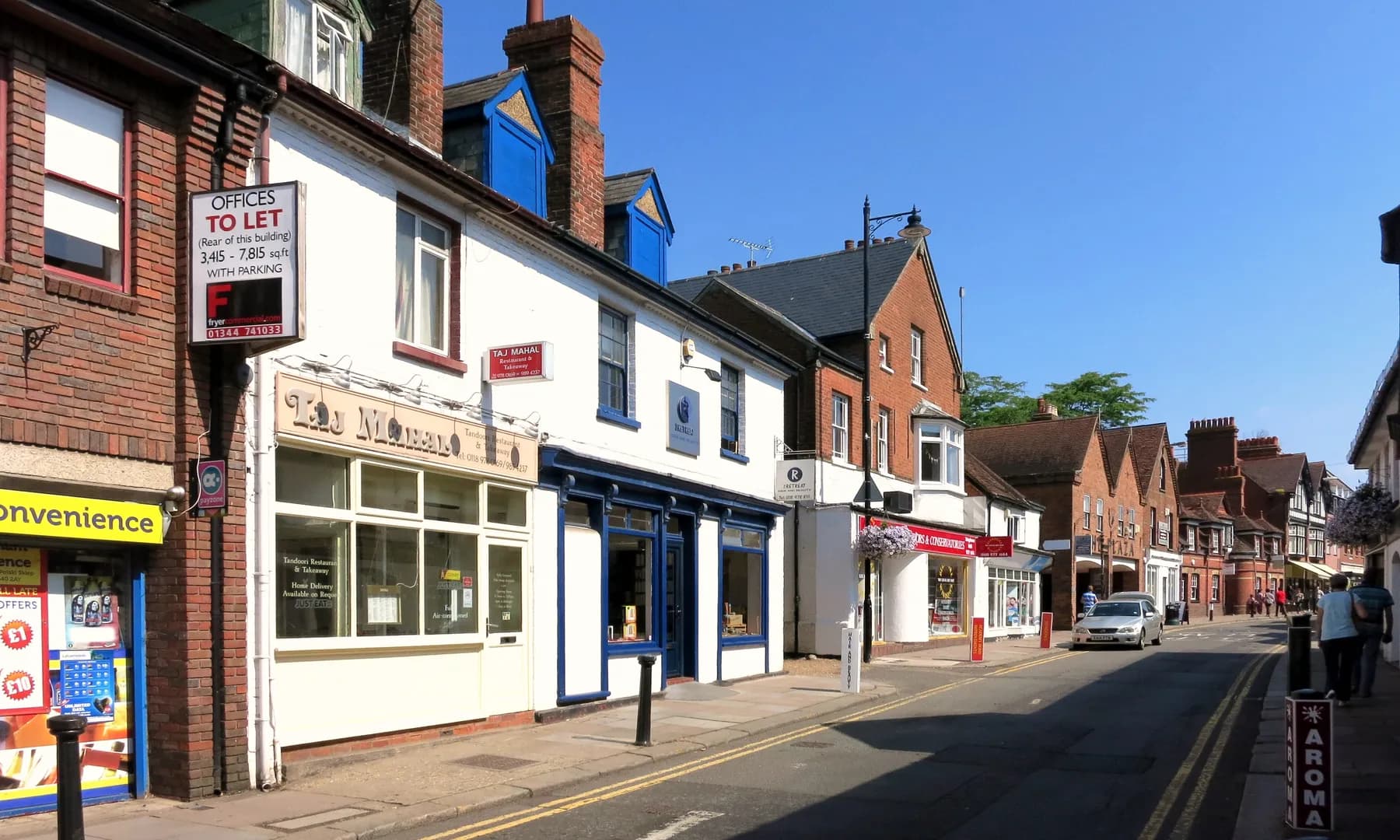
Wokingham's historic core grew up around the Market Place, where some early timber-framed buildings were later faced in brick, and the town centre is protected as a conservation area. Older homes close to the centre tend to have modest frontages in tarmac, concrete or block paving.
Beyond the centre, the town has expanded through established neighbourhoods and a great deal of newer development, including recent homes in the regenerated town centre. Those newer drives are often resin-bound, porcelain or pale block paving, sometimes with pattern-imprinted concrete. Green space and mature planting remain a feature, so hedges and trees shade parts of many drives.
Resin-bound
A resin-bound drive is a layer of aggregate held in resin, with a textured surface where fine dirt, algae and moss settle between the stones. It can look grey and flat even when little growth is visible.
We clean resin at low pressure using methods chosen for resin-bound systems, releasing the contamination from the texture without treating it like dense concrete. Loose aggregate, cracking or installation faults are not caused by dirt and cannot be repaired by cleaning, so we point them out separately. Every resin drive we restore is finished with Chiltern EverGuard™.
Porcelain
Porcelain is dense and cleans up readily, so the work lies in the finish rather than in removing the dirt. Algae, grime and tyre film leave it looking dull, and joints and edges can stay darker than the faces of the slabs once the centre is washed.
We aim for an even result across every slab, with clean, consistent joints and careful work where the drive meets steps, walls or a different material. Extra pressure is unnecessary just because the slab is hard.
Imprinted concrete
Pattern-imprinted concrete is coloured and sealed to give it its finish. Organic growth and staining can be removed with care over the colour, but a dull or patchy look may come from the sealer wearing away rather than from dirt.
More cleaning will not bring back that sheen. Where the sealer has begun to fade, dull or wear, we offer a resealing service, and we explain at the site visit whether your drive needs cleaning, resealing or both.
Older frontages
Closer to the old town, drives are more often block paving or tarmac. Block paving is cleaned, left to dry, compacted with a vibrating plate compactor and refilled at every joint with Chiltern Polymeric Sand. Tarmac is usually being taken over by moss and algae, and it is cleaned with the pressure kept to what its condition allows. Neither is cleaned at a setting meant for a newer, tougher surface.
How we work
The stages do not change between a new resin drive and an older block-paved one. The method inside each does.
At a free site visit we confirm whether the drive is resin, porcelain, imprinted concrete, block paving or a mix, and check its condition and any staining.
We set out the method for each surface, anything we recommend beyond cleaning such as resealing, and what we expect the result to be.
Resin is cleaned at low pressure, porcelain for an even finish, and imprinted concrete with care over its colour, using the least chemical needed.
Block paving is compacted and re-sanded with Chiltern Polymeric Sand, and imprinted concrete is resealed wherever that was agreed beforehand.
Every restored drive receives our own treatment to help slow the return of moss, algae and lichen, and we explain what to expect.
Before you book
A newer drive usually responds very well to the right clean, but some marks belong to the surface rather than the dirt on top of it.
An overgrown block paved driveway in Maidenhead, cleared by hand, deep cleaned, treated with Chiltern EverGuard™, re-sanded with polymeric sand and compacted.
Why us
Resin, porcelain and imprinted concrete each get a method chosen for that material, not the setting used on older paving.
We start from the lowest pressure and least chemical that will work, accepting a slower process rather than risking a young surface.
Where an imprinted drive's sealer has faded or worn, we can reseal it as part of the restoration rather than leave it dull.
Fully insured operatives, a clear quotation before work begins and a straightforward explanation of the finished drive.
Nearby
We also restore driveways in Emmbrook, Woosehill, Winnersh, Barkham, Finchampstead and Arborfield. Newer homes and older ones sit side by side in most of them, so the drive is always identified before the method is chosen.
What Clients Say
Thank you to every client who has trusted us with their home. Your reviews mean a great deal to us. We’re proud to be fully insured, certified professionals — delivering proven results with a customer-focused approach on every single project.
5-Star Rated On Google
Questions
Yes. Resin is cleaned at low pressure using methods chosen for resin-bound systems, so the contamination is released from the texture without stripping the aggregate. Existing loose stones or cracks are pointed out separately.
Often, yes. Algae, tyre film and grime build up on resin, porcelain and pale block paving with ordinary use, and an early, careful clean is easier on the surface than a heavy one later.
Yes. Porcelain cleans up readily, and we concentrate on an even finish across the slabs, clean joints and tidy edges where the drive meets steps, walls or other paving.
Usually because the sealer has worn, not because dirt remains. Cleaning removes growth and staining, but it cannot restore a sheen the sealer no longer gives. Where the sealer has faded or worn away, we offer resealing.
Not always fully. Specialist treatment can significantly reduce most oil staining, but oil that has soaked into the resin layer may remain visible. We look at each mark at the site visit and tell you what is achievable.
Yes. It is applied after every driveway restoration we carry out, including resin and porcelain. Protection typically lasts between 12 and 24 months, depending on the location, the surroundings, the surface and how it is maintained.
More from us
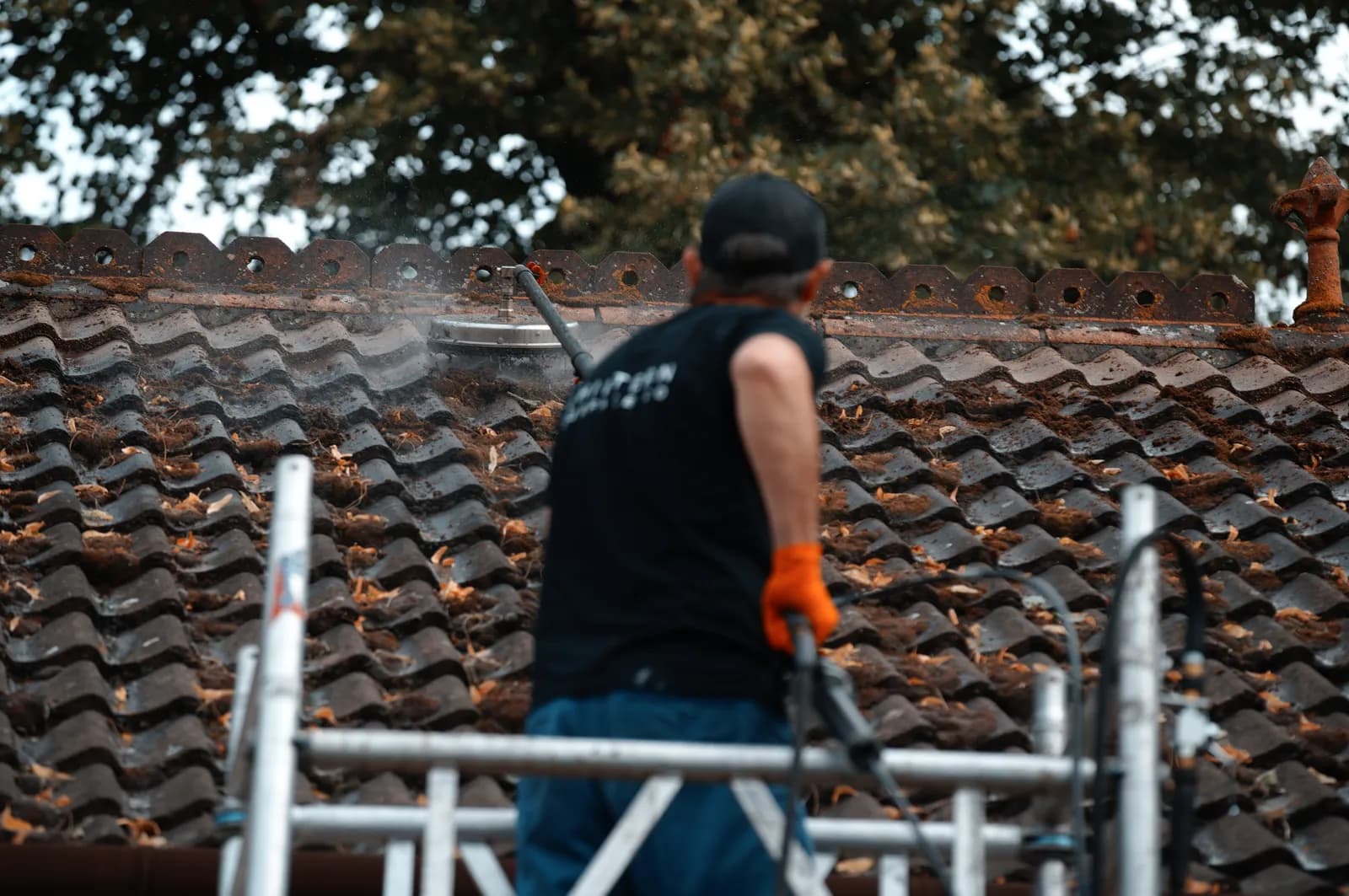
Carefully remove moss, algae and lichens to protect your roof and enhance kerb appeal.
Learn Moreabout Roof Cleaning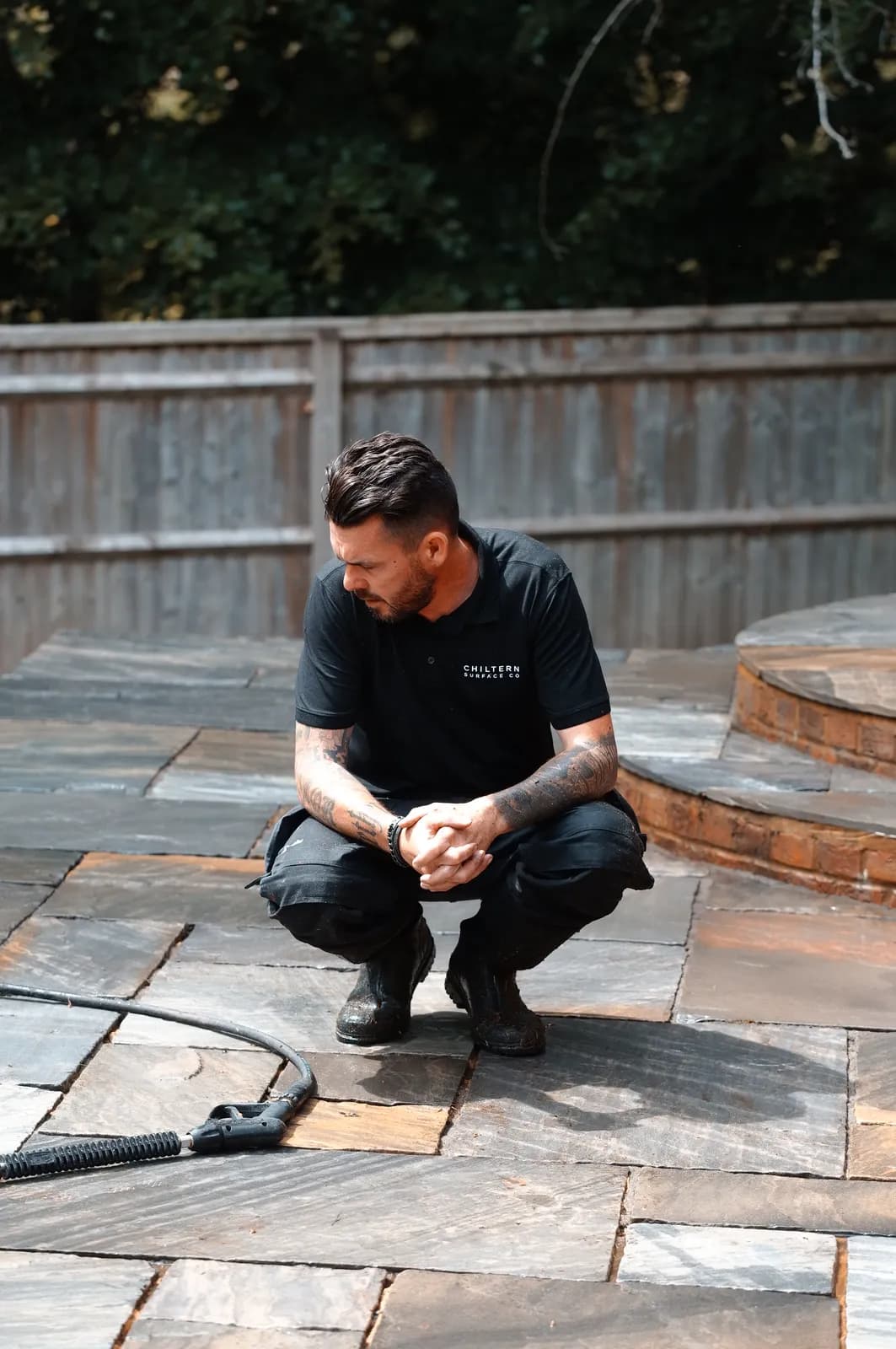
Specialist cleaning and restoration for natural stone, porcelain and concrete patios.
Learn Moreabout Patio Cleaning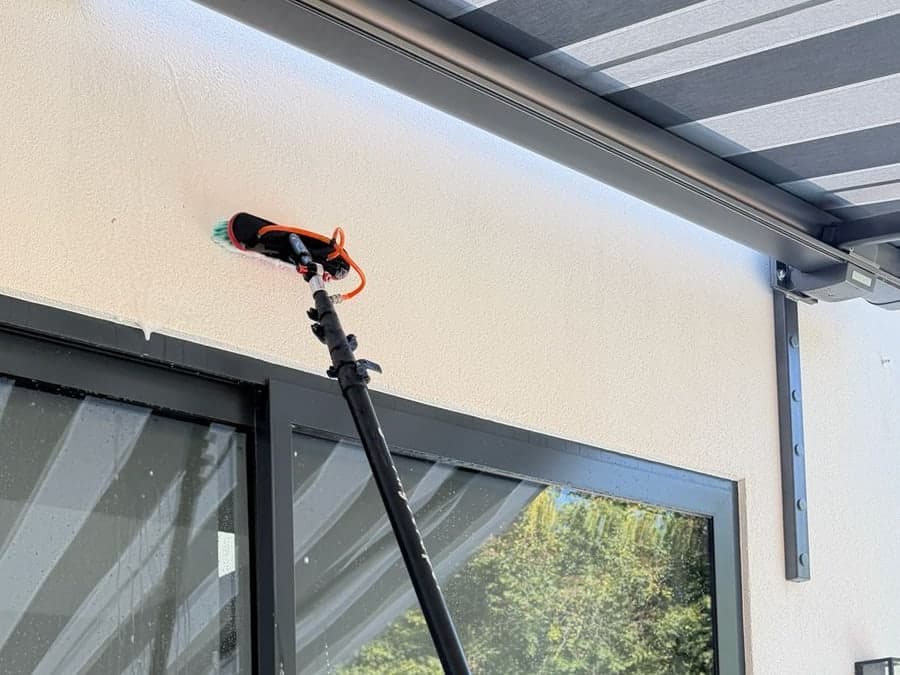
Low pressure soft wash treatment designed to safely remove algae, mould and grime from exterior surfaces.
Learn Moreabout Soft Wash Treatment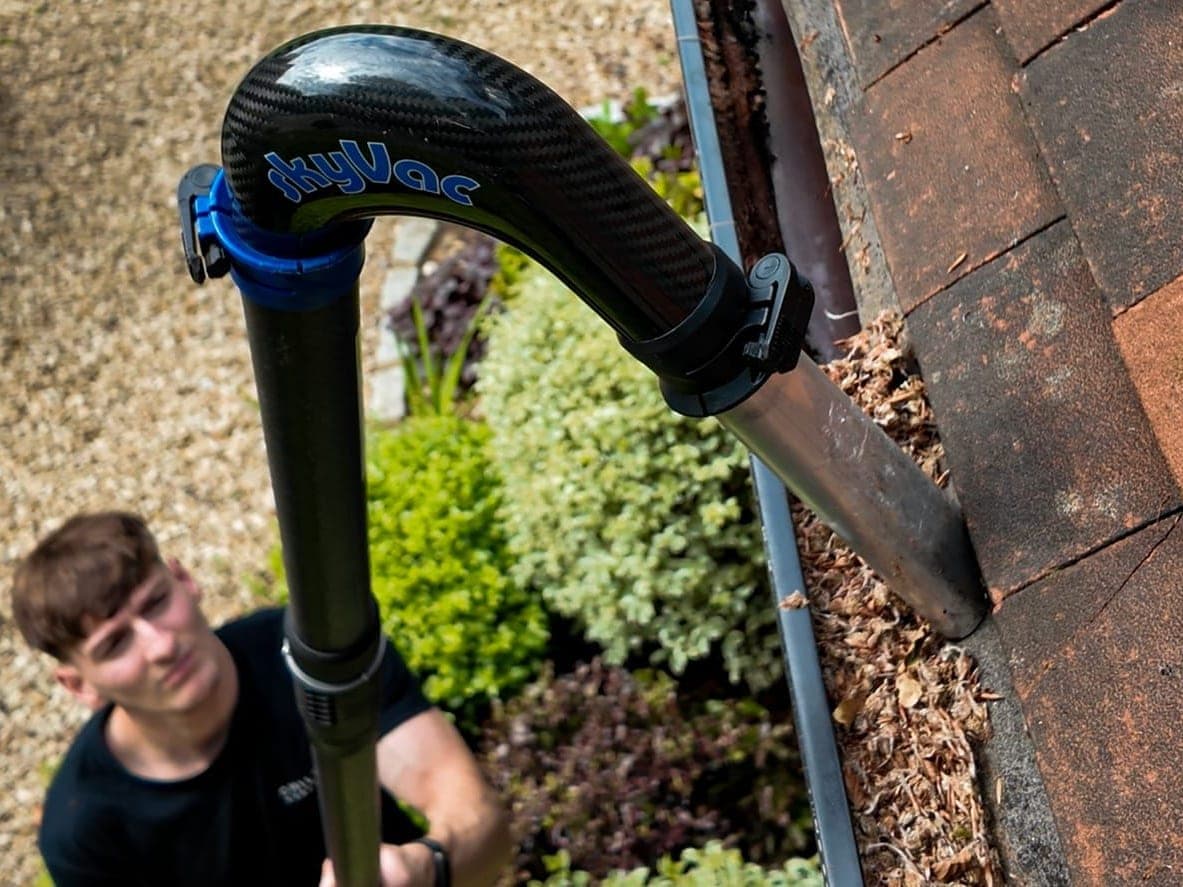
Clear and flush blocked gutters and downpipes to protect your walls, fascias and foundations.
Learn Moreabout Gutter Cleaning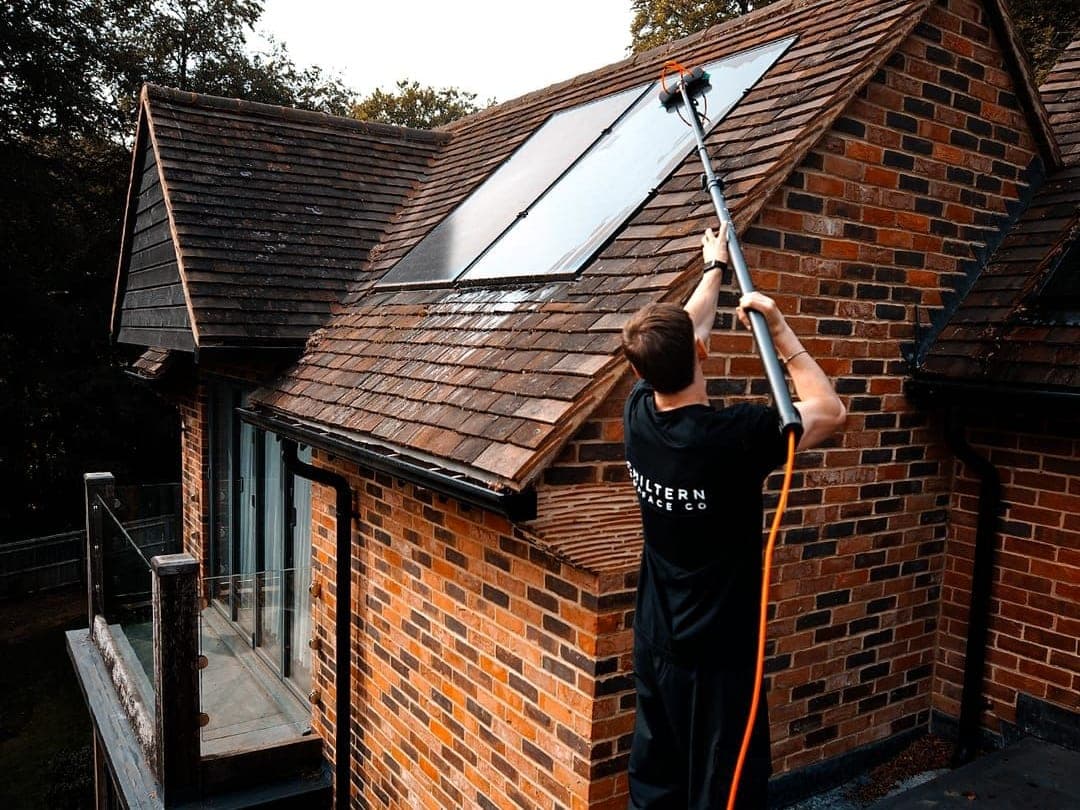
Pure-water cleaning that removes grime and shading to restore your panels' output and efficiency.
Learn Moreabout Solar Panel Cleaning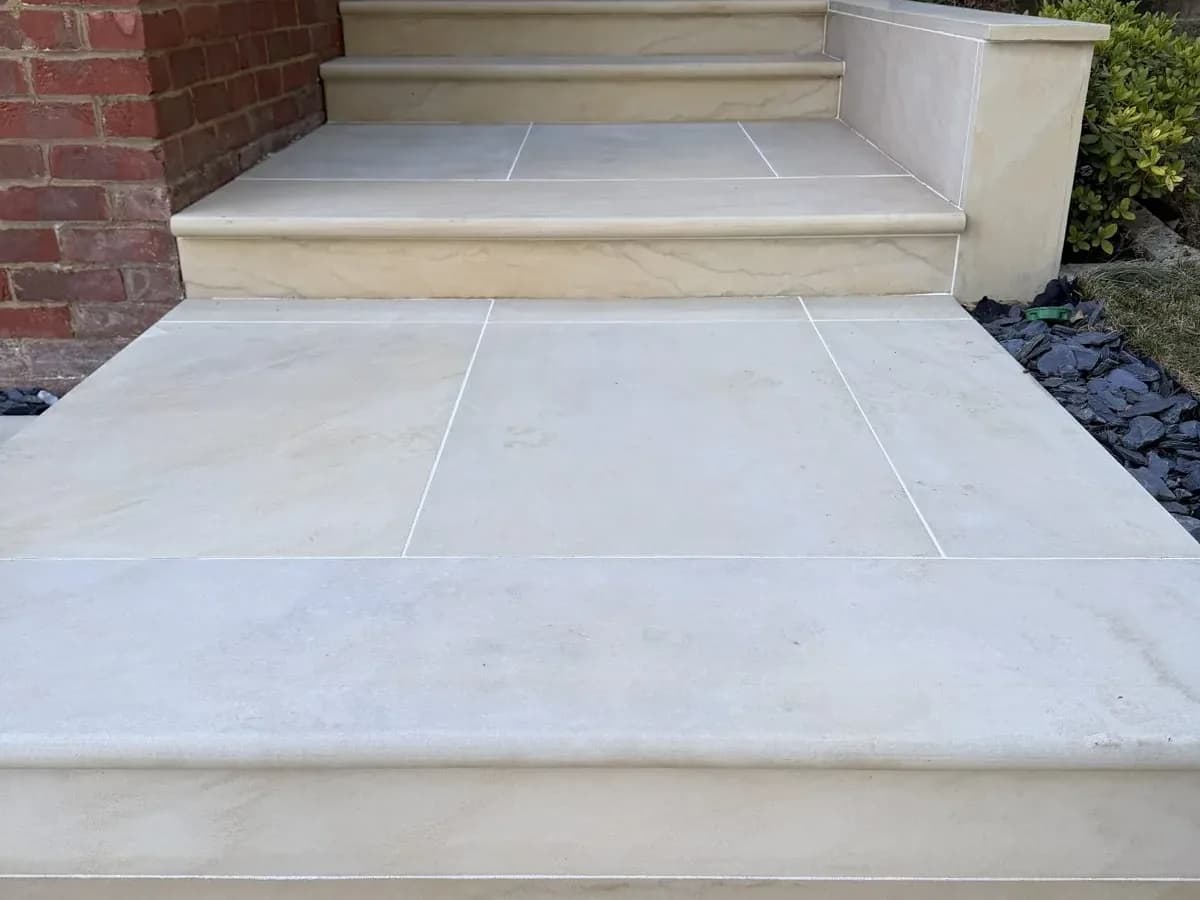
Winter cleaning that removes slippery algae and moss from paths, steps and patios, planned around the forecast.
Advice
Looking after a commercial building, a managed site or a portfolio? Car park and walkway cleaning is handled by our commercial team, surveyed and priced as a specified job.
Chiltern Surface Co
We will identify the surface with you, look at its condition and explain the method we recommend. A clear quotation follows, and nothing is agreed until you are happy with it.
We assess your surfaces and recommend the right approach for the best, long-lasting results.
You'll receive a detailed, transparent quote with no hidden extras.
We'll provide honest advice so you can decide what's right for you.
Speak directly with the owner and get expert advice you can trust.