Slate Roof Moss Removal and Cleaning in Marlow
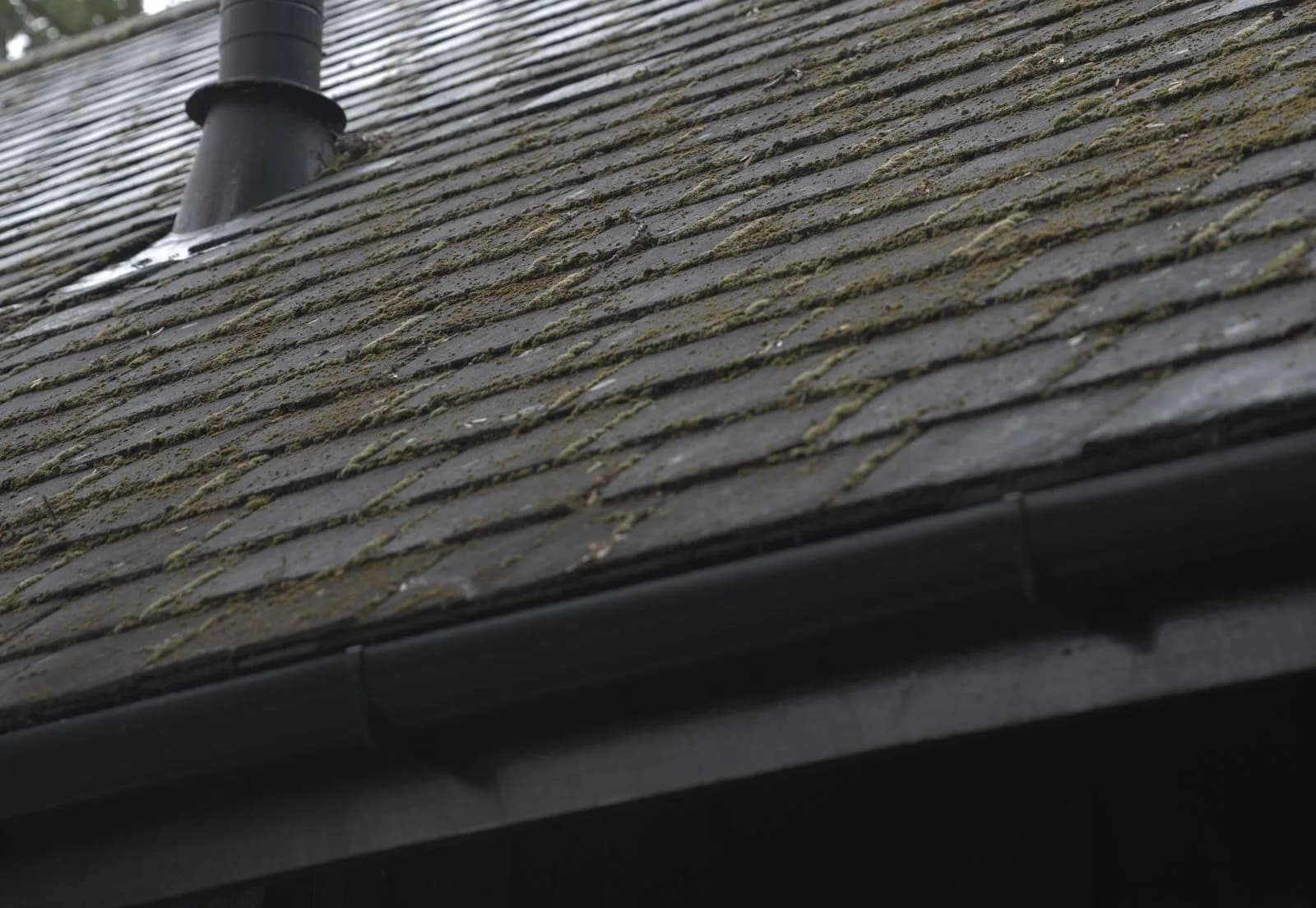
Slate roof moss removal and cleaning in Marlow: a drone survey, scaffold access, carefully controlled low-pressure cleaning and Chiltern EverGuard™.
Roof Cleaning · Berkshire
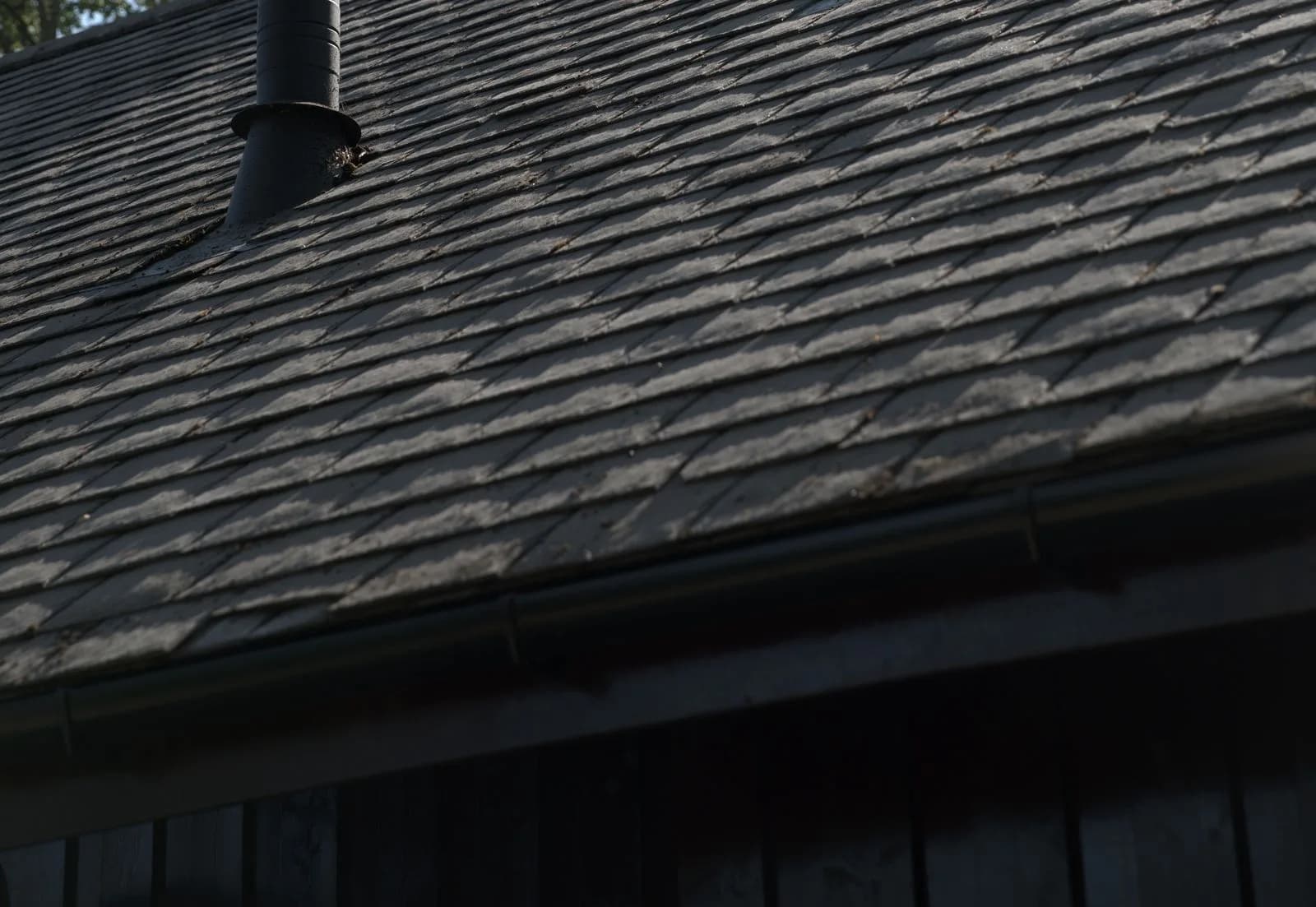
Bisham lies just across the Thames from our base in Marlow, under wooded slopes that keep its roofs shaded and damp. We lift moss from the tile laps by hand, keep rinse water under control and finish with Chiltern EverGuard™.
Our view
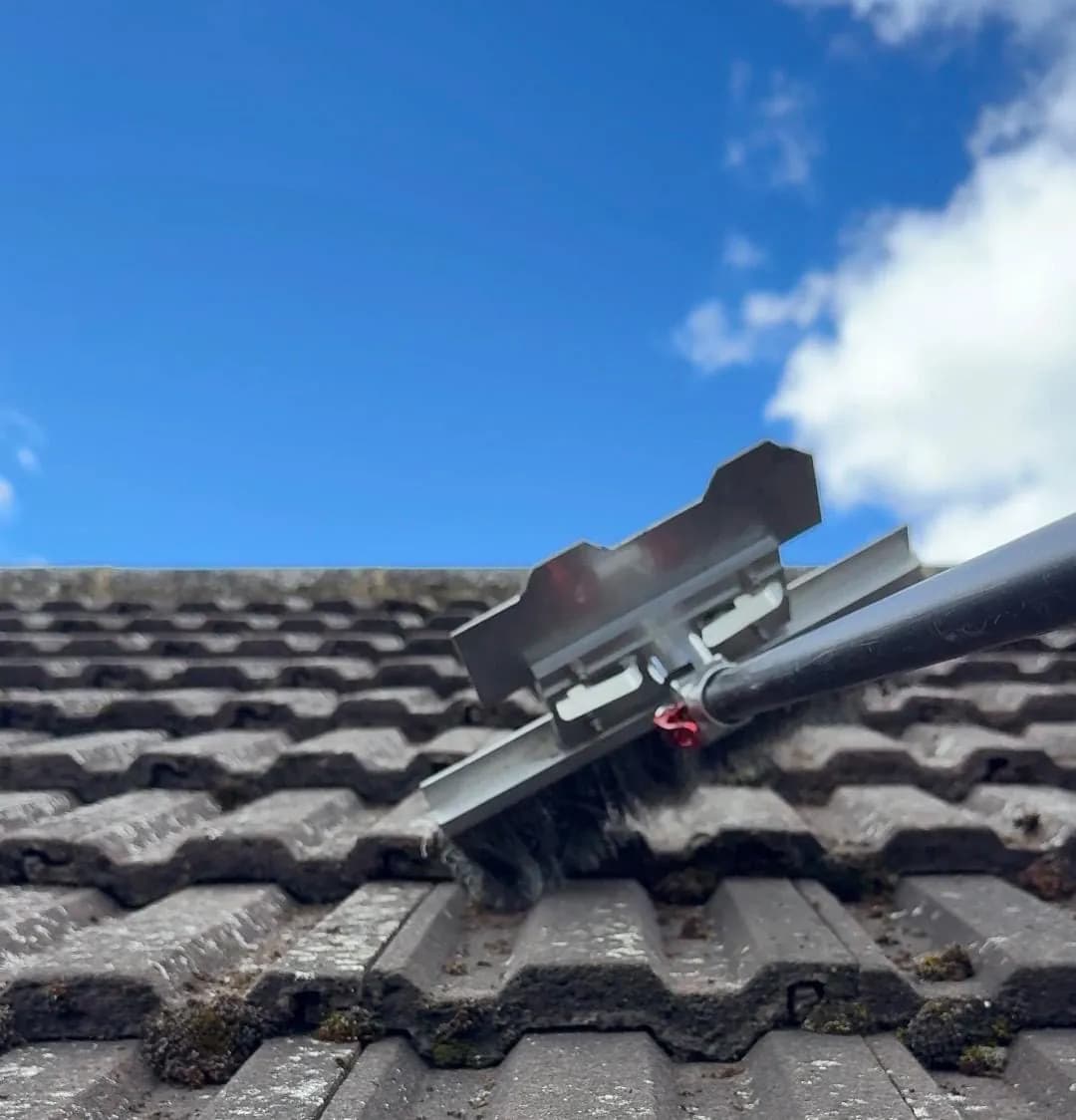
Tiles are laid so that rain runs over each course and off at the eaves. Thick moss interrupts that, bridging gaps, packing the laps and holding water where it should drain. Cleaning has to restore that path without forcing water the wrong way under the tiles, which is why the direction of work matters as much as the method.
Bisham roofs
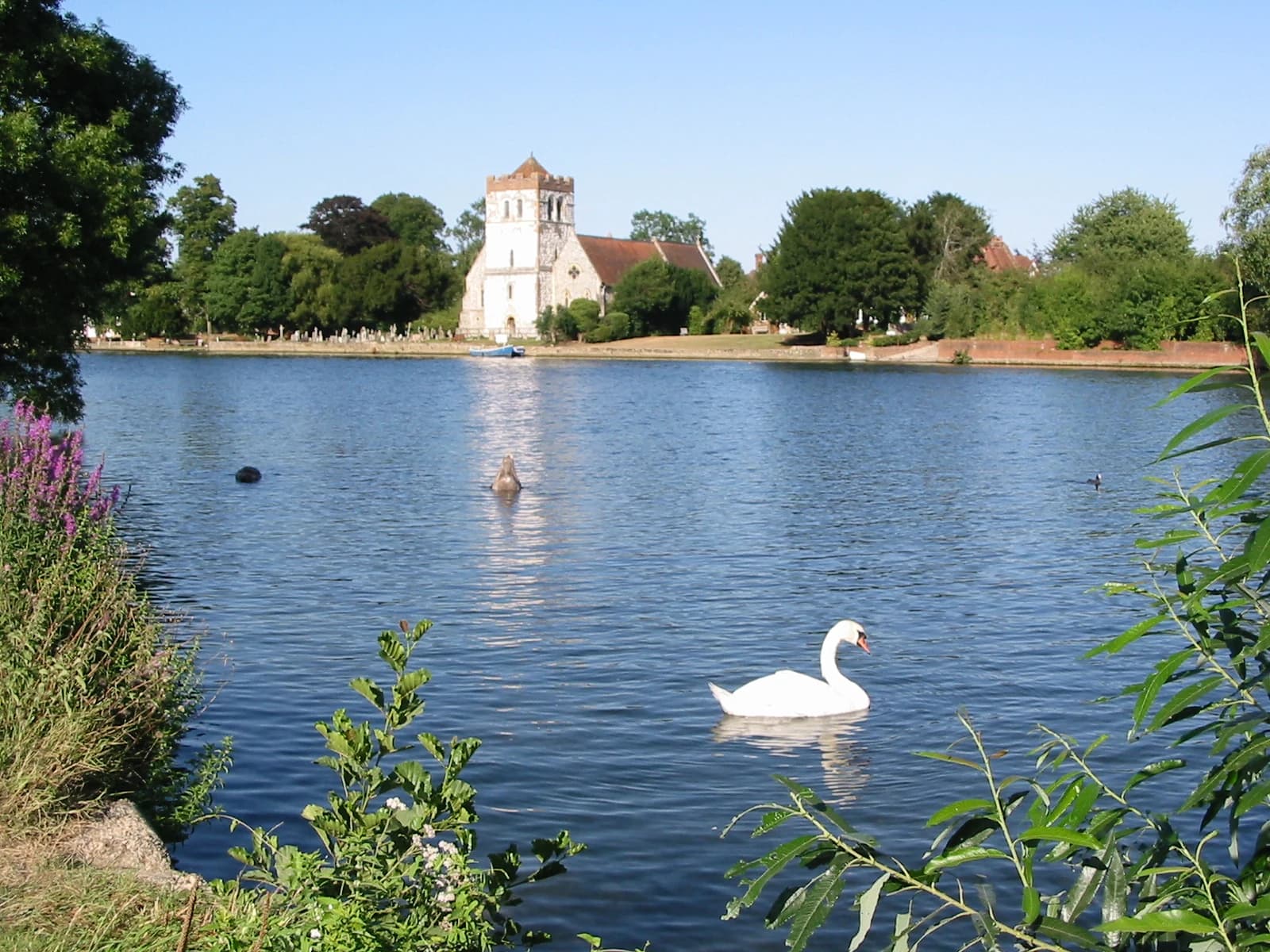
Bisham sits on the south bank of the Thames, opposite Marlow, with steep woodland rising behind the village. Between the river mist and the shade of the trees, many roofs here dry slowly after rain, and a north-facing slope can carry a heavy covering of moss while the sunny side of the same house stays fairly clear.
The village is small but varied: riverside houses, older cottages and character properties, and larger homes set back along private lanes. Clay tiles and slate are common on the older buildings, concrete on later ones. Access is often the practical question, so we check lanes, parking and where an access tower can stand during the site visit.
Tile laps
The face of a tile is only part of the roof. Each course overlaps the one below, and those laps fill with moss fragments and fine debris that hold moisture against the tile. Water aimed up the slope into a lap pushes that material, and the water itself, where it should never go.
We work down the slope, in the direction the roof sheds rain. Moss is lifted out of the laps by hand with scrapers and brushes on poles, and any cleaning that follows is set low and directed with the lay of the tiles.
Edges
The edges of a roof weather differently from the middle. Verges catch wind-blown debris from the woods, and the lowest courses receive everything rain carries down the slope. After a heavy covering is removed, these strips can still look darker than the main field of tiles.
We treat the perimeter as its own area within the clean, working the verge and eaves courses carefully and clearing what comes off them from the gutter below.
Near the river
On properties near the bank, where rinse water goes is part of the job. We use as little water as the method allows, direct it away from the river edge and from planting, and collect loosened moss rather than letting it wash away.
Protection
Every roof we clean is finished with the Chiltern EverGuard™ Treatment. It penetrates the surface to deal with the spores and leftover growth that cleaning cannot always reach, and it helps slow how quickly moss and algae return; it is not a barrier that stops growth for good.
Under wooded slopes by the river, expect protection to sit towards the lower end of its typical range of 12 to 24 months. It goes on in settled, frost-free weather, and we email to offer a free reassessment as that period closes.
Order of work
Each stage follows the last in the same order on every roof. In the village, the planning stage also covers lane access and the river edge.
We look at the roof, the lane access and the ground below, using a drone where appropriate and sharing the live view with you as we go.
Our report sets out the method, the working direction, how run-off will be handled and why, with a defined statement of works and a clear quotation.
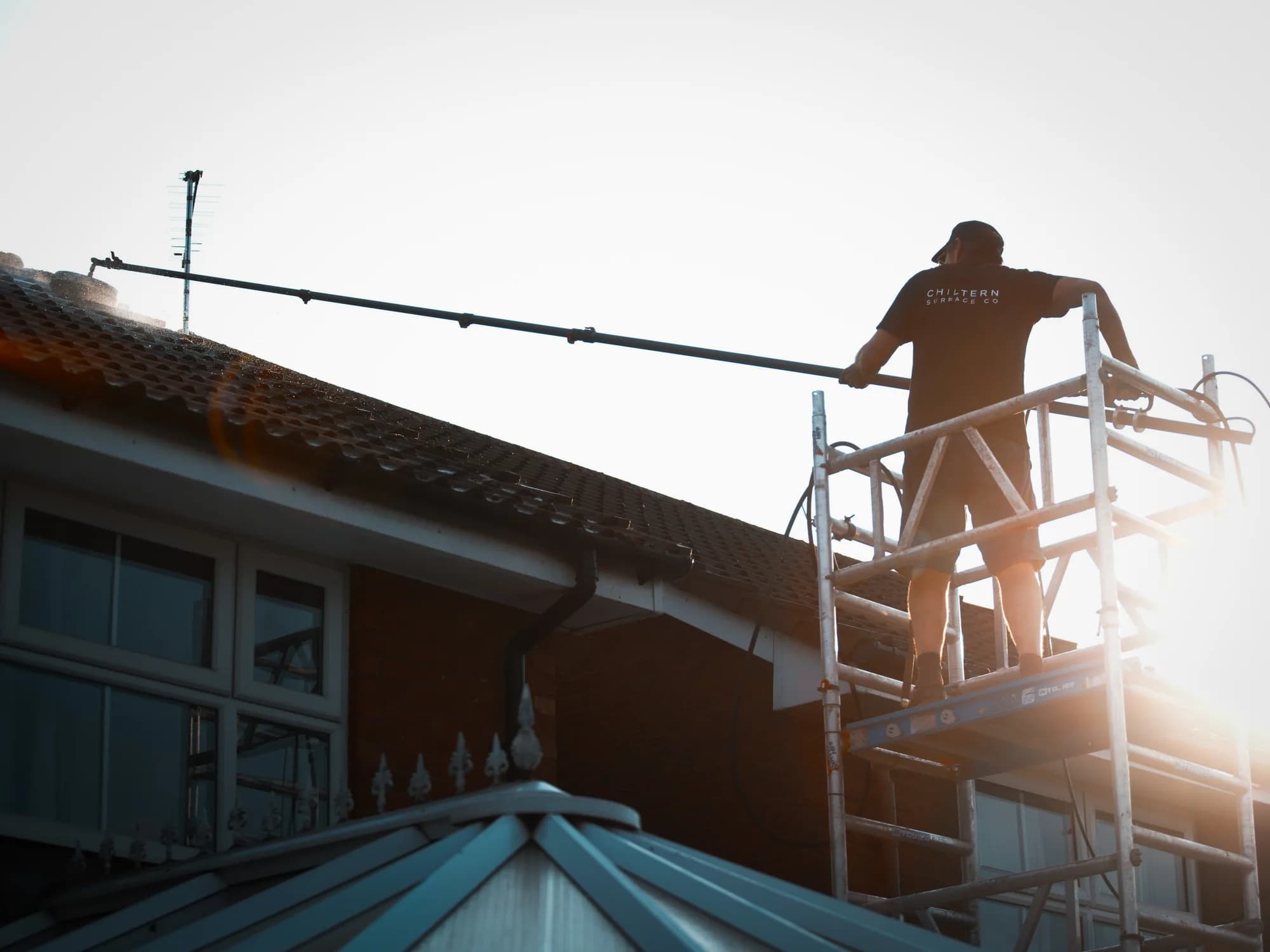
From access towers, platforms and poles beside the roof, never on it, operatives scrape and brush the moss out of the laps, working down the slope.
Any cleaning follows the lay of the tiles at the lowest pressure that works, or by soft wash. The treatment is applied in settled weather with no frost.
Moss is cleared from the gutters, downpipes are checked, and the project lead goes over the finished roof with you and explains the aftercare.
Good to know
Dark staining that remains once the moss is gone is often growth fixed into the surface. Chasing it with more force would wear the tile, so we leave that work to the treatment and the weather, and the roof typically keeps improving after we leave.
Slate roof moss removal and cleaning in Marlow: a drone survey, scaffold access, carefully controlled low-pressure cleaning and Chiltern EverGuard™.
Why us
Our Marlow base sits on the opposite bank, so the shade and river damp that shape Bisham roofs are conditions we see on our own doorstep.
Moss and debris are moved down the slope, the way the roof sheds rain, so nothing is driven up under the laps.
Run-off is controlled and moss is bagged and removed, which matters on properties this close to the Thames.
Fully insured operatives who work from proper access equipment, never on the tiles, and a project lead who hands the work over in person.
Nearby
We also clean roofs across the bridge in Marlow and Little Marlow, upstream in Hurley and Medmenham, and downstream in Cookham and Bourne End. The river shapes conditions in all of them in much the same way.
Roof Cleaning in nearby towns
What Clients Say
Thank you to every client who has trusted us with their home. Your reviews mean a great deal to us. We’re proud to be fully insured, certified professionals — delivering proven results with a customer-focused approach on every single project.
5-Star Rated On Google
Questions
Yes. Dense moss bridges small gaps and packs the overlaps between tiles, holding water where it should run off. It also sheds into the gutters as it dries, which can block the outlets below.
No. We work down the slope with the lay of the tiles, lift moss from the laps by hand and keep any pressure low and directed away from the overlaps, so water is not forced where it should not go.
Yes. We use as little water as the method allows, steer rinse water away from the bank and planting, bag the moss we remove and keep treatment off borders and lawns.
Usually, yes. Parking, turning and where an access tower can stand are checked at the site visit, so the access plan is settled before the day rather than worked out on arrival.
Some staining is growth fixed into the tile surface rather than loose moss. Rather than wearing the tile to chase it, we let the Chiltern EverGuard™ Treatment and the weather fade it gradually after the visit.
No. Cleaning removes growth and debris; repairs are a roofer's work. Taking the moss off often makes an existing problem easier to see, and we will point out anything we notice.
Its typical range is 12 to 24 months. A roof that sits in the shade of the woods will usually fall nearer the lower figure, an open one nearer the upper. We email as the period ends to offer a free reassessment.
More from us
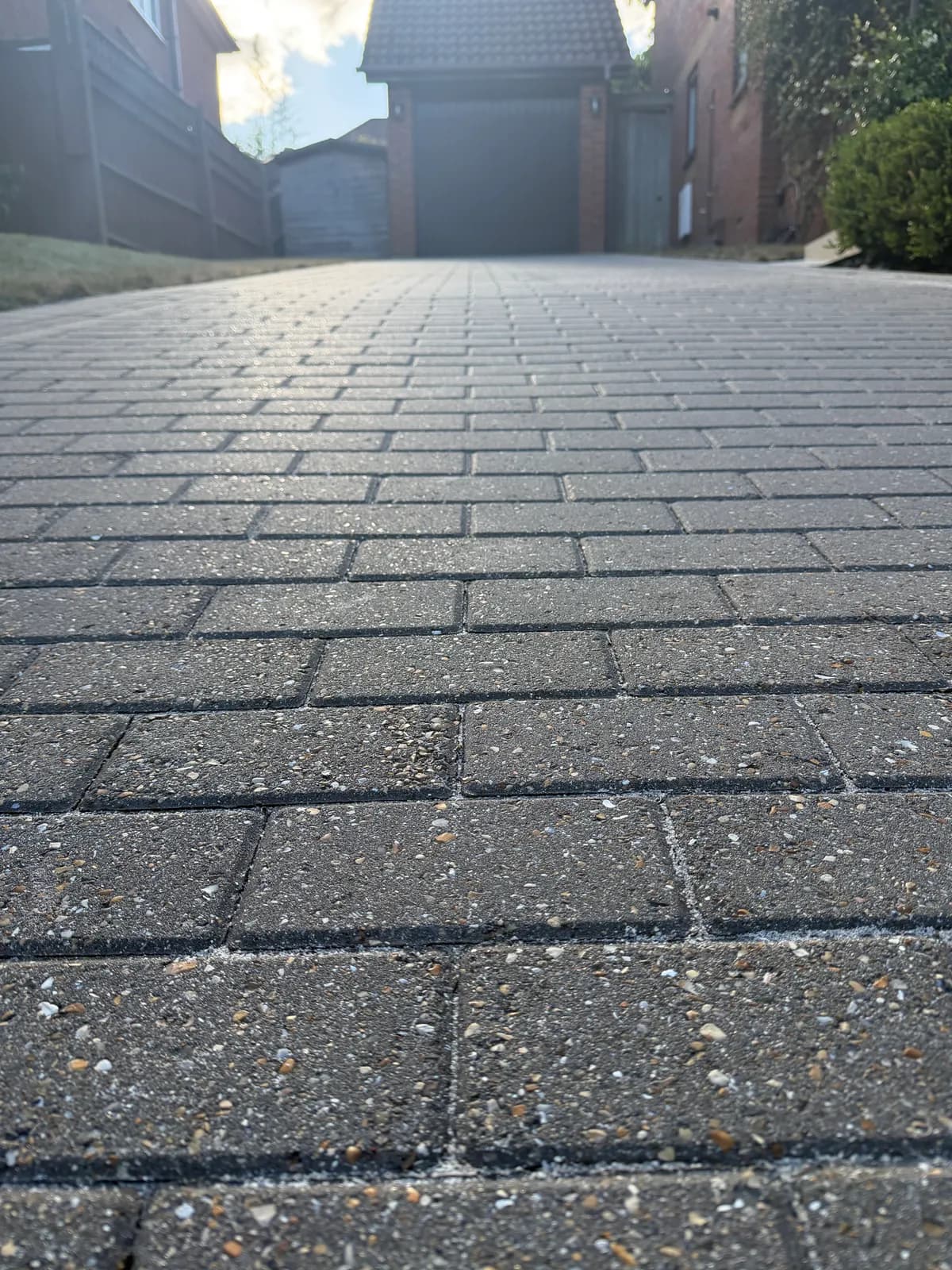
Professional cleaning for block paving, tarmac and resin driveways, restoring colour and removing stains.
Learn Moreabout Driveway Cleaning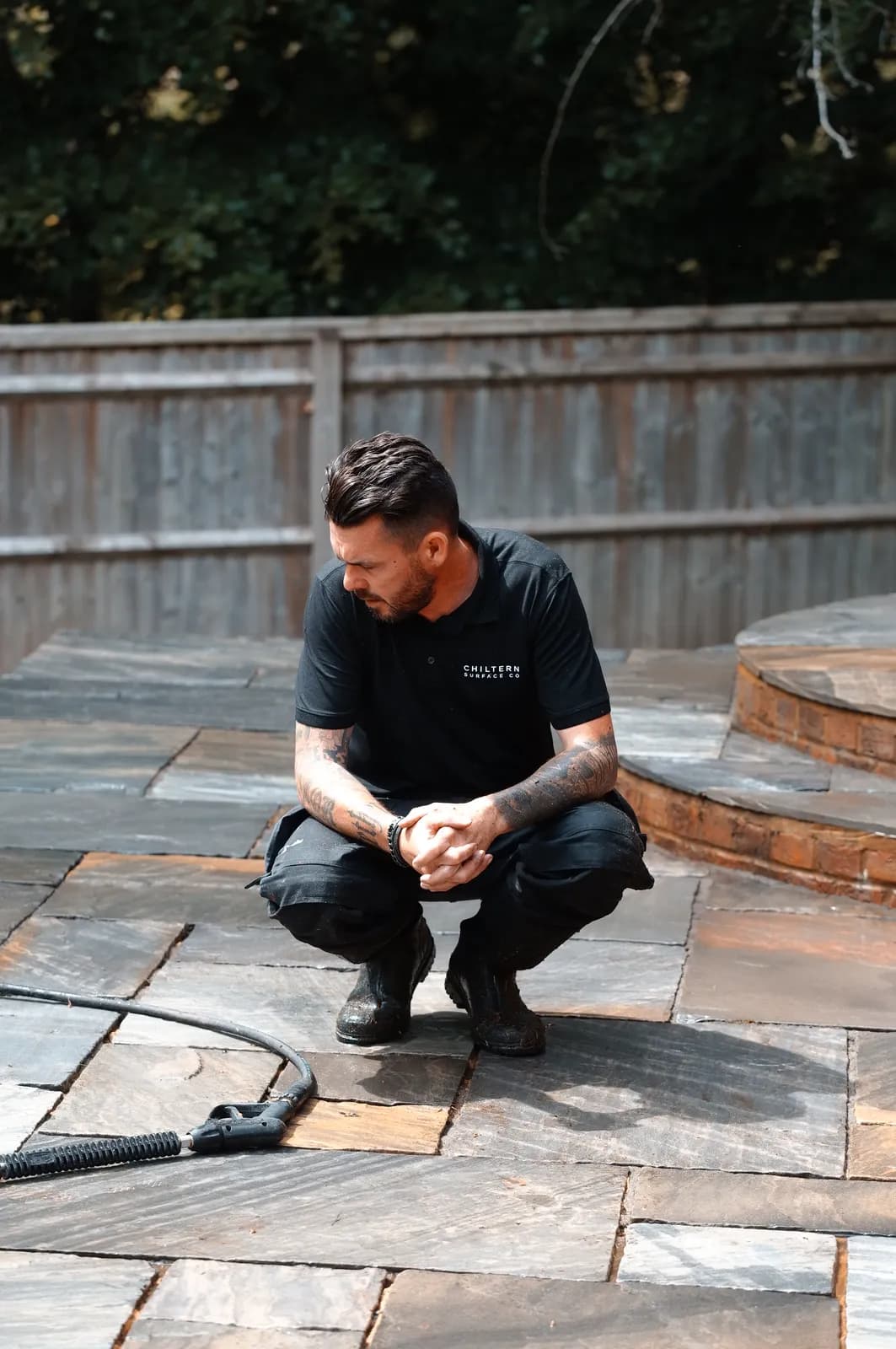
Specialist cleaning and restoration for natural stone, porcelain and concrete patios.
Learn Moreabout Patio Cleaning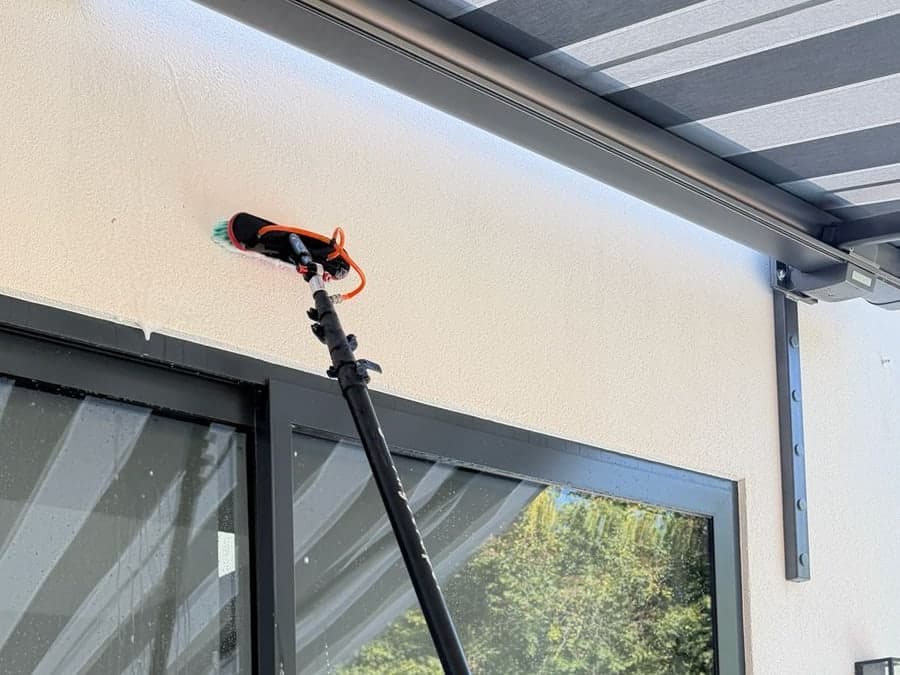
Low pressure soft wash treatment designed to safely remove algae, mould and grime from exterior surfaces.
Learn Moreabout Soft Wash Treatment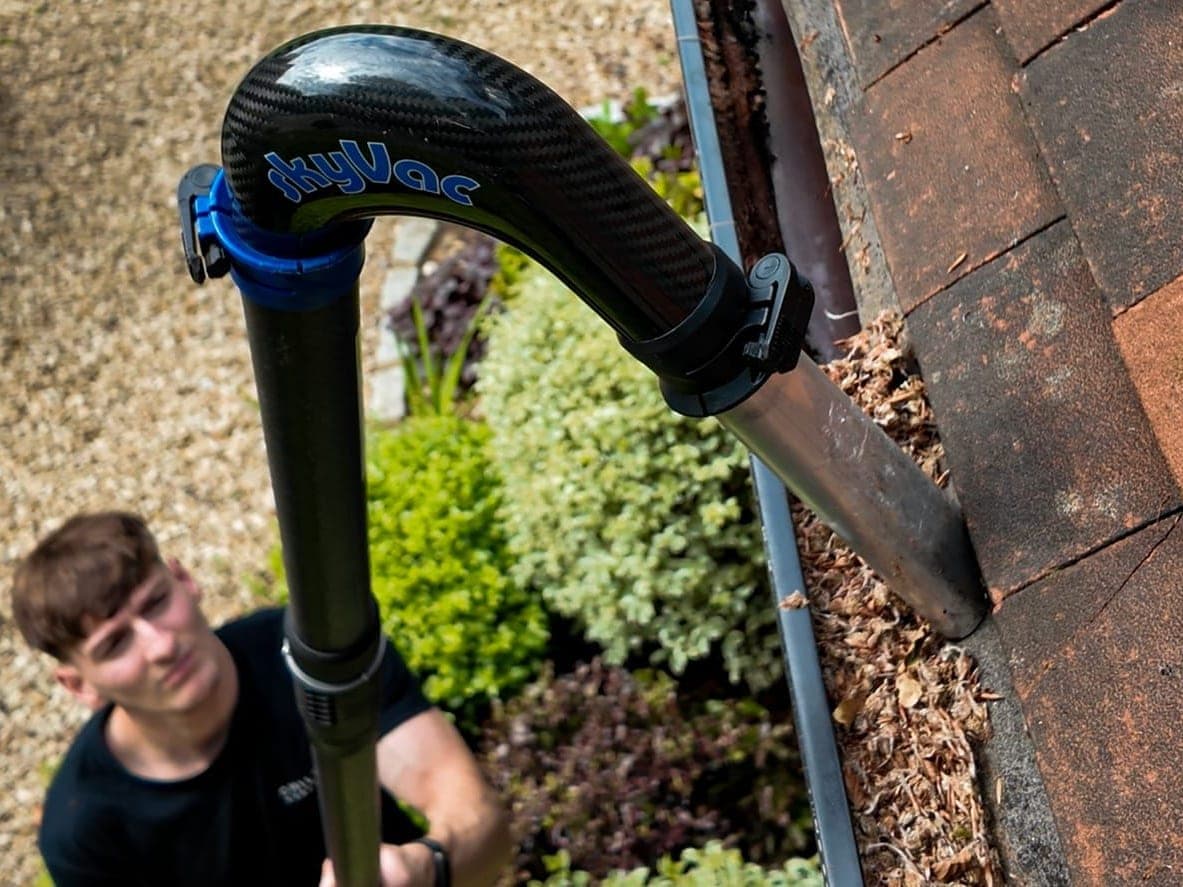
Clear and flush blocked gutters and downpipes to protect your walls, fascias and foundations.
Learn Moreabout Gutter Cleaning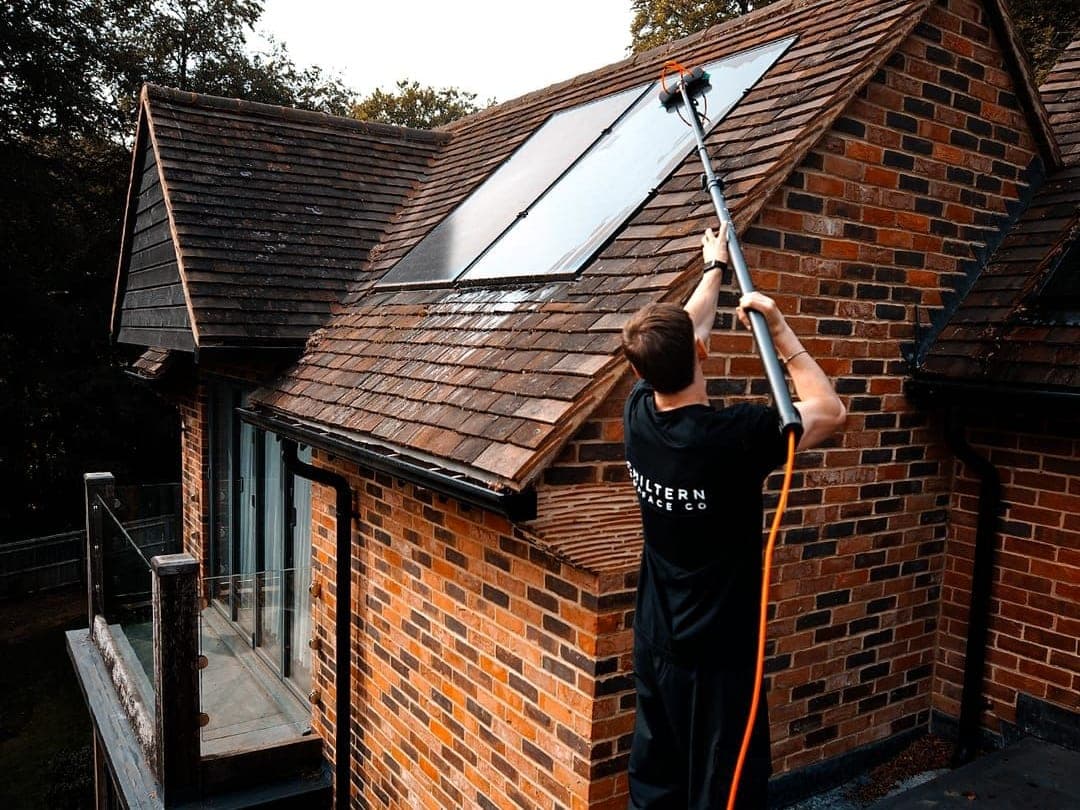
Pure-water cleaning that removes grime and shading to restore your panels' output and efficiency.
Learn Moreabout Solar Panel Cleaning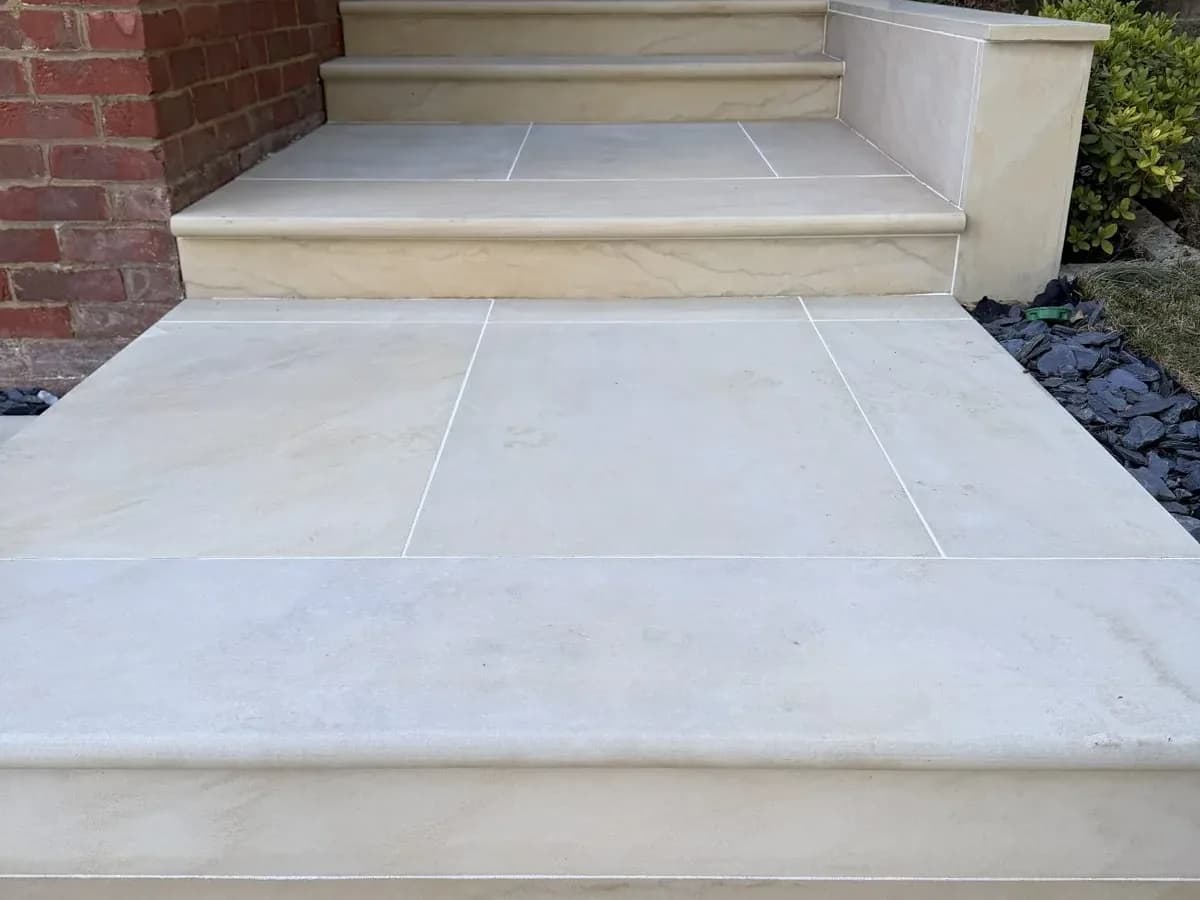
Winter cleaning that removes slippery algae and moss from paths, steps and patios, planned around the forecast.
Advice
Looking after a commercial building, a managed site or a portfolio? Commercial roof cleaning is handled by our commercial team, surveyed and priced as a specified job.
Chiltern Surface Co
We will look at the roof with you, explain what is growing and how water is moving across it, and recommend a method. A clear quotation follows, with no pressure to proceed.
We assess your surfaces and recommend the right approach for the best, long-lasting results.
You'll receive a detailed, transparent quote with no hidden extras.
We'll provide honest advice so you can decide what's right for you.
Speak directly with the owner and get expert advice you can trust.