

To clean exterior windows from inside, use the window opening safely, wash the exterior glass with mild solution, then dry the pane. Magnetic cleaners, U-shaped poles and tilt-in sashes help you reach outside glass without leaning out.
The safest method depends on your window type, access, height and surrounding exterior surfaces. You should never climb through, lean over a sill, or stretch beyond 6 inches (15cm) past the frame.
Homeowners search how to clean exterior windows from inside because upstairs glass creates access problems. The right method removes dirt without unsafe movement.
A safe plan for how to clean exterior windows from inside starts with 3 checks: glass type, opening type and reach distance.
Write how to clean exterior windows from inside as a 4-step plan before wet cleaning starts.
You can clean exterior windows from inside when the pane opens inward, slides, tilts or accepts a secure cleaning tool.
Rented homes also need how to clean exterior windows from inside to follow lease and building rules.
How to Clean Exterior Windows from Inside Safely
To clean exterior windows from inside safely, keep your body inside the room and choose tools that match the window design. Safety comes before a spotless pane on every upper-floor window.
Treat how to clean exterior windows from inside as unsuitable when the window restrictor blocks safe tool placement.
Start with a locked room position, stable floor space and clear access around the window. Move chairs, plant pots and cables at least 3 feet (90cm) away.
Open the window only as far as the hinge, restrictor or sash mechanism allows. Never force a restrictor, hinge, tilt latch or handle.
Use the shortest safe tool first. A 23-inch to 55-inch (58cm to 140cm) U-shaped pole suits many flats and first-floor rooms.
Use a magnetic cleaner only when the magnet rating matches your glass thickness. Double glazing often measures 24mm to 28mm (0.94in to 1.1in).
Attach the outside magnetic pad with a safety cord before placing the cleaner on the glass. Tie the cord to a firm handle or wrist loop.
Avoid ladders inside rooms. Indoor ladders can slip on laminate, tile and carpet, especially during wet window cleaning.
Which Window Types Let You Clean Exterior Glass from Inside?
3 window types give the easiest indoor access to exterior glass: tilt-and-turn windows, sash windows and wide-opening casement windows. Roof windows also rotate on many modern designs.
Check the window mechanism before adding water. Dirt, rust, paint build-up and stiff hinges can stop safe movement.
Stop the job when the window sticks, drops, scrapes or fails to lock again. A faulty window needs repair before cleaning continues.
How to Clean Tilt-and-Turn Windows from Inside
To clean tilt-and-turn windows from inside, turn the handle to the inward-opening position and support the sash with 2 hands. Keep the glass above a towel or drip tray.
Wipe the exterior face with a damp microfibre cloth and mild washing-up liquid. Use 2 drops of liquid in 1 quart (950ml) of warm water.
Dry the glass with a lint-free cloth. Wipe the rubber gasket, hinge area and lower frame channel before closing the window.
How to Clean Sash Windows from Inside
To clean sash windows from inside, open the sash lock, release the tilt latches and bring the sash inward slowly. Support the bottom rail throughout the movement.
Clean the top sash first when both sashes tilt inward. Replace the top sash before lifting and locking the lower sash.
Vacuum the tracks with a narrow nozzle. A 0.5-inch (1.2cm) brush removes grit from corners without scratching timber or uPVC.
How to Clean Casement Windows from Inside
To clean casement windows from inside, open the window until the hinge exposes the exterior glass safely. Keep shoulders inside the room.
Use a U-shaped pole when the outer edge sits beyond hand reach. Move the pad from top to bottom in slow strokes.
Close the casement once the exterior glass dries. Wipe the handle, hinge and seal so moisture does not sit on metal parts.
What Tools Work Best for Cleaning Exterior Windows from Inside?
5 tools work well for indoor access: magnetic cleaners, U-shaped poles, microfibre cloths, small squeegees and window vacuums. Each tool solves a different access problem.
The right answer to how to clean exterior windows from inside depends on 4 tools: cloth, pole, magnet and squeegee.
A complete kit for how to clean exterior windows from inside should stay light, washable and easy to control.
Product choice for how to clean exterior windows from inside should match glass thickness and frame material.
How to Clean Exterior Windows from Inside in Flats and Upper Floors
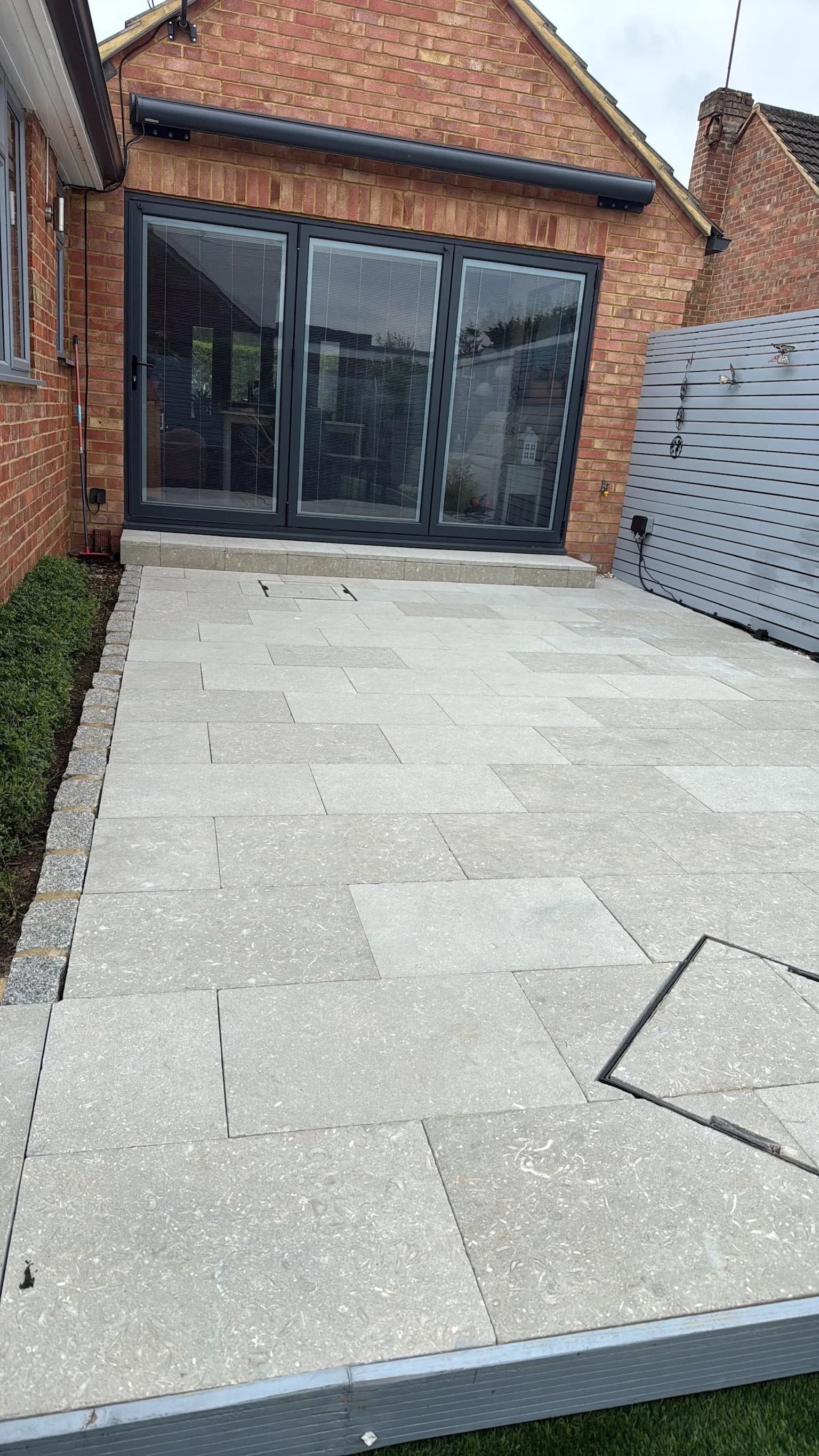
To clean exterior windows from inside in flats and upper floors, choose magnetic cleaners or U-shaped poles before opening glass fully.
The safest answer to how to clean exterior windows from inside in a flat starts with a no-lean rule.
Keep your waist, shoulders and head inside the room. Open the window only enough to place the tool safely.
Use magnetic cleaners for fixed panes, sliding panes and narrow openings. Use U-shaped poles for side-opening or bottom-opening windows.
Clean 1 pane at a time. A small pane gives better control and less dripping than a large wet area.
Place a 24-inch by 36-inch (61cm by 91cm) towel below the window before wet cleaning starts.
Ask another adult to hold pets and children away from the room. Clear space prevents bumps during tool movement.
Stop cleaning when the outside pad slips, the pole twists, or the sash moves unexpectedly. Safety sets the limit.
Stop how to clean exterior windows from inside when tool control feels poor or visibility drops.
Professional help gives the safest route when how to clean exterior windows from inside still needs unsafe reach.
Professional planning also helps when how to clean exterior windows from inside conflicts with rooflines or extensions.
How to Clean Exterior Windows from Inside When Glass Has Heavy Stains
To clean exterior windows from inside when glass has heavy stains, soften deposits first and avoid scraping with metal tools.
Bird mess, pollen film, algae marks and hard-water spots need longer contact time than dust.
Hold a damp microfibre pad on the mark for 2 minutes. The moisture loosens residue without harsh pressure.
Use a plastic scraper at 45 degrees on standard glass only. Keep the blade flat and wet during each pass.
Treat inside-out window cleaning as a careful process when stubborn marks sit near frames and sills.
Do not chase every stain with stronger products. Some marks come from surrounding render, gutter drips or masonry runoff.
Choose professional assessment when stains return within 2 weeks. Repeat staining points to an exterior surface source.
| Task | Timing | Method | Difficulty |
|---|---|---|---|
| Light dust on exterior glass | 10 minutes per window | Microfibre cloth and mild solution | Easy |
| Upper-floor outer pane | 15 minutes per window | Magnetic cleaner with safety cord | Medium |
| Side-opening exterior pane | 15 minutes per window | U-shaped pole and drying pad | Medium |
| Tracks and lower channels | 8 minutes per window | Vacuum nozzle and 0.5-inch (1.2cm) brush | Easy |
| Heavy algae around frames | 30 minutes per area | Professional surface assessment | Hard |
How to Use a Magnetic Window Cleaner on Exterior Glass
To use a magnetic window cleaner on exterior glass, soak both pads, connect the safety cord and align the magnets slowly. Fast movement separates the outside pad.
Use equal parts water and white vinegar only on standard glass. Avoid vinegar on stone sills, timber frames and specialist coatings.
Move the inside handle in short horizontal passes. Overlap each pass by 2 inches (5cm) so the squeegee edge catches dirty water.
Rinse both pads after every pane. Dirty pads drag grit across the glass and leave curved smears.
How to Use a U-Shaped Telescopic Pole Indoors
To use a U-shaped telescopic pole indoors, fit the pad outside the glass and hold the handle with 2 hands. Keep the pole angle steady.
Set the pole length before wetting the pad. Most indoor poles extend from 23 inches to 55 inches (58cm to 140cm).
Work from the top corner toward the lower edge. Replace the wet pad with a dry pad before final polishing.
How to Use Microfibre Cloths and a Small Squeegee
To use microfibre cloths and a small squeegee, dampen the cloth, loosen grime and pull water downward. Wipe the blade after every stroke.
A 6-inch to 10-inch (15cm to 25cm) squeegee gives better control near indoor trim. Large squeegees create more runoff inside.
Place a towel below the sill before starting. The towel protects timber trim, carpet, radiators and plasterboard from drips.
How to Clean Exterior Windows from Inside Without Streaks
To clean exterior windows from inside without streaks, remove dry dust first, use minimal soap and dry the glass before marks form. Clean on a mild, cloudy day.
Direct sun dries solution before the squeegee removes water. Freezing weather leaves residue because cleaning liquid can freeze on contact.
Use 1 teaspoon (5ml) of washing-up liquid in 1 gallon (3.8L) of warm water for normal grime. Heavy soap leaves film.
Use distilled water in hard-water areas. Tap water leaves mineral spots on glass, especially around lower edges.
Clean the interior glass with vertical strokes and the exterior glass with horizontal strokes. Direction shows which side contains remaining streaks.
Treat inside-out window cleaning as a safety-first task, not a speed task. Slow strokes create cleaner glass and fewer drips.
A homeowner-friendly answer to how to clean exterior windows from inside avoids strong pressure and excessive liquid.
The best routine for how to clean exterior windows from inside uses dry dusting, light washing and fast drying.
Search intent behind how to clean exterior windows from inside usually means safe reach, not deeper chemical cleaning.
Clean frames before glass. Dirty frames release black lines, pollen, cobwebs and algae into your fresh cleaning solution.
For exterior staining around frames, Chiltern Surface Co offers soft wash treatment for render, soffits, fascias, conservatories and masonry.
How to Protect Frames, Sills and Seals During Window Cleaning
To protect frames, sills and seals during window cleaning, use gentle pressure, mild solution and quick drying. Window damage often starts around edges, not glass.
Avoid soaking timber frames. Wet timber can swell, mark paint and hold moisture near joints.
Avoid abrasive pads on uPVC frames. Rough pads dull the surface and trap future dirt inside fine scratches.
Avoid strong pressure near rubber seals. High force can push water behind seals and into insulated glass units.
How to Clean uPVC, Timber and Aluminium Frames
To clean uPVC, timber and aluminium frames, match the cloth and solution to the material. Use soft cloths, mild detergent and clean water.
Clean uPVC with warm water and 2 drops of washing-up liquid per quart (950ml). Dry uPVC before water marks form.
Clean painted timber with a barely damp cloth. Dry timber within 2 minutes to protect paint edges.
Clean aluminium with pH-neutral cleaner and a lint-free cloth. Avoid acidic products on powder-coated finishes.
How to Clean Tracks, Hinges and Drainage Channels
To clean tracks, hinges and drainage channels, remove dry debris before adding liquid. Water turns grit into sludge inside narrow channels.
Vacuum loose grit, insects, pollen and flakes first. Use a 0.5-inch (1.2cm) soft brush for corners and weep holes.
Apply 1 drop of light machine oil to moving metal parts after cleaning. Keep oil away from rubber seals and glass.
Chiltern Surface Co uses a surface-specific cleaning approach around windows, doors, painted areas and drainage points.
What Should You Avoid When Cleaning Exterior Windows from Inside?
Avoid 7 mistakes during indoor exterior window cleaning: leaning out, over-wetting, harsh chemicals, abrasive pads, weak magnets, strong pressure and rushed drying.
Never lean outside the window frame. A clean pane never justifies a fall risk from 5 feet (1.5m) or higher.
Never climb onto a sill, radiator or furniture. Wet hands, smooth surfaces and awkward reach increase fall risk.
Never use bleach on window frames, seals or nearby stone. Bleach can mark metal, damage sealants and discolour porous surfaces.
Never use pressure washers on windows. High-pressure water can damage seals, frames, glazing bars and nearby painted surfaces.
Never use newspaper on coated glass. Ink and grit can mark specialist glass finishes and painted frames.
Never scrape bird mess with a knife. A plastic scraper held at 45 degrees removes residue without scratching glass.
Never force a magnetic cleaner across thick double glazing. A weak magnet slips, chatters and drops the exterior pad.
When Should You Book Professional Exterior Surface Cleaning?
Book professional exterior surface cleaning when height, access, staining or surrounding surfaces make DIY cleaning unsafe. Exterior windows often sit within larger surface problems.
Professional advice helps when how to clean exterior windows from inside still leaves dirty edges, drip marks or algae stains.
Call a professional when algae covers frames, render, brickwork, soffits, fascias or conservatory roofs. Glass cleaning alone leaves the source of staining behind.
Professional assessment also helps when black streaks return after every rainfall. Rainwater often carries dirt from gutters, masonry and roofline areas.
Book help when a window sits above a sloping roof, extension, conservatory or narrow side passage. Safe access needs proper equipment and planning.
Chiltern Surface Co works across Marlow, Buckinghamshire, Beaconsfield, Gerrards Cross and Henley-on-Thames. The team selects safe methods for each surface and condition.
The right contractor protects plants, lawns, doors, glass, painted surfaces and drainage. The right method also reduces repeat organic growth.
You should book a free site visit when exterior windows, frames, sills or surrounding surfaces need careful assessment and a clear quote.
Conclusion
The safest answer to how to clean exterior windows from inside starts with window type, safe reach and gentle tools. Use mild solution, microfibre cloths, a safe access tool and careful drying for light grime. Book professional help when height, algae, staining or surrounding exterior surfaces need more than glass cleaning. Chiltern Surface Co can assess the area and recommend the safest method during a free site visit.
Frequently asked questions
Can you clean exterior windows from inside?
Yes. You can clean many exterior windows from inside with tilt sashes, magnetic cleaners, U-shaped poles and microfibre tools.
Can you clean upstairs windows from inside without a ladder?
Yes. A magnetic cleaner or U-shaped pole lets you clean many upstairs windows without a ladder or outdoor access.
Should you use vinegar on outside window glass?
Yes, on standard glass. Use equal parts water and white vinegar and avoid vinegar on stone, timber and coated glass.
Can magnetic window cleaners work on double glazing?
Yes, with the correct rating. Match the magnet strength to the glass thickness before using double-glazed windows.
Should you clean exterior windows from inside during sunny weather?
No. Cloudy, mild weather gives fewer streaks because cleaning solution dries more slowly on exterior glass.