Roof Cleaning and Moss Removal in Great Missenden
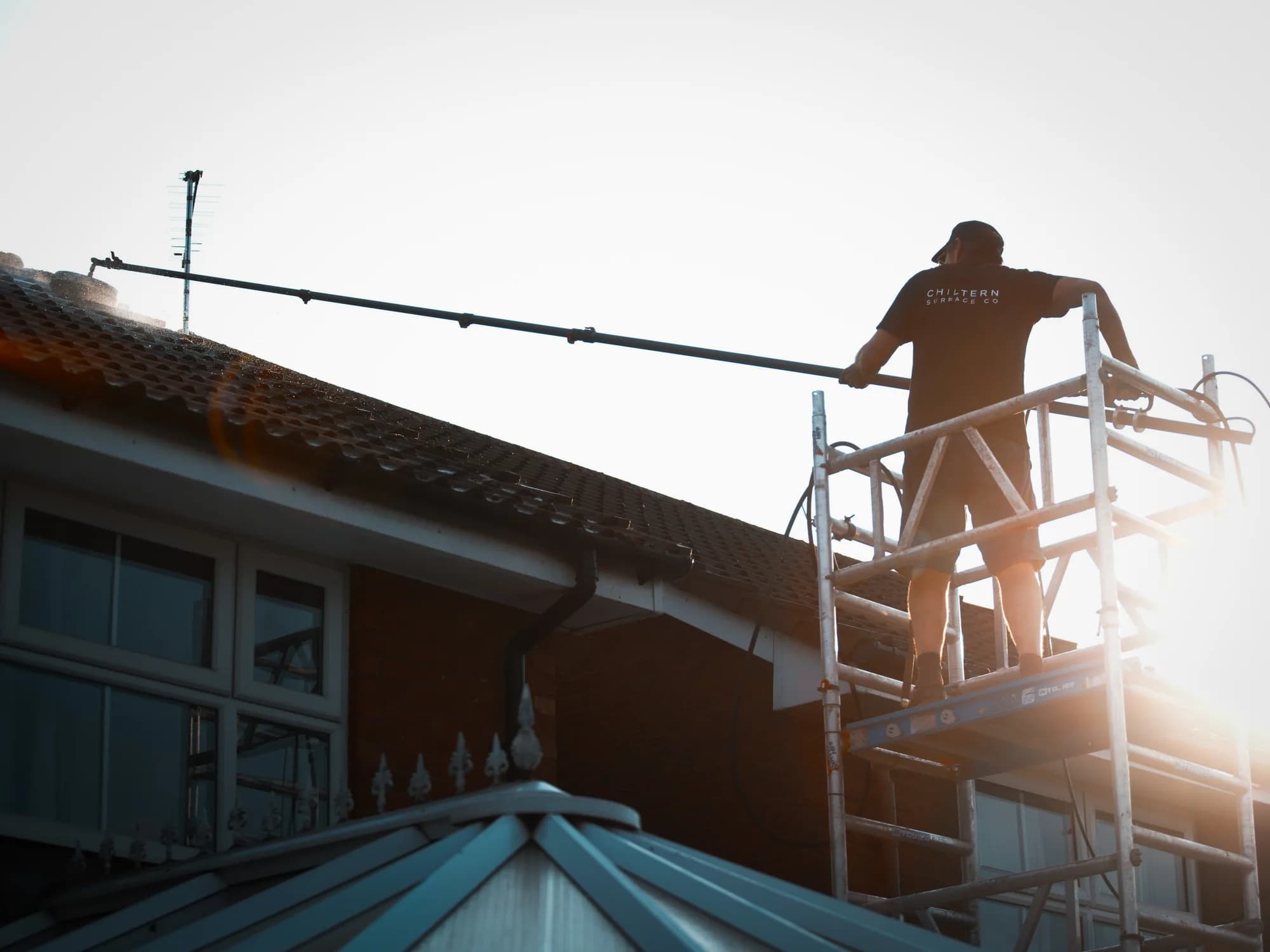
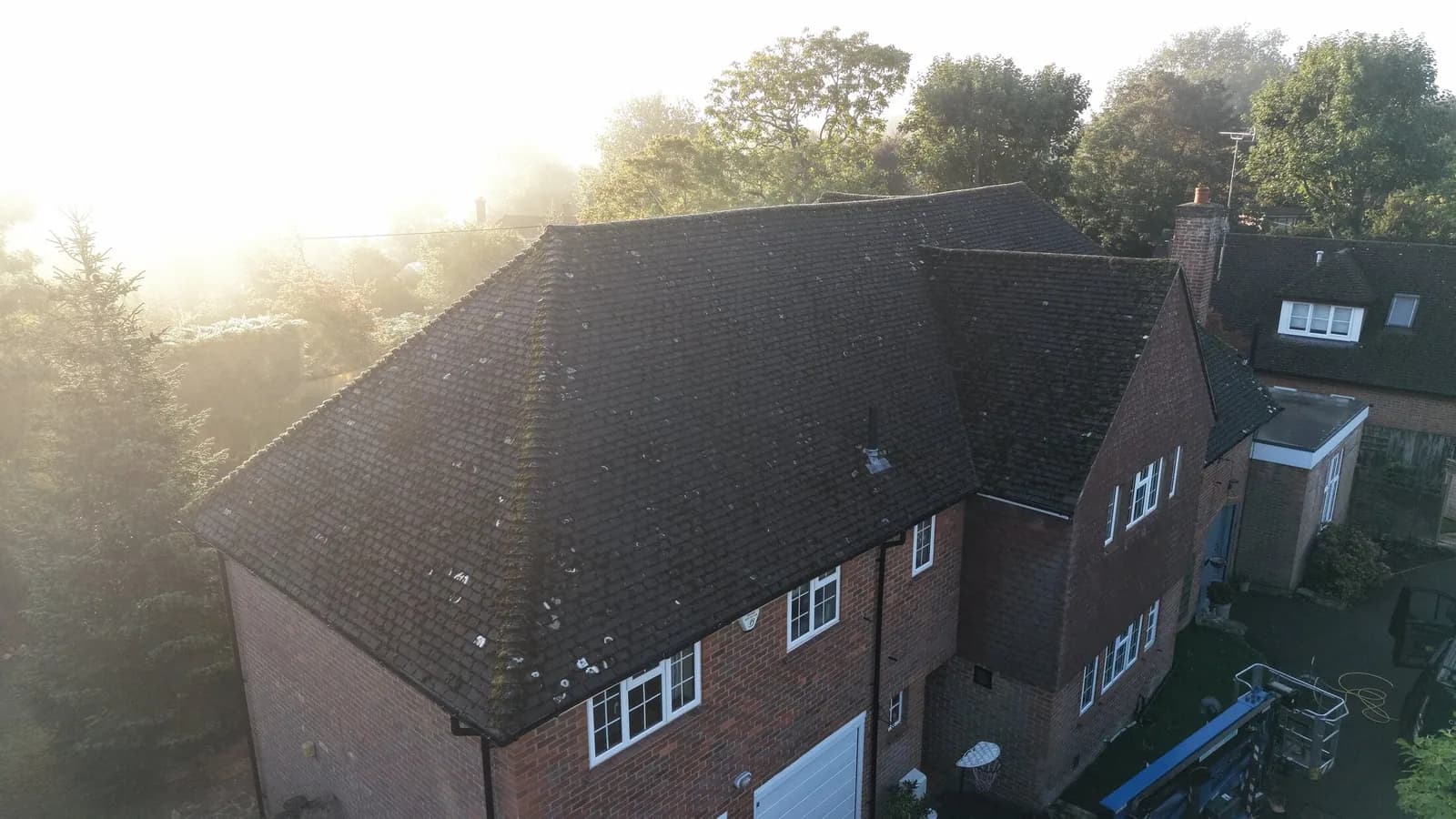
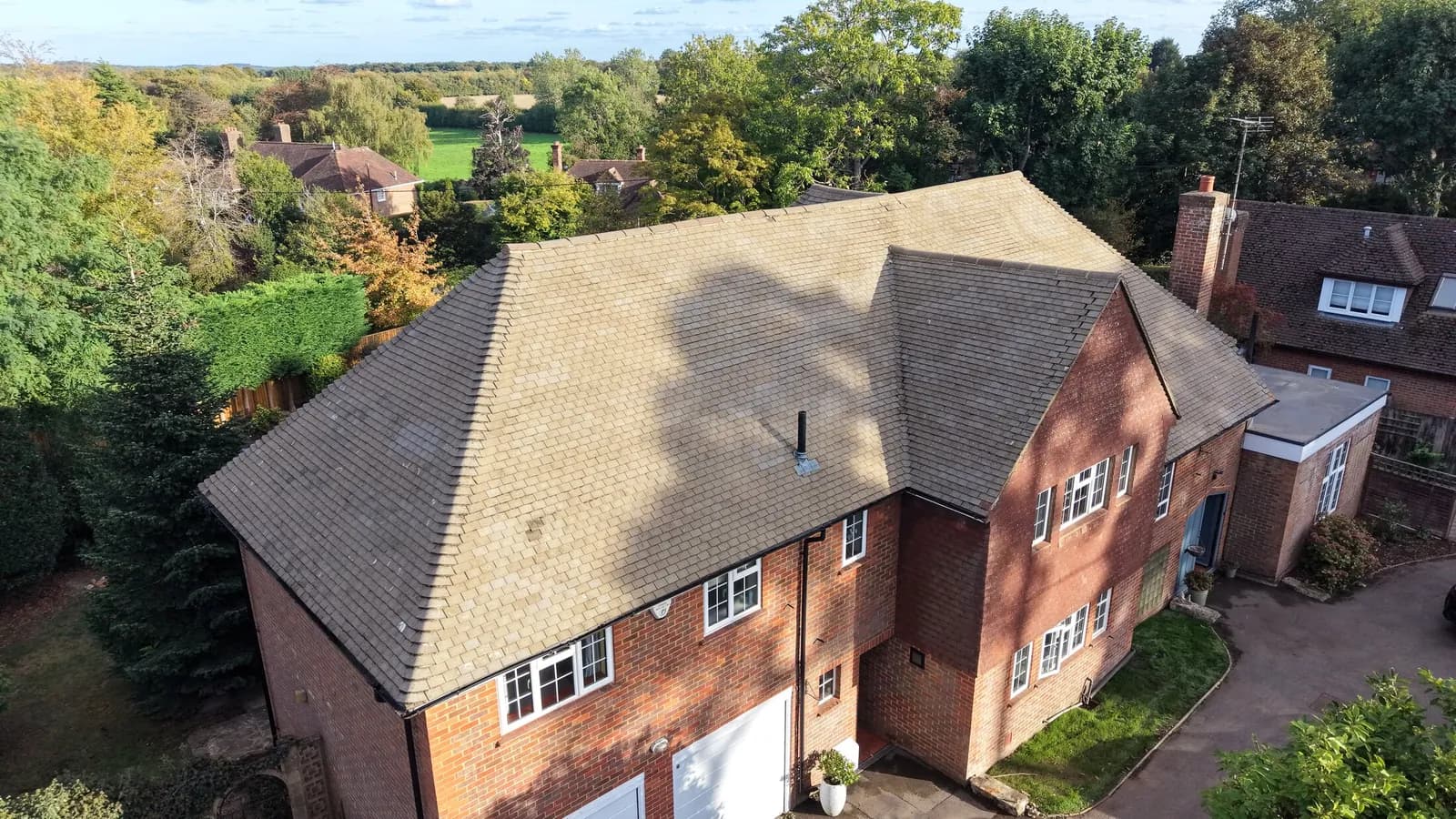
Roof cleaning in Great Missenden — moss and lichen removed from a concrete tile roof from powered access at low pressure, plus Chiltern EverGuard™ protection.
Solar Panel Cleaning · Buckinghamshire
Amersham comes in two parts: the old town down in the Misbourne valley and Amersham on the Hill above it. Panels soil differently in each, and we clean them all with de-ionised water and a soft brush.
Know the problem
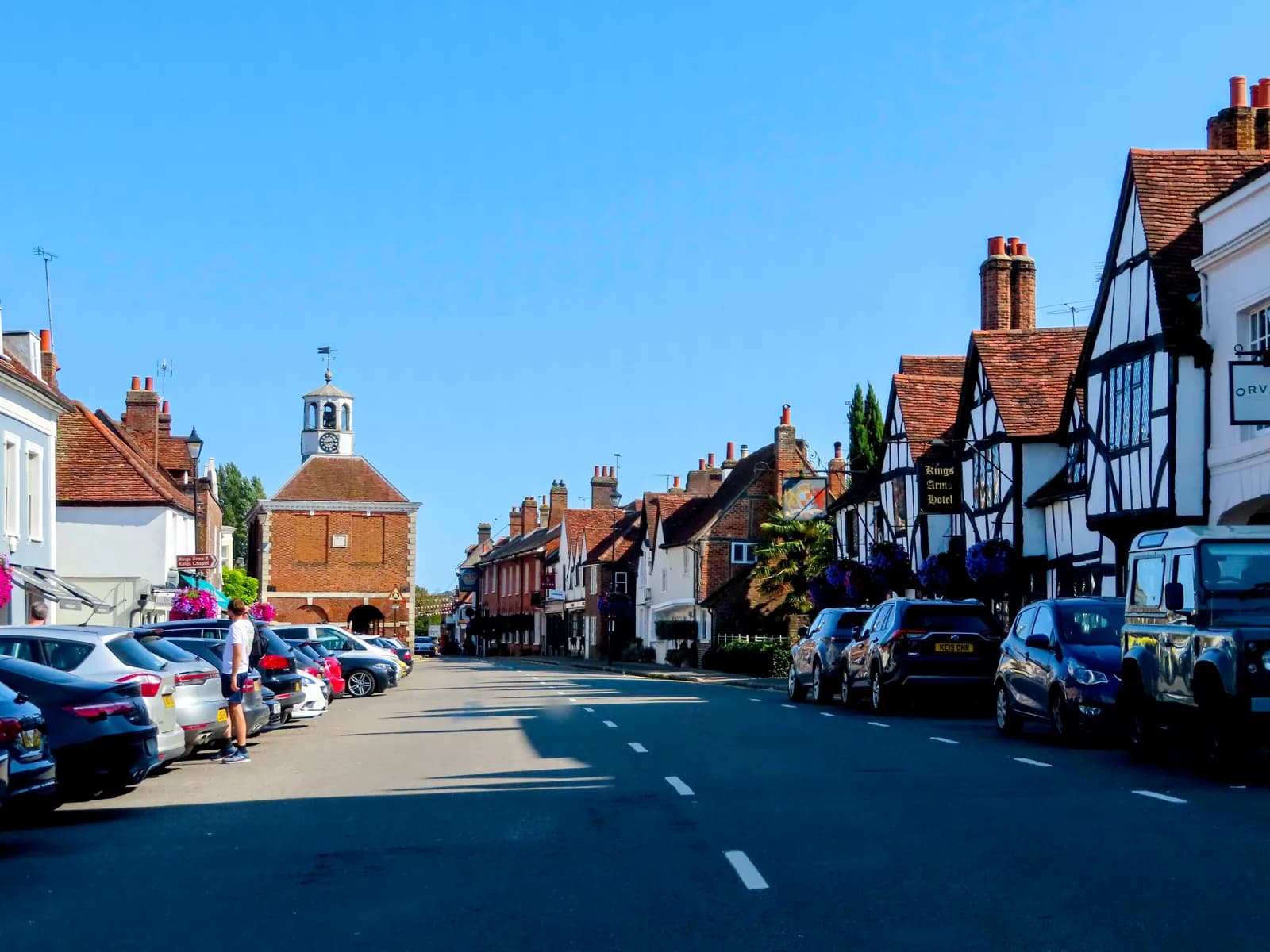
Few homeowners notice their panels dulling, because it happens slowly and out of sight. Dust settles, pollen arrives each spring, birds perch on the ridge above, and moss edges in from the surrounding tiles. Eventually the glass carries a patchy coating that rain no longer moves, and that is the point at which a gentle, careful clean is worthwhile.
Amersham homes
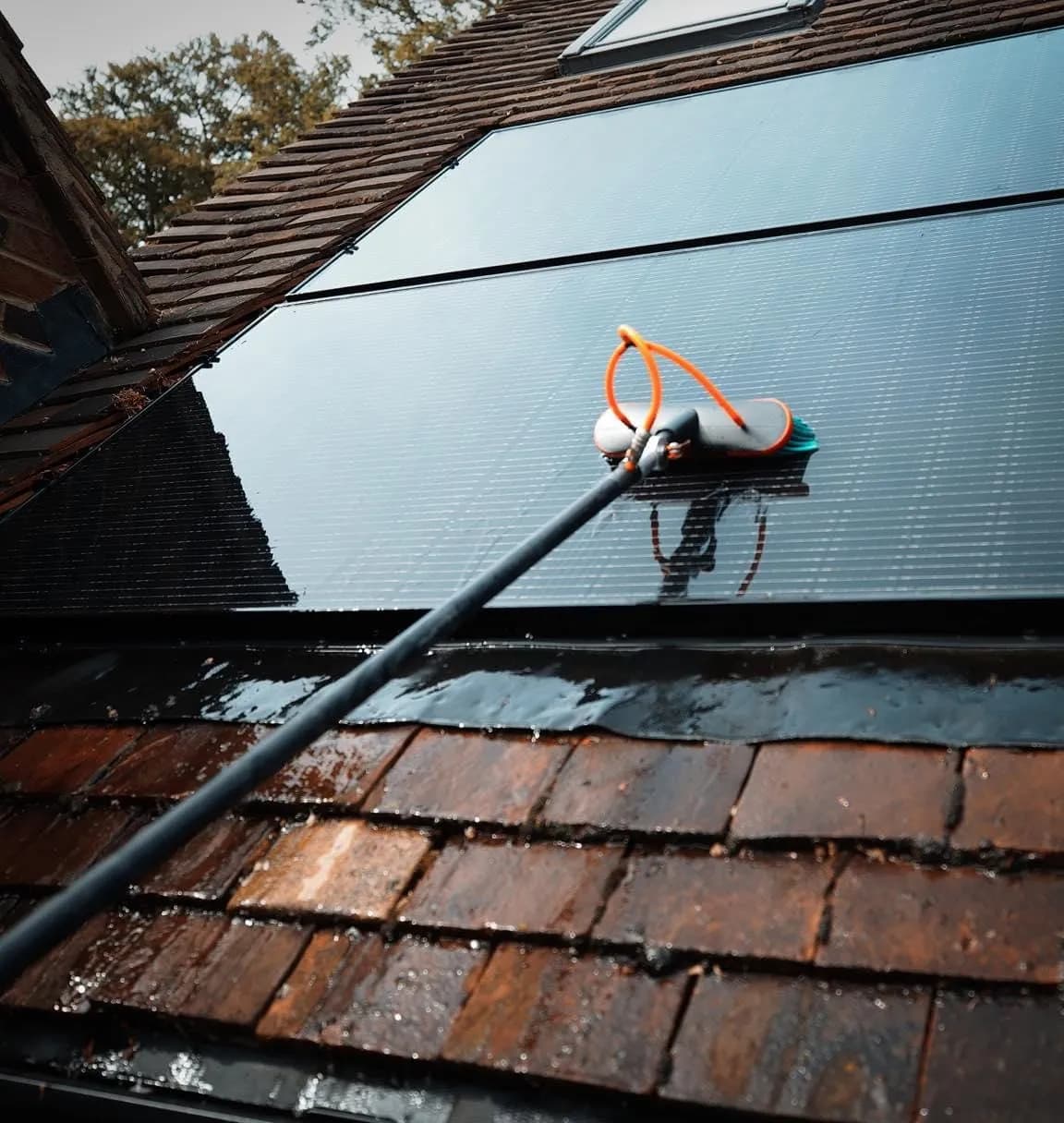
Old Amersham lies along the River Misbourne at the bottom of a Chiltern valley, with wooded slopes rising on both sides. Its period cottages and older buildings, many of them within the conservation area, have clay tile and old brick, and they get less direct sun than the houses above. Panels here tend to stay damp for longer, and moss on the surrounding roof creeps towards the frames.
Amersham on the Hill grew up later, around the railway station, with inter-war and post-war roads and more recent homes. Those roofs are higher and more open, so arrays there dry faster but catch more wind-blown dust, along with the birds that favour open ridges and aerials. Same town, two quite different patterns of soiling.
In the valley
Where a roof gets little sun, the panel frames become the edge of a damp, mossy surface. Moss grows into the gap where the glass meets the lower frame, holds water there and traps leaf fragments, and lichen can establish in the corners.
Left alone, that strip widens year by year and starts to cast a shadow across the bottom row of cells. We clear it as part of every clean, working it out gently rather than scraping, because the seal beneath it matters more than speed.
On the hill
Higher, exposed roofs dry quickly after rain, so moss is less of a problem there. Instead, the glass gathers a fine film of dust carried on the wind, and ridges, chimneys and aerials give birds plenty of places to perch above the array.
Droppings set hard in sunshine and rain rarely shifts them, so they become the main reason those panels lose their shine. A soft brush and pure water soften and lift them without anything sharp touching the glass.
Older roofs
Many roofs in the old town are covered in handmade or older clay tiles, which can crack under a boot or a ladder resting in the wrong place. The panels themselves are not designed to be walked on either.
That is why our cleaning is done from the ground with a water-fed pole wherever the access allows. If the height or layout means that is not possible, we explain the options at the site visit and only proceed with access that suits the roof.
Step by step
The method stays gentle throughout. Only the access and the time spent on frames and edges change, depending on where in town the house sits.
From the ground, we check the array's height and pitch, the state of the tiles around it, and any cracked glass or lifted seals, then decide how each panel can be reached.
De-ionised water flows up a water-fed pole to a soft-bristle head that loosens dust, pollen and droppings. The pole is worked from below, keeping weight off the tiles and panels.
Growth lodged where the glass meets the frame is teased out with the brush and rinsed away, particularly on shaded valley roofs where it builds fastest.
A last flush of de-ionised water carries off whatever has been loosened. The panels dry on their own, with no cloth dragged across the glass afterwards.
You hear about anything we noticed along the way, such as a chipped panel, a loose clip or slipped tiles near the array, so you can decide who to call.
Honest limits
A clean takes off what is sitting on the glass and clears the frames, which usually makes a visible difference. It cannot alter what lies under the surface or inside the panel.
Roof cleaning in Great Missenden — moss and lichen removed from a concrete tile roof from powered access at low pressure, plus Chiltern EverGuard™ protection.


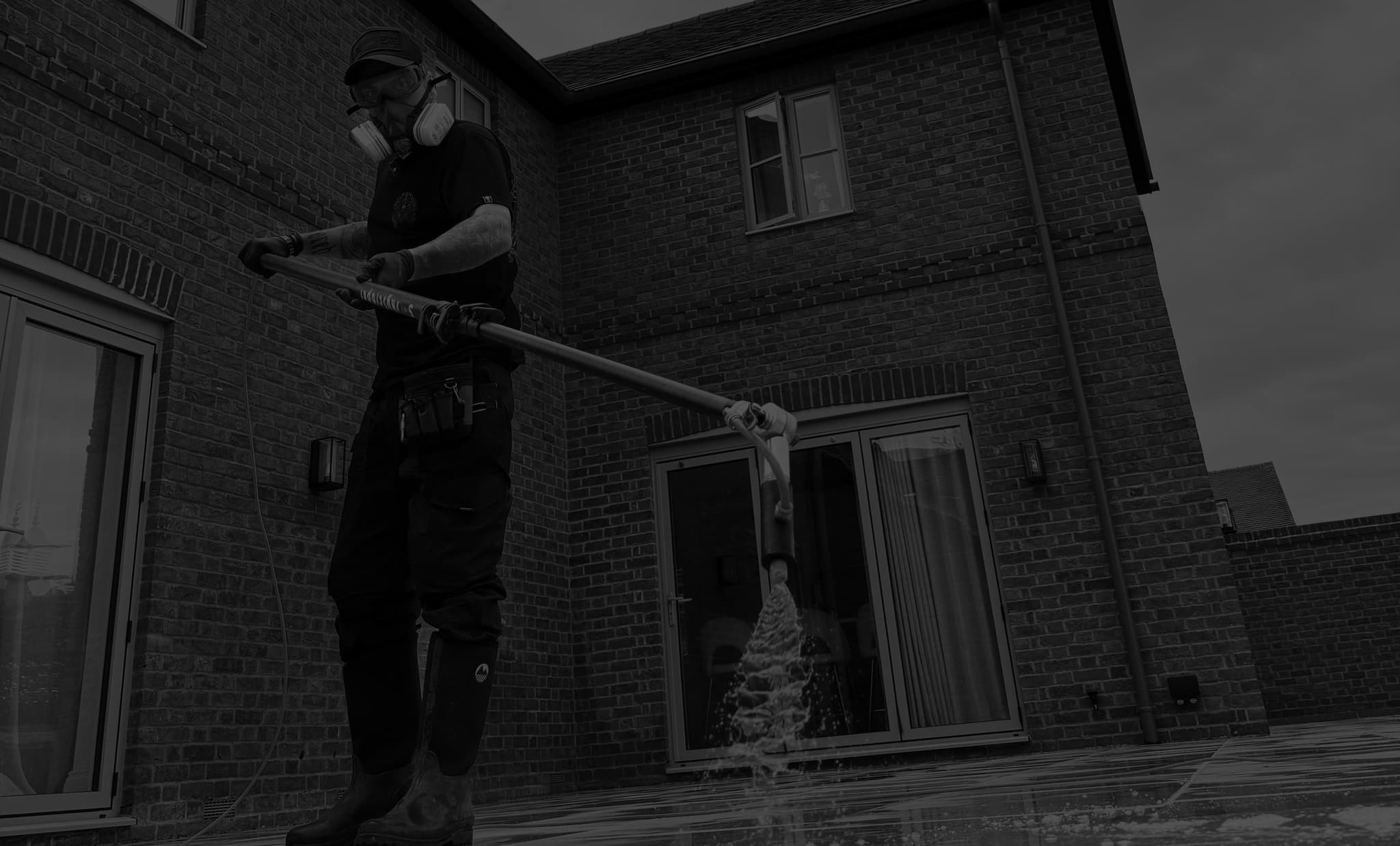
Brick cleaning and soft washing in Beaconsfield: black algae and lichen treated on brick retaining walls and copings, then rinsed at low pressure.
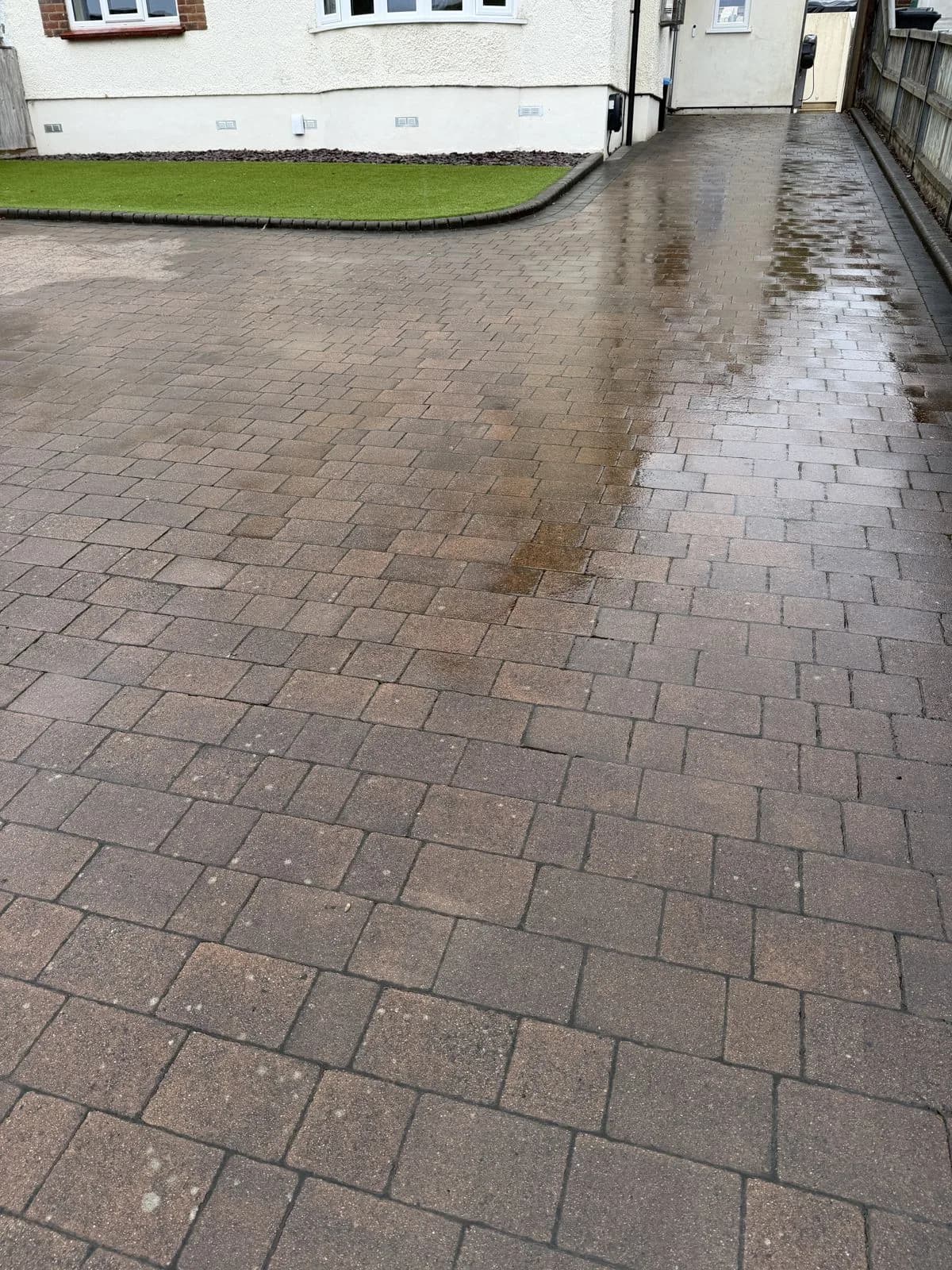
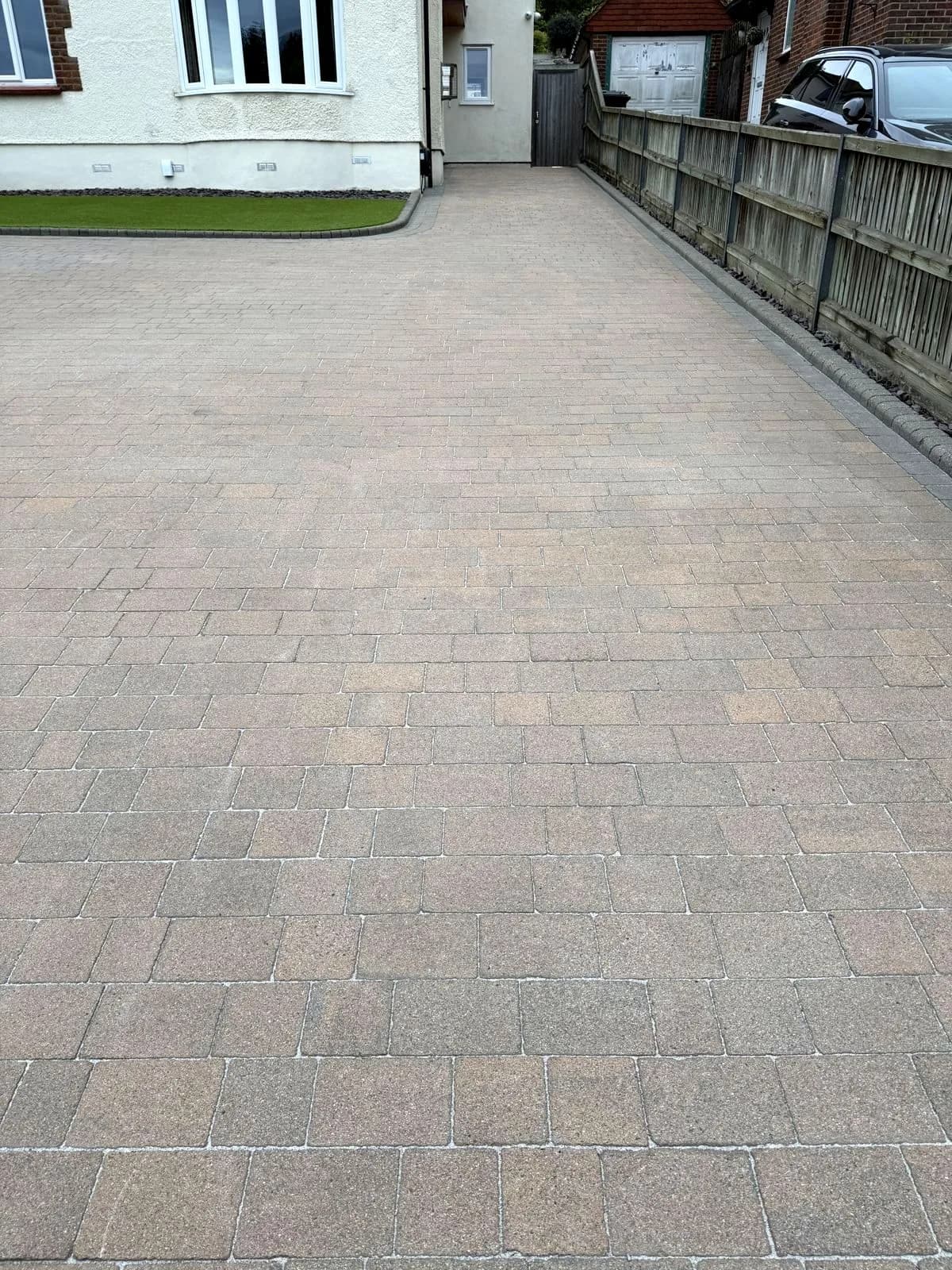
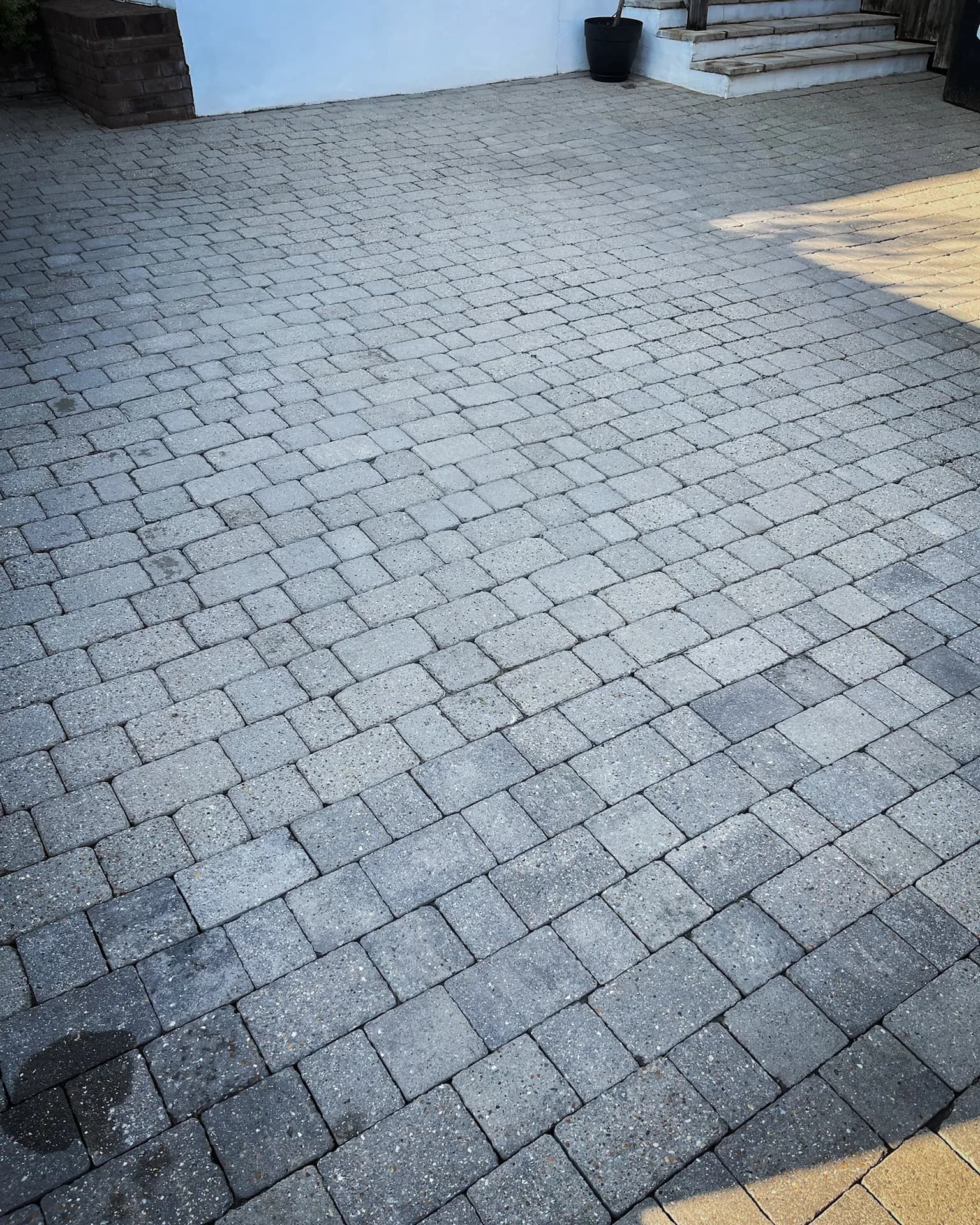
Restoring a 150m² block paved driveway in High Wycombe: deep clean, damaged blocks replaced, polymeric re-sanding, compaction and Chiltern EverGuard™.
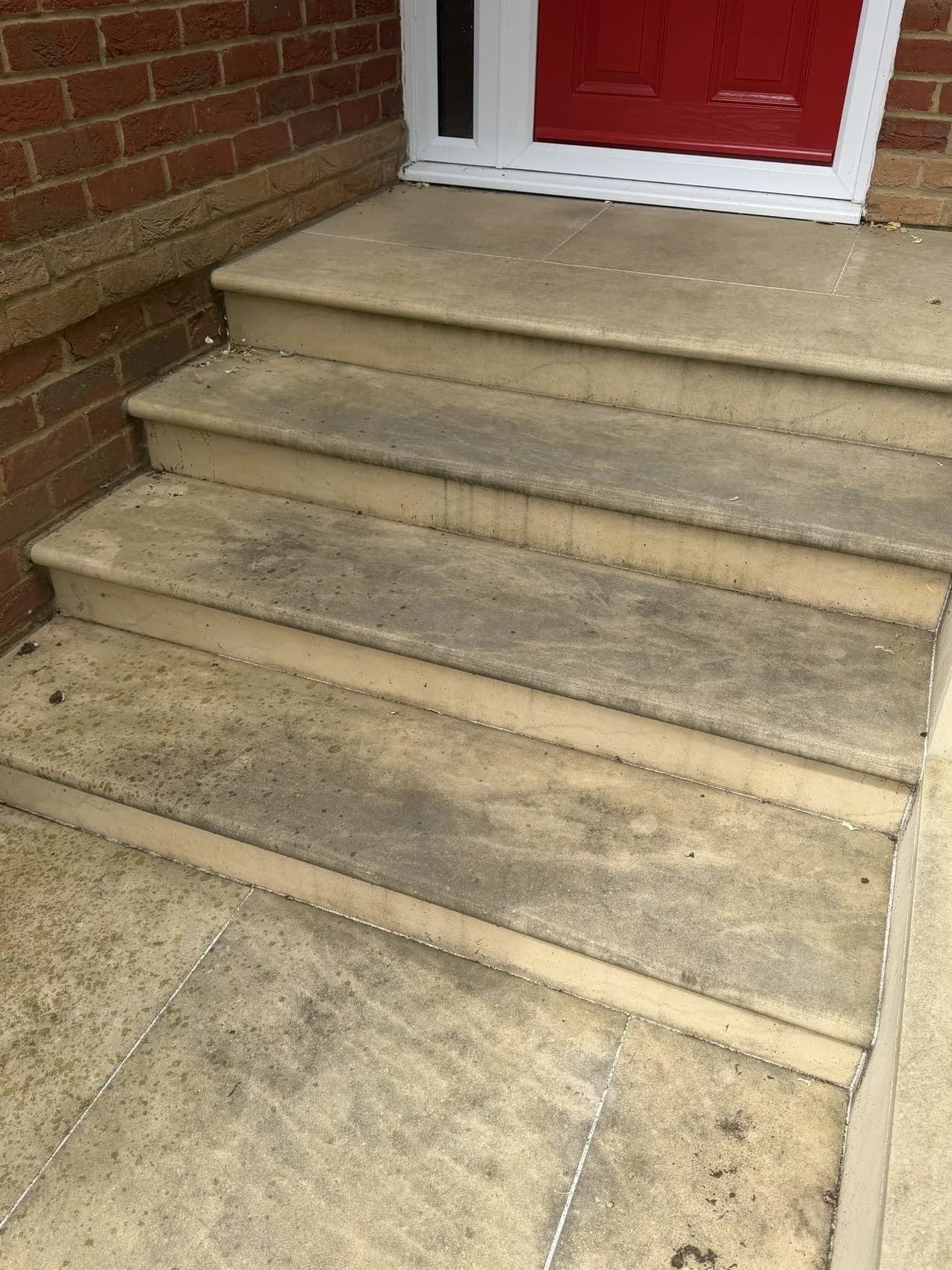
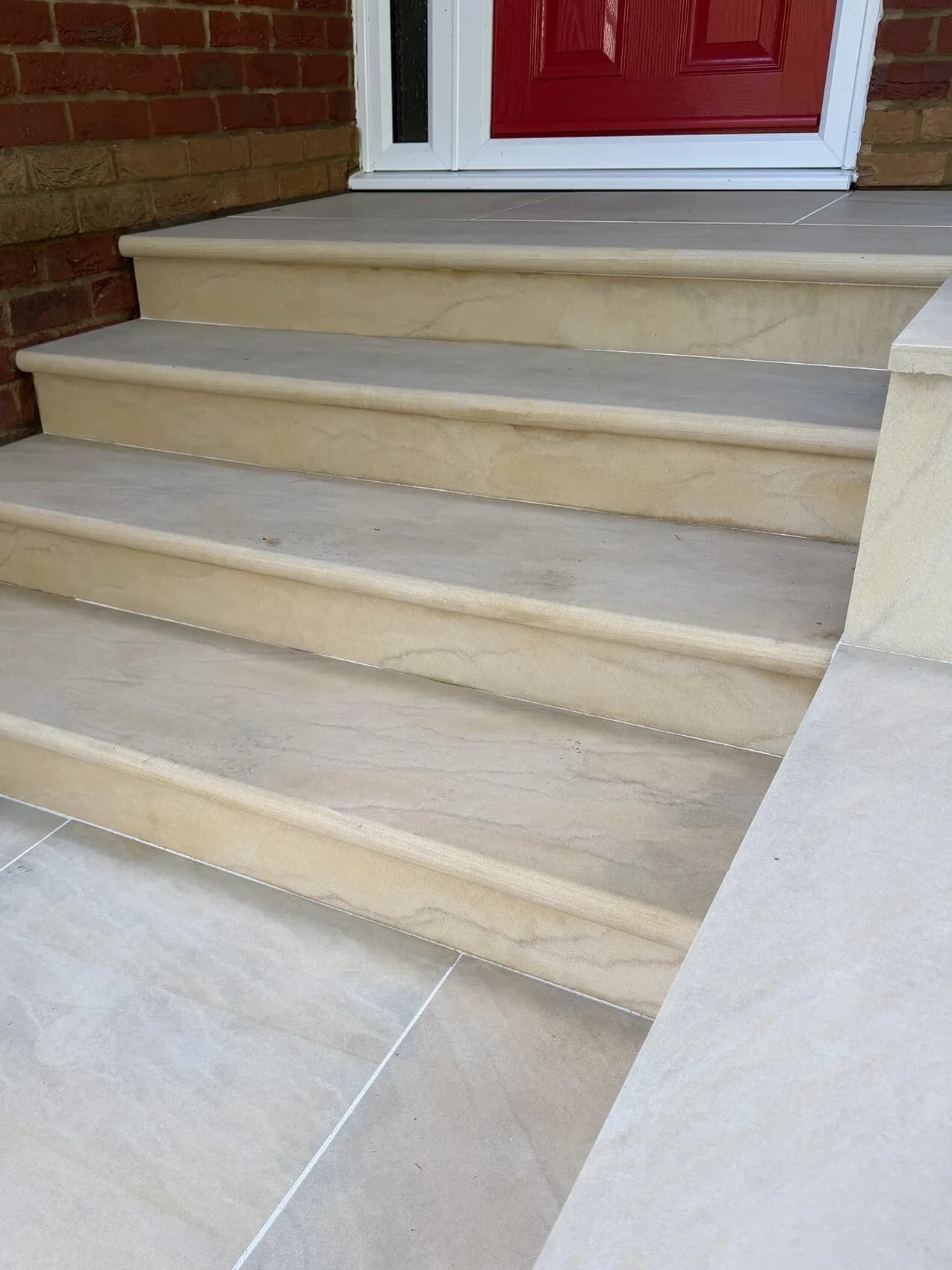
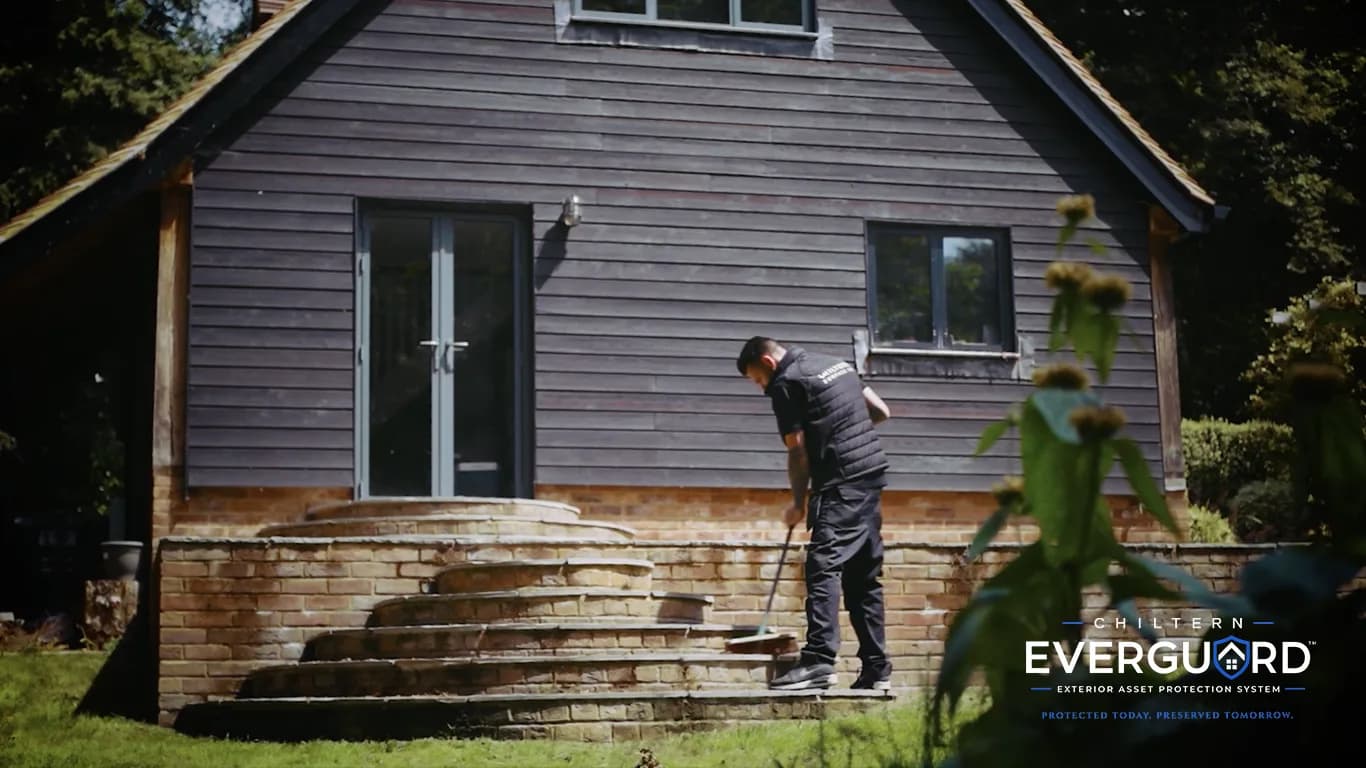
Indian sandstone step cleaning and block paving cleaning in High Wycombe, including polymeric re-sanding, compaction and Chiltern EverGuard™ treatment.
Why us
Valley and hilltop roofs soil in different ways, and we adjust how long we spend on frames, edges and droppings accordingly.
Only de-ionised water touches the array. There is no detergent to leave a residue on the glass or run off into the garden below.
We reach the panels from below wherever access allows, sparing both the glass and the older clay tiles that often surround it.
We tell you if the panels do not need doing yet, and we never promise a figure for extra generation to win the work.
Nearby
We also clean solar panels in the villages around the town, among them Chesham Bois, Little Chalfont, Coleshill, Winchmore Hill, Hyde Heath and Penn Street, where the same mix of wooded valleys and open ridges applies.
Solar Panel Cleaning in nearby towns
What Clients Say
Thank you to every client who has trusted us with their home. Your reviews mean a great deal to us. We’re proud to be fully insured, certified professionals — delivering proven results with a customer-focused approach on every single project.
5-Star Rated On Google
Questions
Often, yes. Lower, shaded roofs in the valley stay damp longer, so moss and grime build along the frames faster than on open roofs up the hill. We suggest an interval once we have seen the array and its surroundings.
For most homes, once a year. Arrays under trees, near farmland or set at a low angle that holds dirt can justify twice a year. We recommend an interval based on the condition we find rather than a fixed rule.
Sometimes. Moss spreads from the surrounding tiles into the gap at the lower edge of each panel, where it holds water and debris. We clear it during the clean, but a heavily covered roof is a separate job in its own right.
No. High pressure is not appropriate for glass, seals and the electrics behind them. A soft brush and a steady flow of de-ionised water lift the dirt without force, and nothing harsher is needed.
Yes, in most cases. The cleaning itself is gentle and adds nothing to the roof. What we check carefully is access, because older clay tiles around the array can be fragile, and we will not lean ladders on them or put weight on them.
It removes what is shading the glass, so more light reaches the cells. How much that changes generation depends on how dirty the panels were, their direction, shading and the weather, so we leave numbers out of it.
More from us
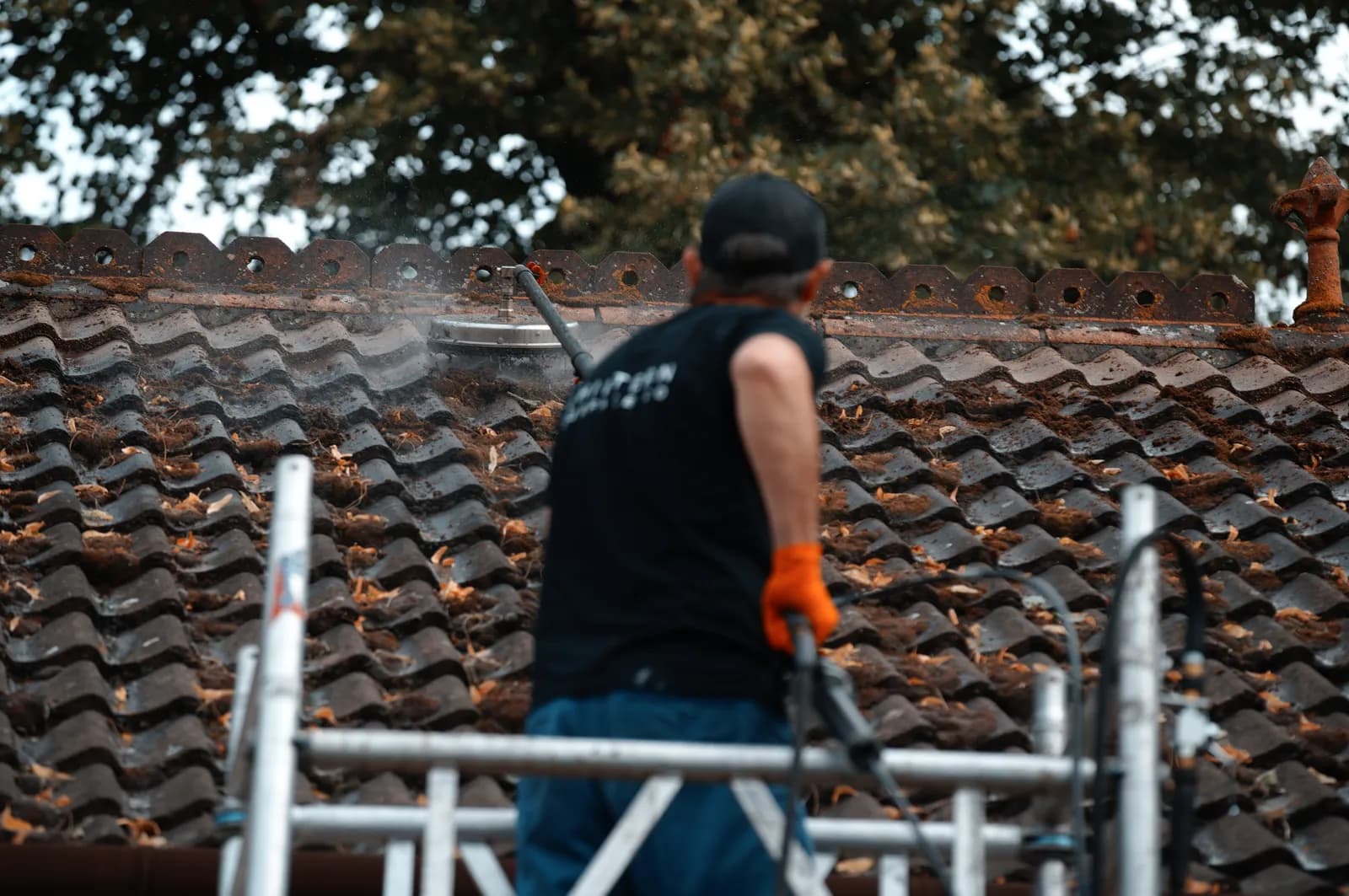
Carefully remove moss, algae and lichens to protect your roof and enhance kerb appeal.
Learn Moreabout Roof Cleaning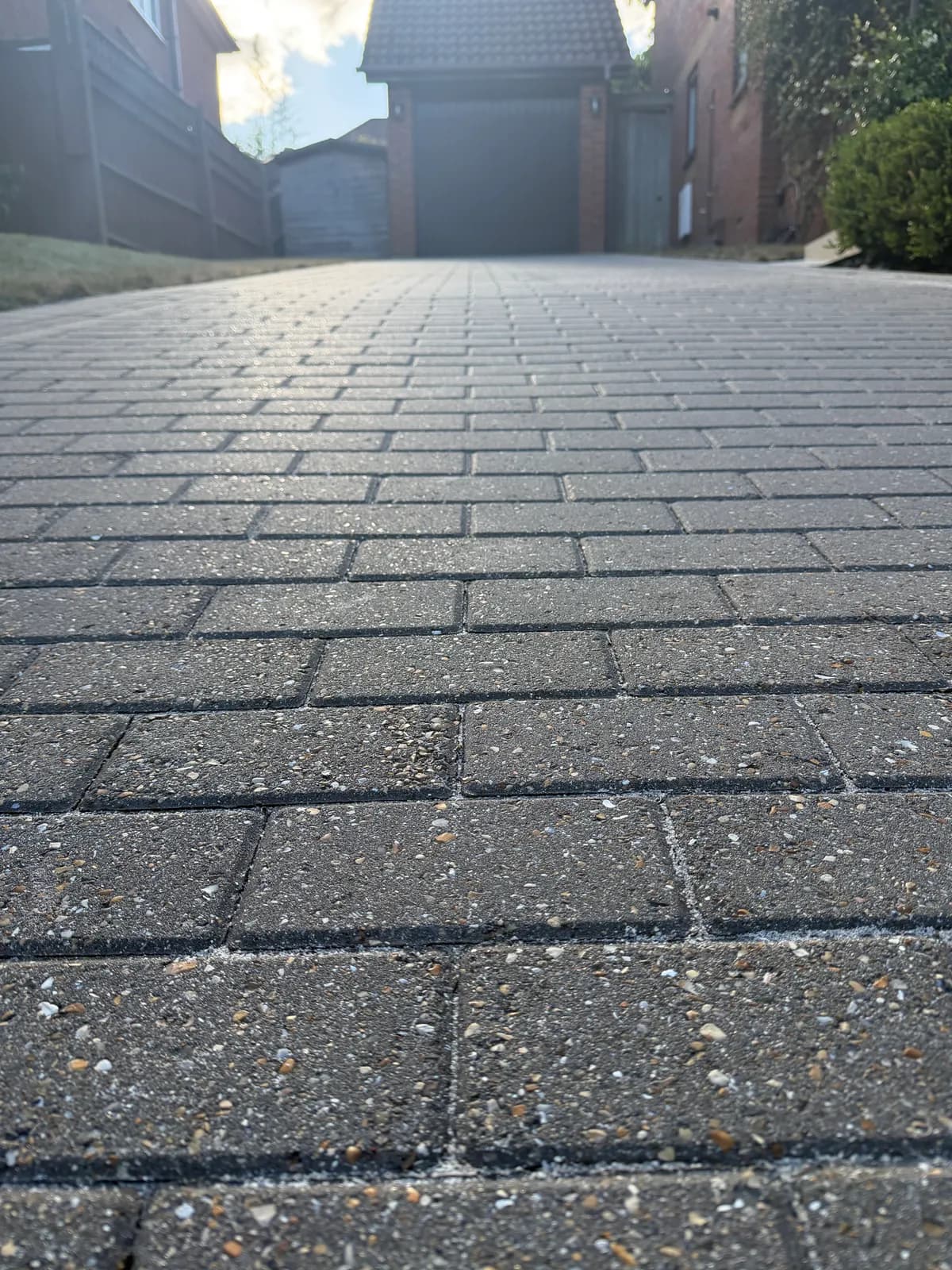
Professional cleaning for block paving, tarmac and resin driveways, restoring colour and removing stains.
Learn Moreabout Driveway Cleaning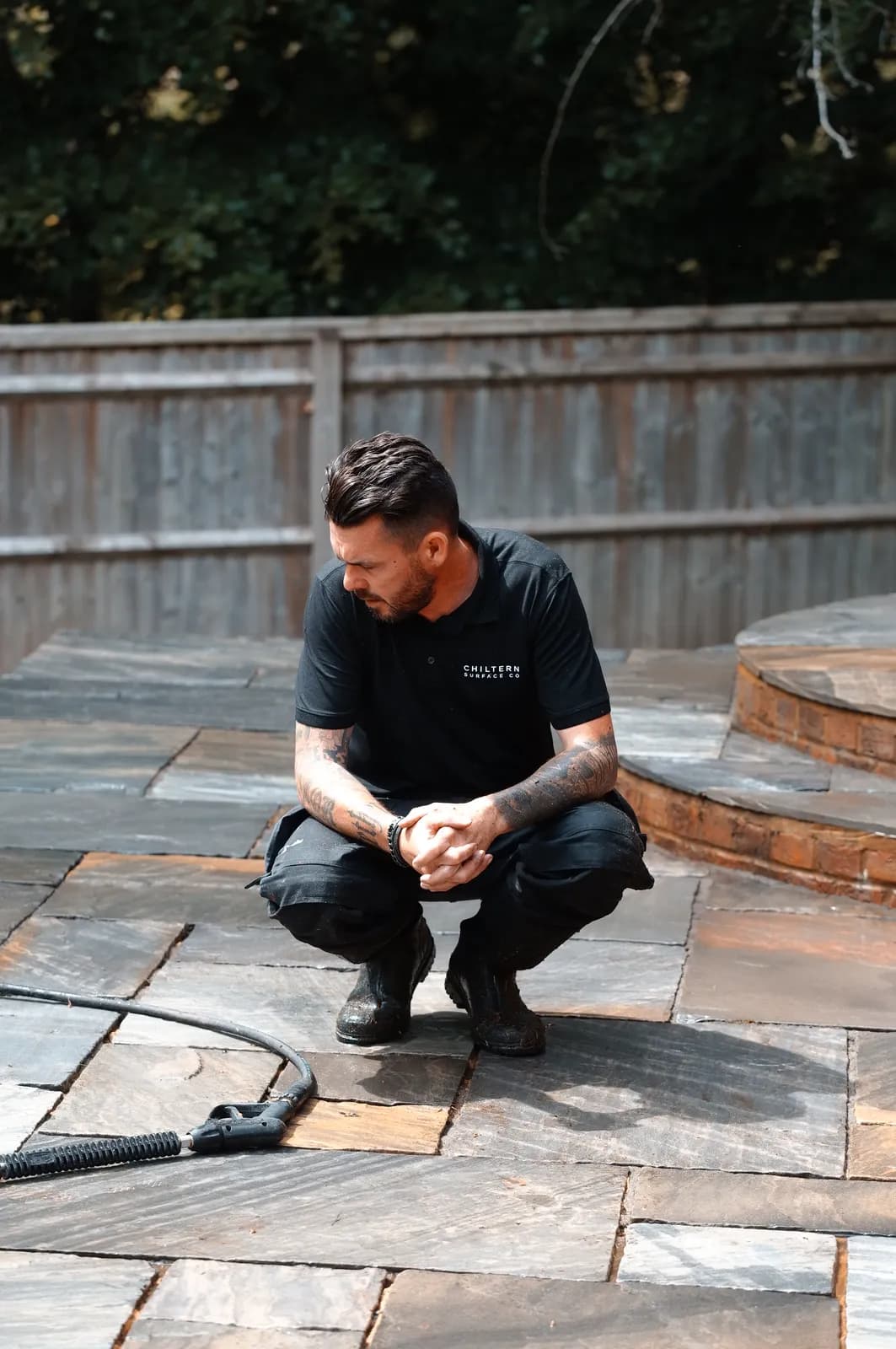
Specialist cleaning and restoration for natural stone, porcelain and concrete patios.
Learn Moreabout Patio Cleaning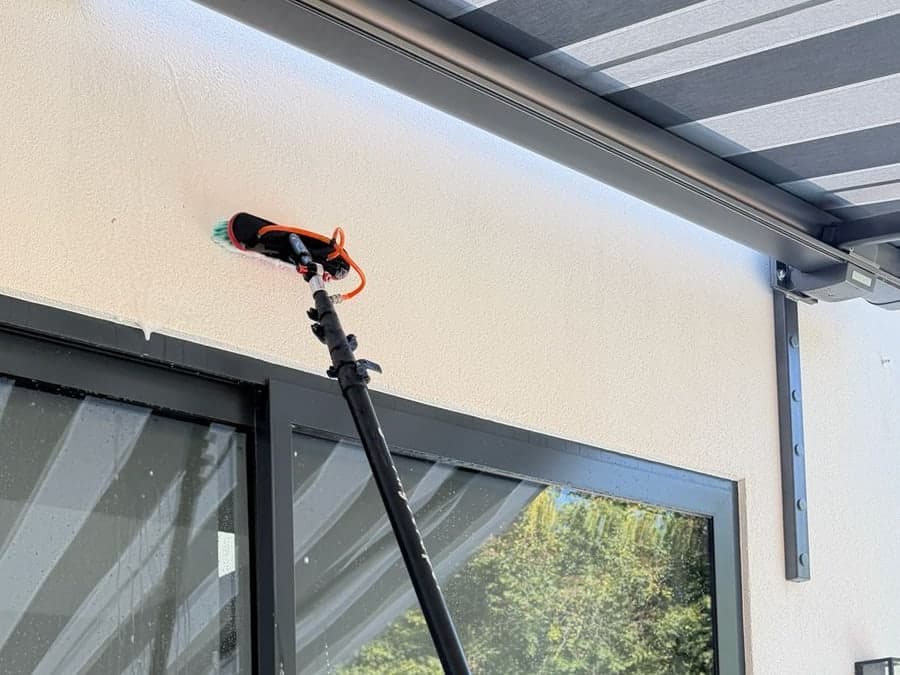
Low pressure soft wash treatment designed to safely remove algae, mould and grime from exterior surfaces.
Learn Moreabout Soft Wash Treatment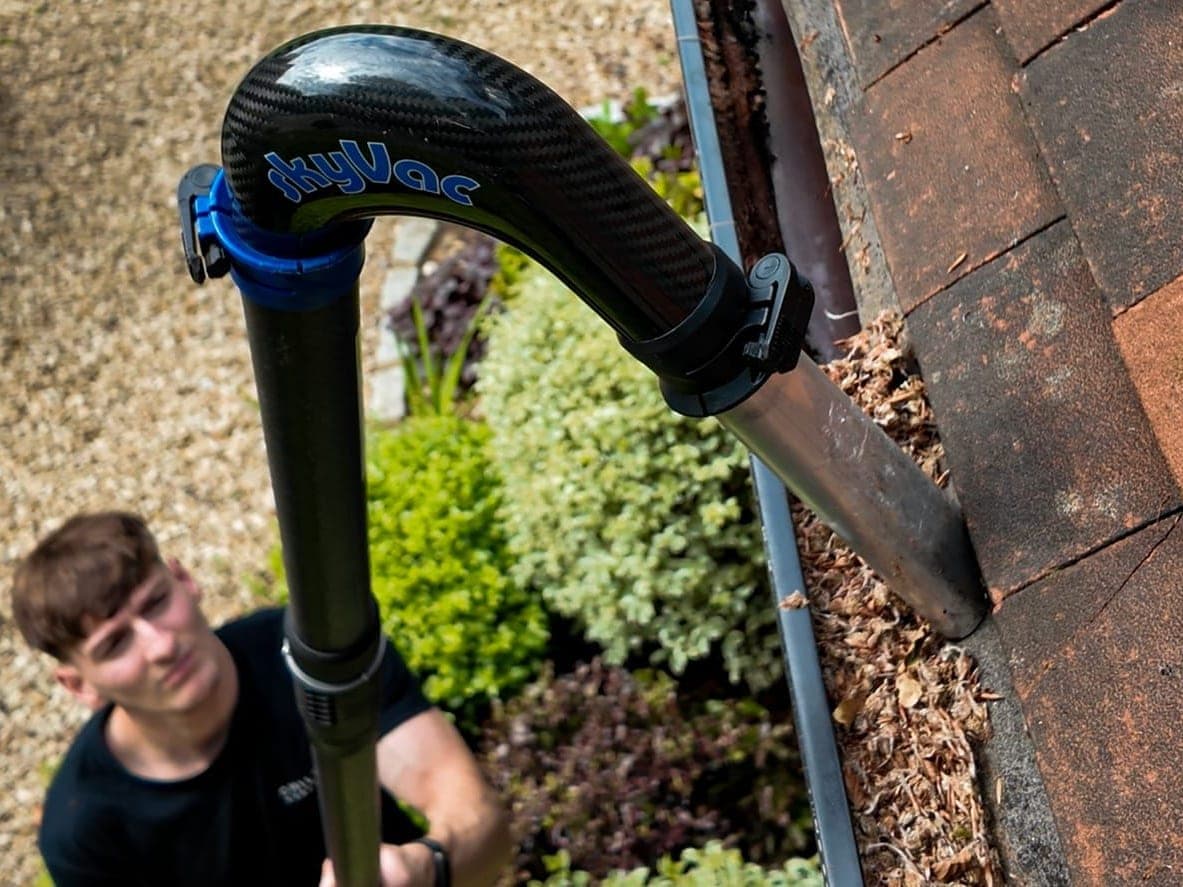
Clear and flush blocked gutters and downpipes to protect your walls, fascias and foundations.
Learn Moreabout Gutter Cleaning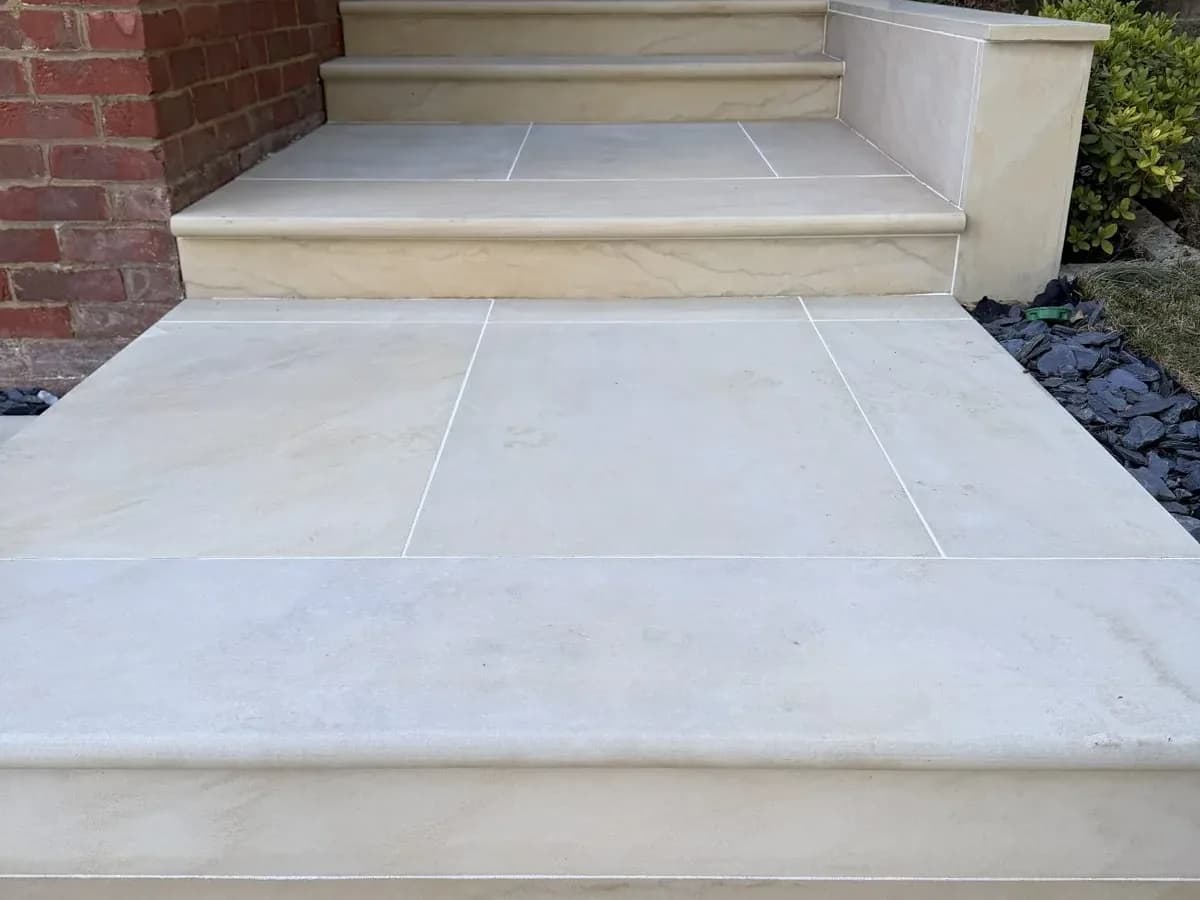
Winter cleaning that removes slippery algae and moss from paths, steps and patios, planned around the forecast.
Advice
Chiltern Surface Co
We will look at the array from the ground with you, explain what has built up and how we would clean it. A clear quotation follows, and there is no pressure to go ahead.
We assess your surfaces and recommend the right approach for the best, long-lasting results.
You'll receive a detailed, transparent quote with no hidden extras.
We'll provide honest advice so you can decide what's right for you.
Speak directly with the owner and get expert advice you can trust.