
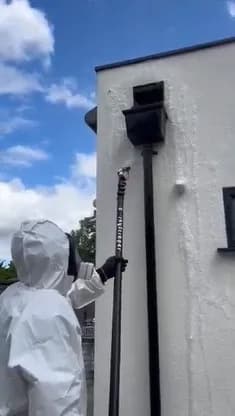
Bleach is one of the most widely used products for exterior house washing. It is effective because it targets the biological contaminants responsible for many exterior stains.
When diluted properly, bleach can help remove:
- Mould stains
- Mildew growth
- Algae buildup
- Moss deposits
- Organic staining
- Surface discoloration
Many homeowners use a bleach cleaning solution because it delivers visible results quickly. However, the cleaning process should always be approached carefully to avoid damaging exterior surfaces.
The safest approach is to use bleach as part of a controlled cleaning process rather than applying concentrated products directly to the surface.
Why Homeowners Use Bleach for Exterior Cleaning
Exterior surfaces are constantly exposed to moisture, dirt and changing weather conditions. Over time, this creates the ideal environment for biological growth.
Common problems include:
- Green algae on cladding
- Black mould stains
- White mildew patches
- Organic growth on brick walls
- Discoloration on exterior walls
- Staining on driveways and patios
These issues not only affect the appearance of a property but can also make surfaces harder to maintain.
A properly prepared bleach and water mixture helps eliminate these contaminants and restore a cleaner appearance.
Mould and Mildew Removal
One of the main reasons people ask can you use bleach to clean exterior of house surfaces is because of mould and mildew.
Mould often appears as:
- Black spots
- Dark streaks
- Patchy staining
Mildew may appear as:
- White powdery marks
- Light grey staining
- Surface growth in damp areas
A diluted bleach solution can be highly effective for mould and mildew removal when applied correctly.
Algae Treatment
Algae thrive in damp and shaded locations.
Common areas affected include:
- North-facing walls
- Vinyl cladding
- Brickwork
- Fencing
- Retaining walls
The green staining associated with algae can make a property appear neglected. Bleach helps kill algae and reduce visible staining.
Exterior Stain Removal
Not all exterior stains come from dirt alone.
Many stains are caused by:
- Biological contamination
- Organic growth
- Airborne pollutants
- Moisture retention
Bleach helps break down these contaminants and improve the appearance of exterior surfaces.
What Bleach Actually Does on Exterior Surfaces
Bleach contains sodium hypochlorite, a chemical compound commonly used for cleaning and disinfecting.
When applied correctly, bleach works by breaking down biological organisms that cause staining and discoloration.
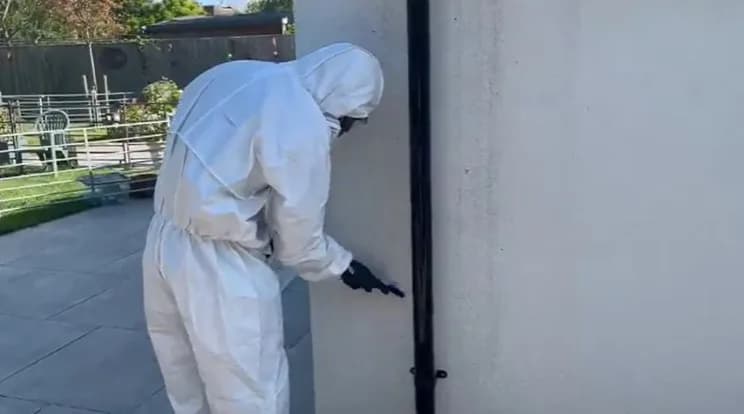
This is why bleach is often used during soft washing house exterior cleaning projects.
Bleach Kills Organic Growth
Organic growth includes:
- Mould
- Mildew
- Algae
- Moss
- Lichen
These organisms attach themselves to surfaces and continue growing if left untreated.
A properly diluted bleach solution helps eliminate the growth at the source.
Bleach Removes Surface Stains
Many exterior stains are the result of living organisms rather than simple dirt.
By targeting the cause of the stain, bleach often produces longer-lasting results than ordinary cleaning products.
This is one reason why professional residential exterior cleaning companies frequently incorporate bleach-based treatments into their cleaning processes.
Which Exterior Surfaces Can Be Cleaned With Bleach?
Although bleach can be effective, it is not suitable for every surface. Understanding which materials respond well to bleach is essential.
Vinyl Cladding
Vinyl cladding is one of the most common surfaces cleaned using bleach.
Benefits include:
- Removal of algae stains
- Reduction of mildew growth
- Improved appearance
- Restoration of colour brightness
When cleaning vinyl cladding, proper dilution and rinsing are important to avoid damage.
Brick Walls
Brick surfaces often develop mould, algae and organic staining.
Bleach can be used to clean:
- Exterior brick walls
- Garden walls
- Boundary walls
- Brick facades
The cleaning process should be controlled carefully to avoid unnecessary surface wear.
Render and Render
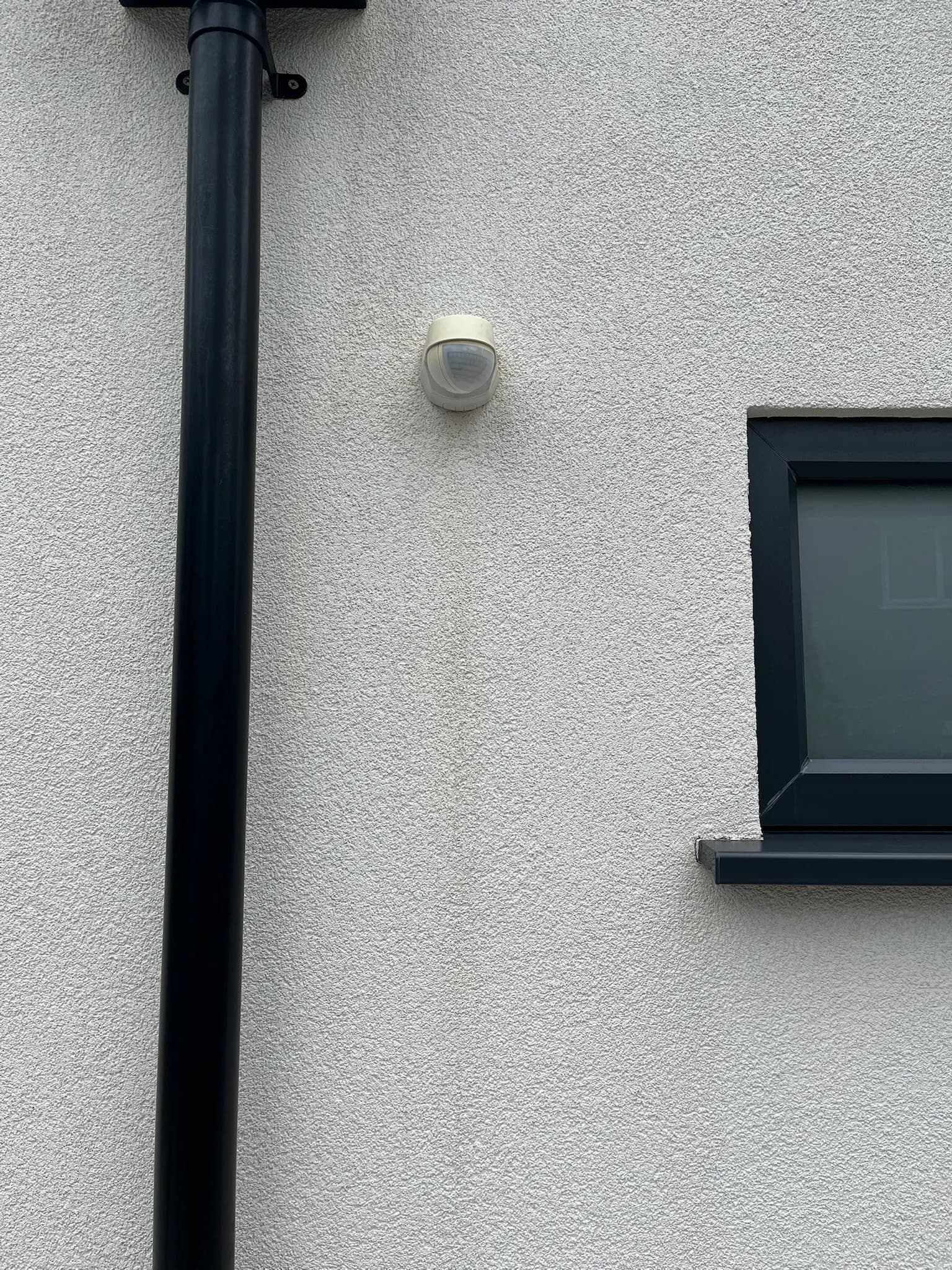
Rendered surfaces frequently experience discoloration caused by moisture retention.
Bleach treatments can help remove:
- Algae staining
- Mould patches
- Mildew growth
However, every render type reacts differently, making surface assessment important before cleaning.
Concrete and Driveways
Concrete is highly susceptible to staining from:
- Algae
- Mould
- Moss
- Organic contamination
Bleach can improve the appearance of:
- Driveways
- Walkways
- Patios
- Concrete walls
Fences and Exterior Walls
Exterior fences and walls are constantly exposed to the weather.
Bleach treatments can help remove biological growth and improve overall appearance when used correctly.
Can Bleach Remove Mould From House Exterior?
Mould is one of the most common reasons homeowners search for can you use bleach to clean exterior of house surfaces.
Exterior mould develops when moisture remains on surfaces for long periods. Areas with limited sunlight are particularly vulnerable.
Common locations include:
- Brick walls
- Vinyl cladding
- Rendered surfaces
- Garden walls
- Roof edges
- Fencing
Mould can appear as:
- Black staining
- Dark patches
- Streaks running down walls
- Discoloured areas around gutters
A properly diluted bleach solution can help with outdoor mould removal by killing mould spores on the surface and reducing visible staining.
However, severe mould contamination may require a professional treatment process to achieve long-lasting results.
Why Mould Keeps Returning
Many homeowners remove mould only to see it return months later.
This often happens because:
- The root cause has not been addressed
- Moisture remains trapped
- Organic growth is not fully removed
- Cleaning methods only remove surface staining
Regular maintenance and professional exterior cleaning can help reduce future growth.
Can Bleach Remove Mildew From Cladding?
Mildew is another common problem affecting home exteriors.
Unlike mould, mildew usually appears as:
- White patches
- Grey staining
- Powdery deposits
It often develops in damp locations where airflow is limited.
Common areas include:
- Vinyl cladding
- Window surrounds
- Shaded walls
- Covered outdoor spaces
A properly mixed bleach cleaning solution can be highly effective for mould and mildew removal.
The treatment helps break down mildew growth and restore a cleaner appearance.
Signs Your Cladding Has Mildew
Look for:
- White powdery marks
- Light grey staining
- Damp-looking patches
- Surface discolouration
Removing mildew early can prevent larger cleaning problems in the future.
Can Bleach Kill Algae on Exterior Walls?
Yes, bleach is commonly used for algae removal during exterior house washing projects.
Algae thrive in:
- Humid conditions
- Damp environments
- Shaded areas
- Poorly ventilated locations
The most common sign is green staining across walls, cladding or fencing.
Why Algae Is a Problem
Although algae may seem harmless, it can:
- Affect kerb appeal
- Trap moisture
- Encourage further biological growth
- Create slippery surfaces
A bleach-based treatment helps eliminate algae and improve the appearance of affected surfaces.
Common Areas Where Algae Develops
- Vinyl cladding
- Brickwork
- Concrete walls
- Driveways
- Patios
- Garden walls
Routine cleaning helps keep algae growth under control.
Bleach vs Pressure Washing
Many homeowners wonder whether bleach cleaning or pressure washing is the better solution.
The answer depends on the surface and the type of contamination present.
Bleach Cleaning
Bleach focuses on treating biological growth.
Benefits include:
- Kills mould
- Removes mildew
- Eliminates algae
- Treats organic staining
- Produces longer-lasting results
Potential drawbacks include:
- Incorrect dilution can damage surfaces
- Landscaping may need protection
- Requires proper application techniques
Pressure Washing
Pressure washing relies on water pressure to remove contaminants.
Benefits include:
- Fast cleaning
- Effective dirt removal
- Suitable for some hard surfaces
Potential drawbacks include:
- Surface damage if used incorrectly
- Water intrusion risks
- Less effective against biological growth
Which Method Works Best?
For many residential properties, a combination of cleaning solutions and controlled water pressure provides the best results.
This is why many professionals use soft washing house exterior techniques rather than relying solely on high-pressure cleaning.
Soft Washing: A Better Way to Use Bleach
Soft washing has become one of the most effective methods of residential exterior cleaning.
Rather than using high pressure, soft washing uses:
- Low-pressure application
- Targeted cleaning solutions
- Controlled treatment methods
- Thorough rinsing procedures
This approach allows cleaning solutions to do the work without putting unnecessary stress on exterior surfaces.
Benefits of Soft Washing
Soft washing can:
- Remove mould and mildew
- Kill algae growth
- Reduce staining
- Protect delicate surfaces
- Deliver longer-lasting results
Because of these benefits, soft washing is widely used on:
- Render
- Brickwork
- Cladding
- Roofs
- Fencing
Why Soft Washing Lasts Longer
Pressure washing often removes visible contamination.
Soft washing goes further by treating the biological organisms responsible for the staining.
As a result, surfaces often stay cleaner for longer.
Proper Bleach Dilution for Exterior House Cleaning
One of the most important aspects of using bleach safely is dilution.
Many cleaning problems occur when homeowners use bleach at excessive concentrations.
Why Dilution Matters
The correct bleach dilution ratio helps:
- Improve cleaning performance
- Reduce surface damage
- Protect surrounding landscaping
- Create safer working conditions
Using stronger solutions does not always produce better results.
In some cases, it can create unnecessary risks.
Understanding Bleach and Water Mixtures
Different surfaces require different treatment strengths.
Factors that influence dilution include:
- Surface type
- Degree of contamination
- Presence of mould
- Environmental conditions
Professional cleaning companies assess these factors before selecting the most appropriate cleaning solution.
Dangers of Strong Bleach Solutions
Overly concentrated bleach may:
- Affect painted surfaces
- Damage vegetation
- Cause uneven discolouration
- Create safety hazards
For this reason, controlled application is always recommended.
Common Mistakes When Using Bleach Outdoors
Although bleach can be effective, improper use can create avoidable problems.
Using Undiluted Bleach
Applying bleach directly from the container increases the risk of damage.
A properly prepared bleach and water mixture is usually safer and more effective.
Ignoring Surface Compatibility
Not every exterior surface responds the same way to bleach.
Different materials require different cleaning methods.
Allowing Excessive Dwell Time
Leaving bleach on a surface for too long can increase the risk of unwanted effects.
Proper timing is important during any cleaning process.
Mixing Cleaning Products
Bleach should never be mixed with other household chemicals.
Doing so can create dangerous reactions.
Neglecting Rinsing Procedures
Thorough rinsing helps remove cleaning residues and protects surrounding areas.
Skipping this step can reduce cleaning effectiveness.
How to Protect Plants and Landscaping During Exterior Cleaning
One concern many homeowners have is whether bleach will affect nearby vegetation.
This concern is understandable because landscaping is often located close to exterior walls.
Protect Plants From Bleach
Before cleaning begins, surrounding vegetation should be protected.
Common precautions include:
- Wetting plants beforehand
- Covering sensitive flowers
- Controlling overspray
- Managing runoff carefully
These steps help reduce exposure during cleaning.
Managing Bleach Runoff
Proper bleach runoff prevention is an important part of responsible exterior cleaning.
Runoff should be managed carefully to avoid unnecessary contact with:
- Grass
- Flower beds
- Shrubs
- Trees
- Decorative plants
Professional cleaning companies follow procedures designed to minimise risks while achieving effective cleaning results.
Signs You Should Avoid DIY Bleach Cleaning
While bleach can be useful for exterior house cleaning, there are situations where a do-it-yourself approach may not be the best option.
Large areas of contamination, difficult access points and delicate surfaces often require specialist equipment and experience.
You should consider professional help if:
- Mould covers large sections of the property
- The home has multiple storeys
- Exterior surfaces are already damaged
- Staining keeps returning after cleaning
- There are concerns about nearby landscaping
- The correct cleaning method is unclear
Attempting to clean these surfaces without proper knowledge can increase the risk of damage.
Difficult-to-Reach Areas
Some parts of a property's exterior can be challenging to access safely.
Examples include:
- High walls
- Roof edges
- Upper-storey cladding
- Gable ends
- Areas around gutters
Professional cleaning equipment helps ensure these locations are treated safely and effectively.
Delicate Exterior Surfaces
Certain materials require a specialised cleaning approach.
These may include:
- Older brickwork
- Decorative render
- Painted facades
- Heritage properties
- Weathered surfaces
Using the wrong cleaning method can sometimes cause more harm than good.
The Professional Approach to Exterior House Cleaning
Professional exterior cleaning goes beyond simply applying a cleaning solution.
Every property is different, which means each surface requires a tailored approach.
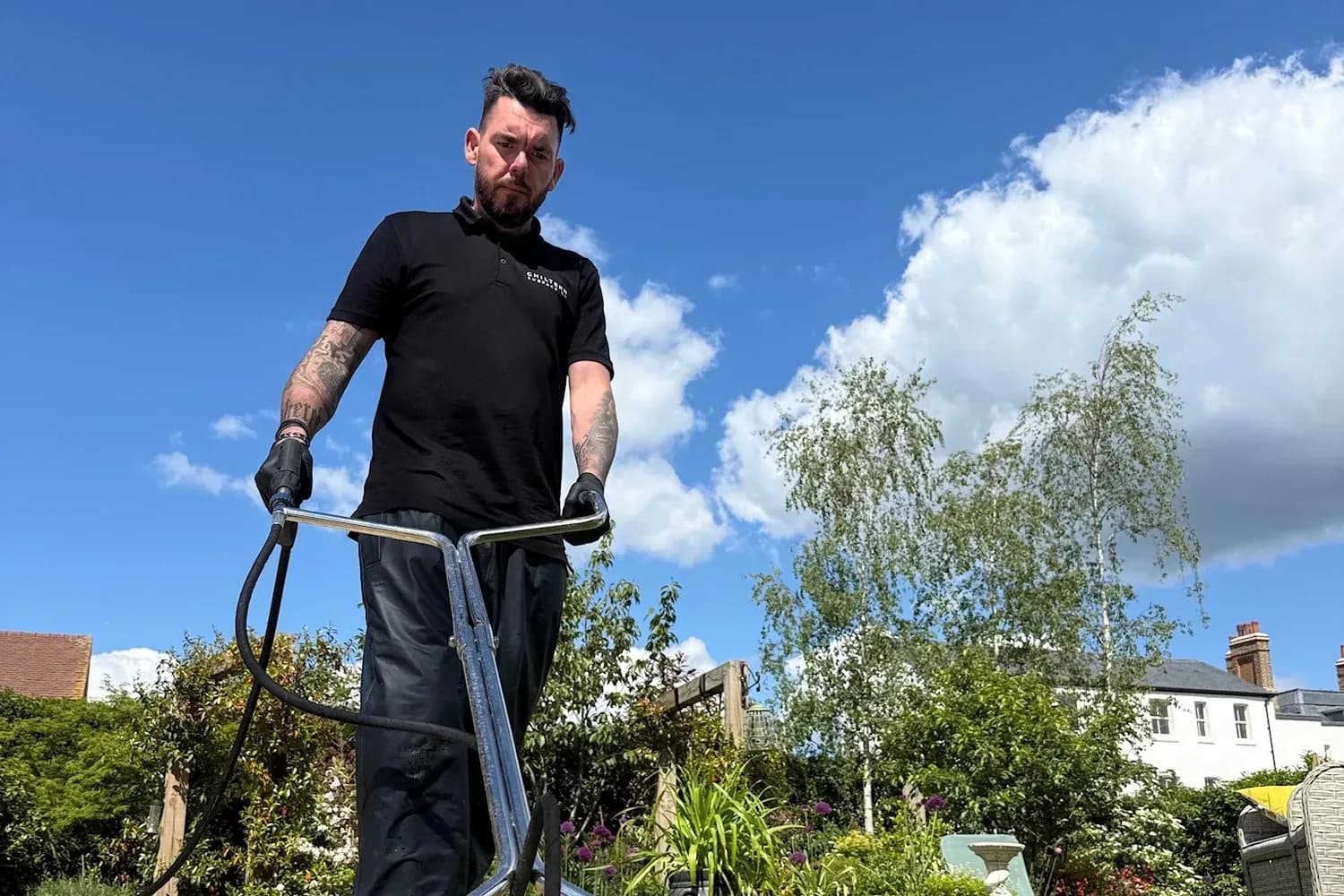
At Chiltern Surface, cleaning methods are selected based on the condition, material and level of contamination present.
Every Surface Requires a Different Approach
No single cleaning method works for every surface.
Factors that influence the cleaning process include:
- Surface material
- Age of the property
- Type of staining
- Presence of mould or algae
- Environmental conditions
This assessment helps ensure the safest and most effective treatment is used.
The Correct Method Matters
Professional cleaning may involve:
- Soft washing
- Controlled pressure washing
- Surface treatments
- Stain removal techniques
- Organic growth removal
Choosing the right process helps achieve better results while protecting the surface.
Long-Term Results Matter
The goal is not simply to remove visible staining.
Professional cleaning aims to:
- Reduce future contamination
- Improve appearance
- Protect exterior surfaces
- Extend the lifespan of materials
- Enhance kerb appeal
A well-maintained exterior can make a significant difference to the overall appearance of a property.
Why Choose a Chiltern Surface?
When it comes to residential exterior cleaning, experience and attention to detail matter.
Chiltern Surface provides professional exterior cleaning solutions designed to deliver safe, effective and long-lasting results.
Our Exterior Cleaning Services Include
- Exterior house washing
- Soft washing
- Brick cleaning
- Render cleaning
- Mould removal
- Mildew removal
- Algae treatment
- Patio cleaning
- Driveway cleaning
- Surface restoration
Why Homeowners Trust Chiltern Surface
- Professional cleaning methods
- Surface-specific treatments
- Safe cleaning practices
- Careful protection of landscaping
- Experienced cleaning specialists
- Long-lasting results
- Outstanding customer service
Every project begins with an assessment to determine the most suitable cleaning solution for the property.
QuestionsConclusion
If you are asking if you can use bleach to clean the exterior of house surfaces, the answer is yes. Bleach can be highly effective for removing mould, mildew, algae and other forms of organic growth when used correctly.
However, successful exterior cleaning involves more than simply applying a bleach solution. The right cleaning method, proper dilution, surface assessment and landscaping protection all play an important role in achieving safe and long-lasting results.
Whether you need help with exterior house washing, soft washing, mould removal or surface restoration, Chiltern Surface provides professional cleaning services tailored to your property's needs.
Contact Chiltern Surface Today
Looking to restore the appearance of your home's exterior?
Get in touch with Chiltern Surface today to arrange a professional assessment and discover the safest and most effective solution for your property. Our expert team is ready to help remove mould, mildew, algae and stubborn exterior stains while protecting the surfaces that matter most.
Frequently asked questions
Can you use bleach to clean the exterior of house cladding?
Yes. Bleach can help remove mould, mildew and algae from cladding when used correctly and diluted appropriately.
Does bleach damage vinyl cladding?
When used properly, bleach is generally safe for vinyl cladding. However, excessive concentrations or improper application may cause issues.
Can bleach remove mould from house exterior walls?
Yes. Bleach is commonly used for outdoor mould removal and can help eliminate surface mould and staining.
Can bleach remove mildew from cladding?
Yes. A properly diluted bleach solution is often effective for mould and mildew removal on cladding.
Can bleach kill algae on exterior walls?
Yes. Bleach is widely used for algae removal and can help eliminate green staining caused by biological growth.
What is the best way to clean exterior walls?
The most effective method depends on the surface. Soft washing is often preferred for treating mould, mildew and algae.
Is soft washing a better option than bleach and pressure washing?
For many surfaces, soft washing provides a safer and more effective solution because it treats the source of biological growth.
Can bleach be used on brick walls?
Yes. Brick walls can often be cleaned using bleach-based treatments when applied correctly.
Will bleach remove black stains from cladding?
Bleach can help remove many black stains caused by mould, mildew and algae.
How often does a house exterior need professional cleaning?
Most properties benefit from professional exterior cleaning every one to three years, depending on environmental conditions.
Does bleach prevent mould from returning?
Bleach can reduce mould growth, but ongoing moisture issues may cause contamination to return over time.
Can bleach clean concrete surfaces?
Yes. Concrete driveways, pathways and patios are often cleaned using bleach-based solutions.
Is bleach safe for painted exterior walls?
Some painted surfaces can be sensitive to bleach. Testing and professional assessment are recommended.
Will bleach harm nearby plants?
Bleach can affect vegetation if precautions are not taken. Proper landscaping protection is important during cleaning.
What causes algae to grow on house exteriors?
Algae thrive in damp, shaded areas where moisture remains on surfaces for extended periods.
Can pressure washing remove mould?
Pressure washing may remove visible mould, but it may not eliminate the biological growth responsible for the staining.
What is soft washing?
Soft washing is a low-pressure cleaning method that uses specialised cleaning solutions to remove mould, mildew and algae.
Can bleach clean render?
Yes. Bleach-based treatments are commonly used to clean, render and remove organic staining.
Is professional exterior cleaning worth it?
Professional cleaning often delivers safer, longer-lasting and more consistent results compared to many DIY methods.
How can I keep my house exterior clean for longer?
Regular maintenance, prompt treatment of organic growth and periodic professional cleaning can help maintain a cleaner exterior.