
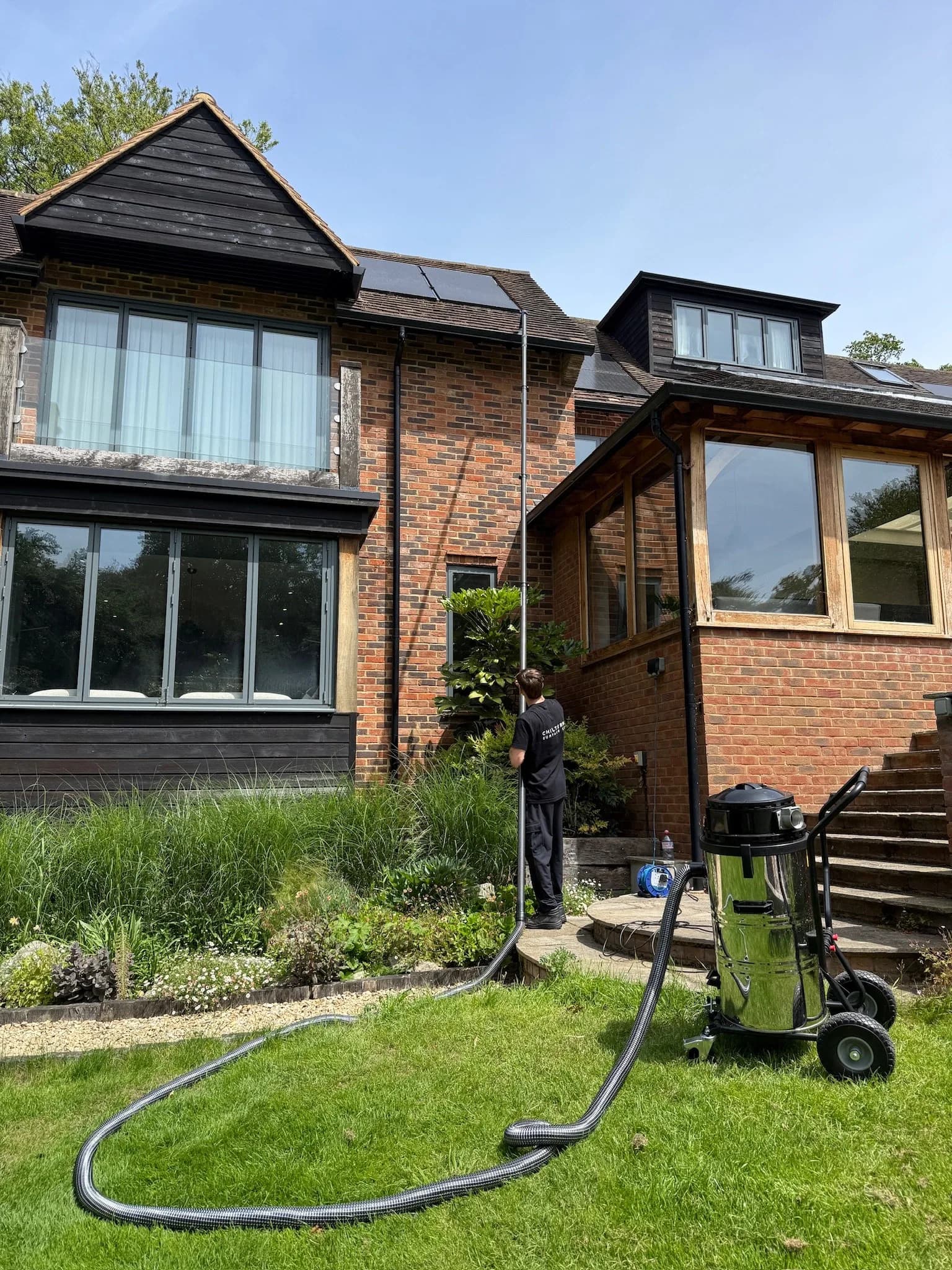
If you want to know how to clean mould off exterior brick wall surfaces, this guide gives you the safe answer. You’ll learn how to remove mould, mildew, dark marks, and damp staining from outdoor brickwork without damaging bricks, mortar joints, or painted surfaces.
Mould on exterior brick is common in the UK. Rain, shade, poor drainage, blocked gutters, overgrown plants, and damp weather all create the right conditions for fungal growth. Brick is strong, but it is also porous, which means it can hold moisture.
At Chiltern Surface, we clean exterior brickwork with care. The goal is not just to make the wall look better. The goal is to clean it safely, protect the surface, and help reduce the chance of mould coming back.
Why Mould Grows on Exterior Brick Walls
Mould grows when moisture sits on brickwork for too long. Exterior brick walls are exposed to rain, condensation, soil splashback, and shaded garden areas. When the wall does not dry properly, mould spores can settle and grow.
Common causes include:
- Damp weather
- Poor airflow
- Shaded walls
- Blocked gutters
- Leaking downpipes
- Soil touching brickwork
- Overgrown plants
- Poor drainage
- Cracked mortar joints
- Water trapped in porous bricks
If the source of moisture is not fixed, mould may return after cleaning.
Mould vs Mildew vs Algae on Brick
Before you clean, it helps to know what you are dealing with.
Mould often appears as dark, black, green, or patchy growth. It may look fuzzy or stained.
Mildew is usually lighter and flatter. It often appears in damp areas.
Algae is often green and slimy. It is common on shaded exterior walls.
All three are linked to moisture. They can make brickwork look dirty and neglected.
Is Mould on Exterior Brick Dangerous?
Small areas of outdoor mould are usually manageable with care. However, mould spores can irritate some people, especially during cleaning.
Before cleaning, wear:
- Protective gloves
- Safety goggles
- A mask
- Old clothing
- Closed footwear
Avoid dry brushing heavy mould because it can release spores into the air. Dampening the area first is safer.
Best Way to Clean Mould Off Exterior Brick Wall
The best way to clean mould off exterior brick wall surfaces is to start gently. Use water, a suitable masonry-safe cleaner, soft brushing, and careful rinsing.
A safe method is:
- Inspect the wall first
- Wet the affected area lightly
- Apply a suitable mould remover or mild cleaning solution
- Let it sit for the correct time
- Scrub gently with a brush
- Rinse with clean water
- Let the wall dry fully
- Fix moisture problems to prevent regrowth
Do not use high pressure straight away. This can damage bricks and mortar.
Step 1: Inspect the Brickwork
Before cleaning, check the condition of the wall.
Look for:
- Cracked bricks
- Loose mortar
- Spalling bricks
- Damp patches
- White efflorescence
- Peeling paint
- Moss or algae
- Leaking gutters nearby
If the wall is old, weak, or crumbling, do not scrub hard or pressure wash it. Professional masonry cleaning is safer.
Step 2: Wet the Mouldy Area
Lightly dampen the mould before cleaning. This helps reduce airborne spores and softens the growth.
Use a garden hose on a gentle setting or a spray bottle. Do not soak the wall heavily. Too much water can push moisture deeper into the brickwork.
Step 3: Use Mild Detergent for Light Mould
For light mould, mild detergent and water may be enough.
Mix a small amount of mild soap with water. Apply it with a soft brush. Scrub gently, then rinse with clean water.
This works best for fresh or light surface growth.
Step 4: Use a Masonry-Safe Mould Remover
For heavier growth, use a cleaner made for brick or masonry. A proper mould remover or mildew remover can break down fungal growth better than soap alone.
Before using any product:
- Read the label
- Check it is suitable for brick
- Test a small hidden area
- Protect plants nearby
- Keep pets and children away
- Rinse as directed
Avoid harsh acids unless advised by a professional.
Can You Use Vinegar to Clean Mould Off Brick?
White vinegar can help with some mould, but it is not always the best choice for exterior brickwork. Vinegar is acidic, and repeated use may affect some masonry or mortar.
If using vinegar:
- Dilute it with water
- Test a small area first
- Do not leave it too long
- Rinse well
- Avoid using it on delicate or old brickwork
For valuable brick walls, a masonry-safe cleaner is usually better.
Can You Use Bleach on Mouldy Brick?
Bleach can lighten mould, but it has risks. It may harm nearby plants, stain surfaces, irritate skin, and affect mortar if used badly.
Never use neat bleach. Never mix bleach with vinegar or other cleaners.
Bleach may not solve the deeper moisture issue, so mould can return if the wall stays damp.
Can You Pressure Wash Mould Off Brick?
Pressure washing can remove surface mould, but it must be done carefully. High pressure can damage brick faces, loosen mortar, and force water into the wall.
Avoid pressure washing if:
- The brickwork is old
- Mortar is loose
- Bricks are spalling
- The wall is already damp
- Paint is peeling
- Cracks are visible
If pressure washing is suitable, use low pressure and a wide spray pattern. For most homes, professional exterior brick cleaning is safer.
How to Clean Mould Off Painted Brick
Painted brick needs extra care. Scrubbing too hard or using high pressure can lift paint.
Use:
- Mild soap
- Soft brush
- Gentle rinsing
- Low-pressure cleaning only
If paint is peeling, the wall may need repair or repainting after cleaning.
How to Prevent Mould Coming Back
Cleaning removes the visible mould. Prevention stops it returning quickly.
To reduce mould regrowth:
- Fix leaking gutters
- Repair damaged downpipes
- Improve drainage
- Trim plants away from walls
- Remove soil from the base of brickwork
- Increase airflow
- Repair cracks and mortar joints
- Clean shaded walls regularly
Moisture control is the most important step.
When Professional Brick Mould Removal Is Better
DIY cleaning can work for small, light patches. However, professional help is better when:
- Mould covers a large area
- The wall is old or delicate
- Mortar is weak
- Mould keeps returning
- There are damp problems
- You are unsure what cleaner to use
- Pressure washing may cause damage
Chiltern Surface can assess the wall and choose the safest cleaning method.
Professional Brick Wall Mould Removal by Chiltern Surface
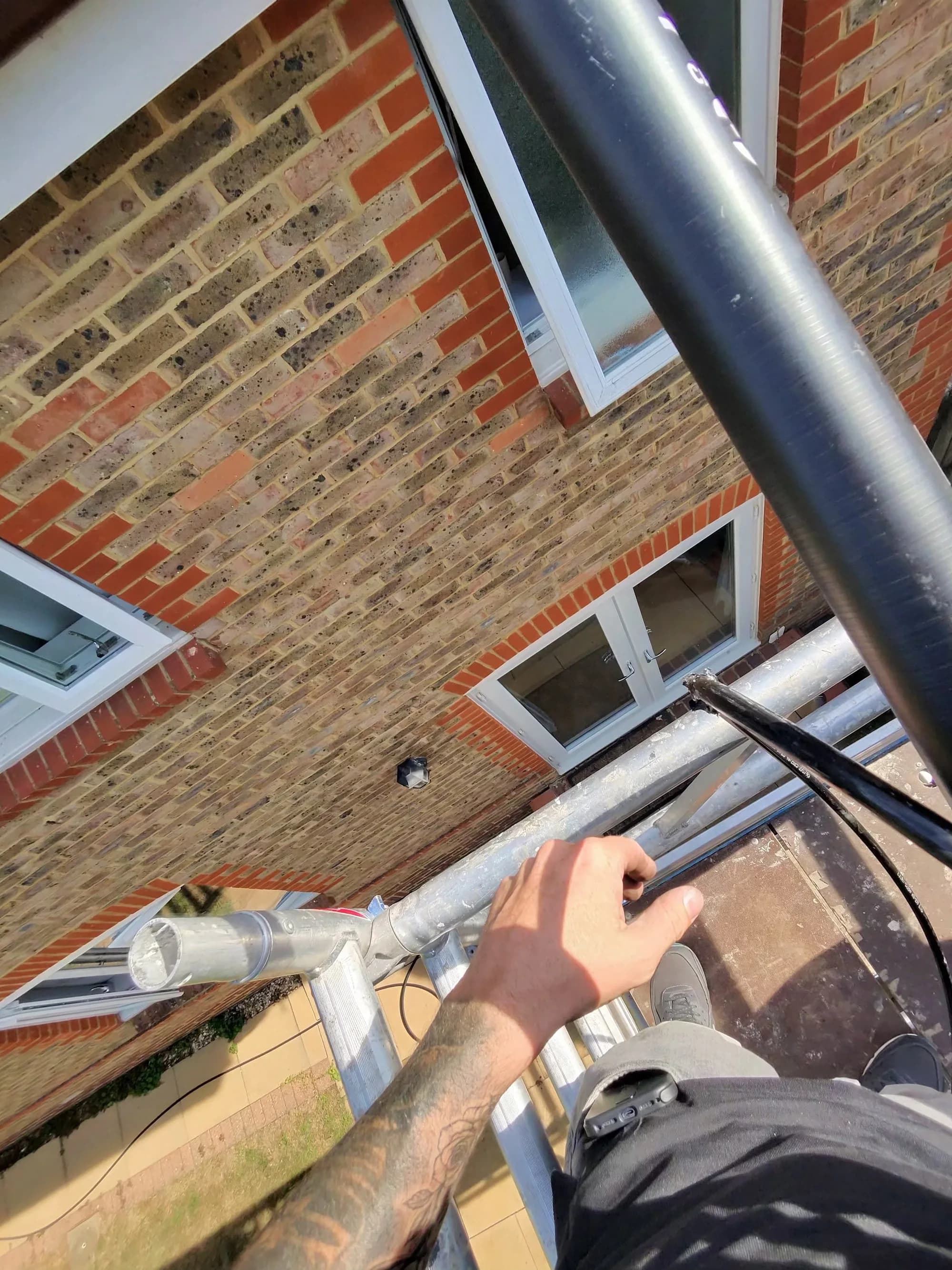
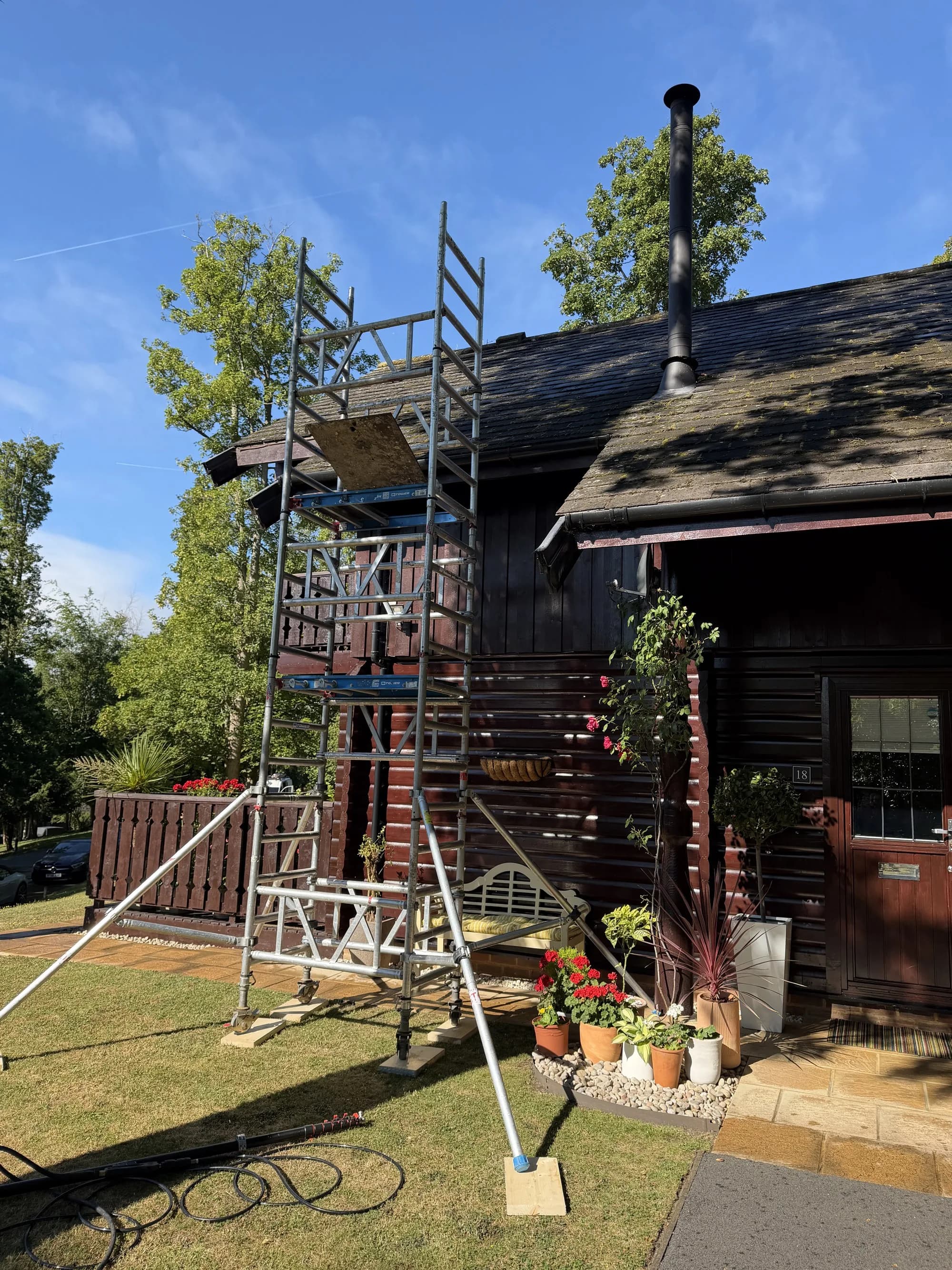
Chiltern Surface provides careful professional brick cleaning for exterior walls, garden walls, facades, and masonry surfaces.
Our service may include:
- Brickwork inspection
- Mould and mildew assessment
- Safe cleaning method selection
- Low-pressure cleaning where suitable
- Masonry-safe treatment
- Careful rinsing
- Mortar joint protection
- Aftercare advice
We clean with care, not harsh shortcuts.
Why Choose Chiltern Surface?
Chiltern Surface offers expert exterior surface cleaning with a premium finish.
Homeowners choose us for:
- Safe brickwork cleaning
- Professional equipment
- Careful pressure control
- Surface-specific methods
- Honest advice
- Local service
- Long-lasting results
Whether your brick wall has mould, mildew, algae, moss, or damp staining, we can help restore it safely.
About How to Clean Mould Off Exterior Brick WallConclusion
Knowing how to clean mould off exterior brick wall surfaces helps protect your property and improve its appearance. The safest method is to clean gently, use the right masonry-safe product, rinse carefully, and deal with the moisture that caused the mould.
For stubborn mould, delicate brickwork, or recurring damp growth, Chiltern Surface provides expert exterior brick and masonry cleaning.
Contact Chiltern Surface today to restore your brickwork with safe, professional care.
Frequently asked questions
What is the best way to clean mould off exterior brick wall surfaces?
Use a masonry-safe cleaner, soft brushing, and gentle rinsing. Avoid high pressure on weak or old brickwork.
Can mould damage brickwork?
Mould itself is mostly a surface problem, but the moisture that causes it can lead to staining, damp issues, and mortar damage over time.
Can I use bleach to remove mould from brick?
Bleach may lighten mould, but it can harm plants and affect some surfaces. Use with care and never mix it with other cleaners.
Is vinegar safe for cleaning mould off brick?
Vinegar can help light mould, but it is acidic. Test first and avoid repeated use on delicate brick or mortar.
Can I pressure wash mould off exterior brick?
Yes, but only with low pressure and only if the brickwork is sound. High pressure can damage bricks and mortar.
How do I stop mould growing back on brick walls?
Fix moisture issues, improve airflow, trim plants, repair gutters, and keep the wall dry where possible.
Should I clean mould myself or hire a professional?
Small patches can be cleaned carefully. Large areas, old brickwork, or recurring mould should be handled professionally.