
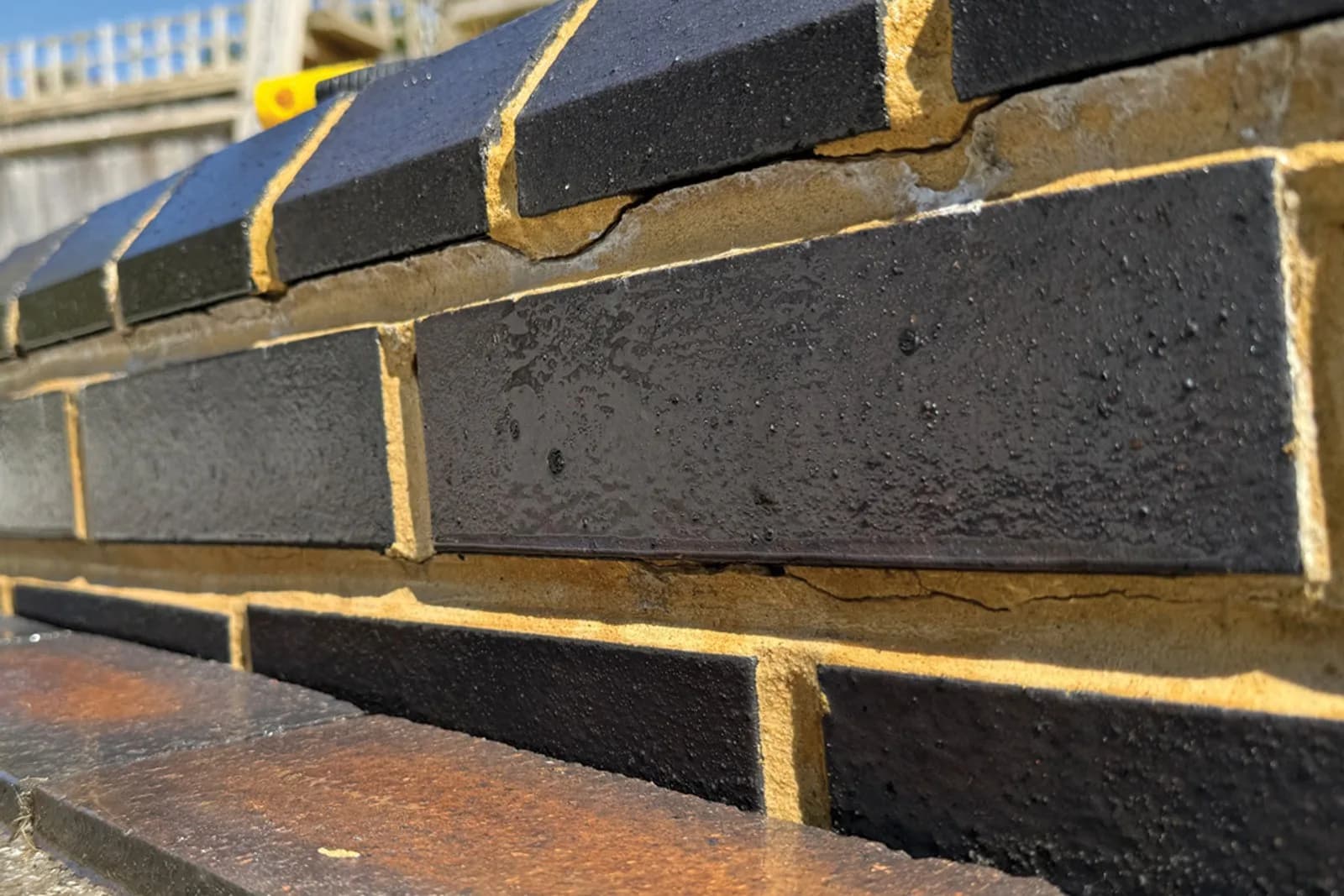
If you want to know how to clean brick wall exterior surfaces safely, this guide gives you the clear answer. You’ll learn how to remove dirt, algae, moss, mildew, staining, and white powdery marks from outdoor brickwork without damaging the bricks or mortar joints.
Exterior brick walls are strong, but they still need careful cleaning. Over time, rain, shade, pollution, damp, moss, lichen, and algae can make brickwork look tired and stained. In the UK, wet weather makes these problems even more common.
At Chiltern Surface, we understand that brickwork needs a gentle, surface-safe approach. A harsh pressure washer, wire brush, or strong chemical cleaner can damage bricks, weaken mortar, or make stains worse. The right method protects the wall while restoring its natural appearance.
Why Exterior Brick Walls Get Dirty
Outdoor brickwork is exposed to weather every day. Rain, wind, dust, and pollution all settle on the surface. In shaded or damp areas, organic growth can also form.
Common causes of dirty brick walls include:
- Road dust and pollution
- Rainwater marks
- Moss and algae
- Lichen growth
- Mould and mildew
- White efflorescence
- Soil splashback
- Poor drainage
- Overgrown plants
- Damp brickwork
Because brick is porous, it can absorb moisture. When moisture stays in the brickwork, stains and biological growth can spread more quickly.
What Is the Best Way to Clean Exterior Brickwork?
The best way to clean exterior brick wall surfaces is to start gently. Remove loose dirt first, use mild detergent and water, scrub with a soft or medium brush, then rinse with low pressure.
A safe basic method is:
- Inspect the wall first
- Remove loose dirt with a brush
- Wet the brickwork lightly
- Apply mild soap and water
- Scrub gently
- Rinse with clean water
- Treat algae or moss if needed
- Let the wall dry naturally
Never start with harsh chemicals or high pressure. Brickwork can be damaged if cleaned too aggressively.
Tools You Need to Clean Bricks Outside
To clean bricks outside, you need the right tools.
Useful tools include:
- Soft bristle brush
- Medium stiff brush
- Bucket
- Garden hose
- Mild detergent
- Masonry-safe cleaner
- Gloves
- Safety goggles
- Low-pressure washer if suitable
- Scraper for loose debris only
Avoid:
- Wire brushes
- Metal scrapers
- Strong acid cleaners
- Neat bleach
- High-pressure blasting
- Abrasive pads
The aim is to lift dirt, not remove the face of the brick.
Step 1: Inspect the Brick Wall First
Before cleaning, inspect the wall closely.
Look for:
- Cracked bricks
- Loose mortar
- Spalling bricks
- Damp patches
- Crumbling pointing
- White powdery deposits
- Moss or algae
- Paint flakes
- Structural cracks
If the brickwork is weak, do not pressure wash it. Water can enter cracks and make the problem worse.
Older walls often need professional brickwork cleaning because the mortar may be softer than modern brickwork.
Step 2: Remove Loose Dirt and Debris
Start by brushing the wall with a soft bristle brush. This removes dust, cobwebs, loose soil, and surface debris.
Brush from top to bottom so dirt falls away naturally. Do not scrape hard, especially around mortar joints.
This step prepares the surface and helps the cleaner work better.
Step 3: Use Mild Soap and Water
For light dirt, mild soap and water is often enough.
Mix a small amount of mild detergent with clean water. Apply it to the brick wall using a brush or sponge. Scrub gently in circular motions, then rinse with clean water.
This method works well for:
- Dust
- Light grime
- Soil marks
- General dirt
- Fresh stains
Do not use too much soap. Residue can leave streaks or attract more dirt.
Step 4: Rinse with Clean Water
After scrubbing, rinse the wall with a garden hose on a gentle setting.
Do not blast water into mortar joints. Strong water pressure can loosen pointing and force moisture deep into the wall.
Always rinse from top to bottom. Let the wall dry fully before judging the final result.
How to Remove Algae from Brick Wall
Green algae often appears on damp, shaded brickwork. It can make the wall look old and neglected.
To remove algae:
- Brush away loose dirt
- Apply a masonry-safe algae cleaner
- Allow the correct dwell time
- Scrub gently
- Rinse with clean water
If algae keeps returning, the wall may have poor airflow, heavy shade, or drainage issues.
Chiltern Surface can treat algae safely and help reduce regrowth with the right cleaning method.
How to Remove Moss from Brickwork
Moss usually grows where moisture sits for long periods. It can appear near ground level, around garden walls, or under overhanging plants.
To remove moss:
- Pull away thick moss by hand
- Brush the wall gently
- Apply a suitable moss treatment
- Rinse carefully if required
- Improve airflow around the wall
Do not rip moss aggressively from old mortar. This can pull away weak pointing.
How to Remove Lichen from Exterior Brick
Lichen is tougher than algae. It grips onto the brick surface and may leave dark, white, grey, or green marks.
Pressure washing alone may not remove lichen fully. A specialist masonry cleaner may be needed.
If lichen is widespread, professional masonry cleaning is the safest choice. The wrong product can stain brickwork or damage mortar.
What Is White Powder on Bricks?
White powder on bricks is often efflorescence. This happens when moisture moves through the brick and brings salts to the surface.
Efflorescence looks like:
- White powder
- Chalky marks
- Pale streaks
- Salty deposits
Do not try to wash efflorescence heavily with water at first. More water can sometimes make it worse.
A dry brush is often the first step. If it returns often, there may be a moisture issue that needs attention.
Can You Pressure Wash Exterior Brick?
You can pressure wash some exterior brick, but only with great care. High pressure can damage bricks and mortar.
Pressure washing can cause:
- Loose mortar
- Water entering the wall
- Surface erosion
- Spalling bricks
- Streak marks
- Damp problems
If using pressure, it should be low pressure and controlled. Avoid pressure washing old, damaged, soft, or spalling brickwork.
For valuable exterior walls, professional cleaning is safer.
What Not to Use on Exterior Brick Walls
Some products and tools can cause lasting damage.
Avoid:
- Wire brushes
- Muriatic acid
- Strong acid cleaners
- Neat bleach
- Metal scrapers
- High-pressure nozzles
- Abrasive cleaning pads
- Harsh household chemicals
Brickwork should be cleaned with patience and care. Stronger is not always better.
How to Clean Painted Brick Exterior
Painted brick needs extra care. Harsh scrubbing or pressure washing can lift paint.
Use:
- Mild soap
- Soft brush
- Gentle rinsing
- Low-pressure cleaning only
If paint is peeling, do not pressure wash. The wall may need repainting or professional restoration.
How to Clean Old Exterior Brickwork
Old brickwork can be delicate. Mortar may be soft, and bricks may be weathered.
For older walls:
- Avoid high pressure
- Avoid harsh chemicals
- Use soft brushing
- Clean small areas at a time
- Check mortar condition
- Seek professional advice if unsure
Chiltern Surface can assess old brickwork and choose a cleaning method that protects the surface.
How to Prevent Brick Walls Getting Dirty Again
After cleaning, good maintenance helps keep brickwork looking better.
Simple tips include:
- Trim plants away from walls
- Clear leaves and soil from the base
- Improve drainage
- Fix leaking gutters
- Remove moss early
- Keep air flowing around walls
- Inspect cracks and mortar
- Book professional cleaning when needed
Moisture control is key. If brickwork stays damp, algae, moss, and efflorescence are more likely to return.
When Professional Brick Cleaning Is Better
DIY cleaning can help with light dirt. However, professional cleaning is better when:
- The wall is old or delicate
- Mortar is weak
- Bricks are spalling
- Algae or moss keeps returning
- Lichen is present
- White deposits keep appearing
- Stains are widespread
- You are unsure what cleaner to use
Professional cleaning protects the wall and gives a more even finish.
Professional Exterior Brick Cleaning by Chiltern Surface
Chiltern Surface provides careful exterior brick cleaning for homes that need expert surface care.
Our service may include:
- Brickwork inspection
- Moss and algae assessment
- Safe masonry cleaning
- Low-pressure washing where suitable
- Organic growth treatment
- Careful rinsing
- Mortar joint protection
- Aftercare advice
We do not treat every wall the same. Each brick surface gets the right level of care.
Why Choose Chiltern Surface?
Your exterior brickwork is part of your property’s character. It should be cleaned with care, not harsh shortcuts.
Chiltern Surface offers:
- Professional surface knowledge
- Safe cleaning methods
- Careful pressure control
- Premium attention to detail
- Local service
- Honest advice
- Long-lasting results
Whether your wall has dirt, algae, moss, lichen, or white staining, we can help restore it safely.
About How to Clean Brick Wall ExteriorConclusion
Knowing how to clean brick wall exterior surfaces helps protect your property while improving its appearance. The safest approach is to start gently with brushing, mild detergent, clean water, and low-pressure rinsing.
For algae, moss, lichen, efflorescence, old brickwork, or delicate mortar, professional cleaning is often the best choice.
Chiltern Surface provides expert exterior brick and masonry cleaning with careful methods and premium results.
Contact Chiltern Surface today to restore your brickwork and keep your property looking clean, cared for, and beautifully maintained.
Frequently asked questions
What is the best way to clean an exterior brick wall?
The best way is to brush off loose dirt, use mild soap and water, scrub gently, and rinse with clean water. Heavy stains may need professional cleaning.
Can I pressure wash exterior brick?
Yes, but only with low pressure and care. High pressure can damage bricks and mortar joints.
How do I remove algae from brickwork?
Use a masonry-safe algae cleaner, allow it to work, scrub gently, and rinse carefully.
How do I remove white powder from bricks?
White powder is often efflorescence. Start with dry brushing. If it returns, there may be a moisture problem.
Can I use bleach on exterior brick?
Bleach may harm plants, stain surfaces, and affect mortar if used badly. A masonry-safe cleaner is usually better.
Should I use a wire brush on brick?
No. Wire brushes can scratch brick and leave metal particles that may rust.
How often should exterior brick be cleaned?
Light maintenance can be done yearly. Full professional cleaning depends on dirt, algae, damp, and location.
When should I call a professional brick cleaner?
Call Chiltern Surface if the wall is old, stained, mossy, affected by lichen, or has weak mortar.