
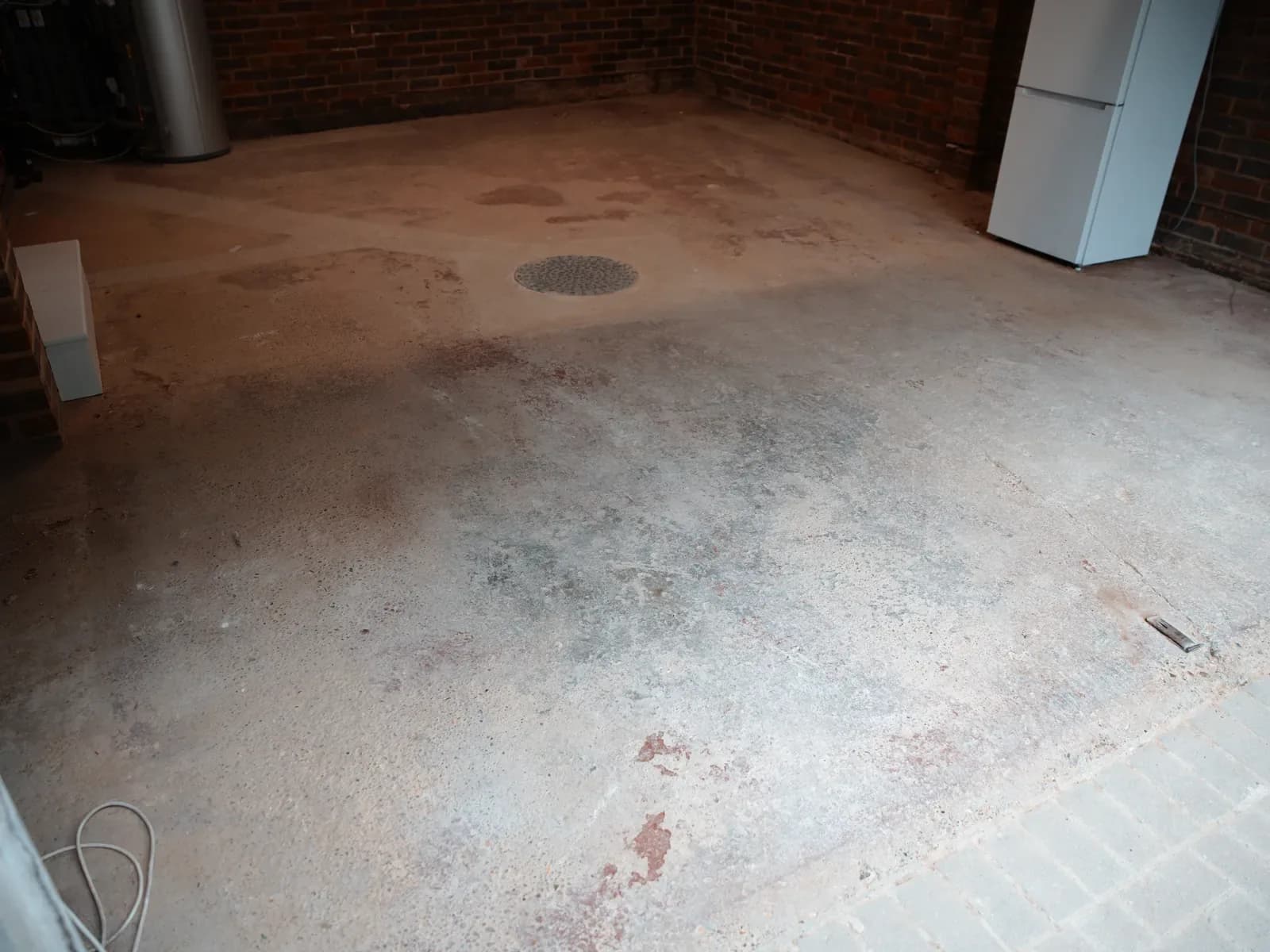
If you are wondering how to clean an asphalt driveway, regular maintenance is the key to keeping it looking its best. The right cleaning methods can remove dirt, moss, algae, and stains without causing damage. This guide explains how to clean and maintain an asphalt driveway safely and effectively.
Why Asphalt Driveways Need Regular Cleaning
Asphalt is one of the most popular materials used for residential driveways throughout the UK. It is durable, cost-effective, and provides a smooth finish that complements many different properties.
However, no driveway stays clean forever.
Over time, asphalt surfaces collect:
- Dirt and dust
- Leaves and debris
- Moss and algae
- Oil and grease stains
- Mud and organic matter
Without regular care, these materials can affect both the appearance and condition of the driveway.
Routine asphalt driveway cleaning helps keep the surface looking attractive and can prevent more serious problems from developing.
What Is an Asphalt Driveway?
An asphalt driveway is made from a mixture of aggregates and bitumen that forms a strong and flexible surface.
Asphalt is widely used because it is:
- Durable
- Affordable
- Easy to repair
- Suitable for heavy traffic
- Quick to install
Although asphalt is hard-wearing, it still needs regular maintenance to remain in good condition.
Why Does Dirt Build Up on Asphalt?
Many homeowners assume that rainfall naturally cleans their driveway.
Unfortunately, rain often leaves behind dirt and debris that can build up over time.
Several factors contribute to dirty asphalt surfaces.
Nearby Trees
Leaves and twigs can collect on the driveway and trap moisture.
Damp Conditions
Moist environments encourage moss and algae growth.
Vehicle Traffic
Cars regularly bring mud, dust, and contaminants onto the surface.
Lack of Maintenance
Without regular cleaning, dirt can become embedded and more difficult to remove.
This is why proper asphalt driveway maintenance is important.
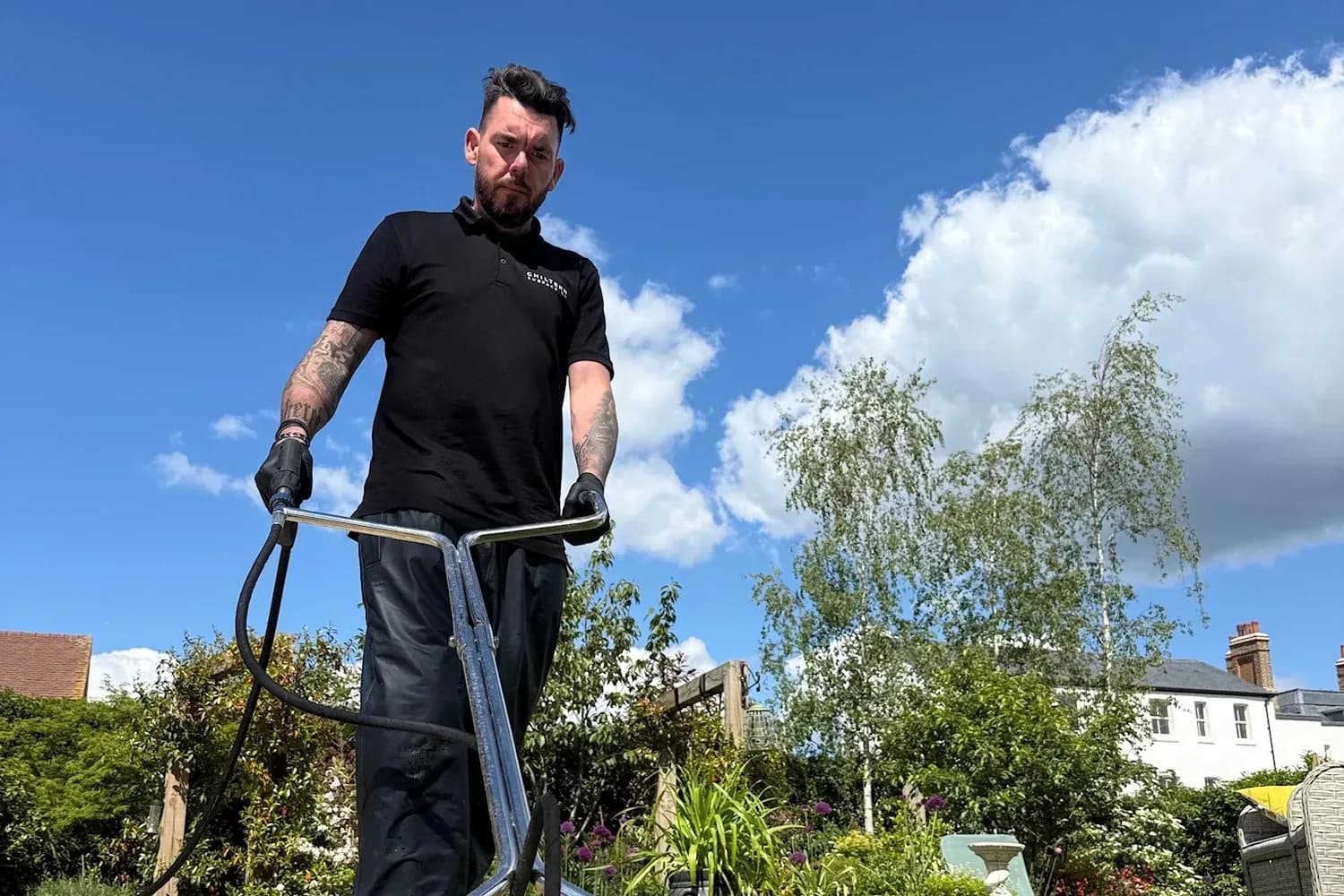
How Often Should You Clean an Asphalt Driveway?
Every driveway is different, so there is no single cleaning schedule that suits every property.
The frequency of cleaning depends on:
- The surrounding environment
- Local weather conditions
- The amount of traffic
- Nearby trees and vegetation
- Drainage conditions
As a general guide, most driveways benefit from a deep clean once or twice each year.
Regular sweeping between cleans can help prevent excessive dirt build-up.
How to Clean an Asphalt Driveway Step by Step
Learning how to clean an asphalt driveway properly is easier than many people think.
Most driveways can be cleaned using simple tools and gentle cleaning methods.
Step 1: Remove Loose Dirt and Debris
Start by sweeping the entire driveway thoroughly.
A stiff broom is ideal for removing:
- Leaves
- Dust
- Small stones
- Mud
- Organic matter
Pay particular attention to the edges of the driveway and areas beneath trees.
Removing debris regularly helps prevent moss and algae from developing.
Step 2: Rinse the Surface
Once the driveway has been swept, rinse the surface with clean water.
A hosepipe is usually sufficient for light cleaning.
Water helps remove:
- Surface dust
- Loose dirt
- Mud
- Small particles trapped on the surface
This simple step can make a noticeable difference to the appearance of the driveway.
Step 3: Use a Mild Cleaning Solution
For a deeper clean, use warm water mixed with a mild detergent.
Apply the cleaning solution to the surface and scrub gently using a soft or medium-bristled brush.
This method works well for removing:
- General dirt
- Light staining
- Bird droppings
- Surface grime
Avoid harsh chemicals because some products may damage or discolour asphalt.
Why Moss and Algae Grow on Asphalt
Moss and algae are common problems on many driveways, particularly in shaded areas.
They thrive in damp conditions and can spread surprisingly quickly.
Common causes include:
- Poor drainage
- Fallen leaves
- Limited sunlight
- Nearby trees and plants
Besides affecting the appearance of your driveway, moss and algae can make the surface slippery.
This is one of the main reasons why regular driveway cleaning is so important.
How to Remove Moss From an Asphalt Driveway
Moss can usually be removed with a combination of brushing and gentle cleaning.
Begin by sweeping away any loose growth.
Next, apply a suitable exterior cleaning product and gently scrub the affected areas.
Finally, rinse the driveway thoroughly with clean water.
Regular maintenance can help prevent moss from returning.
Many homeowners choose to clean their driveways during spring and autumn when moss growth is most common.
How to Remove Algae From an Asphalt Driveway
Algae often appears as green patches across the driveway surface.
Like moss, it tends to develop in areas that receive little sunlight.
To remove algae:
- Sweep the surface.
- Apply a suitable cleaning solution.
- Scrub gently.
- Rinse thoroughly.
Heavier growth may require more than one treatment.
Can Weeds Grow on Asphalt?
Although asphalt is a solid surface, weeds can still appear.
Most weeds grow in:
- Small cracks
- Edges of the driveway
- Areas where dirt has accumulated
Regular sweeping and maintenance can significantly reduce weed growth.
Small weeds can often be removed by hand, while stubborn growth may require a suitable weed treatment.
Why Regular Asphalt Driveway Maintenance Matters
Many people only clean their driveway when it starts to look dirty.
However, regular asphalt driveway maintenance offers several important benefits.
Routine cleaning can help:
- Improve the appearance of the driveway.
- Reduce staining.
- Prevent moss and algae growth.
- Improve safety.
- Extend the lifespan of the surface.
A small amount of maintenance throughout the year can keep an asphalt driveway looking attractive for many years.
How to Remove Oil and Grease Stains From Asphalt
Oil and grease stains are among the most common problems affecting asphalt driveways. Cars can leak small amounts of oil over time, leaving dark patches that spoil the appearance of the surface.
Because asphalt contains bitumen, it is important to treat stains carefully.
Step 1: Absorb Fresh Spills
If the spill is fresh, cover it with an absorbent material.
Suitable options include:
- Cat litter
- Sand
- Sawdust
- Absorbent granules
Leave the material on the stain for at least thirty minutes before sweeping it away.
Step 2: Apply a Suitable Cleaner
Use a cleaning product designed for asphalt surfaces.
Avoid harsh solvents and strong degreasers because they can soften the bitumen and damage the driveway.
Apply the cleaner according to the instructions and gently scrub the area.
Step 3: Rinse Thoroughly
After cleaning, rinse the area with clean water.
Older stains may require several treatments before noticeable improvements are seen.
How to Remove Fuel Stains From Asphalt
Petrol and diesel can damage asphalt if they remain on the surface for too long.
Fuel spills should be cleaned immediately.
Start by absorbing the liquid and then wash the area using warm water and a suitable cleaning solution.
If the stain remains, a soft wash treatment may be the safest solution for restoring delicate asphalt surfaces.
Can You Pressure Wash an Asphalt Driveway?
This is one of the most common questions homeowners ask.
The answer is yes, but it should be done carefully.
Pressure washing asphalt driveway surfaces using too much pressure can cause unnecessary damage.
High pressure can:
- Remove loose material.
- Damage older surfaces.
- Create small holes.
- Weaken the top layer of the asphalt.
How to Pressure Wash Asphalt Safely
If you decide to pressure wash your driveway:
- Use a low-pressure setting.
- Keep the nozzle moving.
- Avoid holding the spray in one place.
- Maintain a safe distance from the surface.
A gentle approach is usually the safest option.
How to Clean an Asphalt Driveway Without a Pressure Washer
Fortunately, a pressure washer is not essential.
Many driveways can be cleaned successfully using simple tools and household products.
Use Warm Water and Mild Detergent
Warm water mixed with a gentle detergent can remove:
- Surface dirt
- Mud
- Bird droppings
- General grime
Apply the solution and gently scrub the surface.
Use a Soft Brush
A soft or medium-bristled brush can remove dirt without damaging the asphalt.
Regular brushing also helps prevent moss and algae from becoming established.
Rinse Thoroughly
After cleaning, rinse the driveway with clean water and allow it to dry naturally.
Common Mistakes to Avoid When Cleaning Asphalt
Many homeowners accidentally damage their driveway by using unsuitable cleaning methods.
Using Harsh Chemicals
Strong chemicals can damage asphalt and cause the surface to deteriorate.
Always choose products that are safe for asphalt.
Using Excessive Pressure
Very high pressure can weaken the surface and shorten the lifespan of the driveway.
Ignoring Moss and Algae
Small patches of moss and algae can quickly spread if left untreated.
Removing them early is usually much easier.
Allowing Debris to Build Up
Leaves and organic matter trap moisture and encourage organic growth.
Regular sweeping can prevent these issues.
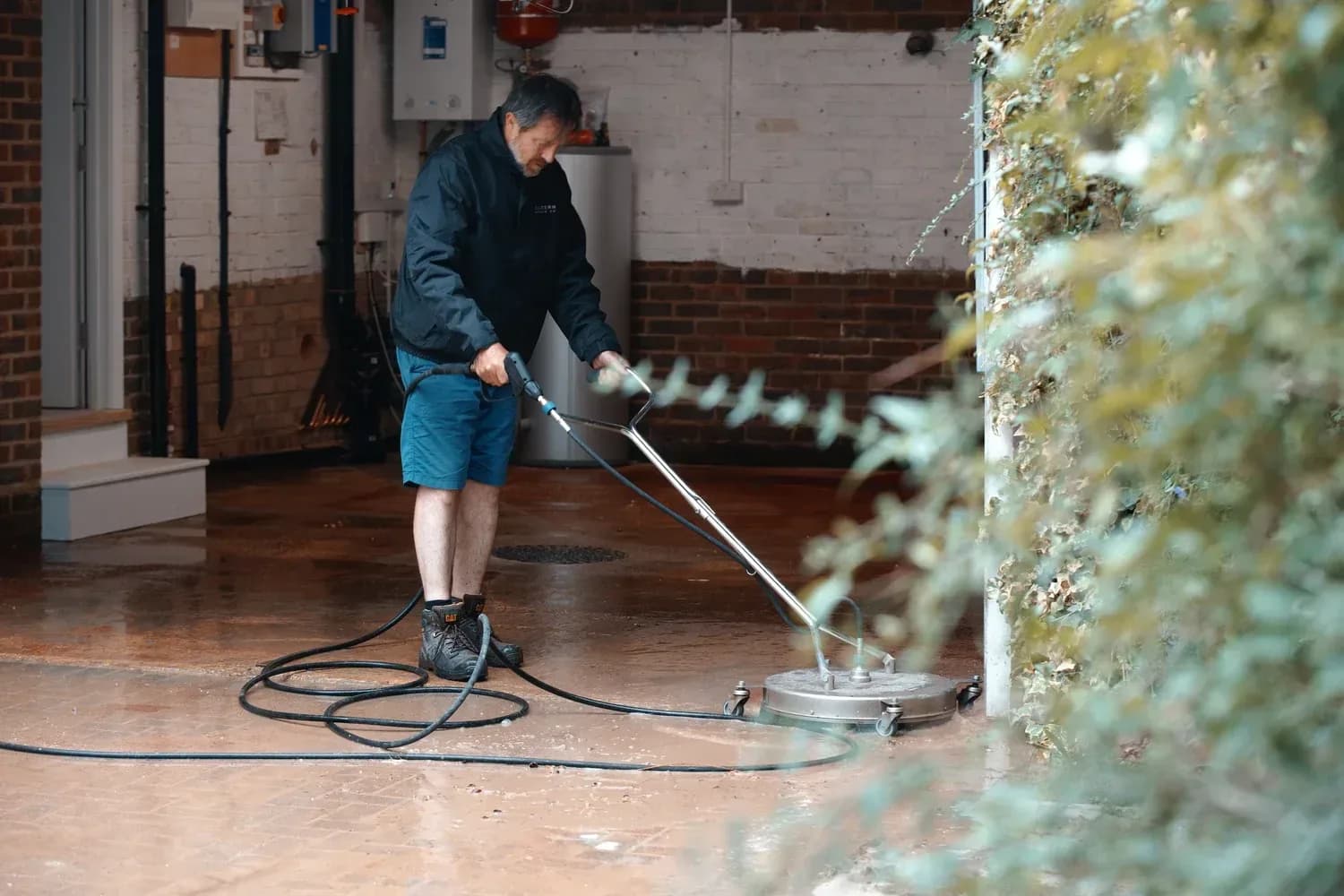
How to Maintain an Asphalt Driveway
Proper asphalt driveway maintenance does not need to be difficult.
A few simple tasks can make a significant difference.
Try to:
- Sweep the driveway regularly.
- Remove leaves and debris.
- Clean stains quickly.
- Treat moss and algae as soon as they appear.
- Inspect the surface for signs of damage.
These simple steps can help keep your driveway looking its best throughout the year.
Why Drainage Matters on Asphalt Driveways
Water that remains on the surface for long periods can contribute to dirt build-up and organic growth.
Poor drainage can lead to:
- Standing water
- Moss and algae growth
- Surface staining
- Faster deterioration
Keeping the driveway clean and free from debris helps water drain away properly.
Does Weather Affect Asphalt?
Yes. Weather conditions can have a significant impact on asphalt surfaces.
During autumn, leaves and organic matter often accumulate quickly.
In winter, damp conditions encourage moss and algae growth.
During hot weather, older asphalt can sometimes soften slightly.
Regular maintenance throughout the year helps protect the driveway from seasonal problems.
Can Asphalt Fade Over Time?
Like many outdoor surfaces, asphalt can gradually lose its deep black appearance.
This usually happens because of:
- Sunlight
- Weather exposure
- Dirt build-up
- Age
Regular cleaning can improve the appearance of faded asphalt and help maintain the condition of the driveway.
Is Professional Driveway Cleaning Worth It?
Many homeowners clean their own driveways, but professional cleaning can provide excellent results, particularly for older surfaces.
Professional driveway cleaning can:
- Remove stubborn stains.
- Eliminate heavy moss and algae growth.
- Restore the appearance of the surface.
- Improve safety.
- Extend the lifespan of the driveway.
At Chiltern Surface, we regularly clean and restore asphalt driveways using safe and effective cleaning methods.
When Should You Call a Professional Driveway Cleaning Company?
DIY cleaning methods work well for routine maintenance, but some driveways require professional attention.
You should consider professional asphalt driveway cleaning if:
- The driveway has heavy moss or algae growth.
- Oil and grease stains will not come out.
- The surface looks dull and discoloured.
- The driveway has not been cleaned for several years.
- Large areas need restoring.
Professional cleaning can often improve the appearance of your driveway without the need for expensive repairs or replacement.
At Chiltern Surface, we understand that every driveway is different. The age of the surface, the amount of staining, and the overall condition of the asphalt all influence the best cleaning method.
Using the wrong products or excessive pressure can sometimes cause unnecessary damage.
Why Choose Professional Asphalt Driveway Cleaning?
Professional cleaning offers several advantages over household cleaning methods.
Professional cleaning can help:
- Remove stubborn dirt and stains.
- Eliminate moss and algae.
- Improve the appearance of faded asphalt.
- Restore the surface safely.
- Extend the lifespan of the driveway.
Many homeowners are surprised by how much cleaner and brighter their driveway looks after a professional treatment.
Can an Asphalt Driveway Be Restored?
In many cases, yes.
A driveway that looks old or heavily stained does not always need replacing.
Professional asphalt surface restoration can often improve:
- Surface discolouration.
- Organic staining.
- Moss and algae growth.
- Oil and fuel marks.
- General dirt build-up.
Regular maintenance and occasional professional cleaning can keep an asphalt driveway looking attractive for many years.
How Long Does an Asphalt Driveway Last?
A well-installed asphalt driveway can last for many years when it is properly maintained.
Its lifespan depends on several factors, including:
- Installation quality.
- Vehicle traffic.
- Local weather conditions.
- Exposure to sunlight.
- Regular maintenance.
Cleaning the driveway regularly and dealing with stains quickly can significantly improve its longevity.
Conclusion
Knowing how to clean an asphalt driveway properly can make a huge difference to the appearance and lifespan of your driveway.
For the best results:
- Sweep away debris regularly.
- Remove moss and algae quickly.
- Clean stains as soon as they appear.
- Avoid harsh chemicals.
- Use pressure washing carefully.
- Carry out regular maintenance throughout the year.
A clean asphalt driveway not only looks better but also remains safer and easier to maintain.
Keeping the surface free from dirt, stains, and organic growth helps protect your investment and maintain the appearance of your property.
Need Professional Help With Asphalt Driveway Cleaning?
If your driveway has become stained, slippery, or covered in moss and algae, the team at Chiltern Surface is here to help.
We provide expert driveway cleaning in Buckinghamshire and the surrounding areas, helping homeowners restore asphalt driveways with our patio cleaning services and other exterior surfaces.
Whether you need routine asphalt driveway cleaning or complete asphalt surface restoration, our experienced team can recommend the safest and most effective solution.
Contact Chiltern Surface today for a free quote and let our professional team restore the appearance of your asphalt driveway with our expert cleaning services.
How to Clean an Asphalt Driveway
Learn how to clean an asphalt driveway safely and effectively. Discover how to remove dirt, moss, algae, and stains while keeping your asphalt driveway looking its best.
Wondering how to clean an asphalt driveway? This guide explains the best ways to remove dirt, stains, moss, and algae while helping you maintain a clean and attractive driveway.
how to clean an asphalt driveway, asphalt driveway cleaning, clean asphalt driveway, asphalt driveway maintenance, pressure washing asphalt driveway, remove oil stains from asphalt, remove moss from asphalt driveway, remove algae from asphalt driveway, driveway cleaning, driveway maintenance, professional driveway cleaning, driveway cleaning in Buckinghamshire, asphalt surface restoration, exterior surface cleaning, deep cleaning asphalt, clean blacktop driveway
Frequently asked questions
What is the best way to clean an asphalt driveway?
The best method is usually to sweep away debris, wash the surface with water, apply a mild cleaning solution, and gently scrub the affected areas.
Can you pressure wash an asphalt driveway?
Yes, but only with care. Using very high pressure can damage older or weaker asphalt surfaces.
How do you remove oil stains from asphalt?
Fresh spills should be absorbed immediately before applying a suitable asphalt cleaner and gently scrubbing the area.
How often should you clean an asphalt driveway?
Most driveways benefit from a deep clean once or twice each year, although properties surrounded by trees may require more frequent maintenance.
Can moss damage asphalt?
Moss can trap moisture against the surface and may contribute to deterioration if it is left untreated.
Why is my asphalt driveway turning green?
Green patches are usually caused by algae, which thrives in damp and shaded conditions.
Can I clean an asphalt driveway without a pressure washer?
Yes. Warm water, mild detergent, and regular brushing can remove most dirt and light staining.
Is professional asphalt driveway cleaning worth it?
Yes. Professional cleaning can restore the appearance of older surfaces and remove stubborn staining more effectively than many household cleaning methods.