
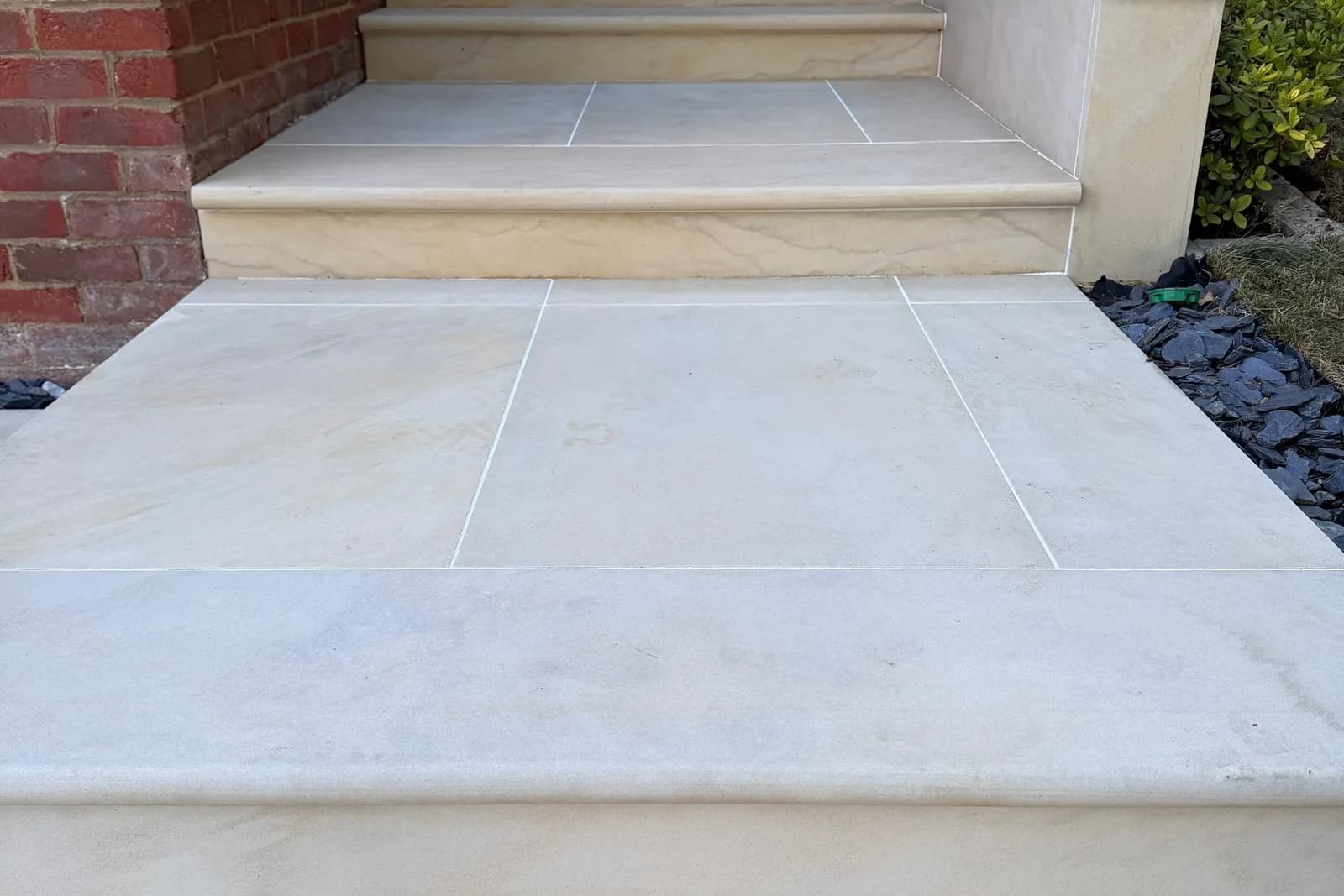
If you are wondering how to clean concrete driveway surfaces, the good news is that most dirt, stains, moss, and algae can be removed with the right approach. Regular cleaning not only improves the appearance of your driveway but also helps protect the concrete and extend its lifespan.
Why Concrete Driveways Get Dirty
Concrete is one of the most popular materials for driveways because it is durable and relatively low maintenance. However, no driveway stays clean forever.
Over time, concrete is exposed to:
- Rain and mud
- Vehicle traffic
- Leaves and organic matter
- Oil and grease spills
- Moss and algae growth
- General dirt and dust
All of these can leave the surface looking tired and stained.
Regular concrete driveway cleaning helps keep the surface looking fresh and can prevent long-term damage.
Why Concrete Is Easily Stained
Many homeowners are surprised by how quickly concrete becomes dirty.
This happens because concrete is naturally porous. Tiny holes in the surface allow water, dirt, and liquids to soak below the top layer.
As a result, concrete can easily absorb:
- Oil.
- Grease.
- Mud.
- Rust.
- Fuel.
- Organic matter.
The longer these substances remain on the surface, the more difficult they become to remove.
This is why regular driveway maintenance is so important.
Common Problems That Affect Concrete Driveways
A concrete driveway can develop several problems over time.
The most common issues include:
Dirt Build-Up
Everyday traffic leaves dirt and dust on the surface.
Moss and Algae Growth
Damp and shaded areas often encourage organic growth.
Stains
Oil, grease, rust, and vehicle fluids can all leave unsightly marks.
Discolouration
Older driveways may begin to look dull or patchy.
Slippery Surfaces
Moss and algae can make concrete dangerous when wet.
Fortunately, most of these problems can be improved with regular cleaning.
How Often Should You Clean a Concrete Driveway?
There is no single answer because every property is different.
The frequency of cleaning depends on:
- Local weather conditions.
- Tree coverage.
- The amount of traffic.
- Whether the driveway is shaded.
As a general rule, you should sweep your driveway regularly and carry out a deeper clean at least once or twice each year.
Properties surrounded by trees may require more frequent cleaning because leaves and organic matter accumulate much faster.
Regular maintenance prevents dirt from becoming deeply embedded in the surface.
How to Clean a Concrete Driveway Step by Step
Learning how to clean concrete driveway surfaces properly does not have to be complicated.
Most driveways can be cleaned using simple tools and household products.
Step 1: Remove Loose Dirt and Debris
Begin by removing loose material from the surface.
A stiff broom is usually the best tool for this job.
Pay particular attention to:
- Corners.
- Drainage channels.
- Edges of the driveway.
- Areas beneath trees.
Removing debris first makes the rest of the cleaning process much easier.
Step 2: Rinse the Surface
Once the driveway has been swept, rinse it with clean water.
A hosepipe is usually enough for light cleaning.
Water helps remove:
- Surface dust.
- Loose dirt.
- Mud.
- Small particles trapped in the concrete.
This simple step can dramatically improve the appearance of lightly soiled driveways.
Step 3: Apply a Concrete Cleaner
For a deeper clean, use a suitable concrete cleaner or mild detergent.
Apply the cleaner according to the instructions and scrub the surface using a stiff brush.
Pay special attention to stained areas and places where dirt has accumulated.
After scrubbing, rinse the driveway thoroughly and allow it to dry.
How to Clean a Concrete Driveway Without a Pressure Washer
Many people believe that a pressure washer is essential.
Fortunately, that is not always true.
There are several effective ways to clean a driveway without specialist equipment.
Using Warm Water and Detergent
A mixture of warm water and mild detergent can remove many common stains.
Apply the solution to the surface and scrub using a stiff brush.
This method works well for:
- General dirt.
- Mud.
- Surface grime.
- Light staining.
Using White Vinegar
White vinegar can help break down certain stains and remove light discolouration.
Mix equal parts water and vinegar and apply the solution to the affected area.
Allow it to sit for several minutes before scrubbing gently.
Using Baking Soda
Baking soda can also be useful for lifting light stains.
Sprinkle it over the affected area, add a small amount of water, and scrub with a brush.
Although these methods can be very effective, heavily stained driveways may require stronger cleaning products or professional soft wash treatment.
How to Remove Dirt and Grime From Concrete
Dirt is one of the most common causes of a dull-looking driveway.
Fortunately, regular cleaning can usually restore the appearance of the surface.
For heavily soiled driveways:
- Sweep away debris.
- Apply a concrete cleaner.
- Scrub the surface thoroughly.
- Rinse with clean water.
You may need to repeat the process several times if the driveway has not been cleaned for many years.
Can Household Products Damage Concrete?
Most household cleaning products are safe when used correctly.
However, some chemicals can damage concrete or cause discolouration.
Avoid using:
- Strong acids.
- Harsh solvents.
- Undiluted cleaning chemicals.
Always test a new product on a small area before treating the entire driveway.
This simple step can help avoid unexpected damage.
Why Moss and Algae Grow on Concrete
Moss and algae are particularly common on driveways that receive little sunlight.
These organisms thrive in damp conditions and often appear in:
- Shaded areas.
- Near walls and fences.
- Beneath trees.
- Areas with poor drainage.
Besides looking unsightly, moss and algae can make concrete slippery.
This is why removing them quickly is important.
How to Remove Oil and Grease Stains From Concrete
Oil and grease are among the most difficult stains to remove from a concrete driveway.
Because concrete is porous, these liquids can soak beneath the surface very quickly.
The sooner you deal with the spill, the easier it will be to remove.
Step 1: Absorb the Spill
If the stain is fresh, cover it with an absorbent material.
Suitable options include:
- Cat litter
- Sand
- Sawdust
- Absorbent granules
Leave the material on the stain for at least thirty minutes before sweeping it away.
Step 2: Apply a Degreaser
A suitable driveway degreaser can help break down oil and grease.
Apply the cleaner according to the manufacturer's instructions and allow it to sit for several minutes.
Scrub the area thoroughly with a stiff brush.
Step 3: Rinse and Repeat
Deep stains often need more than one treatment.
Repeat the cleaning process if necessary and allow the driveway to dry completely before assessing the results.
Professional concrete stain removal may be needed for older or heavily contaminated surfaces.
How to Remove Rust Stains From Concrete
Rust stains can leave orange or brown marks on a driveway.
These stains often come from:
- Garden furniture.
- Tools.
- Vehicle parts.
- Metal decorations.
To remove rust stains, apply a suitable concrete cleaner that is designed for rust removal.
Avoid using strong acids because they may damage the surface.
Gentle scrubbing and repeated applications often produce the best results.
How to Remove Moss and Algae From Concrete
Moss and algae are common problems on older driveways.
Besides affecting the appearance of the surface, they can become slippery when wet.
Removing Moss
Start by sweeping away loose growth.
Then use one of our exterior cleaning services to safely remove moss and algae before scrubbing the affected area.
Finally, rinse the surface thoroughly.
Removing Algae
Green algae can often be removed using a mild cleaning solution and a stiff brush.
In severe cases, more than one treatment may be needed.
Regular cleaning helps prevent both moss and algae from returning.
Can You Use Bleach on a Concrete Driveway?
Many homeowners use bleach to remove stains and organic growth.
The answer is yes, but it should be used carefully.
A diluted bleach solution can sometimes help remove:
- Moss.
- Algae.
- Mould.
- Light organic staining.
However, excessive use of bleach may lead to:
- Surface discolouration.
- Damage to nearby plants.
- Environmental concerns.
For this reason, many professionals prefer using specialist exterior cleaning products instead.
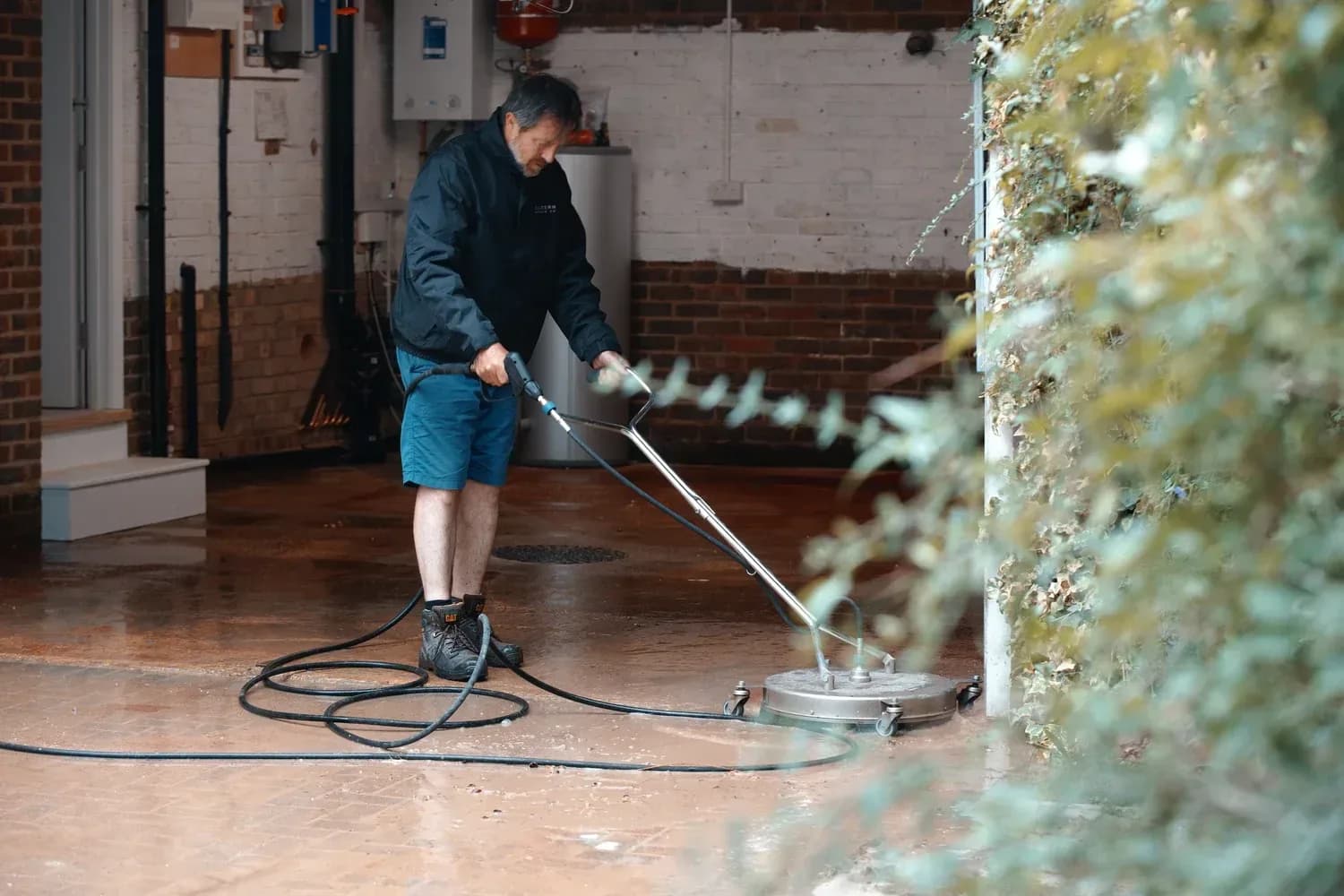
Can You Pressure Wash a Concrete Driveway?
One of the most common questions homeowners ask is whether pressure washing driveway surfaces is safe.
The answer is usually yes.
Pressure washing is one of the most effective methods for removing:
- Dirt.
- Moss.
- Algae.
- Mud.
- Surface staining.
Benefits of Pressure Washing
Pressure washing can:
- Improve the appearance of the driveway.
- Remove deep dirt.
- Restore the original colour of the concrete.
- Remove slippery organic growth.
A properly cleaned driveway can look dramatically different after pressure washing.
Use Pressure Carefully
Although pressure washing is effective, using too much pressure can damage older concrete.
Avoid:
- Holding the nozzle too close.
- Focusing on one spot for too long.
- Using excessive pressure on damaged surfaces.
A gentle and controlled approach usually produces the best results.
Why Does the Driveway Get Dirty So Quickly?
Many homeowners clean their driveway only to find that it becomes dirty again within a few months.
This usually happens because of environmental conditions.
Common causes include:
- Nearby trees.
- Damp conditions.
- Heavy traffic.
- Poor drainage.
- Organic matter.
Regular maintenance is the best way to prevent heavy dirt build-up.
How to Maintain a Concrete Driveway
Proper concrete driveway maintenance can significantly improve the lifespan and appearance of your driveway.
Simple maintenance tasks include:
- Sweeping away debris regularly.
- Cleaning stains quickly.
- Removing moss and algae early.
- Keeping drainage channels clear.
- Carrying out a deeper clean once or twice each year.
Small amounts of maintenance can prevent expensive problems in the future.
Should You Seal a Concrete Driveway?
Many homeowners choose to seal their concrete after cleaning.
A quality sealer provides several benefits.
These include:
- Better stain resistance.
- Easier maintenance.
- Improved appearance.
- Reduced water penetration.
- Longer-lasting surfaces.
Sealed driveways are generally easier to clean because dirt and liquids cannot soak into the concrete as quickly.

Is Professional Driveway Cleaning Worth It?
Sometimes household cleaning methods simply are not enough.
Professional driveway cleaning may be the best option if:
- The driveway has not been cleaned for many years.
- Deep stains remain after several attempts.
- Moss and algae have spread across the surface.
- The concrete looks badly discoloured.
- Large areas need restoring.
At Chiltern Surface, we regularly clean and restore concrete driveways using professional equipment and proven cleaning methods.
Many homeowners are surprised by how much better their driveway looks after a professional clean.
When Should You Call a Professional Driveway Cleaning Company?
DIY cleaning methods work well for routine maintenance, but some driveways need professional attention.
You should consider professional concrete driveway cleaning if:
- The driveway has heavy staining.
- Moss and algae keep returning.
- Oil and grease stains will not disappear.
- The concrete looks dull and discoloured.
- You have not cleaned the driveway for several years.
Professional cleaning can often restore the appearance of the surface without the need for costly repairs or replacement.
At Chiltern Surface, we understand that every driveway is different. The age of the concrete, the type of staining, and the overall condition of the surface all influence the best cleaning method.
Using the wrong products or too much pressure can sometimes damage concrete and make problems worse.
Can a Concrete Driveway Be Restored?
In many cases, yes.
A driveway that looks old, stained, or neglected does not always need replacing.
Professional concrete surface restoration can often improve:
- Surface discolouration.
- Organic staining.
- Oil and grease marks.
- Moss and algae growth.
- General dirt build-up.
Regular maintenance and occasional professional cleaning can keep a concrete driveway looking attractive for many years.
How Long Does a Concrete Driveway Last?
A well-installed concrete driveway can last for decades.
Its lifespan depends on several factors, including:
- Installation quality.
- Amount of traffic.
- Local weather conditions.
- Regular maintenance.
- How quickly stains and organic growth are removed.
Cleaning the driveway regularly can significantly increase its lifespan and maintain its appearance.
Conclusion
Knowing how to clean concrete driveway surfaces properly can make a huge difference to both the appearance and lifespan of your driveway.
A clean concrete driveway not only looks better but also remains safer and easier to maintain.
By keeping the surface free from dirt, stains, and organic growth, you can protect your investment and enjoy an attractive driveway for many years.
Need Professional Help With Concrete Driveway Cleaning?
If your driveway has become stained, slippery, or covered in moss and algae, the team at Chiltern Surface is here to help.
We provide expert driveway cleaning in Buckinghamshire and the surrounding areas, helping homeowners restore concrete driveways with our patio cleaning services and other exterior surfaces.
Whether you need routine concrete driveway cleaning or complete concrete surface restoration, our experienced team can recommend the safest and most effective solution.
Contact Chiltern Surface today for a free quote and let our professional team restore the appearance of your concrete driveway with our expert cleaning services.
\
Frequently asked questions
What is the best way to clean a concrete driveway?
The best method is usually to sweep away debris, apply a suitable concrete cleaner, scrub the surface, and rinse thoroughly.
Can you clean a concrete driveway without a pressure washer?
Yes. Warm water, mild detergent, white vinegar, and baking soda can all help clean a concrete driveway without specialist equipment.
Does bleach damage concrete?
A diluted bleach solution can help remove organic growth, but excessive use may cause discolouration or harm nearby plants.
How do you remove oil stains from concrete?
Fresh spills should be absorbed immediately before using a suitable degreaser and scrubbing the affected area.
How often should you clean a concrete driveway?
Most driveways benefit from a deep clean once or twice a year, although properties surrounded by trees may need more frequent maintenance.
Can pressure washing damage concrete?
Using excessive pressure can damage older or weaker concrete surfaces. Always use appropriate settings and avoid focusing on one area for too long.
Why does my concrete driveway turn green?
Green patches are usually caused by algae, which thrives in damp and shaded areas.
Is professional concrete driveway cleaning worth it?
Yes. Professional cleaning can restore the appearance of older driveways and remove stubborn staining more effectively than many household methods.