
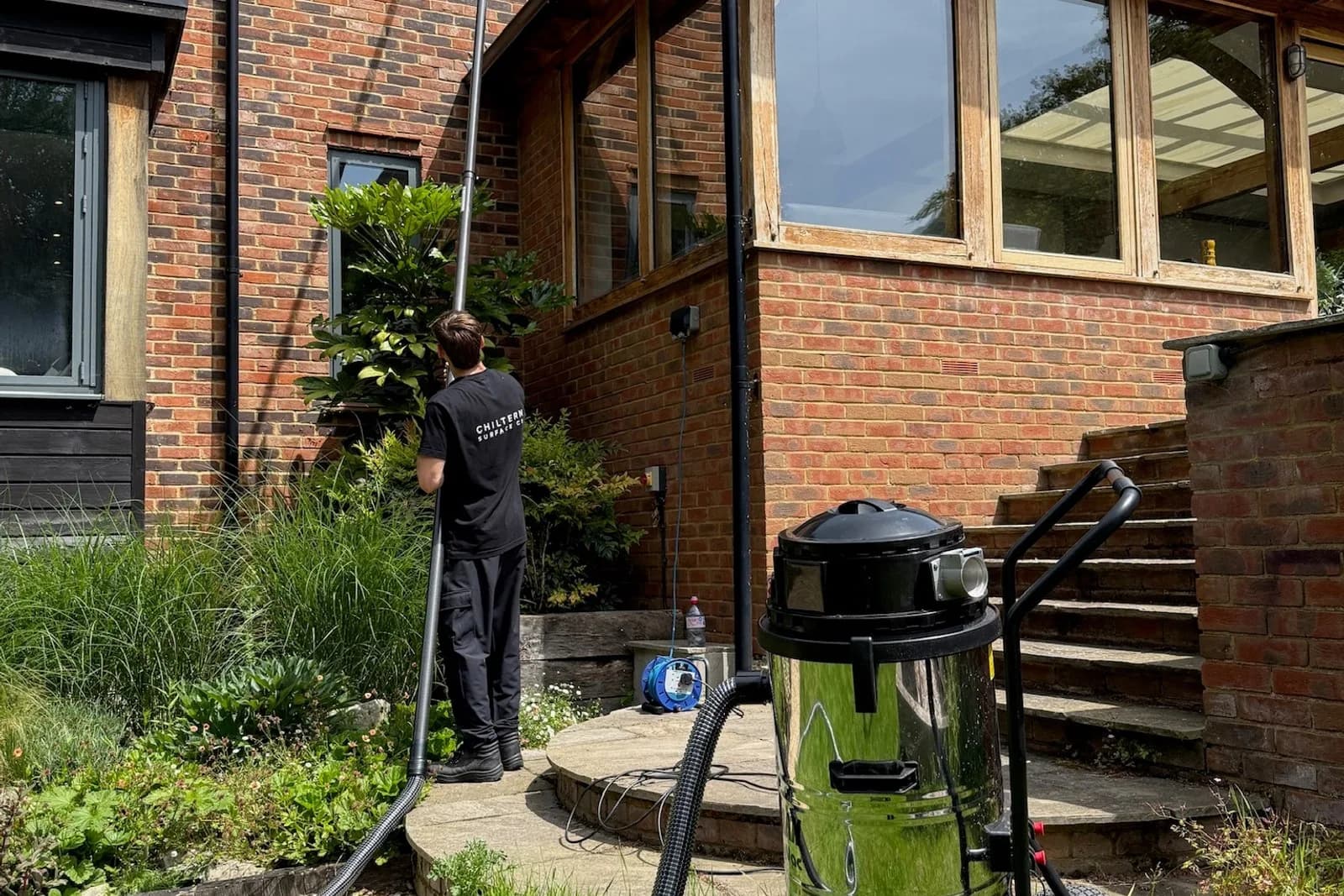
If you are wondering how to pressure wash a house, the good news is that cleaning your home's exterior can be straightforward when done correctly. Pressure washing removes dirt, algae, mould, and grime, helping to restore your property's appearance and protect exterior surfaces from long-term damage.
Why House Exteriors Need Regular Cleaning
The outside of your home is constantly exposed to the weather. Rain, wind, pollution, and organic growth all contribute to the build-up of dirt and staining over time.
Many homeowners do not notice the gradual change because it happens slowly. However, after a few years, exterior walls can begin to look dull, discoloured, and neglected.
Regular house exterior cleaning helps remove these contaminants and keeps your property looking well maintained.
A clean exterior can also improve kerb appeal and help prevent certain surfaces from deteriorating prematurely.
What Causes Dirt and Staining on House Exteriors?
Different types of dirt can collect on exterior walls throughout the year.
Dust and pollution are common in built-up areas, while properties surrounded by trees often experience staining caused by leaves, moss, and algae.
North-facing walls usually stay damp for longer and are more likely to develop green algae or black mould.
Bird droppings, cobwebs, and general grime can also build up and make your property appear older than it really is.
Benefits of Pressure Washing Your House
Regular pressure washing a house offers several benefits.
It improves the appearance of the property and removes stubborn dirt that ordinary cleaning methods cannot tackle.
Cleaning your house exterior can also help prepare surfaces before painting or decorating and may even increase the value and appeal of your home.
Many homeowners are surprised by how much brighter and cleaner their property looks after a thorough wash.
How Often Should You Pressure Wash a House?
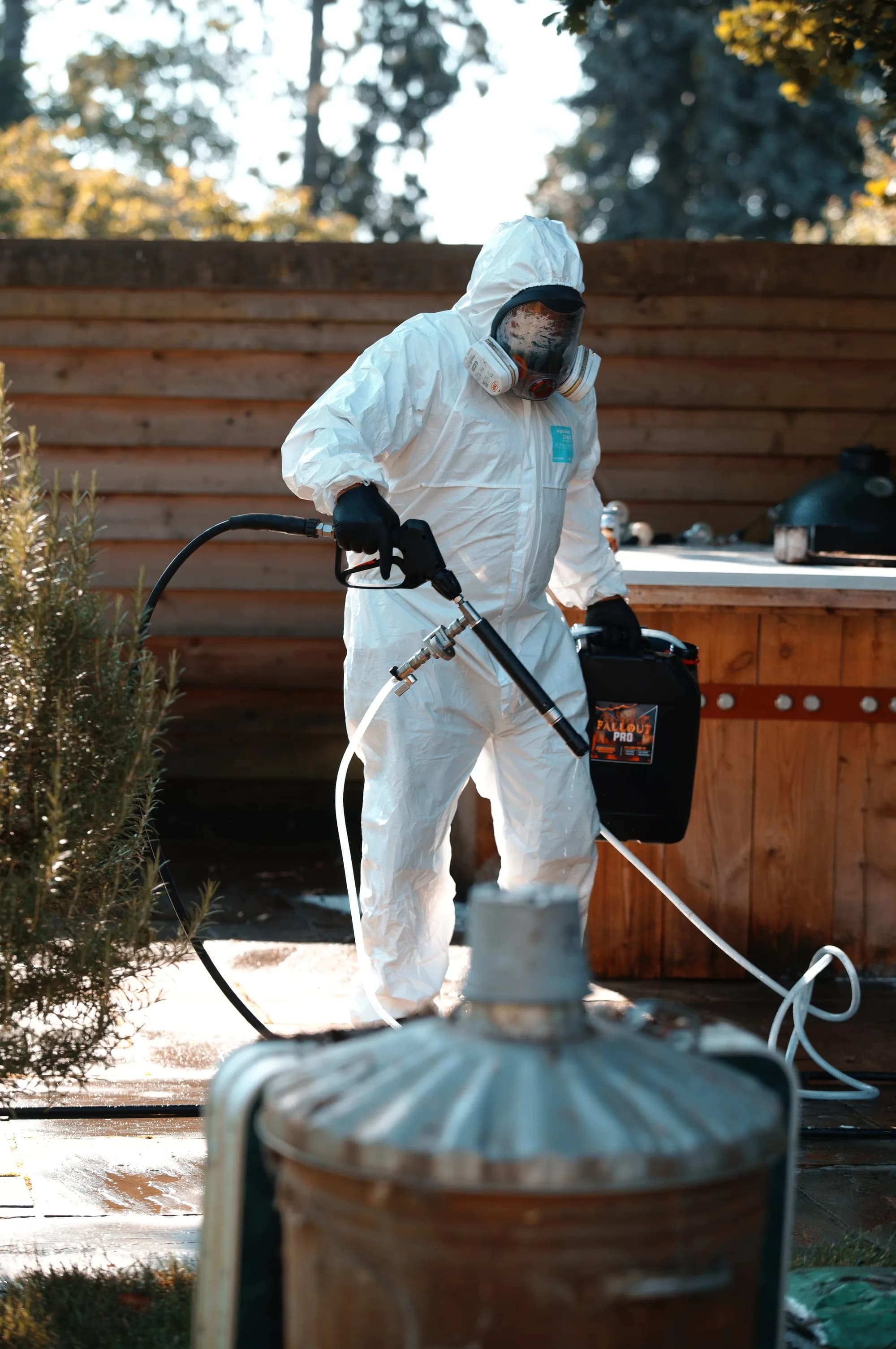
There is no perfect schedule because every property is different.
The frequency of cleaning depends on several factors, including the age of the building, local weather conditions, and nearby vegetation.
Most homes benefit from exterior cleaning every one to two years.
Properties located beneath large trees or in damp areas may require more frequent cleaning because algae and mould tend to grow more quickly.
Signs Your House Needs Pressure Washing
There are several signs that indicate it may be time to clean your home's exterior.
Green patches of algae, black staining, and visible dirt are usually easy to spot.
You may also notice that your exterior walls look dull or have lost their original colour.
If dirt transfers onto your hand when you touch the wall, it is often a sign that cleaning is needed.
What Equipment Do You Need to Pressure Wash a House?
Before learning how to pressure wash a house, it is important to understand which equipment is required.
A pressure washer is the main tool used for exterior cleaning. Many homeowners choose electric pressure washers because they are easier to handle and suitable for light domestic use.
You will also need a garden hose and a suitable cleaning solution designed for exterior surfaces.
Different nozzles produce different spray patterns, and choosing the correct one can make a significant difference to both cleaning results and safety.
Choosing the Right Pressure Washer
Not every house requires a high-powered machine.
In fact, using too much pressure can damage certain surfaces.
Brick, render, and painted walls all have different cleaning requirements, so it is important to use appropriate settings.
A moderate pressure setting is usually enough to remove dirt and grime without causing unnecessary damage.
Selecting the Correct Nozzle and Cleaning Solution
Pressure washers normally include several nozzle options.
A wider spray pattern is often safer because it spreads the water pressure across a larger area.
A suitable exterior cleaning solution can also help break down dirt, algae, and mould before rinsing.
Always follow the instructions on the cleaning product and test it on a small area first if you are unsure.
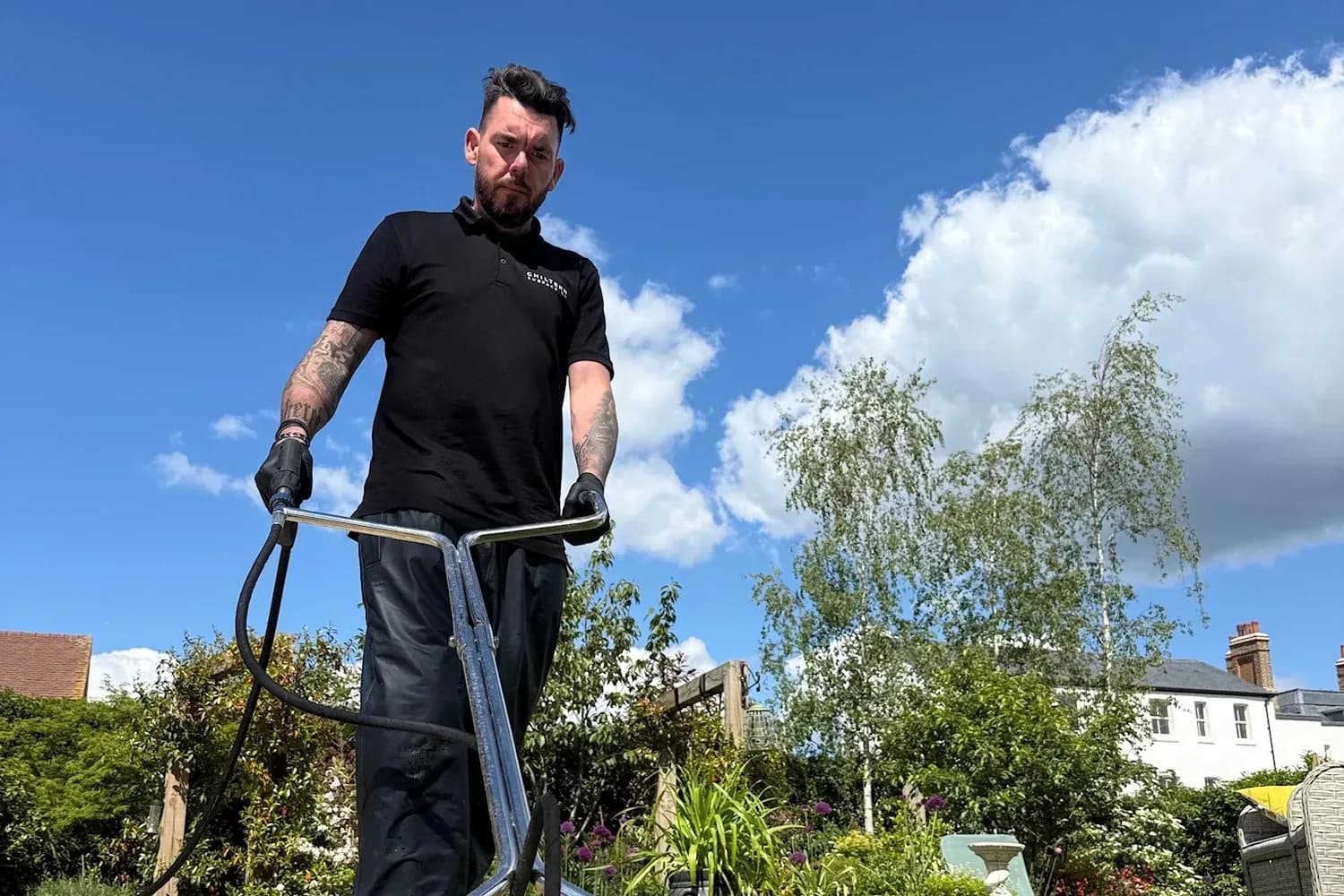
How to Pressure Wash a House Step by Step
Knowing how to pressure wash a house properly can make the job much easier and help you avoid accidental damage.
Prepare the Area Before Cleaning
Begin by inspecting the exterior of the property.
Close all windows and doors and move any outdoor furniture away from the walls.
Remove fragile decorations or items that could be damaged by water.
You should also inspect the walls for loose render, damaged pointing, or cracks before you start cleaning.
Cleaning damaged surfaces with a pressure washer can sometimes make existing problems worse.
Apply the Cleaning Solution
If the exterior is heavily stained, applying a cleaning solution first can make the process more effective.
Allow the product to sit on the surface for the recommended amount of time.
This helps loosen algae, mould, and grime and makes them easier to remove during washing.
Start Pressure Washing From Top to Bottom
The best method is usually to work from the top of the wall and move downwards.
Cleaning in this direction prevents dirty water from running over areas that have already been cleaned.
Keep the nozzle moving at all times and avoid concentrating the spray in one position for too long.
Holding the nozzle too close to the wall may damage delicate surfaces.
Rinse the House Thoroughly
After cleaning, rinse the entire surface with clean water.
This removes any remaining dirt and cleaning solution and leaves the walls looking fresh and clean.
How to Pressure Wash Different Exterior Surfaces
Not every exterior surface should be cleaned in exactly the same way. Different materials require different levels of care, and using the wrong technique can cause unnecessary damage.
How to Clean Vinyl Cladding
Vinyl cladding is generally one of the easiest surfaces to clean with a pressure washer. Dirt, algae, and mildew often collect on the surface, especially in shaded areas.
When cleaning vinyl cladding, use a moderate pressure setting and keep the spray nozzle a safe distance from the wall. Working from top to bottom usually produces the best results and helps prevent streaking.
Avoid spraying directly underneath the cladding panels, as water can become trapped behind them and lead to moisture problems.
How to Pressure Wash Brick Walls
Brick is durable, but it still requires careful cleaning.
Older brickwork and damaged pointing can become weakened if too much pressure is applied. Before cleaning, inspect the wall carefully and repair any loose or damaged areas if necessary.
A gentle approach is usually best. Allow the cleaning solution time to loosen dirt and algae before rinsing the surface thoroughly.
When done correctly, house pressure washing can significantly improve the appearance of brick walls and restore their original colour.
How to Clean Render and Painted Surfaces
Render and painted surfaces often require extra care.
These materials can be more delicate than brick and may become damaged if high-pressure settings are used.
If the surface already has cracks, peeling paint, or signs of wear, pressure washing may make the condition worse.
In these situations, a lower-pressure cleaning method is often more suitable.
Can Pressure Washing Damage a House?
This is one of the biggest concerns for homeowners learning how to pressure wash a house.
The answer is yes, pressure washing can cause damage if it is carried out incorrectly.
Using excessive pressure can remove paint, damage render, loosen pointing, and force water into small gaps around windows and doors.
This is why it is important to understand the surface you are cleaning and choose the correct pressure setting.
Most damage occurs because people assume that higher pressure means better cleaning. In reality, the safest and most effective cleaning method often uses less pressure than expected.
Professional cleaners understand how different materials react and adjust their cleaning methods accordingly.
Common Mistakes to Avoid When Pressure Washing a House
One of the most common mistakes is holding the nozzle too close to the surface.
A concentrated spray of water can leave marks, remove paint, or damage delicate materials.
Another mistake is using the wrong cleaning solution. Some products are too strong for certain surfaces and can lead to discolouration or surface damage.
Many homeowners also forget to inspect the property before cleaning. Cracks, damaged pointing, and loose render should always be identified before pressure washing begins.
Rushing the job is another common problem. Pressure washing works best when you take your time and clean methodically rather than trying to finish as quickly as possible.
Safety should also never be overlooked. Pressure washers are powerful machines and should always be used carefully.
When Should You Use Soft Washing Instead?
In some cases, soft washing house exteriors is a better option than traditional pressure washing.
Soft washing uses specialised cleaning solutions and lower water pressure to remove dirt, algae, mould, and organic growth.
This method is often recommended for delicate surfaces such as painted walls, render, and older properties.
Because the pressure is much lower, there is less risk of causing damage.
Soft washing can also provide longer-lasting results because it helps treat the organic growth that causes staining in the first place.
Many professional exterior cleaning services use both pressure washing and soft washing, choosing the most suitable method for each property.
How to Maintain Your House Exterior After Pressure Washing
Once your house has been cleaned, a few simple steps can help keep it looking its best.
Regular inspections allow you to spot early signs of algae and dirt before they become major problems.
Keeping gutters clear can also help reduce staining because overflowing gutters often cause damp patches on exterior walls.
Trimming back trees and shrubs allows more sunlight and airflow to reach the property, helping surfaces dry more quickly after rain.
Simple maintenance throughout the year can reduce the need for frequent cleaning and keep your home looking fresh for longer.
When Should You Call a Professional House Washing Company?
Although many homeowners learn how to pressure wash a house themselves, there are situations where professional cleaning is the better option.
Large properties, difficult-to-reach areas, and delicate surfaces often require specialist knowledge and equipment. If your home has extensive algae growth, heavy staining, or fragile render, professional cleaning can provide safer and more effective results.
Professional cleaners understand how different surfaces should be treated and can choose the correct pressure settings and cleaning methods for each area of the property.
Hiring an expert can also save time and reduce the risk of accidental damage.
Benefits of Professional Exterior Cleaning
Professional house exterior cleaning services offers several advantages.
Experienced cleaners know when to use pressure washing and when a softer cleaning method is more appropriate. They also have access to professional equipment that can produce excellent results while protecting your property.
Regular professional cleaning can help maintain your home's appearance and prevent dirt, algae, and grime from becoming difficult to remove.
Final Thoughts
Learning how to pressure wash a house can help you keep your property looking clean and well maintained throughout the year.
Regular cleaning removes dirt, algae, mould, and grime that can gradually affect the appearance of exterior surfaces. When done correctly, pressure washing can restore your home's kerb appeal and help protect it from long-term staining.
However, it is important to use the correct cleaning methods and avoid applying excessive pressure. Every property is different, and some surfaces require a gentler approach.
If you are unsure about cleaning your home yourself, professional assistance can provide peace of mind and ensure the work is completed safely.
Need Professional House Washing Services?
If your home's exterior is looking tired, stained, or covered with algae, the team at Chiltern Surface is here to help.
We provide professional exterior cleaning services across Buckinghamshire and the surrounding areas, helping homeowners restore the appearance of their properties with safe and effective cleaning methods.
Whether your home needs pressure washing, soft washing, or specialist exterior cleaning, our experienced team can recommend the most suitable solution for your property.
Contact Chiltern Surface today for a free quote and let our professional team help restore your home's exterior to its best condition with our expert house washing services.
how to pressure wash a house, pressure washing a house, house pressure washing, pressure wash house exterior, house exterior cleaning, exterior house cleaning, house washing service, soft washing house, pressure washing service, exterior wall cleaning, professional house washing, clean exterior surfaces, remove mould and mildew, wash vinyl cladding, residential exterior cleaning, home exterior maintenance
Frequently asked questions
What is the best way to pressure wash a house?
The best approach is to inspect the property first, apply a suitable cleaning solution if necessary, and then clean the walls from top to bottom using the correct pressure setting. Always keep the nozzle moving and avoid spraying too close to the surface.
Can pressure washing damage a house?
Yes, it can if it is done incorrectly. Excessive pressure can damage render, remove paint, loosen pointing, and force water into cracks and gaps around the property.
How often should you pressure wash your home?
Most homes benefit from exterior cleaning every one to two years. However, properties surrounded by trees or located in damp areas may require cleaning more frequently.
Can you pressure wash brick walls?
Yes, brick walls can usually be pressure washed, but care should be taken with older brickwork and damaged pointing. A moderate pressure setting is normally the safest choice.
Is professional house washing worth it?
For many homeowners, professional cleaning is worth considering. It provides excellent results, reduces the risk of damage, and removes the need to work at height or handle specialist equipment.