
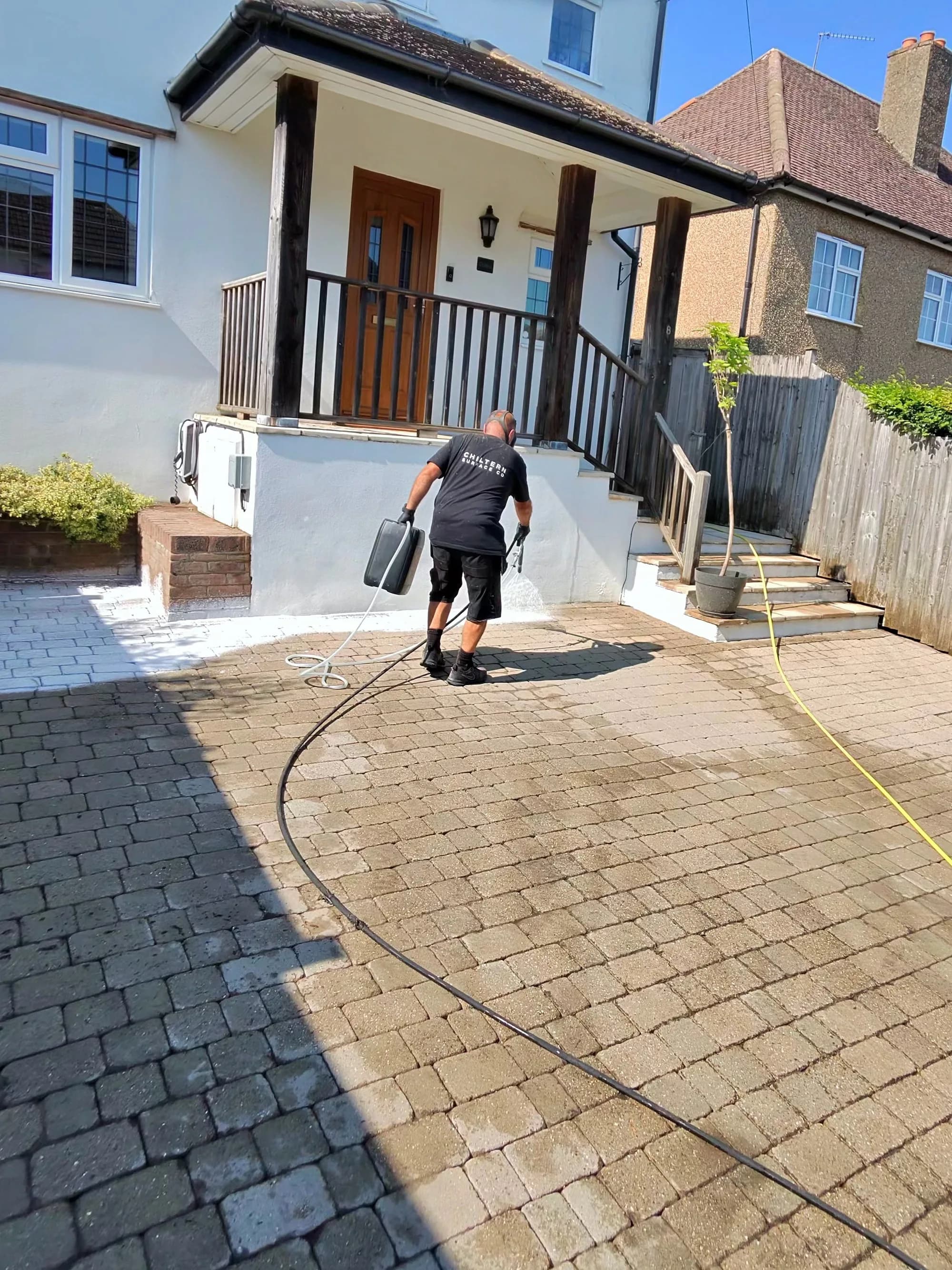
If you are wondering how to clean resin driveway surfaces, regular maintenance is the key to keeping them looking their best. The right cleaning methods can remove dirt, moss, algae, and stains without damaging the surface. This guide explains how to clean and maintain a resin bound driveway safely and effectively.
Why Resin Driveways Need Regular Cleaning
Resin driveways are popular because they are attractive, durable, and low maintenance. However, no driveway stays clean forever.
Over time, dirt, leaves, moss, and organic matter can build up on the surface. If this debris is not removed, it can affect both the appearance and performance of the driveway.
Regular resin driveway cleaning helps:
- Maintain the appearance of the surface.
- Prevent moss and algae growth.
- Keep drainage channels clear.
- Reduce staining.
- Extend the life of the driveway.
Fortunately, cleaning a resin driveway is usually straightforward when done correctly.
What Is a Resin Bound Driveway?
A resin bound driveway is made by mixing natural aggregates with a clear resin before applying the mixture to a prepared base.
The result is a smooth, attractive surface that allows water to drain through small gaps between the stones.
Because of this porous structure, resin bound paving is often recognised as a permeable surfacing solution that allows water to drain naturally.
They offer many benefits, including:
- Excellent drainage.
- A modern appearance.
- Low maintenance requirements.
- A wide range of colours and finishes.
- Good durability.
Although resin is highly durable, it still needs occasional cleaning to stay in excellent condition.
Why Does Dirt Build Up on Resin Surfaces?
Many homeowners assume that resin surfaces clean themselves when it rains.
Unfortunately, rain cannot remove all dirt and debris.
Over time, your driveway may collect:
- Leaves.
- Mud.
- Dust.
- Bird droppings.
- Organic matter.
- Small weeds and moss.
Shaded areas are especially likely to develop moss and algae.
If left untreated, this build-up can make the surface look tired and even become slippery.
This is why regular driveway maintenance is important.
How Often Should You Clean a Resin Driveway?
The frequency of cleaning depends on several factors.
These include:
- The amount of tree cover nearby.
- The local weather.
- How often the driveway is used.
- Whether the area is shaded.
As a general rule, you should sweep your resin driveway regularly and carry out a deeper clean at least once or twice each year.
Properties surrounded by trees may require more frequent cleaning, as leaves and organic matter can accumulate much more quickly.
Regular maintenance prevents small problems from becoming larger ones.
How to Clean a Resin Driveway Step by Step
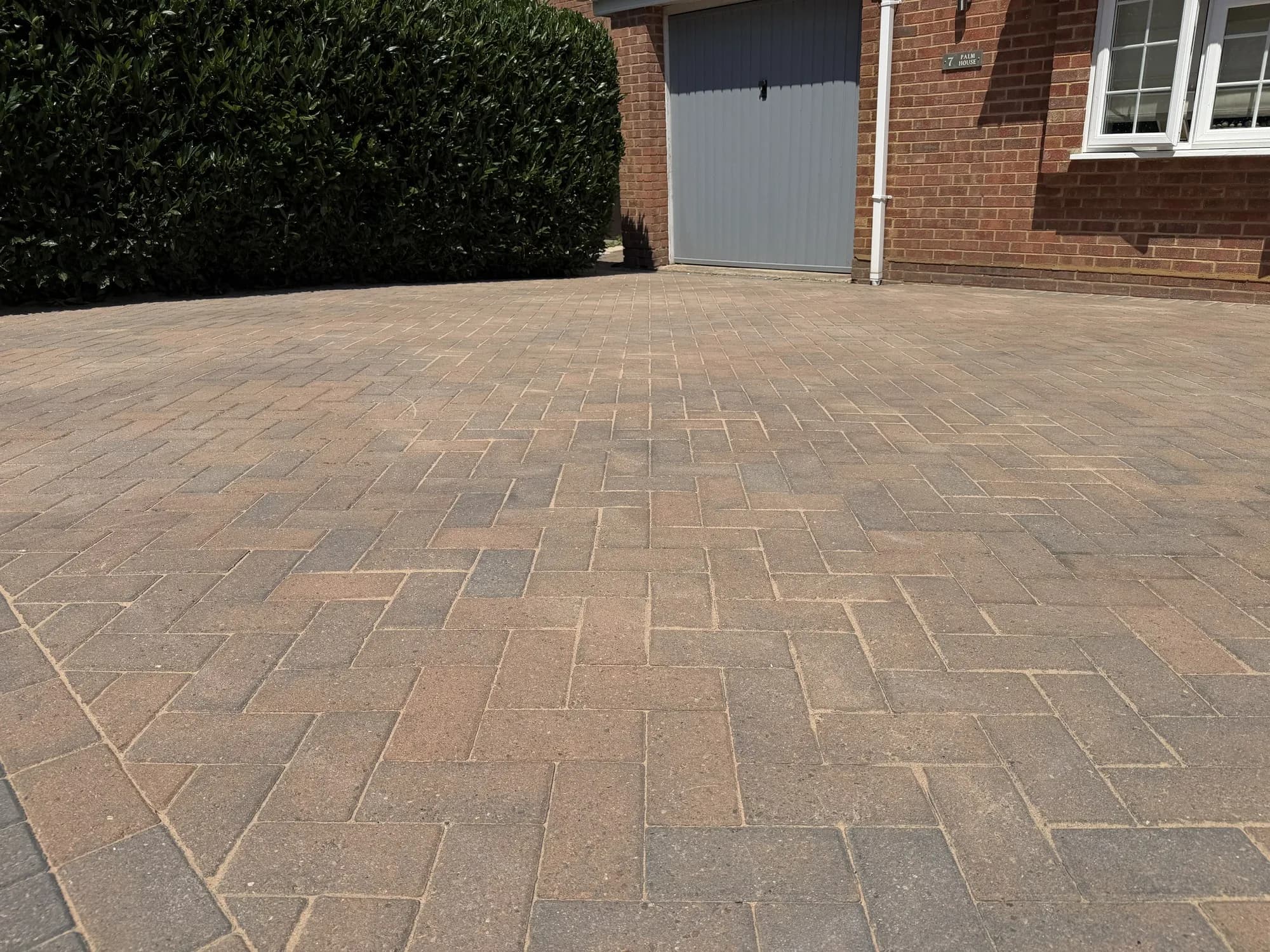
Cleaning a resin driveway does not usually require expensive equipment.
Most homeowners can maintain their driveway using simple tools and soft wash treatment .
Step 1: Remove Loose Debris
Start by removing leaves, twigs, and loose dirt from the surface.
A soft broom is usually the best tool for this job.
Pay particular attention to:
- Corners.
- Drainage channels.
- Edges of the driveway.
- Areas beneath trees.
Removing debris regularly prevents organic matter from breaking down and encouraging moss growth.
Step 2: Wash the Surface With Water
After sweeping the driveway, rinse the surface with clean water.
A garden hose is usually sufficient for routine cleaning.
Water helps remove:
- Dust.
- Mud.
- Surface dirt.
- Small particles trapped between the stones.
Avoid allowing dirt to build up for long periods because it can eventually encourage moss and algae growth.
Step 3: Use a Mild Detergent
For a deeper clean, mix a mild detergent with warm water.
Apply the solution to the driveway and gently scrub the surface using a soft brush.
A mild cleaner is usually enough to remove:
- General dirt.
- Light staining.
- Bird droppings.
- Surface marks.
Avoid using harsh chemicals because some products may damage the resin over time.
Can You Use Bleach on a Resin Driveway?
This is one of the most common questions homeowners ask.
In most cases, strong bleach products should be avoided.
Harsh chemicals can sometimes damage the resin binder or affect the appearance of the aggregate.
If you need to remove moss or algae, it is usually better to use a cleaner designed specifically for exterior surfaces.
Always test any cleaning product on a small area before applying it across the entire driveway.
How to Remove Moss From a Resin Driveway
Moss often develops in damp or shaded areas where moisture remains on the surface.
Although moss may seem harmless at first, it can become slippery and affect the appearance of the driveway.
To remove moss:
- Sweep away loose growth.
- Apply a suitable exterior cleaner.
- Gently scrub the area.
- Rinse with clean water.
Regular maintenance is the best way to prevent moss from returning.
Many homeowners schedule cleaning in spring and autumn to keep their driveway looking its best throughout the year.
How to Remove Algae From a Resin Driveway
Algae often appears as green patches on the surface.
Like moss, algae usually develops in damp and shaded locations.
Fortunately, it can usually be removed with gentle cleaning.
Apply a suitable cleaner and lightly scrub the affected area.
Once the algae has been removed, rinse the driveway thoroughly.
Keeping the surface free from leaves and organic matter can significantly reduce future growth.
Can Weeds Grow Through Resin?
A properly installed resin bound driveway is highly resistant to weeds.
However, this does not mean weeds can never appear.
In most cases, weeds grow from seeds that land on the surface rather than from underneath.
Small amounts of dirt and organic matter can create ideal conditions for weeds to develop.
Regular sweeping and cleaning help prevent this problem.
How to Remove Weeds From a Resin Driveway
Small weeds can often be removed by hand.
For more stubborn growth, a suitable weed killer may be needed.
When using weed treatments:
- Follow the manufacturer's instructions.
- Avoid excessive use.
- Allow the product to work before rinsing.
Keeping the driveway clean and free from debris is the simplest way to stop weeds from becoming a regular problem.
Why Regular Resin Driveway Maintenance Matters
Many homeowners only clean their driveway when it starts looking dirty.
However, regular resin driveway maintenance offers many benefits.
Routine care can help:
- Preserve the colour of the surface.
- Improve drainage performance.
- Prevent moss and algae growth.
- Reduce staining.
- Extend the lifespan of the driveway.
A well-maintained resin driveway can continue looking attractive for many years.
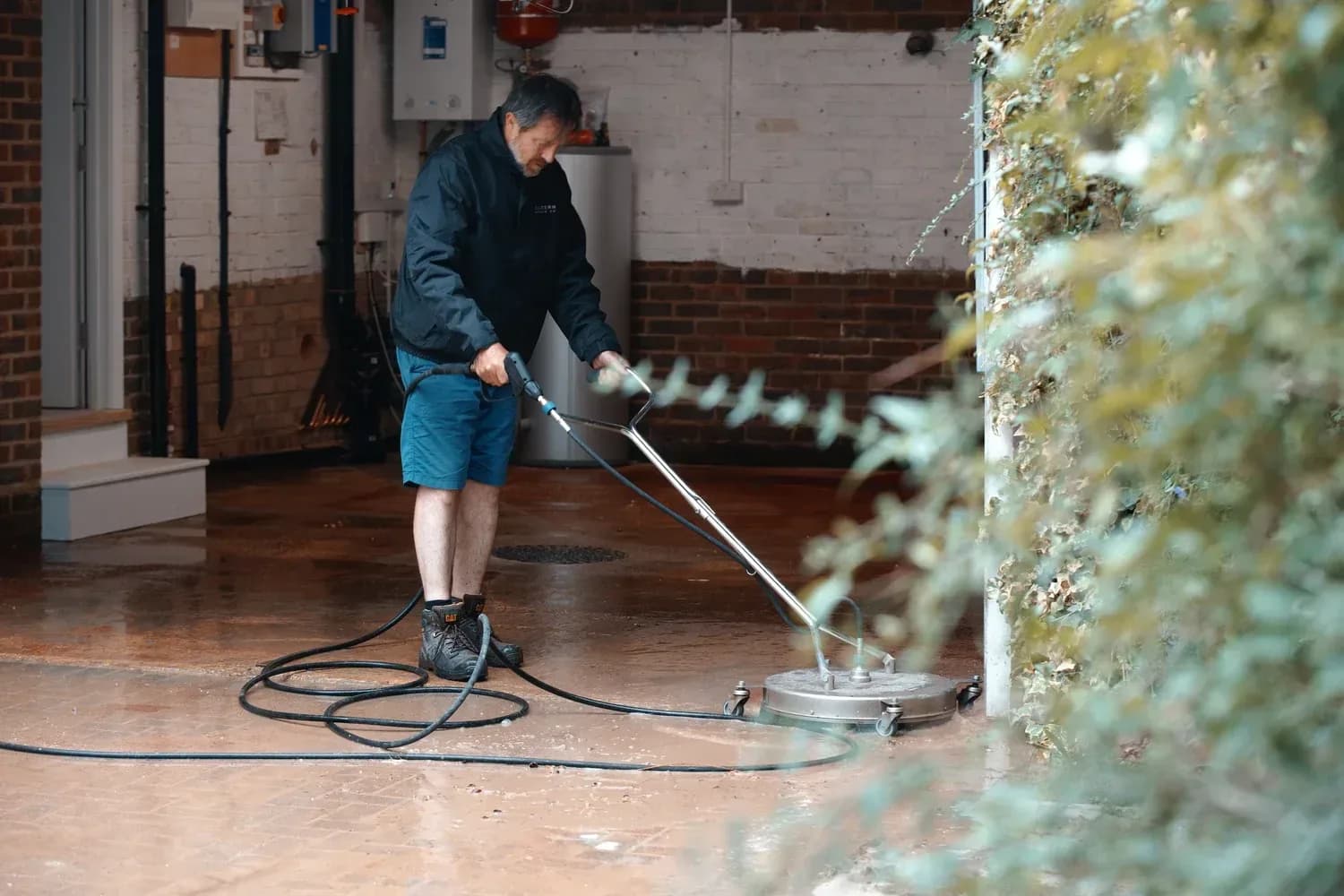
Can You Pressure Wash a Resin Driveway?
Many homeowners wonder whether pressure washing resin driveway surfaces is safe.
The simple answer is yes, but it must be done carefully.
Resin bound driveways are durable, but using too much pressure or the wrong equipment can damage the surface over time.
When Pressure Washing Is Safe
Pressure washing can be an effective way to remove:
- Surface dirt.
- Moss and algae.
- Mud and debris.
- Light staining.
For the best results, use a low-pressure setting and keep the nozzle moving.
Avoid holding the pressure washer too close to the surface because concentrated pressure can loosen the resin or damage the aggregate.
When Pressure Washing Should Be Avoided
There are situations where pressure washing may not be the best option.
Avoid high-pressure cleaning if:
- The driveway is old or damaged.
- The resin is already loose.
- Cracks have started to appear.
- The surface has recently been installed.
In these situations, gentle cleaning methods are often safer.
What Is the Best Way to Pressure Wash a Resin Driveway?
If you decide to pressure wash your driveway, follow these simple steps.
First, remove all loose debris from the surface.
Next, start with the lowest pressure setting and test a small area.
Work evenly across the driveway and avoid concentrating on one spot for too long.
Finally, rinse the entire surface and allow it to dry.
A gentle approach usually produces the best results.
How to Remove Stains From a Resin Driveway
Even well-maintained driveways occasionally develop stains.
Common causes include:
- Mud.
- Food spills.
- Oil marks.
- Tyre marks.
- Bird droppings.
The best treatment depends on the type of stain.
Removing Mud Stains
Mud stains are usually easy to remove.
Allow the mud to dry first and then sweep away as much as possible.
Wash the area with warm water and a mild detergent.
Removing Bird Droppings
Bird droppings should be cleaned quickly because they can stain if left for a long time.
Use warm water and a soft brush to gently remove the residue.
Avoid scrubbing aggressively because this may damage the surface.
Removing Oil Stains
Oil stains are more difficult.
Apply a suitable driveway cleaner and allow it to work before gently scrubbing the affected area.
Deep oil stains may require professional treatment.
Common Mistakes to Avoid When Cleaning a Resin Driveway
Many homeowners accidentally damage their driveways by using the wrong cleaning methods.
Using Harsh Chemicals
Strong chemicals can damage the resin binder and affect the appearance of the aggregate.
Always use products that are suitable for resin surfaces.
Using Excessive Pressure
Very high-pressure washing can loosen stones and damage the surface.
Gentle cleaning is usually more effective.
Ignoring Moss and Algae
Small patches of moss and algae may not seem important at first.
However, if they are left untreated, they can spread and make the driveway slippery.
Allowing Debris to Build Up
Leaves and organic matter trap moisture and encourage weed growth.
Regular sweeping can prevent many common problems.
How to Maintain a Resin Bound Driveway
Proper resin driveway maintenance is simple and does not require a lot of time.
A few regular tasks can keep your driveway looking its best.
Try to:
- Sweep the driveway regularly.
- Remove leaves and debris.
- Treat moss and algae early.
- Clean stains as soon as they appear.
- Inspect drainage channels.
Simple maintenance can make a huge difference over the long term.
Why Drainage Matters on Resin Driveways
One of the biggest advantages of a resin bound driveway is its permeability.
Water can pass through the surface instead of collecting on top.
However, if drainage channels become blocked with dirt and debris, the system cannot work properly.
Blocked drainage may lead to:
- Standing water.
- Moss growth.
- Surface staining.
- Faster wear.
Keeping the surface clean helps maintain proper drainage and protects your investment.
Does Weather Affect Resin Driveways?
Yes, weather can have a noticeable impact on resin surfaces.
During autumn, leaves and organic matter often accumulate quickly.
In winter, damp conditions can encourage moss and algae growth.
Spring and summer are usually the best times to carry out a deeper clean and inspect the condition of the surface.
Regular seasonal maintenance keeps the driveway looking attractive throughout the year.
Can Resin Driveways Fade?
Over time, some resin driveways may experience slight fading due to sunlight and weather exposure.
Regular cleaning helps preserve the appearance of the surface by removing dirt and contaminants that can make colours appear dull.
Professional cleaning can also improve the overall look of older driveways.
Is Professional Cleaning Worth It?
Many homeowners maintain their driveways themselves, but there are situations where professional help can be beneficial.
A professional driveway cleaning service can:
- Remove stubborn staining.
- Treat heavy moss and algae growth.
- Restore the appearance of older surfaces.
- Clean large driveways efficiently.
- Help extend the life of the driveway.
At Chiltern Surface, we regularly clean and restore resin bound surfaces using safe and effective techniques.
When Should You Call a Professional Driveway Cleaning Company?
DIY cleaning works well for routine maintenance, but some problems require professional attention.
You should consider professional resin driveway cleaning if:
- The driveway has heavy moss or algae growth.
- There are stubborn oil or fuel stains.
- The surface looks dull and discoloured.
- Drainage problems have developed.
- You have not cleaned the driveway for several years.
Professional driveway cleaning can often restore the appearance of a resin surface without causing damage.
At Chiltern Surface, we understand that every driveway is different. The age of the surface, the amount of dirt build-up, and the type of staining all influence the cleaning method that should be used.
Using the wrong products or too much pressure can damage the surface and lead to expensive repairs.
Why Choose Professional Resin Driveway Cleaning?
A professional cleaning service offers several benefits.
Experienced technicians know how to clean resin surfaces safely while preserving their appearance.
Professional cleaning can help:
- Remove deep staining.
- Eliminate moss and algae.
- Improve drainage performance.
- Restore the natural colour of the aggregate.
- Extend the lifespan of the driveway.
Many homeowners are surprised by how much better their driveway looks after a professional clean.
Can a Resin Driveway Be Restored?
In many cases, yes.
A driveway that looks old, dirty, or stained does not always need replacing.
Professional resin surface restoration can often improve:
- Surface discolouration.
- Organic staining.
- Moss and algae growth.
- General dirt build-up.
- Drainage performance.
Regular cleaning and maintenance can keep a resin driveway looking attractive for many years.
How Long Does a Resin Driveway Last?
A well-installed and properly maintained resin driveway can last for many years.
Its lifespan depends on several factors, including:
- Installation quality.
- Amount of traffic.
- Weather conditions.
- Regular maintenance.
Cleaning the driveway regularly and dealing with small problems quickly can significantly increase its lifespan.
Conclusion
Knowing how to clean resin driveway surfaces properly can make a huge difference to the appearance and lifespan of your driveway.
A clean resin driveway not only looks better but also performs better. Keeping the surface free from dirt and organic matter helps maintain drainage and protects your investment.
Need Professional Help With Resin Driveway Cleaning?
If your driveway has become stained, slippery, or covered in moss and algae, the team at Chiltern Surface is here to help.
We provide expert driveway cleaning in Buckinghamshire and the surrounding areas, helping homeowners restore and maintain resin bound driveways, patios, and our exterior surface services
Whether you need routine resin driveway cleaning or a complete resin surface restoration, our experienced team can recommend the safest and most effective solution.
Contact Chiltern Surface today for a free quote and let our professional team restore the appearance of your resin driveway with our expert cleaning services.
Frequently asked questions
How often should you clean a resin driveway?
For most properties, a thorough clean once or twice a year is enough. However, driveways surrounded by trees or located in damp areas may need more frequent cleaning.
Can you pressure wash a resin driveway?
Yes, but only at a low pressure. Excessive pressure can damage the surface or loosen the aggregate.
Can weeds grow through a resin driveway?
A properly installed resin bound driveway is highly resistant to weeds. Most weeds grow from seeds that settle on the surface rather than from underneath.
Can you use bleach on a resin driveway?
Strong bleach products should generally be avoided because they may damage the resin or affect the colour of the aggregate.
How do you remove moss from a resin driveway?
Moss can usually be removed by sweeping away loose growth, applying a suitable exterior cleaner, and rinsing the surface thoroughly.
How do you remove oil stains from a resin driveway?
Light oil stains can often be improved using a suitable driveway cleaner. Deep stains may require professional treatment.
Why is my resin driveway holding water?
This may happen if dirt and debris have blocked the drainage channels. Regular cleaning helps maintain proper water drainage.
Is professional resin driveway cleaning worth it?
Yes. Professional cleaning can restore the appearance of older surfaces and safely remove staining, moss, and algae.