
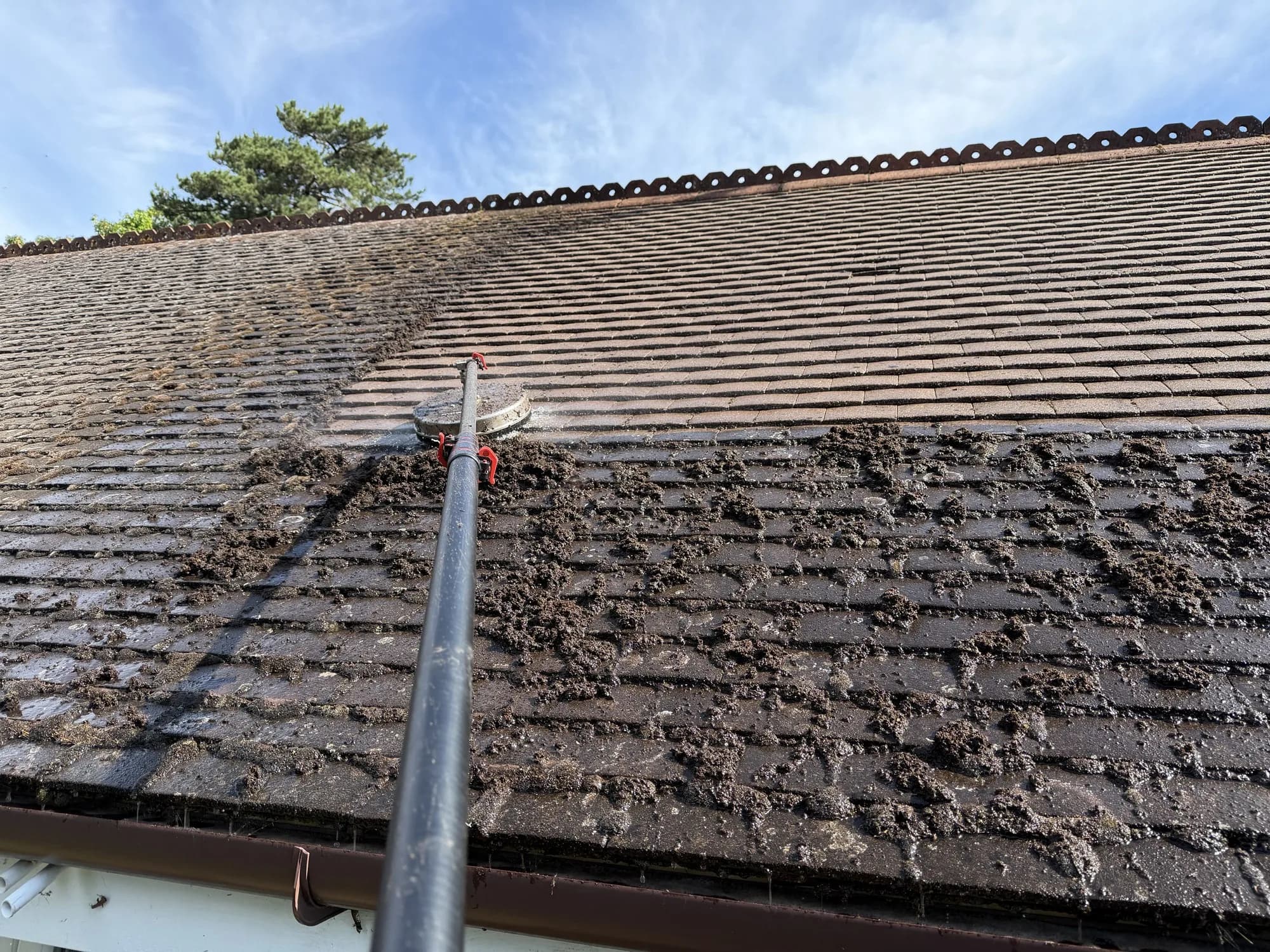
What is commercial roof restoration? Commercial roof restoration renews a sound commercial roof by cleaning the roof, repairing local defects, and applying a protective treatment or coating over the existing system. The process avoids a full tear-off when the deck, insulation, membrane, seams, flashings and drainage remain suitable for restoration.
For 2026, UK property owners ask what is commercial roof restoration because roof replacement costs keep pressure on maintenance budgets. A restored roof can extend service life, reduce disruption and improve weather protection when the existing roof remains structurally sound. Facilities managers ask what is commercial roof restoration when budgets face pressure.
Chiltern Surface Co focuses on careful exterior surface care, roof cleaning and surface-safe preparation. Specialist membrane coating, structural repair and warranty-backed commercial roofing work require a qualified commercial roofing contractor.
What Is Commercial Roof Restoration in 2026?
What is commercial roof restoration in 2026? The process renews an existing commercial roof without removing the whole roof system. A contractor inspects the roof, cleans the surface, repairs local defects and applies a compatible coating or treatment.
Commercial roof restoration works on a roof that still has a sound substrate. What is commercial roof restoration in practical terms for owners? It is a planned route between patch repair and full replacement. The roof substrate includes the membrane, insulation, roof deck, seams, flashings and drainage points. A roof with saturated insulation or structural deck damage needs replacement before coating work starts.
Commercial roof restoration differs from a quick patch. A patch repairs 1 small fault. Restoration treats the whole roof surface and gives the roof a planned maintenance route. Property owners ask what is commercial roof restoration before approving planned roof spending.
What Does Commercial Roof Restoration Include?
What is commercial roof restoration made of? A proper project includes 5 stages: inspection, cleaning, repair, preparation and protection. Each stage affects adhesion, weather resistance and final roof performance. Survey reports define what is commercial roof restoration through scope, preparation and protection.
The first stages protect the building before any coating reaches the roof. A coating only performs well when the roof surface stays clean, dry and compatible with the selected system.
Roof Inspection and Moisture Checks
A commercial roof inspection checks roof age, surface condition, access, drainage and visible defects. Inspectors also check seams, flashings, penetrations and roof edges because leaks often start at detailed areas.
Moisture checks matter because trapped water weakens restoration. A contractor can use visual checks, infrared moisture scanning and roof core samples. Core samples remove a small plug, often around 2 inches (5 cm) wide, so a roofer can check layers.
Cleaning, Repairs and Surface Preparation
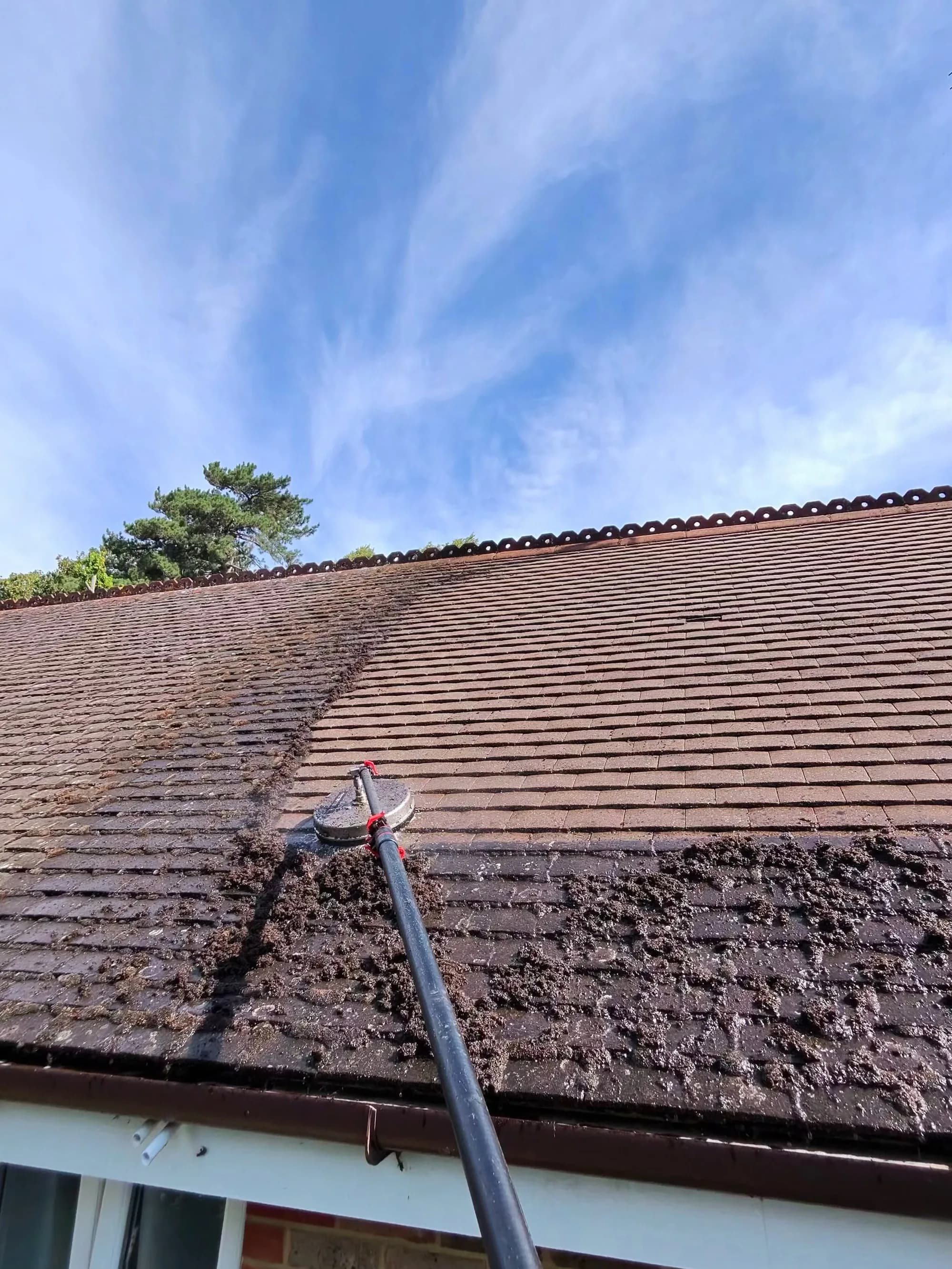
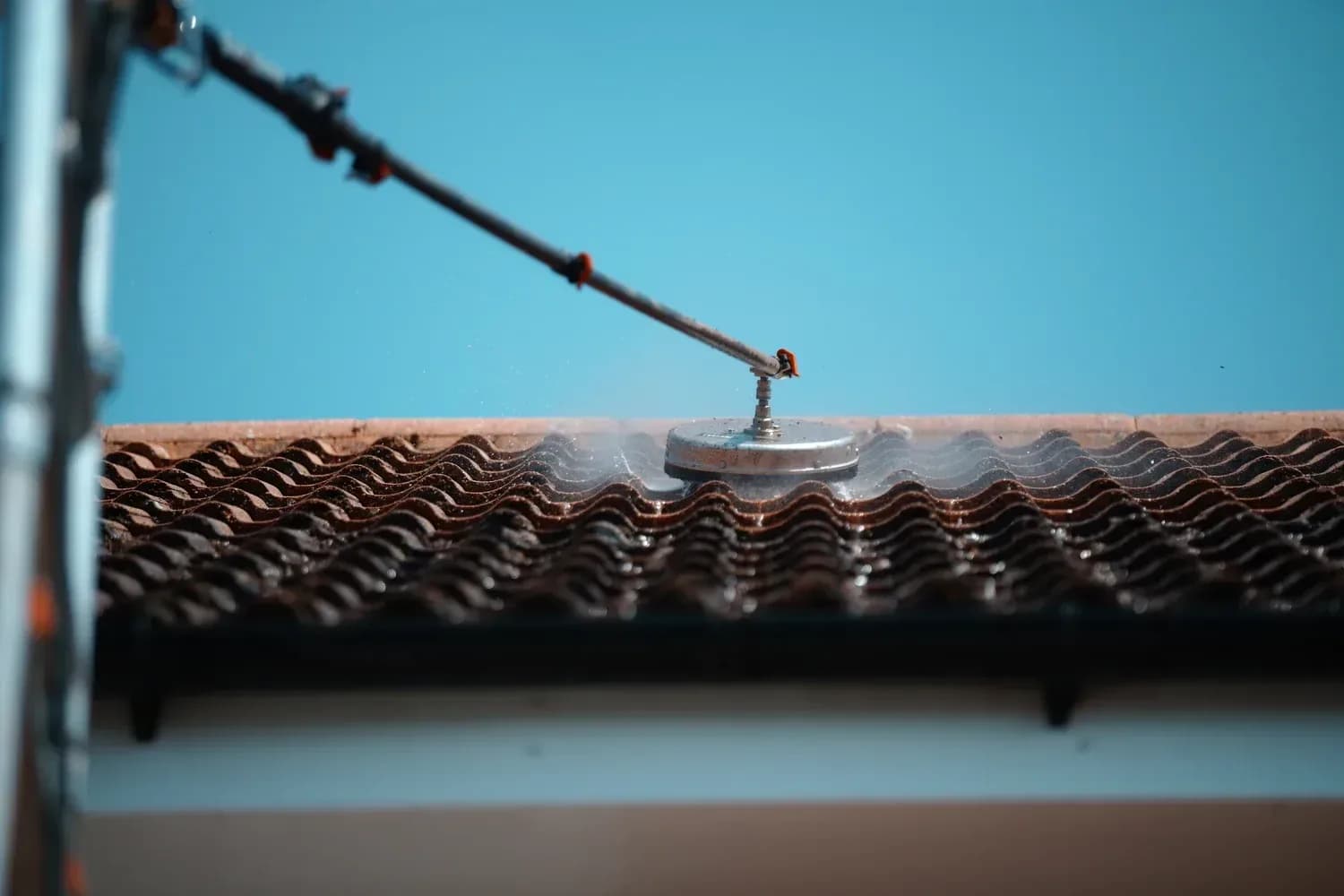
Cleaning removes dirt, moss, algae, loose coating, grease and chalking. Commercial roofs need suitable cleaning methods, such as low-pressure washing, controlled rinsing and biocide treatment. A surface-specific cleaning approach helps protect membranes, metal sheets and delicate roof details.
Repairs happen before coating work. Roofers seal open seams, reinforce joints, replace damaged flashing and repair punctures. Surface preparation then creates the clean, dry base that primers and coatings need.
Protective Coating or Treatment Application
Coating systems include silicone, acrylic, polyurethane and liquid-applied membrane systems. Silicone suits ponding water. Acrylic suits well-drained roofs. Polyurethane suits areas with foot traffic, plant rooms and service routes.
A professional applies coatings by airless spray, roller or brush. Manufacturers often specify dry film thickness, weather limits and cure time. A 10-year system usually needs less coating than a 20-year system, so specification controls price.
What Is Commercial Roof Restoration Useful For?
What is commercial roof restoration useful for? The process controls early-stage roof deterioration before damage reaches the roof deck. The strongest benefits appear when roof defects remain local and the roof still drains correctly.
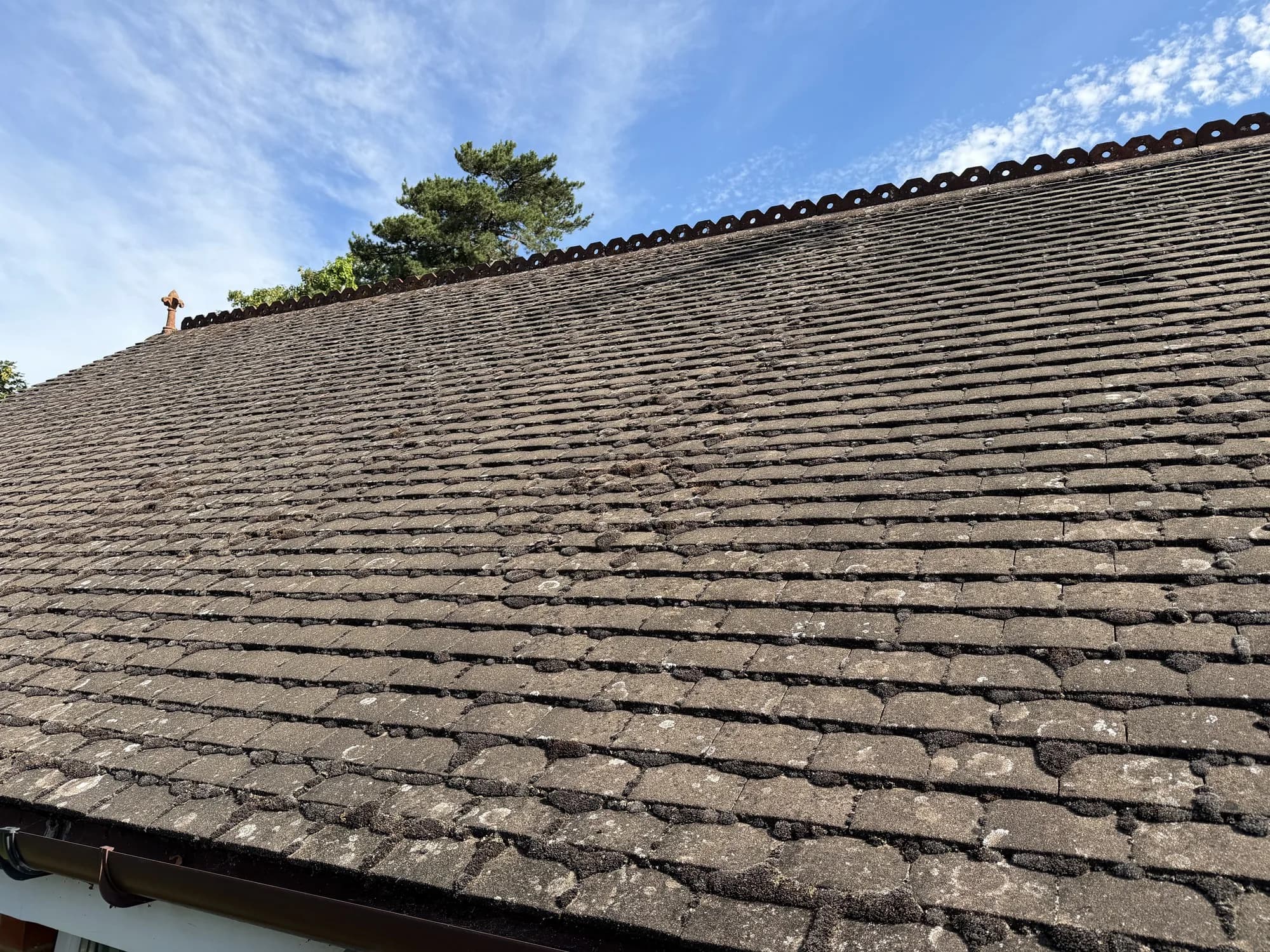
Commercial roof restoration helps with 5 problems: open seams, aged coatings, light corrosion, minor punctures and surface contamination. Named contaminants include moss, algae, lichen, bird mess and airborne grime.
Commercial roof restoration also supports business continuity. Shops, offices, schools and warehouses can often remain open because crews avoid major tear-off work, skip large skips and reduce roof noise.
Moss, Algae and Surface Contamination
Organic growth affects roof performance because moss and algae hold moisture against coatings, laps and drainage details. Surface cleaning removes growth before a roofer judges coating suitability.
A roof with 2 inches (5 cm) of moss across shaded areas needs careful clearing before any coating decision. High-pressure blasting can damage edge details and force water into roof laps.
Seams, Flashings and Roof Penetrations
Seams, flashings and penetrations need close attention because water often enters around joints. Examples include skylights, vent pipes, parapet upstands and heating, ventilation and air conditioning (HVAC) curbs.
Commercial roof restoration strengthens vulnerable details when the underlying roof remains dry. Reinforcement fabric, sealant and primer help coating systems bridge small movement points.
What Is Commercial Roof Restoration Compared With Replacement?
What is commercial roof restoration compared with replacement? Restoration renews the usable roof layer, while replacement removes the existing roof assembly. The right choice depends on moisture, structure, access and long-term building plans.
Commercial roof restoration reduces noise, waste and downtime because crews work over the existing roof. Replacement creates more disruption because crews remove membrane, insulation, boards and damaged decking.
Restoration Works Over the Existing Roof
Restoration suits a roof with local wear but stable structure. Examples include a flat roof with open seams, a metal roof with early corrosion, or a membrane roof with weathered coating. The project tackles surface defects before water reaches deeper layers. Business owners ask what is commercial roof restoration when repair costs become frequent.
Replacement Removes the Existing Roof System
Replacement suits widespread failure. Examples include saturated insulation, soft roof deck areas, repeated leaks, collapsed boards and severe delamination. A coating traps problems when water sits inside the roof build-up.
Which Roof Types Suit Commercial Roof Restoration?
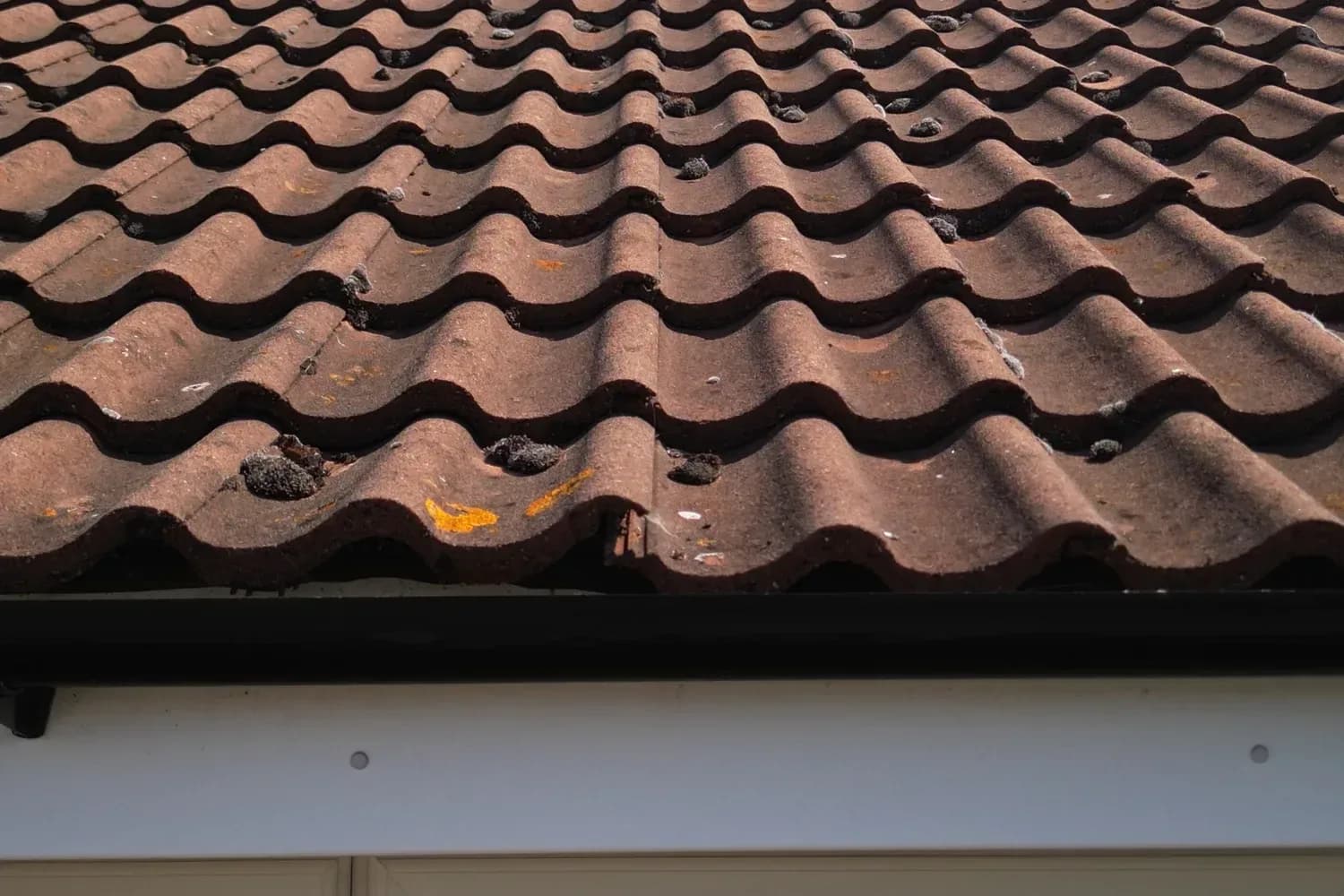
Commercial roof restoration suits roof types that still hold structure and shed water properly. Common examples include flat roofs, low-slope roofs, metal sheet roofs, built-up roofs and single-ply systems.
Flat Roofs and Low-Slope Roofs
Flat roof restoration often targets ponding water, failed seams, aged coatings and surface chalking. Low-slope roofs need close drainage checks because water that sits longer than 48 hours strains many coating systems.
Common systems include thermoplastic polyolefin (TPO), polyvinyl chloride (PVC), ethylene propylene diene monomer (EPDM), modified bitumen and built-up roofing (BUR). Each system needs a compatible primer and coating.
Metal Roofs and Sheeted Roofs
Metal roof restoration often targets corrosion, loose fixings, open laps and failed sealant. Contractors clean the sheets, treat rust, seal fasteners and apply coating across vulnerable seams.
Sheeted commercial roofs need careful cleaning before any treatment. Harsh pressure can lift seals, force water through laps and damage ageing coatings.
Roofs That Need Replacement Instead
Commercial roof restoration fails when the roof has widespread wet insulation, structural movement, rotten decking or major drainage defects. Replacement also suits roofs with repeated leaks across many zones. Surveyors explain what is commercial roof restoration only after checking moisture and structure.
A survey should check at least 3 roof zones on larger roofs: the highest point, the drainage area and the service plant area. On a 929m² roof, inspectors often check more zones because roof wear rarely spreads evenly.
How to Check Whether a Commercial Roof Can Be Restored
To check whether a commercial roof can be restored, start with condition, not age. A dry, stable roof with local defects gives commercial roof restoration the strongest chance of success.
Check Roof Age, Access and Drainage
To check roof age, access and drainage, gather 3 records: installation date, repair history and roof plan. These records help a roofer judge previous repairs, drainage routes and high-risk access points.
Drainage checks should include outlets, gutters, hoppers and downpipes. A 6 inch (15 cm) deep blocked outlet can create large standing water areas after heavy rain. Clear drainage supports coating life and leak control.
Check Leaks, Seams and Wet Insulation
To check leaks, seams and wet insulation, inspect ceiling stains, plant rooms, parapets, skylights and roof penetrations. Look for staining below heating, ventilation and air conditioning (HVAC) units, rooflights and service pipe entries.
A roof with 1 isolated leak can suit repair and restoration. A roof with repeated leaks across 4 zones usually needs deeper investigation before commercial roof restoration starts.
Book a Professional Roof Assessment
To book a professional roof assessment, choose a contractor who checks substrate condition before selling a coating. Ask for photos, moisture findings, repair scope and a written method statement.
Chiltern Surface Co can help with safe exterior roof cleaning, moss removal and careful surface preparation through its roof cleaning service. Coating and structural repair require a qualified commercial roofing specialist.
What Is Commercial Roof Restoration Risk Without a Survey?
What is commercial roof restoration risk without a survey? The main risk is coating a roof that already hides moisture or structural damage. A surface can look serviceable while wet insulation sits below the membrane.
Commercial roof restoration needs evidence before specification. Evidence should include roof photos, moisture checks, drainage notes, repair recommendations and access details. A quote without inspection creates cost risk for the building owner.
A poor survey can miss 3 common defects: ponding water, failed lap joints and damaged parapet flashings. A missed defect can shorten coating life and create repeated call-outs after heavy rain.
How Long Does Commercial Roof Restoration Last?
Commercial roof restoration usually adds 10 to 20 years. What is commercial roof restoration lifespan linked to? Lifespan depends on preparation, coating specification and ongoing maintenance. Commercial roof restoration adds life only when those items receive proper attention. Commercial roof restoration usually adds 10 to 20 years when the roof qualifies and the system receives regular maintenance. Coating type, preparation, drainage, foot traffic and weather exposure control service life.
Acrylic systems often serve well on dry, sunny, well-drained roofs. Silicone systems handle ponding water better. Polyurethane systems resist abrasion around walkways, service units and roof access routes.
Maintenance affects lifespan. A roof with annual cleaning, clear gutters and fast repairs lasts longer than a roof left under moss, debris and standing water. A 5 feet (1.5 m) wide service walkway can protect coated surfaces near plant equipment.
How Much Does Commercial Roof Restoration Cost in the UK?
What is commercial roof restoration cost in the UK? Most prices depend on roof size, access, repair scope, coating type and warranty level. A measured site assessment gives a safer figure than a phone estimate. Estimators price what is commercial roof restoration by measuring access, repairs and coating scope.
UK commercial roof restoration pricing often uses square metres. A 465m² roof costs more than a 139m² roof because cleaning, repairs and coating volume increase with area.
Cost drivers include 7 items: safe access, roof height, substrate condition, drainage repair, seam reinforcement, primer requirement and coating thickness. A high roof above 30 feet (9.1 m) usually needs more access planning than a low retail unit.
| Task | Timing | Method | Difficulty |
|---|---|---|---|
| Initial inspection | 1 to 2 hours | Visual check, photos and access review | Low |
| Moisture checks | 2 to 4 hours | Infrared scan and sample checks | Medium |
| Cleaning stage | 1 to 3 days | Low-pressure wash and debris removal | Medium |
| Local repairs | 1 to 5 days | Seam, flashing and puncture repairs | Medium |
| Coating application | 1 to 4 days | Spray, roller or brush system | High |
| Aftercare visit | Every 12 months | Drainage, coating and seam check | Low |
What Maintenance Protects Commercial Roof Restoration?
Commercial roof restoration needs scheduled maintenance because coatings stay exposed to weather, debris and foot traffic. A maintenance plan should cover cleaning, inspection, drainage and minor repair work. Maintenance teams ask what is commercial roof restoration after repeated moss, leak and drainage issues.
A good plan includes 4 actions: clear drains, remove debris, check seams and document defects. Named debris examples include leaves, moss, bird mess, grit and loose fixings.
Gutter and drainage work also protects restored roofs. You can check local service coverage through the Chiltern Surface Co areas we cover page before booking roof surface care.
Should You Choose Commercial Roof Restoration for Your Building?
Choose commercial roof restoration when your roof remains dry, stable and suitable for coating or treatment. Choose replacement when moisture, structure or repeated leaks make restoration unsafe.
Commercial roof restoration can suit offices, shops, warehouses, schools and light industrial units. Named roof examples include single-ply membranes, coated metal sheets, modified bitumen systems and built-up roofs.
For Chiltern Surface Co customers, the first step should focus on surface condition. Moss, algae, lichen, blocked gutters and stained roof surfaces create avoidable stress. Careful cleaning supports later repair decisions and protects roof materials. Clean roof surfaces clarify what is commercial roof restoration can fix.
If your commercial roof needs cleaning, moss removal or exterior surface care across Buckinghamshire, Berkshire or Oxfordshire, arrange a site visit with Chiltern Surface Co. You will receive practical advice before any work starts.
Final Advice for Commercial Roof Surface Care
Commercial roof restoration works only when a roof has the right condition, drainage and surface preparation. Clients asking what is commercial roof restoration need an honest survey before coating. For safe cleaning, moss removal and practical roof surface advice across Buckinghamshire, Berkshire and Oxfordshire, request a free visit through the Chiltern Surface Co roof cleaning service.
Frequently asked questions
Is commercial roof restoration the same as roof repair?
No. Commercial roof restoration treats the wider roof surface, while roof repair fixes specific faults such as punctures, open seams and failed flashing.
Can commercial roof restoration stop leaks?
Yes, when leaks come from repairable surface defects. A contractor must find and repair active leaks before applying coating or treatment.
Does every commercial roof qualify for restoration?
No. Roofs with saturated insulation, structural deck damage, severe delamination or repeated leaks across many zones need replacement assessment.
How often should a restored commercial roof be inspected?
Every 12 months. Schedule extra checks after storms, heavy snowfall, construction work or plant maintenance on the roof.
Does Chiltern Surface Co carry out commercial roof restoration?
Chiltern Surface Co provides exterior roof cleaning and surface care. Structural roof repairs and coating warranties need a qualified commercial roofing contractor.