
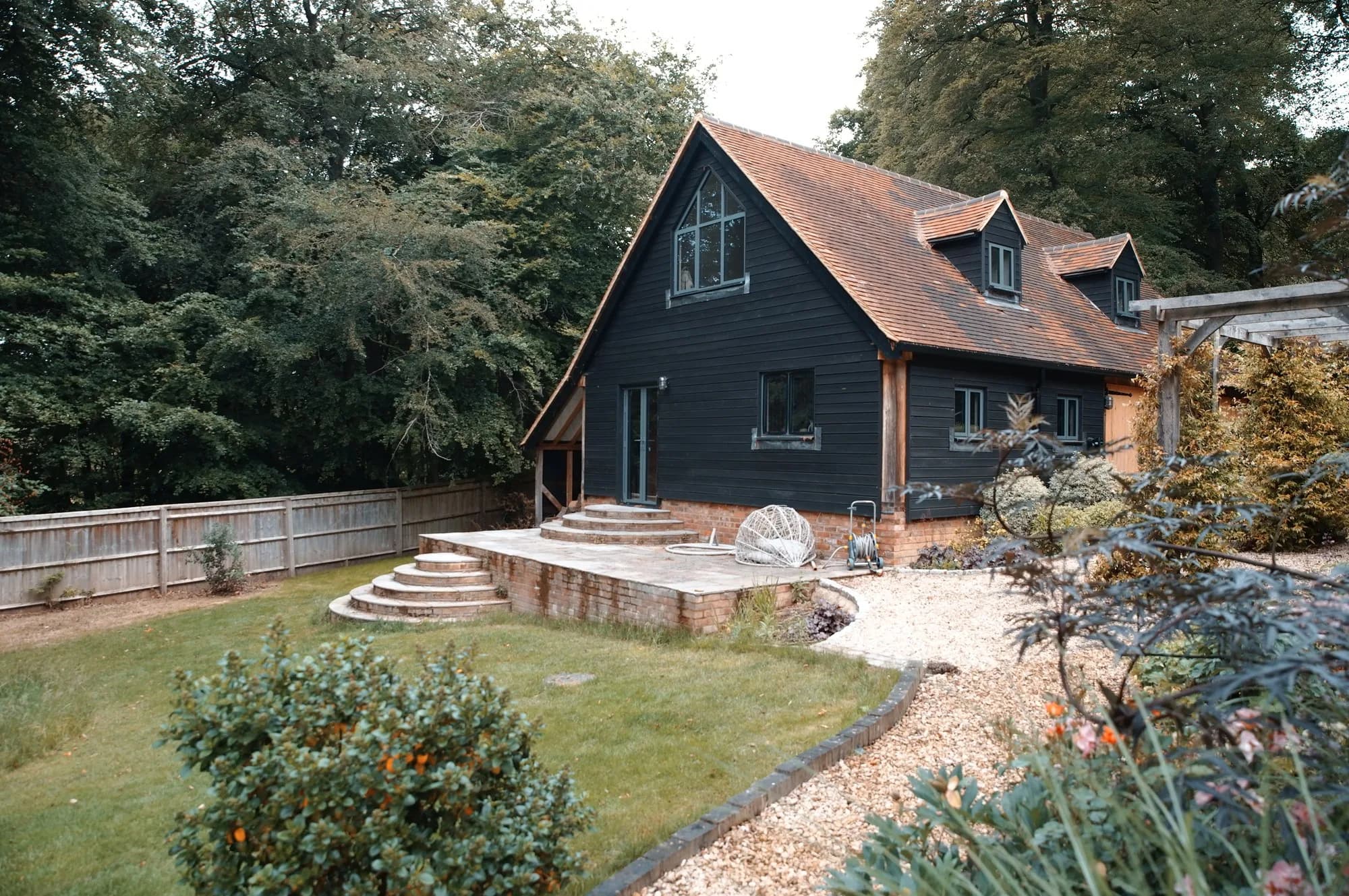
If you want to know how to clean exterior tiles, this guide gives you the safest and most effective steps. You’ll learn how to remove dirt, algae, moss, stains, mildew, grease, and residue from outdoor tiles without damaging the surface or grout lines.
Exterior tiles can make patios, paths, balconies, terraces, and garden areas look smart and modern. However, rain, shade, foot traffic, BBQ spills, plant pots, leaf marks, bird droppings, and winter grime can quickly make them look dull or slippery.
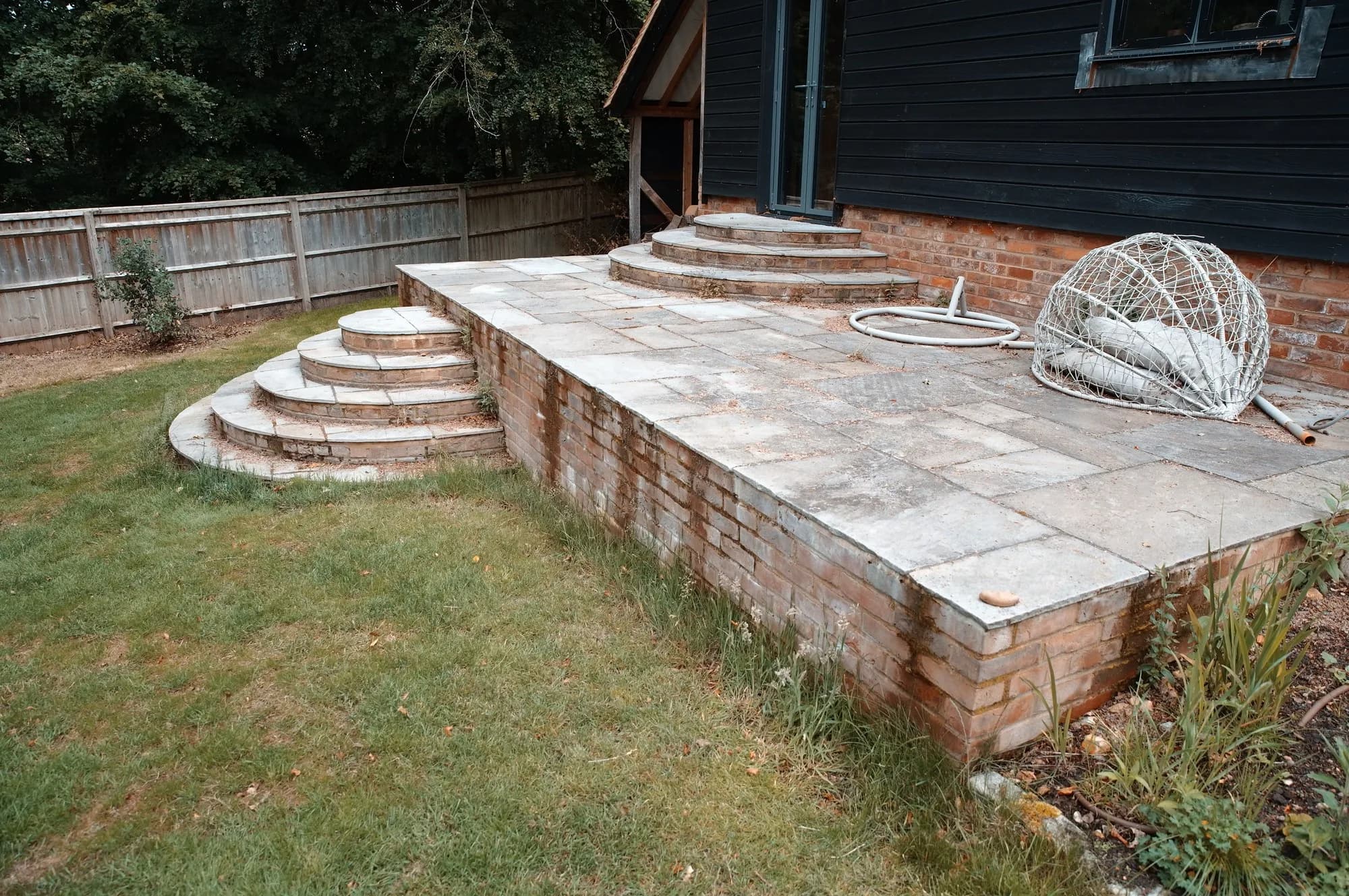
At Chiltern Surface, we know that outdoor tile cleaning needs the right method. Porcelain, ceramic, quarry, textured, anti-slip, and stone-effect tiles do not all respond the same way. The key is to clean well while protecting the tile finish, grout, and surrounding areas.
Why Exterior Tiles Get Dirty
Exterior tiles face weather and daily use. Even strong outdoor tiles can collect dirt over time. In the UK, damp conditions make algae, moss, and mildew more common.
Common causes include:
- Rain and moisture
- Shaded areas
- Mud and soil
- Foot traffic
- Leaf stains
- Bird droppings
- BBQ grease
- Plant pot marks
- Standing water
- Winter buildup
- Dirty grout lines
If tiles stay damp, green algae can spread quickly. This can make the surface slippery, especially after rain.
Why Exterior Tile Cleaning Needs Care
Many homeowners think all tiles can be cleaned with strong chemicals or high pressure. This is not always safe.
The wrong method can cause:
- Damaged grout lines
- Scratched tile surfaces
- Cloudy residue
- Streak marks
- Loose jointing
- Patchy cleaning
- Slippery cleaner buildup
- Damage to nearby plants
That is why exterior tile cleaning should always start gently. Stronger methods should only be used when they are safe for the tile type.
Best Way to Clean Exterior Tiles
The best way to clean exterior tiles is to sweep first, apply a suitable cleaner, scrub gently, rinse thoroughly, and remove dirty water before it dries.
A safe basic process is:
- Clear the tiled area
- Sweep loose dirt
- Pre-rinse with clean water
- Apply a pH-neutral cleaner
- Scrub with a soft or medium brush
- Clean grout lines carefully
- Rinse thoroughly
- Dry or squeegee the surface
- Treat algae or stains if needed
This method works well for many patios, terraces, balconies, and garden tiles.
Tools You Need for Outdoor Tile Cleaning
Before cleaning, gather the right tools.
Useful tools include:
- Soft broom
- Bucket
- Warm water
- pH-neutral cleaner
- Outdoor tile cleaner
- Soft or medium brush
- Microfibre mop
- Garden hose
- Squeegee
- Gloves
- Grout brush
- Low-pressure washer, if suitable
Avoid:
- Wire brushes
- Harsh scouring pads
- Strong acids
- Waxy cleaners
- Oil-based products
- Dirty mop water
- High-pressure turbo nozzles
The aim is to remove grime without harming the tile or grout.
Step 1: Clear the Area
Before patio tile cleaning, remove furniture, plant pots, outdoor rugs, BBQ equipment, toys, and storage boxes.
This helps you clean evenly. It also reveals hidden dirt and algae under pots, chairs, and tables.
Plant pots often leave dark rings or green marks because they trap moisture underneath.
Step 2: Sweep Loose Dirt
Use a soft broom to remove leaves, soil, grit, dust, and loose debris.
This step matters because grit can scratch some tiles during scrubbing. It also stops mud from spreading when water is added.
Sweep into a pile and remove the debris before rinsing.
Step 3: Pre-Rinse with Clean Water
Lightly rinse the tiles with a garden hose. This helps loosen surface dirt and prepares the tiles for cleaning.
Do not flood the area. A gentle rinse is enough.
If water pools in certain areas, note the problem. Standing water can lead to algae and staining.
Step 4: Use a pH-Neutral Cleaner
A pH-neutral cleaner is usually the safest choice for exterior tiles. It cleans without being too harsh.
Apply the cleaner in small sections. Let it sit for a short time, but do not let it dry on the surface.
This is important because dried cleaner can leave cloudy marks or streaks.
Step 5: Scrub Gently
Use a soft or medium brush. Scrub in small sections and focus on textured areas, grout lines, edges, and stained spots.
For anti-slip outdoor tiles, dirt can sit in tiny surface grooves. You may need to scrub from more than one direction.
Do not use wire brushes. They can scratch tiles and leave metal marks.
Step 6: Clean Grout Lines Carefully
Grout lines often collect dirt, algae, and mildew. They can make clean tiles look dirty if ignored.
Use a small grout brush or medium brush. Scrub gently and rinse well.
Avoid blasting grout with high pressure. This can loosen or damage it.
Step 7: Rinse Thoroughly
Rinsing is one of the most important steps in clean outdoor tiles maintenance.
Use clean water and rinse until all dirt and cleaner residue are gone.
If residue remains, tiles can look dull, cloudy, or slippery.
Step 8: Remove Excess Water
Use a squeegee or microfibre mop to remove leftover water. This is helpful on smooth porcelain or ceramic tiles because it reduces streaks.
Do not let dirty water dry on the surface.
How to Clean Porcelain Outdoor Tiles
Porcelain outdoor tiles are strong, dense, and low-porous. They are popular because they resist stains better than many surfaces.
To clean porcelain:
- Sweep first
- Use warm water and pH-neutral cleaner
- Scrub with a soft or medium brush
- Rinse very well
- Remove excess water with a squeegee
Avoid waxy products, oil-based cleaners, and dirty mop water. These can leave a dull film.
If porcelain tiles look cloudy, the cause may be cleaner residue, grout haze, or cement marks.
How to Clean Ceramic Exterior Tiles
Ceramic exterior tiles can be easy to maintain, but grout and textured finishes still need care.
Use:
- Mild detergent
- Warm water
- Soft brush
- Garden hose
- Full rinse
Avoid strong acids unless the tile manufacturer says they are safe.
Ceramic tiles can become slippery if soap or cleaner residue is left behind.
How to Clean Textured Outdoor Tiles
Textured tiles are designed to improve grip. However, they can trap dirt in the surface pattern.
To clean textured tiles:
- Sweep well
- Apply outdoor tile cleaner
- Scrub across the texture
- Rinse thoroughly
- Repeat on stubborn patches
Textured tiles may need more brushing than smooth tiles. However, they should still be cleaned gently.
How to Clean Anti-Slip Exterior Tiles
Anti-slip tiles are useful for outdoor safety, but grime can sit in the grip surface.
Use a pH-neutral cleaner and a medium brush. Work in small sections and rinse fully.
Avoid waxy or oily cleaners. They can reduce grip and make the surface more slippery.
How to Remove Algae from Outdoor Tiles
Green algae is one of the most common outdoor tile problems. It grows in damp, shaded areas and can make tiles slippery.
To remove algae from outdoor tiles:
- Sweep the area
- Apply algae-safe cleaner
- Let it work as directed
- Scrub gently
- Rinse thoroughly
- Improve airflow and drainage
If algae keeps returning, the area may need professional treatment.
How to Remove Moss from Exterior Tiles
Moss often grows in grout lines, edges, and corners. It holds moisture and can make the surface unsafe.
To remove moss:
- Pull away thick moss by hand
- Brush grout lines carefully
- Apply a suitable moss treatment
- Rinse if required
- Improve sunlight and airflow
Do not blast grout lines with high pressure. This may cause damage.
How to Remove Stains from Exterior Tiles
Different stains need different methods.
For grease, use a tile-safe degreaser. For bird droppings, soften the mess first, clean with mild detergent, and rinse well. For leaf stains, use a pH-neutral cleaner and gentle scrubbing.
For stubborn marks, avoid random harsh chemicals. Always test a small hidden area first.
Common exterior tile stains include:
- BBQ grease
- Mud
- Leaf marks
- Bird droppings
- Rust marks
- Algae staining
- Mildew
- Grout haze
For deep or repeated stains, professional cleaning is often safer.
Why Exterior Tiles Look Cloudy After Cleaning
Cloudy tiles are usually caused by residue.
This may come from:
- Too much detergent
- Dirty mop water
- Cleaner drying on tiles
- Poor rinsing
- Grout haze
- Cement residue
- Waxy products
To fix cloudy tiles, rinse again with clean water and use a suitable tile cleaner. For heavy grout haze, specialist cleaning may be needed.
Can You Pressure Wash Exterior Tiles?
Yes, some exterior tiles can be pressure washed, but care is needed. High pressure can damage grout lines, loosen joints, or mark certain finishes.
If using a pressure washer:
- Use low to medium pressure
- Use a wide fan nozzle
- Keep the nozzle moving
- Avoid blasting grout directly
- Test a small area first
- Do not use a turbo nozzle
For delicate or expensive tiles, professional exterior tile cleaning is the safer choice.
What Not to Use on Exterior Tiles
Avoid cleaning products and tools that may cause damage.
Do not use:
- Wire brushes
- Strong acid cleaners without testing
- Waxy cleaners
- Oil-based sealers on porcelain
- Harsh bleach mixtures near plants
- Very high-pressure washing
- Abrasive pads
- Dirty mop water
The safest method is usually a proper outdoor tile cleaner, gentle scrubbing, and thorough rinsing.
How Often Should Exterior Tiles Be Cleaned?
Most exterior tiles need regular light cleaning and seasonal deep cleaning.
A good routine is:
- Sweep weekly
- Rinse monthly
- Deep clean in spring
- Treat algae in autumn
- Clean spills straight away
- Check grout lines often
Shaded or damp areas may need cleaning more often.
How to Keep Exterior Tiles Cleaner for Longer
Prevention makes cleaning easier.
Useful tips include:
- Sweep leaves often
- Move plant pots regularly
- Use trays under pots
- Clean BBQ spills quickly
- Improve drainage
- Trim overhanging plants
- Rinse muddy areas
- Keep grout in good condition
- Book professional cleaning when needed
Small habits help prevent algae, stains, and grime buildup.
DIY vs Professional Exterior Tile Cleaning
DIY cleaning is fine for light dirt. However, professional cleaning is better when tiles are slippery, stained, cloudy, or covered in algae.
Professional cleaning offers:
- Better equipment
- Safer pressure control
- Surface-specific cleaners
- Better stain removal
- Grout-safe methods
- Longer-lasting results
- Less risk of damage
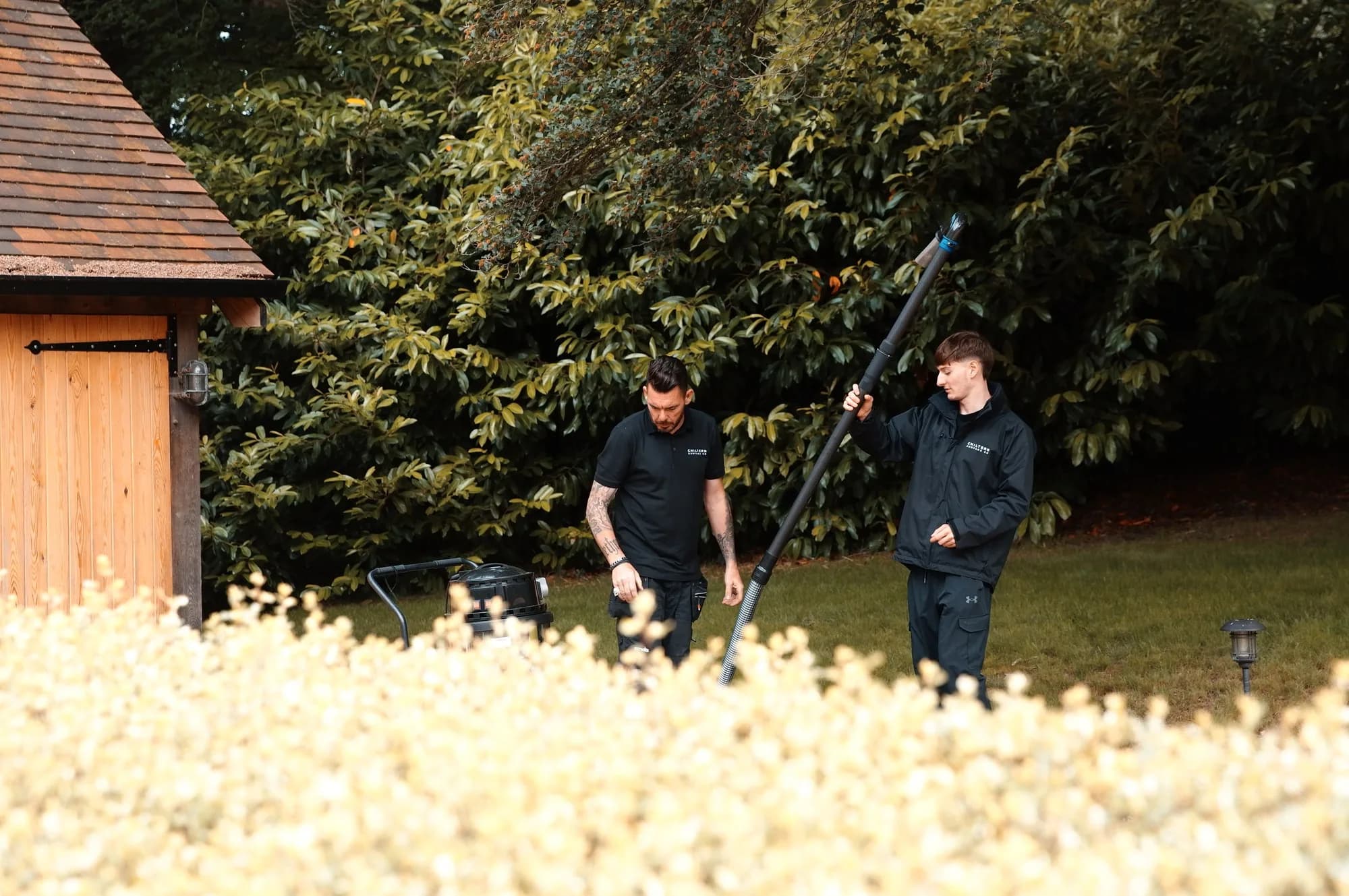
Chiltern Surface can assess the tile type and choose the safest cleaning method.
Professional Exterior Tile Cleaning by Chiltern Surface
Chiltern Surface provides careful professional exterior tile cleaning for patios, terraces, garden paths, balconies, and outdoor tiled areas.
Our service may include:
- Tile surface inspection
- Grout line assessment
- Algae and moss treatment
- Controlled pressure washing
- Soft washing where suitable
- Stain-focused cleaning
- Careful rinsing
- Residue removal
- Aftercare advice
We do not use the same method on every surface. Your tiles get the care they need.
Why Choose Chiltern Surface?
Your exterior tiles are part of your property’s appearance and safety. They deserve expert care.
Chiltern Surface offers:
- Surface-specific knowledge
- Careful cleaning methods
- Professional equipment
- Premium attention to detail
- Safe pressure control
- Honest advice
- Local service
- Long-lasting results
Whether your tiles are green, slippery, stained, cloudy, or dull, we can help restore them safely.
About How to Clean Exterior TilesConclusion
Knowing how to clean exterior tiles helps keep your outdoor surfaces brighter, safer, and easier to maintain. The safest method is to sweep first, use a suitable cleaner, scrub gently, rinse thoroughly, and protect grout lines from damage.
For light dirt, DIY cleaning can work well. For algae, moss, stains, cloudy residue, textured tiles, anti-slip tiles, or large outdoor areas, professional cleaning is often the smarter choice.
Chiltern Surface provides expert exterior tile cleaning with careful methods, safe pressure control, and premium results.
Contact Chiltern Surface today to restore your outdoor tiles and keep your exterior surfaces clean, safe, and beautifully maintained.
Frequently asked questions
What is the best way to clean exterior tiles?
The best way is to sweep first, apply a pH-neutral cleaner, scrub gently, rinse thoroughly, and remove excess water before it dries.
Can I pressure wash outdoor tiles?
Yes, but use low to medium pressure and avoid blasting grout lines. High pressure can damage grout or loosen joints.
How do I remove algae from outdoor tiles?
Use an algae-safe cleaner, scrub gently, and rinse well. Improve drainage and sunlight to reduce regrowth.
What cleaner should I use on porcelain outdoor tiles?
Use a pH-neutral cleaner, warm water, and a soft or medium brush. Avoid waxy or oily products.
Why do my outdoor tiles look cloudy after cleaning?
Cloudiness is often caused by cleaner residue, dirty water, grout haze, or poor rinsing.
How do I clean grout lines outdoors?
Use a grout brush, mild cleaner, and clean water. Avoid high pressure directly on grout lines.
How often should exterior tiles be cleaned?
Sweep weekly, rinse monthly, and deep clean once or twice a year. Damp areas may need more frequent cleaning.
When should I call a professional tile cleaner?
Call Chiltern Surface if tiles are slippery, stained, cloudy, covered in algae, or if grout lines need careful cleaning.