
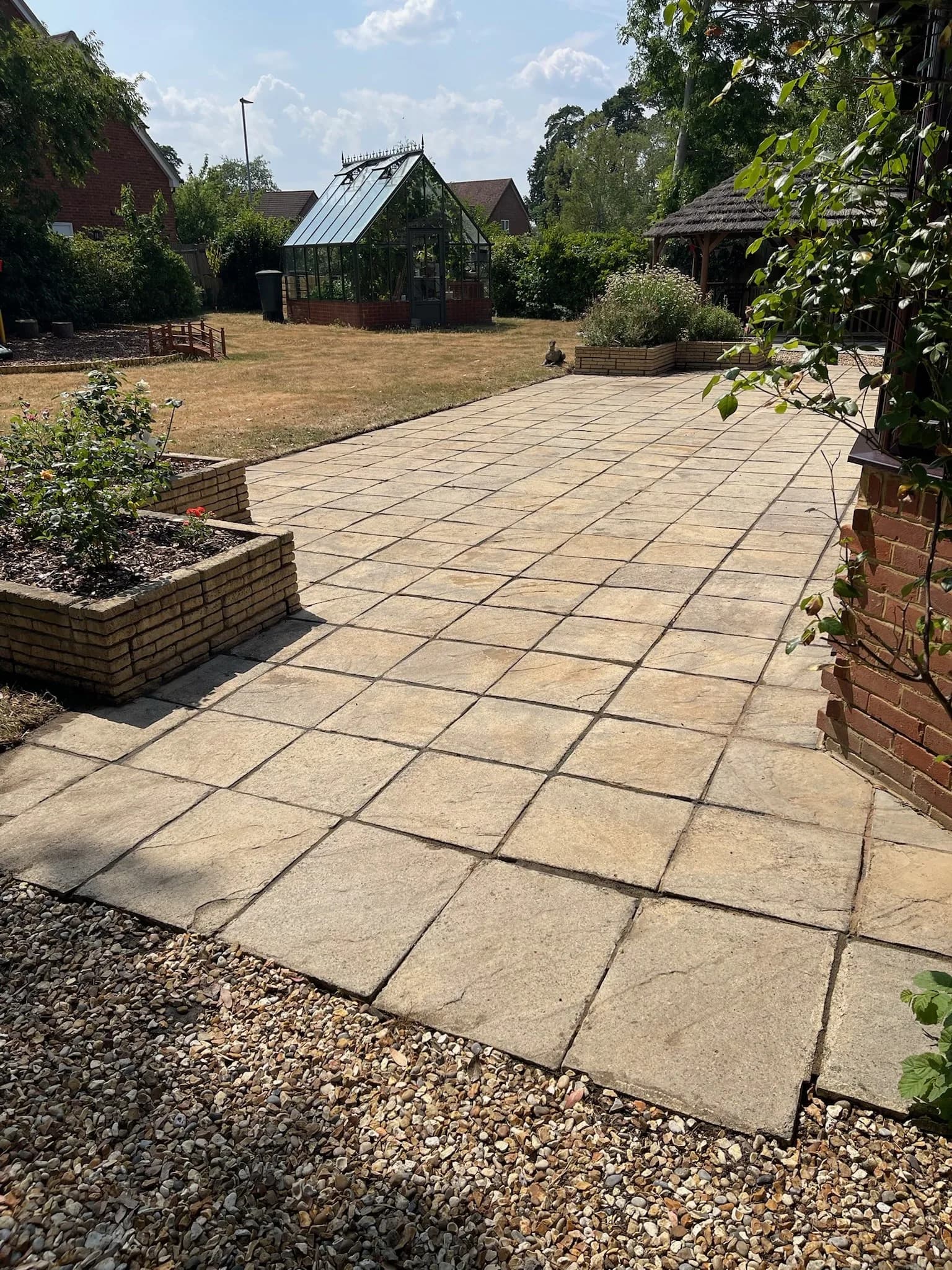
How to Clean Gravel Driveway With a Pressure Washer
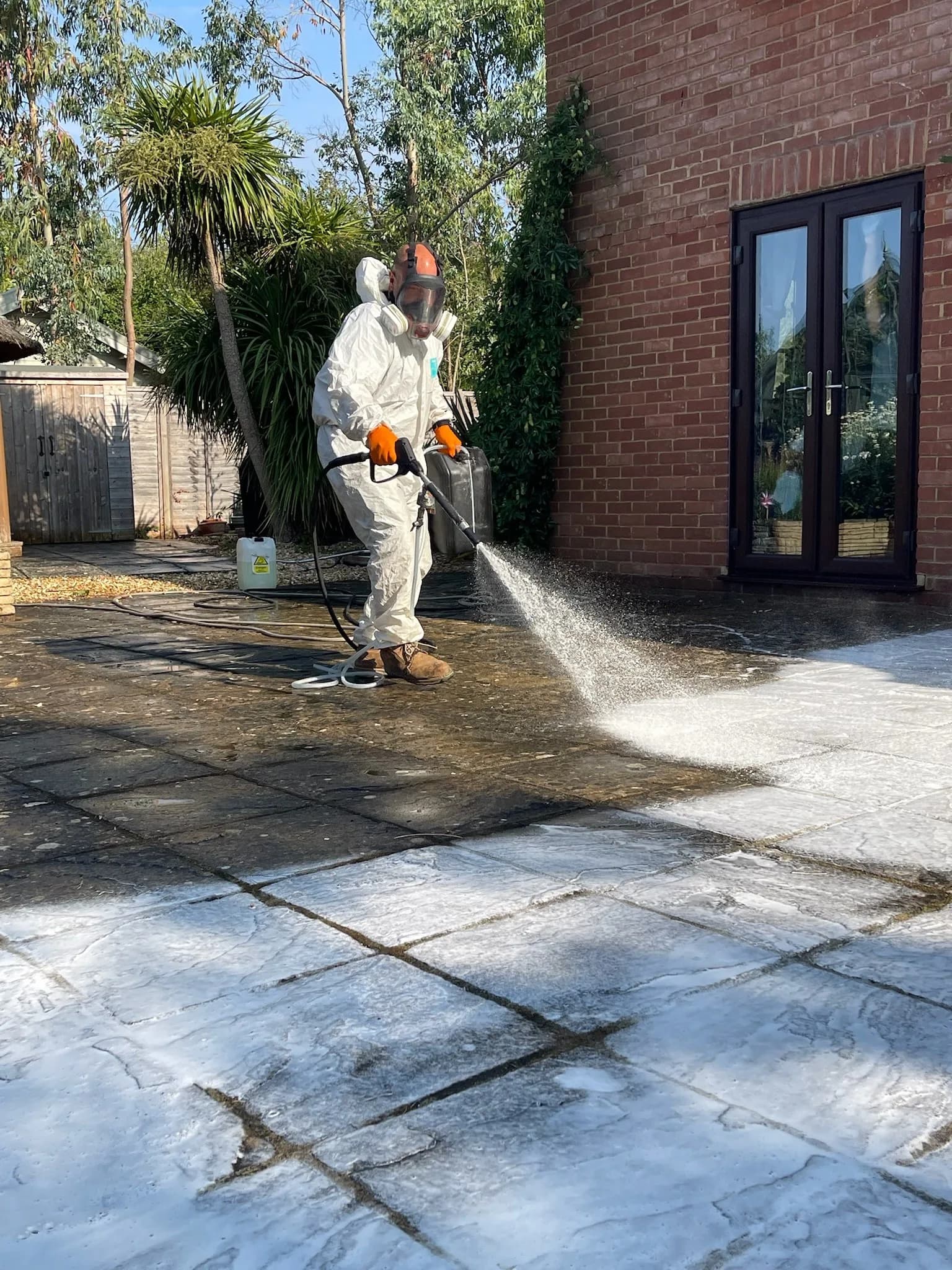
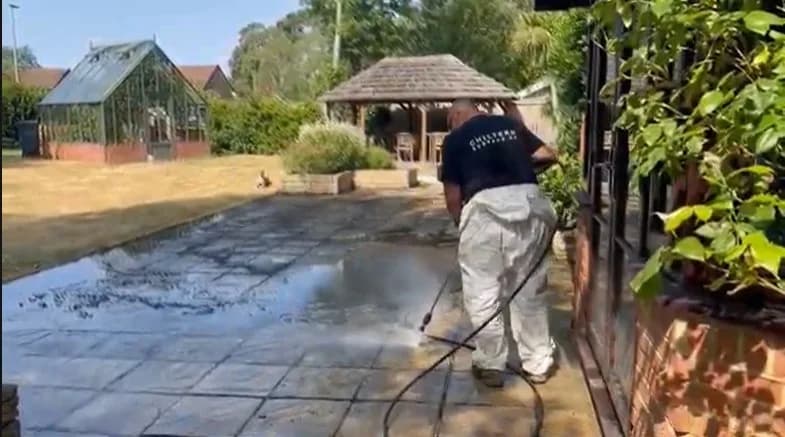
Use low pressure, a wide fan nozzle, and steady distance when you clean gravel with a pressure washer. The safe answer to how to clean gravel driveway with a pressure washer starts with preparation, not force.
Remove debris, pull weeds, test a hidden patch, and rinse from 18 inches (45cm) away. Keep the spray shallow, controlled, and moving across the stones.
Can You Safely Learn How to Clean Gravel Driveway With a Pressure Washer?
Yes, you can pressure wash gravel, but only with low pressure and careful control. Loose stones move quickly under direct water force.
The safest method uses a wide fan spray, gentle flow, and steady spacing. Keep 18 to 24 inches (45cm to 60cm) between nozzle and stones.
High pressure scatters pea gravel, slate chippings, Cotswold stone, and limestone chips across lawns, walls, and windows.
A gravel driveway needs cleaning for 3 main reasons: organic debris, weed growth, and surface staining.
Leaves, twigs, grass clippings, and soil trap moisture. Moisture then encourages moss, algae, and green staining.
The safest answer to how to clean gravel driveway with a pressure washer depends on the driveway condition. Homeowners asking how to clean gravel driveway with a pressure washer need surface protection, not speed.
Use a pressure washer only after raking, weeding, and checking drainage. Dirty water needs a clear escape route. Good planning makes how to clean gravel driveway with a pressure washer safer.
Chiltern Surface Co recommends a surface-specific cleaning approach for exterior cleaning because different materials need different methods.
What Should You Check Before Pressure Washing Gravel?
Check gravel depth, drainage, edging, and loose stones before turning on the machine. These 4 checks prevent avoidable damage.
A pressure washer works badly on thin, loose, or badly rutted gravel. The water displaces stones before dirt lifts.
How to Check Gravel Depth
To check gravel depth, push a trowel into 3 areas: the entrance, the centre, and the parking spot.
A stable decorative gravel layer usually needs 2 inches (5cm) of coverage for domestic vehicle use.
Thin patches under 1 inch (2.5cm) need topping up before washing. Pressure washing thin gravel exposes membrane and base material.
How to Check Drainage Before Washing
To check drainage before washing, pour 1 bucket of water near the highest driveway point.
Water should move toward a drain, border, gravel soakaway, or permeable edge within 2 minutes.
Standing water spreads silt through the stones. Blocked drainage channels also push dirty water toward paths and doors.
How to Check Stone Stability
To check stone stability, brush a 3 feet (90cm) test strip with a stiff broom.
Stable gravel shifts slightly and settles again. Loose gravel rolls heavily and needs raking before washing.
Weak edges, broken timber edging, and loose metal strips allow pressure washer spray to push stones outward.
What Tools Do You Need for Safe Gravel Driveway Cleaning?
You need 9 basic tools for safe gravel driveway cleaning. Gather every tool before water reaches the driveway.
- Wear protective gloves, safety goggles, waterproof boots, and long trousers.
- Use a garden rake, stiff broom, leaf blower, and dustpan for dry debris.
- Prepare a pressure washer, wide fan nozzle, garden hose, and low-pressure spray attachment.
- Choose a mild driveway detergent, moss treatment, or algae treatment designed for outdoor surfaces.
- Keep spare gravel, edging pins, and a shovel ready for thin patches.
Avoid a red zero-degree nozzle, turbo nozzle, or concentrated jet. These nozzles fire water too directly for loose gravel.
Avoid household bleach near lawns, planted borders, drains, and ponds. Use a labelled outdoor cleaner instead.
The best setup for how to clean gravel driveway with a pressure washer uses controlled water rather than maximum force. Plan how to clean gravel driveway with a pressure washer before moving any stones. The right tools make how to clean gravel driveway with a pressure washer easier.
Use the quick guide before starting work:
| Task | Timing | Method | Difficulty |
|---|---|---|---|
| Dry debris removal | 20-40 minutes | Rake, broom, and leaf blower | Easy |
| Weed and moss control | 30-60 minutes | Hand pull weeds and apply gravel-safe treatment | Medium |
| Pressure washer test | 5 minutes | 12 inches (30cm) hidden patch | Easy |
| Controlled rinsing | 45-90 minutes | 40-degree nozzle from 18 inches (45cm) | Medium |
| Raking and top-up | 20-45 minutes | Level stones and fill thin areas | Easy |
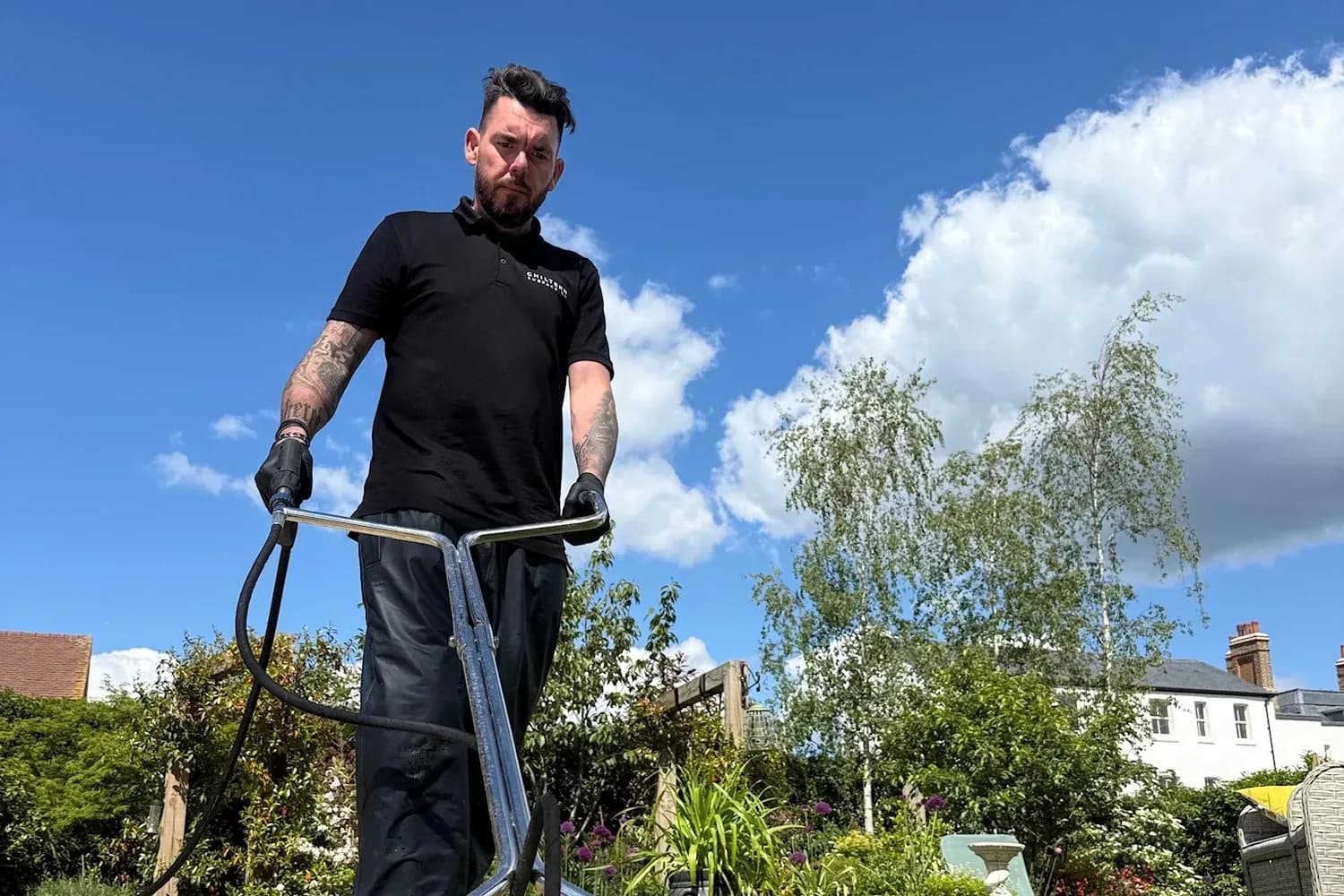
How to Clean Gravel Driveway With a Pressure Washer Step by Step
To clean gravel driveway with a pressure washer, clear the surface first, then rinse gently from a safe distance.
The full process takes 2 to 4 hours for a 600 square feet (56 square metres) domestic driveway.
How to Remove Leaves and Loose Debris
To remove leaves and loose debris, rake the whole driveway from the house outward.
Collect leaves, twigs, grass clippings, and small branches before water touches the gravel.
Use a leaf blower on low power for corners, edging lines, and parking bays.
Dry debris removal stops organic matter from turning into sludge under pressure washer spray.
How to Set the Pressure Washer Safely
To set the pressure washer safely, choose the lowest pressure setting and attach a 40-degree fan nozzle.
Start at 18 to 24 inches (45cm to 60cm) from the gravel surface.
Keep the lance angle near 30 degrees. A shallow angle cleans better than a vertical blast.
Test the spray on a hidden 12 inches (30cm) corner before washing the main entrance.
How to Rinse Gravel Without Scattering Stones
To rinse gravel without scattering stones, move the lance in slow horizontal passes.
Guide dirty water toward a drain, border, or gravel edge. Never drive dirty water toward the house.
Stop washing if stones jump more than 6 inches (15cm) from the surface.
Rake the washed area lightly after the gravel dries. Raking restores even coverage and improves kerb appeal.
What Pressure Washer Settings Protect Loose Gravel?
Low pressure, wide spray, and distance protect loose gravel. Direct pressure damages the layout faster than dirt leaves.
Most domestic pressure washers provide enough power for gravel cleaning on the lowest setting.
Use water flow to rinse dust, mud, bird mess, and light staining. Do not use pressure to dig into the base.
How to Choose a Wide Fan Nozzle
To choose a wide fan nozzle, select a 40-degree white nozzle for normal gravel rinsing.
Use a 25-degree green nozzle only for stubborn stains on stable patches.
Avoid red zero-degree nozzles, rotary nozzles, and pencil jets because concentrated force throws stones.
How to Hold the Lance at a Safe Distance
To hold the lance at a safe distance, keep the nozzle 18 inches (45cm) from the stones.
Increase the distance to 24 inches (60cm) on pea gravel, slate chippings, and decorative aggregate.
Move closer only when the test patch stays stable. Stop before stones leave the driveway edge.
How to Test a Hidden Area First
To test a hidden area first, choose a rear corner or parking patch behind a vehicle line.
Wash a 12 inches (30cm) square for 10 seconds. Then check stone movement, water flow, and silt release.
The test patch tells you whether how to clean gravel driveway with a pressure washer suits your driveway. A stable test patch confirms how to clean gravel driveway with a pressure washer can proceed.
How Do You Treat Weeds, Moss, and Algae Before Washing?
Treat weeds, moss, and algae before pressure washing because organic growth anchors dirt between stones. Washing alone leaves roots behind.
Gravel near hedges, walls, trees, and shaded borders often develops green growth faster than sunny gravel.
How to Remove Weeds Before Washing
To remove weeds before washing, pull visible weeds by the root after rain softens the driveway surface.
Use a hand fork for dandelions, plantain, grass clumps, and creeping buttercup between stones.
Apply a gravel-safe weed treatment only where product directions allow outdoor driveway use.
How to Treat Moss Before Rinsing
To treat moss before rinsing, brush loose moss with a stiff broom and collect the green waste.
Apply a suitable moss and algae treatment to shaded patches, edging lines, and damp parking areas.
Wait for the product dwell time shown on the label. Then rinse gently and avoid planted borders.
For wider organic growth, Chiltern Surface Co can inspect the area during a free site visit and recommend the service needed.
How Do You Clean Different Gravel Driveway Types?
Different gravel types need different water control. Stone size, shape, and weight decide safe washing pressure.
The method for how to clean gravel driveway with a pressure washer changes between pea gravel, slate, and limestone. Match how to clean gravel driveway with a pressure washer to stone weight and driveway slope.
How to Clean Pea Gravel
To clean pea gravel, use the lowest pressure setting and stay 24 inches (60cm) from the stones.
Pea gravel rolls easily because each rounded stone moves under direct water force.
Rake pea gravel first, rinse gently, and top up thin areas after the surface dries.
How to Clean Slate Chippings
To clean slate chippings, rinse with a wide fan spray and avoid hitting edges directly.
Slate pieces can chip, flip, and scatter near borders when pressure washer spray lands too close.
Use a hose for light dust. Use controlled pressure only for heavy mud or visible staining.
How to Clean Limestone Gravel
To clean limestone gravel, avoid acidic cleaners and use a gentle outdoor detergent.
Limestone reacts badly with strong acidic products, including neat vinegar and some descalers.
Rinse from 18 inches (45cm) away and keep the lance moving across the surface.
How to Clean Gravel Driveway With a Pressure Washer and Finish the Surface
To clean gravel driveway with a pressure washer and finish the surface, wait until the stones drain fully.
Aftercare takes 30 to 60 minutes on most domestic driveways. Dry stones reveal thin patches, ruts, and washed edges.
The finish matters because how to clean gravel driveway with a pressure washer includes restoring a level surface.
How to Rake Gravel After Washing
To rake gravel after washing, wait 2 to 4 hours until the surface stops holding water.
Pull gravel from high ridges into low tracks with a wide garden rake.
Work across the driveway width, then rake lightly from the entrance toward the house.
Keep the centre slightly higher than the edges by 1 inch (2.5cm) for better runoff.
Raking completes how to clean gravel driveway with a pressure washer because water always moves loose stones.
How to Add Top-Up Gravel
To add top-up gravel, match the existing stone size, colour, and shape before ordering new bags.
Common top-up stones include 10mm pea gravel, 20mm limestone, and 20mm slate chippings.
Spread new stone over thin patches at 1 inch (2.5cm) depth, then rake the blend evenly.
Top-up gravel protects the base layer and keeps car tyres from pushing into soil.
The final stage of how to clean gravel driveway with a pressure washer often needs fresh stone, not extra water.
How to Keep Gravel Clean Longer
To keep gravel clean longer, remove leaves every 2 weeks during autumn and monthly during spring.
Trim hedges, shrubs, and overhanging branches 6 inches (15cm) away from the driveway edge.
Check drainage channels every 3 months and after heavy rain.
Treat moss before green growth spreads across more than 3 feet (90cm) of driveway edge.
A maintenance routine reduces how often you need how to clean gravel driveway with a pressure washer.
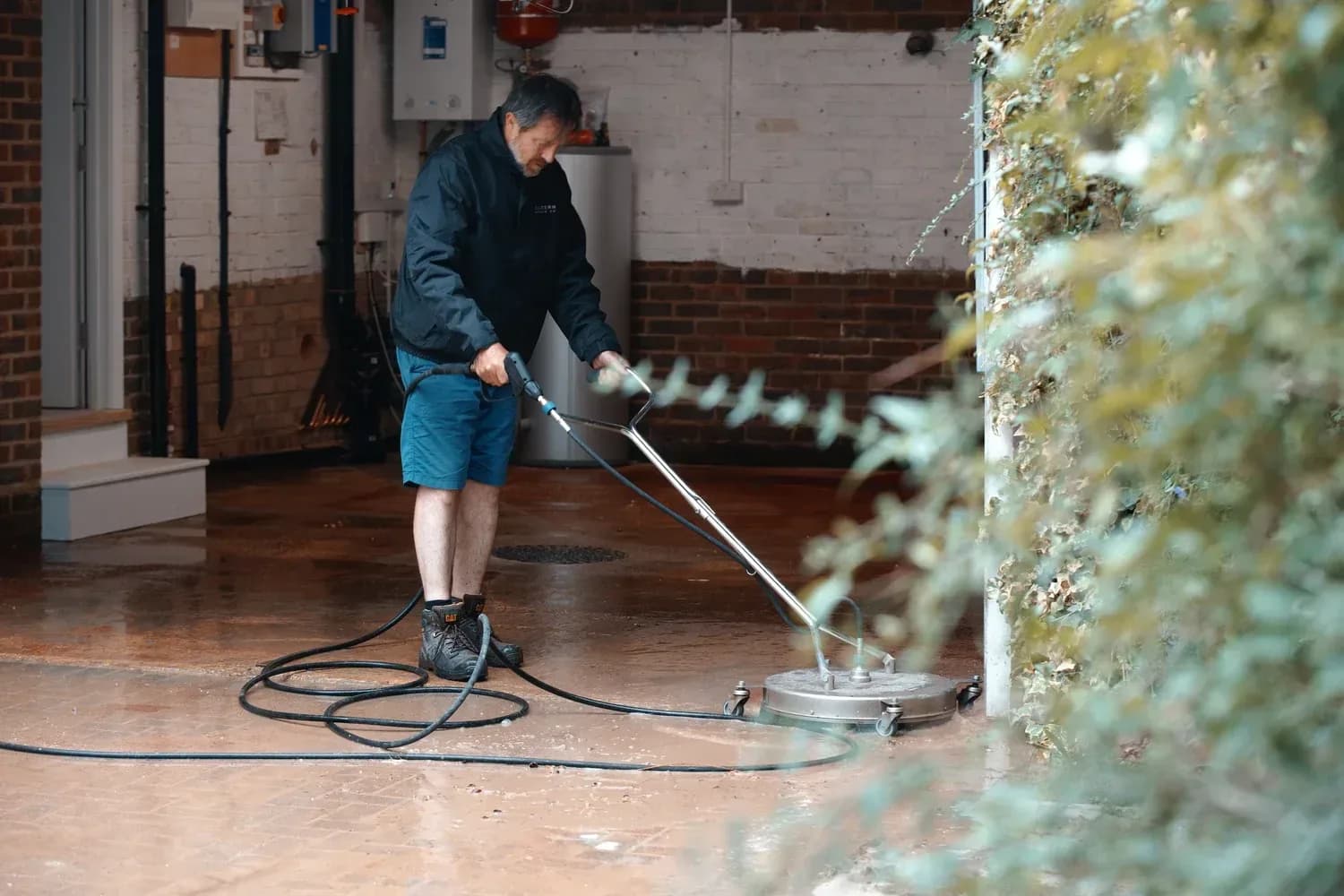
What Damage Can Incorrect Pressure Washing Cause?
Incorrect pressure washing can scatter stones, expose membrane, create ruts, and spread dirty runoff. The damage often starts quickly.
A vertical spray pattern pushes stone downward and sideways. That movement opens thin patches and exposes the sub-base.
High pressure also pushes silt into drainage channels, lawn edges, and planted borders.
Loose gravel can strike windows, doors, cars, painted surfaces, and brickwork.
Hard spraying near block paving edges can remove jointing sand. Hard spraying near tarmac can lift weak edges.
Stop pressure washing if the gravel layer exposes membrane, base stone, or compacted soil.
Pressure washing does not repair poor installation, sunken tracks, failed edging, or drainage problems. Stop how to clean gravel driveway with a pressure washer when the base shows.
Choose professional help when the driveway has 3 problems together: deep silt, heavy weeds, and thin gravel.
When Should You Book Professional Driveway Cleaning?
Book professional cleaning when DIY washing risks damage, mess, or poor results. A professional assessment saves avoidable rework.
Professional help suits large driveways over 600 square feet (56 square metres), steep entrances, and mixed driveway materials.
Mixed surfaces include gravel with block paving aprons, concrete parking bays, tarmac edges, and resin-bound paths.
A service visit also helps when moss, algae, oil, rust, or mud affects more than the loose gravel layer.
Chiltern Surface Co provides driveway cleaning for block paving, concrete, resin-bound, and tarmac surfaces across Buckinghamshire.
Gravel areas beside those surfaces need careful handling because loose stones react differently from sealed and bonded finishes.
For a safer answer to how to clean gravel driveway with a pressure washer, ask Chiltern Surface Co to assess the surface. Professional care helps when how to clean gravel driveway with a pressure washer becomes risky.
Chiltern Surface Co can inspect gravel, edging, drainage, nearby paving, and surrounding exterior surfaces before recommending service options.
Frequently asked questions
What pressure washer settings are safe on a gravel driveway?
Yes. Use low pressure, a wide fan nozzle, and a 18 inches (45cm) distance. High pressure scatters stones.
Should you use a pressure washer on pea gravel?
Yes, but use the lowest setting and stay 24 inches (60cm) away. Pea gravel rolls faster than angular stone.
Can pressure washing remove weeds from gravel?
No. Pressure washing removes visible growth, not roots. Pull weeds or apply a gravel-safe treatment first.
Can pressure washing damage a gravel driveway?
Yes. High pressure can expose membrane, create ruts, and scatter stones. Stop when gravel starts jumping.
How often should you clean a gravel driveway?
Clean light debris monthly and deep clean once or twice yearly. Shaded driveways need more moss checks. Final Advice for Gravel Driveway Cleaning The safest answer to how to clean gravel driveway with a pressure washer is clear. Prepare first and wash gently. Rake debris, remove weeds, and test a hidden patch. Use low pressure and keep the nozzle 18 to 24 inches (45cm to 60cm) away. Contact Chiltern Surface Co through the driveway cleaning service page. The team can assess your driveway and provide the right cleaning service.