
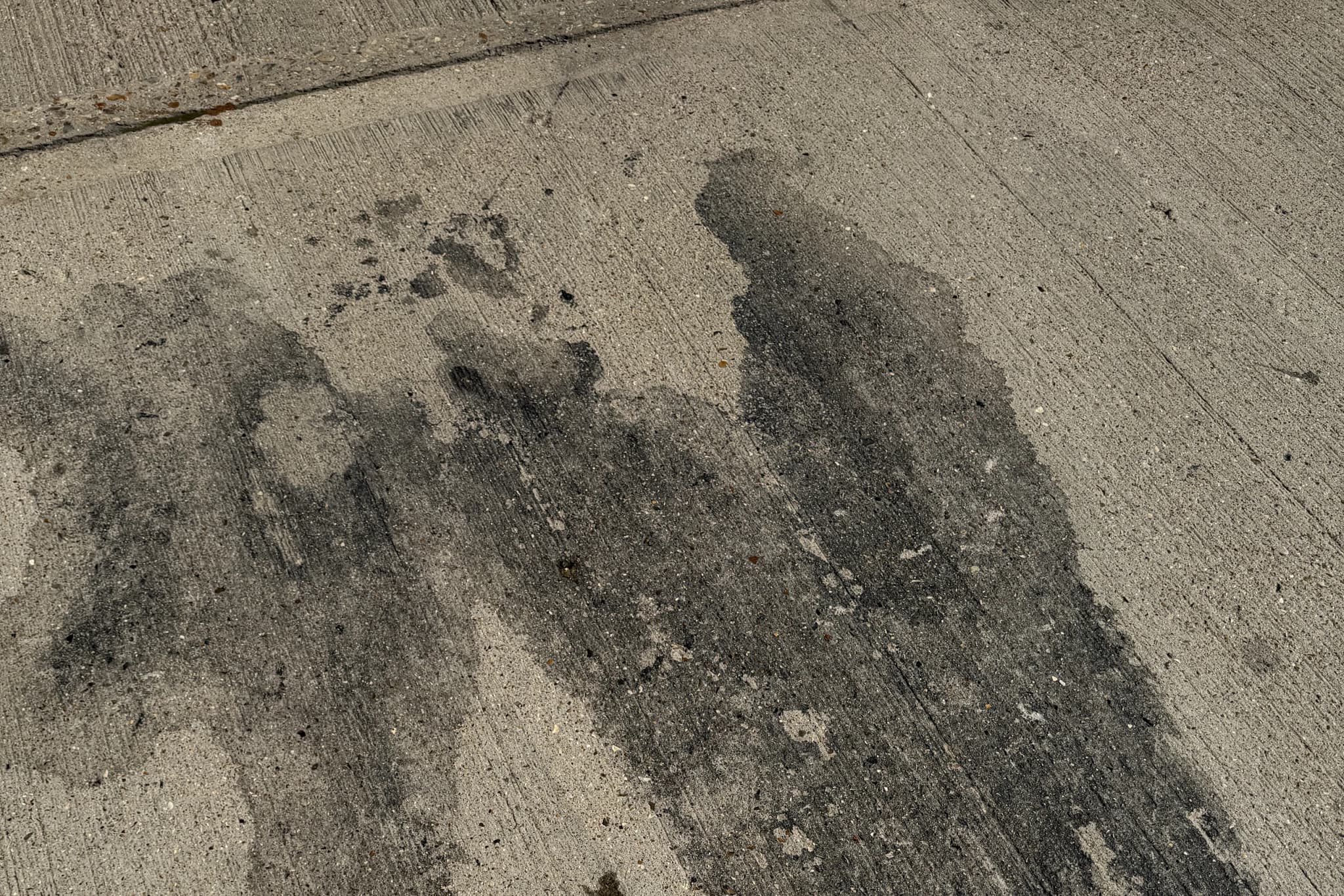
Oil stain and contamination removal
Buckinghamshire · Oxfordshire · Berkshire
Commercial Oil Stain and Contamination Removal
Specialist treatment of residual oil, fuel and grease staining on commercial concrete and hard surfaces across Buckinghamshire, Oxfordshire and Berkshire.
On siteSurvey: heavy oil staining on concrete hardstanding before treatment
- IPAF
- Accredited operators on every lift
- £10m
- Public liability insurance
- RAMS
- Site-specific, issued before we mobilise
- 5 days
- From request to survey
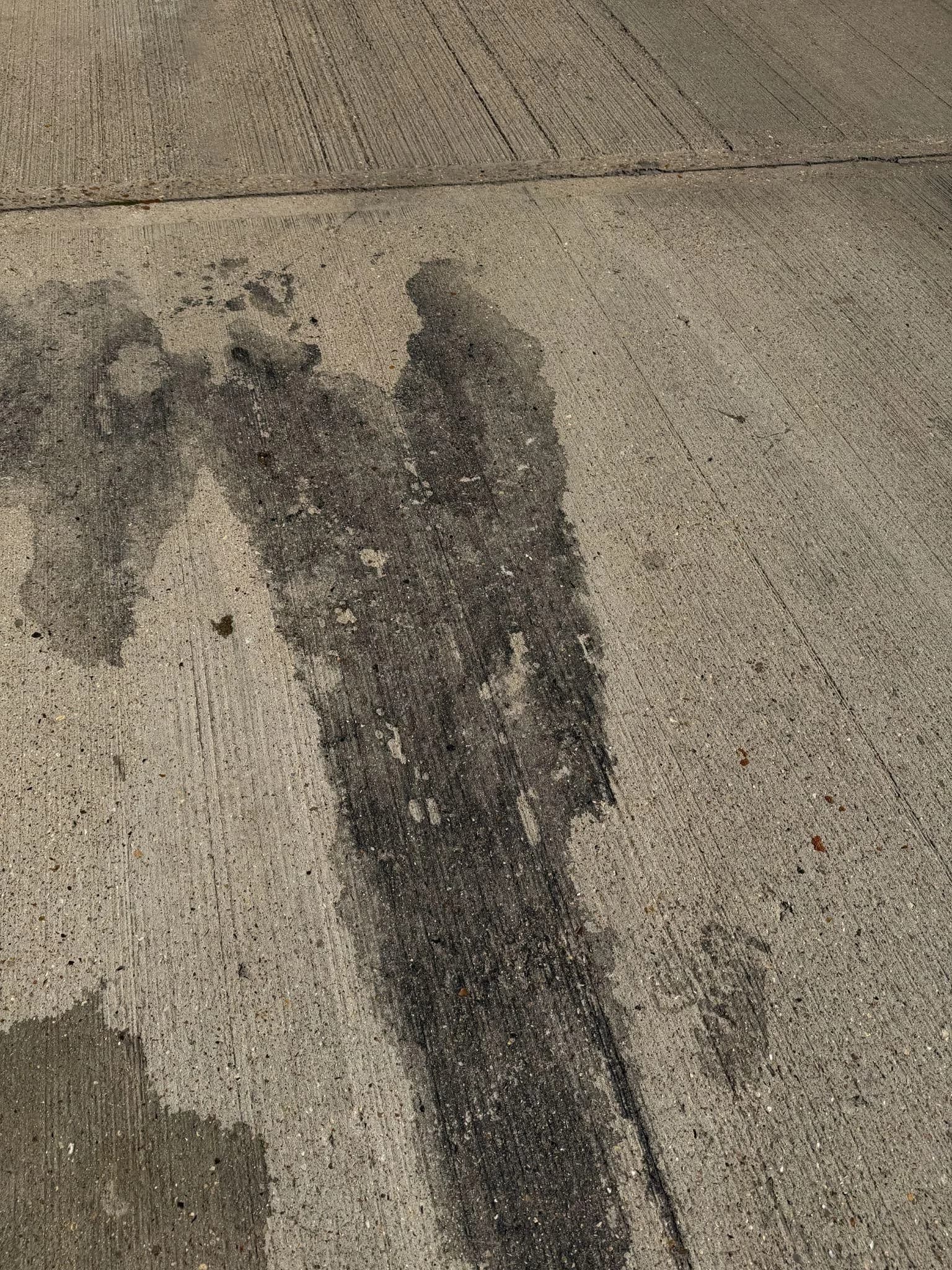
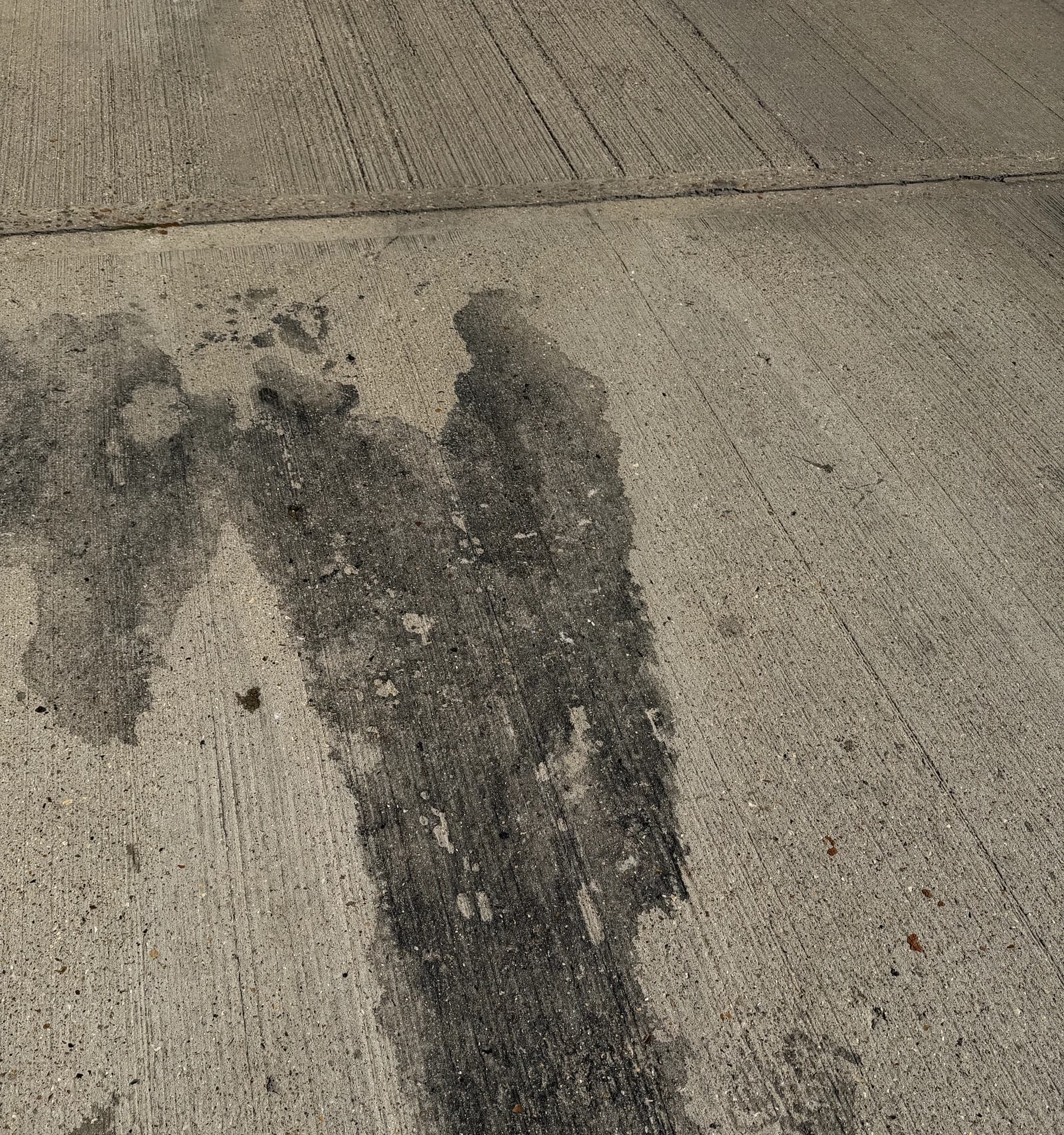
Photographic record
The survey and the completion report
- Office
- 01628 232 450
- Mobile / WhatsApp
- 07308 755 755WhatsApp
The problem
Why oil staining outlasts routine cleaning
Oil staining builds up wherever vehicles, machinery or equipment stand and operate: car parks, forecourts, loading areas, service yards and plant areas. Marks that start beneath individual vehicles in staff, visitor and customer parking spread across bays and traffic lanes over time. Once isolated staining becomes widespread, the surface looks inconsistent even after general car park cleaning: routine cleaning spend goes on the surrounding surface while the dark marks stay.
Oil does not behave like ordinary surface dirt. On porous materials such as concrete it penetrates below the visible surface, and the longer it remains, the deeper it may migrate and the harder complete removal becomes.
We treat residual oil, fuel and grease staining after the event. The work starts by establishing what caused the stain, what it has soaked into and how long it has been there. The achievable result depends on the depth and nature of the staining within the substrate. Where complete removal cannot be guaranteed, this is identified before works begin and the expected improvement is set out clearly.
- Engine oil and lubricants
- Dark patches beneath parked vehicles and around servicing areas.
- Diesel and fuel
- Persistent marks around vehicle areas and forecourts, assessed by the substance, the surface affected and the depth of penetration.
- Grease
- Build-up around operational areas and equipment that needs targeted treatment rather than general exterior washing.
- Established staining
- Weather and vehicle traffic establish older oil within concrete and paving. Treatment can still improve many older stains significantly.
- Repeated leaks
- Bays used by the same vehicles day after day can hold several layers and ages of staining, which need a different approach from a single recent mark.
- Earlier cleaning
- Previous cleaning attempts change how a stain looks and responds, so areas treated before are examined before anything is specified.
What we do
Specification of works
We list each affected area with the treatment chosen for its contaminant and surface. The work can cover individual oil spots or a wider area where the staining is extensive, on its own or alongside cleaning of the wider car park and walkways.
| Areas | Residual oil, fuel and grease staining on concrete, block paving and other suitable hard surfaces: car parks and parking bays, commercial forecourts and vehicle areas. Loading bays and service yards, where oil sits alongside hydraulic fluid, diesel and tyre marks, are specified under industrial and loading bay contamination removal, and routine yard cleaning under industrial yard and warehouse cleaning. |
|---|---|
| Method | Chiltern Surface Co technicians apply a treatment selected for the contaminant and the surface, and give it time to break down and draw contamination from the material rather than relying on mechanical pressure. Controlled cleaning then removes the treated contamination and the surrounding surface dirt, at a pressure appropriate to the surface. Deeply absorbed oil may respond better to staged treatment over more than one visit than to one aggressive attempt; where the survey points to this, the specification says so. |
| Before work starts | We review drainage, water movement and the surfaces and landscaping next to each affected area, and ask for drainage drawings and site rules. Parking bays, vehicle movements and pedestrian routes are agreed with the site so areas can be released zone by zone. |
| Recorded | The improvement achieved in each treated area. Cracks, surface damage or deterioration, and discolouration that will remain, go into the completion report's defect schedule, with further treatment recommended where it would give an additional benefit. Where staining keeps returning, for example from repeated vehicle leaks, planned preventative maintenance (PPM) can identify and treat new contamination before it becomes established, including across multi-site portfolios. |
| Exclusions | We do not attend spill or pollution incidents: active spills and hazardous residues need the appropriate specialist response. Where the survey finds substances or conditions outside routine exterior cleaning, we identify them before the proposal so the right course of action can be discussed. Internal floors and repairs to damaged concrete or paving are not included. |
- Office
- 01628 232 450
- Mobile / WhatsApp
- 07308 755 755WhatsApp
Included on the project
- Fixed-price proposalspecification of works, programme and exclusions
- Site-specific RAMS issued before mobilisation
- Arisings removed from site
- Completion reportbefore-and-after photography and defect schedule
- £10 million public liability cover
How the work is delivered
Survey it. Specify it. Plan it. Deliver it. Document it. Maintain it.
- 01SurveySite visit, with the condition photographed.
- 02ProposalFixed price, with specification of works, programme and exclusions.
- 03MobilisationRAMS issued; asbestos register, drainage drawings and site rules checked.
- 04WorksZone by zone behind exclusion areas, with arisings removed and wash-water control planned.
- 05Completion reportBefore-and-after photography, a defect schedule and sign-off.
- 06PPMA planned maintenance proposal, so the problem does not come back unnoticed.
- Office
- 01628 232 450
- Mobile / WhatsApp
- 07308 755 755WhatsApp
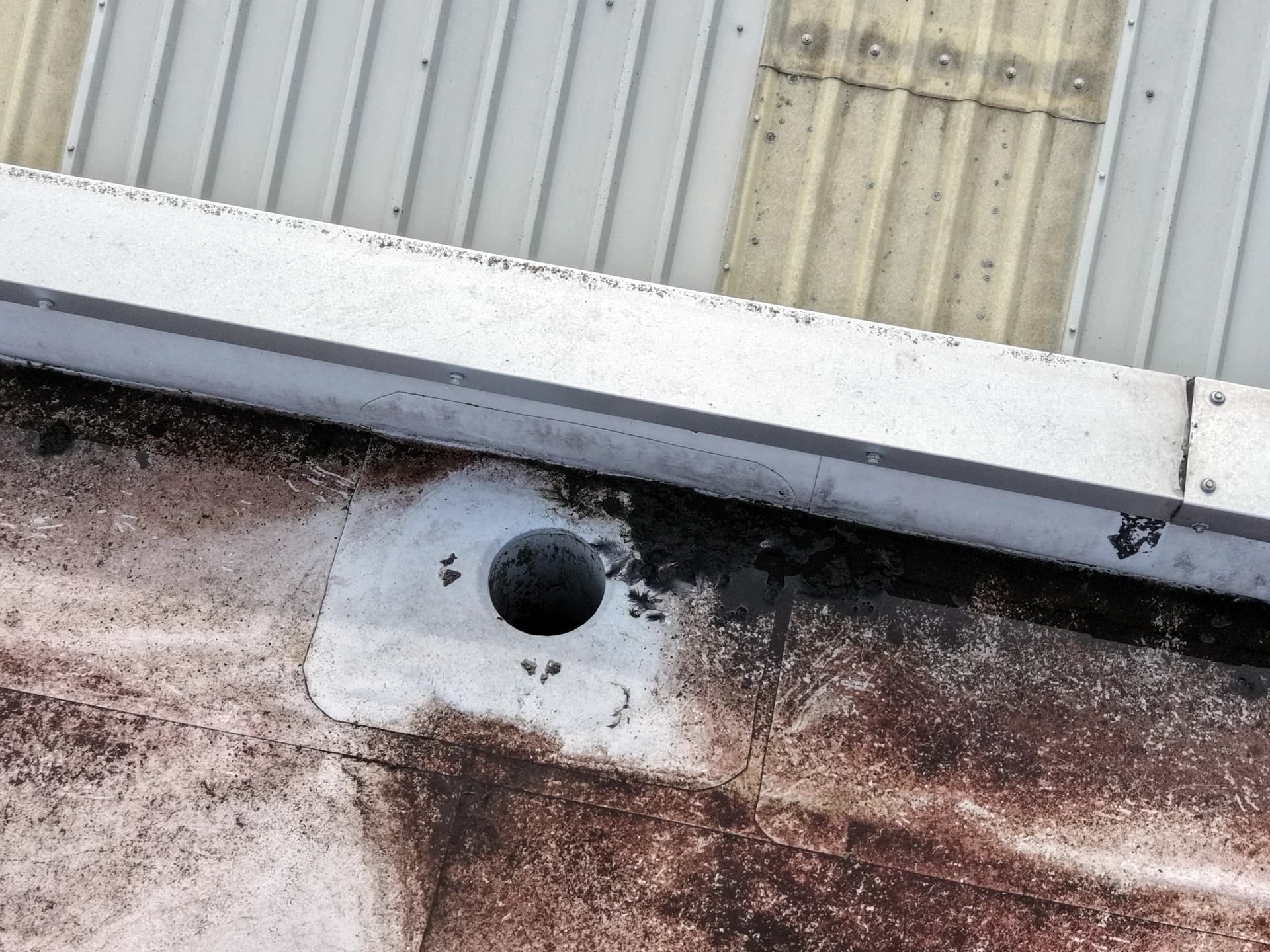
Safety and site control
Planned before we arrive
- Wash water
- We plan wash-water control and drain protection for every site.
Related
Where oil stain work connects
Questions
Oil stain removal FAQs
Can every oil stain be removed completely?
No. Some stains respond well to treatment; others can be significantly reduced while a degree of discolouration remains. It depends on the type of oil, the porosity of the surface, how deeply the oil has penetrated and how long it has been there. We tell you which areas are unlikely to clear fully, and the improvement we expect, before works begin.
Does pressure washing remove oil stains?
No, not reliably on its own. Pressure washing removes surface dirt and residue, but increasing the pressure does not necessarily draw absorbed oil out of porous concrete. It can clean the surrounding surface more thoroughly and leave the stain more obvious. Targeted treatment comes first, with controlled cleaning afterwards.
Can the site stay in use while the staining is treated?
Yes. Works are phased zone by zone behind agreed exclusion areas, so access can be maintained wherever the site conditions allow. Out-of-hours working is available where the site needs it.
Can you clean the rest of the car park at the same time?
Yes. General dirt, algae, moss and traffic grime across the wider car park and walkways can be surveyed at the same visit and specified in the same proposal as the stain treatment, under car park and walkway cleaning.
What do we receive when the work is complete?
A completion report: before-and-after photography of each treated area, the works completed against the specification, a defect schedule recording surface damage and any discolouration that remains, and sign-off. Where the staining is likely to return, the report ends with a planned preventative maintenance (PPM) proposal and a suggested review cycle.
What do you need from us before the survey?
The site address, the affected areas, what caused the staining if it is known, roughly how long it has been there and any previous cleaning or treatment. Drainage drawings, site rules, operating hours and access restrictions help us plan the works, and photographs are useful where available.
Next step
Request a Site Survey
Oil stain treatment starts with understanding the stain. Tell us about the site and the affected areas; we survey them, then send a fixed-price proposal with a specification of works, programme and exclusions.
- Office
- 01628 232 450
- Mobile / WhatsApp
- 07308 755 755WhatsApp