
Commercial planned maintenance
Buckinghamshire · Oxfordshire · Berkshire
Planned Preventative Maintenance for Commercial Exteriors
A known exterior maintenance cycle for each commercial building and its site across Buckinghamshire, Oxfordshire and Berkshire, proposed from the evidence in our completion report.
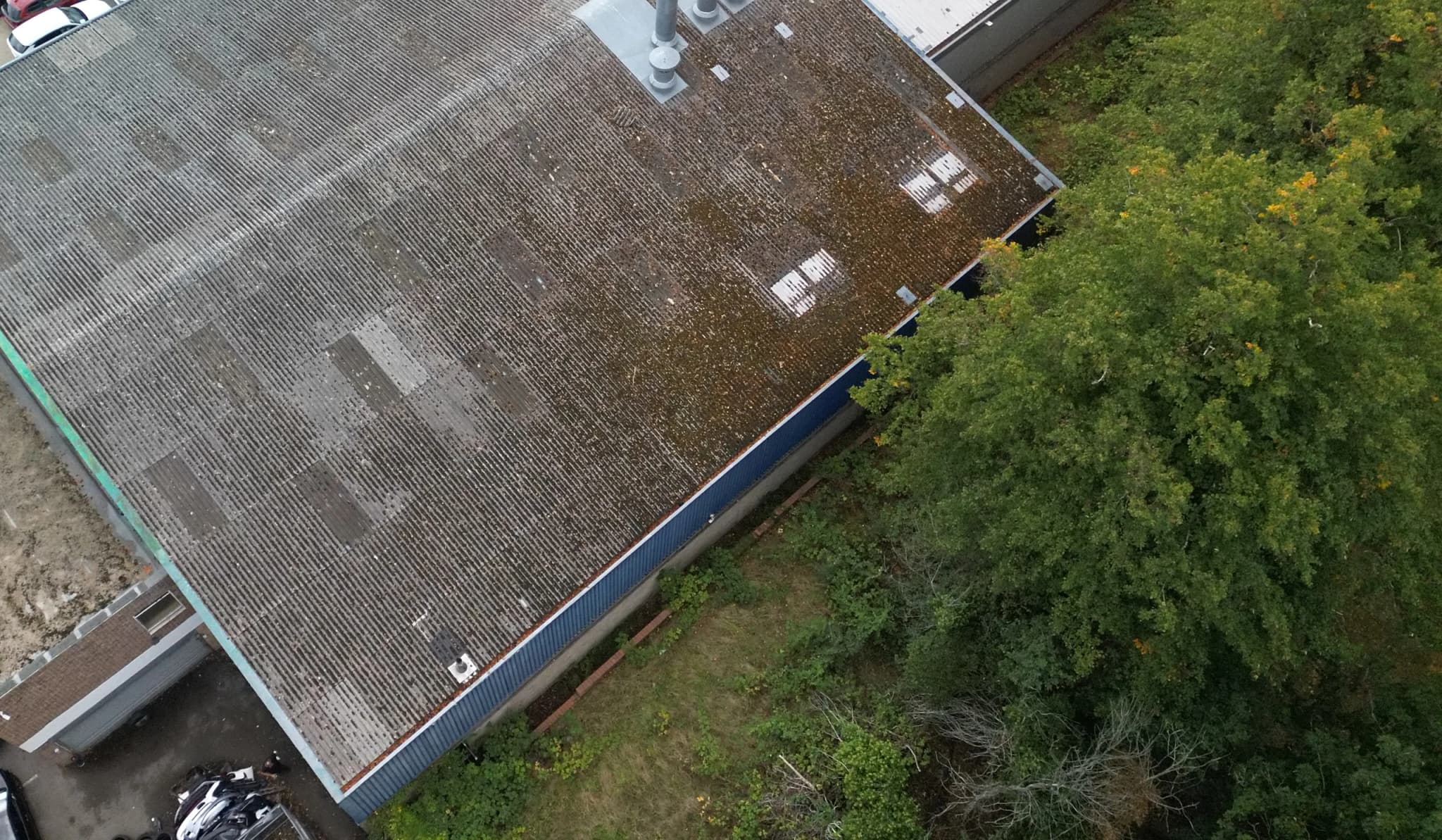
On siteSurvey: aerial view of a roof with weathered and paler slopes
- IPAF
- Accredited operators on every lift
- £10m
- Public liability insurance
- RAMS
- Site-specific, issued before we mobilise
- 5 days
- From request to survey
Photographic record
Survey and mobilisation
- Office
- 01628 232 450
- Mobile / WhatsApp
- 07308 755 755WhatsApp
The problem
What reactive exterior work leaves you managing
Commercial exterior surfaces are constantly exposed to weather, traffic, moisture, biological growth and atmospheric contamination. Deterioration is gradual and uneven across a property, so it is easy for maintenance to be delayed until the problem is visible to occupiers and visitors.
- Uneven exposure
- A shaded elevation may develop algae faster than an exposed wall. Gutters beneath mature trees may need more frequent clearance, and a heavily used entrance may need cleaning before quieter areas of the site.
- Late intervention
- Reactive work starts once a gutter overflows, a car park becomes heavily discoloured or render develops widespread green growth. By then, more extensive cleaning may be required.
- Management burden
- Arranging roof, gutter, façade and hard-surface work as unrelated tasks, each with its own contractor, is time-consuming for facilities and property managers.
- No condition record
- Without dated photography of each area, it is hard to show how quickly a surface is deteriorating or to justify when it should next be treated.
What we do
Specification of works
Planned preventative maintenance (PPM) follows a completed project, and planned work is proposed in the same way: at a fixed price, with no day rates and no overrun charges. More than one property is covered by multi-site and portfolio contracts.
| Areas | Façades, render and masonry, cladding, roofs, gutters and outlets, car parks and walkways, entrances, courtyards and exterior concrete. Residual oil staining in vehicle areas is treated separately from general cleaning. |
|---|---|
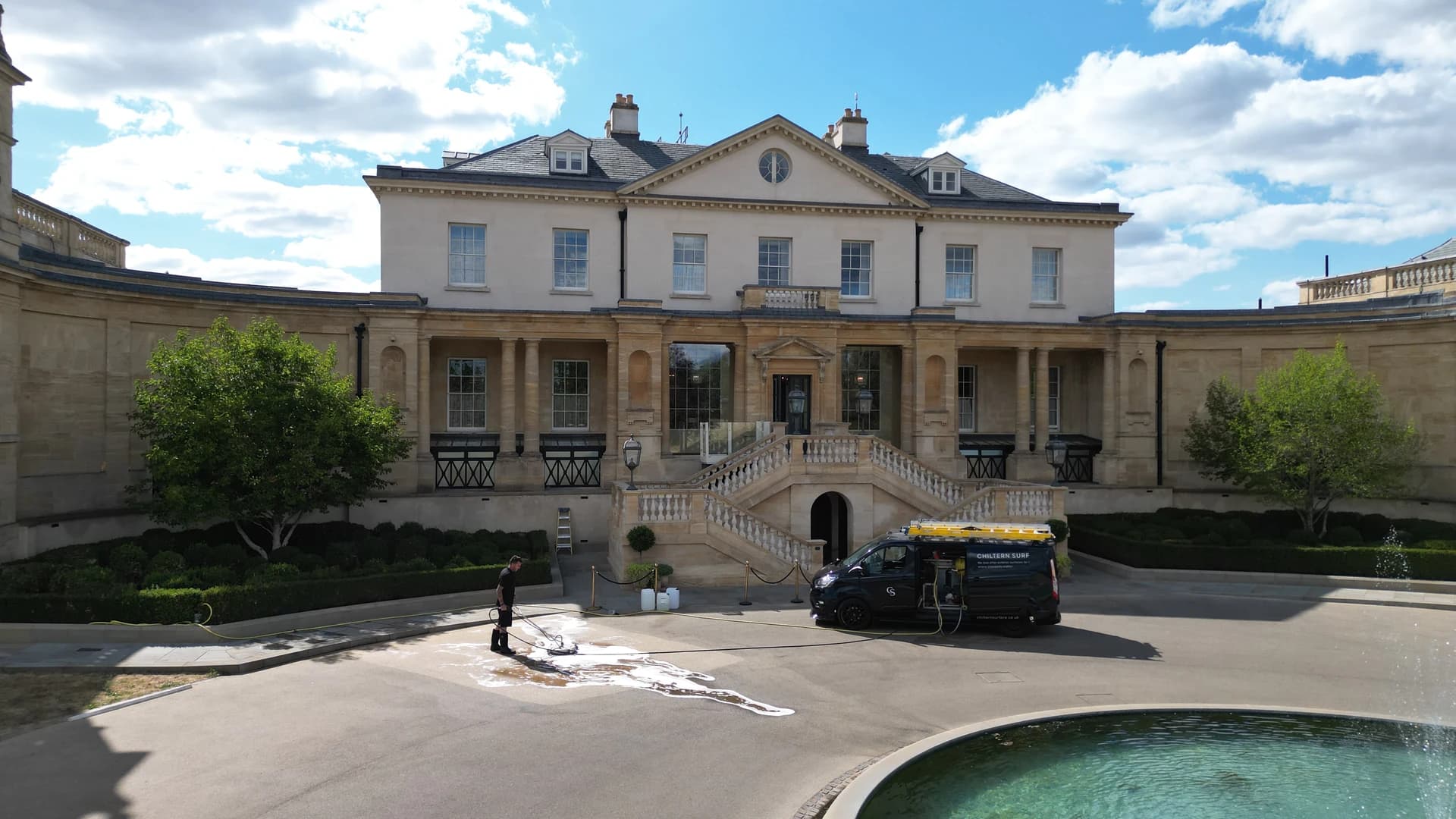
| Method | Set for each surface: controlled pressure washing where the surface suits it, soft washing on render and on roofs once the covering is identified, and lower-pressure or targeted treatment where that is more appropriate. The condition at each visit decides the treatment, never the calendar date alone. High-level areas are reached from our dedicated tracked spider lift, operated by IPAF-accredited Chiltern Surface Co technicians. |
| Arisings | Skip provision where required, and arisings removed from site. |
| Before work starts | We request the site's asbestos register and drainage drawings before roof or gutter work. Access, working zones, site rules and programme are defined before each mobilisation. |
| Recorded | The completion report records the works completed against the specification, before-and-after photography, defects identified during the works, items outside the specification that need your attention, and sign-off. The photography is part of that record: Chiltern Surface Co's founder, Jon McGrath, spent 15 years as a TV Director of Photography. |
| PPM proposal | Proposed after completion, from the report's photography and defect schedule: which areas need attention and when, the method for each, which work can be combined into one visit and which areas only need monitoring. Priorities follow how the site is used: entrances and façades on a hotel; cladding, gutters and vehicle areas on a warehouse. The proposal is advisory and evidence-led: a review cycle is suggested where the asset justifies one, and adjusted if contamination develops faster or slower than expected. |
| Exclusions | PPM covers the exterior condition of the building and its site. Repairs, gutter renewal and drainage works are outside the specification. |
- Office
- 01628 232 450
- Mobile / WhatsApp
- 07308 755 755WhatsApp
Included on the project
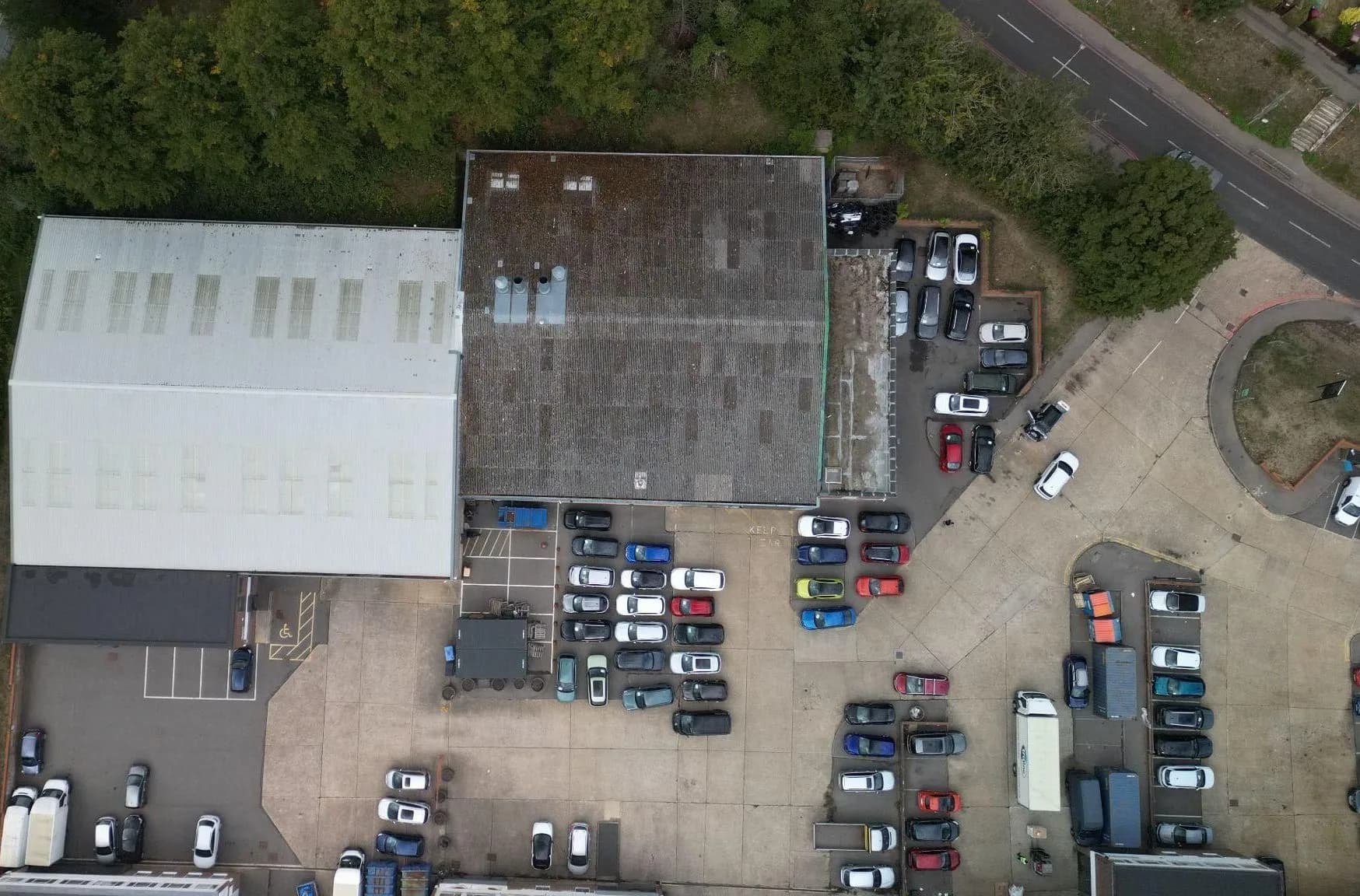
- Drone survey of roofs and high-level areas before pricing
- Fixed-price proposalspecification of works, programme and exclusions
- Site-specific RAMS issued before mobilisation
- Completion reportbefore-and-after photography and defect schedule
- Planned preventative maintenance (PPM) proposal
- £10 million public liability cover
How the work is delivered
Survey it. Specify it. Plan it. Deliver it. Document it. Maintain it.
- 01SurveySite visit and drone survey, with the condition photographed.
- 02ProposalFixed price, with specification of works, programme and exclusions.
- 03MobilisationRAMS issued; asbestos register, drainage drawings and site rules checked.
- 04WorksZone by zone behind exclusion areas, with arisings removed and wash-water control planned.
- 05Completion reportBefore-and-after photography, a defect schedule and sign-off.
- 06PPMA planned maintenance proposal, so the problem does not come back unnoticed.
- Office
- 01628 232 450
- Mobile / WhatsApp
- 07308 755 755WhatsApp
Safety and site control
Planned before we arrive
- Roofs
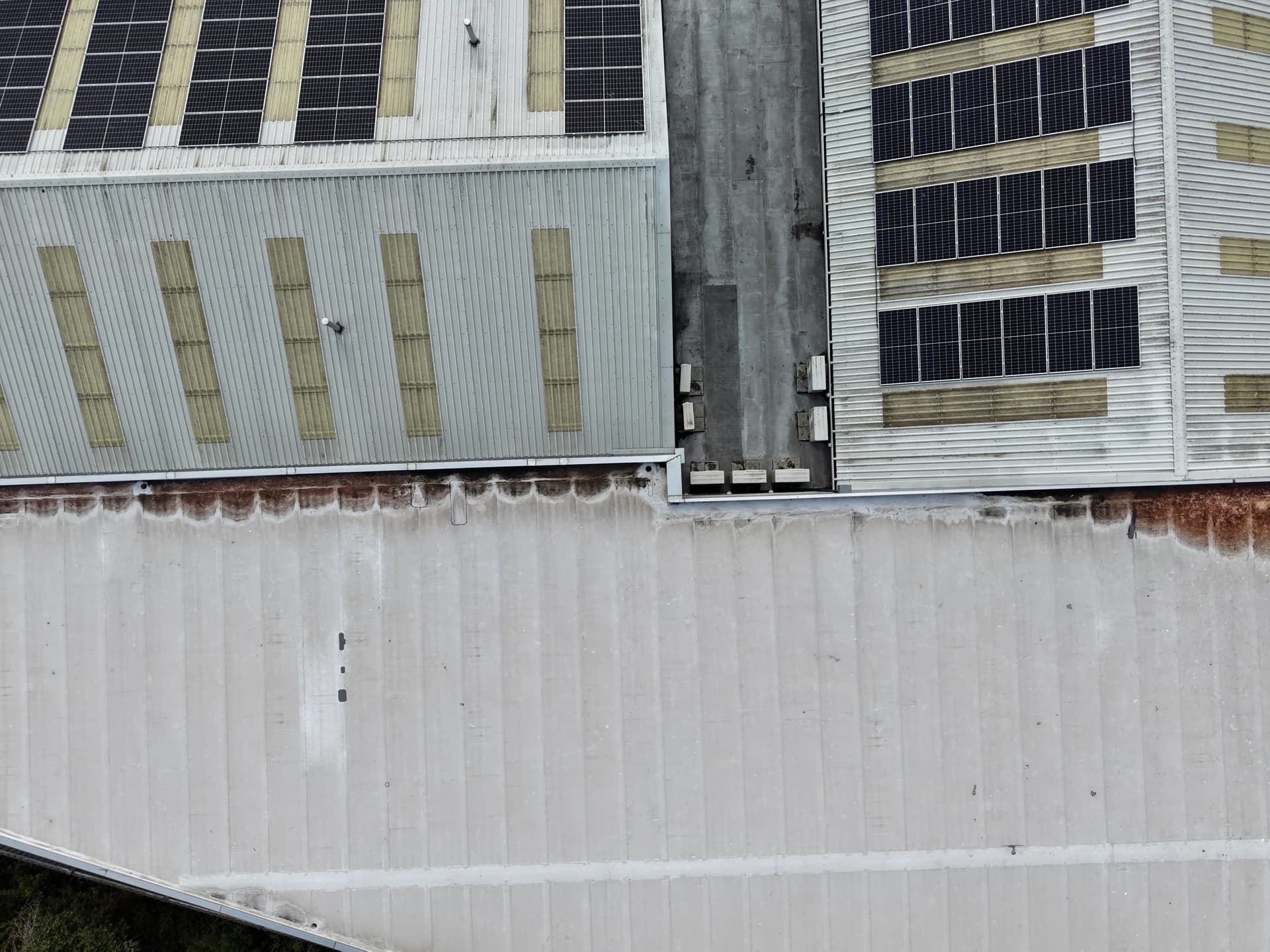
- We identify the roof covering before any work is proposed and request the asbestos register. Asbestos-cement and fragile roofs are never pressure-washed or walked on.
- Wash water
- We plan wash-water control and drain protection for every site.
- Schools and care settings
- We work in school holidays and INSET days, or behind exclusion zones away from pupils and residents.
- Weather
- Our normal lift wind limit is 20 mph. Weather rescheduling is free of charge.
Related
Where planned maintenance connects
Questions
Planned maintenance FAQs
What is planned preventative maintenance (PPM)?
PPM is the planned inspection, cleaning and treatment of a building's exterior surfaces, in place of waiting until contamination becomes severe. The programme depends on the property, its surfaces and its environment.
Do we have to commit to a maintenance contract?
No. The PPM proposal is advisory: it recommends when each area should next be reviewed, and nothing is scheduled until you accept it.
How often should a commercial exterior be cleaned?
There is no single cycle that suits every commercial property. Surface material, orientation, shade, nearby trees, moisture, traffic, footfall and building use all affect how quickly contamination develops, so the PPM proposal suggests a review cycle for each area rather than one date for the whole site. Some areas need only monitoring.
Can planned work continue while the site is occupied?
Yes. Works are phased zone by zone behind agreed exclusion areas, so access can be maintained wherever the site conditions allow. Out-of-hours working is available, and work at schools is planned around term dates.
Can PPM cover more than one property?
Yes. Several properties are covered by a multi-site and portfolio contract, with each site surveyed and specified on its own.
Next step
Request a Site Survey
Tell us about the property, its exterior surfaces and the problems that keep returning. We survey the site and send a fixed-price proposal.
- Office
- 01628 232 450
- Mobile / WhatsApp
- 07308 755 755WhatsApp