
Building surfaces
Façade cleaning
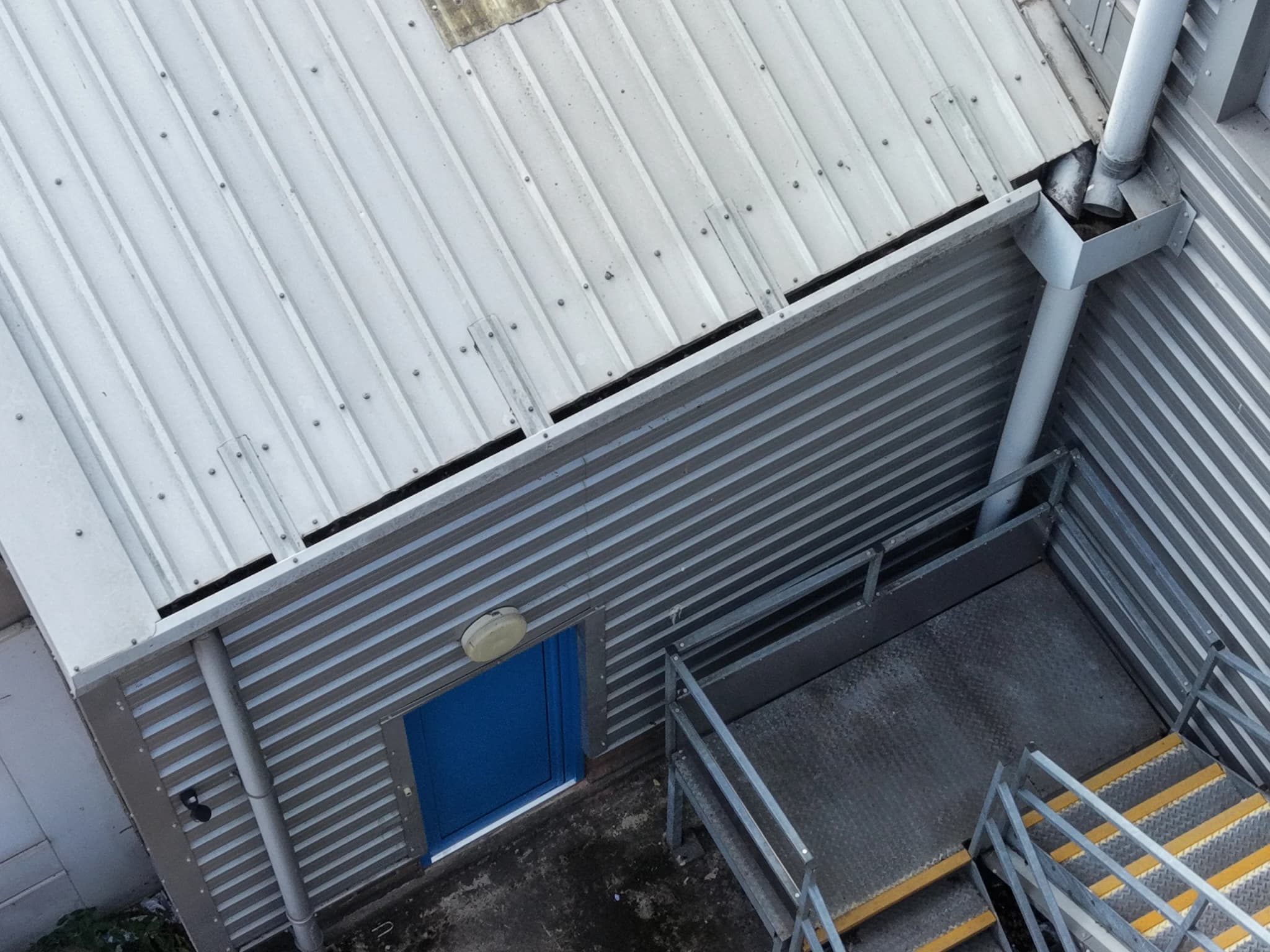
Atmospheric soiling and organic growth on new and refurbished elevations, with the method selected for the substrate.
Construction and development
Buckinghamshire · Oxfordshire · Berkshire
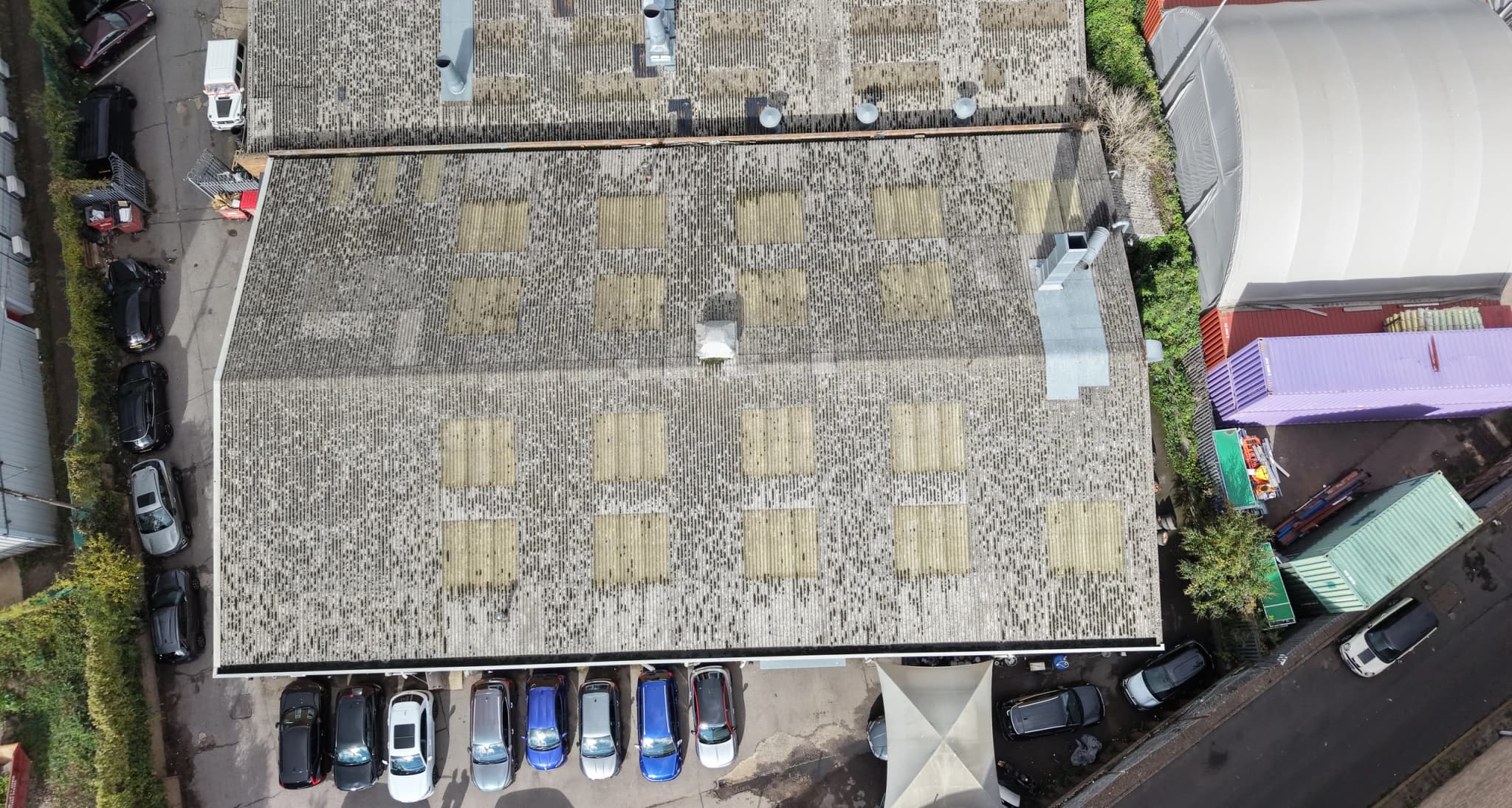
Prepare completed buildings and external areas for inspection, marketing or handover with a specification of works shaped around the project: surveyed, delivered at a fixed price and documented, across Buckinghamshire, Oxfordshire and Berkshire.
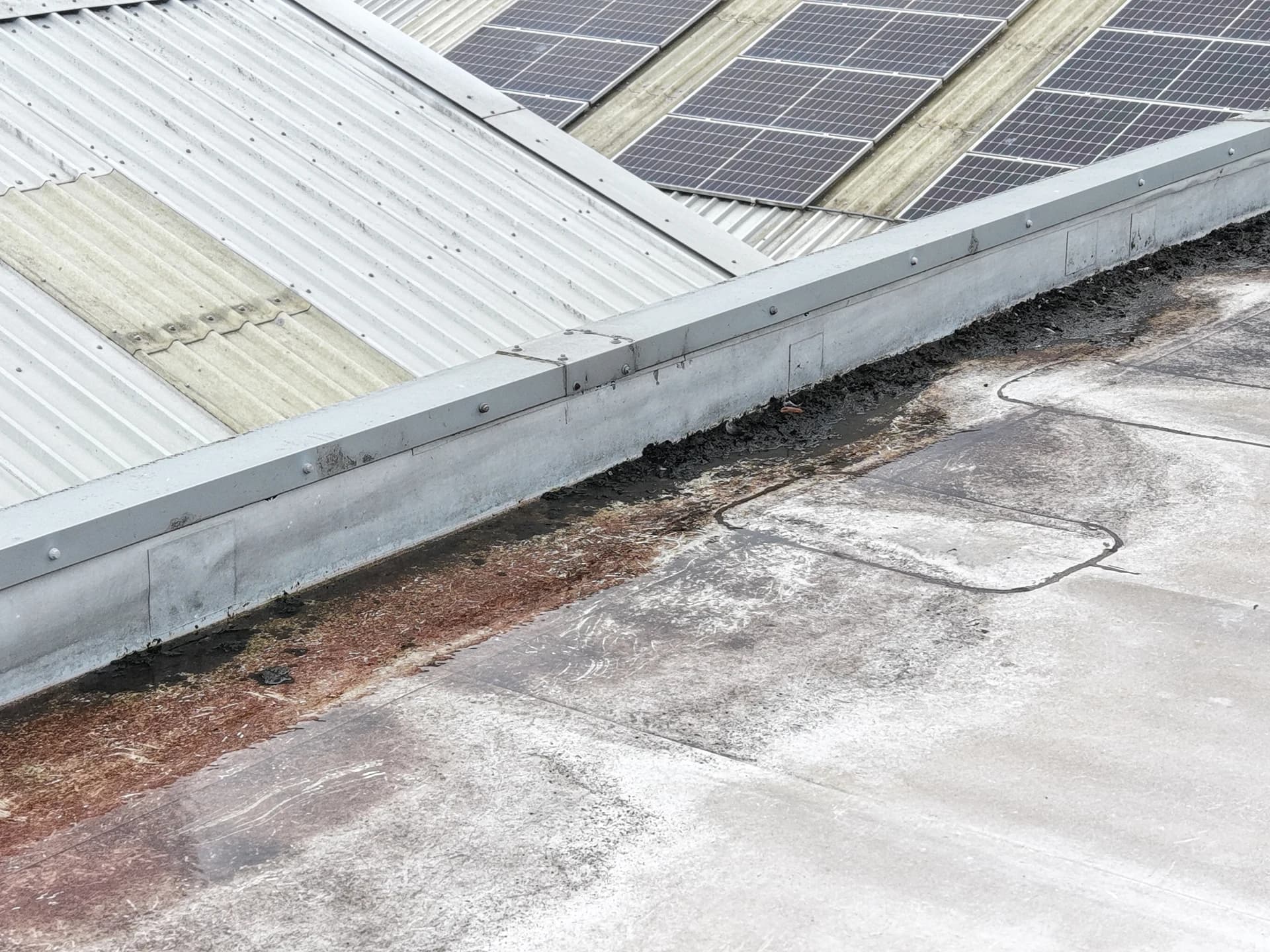
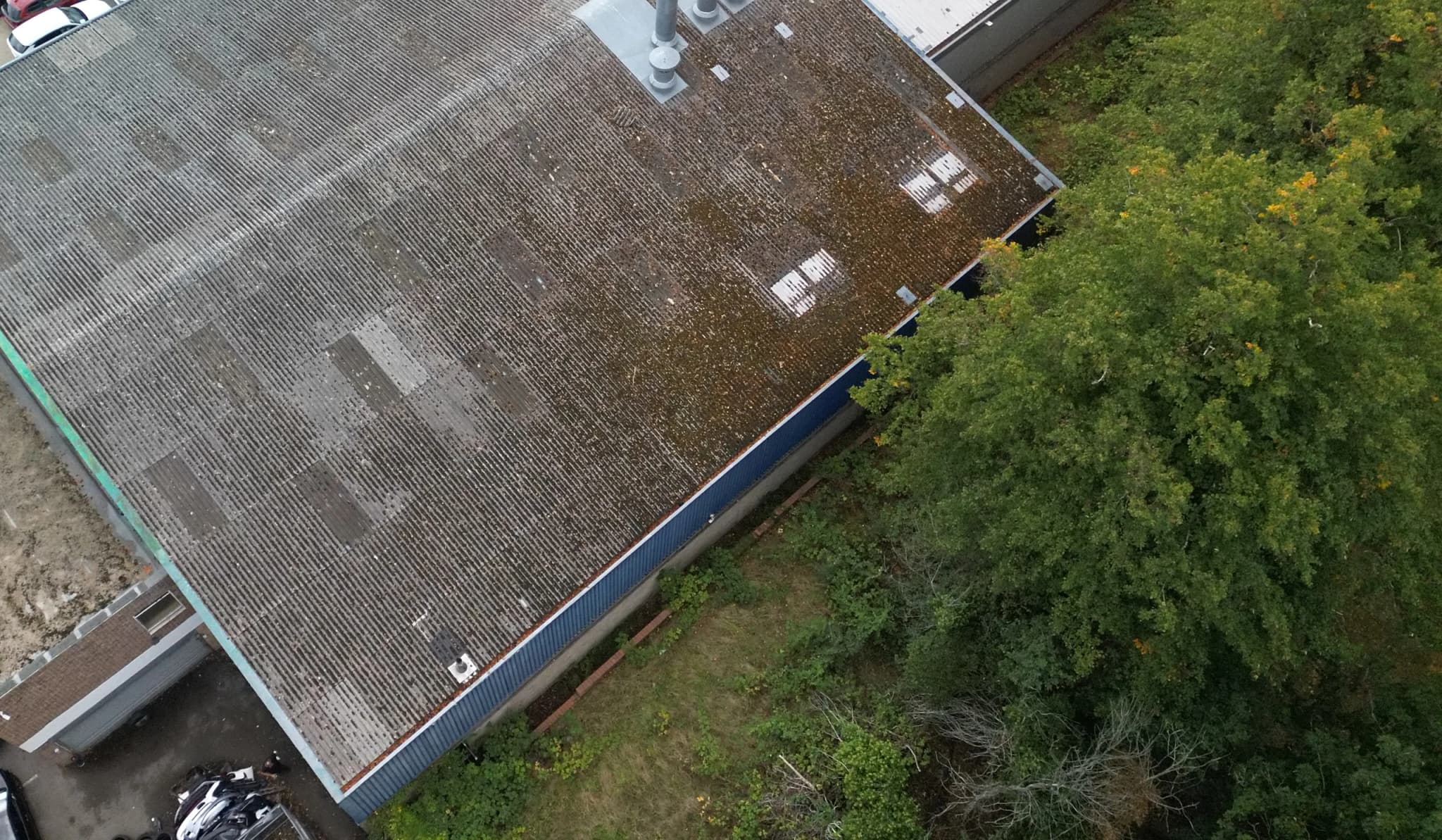
On siteSurvey: overhead aerial view of a mossed roof with its yard around it
Photographic record
The problem
A finished building can still look incomplete when façades carry mortar marks, render is weathered, cladding is dusty, paving is stained or rooflines hold construction debris. These details can affect the impression made during inspections, marketing visits and the final handover.
The clean carries risks of its own. Recently installed render, cladding, masonry, paving and roof materials can have different tolerances and curing considerations, and a method suited to robust concrete may damage a coated panel, a fresh joint or a recently completed finish.
For the developer, main contractor or project team, Chiltern Surface Co takes responsibility for the survey, specification, mobilisation, delivery and completion report, so the exterior is a problem you hand over rather than another task to manage.
What we do
The work covers external building surfaces and suitable surrounding hard areas on new-build housing developments; office, retail, industrial and mixed-use developments; and refurbishments and conversions, where existing and newly installed materials sit side by side. It complements the wider builders' clean without replacing internal cleaning or specialist remedial works. The specification of works is set by the development, the surface condition, the residue, access and the handover priorities, and can deal with one focused issue or bring several services together.
Building surfaces
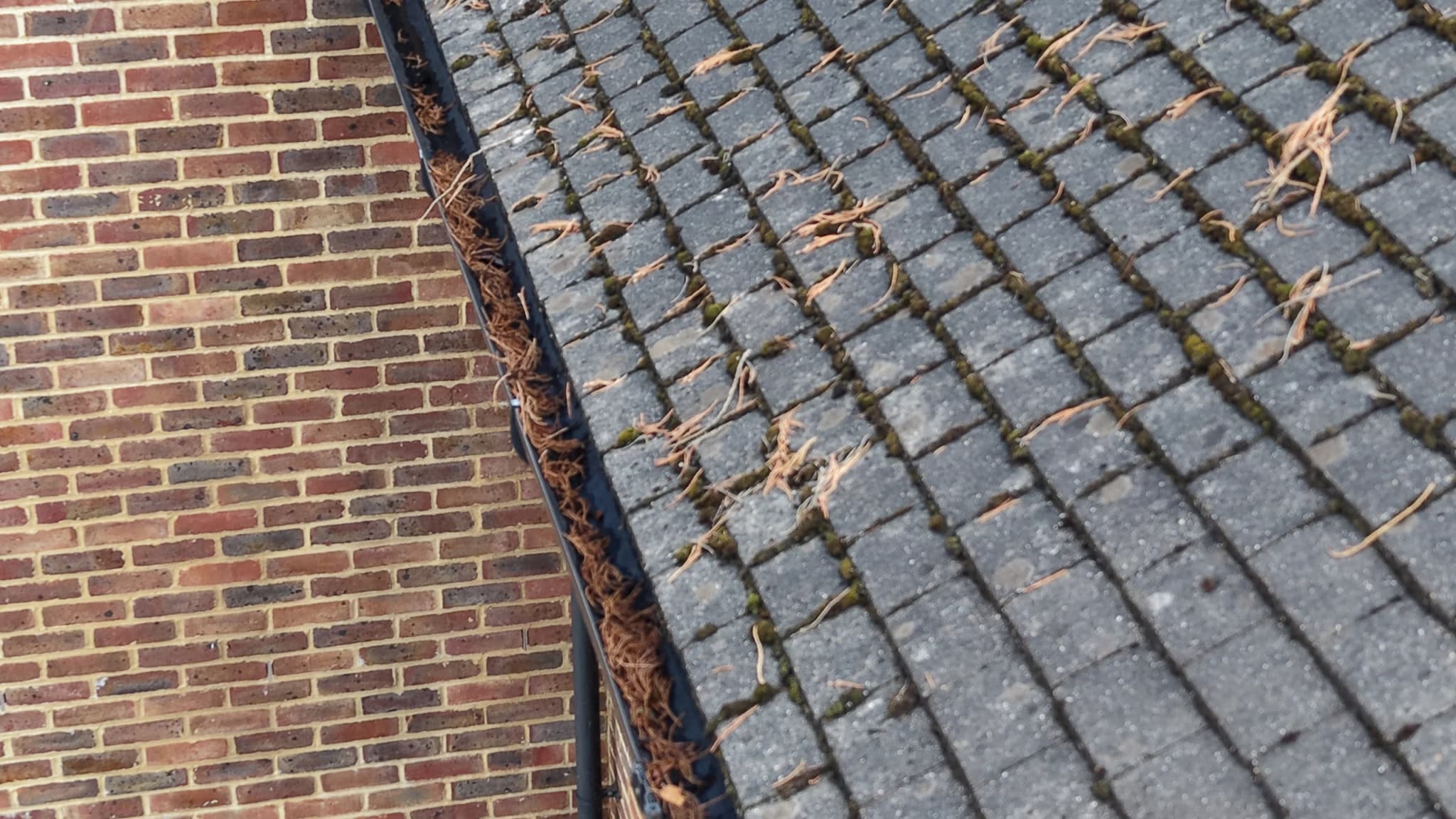
Atmospheric soiling and organic growth on new and refurbished elevations, with the method selected for the substrate.
Building surfaces
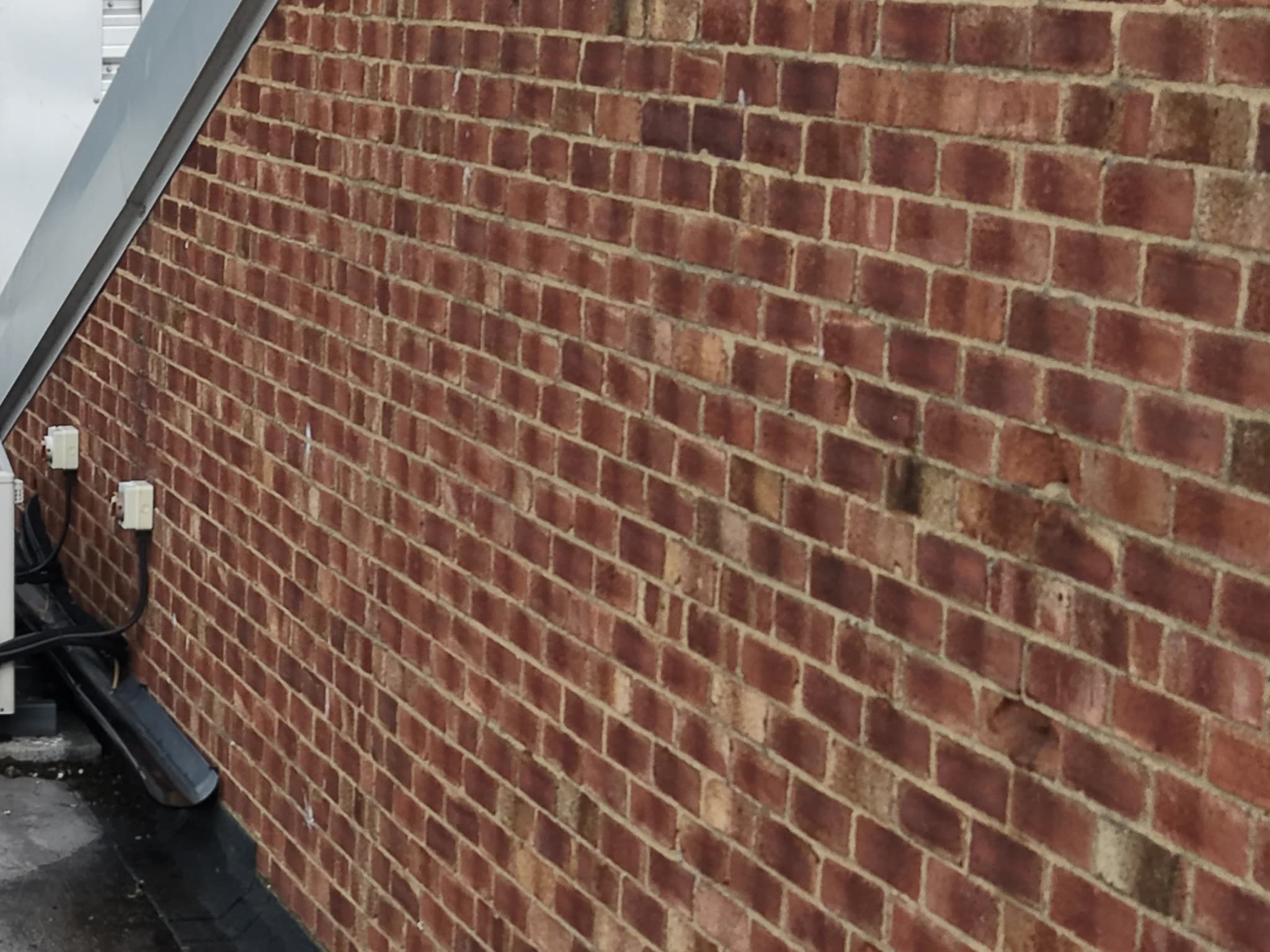
Render and masonry elevations on new and refurbished buildings.
Building surfaces
Brick and natural stone elevations left with site dirt after construction or refurbishment.
Building surfaces
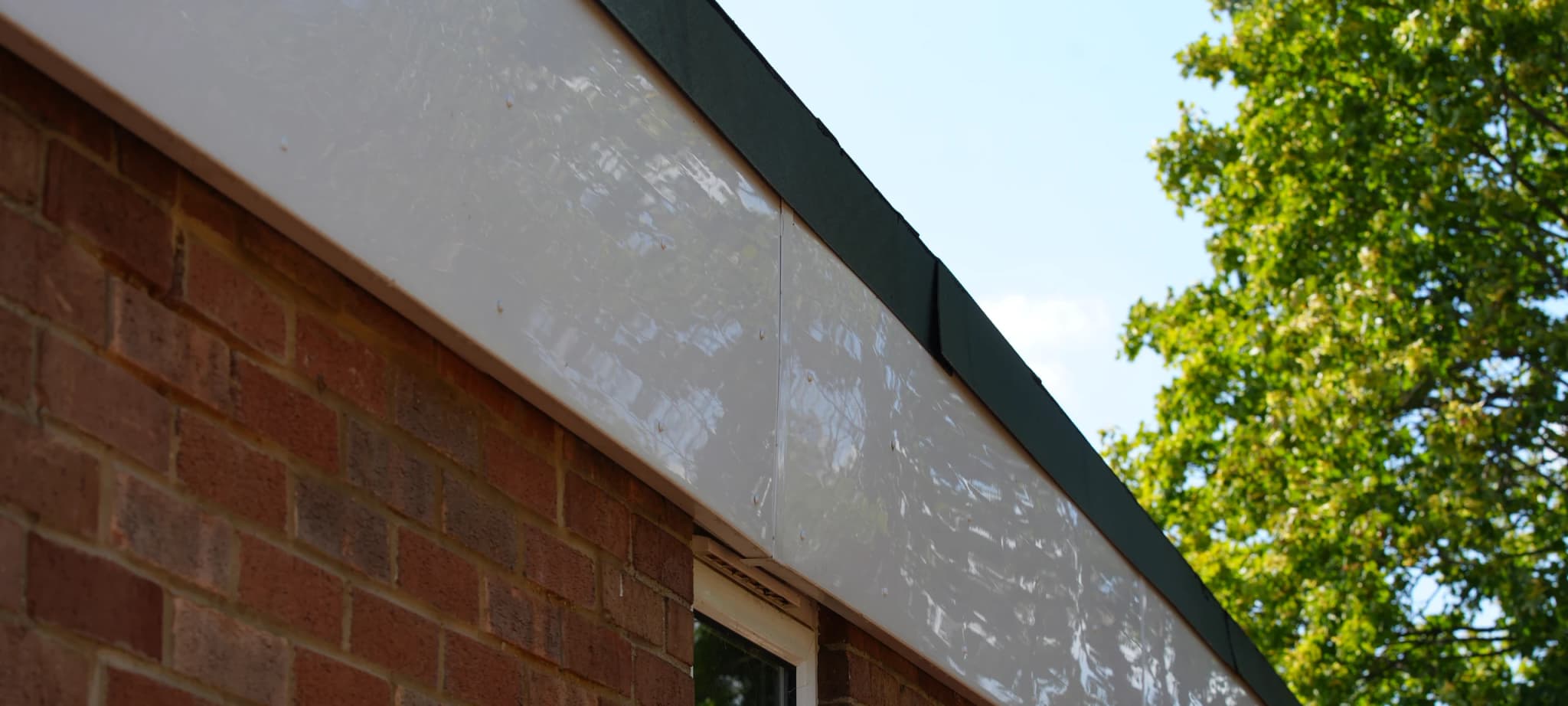
Older elevations in refurbishment and conversion projects, including listed and conservation-area buildings.
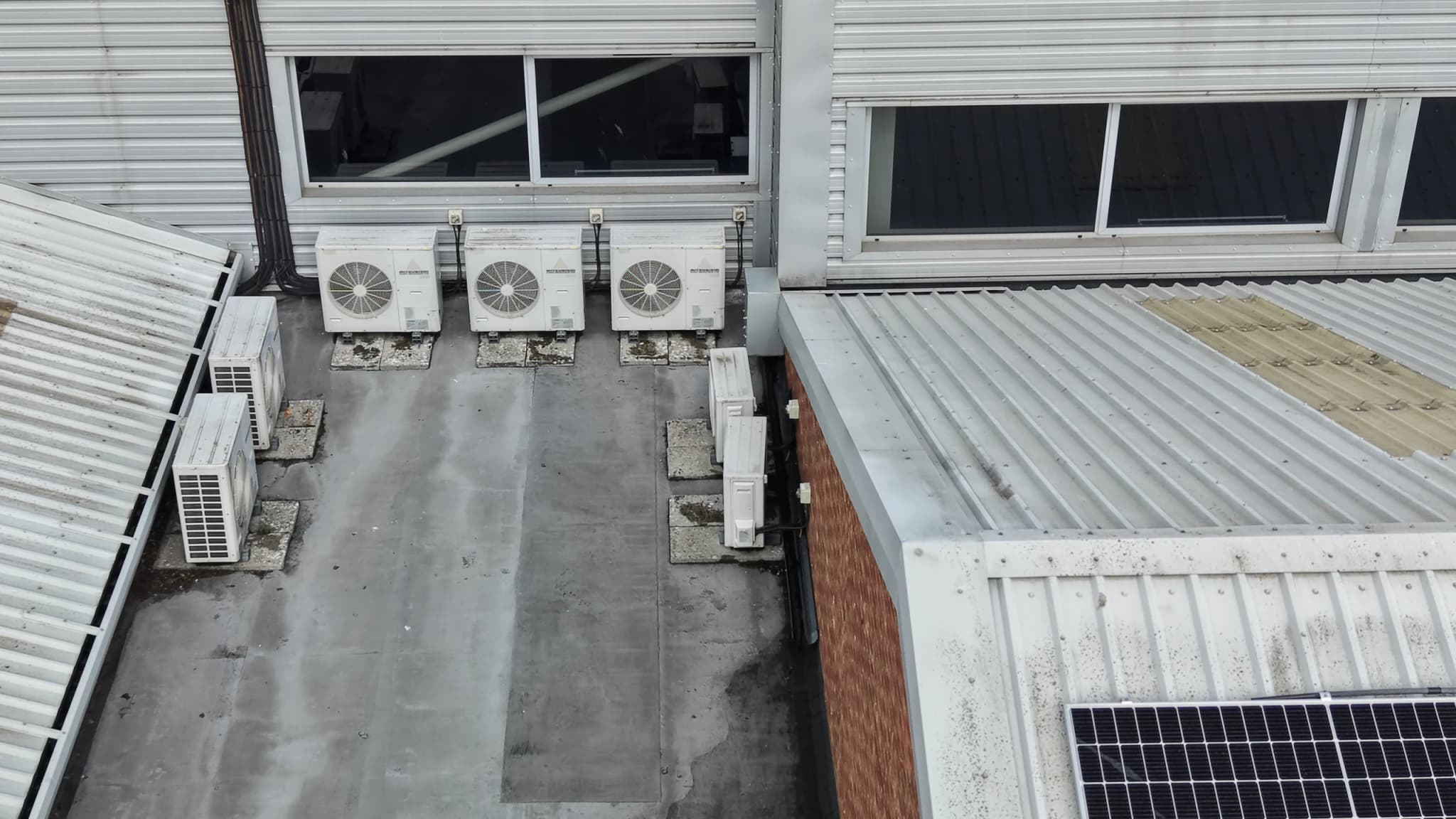
Building surfaces
Coated metal and other cladding systems, cleaned according to the panel finish, installation condition and type of residue present.
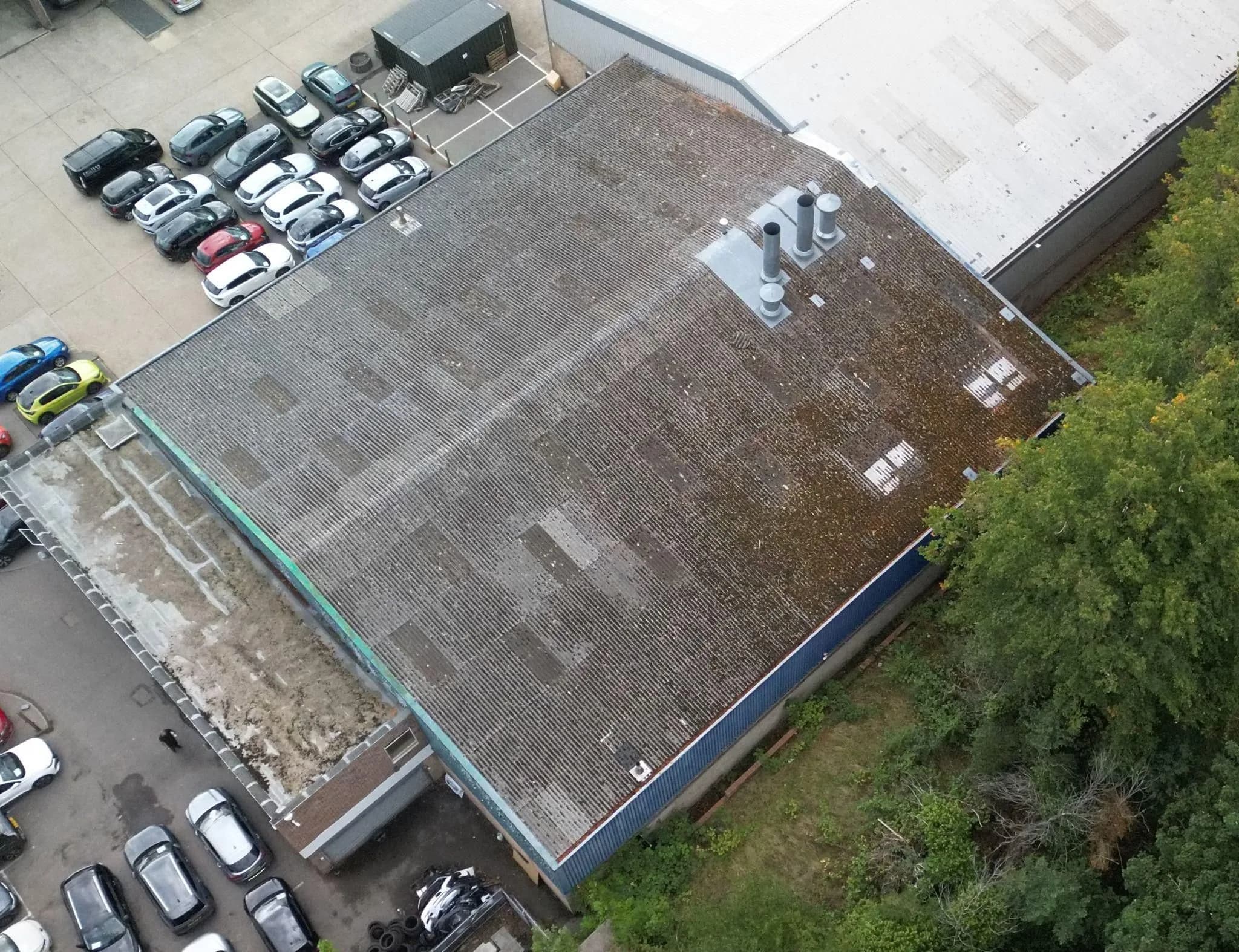
Roofs and high level
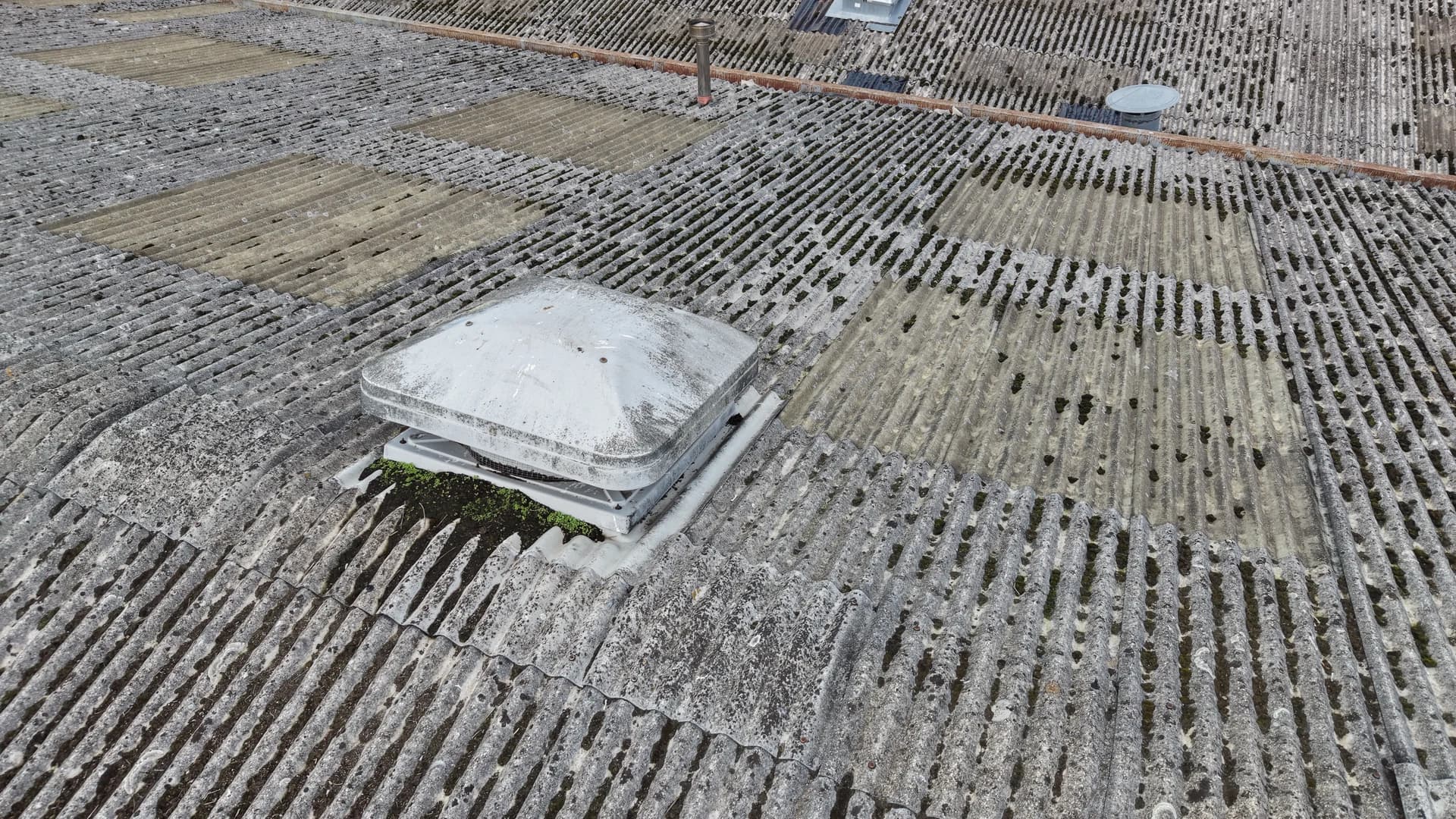
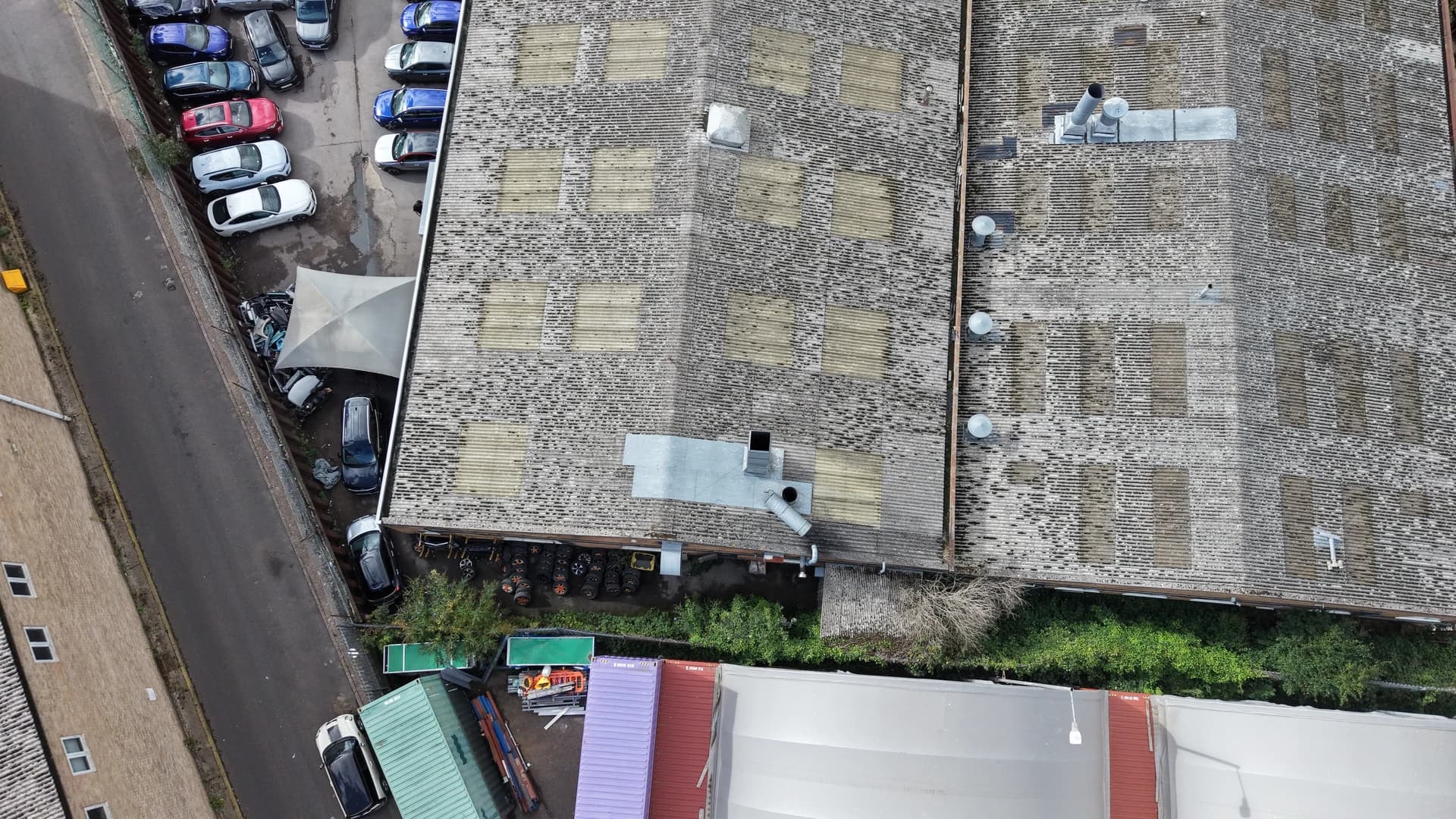
Loose material or biological growth on suitable roof coverings, specified once the covering, condition, drainage and access have been surveyed.
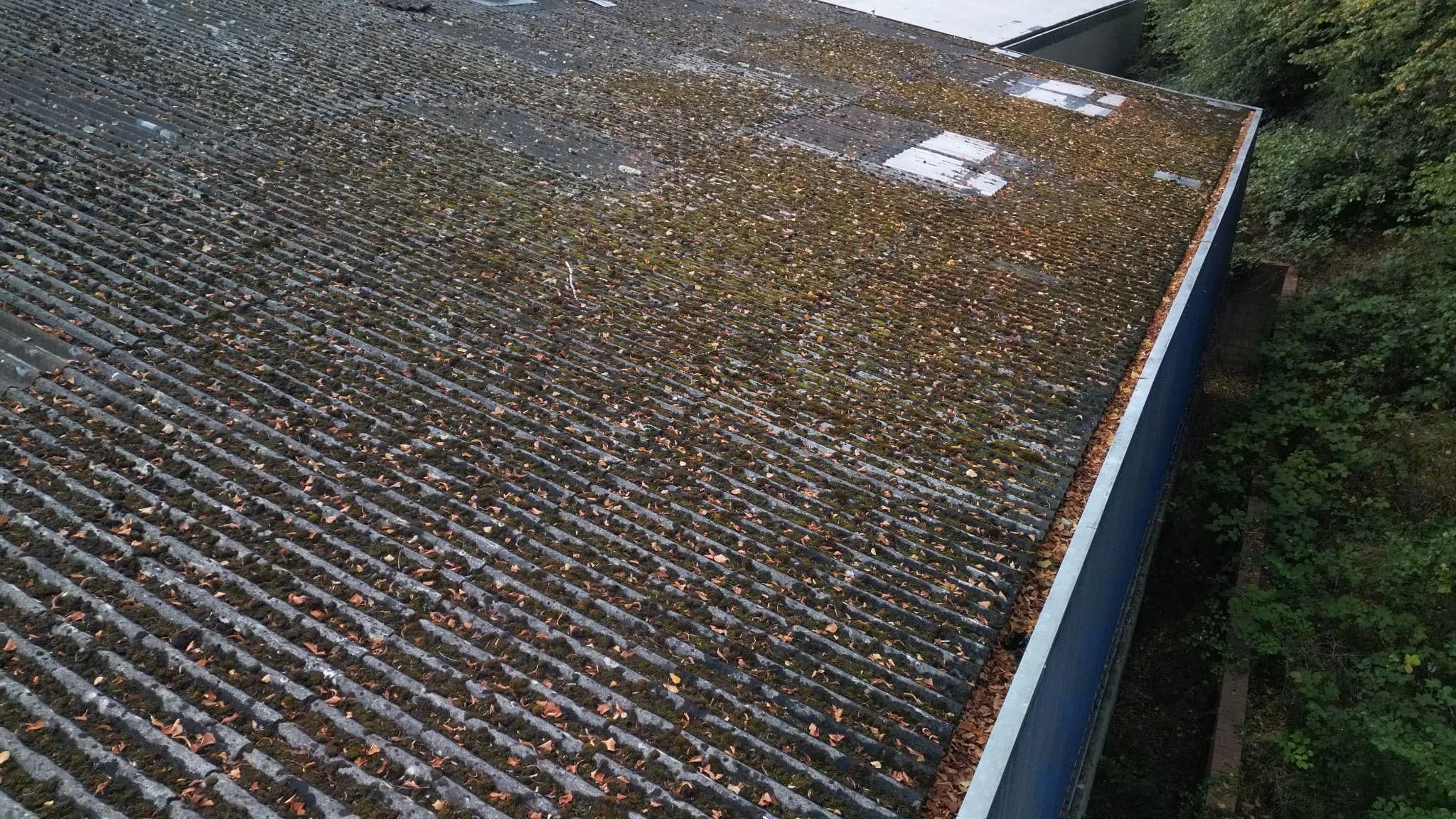
Roofs and high level
Gutters and outlets holding construction debris, with the debris removed before flushing with our van-mounted system.
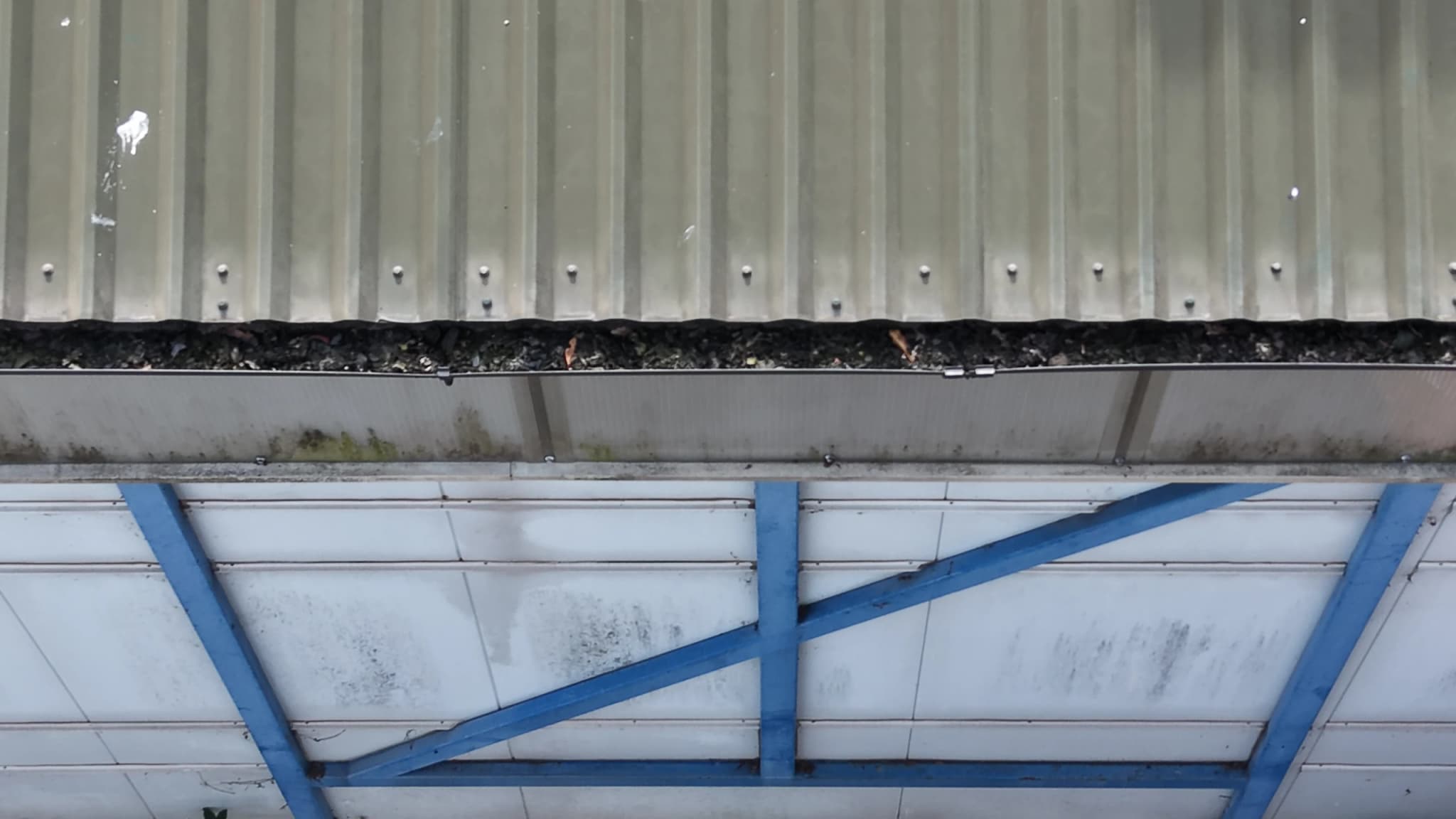
Roofs and high level
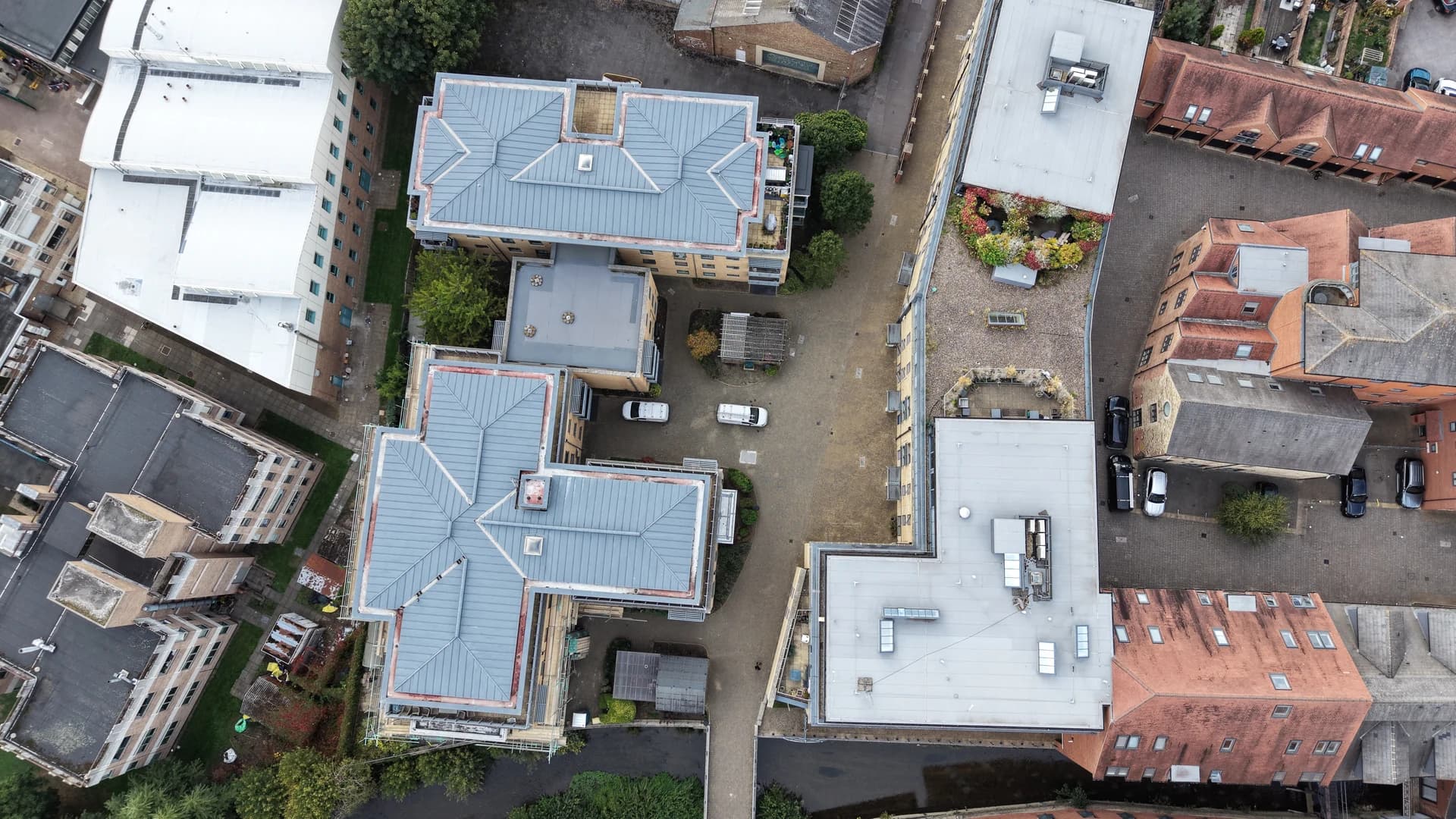
Upper elevations and rooflines reached from the tracked spider lift we own and transport to site, planned around the building height, layout and current site conditions.
External areas
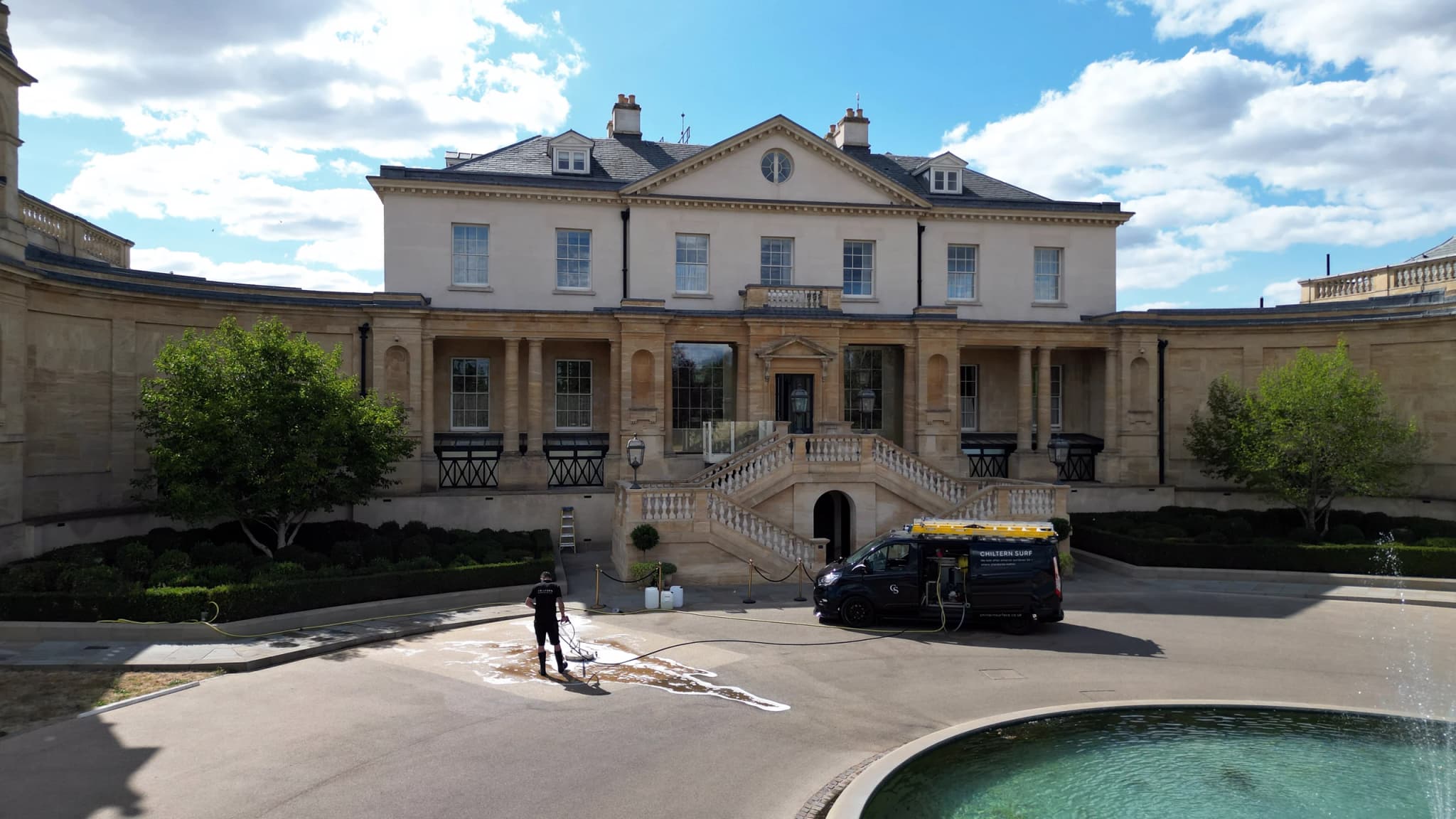
Controlled pressure washing for suitable paths, courtyards, entrances, forecourts and selected parking or access areas, where the finished material allows it.
After handover
A planned preventative maintenance (PPM) proposal with a suggested review cycle where the completed building warrants it, so its exterior moves from one-off cleaning to a known maintenance cycle.
Included on the project
How the work is delivered
Safety and site control
Related
Questions
Façades, render, cladding, roofs, gutters, entrances, paths, courtyards and suitable parking or access areas. We confirm the exact surfaces and marks in the specification of works after surveying the project.
Yes. We programme it for after the relevant external trades have finished and access is available, and before the inspection, presentation or handover date.
Yes. Individual plots, elevations or buildings are prioritised by access and handover sequence within one coordinated programme, and the order is set out in the specification of works.
No, not as a default. We identify the substrate, its age and the mark at the survey, then specify the pressure, water flow, cleaning products and application technique; new render, coated cladding and fresh joints may need a lower-pressure or alternative method. Where it helps, a test area is agreed.
A completion report: the works completed against the specification, before-and-after photography, a defect schedule, items outside the specification that need your attention, and sign-off. Where the building warrants it, the report ends with a planned preventative maintenance (PPM) proposal.
Buckinghamshire, Oxfordshire and Berkshire, from our base in Marlow.
Next step
Tell us about the project, the buildings and external areas that need attention, the residues present and the programme or handover requirements. We survey the surfaces, agree the priorities with you and send a fixed-price proposal with a specification of works, programme and exclusions.