
Loading bay contamination
Buckinghamshire · Oxfordshire · Berkshire
Industrial and Loading Bay Contamination Removal
Specialist treatment of the oil, diesel, hydraulic fluid, grease and tyre marks left on loading bays, service yards and operational concrete across Buckinghamshire, Oxfordshire and Berkshire.
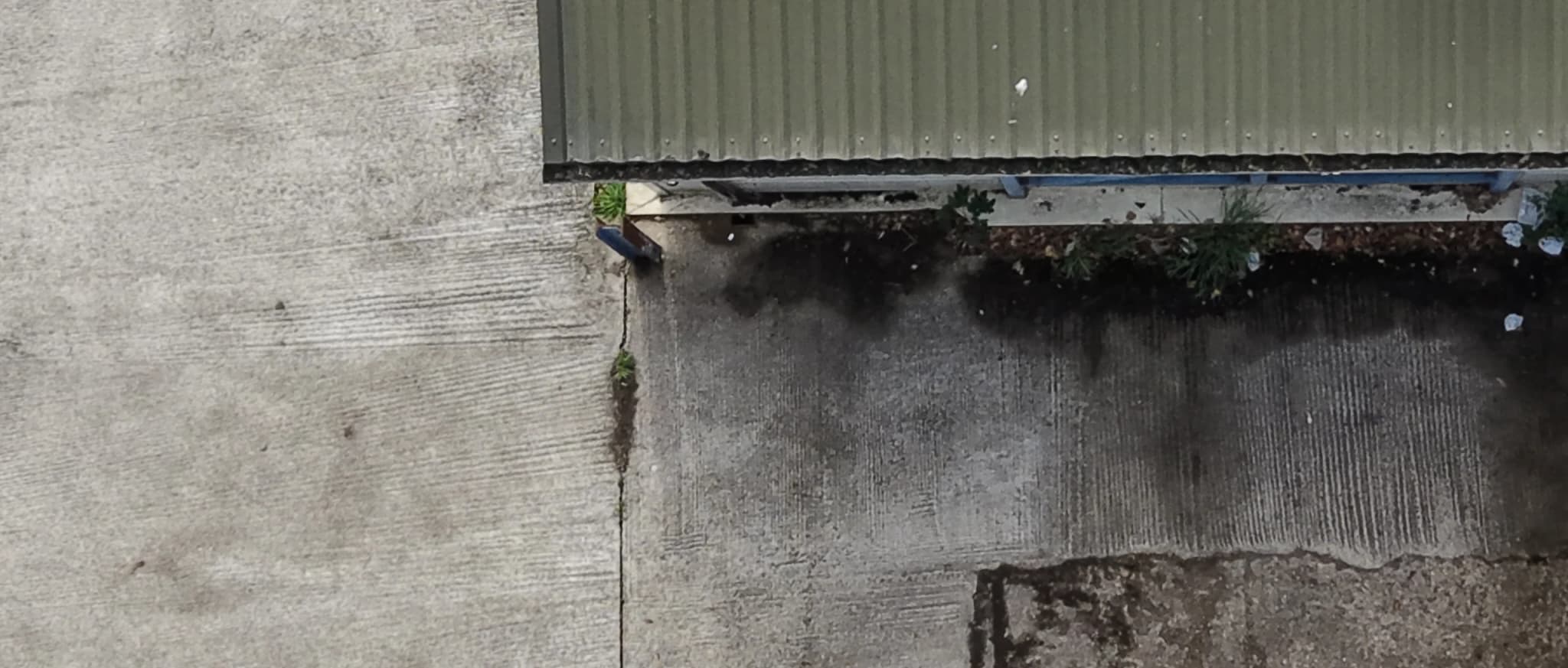
On siteSurvey: aerial view of concrete hardstanding with staining at the foot of a building
- IPAF
- Accredited operators on every lift
- £10m
- Public liability insurance
- RAMS
- Site-specific, issued before we mobilise
- 5 days
- From request to survey
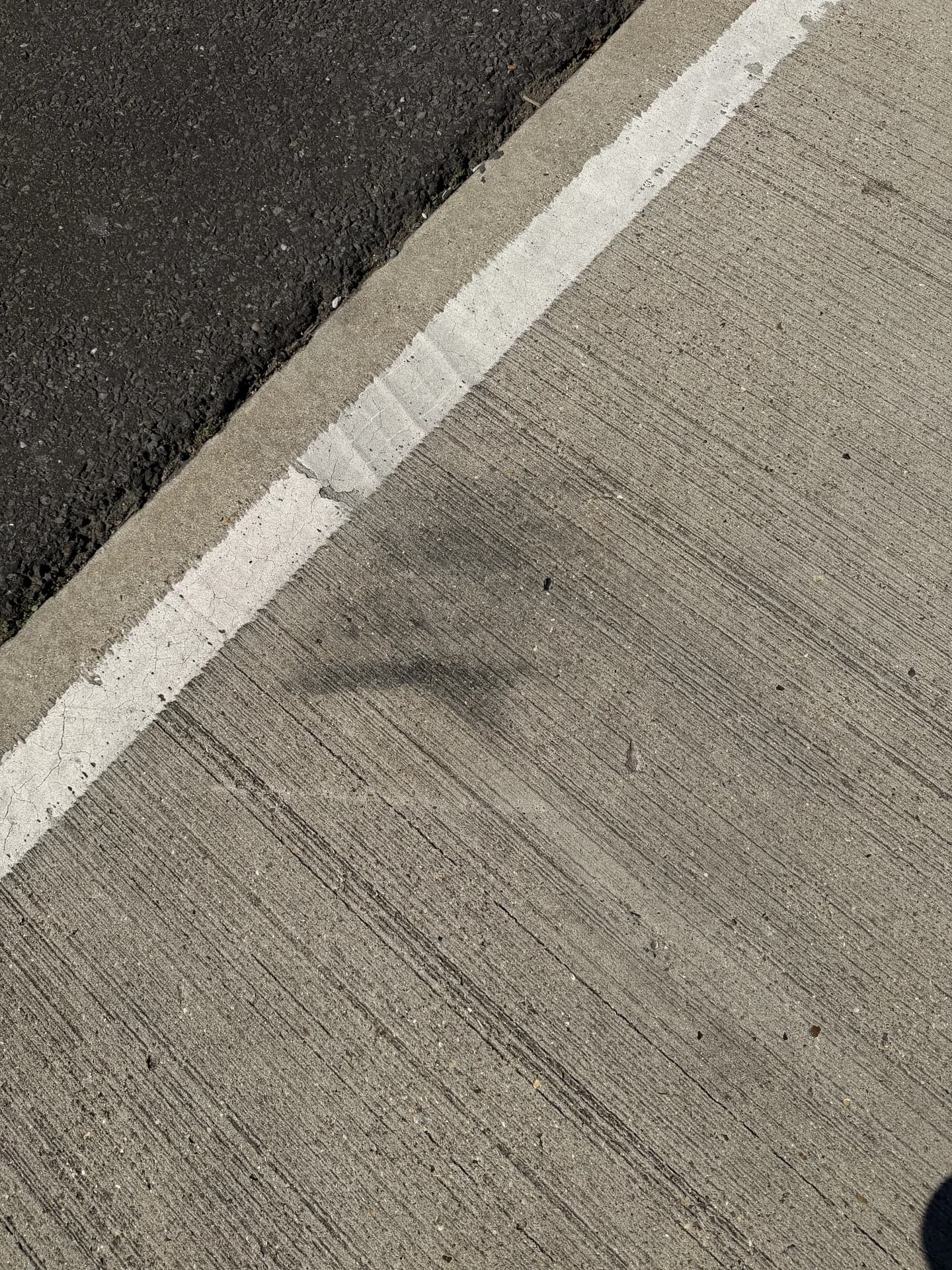
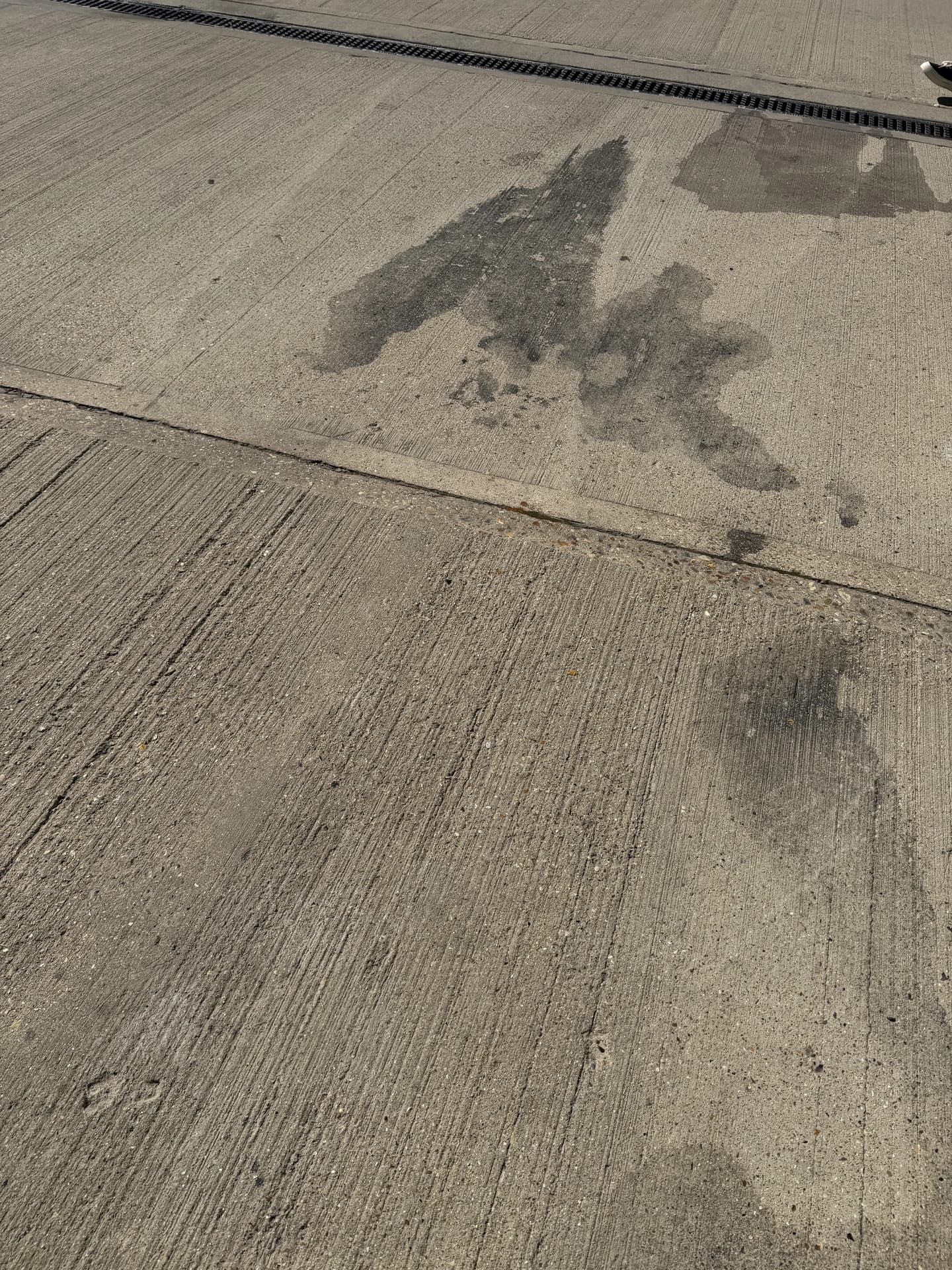
Photographic record
Contamination, works and the completion report
- Office
- 01628 232 450
- Mobile / WhatsApp
- 07308 755 755WhatsApp
The problem
Contamination where the site works hardest
Loading bays and service yards take repeated exposure to vehicles, machinery and operational fluids, and they rarely carry just one form of contamination.
Concrete is porous: oil, diesel, hydraulic fluid and grease can migrate below the surface, and the longer contamination is left, the deeper it can set and the harder complete removal becomes (oil stain and contamination removal explains why pressure alone does not necessarily reach it). At the bays, leaks can create isolated stains beneath vehicles, repeated contamination may gradually spread across larger areas, and the bays have to keep working while they are treated.
- Hydraulic fluid
- Leaks from loading equipment, plant and machinery leave concentrated staining around operational areas.
- Diesel and engine oil
- Common along commercial vehicle routes, at the bays and in industrial yards, and both can leave persistent discolouration.
- Grease
- Builds up around working areas and equipment, and may need targeted treatment rather than routine pressure cleaning.
- Tyre marks and rubber
- Left across aprons and vehicle routes by repeated vehicle movements.
- Repeated contamination
- Bays with repeated leaks in the same place can hold contamination of several ages and depths, which may need a more gradual treatment programme.
What we do
Specification of works
The survey divides the bays and yard into sections by what each one carries, and the specification of works names the treatment for each. Where the wider yard also needs cleaning, it can be coordinated in the same programme under industrial yard and warehouse cleaning. The achievable result depends on the depth and nature of the staining within the substrate. Where complete removal cannot be guaranteed, this is identified before works begin and the expected improvement is set out clearly.
| Areas | Loading bay aprons and dock approaches, service yards, service routes and commercial vehicle areas, and the concrete around external plant, machinery and loading equipment at warehouses, distribution centres, factories, industrial units and other industrial and logistics sites. Oil staining elsewhere on a site is covered under oil stain and contamination removal. |
|---|---|
| Method | Absorbed oil, diesel, hydraulic fluid and grease are pre-treated first, with dwell time allowed where required, then cleaned at the lowest appropriate pressure for the surface; tyre marks are pre-treated where suitable. Where contamination has travelled well into the concrete, treatment may be staged: applied, given time to work and reassessed before deciding whether another application is worthwhile. |
| Arisings | Skip provision where required, and arisings removed from site. |
| Before work starts | We ask for drainage drawings, site rules, known contaminants and the history of each stain: what caused it, how long it has been there, whether it recurs and any previous cleaning attempts. Delivery windows, loading priorities, vehicle routes and when each bay can be released are agreed with the site, and set the zones, the sequence and the site-specific RAMS. Where the residue or drainage arrangement needs controls beyond normal exterior cleaning, we raise it before the proposal is agreed. A test area may be recommended for a prominent or uncertain stain before the wider treatment is confirmed. |
| Recorded | Each treated area is photographed before and after, and the completion report states the improvement achieved and, where a further application may be worthwhile, the options. Cracks, failed joints, eroded concrete and damaged drainage covers are condition issues rather than contamination, and are listed in its defect schedule. |
| Exclusions | Internal warehouse and factory floors; machinery, dock equipment and racking; concrete and drainage repairs; active spills, hazardous substances and regulated waste, which need the appropriate specialist response. |
- Office
- 01628 232 450
- Mobile / WhatsApp
- 07308 755 755WhatsApp
Included on the project
- Fixed-price proposalspecification of works, programme and exclusions
- Site-specific RAMS issued before mobilisation
- Arisings removed from site
- Completion reportbefore-and-after photography and defect schedule
- £10 million public liability cover
How the work is delivered
Survey it. Specify it. Plan it. Deliver it. Document it. Maintain it.
- 01SurveySite visit, with the condition photographed.
- 02ProposalFixed price, with specification of works, programme and exclusions.
- 03MobilisationRAMS issued; asbestos register, drainage drawings and site rules checked.
- 04WorksZone by zone behind exclusion areas, with arisings removed and wash-water control planned.
- 05Completion reportBefore-and-after photography, a defect schedule and sign-off.
- 06PPMA planned maintenance proposal, so the problem does not come back unnoticed.
- Office
- 01628 232 450
- Mobile / WhatsApp
- 07308 755 755WhatsApp
Safety and site control
Planned before we arrive
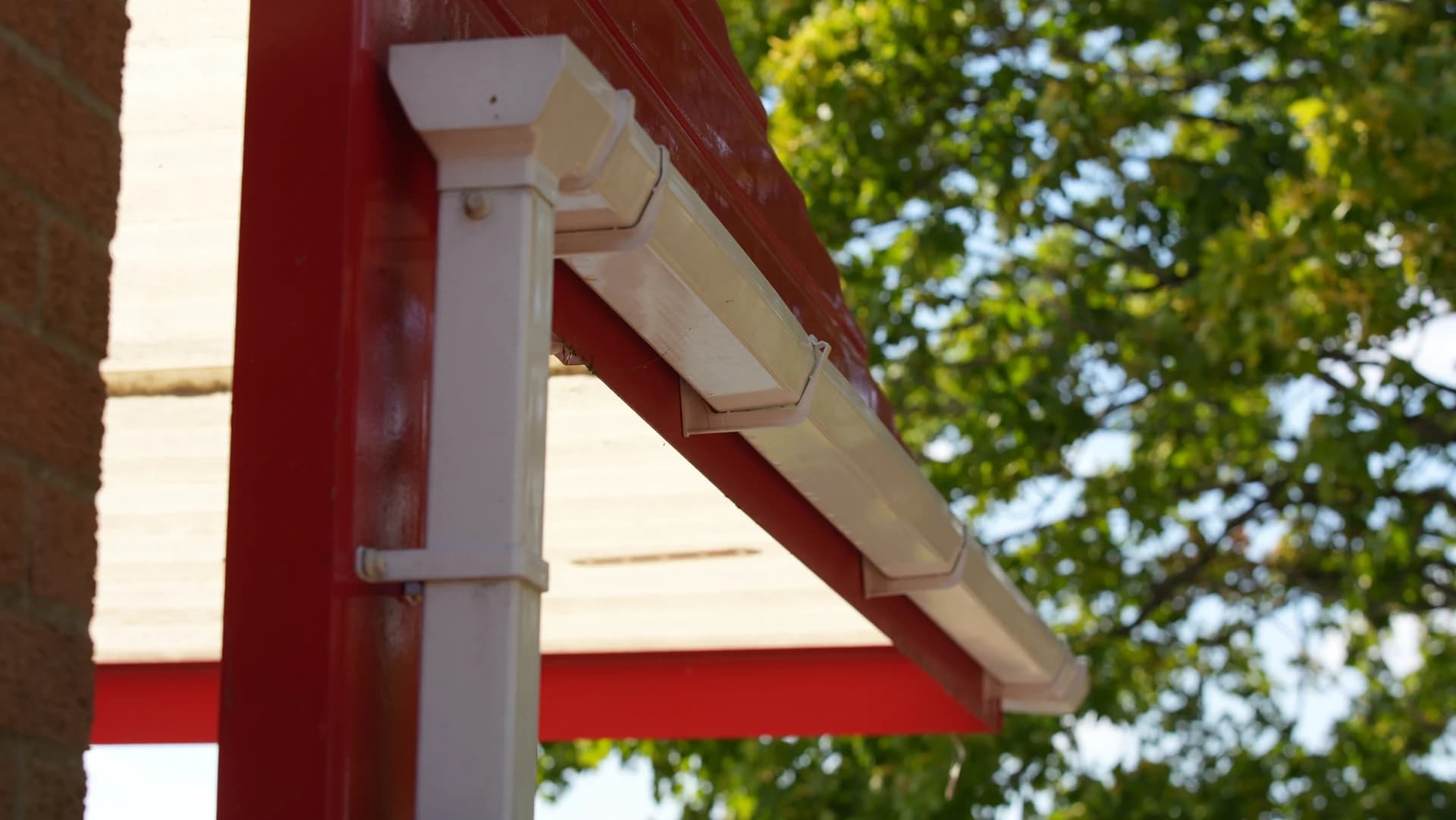
- Wash water
- We plan wash-water control and drain protection for every site.
Related
Where loading bay work connects
Questions
Loading bay contamination FAQs
Can you treat tyre marks, diesel and hydraulic staining on a loading bay?
Yes. Tyre marks, rubber, diesel, engine oil, hydraulic fluid and grease on external loading bays, service yards and vehicle routes are all within this service.
Will established staining come out completely?
No, not always. Older stains can often be improved, but where contamination has penetrated deeply, some discolouration may remain. The result depends on the contaminant, the age of the staining, the porosity and condition of the concrete, previous cleaning and repeated contamination. We assess these at the survey and explain the likely result before treatment.
Can the site keep loading while the bays are treated?
Yes. Works are phased zone by zone behind agreed exclusion areas, bay by bay as bays are released, so access can be maintained wherever the site conditions allow. Out-of-hours working is available where the site needs it.
Do you attend active spills?
No. We treat the residual staining after the event. An active spill is outside this service and needs the appropriate specialist response.
How is the work priced?
At a fixed price, after the survey. The proposal reflects the areas, contaminants, access, operational constraints and drainage, and sets out the specification of works, programme and exclusions. Where staining is deeply established or may need repeated treatment, the proposal explains this. There are no day rates and no overrun charges.
What do we receive when the work is complete?
A completion report: before-and-after photography of each treated area, the improvement achieved, a defect schedule and sign-off. Operational bays keep collecting new contamination, so it ends with a planned preventative maintenance (PPM) proposal and a suggested review cycle for the bays; several sites can be coordinated under one multi-site programme.
Next step
Request a Site Survey
Tell us about the site, the bays and yard areas affected, what caused the staining and how long it has been there. We survey the site, then send a fixed-price proposal with a specification of works, programme and exclusions.
- Office
- 01628 232 450
- Mobile / WhatsApp
- 07308 755 755WhatsApp